
Best Used Subcompact SUVs Under $10,000 for Off-Road Camping in the Pacific Northwest (2027)
 Curated byKory White · Fractional CRO · Maryland
 PULSEKNOWLEDGE LIBRARY
Quality
Certified
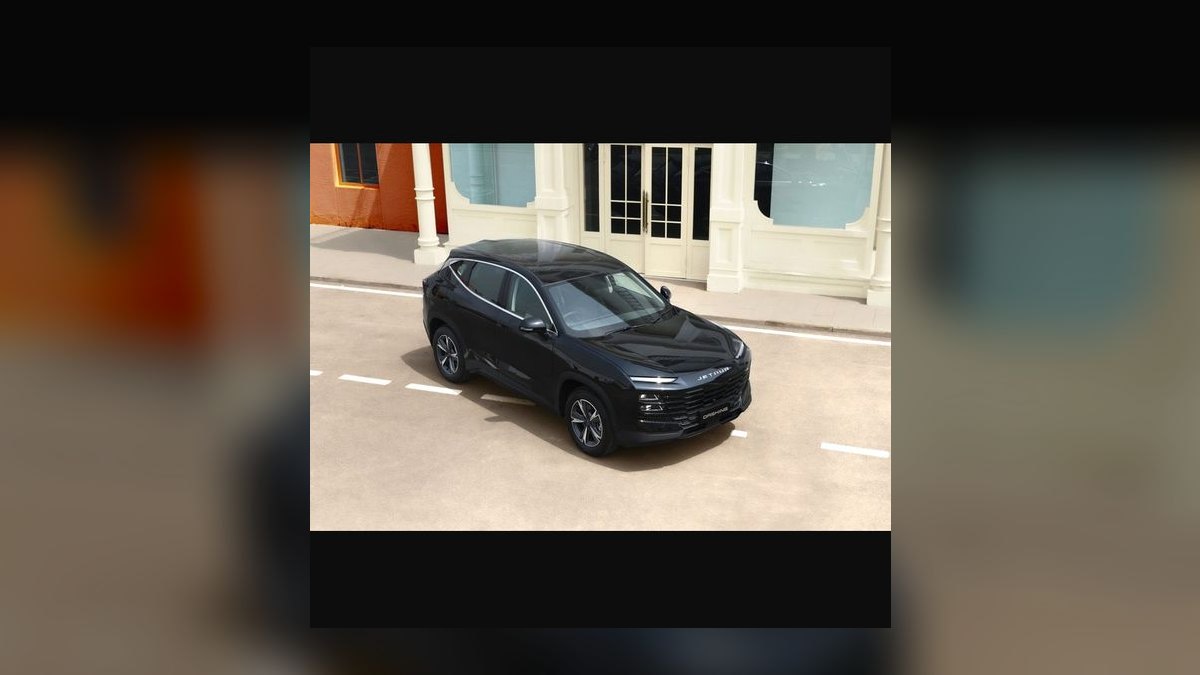
Under $10,000 in 2027, the best used subcompact SUVs for Pacific Northwest off-road camping are the Subaru Forester and Crosstrek, the Toyota RAV4, and the Honda CR-V. All four pair standard or optional all-wheel drive with real ground clearance, cargo room for a sleeping platform, and cheap Northwest parts availability.
The outcome you should expect
Set expectations properly before you spend a dollar. A $10,000 budget in 2027 does not buy a lifted, locker-equipped rock crawler. It buys a fifteen-to-twenty-year-old unibody crossover with a reasonable service history, all-wheel drive, and enough underbody clearance to survive a washboard Forest Service road at 20 mph without dragging a bumper. That is the actual outcome, and it is a genuinely useful one — because the overwhelming majority of Pacific Northwest dispersed camping happens at the end of exactly those roads, not at the end of a rock garden.
Think about where you are actually going. Gifford Pinchot, Mount Baker–Snoqualmie, Okanogan–Wenatchee, Willamette, Deschutes, Mount Hood, Olympic. The access roads into those units are overwhelmingly graded gravel and old logging spurs. The Forest Service maintenance-level system tells you what you are dealing with: maintenance level 3 through 5 roads are passenger-car suitable and get graded on a schedule; level 2 roads are "high-clearance vehicles" and get graded when somebody remembers. A stock subcompact crossover with roughly 7 to 8.7 inches of clearance handles every level 3 road in the Northwest and a solid majority of level 2 roads in dry conditions. It will not handle a level 2 road that has been rutted out by a spring washout, and it will not handle anything the Forest Service has stopped maintaining entirely.
So the honest outcome is: with the right $9,000 vehicle and a $600 tire budget, you can reach probably 85 percent of the dispersed sites in the Cascades and the Olympics between June and October. The remaining 15 percent needs a truck, a lift, or a very calm relationship with your own body panels. Shoulder-season access — May and late October — is more like 60 percent, because snowline and mud change the math completely, and a soft dirt road in the Coast Range after three days of rain is a different vehicle problem than the same road in August.
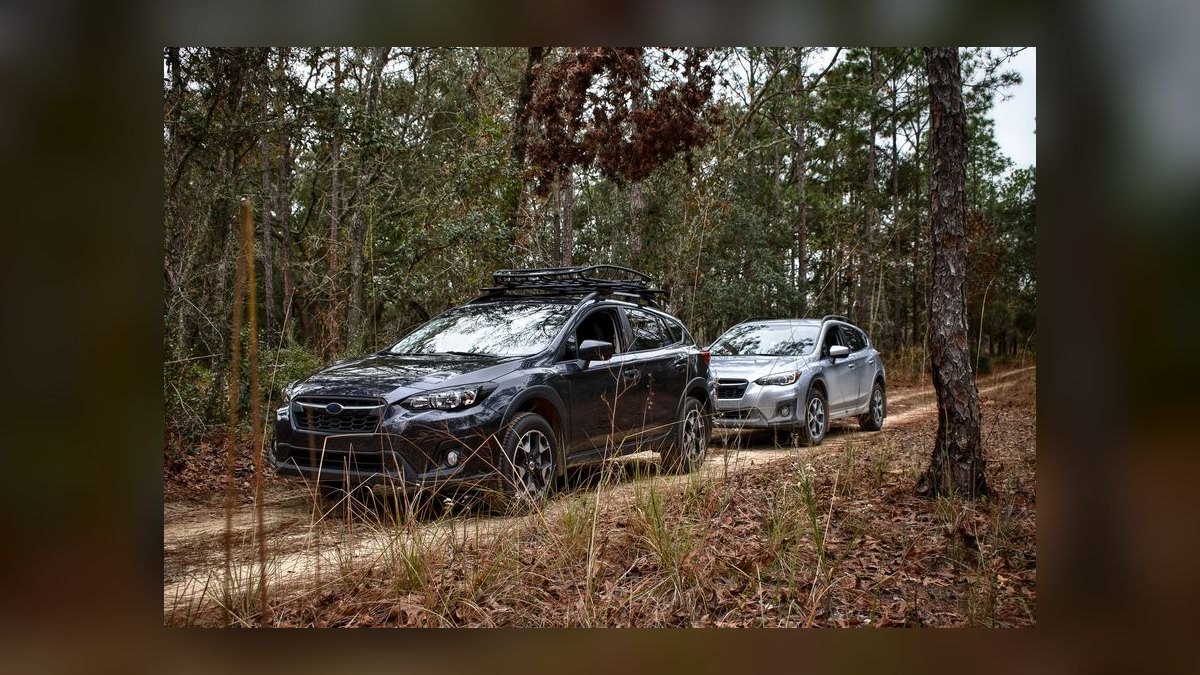
Second thing to expect: you will spend money after purchase. Budget the vehicle at $8,000 to $9,000 and hold $1,500 to $2,500 back. That reserve goes to tires first, then to whatever the pre-purchase inspection flags, then to the small camping build. People who spend the full ten grand on the vehicle end up driving a rig with dead all-season tires and a leaking rear differential, and that is a worse outcome than a cheaper vehicle with good rubber.
Third: expect the vehicle to be a compromise between capability and the 300-mile highway drive that precedes every trip. You are not driving from a trailhead. You are driving from Seattle, Portland, Spokane, or Boise, and the last 25 miles are the only interesting ones. A vehicle that returns 24 to 27 mpg on the highway and gets 12 mpg on a fire road for 40 minutes is a far better total package than something that crawls beautifully and drinks fuel for four hours to get there.
What drives that outcome
Four variables decide whether a sub-$10,000 crossover works for Northwest camping, and they are not the four that get argued about online.
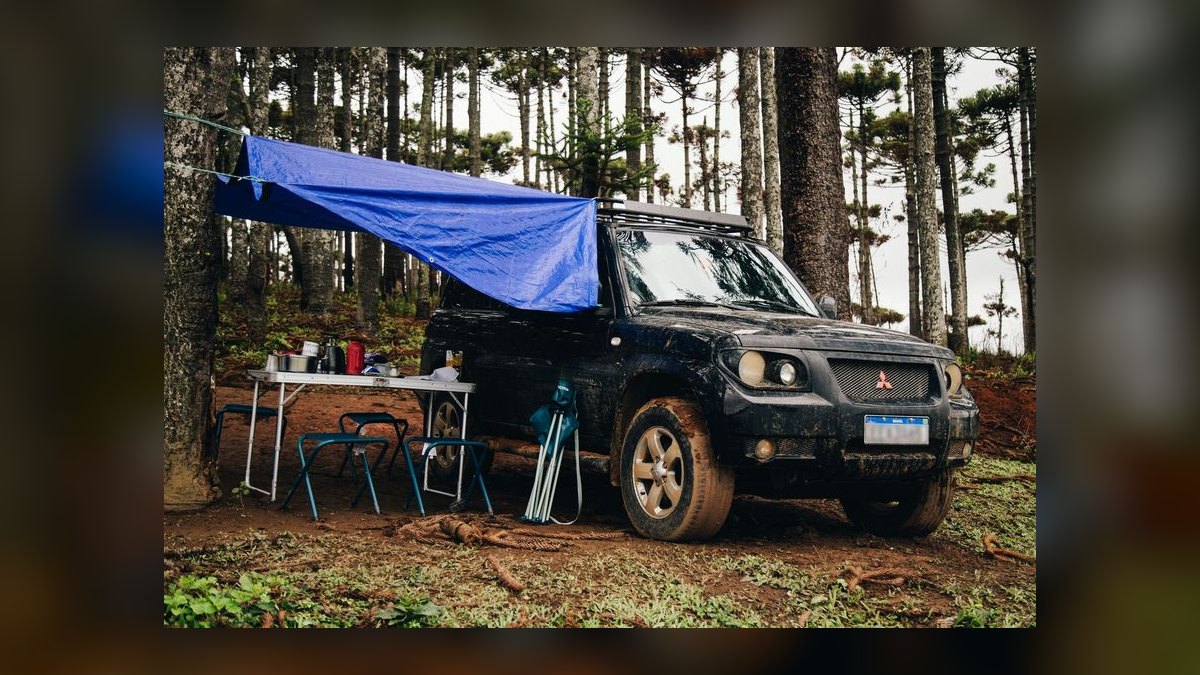
Ground clearance is the first gate, and it is more about approach and departure angles than the headline number. The published figures for the relevant candidates cluster tightly: Subaru Forester models of the 2010–2014 era run about 8.7 inches, Crosstrek about 8.7, RAV4 around 6.3 to 6.5 depending on year and generation, CR-V roughly 6.7 to 7.0. That spread matters, but what actually strands people is the plastic front air dam and the low-hanging exhaust or crossmember. On a rutted road, the center of the vehicle is the problem, not the axles. Look under any candidate before you buy: if a previous owner already tore off the front lower valance, that is usually a sign the car has seen a fire road — which can be good or bad depending on what else it hit.
Drivetrain type matters more than the letters "AWD" on the tailgate. Subaru's symmetric full-time system sends power to all four corners continuously, which is why it feels planted on loose gravel and in wet Coast Range mud. Most Toyota and Honda systems of this era are front-biased and reactive — they send torque rearward once the front slips. That is completely adequate for a graded gravel road and a wet campground pull-out. It is less good on a steep loose climb where you want traction before the slip, not after. Neither approach is wrong; they just have different failure modes, and the Subaru's failure mode is a more expensive rear diff and driveshaft to maintain.
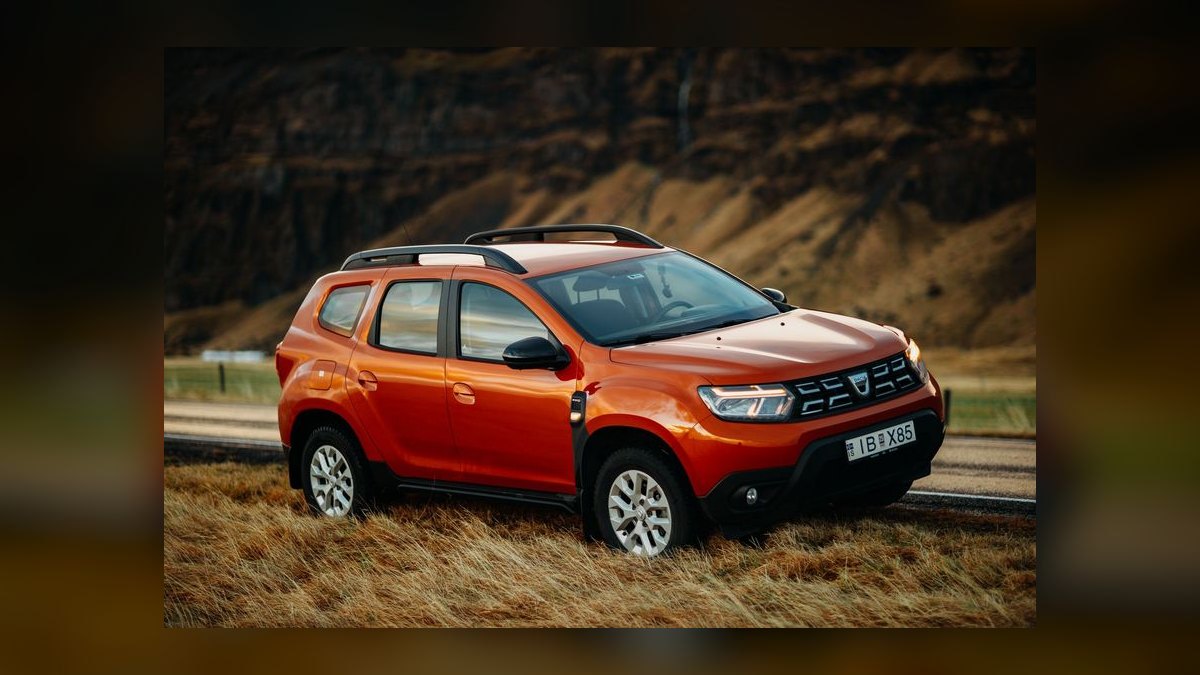
Tires are the single highest-leverage dollar you will spend, and they are cheaper than any other capability upgrade. A set of all-terrain or aggressive all-weather tires in a common size runs roughly $500 to $800 installed in 2027 for these vehicles. That single purchase does more for a fire-road-capable subcompact SUV than three inches of lift would. Sidewall construction is the part people miss: highway all-seasons have thin sidewalls that get sliced by the sharp basalt and shot rock used on Northwest logging roads. A tire with a slightly heavier sidewall and a Three-Peak Mountain Snowflake rating covers both the sharp-rock problem and the shoulder-season snow problem in one purchase.
Rust and moisture history is the Northwest-specific variable that determines whether the car is worth anything at all. Coastal Oregon and Washington cars live in near-constant humidity; Spokane, Bend, and eastern Washington cars see road salt and magnesium chloride brine. Both attack a fifteen-year-old unibody, but differently. Coastal cars get surface rust and seized suspension fasteners; eastern cars get real structural rot in the rear subframe mounts and rocker panels. A Portland or Seattle-metro car that never crossed the pass is usually the cleanest body you will find in this budget, which is a real advantage of shopping inside the region rather than importing a cheaper car from the Midwest.
The interaction between these four variables is what actually produces the outcome. A Forester with dead tires and a rusted rear subframe is worse than a RAV4 with fresh all-terrains and a clean underbody, even though the Forester wins on paper. Buy the specific car, not the model.
Benchmarks and realistic ranges
Here is what the numbers look like in practice, and where a $10,000 ceiling actually lands you in the Pacific Northwest used market.
Model years and mileage bands. At $8,000 to $10,000 in 2027, you are shopping roughly 2010 through 2015 for the Forester, RAV4, and CR-V, and 2013 through 2016 for the Crosstrek, which arrived for the 2013 model year. Expect 120,000 to 180,000 miles. The 110,000-mile examples of these specific models do exist in that price band but sell within days, because Northwest buyers know exactly what a clean Forester is worth. Set a saved search and be prepared to look at a car the day it posts.
Ground clearance and cargo, concretely. Forester (2009–2013 generation) sits around 8.7 inches with roughly 68 to 69 cubic feet of cargo space seats-down. Crosstrek matches that clearance in a smaller footprint with about 51 cubic feet. RAV4 of the 2013–2015 generation gives about 6.3 inches and roughly 73 cubic feet. CR-V of the 2012–2016 generation gives about 6.7 inches and around 70 cubic feet. If you plan to sleep inside, measure the flat floor length yourself with a tape measure — published cubic feet tells you nothing about whether a 5'10" person fits diagonally. The Forester and CR-V both have notably square cargo areas that build out well; the Crosstrek is the tightest of the four and generally pushes you toward a rooftop tent or ground tent.
Fuel economy on the drive out. Realistic mixed numbers on a fifteen-year-old example with 150,000 miles: Forester 22 to 26 mpg, Crosstrek 25 to 29, RAV4 22 to 27, CR-V 23 to 28. Subtract two to three mpg once you add a roof rack, a cargo box, or all-terrain tires — this is the hidden cost of the camping build and it is not small on a 400-mile round trip to the east side.
The full cost stack. Purchase at $8,500. Pre-purchase inspection $150 to $250. Immediate deferred maintenance, realistically $400 to $1,200 on a car this age — think fluids, belts, brakes, a wheel bearing. Tires $500 to $800. Recovery basics: traction boards, a proper full-size spare if the car came with a donut, a compressor, a folding shovel, and a tow strap runs $250 to $500 total. That puts a genuinely trip-ready rig at roughly $10,000 to $11,000 all in, which is the honest number nobody quotes.
Insurance, registration, and the region's specifics. Washington and Oregon both handle registration differently, and Washington's emissions testing was phased out entirely at the start of 2020, which removes a common headache for older imports. Oregon's DEQ testing still applies in the Portland and Medford areas. Check the specific requirement before you buy a car registered outside the region, because a failed emissions test on a 2011 crossover can be a $900 catalytic converter surprise.
Where the model-specific mechanical risks sit. Subaru's naturally aspirated engines of the 2011–2014 era have a known oil-consumption pattern on certain FB-series engines — ask the seller directly how often they add oil between changes, and treat "about a quart every 1,200 miles" as a real cost, not a dealbreaker. Older EJ-series Subarus have the head-gasket reputation, and by 2027 most surviving examples have either had the work done or failed already; ask for the receipt. CVT-equipped Subarus need fluid service that many owners skipped entirely — a CVT with no fluid history at 150,000 miles is a five-figure gamble on a four-figure car. Honda's CR-V of this era is mechanically among the most boring in the best sense; its common issues are AC compressors and rear differential fluid on AWD models. Toyota's RAV4 of this generation is similarly durable, with the 2013–2015 automatic occasionally showing rough low-speed shifts that a fluid service often addresses.
Risks, edge cases, and failure modes
The failure modes for a cheap camping crossover in the Pacific Northwest are specific and mostly preventable.
Getting stuck is rarely dramatic and almost always about mud or a soft shoulder. Nobody in a stock subcompact gets high-centered on a boulder, because they turn around before that. What happens is the driver pulls into a dispersed site that looks firm, the ground turns out to be saturated Cascade duff over clay, and the car sinks two inches and spins. Full-time AWD helps here; a set of traction boards helps more. The rule that prevents this entirely: park on the road-facing side of any pull-out, nose out, and walk the site on foot before you drive into it. That one habit prevents most self-recoveries.

Cell coverage is nonexistent across most of the relevant terrain, which turns a small mechanical problem into a large one. Large stretches of the Gifford Pinchot, the Olympics, and the eastern Cascades have no service at all. Download offline maps, carry a paper Forest Service motor vehicle use map, and tell someone your route with a return time. A satellite messenger — a used unit runs well under $200 — is the single best safety purchase after tires. This is a Northwest-specific risk that people from denser regions consistently underestimate.
Snow and seasonal gates close roads on a schedule that has nothing to do with the weather at your house. Many Forest Service roads have seasonal closures for wildlife or simply do not clear until late June at elevation. Cascade passes and higher trailheads hold snow well into July in heavy years. Check the current road status with the ranger district before you drive four hours — the districts publish road condition reports and they are more current than any app. In winter, Washington and Oregon both have traction-device requirements that can be posted on mountain routes; an AWD vehicle with approved tires satisfies most posted restrictions, but not all levels, and the requirements change by posted condition.
Wildfire and smoke are now a structural constraint on the August-to-September camping window. Road closures during active fire can be sudden, and a road you drove in on can close behind you. Check InciWeb or the state's fire information before committing to a multi-night trip on the east side. Related: many Forest Service districts implement fire restrictions that ban campfires entirely during peak season, which changes your gear plan more than your vehicle plan.

Overloading a small crossover is the quiet failure mode. These vehicles have modest payload — often in the 850 to 1,100 pound range including passengers. Two adults, a dog, water, a cooler, firewood, and a rooftop tent will exceed it. Roof rack dynamic load ratings on factory rails are typically 100 to 150 pounds, which most rooftop tents plus two occupants exceed even though the static rating while parked is much higher. Overloading manifests as blown rear wheel bearings, sagging springs, and a car that handles badly on the highway leg. Weigh the build if you are near the limit, and prefer a ground tent or an interior sleeping platform over roof-mounted weight on a vehicle this size.
Cheap-car edge cases. Salvage and rebuilt titles show up constantly in this price band and are frequently the reason a car looks like a bargain — insuring one is harder and reselling it is worse. Flood cars from other regions get laundered through auctions; check for silt in the spare tire well and corrosion on under-seat wiring connectors. And a car that has clearly lived a hard off-road life — bent skid plate, scraped rear diff, torn CV boots — is not automatically bad, but it needs a much more thorough inspection of the suspension and driveline than a mall-crawler does.
A practical rollout plan
Here is the sequence that produces a trip-ready vehicle in about four to six weeks without wasting money.
Weeks one and two: define the road ceiling, then shop. Decide honestly whether you are a Forest Service level 3 driver or a level 2 driver. Level 3 means the RAV4 and CR-V are fully in play and you should optimize for comfort, mpg, and cargo shape. Level 2 means the Forester and Crosstrek move to the top of the list for clearance and full-time AWD. Set alerts on the regional marketplaces, and widen your search radius to include the whole Puget Sound to Willamette Valley corridor — inventory density is much higher there than in eastern Washington or southern Oregon, and the bodies are cleaner. Filter hard for private-party sales with service records.
Week three: inspect ruthlessly, buy once. Pay for a pre-purchase inspection at an independent shop, and specifically ask them to put it on a lift and photograph the underbody. Tell the shop the car is for gravel-road camping so they look at the right things: rear subframe and rocker corrosion, CV boot condition, differential and transfer case fluid, suspension bushings, exhaust hanger integrity, and the front lower valance. On a Subaru, add head-gasket history and CVT fluid history to the list. On a Honda or Toyota, add rear differential fluid and transmission fluid service. Walk away from anything with a soft answer on maintenance history — there are enough of these cars in the region that patience wins.

Week four: tires, fluids, recovery kit. Order all-terrain or Three-Peak-rated all-weather tires in the factory size before you change anything else. Do a full fluid baseline — engine oil, transmission or CVT, differentials, brake fluid, coolant — because you have no idea what the previous owner actually did. Confirm you have a functional spare, a jack that works on uneven ground, and a lug wrench that fits. Add traction boards, a compressor, a shovel, and a tow strap with proper rated recovery points identified in advance.
Weeks five and six: build the sleeping setup and shake it down. For interior sleeping, a simple plywood platform on 2x4 rails over the folded rear seats costs under $150 and gives you flat floor plus under-platform storage. Measure twice — the wheel wells define your width. Then do a shakedown: pick a maintained gravel road within 90 minutes of home, camp one night, and find out what rattles, what you forgot, and whether you actually fit. Do that before the four-hour drive to the Wallowas.
Two adjacent notes worth folding in. First, if your real use case is more Overland-style long trips than weekend dispersed camping, the same budget spent on a body-on-frame vehicle — an older 4Runner or a Ranger — buys more capability but costs several mpg and considerably more maintenance attention; the crossover wins for the person who also commutes in it. Second, if the vehicle doubles as a ski or snowboard rig, the all-weather tire choice and the AWD system type matter even more, and the Subaru's advantage grows, since traction-device requirements on Northwest mountain passes are more forgiving to AWD vehicles with rated tires.
Related questions
Do I need a lift kit for Forest Service roads?
No. Lifting a unibody crossover changes CV angles and often creates driveline vibration and premature boot failure. Tires with a taller sidewall and better construction deliver most of the practical benefit for a fraction of the cost and none of the durability penalty.
Is a Crosstrek big enough to sleep in?
Barely, and only for one person under about 5'8" with the front seats slid forward. Most Crosstrek campers use a ground tent or a rooftop tent and treat the interior as gear storage. Measure the flat floor before committing to an interior build.
Should I buy a Subaru with a CVT at 150,000 miles?
Only with documented fluid service. A CVT with no service history on a fifteen-year-old car is the single largest financial risk in this price band, since a replacement can exceed the value of the vehicle.
Are eastern Washington cars cheaper than west-side cars?
Often slightly, but they carry more road-salt and brine corrosion risk on the underbody. West-side cars trade rust for humidity-related surface issues, which are usually cheaper to live with on a fifteen-year-old unibody.
What about a Honda Element or Toyota Matrix instead?
Both are legitimate adjacent picks. The Element sleeps two comfortably and has washable interior surfaces; the Matrix AWD is efficient but clearance-limited. Neither is a subcompact SUV, but both solve the same camping problem at similar money.
FAQ
How much ground clearance do I actually need for Pacific Northwest dispersed camping?
About 7 to 8 inches covers the large majority of maintained Forest Service gravel roads and most level 2 spurs in dry conditions. Below 6.5 inches you start scraping on washboard and water bars. Above 8.5 inches you can attempt rutted spurs, but at that point tire sidewall and approach angle limit you more than clearance does. Clearance under the center of the vehicle — exhaust, crossmember, air dam — matters more than the axle number.
Is a used RAV4 or CR-V actually capable enough, or do I need a Subaru?
Both are genuinely capable on graded gravel, which is the overwhelming majority of Northwest camping access. The Subaru advantage shows up on steep loose climbs and in deep mud, where full-time AWD engages before slip rather than after. If your list of destinations is trailhead parking lots and established dispersed sites off maintained roads, the Toyota and Honda are the better all-around buys and cost less to maintain.
What's the smartest single upgrade under $1,000?
Tires, without close competition. All-terrain or Three-Peak-rated all-weather tires in the factory size fix sidewall vulnerability on sharp Northwest shot rock, add real traction in mud and shoulder-season snow, and cost $500 to $800 installed. Everything else — skid plates, lights, a lift — is a distant second in practical benefit per dollar.
Can I camp in these year-round in the Northwest?
Realistically, June through October at elevation, and year-round at low elevation on the west side if you accept rain. Many Forest Service roads have seasonal closures or hold snow into July at higher elevations. Always check current road status with the specific ranger district before driving out, and be aware of posted traction-device requirements on mountain passes in winter.
How do I avoid buying a rusted-out example?
Get it on a lift and photograph the underbody. Focus on the rear subframe mounts, rocker panels, brake and fuel lines, and suspension fastener condition. A car that spent its life west of the Cascades in Portland or Seattle metro is usually cleaner than one from a salt-and-brine region. Surface rust on a fifteen-year-old car is normal; flaking, scaling, or perforated metal is a walk-away.
What should I carry that isn't part of the vehicle?
Traction boards, a full-size spare with a working jack and correct lug wrench, a 12V compressor, a folding shovel, a rated tow strap, offline maps plus a paper Forest Service motor vehicle use map, extra water, and a satellite messenger. Cell coverage is absent across most of the relevant terrain, so the messenger converts a bad night into an inconvenience.
Sources
- U.S. Forest Service — Pacific Northwest Region
- EPA Fuel Economy — fueleconomy.gov
- NHTSA Vehicle Safety and Recalls
- IIHS Vehicle Ratings
- Edmunds
- Kelley Blue Book
- Consumer Reports — Used Cars
- Washington State Department of Licensing
- Oregon DEQ Vehicle Inspection Program
- InciWeb — Incident Information System
Related on PULSE
- [Best Used Subcompact SUVs Under $15,000 in 2027 (Ranked)](/knowledge/ca0931)
- [Best Used Subcompact SUVs Under $20,000 in 2027 (Ranked)](/knowledge/ca0935)
- [Best Used Subcompact SUVs Under $25,000 in 2027 (Ranked)](/knowledge/ca0939)
- [Best Used Subcompact SUVs Under $30,000 in 2027 (Ranked)](/knowledge/ca0943)
- [Best Used Subcompact SUVs Under $35,000 in 2027 (Ranked)](/knowledge/ca0967)
- [Best Used Subcompact SUVs Under $40,000 in 2027 (Ranked)](/knowledge/ca0971)
This page will be disappearing soon. Save it to your device for $1 — or read it free while it is here.
@Kory-White- · if Venmo asks, the last 4 of my number are 2012
 pulse-carsBest Buick Regal Model Years (Ranked) in 2027
 pulse-carsBest Used Wagons Under $40,000 in 2027 (Ranked)
 pulse-carsTop 10 Electric Minivans 2027 — Best Overall + Best Value
 pulse-carsBest Nissan Juke Model Years (Ranked) in 2027
 pulse-carsTop 10 Mid-Size Sedans 2027 — Best Overall + Best Value
 pulse-carsTop 10 SUVs 2010 — Best Overall + Best Value
 pulse-carsBest Ford Escape Model Years (Ranked) in 2027
 pulse-carsTop 10 Compact SUVs 2025 — Best Overall + Best Value
 pulse-carsBest Kia Optima and K5 Model Years (Ranked) in 2027
 pulse-carsBest Audi A3 Model Years (Ranked) in 2027