
Best Used Mid-Size SUVs Under $40,000 for Families in the Pacific Northwest (2027)
 Curated byKory White · Fractional CRO · Maryland
 PULSEKNOWLEDGE LIBRARY
For Pacific Northwest families under $40,000 in 2027, the strongest used midsize SUVs are the Toyota Highlander and Honda Pilot for three-row reliability, with the Subaru Ascent and Mazda CX-9 close behind. Prioritize IIHS Top Safety Pick years, all-wheel drive, documented service history, and a wet-weather tire and brake inspection.
Two families of three-row midsize SUV, and why Northwest buyers keep splitting between them
Nearly every family shopping this segment in Oregon and Washington ends up choosing between two philosophies, and the difference matters more here than in Phoenix or Dallas.
The naturally aspirated V6 camp — Toyota Highlander and Honda Pilot. Both use large-displacement V6 engines with no turbochargers, no belt-driven superchargers, and no exotic emissions hardware. The Highlander's 3.5-liter V6 in its 2014–2019 generation and the Pilot's 3.5-liter across 2016–2022 are among the most-produced engines in North America. That matters for a practical reason PNW buyers underrate: every independent shop from Bellingham to Eugene has seen these engines hundreds of times, and parts sit on local shelves rather than arriving in three days from a regional warehouse. Fuel economy lands in the low-to-mid 20s combined depending on year and drivetrain. Neither is quick in a way anybody will notice, and neither will surprise you at 140,000 miles.
The turbocharged / boxer camp — Mazda CX-9 and Subaru Ascent. The CX-9's 2.5-liter turbo four is genuinely a better-driving powertrain, with torque arriving early and a chassis that makes the thing feel a size smaller than it is. The Ascent's 2.4-liter turbo boxer pairs with Subaru's symmetrical all-wheel drive, which is the single most requested feature at any dealership in the Cascades foothills. Both add complexity: turbochargers, more heat cycling, direct injection, and in the Ascent's case a CVT rather than a conventional automatic. None of that is disqualifying, but it changes what you inspect and what you budget for.

The third position nobody asks about but many end up in: the two-row midsize that behaves like a three-row. A Toyota 4Runner or a well-equipped Honda Passport gives families with two kids more usable cargo volume than a three-row SUV with the rearmost seats up, and both hold value absurdly well in this region. If your third row would be occupied fewer than a dozen times a year, you are paying a premium — in purchase price, fuel, and parking difficulty — for seats that mostly fold flat.
A note on how the money actually works at this ceiling. Under $40,000 in 2027 buys a great deal more midsize SUV than most families expect. You are not shopping the bottom of the market — you are shopping three-to-six-year-old vehicles with meaningful warranty remainder, modern driver-assist suites, and in many cases certified pre-owned coverage. The mistake is treating $40,000 as a target rather than a ceiling; the better play in this segment is usually to buy one trim level down and bank the difference against tires, brakes, and the first timing-adjacent service.
Why the Pacific Northwest changes the answer
Regional conditions are not a footnote here. They reorder the ranking.
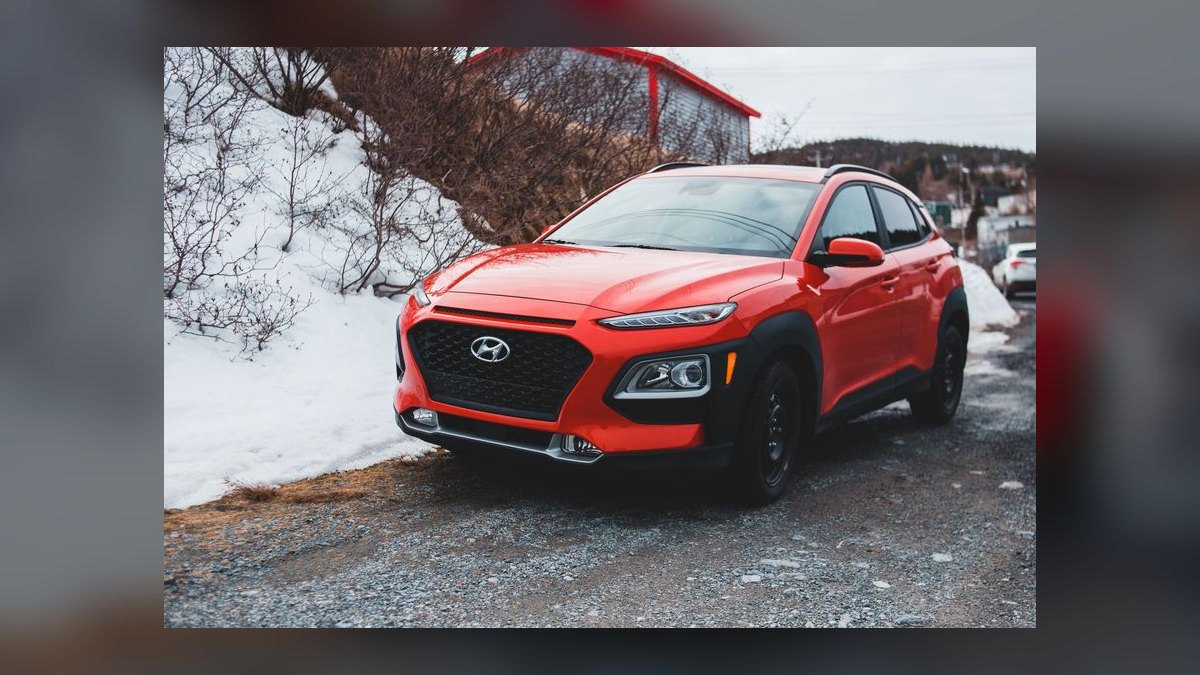
Rain is the dominant safety variable, not snow. Seattle and Portland see well over 150 measurable-precipitation days a year. The practical consequence is that wet-braking distance and hydroplaning resistance — both functions of tire condition far more than vehicle choice — dominate real-world safety outcomes. A Highlander on tires worn to 4/32" is meaningfully more dangerous in a November downpour than an Ascent on fresh all-seasons, regardless of which one has better crash-test scores. Check tread depth with a gauge before you check anything else on the window sticker.
Headlights are the sleeper rating. IIHS has rated headlight performance as part of its Top Safety Pick criteria for several years, and it is the category where otherwise-excellent midsize SUVs most often fall short — frequently varying by trim within the same model year. In a region where you commute in darkness from mid-October through March, a "Poor" or "Marginal" headlight rating on an otherwise Good-rated vehicle is a real safety gap, not a trivia point. Look up the specific model year *and trim* on the IIHS site before committing; the base trim and the top trim often carry different ratings.
Rust is a different problem than in the salt belt. PNW road maintenance uses far less rock salt than the Midwest or Northeast, so structural rust is genuinely less common. But magnesium chloride de-icer is used on mountain passes, and any vehicle that has commuted over Snoqualmie or Santiam in winter has been sprayed with it. It attacks aluminum and electrical connectors differently than sodium chloride attacks steel. Also: a substantial share of PNW used inventory is imported from elsewhere. Always run the VIN history and check where the vehicle spent its first three winters.
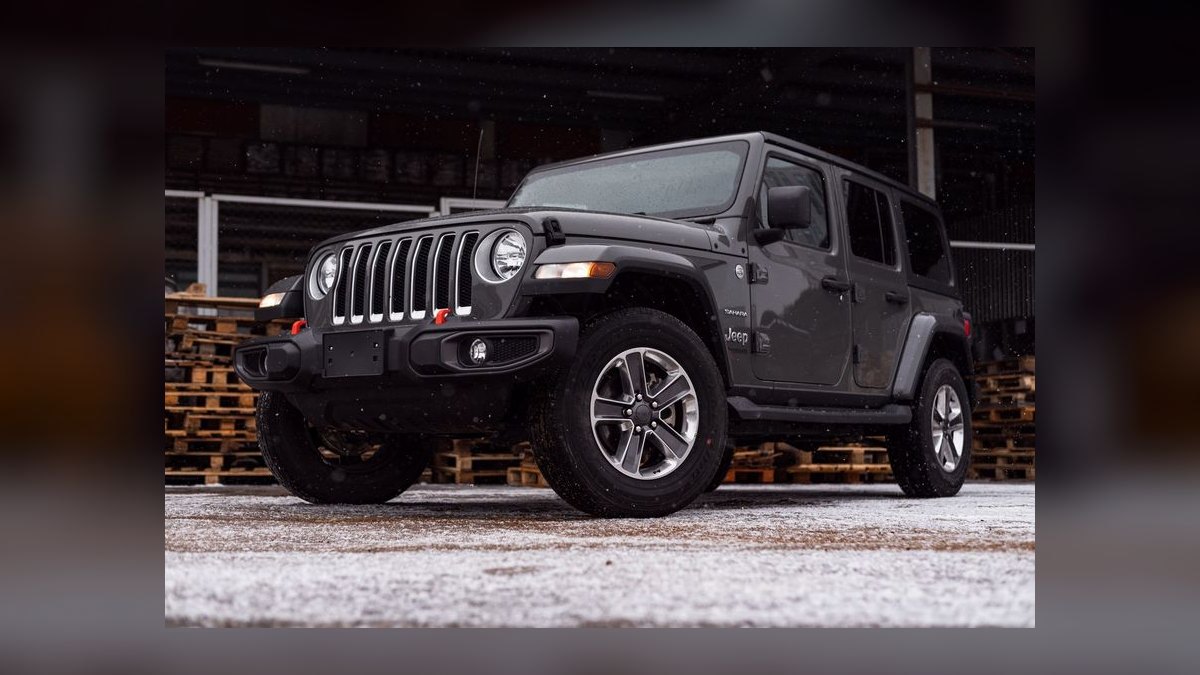
Moss, seals, and moisture intrusion. A genuinely regional inspection item. Check sunroof drain channels, rear hatch seals, and the spare tire well for standing water or a musty smell. Panoramic sunroofs on vehicles that have lived under Douglas firs clog with organic debris, and a plugged drain routes water into the headliner and eventually into body-control-module territory. This is a $60 problem caught early and a $2,000 problem caught late.
All-wheel drive is worth paying for, with a caveat. For most PNW families, AWD earns its keep on maybe a dozen days a year — a Cascade ski trip, an ice event, a gravel forest-service road. On the other ~353 days it costs you roughly 1–2 mpg and adds a rear differential and transfer case to the maintenance list. Worth it for most families here, but a front-wheel-drive Highlander on proper winter tires outperforms an AWD one on worn all-seasons in nearly every condition that matters. AWD helps you go; tires help you stop.
How to decide between them
Work the decision in this order rather than starting from a brand preference.
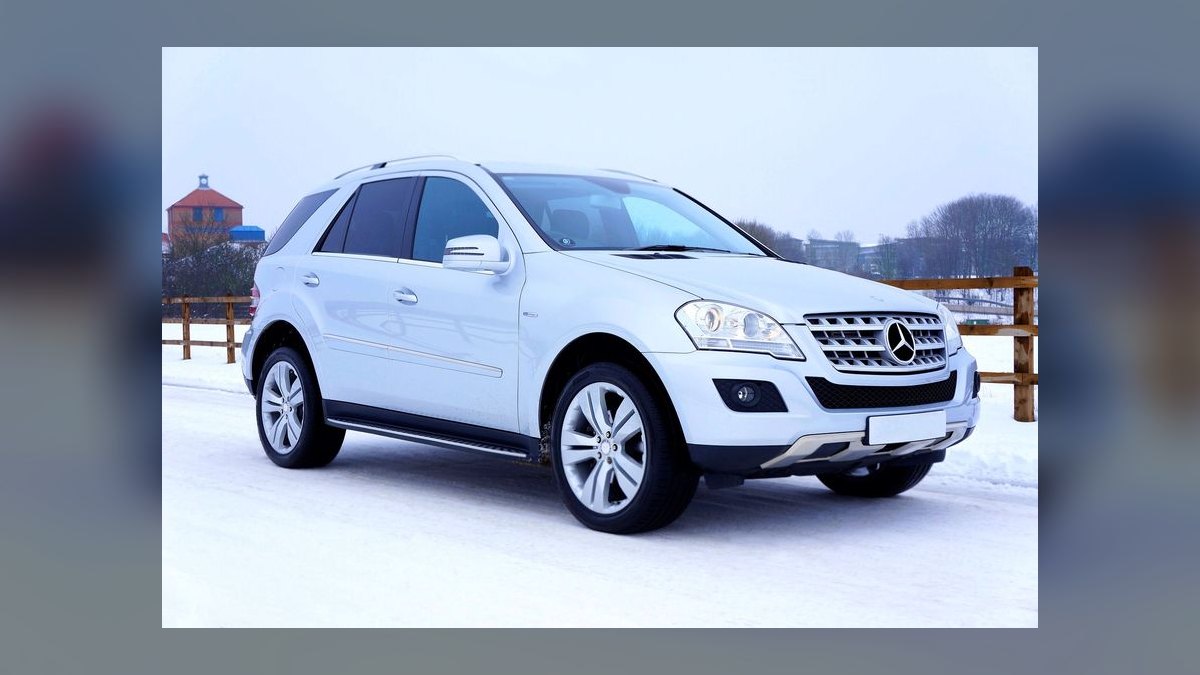
The branch that trips people up is the third-row question. Be honest about it. Families routinely buy three rows for a hypothetical carpool that never materializes, then spend four years parallel parking a vehicle eight inches longer than they need in neighborhoods — Ballard, Northeast Portland, most of Tacoma's older grid — that were platted before three-row SUVs existed.
The second branch worth pausing on is the turbo-versus-V6 fork. It is not a reliability verdict. Modern turbocharged fours from Mazda and Subaru are not the fragile things turbos were two decades ago. What changes is the maintenance profile: shorter oil-change intervals in practice, more sensitivity to oil quality, carbon-buildup considerations on direct-injected engines, and a turbocharger that is a wear item on a long enough timeline. If you keep vehicles ten years and 180,000 miles, that profile matters. If you keep them five years and 70,000 miles, it mostly does not.
The numbers that actually separate these vehicles
Here is where to focus your due diligence, with the specific things worth verifying rather than assuming.
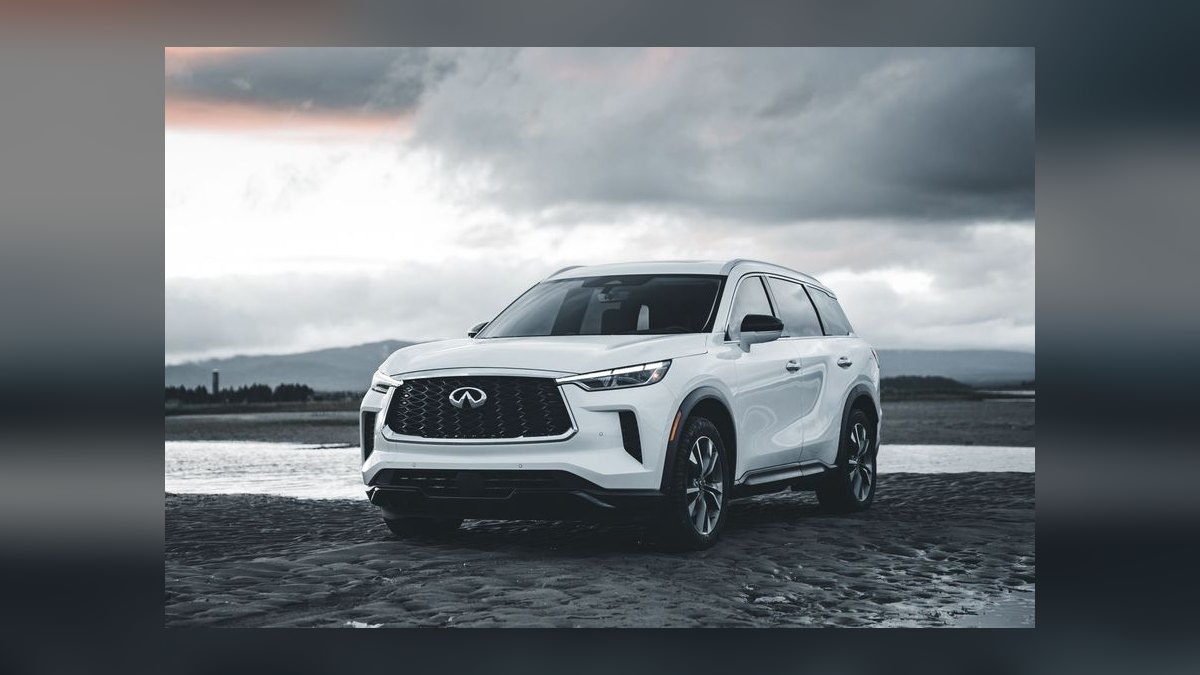
Purchase price positioning. Under a $40,000 ceiling in 2027, expect to be shopping roughly 2021–2024 model years for Highlander and Pilot, with the Highlander typically commanding a premium of a few thousand dollars over a comparably equipped Pilot due to resale strength. The CX-9 and Ascent generally price below both — often enough to buy you an extra model year or a higher trim for the same money. That gap is real value if you are comfortable with the powertrain trade-off. Verify current pricing against KBB and Edmunds for your specific ZIP; the Seattle and Portland metros run above national averages on AWD-equipped inventory, particularly from October onward.
Fuel cost over a realistic ownership window. A 4 mpg difference across 12,000 annual miles is roughly 90–110 gallons a year. In a region where fuel prices run consistently above the national average — Washington and Oregon both sit near the top of state rankings — that is not a rounding error over five years. Run the numbers with fueleconomy.gov's combined figure for the exact year and drivetrain, not the highway number on the window sticker. Hybrid Highlander variants change this math substantially if you can find one under the ceiling; the hybrid's advantage is largest in exactly the stop-and-go arterial driving that defines a Puget Sound commute.
Depreciation over the next five years. This is where Toyota and Honda earn their premium back. A Highlander bought at $36,000 and a comparably equipped competitor bought at $31,000 do not stay $5,000 apart — the gap typically narrows over a five-year hold. Total cost of ownership, not purchase price, is the number to optimize. If you are the kind of buyer who keeps vehicles until they die, depreciation barely matters and you should buy on price. If you rotate every four or five years, it matters enormously.
Maintenance and repair budgeting. Set aside for the predictable items rather than being surprised: a full set of quality all-season tires for this class runs meaningfully more than compact-SUV tires, brake service is heavier-duty, and AWD models add rear differential and transfer case fluid to the schedule. Budget $150–$250 for a proper pre-purchase inspection — the single highest-return money you will spend in this entire process. An inspection that finds nothing buys peace of mind; one that finds $1,800 of deferred maintenance either becomes a negotiating lever or saves you from a bad purchase.
Insurance variance. Quote before you buy, not after. Rates within this segment vary more than buyers expect based on model, trim, and claims history. Both Washington and Oregon have their own rating dynamics, and a fifteen-minute call can reveal a several-hundred-dollar annual difference between two vehicles you considered equivalent.
Warranty remainder. At three to six years old, powertrain coverage may still be active, and certified pre-owned programs extend it further. Confirm the in-service date, not the model year — a vehicle sold in March of its model year has a meaningfully different clock than one that sat on a lot until December. This alone can be worth $1,000–$2,000 of implied value.
Where families actually go wrong, and adjacent options worth a look
A few patterns show up repeatedly in this segment that have nothing to do with which badge you pick.
Buying the trim, not the vehicle. Panoramic roofs, captain's chairs, and 20-inch wheels all cost money up front and cost money again later. Twenty-inch wheels in particular mean more expensive tires and a harsher ride on the frost-heaved arterials that define late-winter driving around Puget Sound. A mid-trim vehicle with the safety suite included is nearly always the better buy than a top-trim one with cosmetic extras.
Ignoring the safety-suite generation boundary. Automatic emergency braking, lane-keeping, and adaptive cruise became standard across most of this segment at identifiable model-year boundaries — Toyota Safety Sense and Honda Sensing being the two most relevant. Crossing that boundary is worth far more than a leather interior. If your budget forces a choice, take the older-looking vehicle with the newer safety hardware every single time. This is the highest-leverage safety decision in the entire purchase, and it costs nothing extra to get right.
Skipping the test drive in the conditions you actually drive in. Drive it in rain if you can. Drive it on I-5 at highway speed, and drive it on something with a genuine grade — the ramps around downtown Seattle or the West Hills in Portland will tell you more about a powertrain in four minutes than any spec sheet. Listen for turbo whistle changes, feel for CVT droning under load, and note whether the transmission hunts on a sustained climb.
Adjacent categories worth a serious look. The three-row minivan — Sienna, Odyssey, Carnival — outperforms every SUV on this list for actual family logistics: sliding doors in tight parking, better third-row access, more cargo behind row three. The Sienna is AWD-available and hybrid-standard, which makes it arguably the single most rational PNW family vehicle nobody wants to admit they want. Meanwhile, the midsize hybrid SUV segment has broadened enough that a hybrid variant is often available within the same budget as a conventional one from a year or two earlier — worth checking before defaulting to gas.
The certified pre-owned question. CPO carries a premium of typically $1,000–$2,000 over an equivalent private-party vehicle. Whether that is worth it depends entirely on your risk tolerance and cash reserve. A family with $5,000 of slack should probably buy private-party with a strong inspection and pocket the difference. A family for whom an unexpected $3,000 transmission would be genuinely disruptive should buy CPO and treat the premium as insurance. Both are defensible; pretending there is one right answer is not.
Timing the market. Convertibles get cheap in November and AWD SUVs get expensive. In the Northwest specifically, AWD inventory tightens and prices firm from roughly October through February as the first mountain-pass reports come in. Shopping in late spring or summer for an AWD three-row is a genuinely effective way to save money on the same vehicle.
Implementation: a sequence that actually works
Buying well is a process problem more than a research problem. Most families do the research thoroughly and then execute badly — falling in love with the first clean example, skipping the inspection because the seller seems honest, or negotiating on the monthly payment rather than the out-the-door price.
A few notes on the sequence. Financing before shopping is the most commonly skipped step and the most valuable. A pre-approval from a local credit union — both Washington and Oregon have strong ones — converts you from a payment shopper into a cash buyer, which changes the entire negotiation. Dealership financing can occasionally beat a credit union rate on a promotional program, but you can only recognize that if you already have a number to compare against.
Search radius matters more than people think. Expanding from Seattle proper to a 150-mile radius picks up Bellingham, Olympia, Yakima, and Portland — four distinct markets with different inventory mixes and different pricing. Eastern Washington inventory in particular tends to price lower and, being drier, often shows less moisture-related wear, though it may carry more mountain-pass de-icer exposure. A three-hour drive to save $2,000 is a good hourly rate.
The out-the-door number is the only number. Doc fees, dealer add-ons, and financing markups routinely add $1,500–$3,000 to an advertised price. Negotiate the total, in writing, before discussing trade-in or financing. Any dealer unwilling to give you an out-the-door figure over email is telling you something useful about how the rest of the transaction will go.
Immediately after purchase, spend the first $600. New tires if tread is under 6/32", a full fluid service regardless of what the records claim, and an alignment. On a used vehicle in this region, tires are the safety system you actually interact with every day, and the previous owner's definition of "still fine" is not yours. Doing this in week one rather than month six is the difference between a vehicle you trust and one you're constantly second-guessing.
Related questions
Is AWD genuinely necessary for a Seattle or Portland family?
Not strictly. Most metro driving is rain, not snow, and winter tires on a FWD vehicle handle both better than all-seasons on AWD. AWD is worth it if you regularly cross mountain passes or live above 500 feet where ice events are common.
How many miles is too many at this price point?
Under $40,000 in 2027 you should not be looking at high-mileage vehicles at all. Target under 70,000 miles with complete records. A documented 90,000-mile Highlander often beats an undocumented 50,000-mile anything.
Should I buy a hybrid midsize SUV instead?
Often yes, in this region. Stop-and-go arterial commuting is exactly where hybrid systems deliver their largest advantage, and Washington and Oregon fuel prices amplify the savings. Verify hybrid battery warranty remainder and confirm coverage transfers to a second owner.
Does a minivan really beat these for families?
For pure family logistics, yes. Sliding doors, third-row access, and cargo behind row three all favor minivans. The Sienna offers AWD and hybrid power. The objection is aesthetic, not functional — worth acknowledging honestly before dismissing it.
What single inspection item matters most here?
Water intrusion. Check sunroof drains, hatch seals, and the spare well for standing water or musty odor. In a wet climate, a clogged drain becomes an electrical problem, and electrical problems on modern vehicles are expensive and hard to diagnose.
FAQ
Which used midsize SUV has the best reliability record for Pacific Northwest families?
The Toyota Highlander and Honda Pilot consistently lead this segment in long-term reliability surveys, largely because both use naturally aspirated V6 engines with conventional automatic transmissions and enormous production volume behind their parts networks. That said, a well-maintained Mazda CX-9 or Subaru Ascent with complete service records will outlast a neglected Highlander every time. Maintenance history predicts outcomes better than badge does.
What does IIHS Top Safety Pick actually mean, and should I require it?
It means the vehicle earned top marks across a battery of crash tests plus qualifying front-crash-prevention and headlight ratings. Requiring it is a reasonable filter, but check the specific year and trim — headlight ratings in particular vary within a single model year, and a trim-level difference can move a vehicle in or out of the award. Use the IIHS site directly rather than relying on a dealer's claim.
How much should I budget beyond the purchase price?
Plan for sales tax and registration, a $150–$250 pre-purchase inspection, and roughly $1,000–$1,500 in the first ninety days for tires, brakes, fluids, and alignment on a vehicle at this age. Building that into the ceiling rather than discovering it afterward is the difference between a $38,000 purchase and a $41,000 one.
Are turbocharged engines a reliability risk in this segment?
Less than reputation suggests. Modern turbo fours from Mazda and Subaru are engineered for long service life. What changes is the maintenance profile: oil quality matters more, intervals are shorter in real-world use, and direct injection introduces carbon-buildup considerations. If you plan to keep the vehicle past 150,000 miles, factor a turbocharger as an eventual wear item. Under that, it is largely a non-issue.
Does regional history matter when buying used here?
Yes. Run the VIN and check where the vehicle spent its winters. Salt-belt vehicles imported into the Northwest carry structural rust risk that local examples generally do not. Conversely, a local vehicle that commuted over mountain passes has magnesium chloride exposure affecting aluminum and electrical connectors. Neither is disqualifying — both change what you inspect.
Is certified pre-owned worth the premium for a family buyer?
It depends on your cash reserve, not on the vehicle. CPO typically adds $1,000–$2,000 and buys extended powertrain coverage plus a manufacturer inspection. Families who would find an unexpected $3,000 repair genuinely disruptive should treat that premium as insurance. Families with meaningful savings usually do better buying private-party with a strong independent inspection.
Sources
- IIHS Vehicle Ratings
- NHTSA Vehicle Safety Ratings
- EPA Fuel Economy
- Consumer Reports — Used Cars
- Edmunds
- Kelley Blue Book
- U.S. News Best Cars
- Car and Driver
- NHTSA Recall Lookup
- RepairPal Reliability Ratings
Related on PULSE
- [Best Used Compact SUVs Under $40,000 in 2027 (Ranked)](/knowledge/ca0837)
- [Best Used Full-Size SUVs Under $40,000 in 2027 (Ranked)](/knowledge/ca0838)
- [Best Used Hybrid SUVs Under $40,000 in 2027 (Ranked)](/knowledge/ca0969)
- [Best Used Electric SUVs Under $40,000 in 2027 (Ranked)](/knowledge/ca0968)
- [Best Used Off-Road SUVs Under $40,000 in 2027 (Ranked)](/knowledge/ca0841)
- [Best Used Subcompact SUVs Under $40,000 in 2027 (Ranked)](/knowledge/ca0971)
This page will be disappearing soon. Save it to your device for $1 — or read it free while it is here.
@Kory-White- · if Venmo asks, the last 4 of my number are 2012
 pulse-carsTop 10 Electric Minivans 2027 — Best Overall + Best Value
 pulse-carsBest Mercedes-Benz CLA Model Years (Ranked) in 2027
 pulse-carsTop 10 SUVs 2010 — Best Overall + Best Value
 pulse-carsTop 10 Hot Hatchbacks 2027 — Best Overall + Best Value
 pulse-carsTop 10 Hybrid Minivans 2027 — Best Overall + Best Value
 pulse-carsBest Honda Crosstour Model Years (Ranked) in 2027
 pulse-carsBest Audi TT Model Years (Ranked) in 2027
 pulse-carsTop 10 Hybrid Minivans in 2027
 pulse-carsTop 10 Sports Sedans 2027 — Best Overall + Best Value
 pulse-carsTop 10 Sedans 2010 — Best Overall + Best Value