


2027 Best Used Subcompact SUVs for Snowy Climates: Reliable Family Picks Under $40,000
Quality
Certified

For 2027 used subcompact SUV shoppers with a $40,000 budget and snowy-climate family duty, the strongest reliability plays are the 2015–2018 Toyota RAV4, 2014–2016 Honda CR-V, and 2014–2018 Subaru Forester. All three combine proven powertrains, standard or available AWD, and deep parts networks — typically $14,000–$24,000 used, leaving substantial headroom for winter tires and inspections.
The outcome you should expect
Families shopping this segment in 2027 should walk in expecting to spend far less than the $40,000 ceiling. A clean, well-documented 2015–2018 RAV4, CR-V, or Forester typically trades in the $14,000–$24,000 band depending on trim, mileage, and whether AWD is equipped. That leaves $16,000–$26,000 of budget untouched — money that should go toward a pre-purchase inspection, a set of dedicated winter tires, an extended warranty on the right vehicle, and a maintenance reserve. The realistic outcome is a vehicle that starts every morning in sub-zero temperatures, handles unplowed residential streets without drama, and costs $500–$900 per year in routine maintenance rather than $3,000 surprise repairs.
What you should not expect is a perfect vehicle. Every used subcompact SUV in this price range will have 60,000–120,000 miles on the odometer, some cosmetic wear, and at least one deferred maintenance item. The goal is not to find a flawless car — it is to find one whose known failure modes are documented, affordable, and already addressed. A 2016 Forester with 95,000 miles and a fresh head-gasket service is a better buy than a 2017 with 70,000 miles and no records, even though the second car looks better on paper.
The snowy-climate dimension changes the calculus in three specific ways. First, AWD or a proven FWD-plus-winter-tire setup becomes non-negotiable — a front-drive crossover on all-seasons is genuinely dangerous on ice. Second, road salt accelerates rust on underbody components, so a southern or western car shipped north is often worth a $1,000–$2,000 premium over a local salt-belt example. Third, cold-weather starting stresses batteries, alternators, and oil viscosity, so a recent battery replacement and documented synthetic oil changes matter more than they would in Arizona.

What drives that outcome
Reliability in this segment is not a single variable — it is the product of powertrain architecture, service history, climate exposure, and parts availability. The vehicles that consistently rise to the top share a common profile: naturally aspirated engines without turbochargers, traditional torque-converter or well-serviced CVT transmissions, timing chains rather than belts, and manufacturer networks deep enough that any independent shop can source parts same-day.
The 2015–2018 Toyota RAV4 exemplifies this. Its 2.5-liter four-cylinder produces 176 horsepower without forced induction, runs a timing chain, and pairs with a conventional six-speed automatic. That combination eliminates the two most expensive failure modes in the segment: turbocharger replacement ($1,500–$2,500) and timing belt service ($700–$1,200). EPA ratings land around 23/30 mpg, and because Toyota sold hundreds of thousands of these annually, every salvage yard and parts counter in North America stocks components.
The 2014–2016 Honda CR-V follows a similar philosophy. Its 2.4-liter engine makes 185 horsepower, uses a CVT that Honda refined extensively after early teething issues, and returns 26/33 mpg. The CR-V's advantage is residual value — it depreciates more slowly than almost anything in the class, which means the $18,000 you spend today may still be worth $11,000–$13,000 in three years.
The 2014–2018 Subaru Forester solves the snow problem most directly. Symmetrical AWD is standard on every trim, ground clearance sits at 8.7 inches, and the boxer engine's low center of gravity improves stability on slick roads. The trade-off is documented: early FB-series engines consumed oil, and head gaskets on higher-mileage examples can fail. A Forester with records showing both issues addressed is excellent; one without is a $2,500–$4,000 gamble.
What drives the outcome downward is almost always the same story: a vehicle with an attractive price and no documentation. A $12,000 2016 Forester with 110,000 miles and no service records is not a bargain — it is a $16,000 vehicle waiting to reveal itself. The single highest-leverage action any buyer can take is paying $150–$250 for an independent mechanic to put the car on a lift and read the diagnostic history. That inspection catches rust, fluid leaks, transmission shudder, and pending codes that a test drive never reveals.
Benchmarks and realistic ranges
Setting expectations with concrete numbers prevents both overpaying and walking away from good cars. The following ranges reflect typical 2027 market conditions for clean-title, no-accident examples in the snowy-climate segment.
Purchase price by model and year:
- 2015–2016 Toyota RAV4, 80,000–110,000 miles: $14,500–$18,000
- 2017–2018 Toyota RAV4, 60,000–90,000 miles: $19,000–$24,000
- 2014–2015 Honda CR-V, 80,000–110,000 miles: $13,500–$17,000
- 2016–2017 Honda CR-V, 60,000–90,000 miles: $18,000–$23,000
- 2014–2016 Subaru Forester, 80,000–110,000 miles: $13,000–$17,500
- 2017–2018 Subaru Forester, 60,000–90,000 miles: $18,500–$24,000
Annual ownership costs to budget:
- Routine maintenance (oil, filters, tires rotation): $400–$700
- Insurance (full coverage, family driver): $1,200–$1,800
- Fuel (12,000 miles at 28 mpg combined, $3.50/gallon): $1,500
- Maintenance reserve (set aside monthly): $75–$125/month
- Winter tire set (one-time, lasts 4–5 seasons): $800–$1,200
Reliability benchmarks that matter:
- Expected mileage before major repair: 150,000–200,000 for RAV4 and CR-V, 130,000–170,000 for Forester without head-gasket service
- Timing chain inspection interval: every 60,000 miles (no scheduled replacement on these engines)
- CVT fluid service: every 30,000–60,000 miles on Honda and Subaru units
- Battery lifespan in cold climates: 3–5 years, shorter than the 5–7 years typical in mild regions
- Brake pad life: 30,000–50,000 miles depending on driving style
What $40,000 actually buys in 2027:
If a family insisted on spending the full budget, they could purchase a 2020–2021 RAV4 Hybrid with 40,000–60,000 miles — a substantially newer vehicle with better fuel economy (41/38 mpg) and Toyota's hybrid reliability record. The hybrid's eCVT has proven more durable than conventional CVTs in this segment, and the AWD system uses a separate rear electric motor rather than a driveshaft, reducing mechanical complexity. For families who want the newest possible vehicle within budget, this is the strongest play.
The counterargument is financial. Spending $22,000 on a 2017 RAV4 and investing the remaining $18,000 in a diversified index fund at 7% annual return produces roughly $25,000 in five years — more than enough to cover any conceivable repair on the older vehicle. The math favors buying well-maintained older examples and keeping the difference liquid.
Risks, edge cases, and failure modes
Every vehicle in this segment has a documented failure profile. Knowing them before inspection converts surprises into negotiating leverage.
Subaru Forester head gaskets and oil consumption. The FB25 engine used in 2011–2018 Foresters has a well-documented tendency toward oil consumption, sometimes exceeding one quart per 1,000 miles. Head gasket failures typically appear between 90,000 and 130,000 miles and cost $1,800–$2,800 to repair at an independent shop. A pre-purchase inspection should include a compression test and a review of oil change intervals — frequent top-offs recorded in service notes are a red flag. Foresters with documented head-gasket replacement using updated gaskets are actually preferable to untouched low-mileage examples.
Honda CR-V CVT shudder. Early CVTs in 2014–2015 CR-Vs occasionally exhibited shuddering or hesitation during low-speed acceleration. Honda extended warranty coverage on some units. During a test drive, accelerate gently from a stop and listen for vibration between 15 and 25 mph. If shudder is present, the fix is a CVT fluid change ($200–$300) or, in worst cases, transmission replacement ($3,500–$4,500). Insist on CVT service records.
Toyota RAV4 — the safest bet, with caveats. The 2015–2018 RAV4 has no systemic powertrain failures, but it does have minor issues: excessive wind noise at highway speed, a stiff ride on rough roads, and infotainment systems that feel dated. None of these affect reliability, but they affect satisfaction. Also verify that any 2016–2018 RAV4 Hybrid has had its hybrid battery cooling fan filter cleaned — a neglected filter can cause battery overheating and a $3,000–$4,000 replacement.
Rust: the silent killer in snowy climates. Road salt attacks brake lines, subframe mounts, and suspension components. A vehicle that spent five winters in Minnesota may have a structurally compromised underbody even if the body panels look clean. Always inspect on a lift, and pay particular attention to the rear subframe, fuel lines, and brake line routing. Surface rust is normal; flaking, pitting, or soft metal is a walk-away.
Title and history red flags. Flood-damaged vehicles from hurricane regions often migrate north and appear as clean-title cars after cosmetic restoration. Check for musty odors, fogged instrument clusters, and corrosion on electrical connectors under the dash. A Carfax or AutoCheck report is a starting point, not a guarantee — always verify with your own inspection.
The "too cheap" trap. If a 2017 RAV4 with 70,000 miles is listed at $11,000 when comparable cars sell for $19,000, something is wrong. Common explanations: salvage title, unrepaired accident damage, rolled-back odometer, or a seller who knows about a pending major repair. Trust the market — outliers are outliers for reasons.
A practical rollout plan
Buying a reliable used subcompact SUV for snowy-climate family duty is a process, not a single decision. The following sequence minimizes risk and maximizes the chance of a good outcome.
Step 1: Define requirements before shopping. Write down must-haves (AWD or FWD with winter tires, seating for five, cargo space for strollers or sports gear) and nice-to-haves (heated seats, backup camera, Apple CarPlay). This prevents emotional purchases driven by a single feature.
Step 2: Set a target price band, not a ceiling. If the budget is $40,000, target $16,000–$22,000 for the vehicle and reserve the rest for tires, inspection, taxes, and a maintenance fund. This discipline keeps the total cost of ownership reasonable.

Step 3: Screen listings remotely. Use CarGurus, Autotrader, and Facebook Marketplace to identify candidates. Filter for clean titles, one or two owners, and service records mentioned in the listing. Request the VIN and pull a Carfax report before scheduling any test drive.
Step 4: Arrange a pre-purchase inspection. Budget $150–$250 for a mechanic who specializes in the brand. For Subarus, find a shop that works on boxer engines regularly. For Toyotas and Hondas, any competent independent shop will do. Provide the mechanic with the specific failure modes listed above and ask them to check for each.
Step 5: Negotiate with data. Use the inspection findings, KBB private-party values, and comparable listings to justify an offer. Sellers expect negotiation — a $500–$1,500 reduction is typical when inspection reveals needed maintenance.
Step 6: Complete the purchase and immediate maintenance. Within the first month, change the oil, replace the cabin and engine air filters, and install winter tires if the vehicle came with all-seasons. Register the vehicle and set up a maintenance schedule.
Step 7: Build a maintenance calendar. These vehicles reward proactive care. Schedule oil changes every 5,000–7,500 miles with full synthetic, CVT fluid service every 30,000–60,000 miles, brake fluid flush every three years, and coolant service per the manufacturer's interval. Keep every receipt — it protects resale value and provides evidence if a warranty claim arises.
Step 8: Plan for the known failure. Even the best example will eventually need something. Set aside $100 per month in a dedicated account. By the time a $1,500 repair arrives, the money is already there, and the vehicle remains a rational financial decision rather than a burden.
Related questions

Is AWD necessary for snowy climates, or are winter tires enough?
Winter tires on a front-wheel-drive vehicle outperform all-season tires on an AWD vehicle in most snow and ice conditions. However, AWD plus winter tires is the safest combination. If budget is tight, prioritize winter tires first — they cost $800–$1,200 and transform handling.
How many miles is too many on a used subcompact SUV?
Under 100,000 miles is ideal. Between 100,000 and 130,000, condition and records matter more than the number. Above 130,000, expect to budget for suspension, cooling system, and transmission service. A well-maintained 140,000-mile RAV4 is often a better buy than a neglected 90,000-mile example.
Which model holds its value best?
The Honda CR-V and Toyota RAV4 consistently lead the segment in residual value. A 2017 CR-V purchased for $20,000 in 2027 may still be worth $12,000–$14,000 in 2030. The Subaru Forester depreciates slightly faster but offers standard AWD that competitors charge extra for.
Should I buy a hybrid in this price range?

A 2019–2021 RAV4 Hybrid with 50,000–70,000 miles fits within a $40,000 budget and delivers 40+ mpg with Toyota's proven hybrid reliability. The eCVT has fewer moving parts than a conventional automatic. For families logging 15,000+ miles annually, fuel savings alone can exceed $1,000 per year.
FAQ
What is the single most reliable used subcompact SUV for snowy climates under $40,000?
The 2017–2018 Toyota RAV4 with AWD is the strongest overall choice. It combines a naturally aspirated engine, timing chain, conventional automatic transmission, standard AWD availability, and Toyota's parts network. Expect to pay $19,000–$24,000 for a clean example with 60,000–90,000 miles. Add winter tires for $800–$1,200 and you have a vehicle that will reliably serve a family for 100,000+ additional miles.
How much should I budget beyond the purchase price?
Plan for $2,500–$4,000 in immediate and first-year costs: $150–$250 for inspection, $800–$1,200 for winter tires, $500–$1,000 for taxes and registration, $300–$500 for immediate maintenance, and $75–$125 per month in a maintenance reserve. This keeps the total cost of ownership predictable and prevents financial surprises.
Are CVT transmissions a reliability risk in these vehicles?
Honda and Subaru CVTs from 2014 onward are significantly more reliable than early-2010s units, provided fluid changes occur every 30,000–60,000 miles. Toyota's eCVT in the RAV4 Hybrid uses a fundamentally different design with fewer failure points. During a test drive, listen for shudder or hesitation at low speeds — these are the early warning signs of CVT wear.
What should I check specifically for snowy-climate vehicles?
Inspect the underbody for rust on brake lines, subframe, and suspension mounts. Verify the battery age (replace if over four years old). Check that the heater and defroster work at full capacity. Confirm the AWD system engages properly if equipped. Look for evidence of salt damage on electrical connectors. A vehicle from a southern state often commands a $1,000–$2,000 premium in northern markets for good reason.
Is it worth buying an extended warranty?
On a Toyota RAV4 or Honda CR-V with a clean inspection, an extended warranty is usually unnecessary — the expected repair costs over three years are lower than the $1,500–$2,500 policy price. On a Subaru Forester with unknown head-gasket history, or any vehicle with incomplete records, a powertrain-only warranty can provide reasonable peace of mind.
How do I verify a vehicle wasn't flood-damaged?
Request the Carfax and AutoCheck reports, then inspect independently. Look for musty odors, fogged gauges, corrosion on seat rails and under-dash connectors, and mismatched interior trim. Flood-damaged cars are often cleaned cosmetically and sold in regions far from the original flood. If anything feels off, walk away — flood damage causes electrical gremlins that can cost thousands to diagnose.
Sources
- NHTSA Vehicle Safety Ratings
- IIHS Safety Ratings
- EPA Fuel Economy Database
- Consumer Reports Used Car Reliability
- Kelley Blue Book Used Car Values
- Edmunds Used Car Reviews
- RepairPal Reliability Ratings
- Car and Driver Vehicle Reviews
- MotorTrend SUV Reviews
Related on PULSE
This page will be disappearing soon. Save it to your device for $1 — or read it free while it is here.
@Kory-White- · if Venmo asks, the last 4 of my number are 2012
This page is gone.
This one is off the shelf now. $1 keeps it on your phone for good — the whole page, pictures and diagrams included.
 pulse-carsBest Sedans for New Drivers in 2027 (Ranked)
 pulse-carsTop 10 Mid-Size SUVs 2020 — Best Overall + Best Value
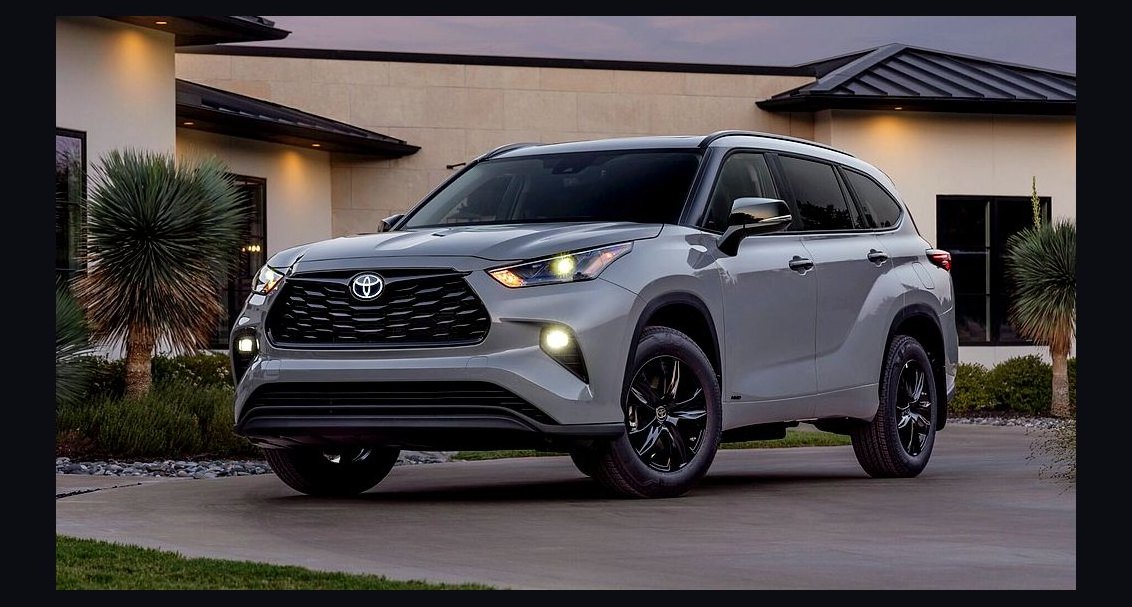 pulse-carsBest Used Family Cars Under $50,000 in 2027 (Ranked)
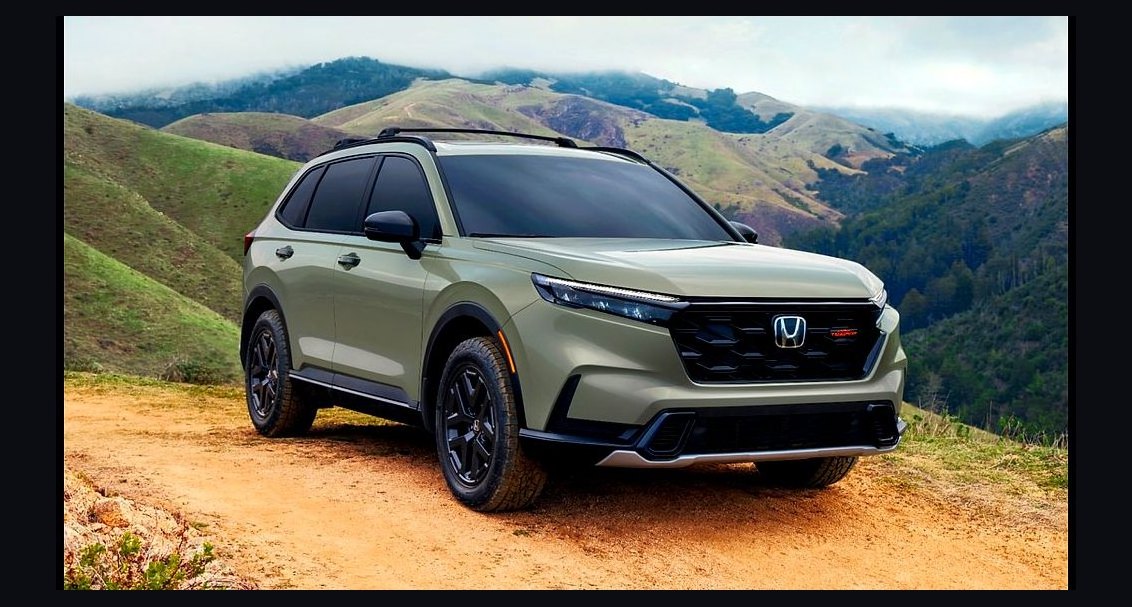 pulse-carsTop 10 Crossover SUVs 2025 — Best Overall + Best Value
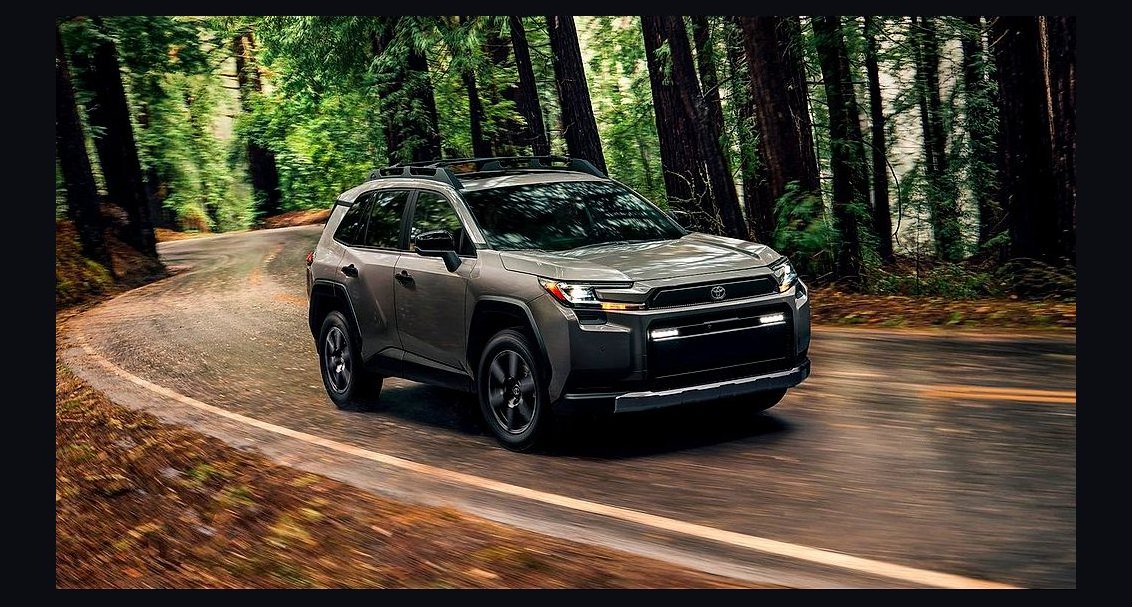 pulse-carsBest Used Compact SUVs Under $15,000 in 2027 (Ranked)
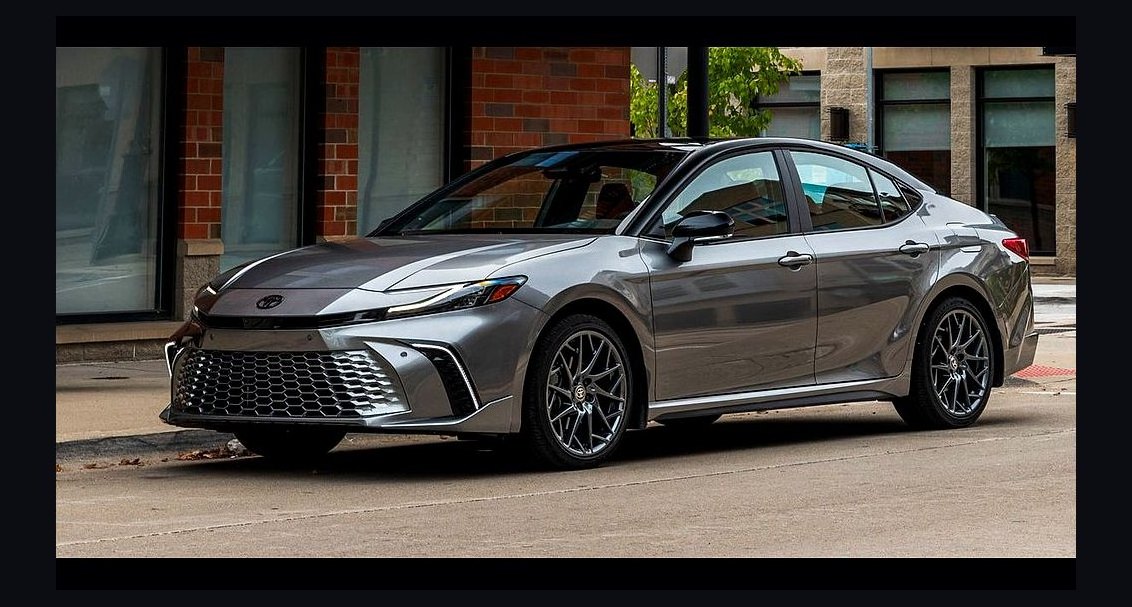 pulse-carsTop 10 Mid-Size Sedans 2026 — Best Overall + Best Value
 pulse-carsTop 10 Sports Cars 1984 — Best Overall + Best Value
 pulse-carsBest Crossovers for Seniors in 2027 (Ranked)
 pulse-carsTop 10 Hatchbacks 2027 — Best Overall + Best Value
 pulse-carsWhat are the most reliable used hybrid SUVs under $10,000 in 2027 that have low maintenance costs and high fuel efficiency for daily commuters in urban areas?