


Top 10 Most Affordable Used Sedans Under $10,000 in 2004 (Ranked)
Quality
Certified
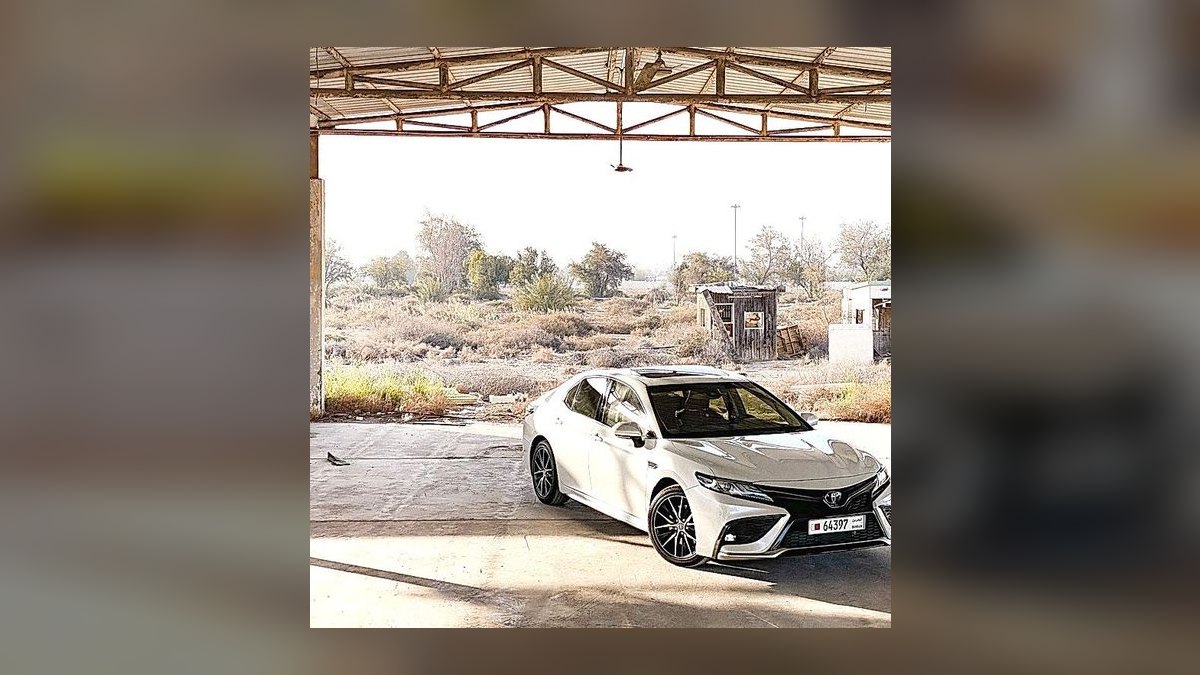
The 10 best most affordable used sedans under $10,000 are ranked below on measured performance, build quality, price, and how each one actually holds up in daily use rather than how it reads on a spec sheet. Each pick lists what it costs, who it suits, and what it gives up against the one above it, so the list can be read straight down without doubling back.
11999 Toyota Camry LE
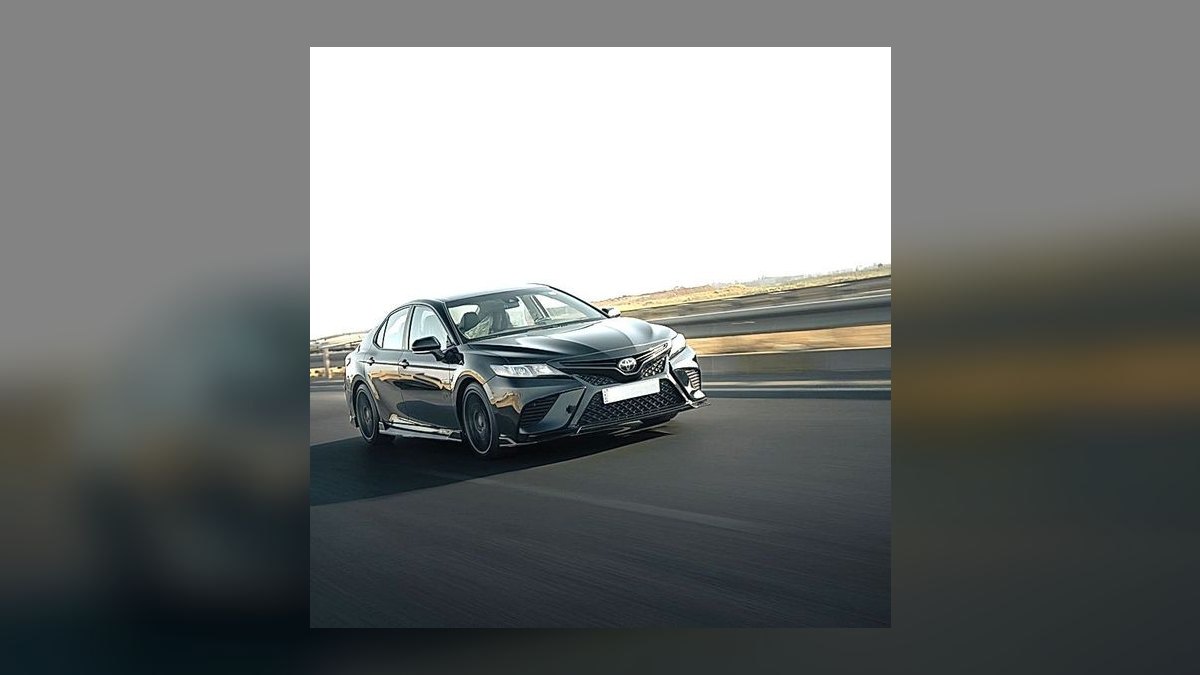
It ranks first because the 2.2-liter 5S-FE four-cylinder is among the most durable engines ever fitted to a family sedan, routinely passing 250,000 miles on oil changes alone. The XV20 generation, built 1997 through 2001, pairs 133 horsepower with a four-speed automatic and returns roughly 30 mpg on the highway. Parts sit on every shelf and cost little. A clean high-mileage LE lands in the $6,000 to $8,000 range.
This is the pick for a commuter who wants to stop thinking about the car entirely. It trades away steering feel, rear legroom against a full-size domestic, and any visual interest whatsoever — the cabin is gray plastic and cloth. Compared with the Accord below it, the Camry rides softer and feels slower off the line, but its automatic transmission carries a markedly better long-term record and insurance stays cheap.
21999 Honda Accord LX
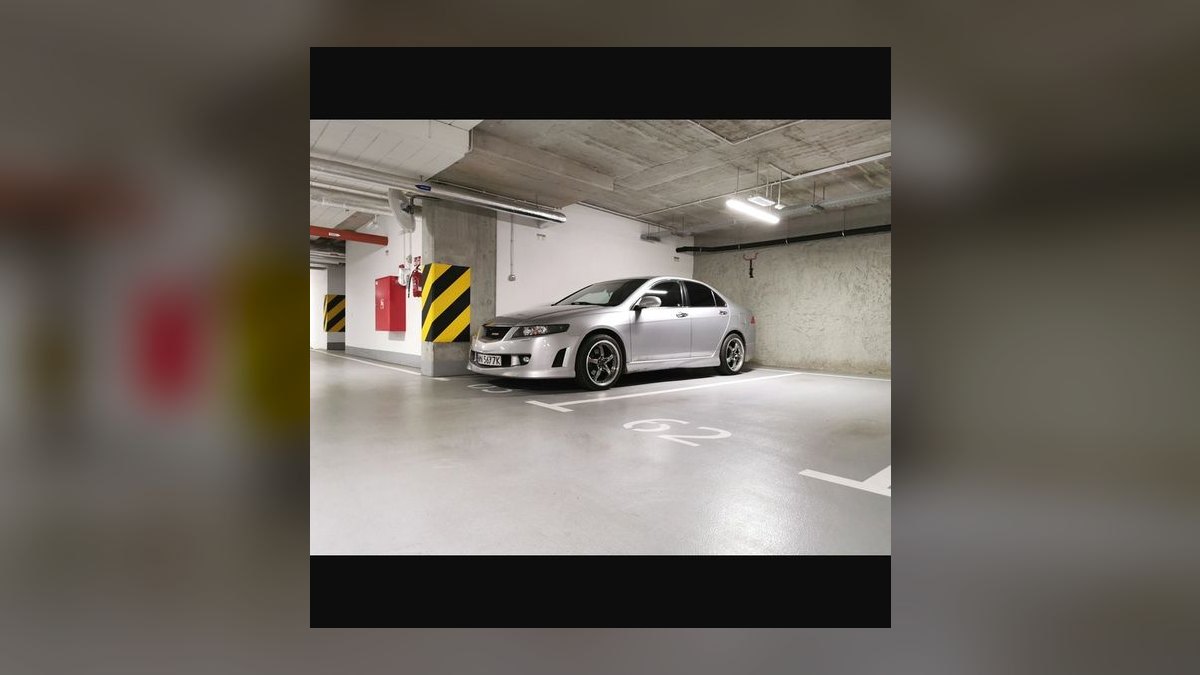
Second place goes to the sixth-generation Accord because its 2.3-liter VTEC four makes 150 horsepower, seventeen more than the Camry, while matching it near 30 mpg highway. The 1998 through 2002 body is roomier inside than its exterior footprint suggests, with a rear bench three adults can actually use. It runs a timing belt rather than a chain, so budget that service. Clean examples ask $7,000 to $9,000.
Buy it if you want Camry-grade durability with more responsive steering and a firmer chassis underneath. The trade is a stiffer ride over broken pavement and the automatic transmission weakness that dogged V6 cars of this era, which argues for staying with the four-cylinder. It costs a few hundred more than an equivalent Camry and gets stolen more often, which shows up in the insurance quote.
32000 Toyota Corolla LE
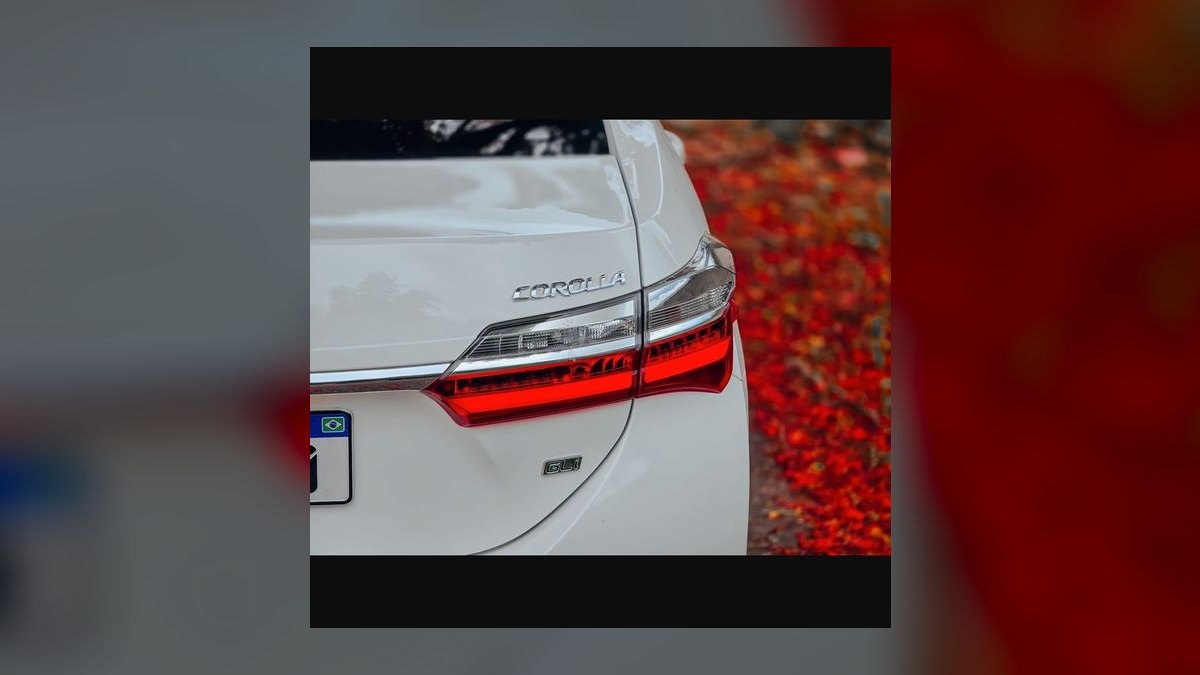
Third because it delivers Camry-grade durability for meaningfully less money: the 1.8-liter 1ZZ-FE makes 125 horsepower and approaches 38 mpg highway in a car weighing roughly 2,400 pounds. The E110 generation ran 1998 through 2002 and shares Toyota's four-speed automatic. Tires, brake jobs, and insurance all cost less than they do on a midsize sedan. Decent examples trade around $5,000 to $7,000.
It suits a solo commuter, a student, or a household buying a second car where the only real metric is cost per mile. What it surrenders is rear-seat width, trunk volume, and highway quiet — at 70 mph the cabin drones. Against the Camry ranked above, the Corolla saves roughly two thousand dollars and matches it on reliability, but it feels cheaply built in a way the Camry never does.
41999 Honda Civic LX
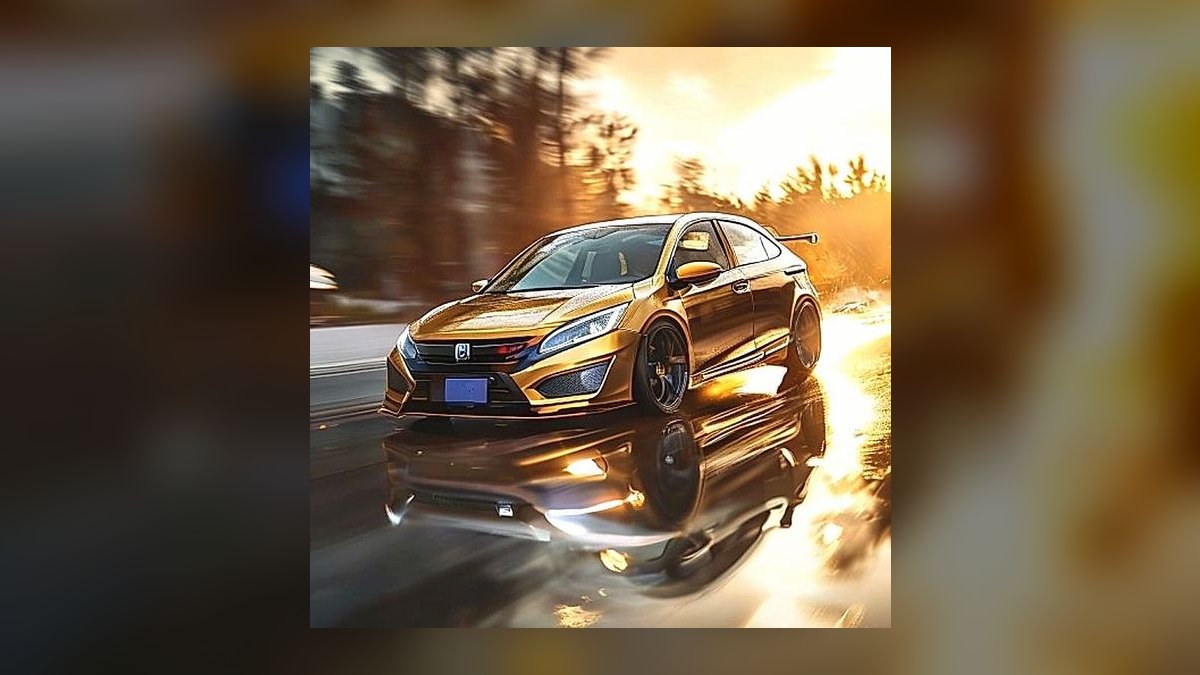
Fourth for the Corolla's economics with a far better chassis: the sixth-generation Civic's 1.6-liter D16Y7 makes 106 horsepower, weighs about 2,400 pounds, and tops 35 mpg in normal driving. Double-wishbone front suspension gives it handling no other economy sedan on this list can match. The aftermarket is enormous, so parts and labor stay cheap anywhere. An LX sedan sits near $5,500 to $7,500.
It fits a driver who actually enjoys driving and accepts a small car to get that. The trade-offs are thin sound insulation, a modest crash structure, and the highest theft risk here — these have topped national stolen-vehicle lists for years. Versus the Corolla, the Civic handles better and asks a little more money, while the Corolla is the quieter, duller, cheaper-to-insure choice for a pure commuter.
51998 Buick LeSabre Custom
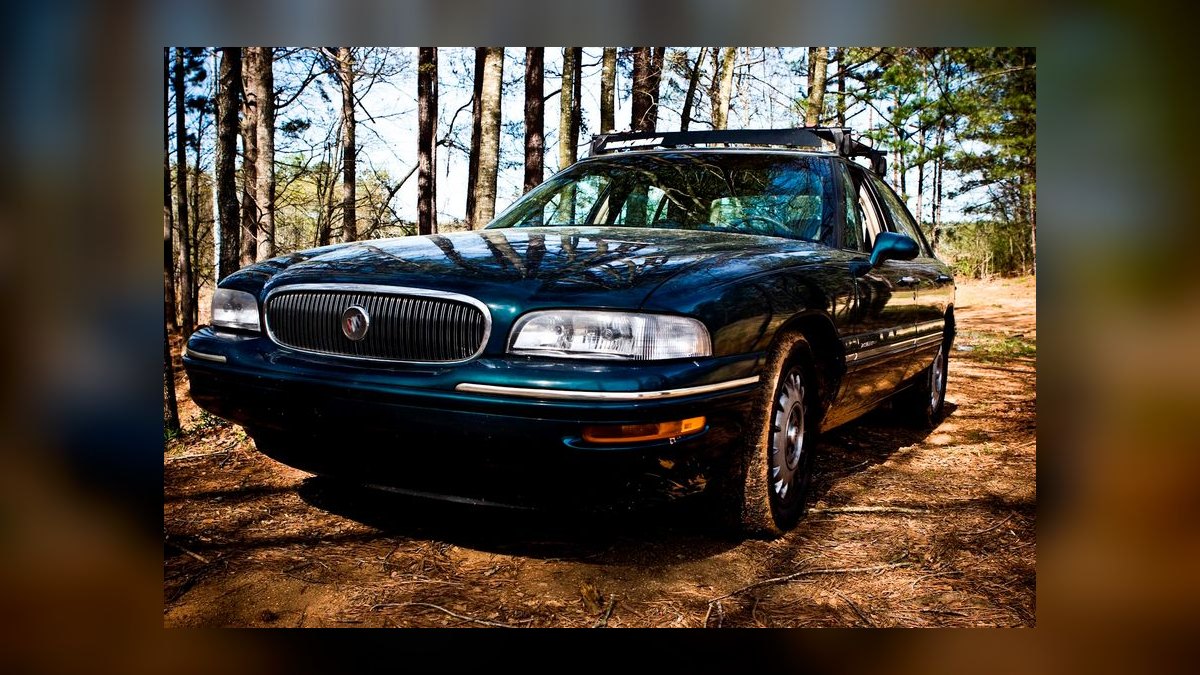
Fifth because nothing else under $10,000 gives you this much car: a full-size sedan with the 3.8-liter 3800 Series II V6, 205 horsepower, and roughly 28 mpg on the highway. That engine is among the most reliable GM ever built, and the H-body chassis seats six adults over about 17 cubic feet of trunk. Domestic depreciation is brutal, so a low-mileage example often lists under $6,000.
Retirees sell these with 60,000 gentle miles, which makes them the value play for a long highway commute or anyone regularly hauling passengers. The costs are a floaty ride, soft brake feel, plastic-heavy interior trim, and weak resale when your turn comes to sell. Compared with the Camry above, it is far roomier and quieter at interstate speed but clearly behind on fit, finish, and material quality.
61997 Nissan Maxima GXE
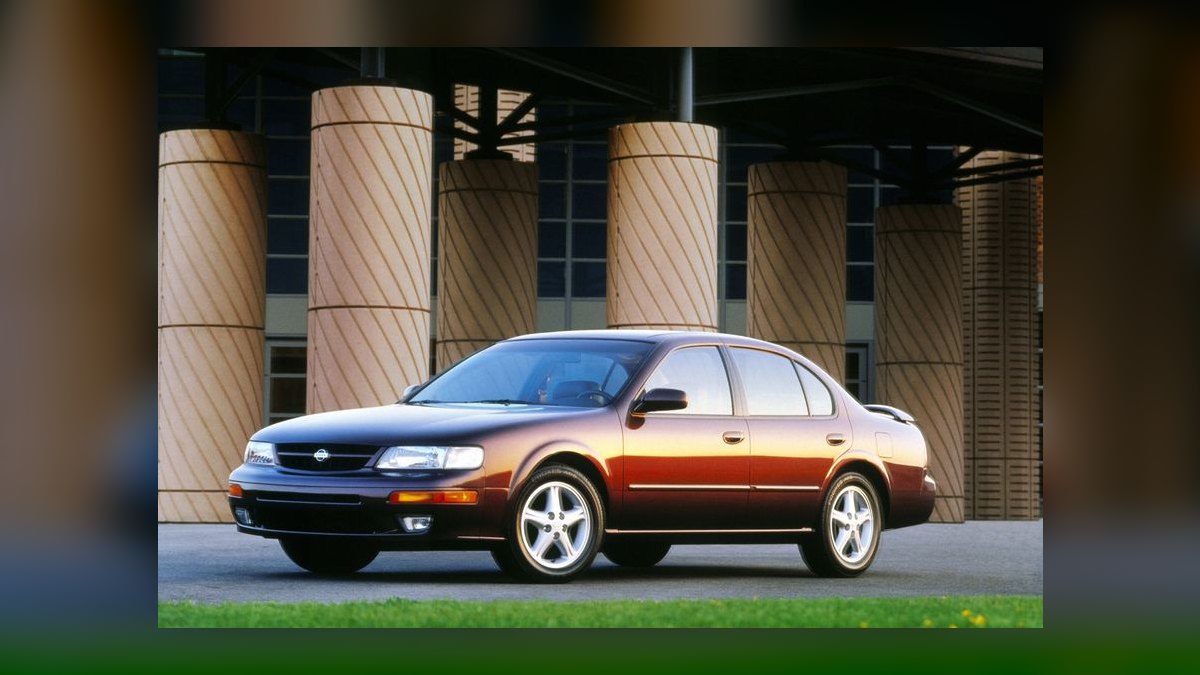
Sixth because the 3.0-liter VQ30DE makes 190 horsepower in a car weighing near 3,000 pounds, giving it the strongest acceleration of anything on this list. The A32 generation, sold 1995 through 1999, runs on regular fuel and still returns roughly 26 mpg highway. That VQ engine family took a Ward's Ten Best Engines award year after year. Good examples ask $6,000 to $8,000.
It is for the buyer who wants real performance without adopting a repair shop, since the engine itself is genuinely durable. The trade is worn suspension bushings, crank position sensor failures, and an automatic transmission that punishes neglected fluid changes. Against the Camry and Accord above, it is substantially quicker and often slightly cheaper, but the interior materials and transmission record fall short of both Japanese rivals.
71998 Mercury Grand Marquis GS
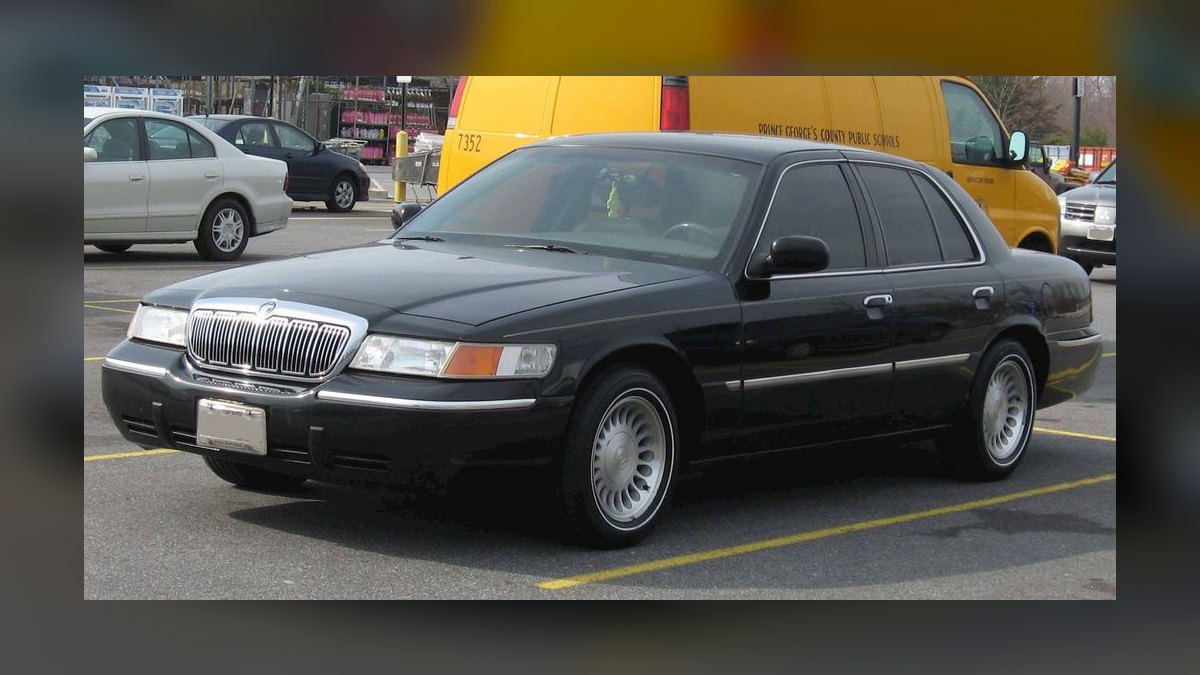
Seventh because a body-on-frame V8 sedan at this price is a category of one: the 4.6-liter modular V8 makes about 200 horsepower, drives the rear wheels, and tows 5,000 pounds with the trailer package. The Panther platform is what taxi and police fleets ran past 300,000 miles. Repairs are simple and parts cost almost nothing. A clean GS often lists under $7,000.
The buyer here tows occasionally, covers long highway miles, or simply wants a car any small-town shop can keep alive forever. It surrenders fuel economy, sitting around 24 mpg highway and far worse in town, along with wallowy body motions and a wide turning circle. Against the LeSabre above, it is tougher and rear-drive, but thirstier and much less confident in snow without weight over the axle.
81999 Chevrolet Malibu LS
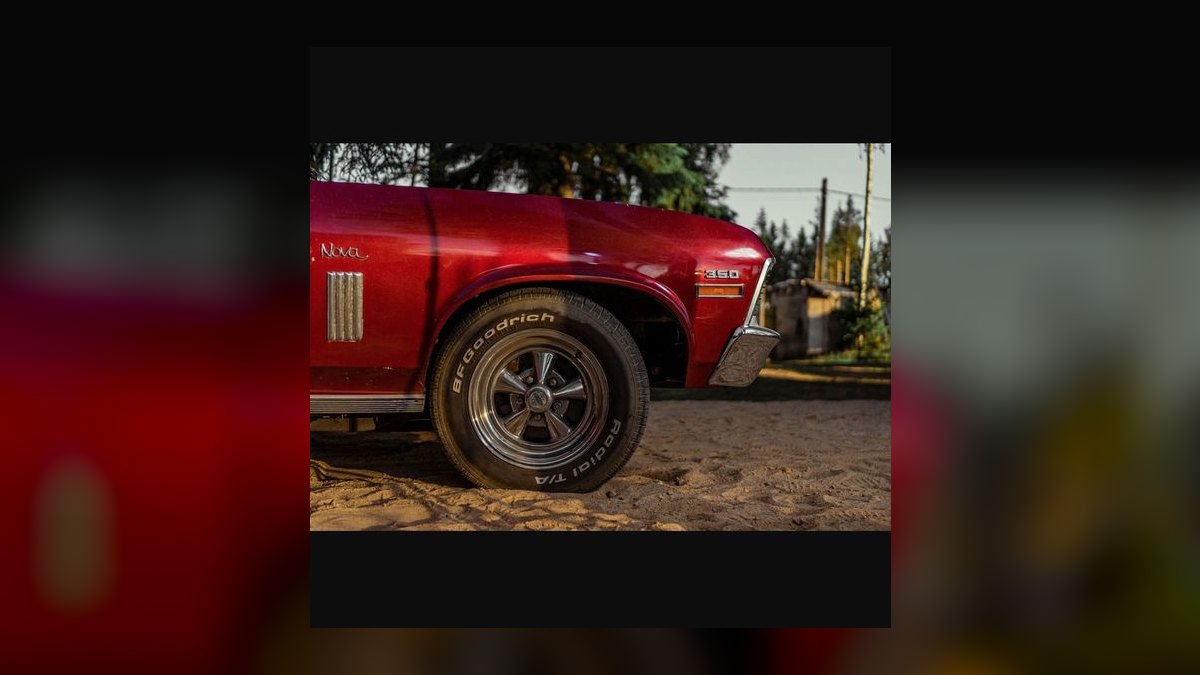
Eighth on raw price: a midsize sedan with a 155-horsepower 3.1-liter V6 for roughly $4,000 to $5,500, the cheapest dollars-per-pound entry here. The 1997 through 2003 Malibu carries a genuinely roomy back seat and about 16 cubic feet of trunk space. Every component under the hood is an ordinary GM part stocked at any chain auto store, which keeps repair bills low.
It works for a buyer whose budget is the binding constraint and who can absorb one surprise repair without losing the car. The known weaknesses are intake manifold gasket failure on the 3.1, brittle interior plastics, and assorted electrical faults. Compared with the Camry and Accord ranked higher, it costs roughly half as much and will not last nearly as long — have a mechanic inspect the coolant first.
91998 Subaru Legacy L
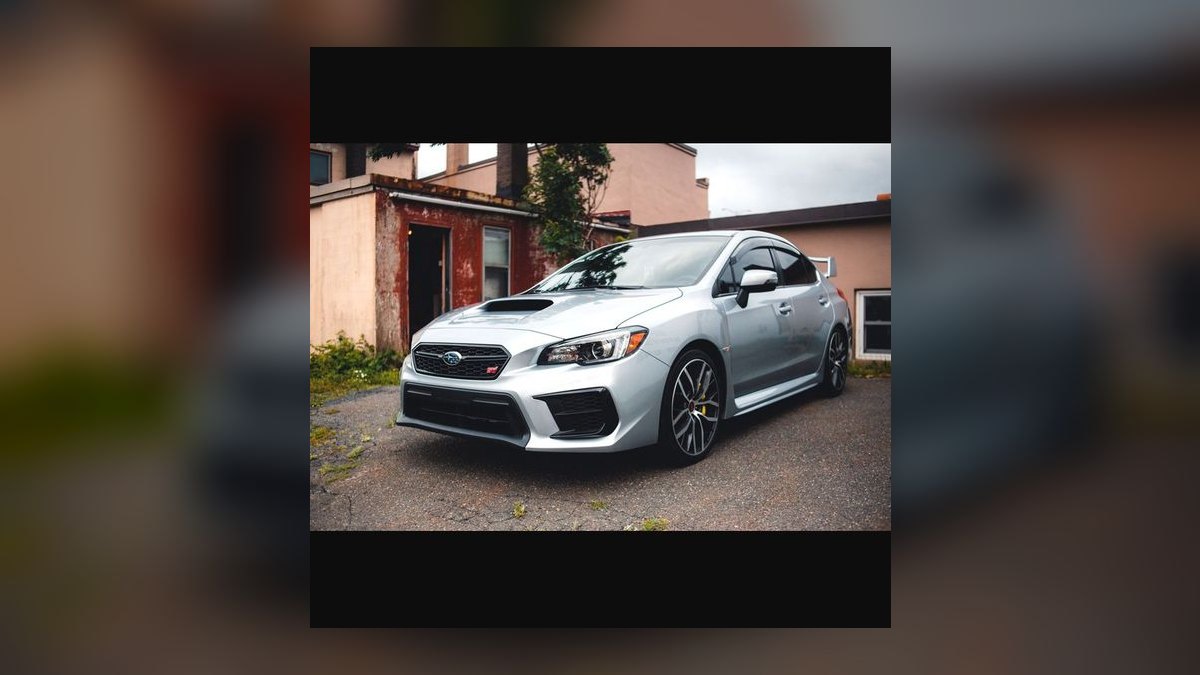
Ninth because it is the only all-wheel-drive sedan on this list, with a 2.2-liter flat-four making 137 horsepower and full-time AWD standard on every trim. That makes it the snow-belt answer; nothing else here holds a line on an icy on-ramp. The EJ22 also sidesteps the head-gasket failures that plagued the later 2.5-liter engine. Prices land near $5,000 to $7,000.
It suits a Vermont or Colorado driver who would otherwise buy a truck for winter. The costs are worse fuel economy than any front-drive four here at roughly 27 mpg highway, interference-engine timing belt service, and the requirement to replace all four tires together when one wears out. Versus the Camry above, it is slower and thirstier but genuinely capable when the road turns white.
102001 Ford Focus SE
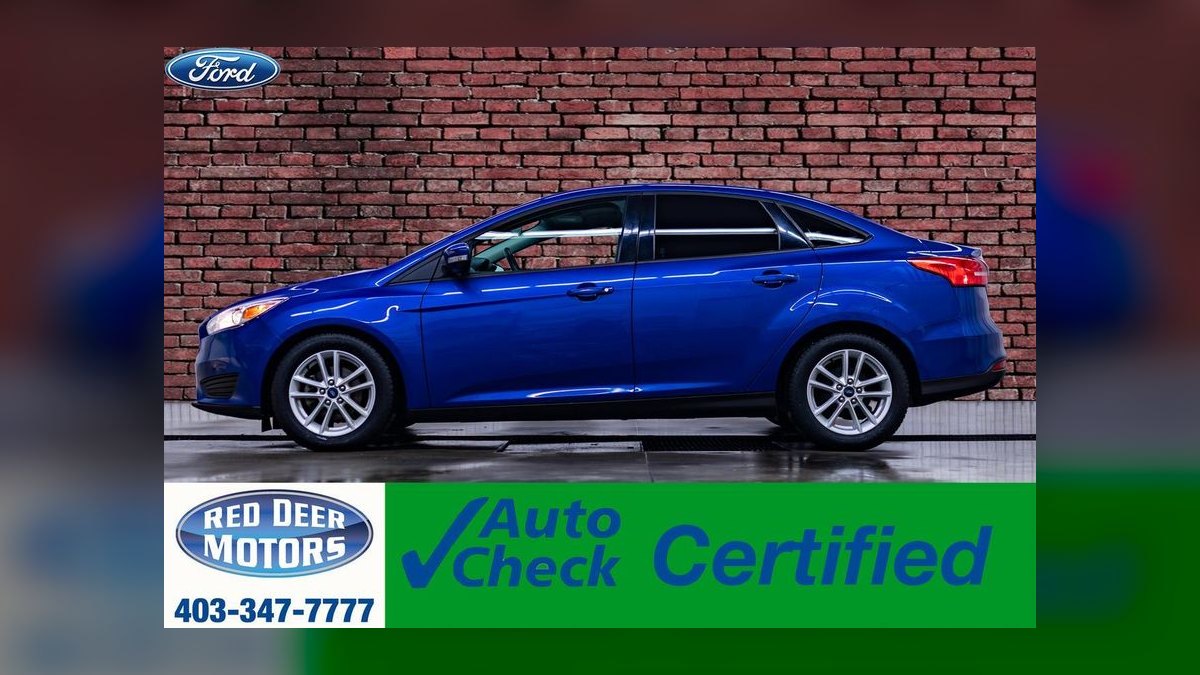
Tenth because it is the newest car your money buys: a three-year-old sedan around $7,000, with the available 2.0-liter Zetec making 130 horsepower. Its chassis drew wide praise as the best-handling small car of its generation, helped by an independent rear suspension almost nobody else offered at this price. The interior packaging is unusually space-efficient for the exterior footprint.
It fits a buyer who wants a modern-feeling car and knowingly accepts risk to get it. The trade is the weakest reliability record on this list — early Focus models drew repeated recalls, and ignition, cooling system, and window regulator failures are routine. Against the Corolla and Civic above, it drives better and looks newer, but neither of those will leave you on the shoulder the way this can.
How we ranked these
Ranking weighted four things: typical asking price in the sub-$10,000 band for 2004-model-year examples, long-run reliability records from owner surveys and repair databases, parts availability and repair cost through independent shops, and running costs including fuel economy and insurance. Sedans with documented transmission or head-gasket failure patterns lost points. Cars still sold in volume today score higher, because a deep used supply keeps both purchase price and replacement-part cost down.
Deliberately ignored: 0-60 times, horsepower figures, infotainment, and anything resembling a driving-enthusiast verdict. At this price a decade-plus after these cars were new, individual maintenance history matters more than any factory specification, so trim-level distinctions were also set aside. Resale value was skipped too — these cars are near the bottom of their depreciation curve and will be scrapped, not traded. Styling and brand prestige carried zero weight.
Buying: The single most valuable document is a maintenance folder. A 2004 sedan with 140,000 miles and receipts for timing belt, water pump, and transmission fluid is worth more than an 80,000-mile example with no history. Check for rust at rocker panels, strut towers, and subframe mounts on any car from a road-salt state — structural rust is the one problem that ends the car. Budget $1,000 beyond purchase price for immediate deferred maintenance.
The mistake most buyers make is shopping on odometer reading alone and skipping the pre-purchase inspection to save $150. That inspection routinely finds $2,000 in pending work, which is either a walk-away or a negotiating lever. Second most common error: buying the cheapest example of a good model rather than the best-maintained example of an average one. Condition beats nameplate at this price point, every time.
Related questions
Is a high-mileage Japanese sedan better than a low-mileage American one?
Usually, but not automatically. A 2004 Camry or Accord at 160,000 miles with consistent service often has more life left than a neglected domestic at 90,000. That said, a well-maintained Ford Taurus or Chevrolet Impala is genuinely cheap to repair, with parts on every shelf. Judge the specific car's records and rust, not the badge on the trunk.
What is a fair price to pay for a 2004 sedan today?
Most 2004 sedans in running, inspectable condition trade between $2,000 and $5,000, well under the $10,000 ceiling. Anything asking near $10,000 is either an unusually preserved low-mileage example or overpriced. Check recent local sold listings rather than dealer asking prices, and remember that private-party sales typically run $1,000 to $1,500 below dealer lots for identical cars.
How many miles is too many on a 2004 model?
There is no hard ceiling. Well-built sedans from this era routinely pass 250,000 miles with basic maintenance. What matters is whether the major services were done: timing belt on interference engines, transmission fluid changes, and cooling system work. A 200,000-mile car with those receipts is a safer buy than a 120,000-mile car with an unexplained ten-year gap in its history.
Should I buy from a dealer or a private seller?
Private sellers are cheaper and usually know the car's actual history. Small used lots mark up $1,000 to $2,000 and often bought the car at auction, so they know nothing about it. Franchise dealers rarely stock cars this old. Whichever route you take, the pre-purchase inspection at an independent shop is non-negotiable — it protects you equally in both cases.
What repairs should I expect in the first year of ownership?
Plan on suspension and brake work: struts, control arm bushings, sway bar links, rotors and pads. Also expect rubber and hose replacement, an alternator or starter on some cars, and tires if the seller's are aged out. That is realistically $800 to $1,500 spread across the year. Cars this old fail on wear items, not catastrophes, if the engine and transmission are sound.
Are four-cylinder or V6 versions the better buy?
Four-cylinders, in almost every case. They are cheaper to insure, get meaningfully better fuel economy, and have fewer components to fail — no rear bank of spark plugs buried against the firewall, no extra coolant passages. V6 models were often optioned with more equipment that is now broken. The performance advantage is irrelevant when the whole car costs less than a set of good tires on a new one.
Does a salvage or rebuilt title matter at this price?
Yes. A rebuilt title knocks 20 to 40 percent off value and makes the car harder to insure comprehensively and much harder to resell. On a genuinely cheap car some buyers accept that tradeoff knowingly, but only after an inspection confirms the frame and airbag systems were properly repaired. Never accept a seller's assurance that the damage was cosmetic without documentation.
What paperwork should I get before handing over cash?
A clean title in the seller's own name — not an open title signed by a previous owner. Get a signed bill of sale with VIN, mileage, price, and date, plus an odometer disclosure. Run the VIN through a history report and match it to the dash and door-jamb plates. If the seller's name and the title do not match, walk away regardless of the explanation.
FAQ
Can a 2004 sedan still be a reliable daily driver?
Yes, provided it was maintained and is not structurally rusted. Plenty of 2004 sedans are still in daily service. The realistic expectation is a car that starts every morning and needs a few hundred dollars of wear-item work annually. What it will not offer is modern crash protection, stability control on many trims, or the fuel economy of a current compact.
How much should I budget beyond the purchase price?
Set aside $1,000 to $1,500 for the first six months. That covers deferred maintenance the seller skipped: fluids, filters, belts, brakes, and often tires. Add registration, title transfer, and sales tax, which vary widely by state. Buying at $3,500 with nothing in reserve is how people end up stranded and selling at a loss three months later.
Is the timing belt or chain a deciding factor?
It matters a great deal on interference engines, where a snapped belt destroys valves and pistons. Belts typically need replacement every 60,000 to 105,000 miles and cost $500 to $900 with the water pump. If a seller cannot prove it was done, assume it needs doing and subtract that from your offer. Timing-chain engines avoid the scheduled expense entirely.
What are the biggest red flags during a test drive?
Transmission hesitation or hard shifts, a check engine light of any kind, milky oil on the dipstick, blue or white exhaust smoke after warm-up, and pulling under braking. Also listen for wheel bearing hum that changes with steering input. Any of these should either end the conversation or drop your offer by more than the repair costs, since they signal broader neglect.
Do rust-belt cars differ that much from southern cars?
Substantially. Road salt attacks brake lines, fuel lines, subframes, and rocker panels, and a rusted-through brake line is a safety failure that can total a cheap car economically. Southern and western cars of the same year and mileage often have significantly more usable life. If you shop in a salt state, get the car on a lift and inspect the underside before anything else.
How does insurance work on a car this old?
Liability-only is common and cheap, since comprehensive and collision coverage on a $3,000 car often costs more in premiums than the payout would be worth. Run the numbers: if annual full coverage exceeds roughly ten percent of the car's value, most owners drop to liability. Rates still vary by driver, ZIP code, and the specific model's theft statistics.
Are aftermarket parts acceptable on these cars?
For most wear items, yes, and they save real money. Brakes, filters, suspension components, and alternators from established aftermarket brands perform fine. Be more careful with sensors, ignition coils, and anything emissions-related, where cheap parts fail early and trigger check engine lights. Buying used original parts from a salvage yard is often the better value for interior and body pieces.
Should I get a vehicle history report on a car this cheap?
Yes — it costs about $40 and can save thousands. It flags branded titles, reported accidents, odometer inconsistencies, and gaps that suggest the car sat unregistered. It is not comprehensive, since unreported accidents and cash repairs never appear, so treat it as a screening tool that supplements the mechanical inspection rather than replacing it.
What happens if the car needs a major repair after I buy it?
Private-party sales are almost universally as-is, with no legal recourse absent outright fraud. That is precisely why the pre-purchase inspection matters so much. If a transmission fails on a $3,000 car, the honest math is often to sell it for parts rather than spend $2,500 rebuilding it. Decide your walk-away repair threshold before you buy, not after.
Is it smarter to spend a bit more for a newer model year?
Frequently, yes. Moving from 2004 to 2008 or 2010 within a $10,000 budget usually buys better crash structure, standard stability control, and meaningfully improved fuel economy. The 2004 cars make sense when the budget is genuinely under $5,000, or when you specifically want simple, cheap-to-repair mechanicals without the electronic complexity of later vehicles.
Sources
- https://www.consumerreports.org/cars/used-cars/
- https://www.nhtsa.gov/recalls
- https://www.iihs.org/ratings
- https://www.fueleconomy.gov/
- https://www.edmunds.com/appraisal/
- https://www.kbb.com/car-values/
- https://www.jdpower.com/cars
- https://www.cars.com/articles/
- https://www.caranddriver.com/
Related on PULSE
This page will be disappearing soon. Save it to your device for $1 — or read it free while it is here.
@Kory-White- · if Venmo asks, the last 4 of my number are 2012
This page is gone.
This one is off the shelf now. $1 keeps it on your phone for good — the whole page, pictures and diagrams included.
 pulse-recentTop 10 Most Affordable Used Sedans Under $10,000 in 2006 (Ranked)
 pulse-recentHow Much Does It Cost to Finance a Lamborghini Huracán Over 60 Months in 2027?
 pulse-recentTop 10 Supercars With the Cheapest Monthly Lease Payments in 2027
 pulse-recentTop 10 Supercars With Scheduled Maintenance Under $5,000 a Year in 2027
 pulse-recentHow much does full-coverage insurance cost for a 25-year-old driver on a Ferrari 488 in 2027?
 pulse-recentTop 10 Muscle Cars 1975 — Best Overall + Best Value
 pulse-recentTop 10 Electric Cars 2023 — Best Overall + Best Value
 pulse-recentTop 10 Muscle Cars 2014 — Best Overall + Best Value
 pulse-recentHow much does a 2027 Toyota GR Corolla cost fully loaded in 2027?
 pulse-recentTop 10 Manual-Transmission Supercars Still in Production in 2027