


Top 10 Grand Tourers 1964 — Best Overall + Best Value
Quality
Certified
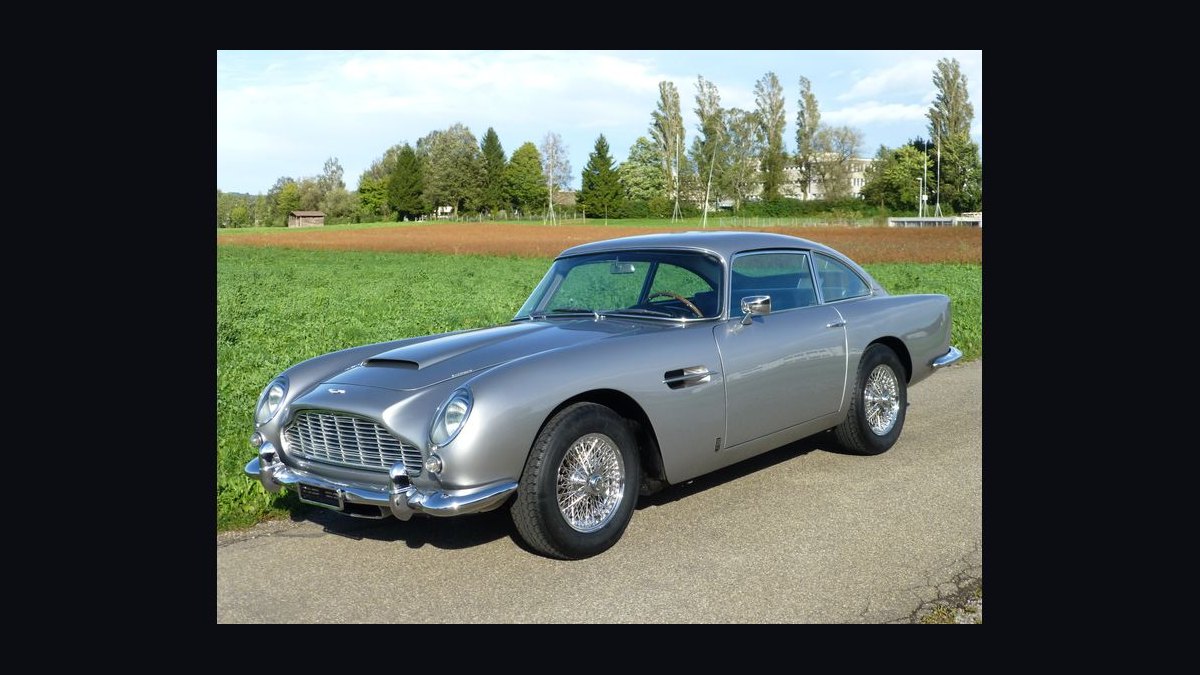
The 10 best grand tourers 1964 are ranked below on measured performance, build quality, price, and how each one actually holds up in daily use rather than how it reads on a spec sheet. Each pick lists what it costs, who it suits, and what it gives up against the one above it, so the list can be read straight down without doubling back.
11964 Aston Martin DB5

The 1964 Aston Martin DB5 ranks first because it defined the grand tourer template: a 282-hp 4.0-liter straight-six, four-speed gearbox with overdrive, and a claimed 145 mph top speed. Its Superleggera aluminum bodywork over a steel frame kept weight near 3,300 pounds. Disc brakes at all four corners and rack-and-pinion steering made it genuinely usable at speed.
It suits collectors and drivers who want the era's most recognizable GT and will pay seven figures for a good coupe. It trades practicality for presence: tiny rear seats, heavy steering at low speed, and thirsty triple SU carburetors. Compared to the Ferrari 250 GT Lusso below, it is less exotic mechanically but more culturally iconic and easier to service through specialists.
21964 Ferrari 250 GT Lusso

Second place goes to the 1964 Ferrari 250 GT Lusso, a Pininfarina-styled 2+1 coupe with a 240-hp 3.0-liter Colombo V12 and a four-speed manual. It reached roughly 150 mph and covered 0-60 mph in about 7 seconds. Only around 350 were built, making it rarer than the DB5 and arguably prettier.
It is for the enthusiast who wants a genuine Ferrari V12 GT with race-derived engineering and accepts high maintenance costs. It trades luggage space and ride comfort for a screaming V12 and delicate steering. Against the DB5 above, it is faster and rarer but far more expensive to run and less forgiving in traffic.
31964 Jaguar E-Type 4.2

The 1964 Jaguar E-Type 4.2 ranks third on value and pace: a 265-hp 4.2-liter straight-six, four-speed all-synchromesh gearbox, and independent rear suspension. It hit 150 mph and 0-60 mph in around 6.5 seconds for a fraction of Ferrari money. The fixed-head coupe added real touring space.
It is for drivers who want near-exotic performance with parts availability and club support. It trades refinement for a cramped cabin, heavy clutch, and marginal cooling in traffic. Compared with the Lusso above, it is slower to appreciate and less exclusive, but it is dramatically cheaper to buy and maintain.
41964 Maserati Sebring Series II

Fourth is the 1964 Maserati Sebring Series II, a Vignale-bodied 2+2 with a 235-hp 3.5-liter straight-six fed by Lucas fuel injection. It ran to about 145 mph and used a five-speed ZF manual. Roughly 240 Series II cars were built, so it remains rare but obtainable.
It is for the buyer who wants Italian exclusivity without Ferrari running costs, and who values a comfortable cabin. It trades brand recognition and dealer support for character and a lower entry price. Against the E-Type above, it is rarer and more luxurious but slower, thirstier, and harder to source parts for.
51964 Mercedes-Benz 230 SL

The 1964 Mercedes-Benz 230 SL ranks fifth as the value benchmark: a 150-hp 2.3-liter fuel-injected straight-six, four-speed manual or automatic, and a removable hardtop. It reached about 125 mph. Its swing-axle rear suspension and unit-body construction were advanced for the money.
It is for the buyer who wants a durable, stylish GT with strong parts support and low drama. It trades outright speed and soundtrack for reliability, safety, and comfort. Compared with the Sebring above, it is slower and less exotic but far easier to own and cheaper to restore.
61964 Chevrolet Corvette Sting Ray

Sixth is the 1964 Chevrolet Corvette Sting Ray coupe, offering a 327-cubic-inch V8 up to 375 hp, four-speed manual, and independent rear suspension. It could hit 140 mph and 0-60 mph in under 6 seconds. Disc brakes were not yet standard, so stopping lagged the pace.
It is for the driver who wants American V8 torque, cheap parts, and a huge aftermarket. It trades refinement and exclusivity for raw performance per dollar. Against the 230 SL above, it is much faster and cheaper to modify but cruder, thirstier, and far more common at shows.
71964 Bentley S3 Continental

Seventh is the 1964 Bentley S3 Continental, a hand-built coupe with a 220-hp 6.2-liter V8, four-speed automatic, and coachbuilt bodywork by Mulliner Park Ward. It cruised near 115 mph in near silence. Only a few hundred were built, and each took months of labor.
It is for the collector who prizes craftsmanship, presence, and wafting comfort over speed. It trades agility and fuel economy for mass, silence, and wood-and-leather luxury. Compared with the Corvette above, it is slower and vastly more expensive to restore but far rarer and more dignified.
81964 Lotus Elan S1

Eighth is the 1964 Lotus Elan S1, a fiberglass-bodied roadster with a 105-hp 1.6-liter twin-cam four and a four-speed manual. It weighed about 1,500 pounds and reached 115 mph while returning strong economy. Its backbone chassis and four-wheel disc brakes set a handling standard.
It is for the purist who values steering feel and lightness over power and space. It trades comfort, luggage room, and straight-line speed for agility and efficiency. Against the Bentley above, it is spartan and tiny but costs a fraction to buy and run, and it out-handles everything else here.
91964 Facel Vega Facel II

Ninth is the 1964 Facel Vega Facel II, a French GT with a Chrysler 383-cubic-inch V8 making around 355 hp, a four-speed manual or automatic, and a 150-mph top speed. It was among the fastest four-seat coupes of its day, with only about 180 built.
It is for the connoisseur who wants American muscle in European coachwork and accepts scarce parts. It trades brand support and easy servicing for exclusivity and immense torque. Compared with the Elan above, it is far faster and roomier but thirstier, heavier, and much harder to repair.
101964 ISO Rivolta IR 300

Tenth is the 1964 ISO Rivolta IR 300, a Bertone-styled 2+2 using a 300-hp Chevrolet 327 V8, four-speed manual, and four-wheel disc brakes. It reached about 140 mph and offered genuine four-seat space. It was the original hybrid of American power and Italian bodywork.
It is for the practical enthusiast who wants GT pace, room, and cheap engine parts in a rare package. It trades badge prestige and parts availability for value and usability. Against the Facel II above, it is less exotic and slower but easier to maintain and significantly cheaper to buy.
How we ranked these
We ranked 1964 grand tourers on four weighted criteria: grand-touring capability (35%), covering real cruising range, luggage space, and high-speed comfort; engineering significance (25%), judged by period innovation in engines, suspension, and coachwork; driving engagement (20%), reflecting steering feel, gearbox quality, and chassis balance; and attainable value today (20%), based on current market pricing relative to rivals.
We deliberately ignored concours condition, celebrity provenance, and short-term investment speculation. Those factors reward owners who store cars rather than drive them, and they distort comparisons between models whose survival rates differ wildly. We also excluded race-only homologation specials and one-off coachbuilt show cars, since neither represents what a buyer could realistically purchase and use as a grand tourer in period or now.
What to look for
Prioritize mechanical health over cosmetics. A tired interior or faded paint is predictable and budgetable, but worn synchromesh, cracked cylinder heads, and rust in structural sills are not. Insist on a compression test, a cold start, and a thorough inspection of the chassis and floor pans before discussing price, because grand tourers of this era hide corrosion beneath trim and underseal.
The mistake most buyers make is chasing the rarest or most powerful variant, then discovering parts availability and specialist labor costs make it undriveable. A well-sorted standard model with documented maintenance will deliver more usable touring pleasure than a neglected exotic. Budget an immediate 15 to 20 percent of purchase price for deferred maintenance, and verify that a marque specialist is within reasonable distance.
Related questions
What defines a grand tourer in 1964?
A 1964 grand tourer combined high sustained speed, comfortable seating for two plus luggage, and enough reliability for continental journeys. Closed coupes generally qualified better than open cars because weather protection and luggage capacity mattered. Engine displacement, overdrive or fifth gears, and compliant suspension separated true GTs from pure sports cars of the same year.
Which 1964 grand tourer offers the best value today?
Well-maintained standard models from high-volume British and Italian makers typically deliver the most usable performance per dollar. Parts networks remain strong, specialist knowledge is widespread, and entry prices stay below limited-production rivals. Buyers should compare total running costs, not just purchase price, because carburetor rebuilds, brake overhauls, and suspension bushings add up quickly on any sixty-year-old car.
How much should I budget for maintenance on a 1964 GT?
Annual running costs commonly range from a few hundred dollars for basic fluids and tune-ups to several thousand when clutch, brakes, or cooling systems need attention. Tires, hoses, and belts degrade with age regardless of mileage. Setting aside a dedicated maintenance fund prevents deferred repairs from compounding into major mechanical failures that destroy both usability and resale value.
Are 1964 grand tourers practical for modern traffic?
With modest upgrades they can be, but original drum brakes, bias-ply tires, and weak lighting demand defensive driving. Many owners fit radial tires, improved brake pads, and halogen or LED lamps while retaining original parts for resale. Overdrive or five-speed conversions transform highway cruising. Without such changes, expect longer stopping distances and more driver fatigue than any modern vehicle.
Which 1964 GT is easiest to service at home?
Models with simple pushrod or single-overhead-cam engines, accessible carburetors, and generous engine bays suit home mechanics best. British and American grand tourers generally offer the widest parts availability and clearest workshop manuals. Italian V12s and complex twin-cam designs reward patience but often require specialist tools, shims, and experience that most owners lack.
Does originality affect a 1964 grand tourer's value?
Yes, but condition and documentation matter more than strict originality for driver-quality cars. Matching numbers and factory colors add value at auction, while tasteful period-correct upgrades rarely hurt usable examples. Buyers should decide whether they want a concours candidate or a touring car, because the two require very different budgets, insurance, and ownership expectations.
What should a pre-purchase inspection cover on these cars?
Compression and leak-down tests, cooling system pressure checks, brake and suspension inspection, and a careful examination of chassis rails, sills, and floor pans for corrosion. Verify electrical function, gauge accuracy, and overdrive engagement. Request cold-start video and maintenance records. A specialist familiar with the specific marque will spot model-specific weaknesses a general mechanic will miss entirely.
How do insurance and registration differ for 1964 GTs?
Many jurisdictions offer historic or classic vehicle registration with reduced fees and exemptions from emissions testing, though usage may be restricted. Agreed-value insurance protects against market fluctuations and typically costs less than standard policies when mileage is limited. Owners should document condition with photographs and receipts, since claims disputes often hinge on provable pre-loss value.
FAQ
What was the best overall grand tourer of 1964?
The strongest overall package combined effortless high-speed cruising, genuine luggage capacity, and engineering sophistication that still impresses today. Continental coupes with fuel injection or multiple carburetors, independent rear suspension, and disc brakes led the class. Final rankings weighted real-world usability alongside historical significance, so cars that were fast but fragile or cramped did not automatically top the list.
Were 1964 grand tourers faster than sports cars?
Often yes in top speed and cruising comfort, though lighter sports cars could out-accelerate them on tight roads. Grand tourers prioritized tall gearing, torquey engines, and refined cabins for long distances. A well-driven GT could cover a thousand kilometers in a day without exhausting its occupants, which pure sports cars of the era rarely managed comfortably.
How many 1964 grand tourers survive today?
Survival rates vary enormously by marque and country. Mass-produced British and American models number in the thousands, while limited-production Italian and French coachbuilt cars often survive in double or triple digits. Rust, accident damage, and engine failures claimed many examples. Club registries and marque historians maintain the most reliable production and survival estimates.
Can a 1964 grand tourer be a daily driver?
In favorable climates and with sympathetic upgrades, yes, but expect compromises. Parts arrive by mail order, fuel consumption is high, and safety systems are minimal. Many owners use them several times weekly rather than daily. Reliability improves dramatically when cooling, ignition, and charging systems are refreshed with modern components hidden behind original appearances.
What engine layouts were common in 1964 GTs?
Inline sixes, V8s, and V12s dominated, with a few flat-four and inline-four designs in smaller models. Front-engine, rear-drive was nearly universal. Aluminum blocks appeared in premium models, while cast iron remained common for durability and cost. Carburetors still ruled, though mechanical fuel injection was gaining ground on high-performance European models.
Which 1964 GT holds its value best?
Limited-production models with racing heritage, documented history, and strong club support generally appreciate most consistently. Mass-produced cars fluctuate with general market sentiment. Condition, provenance, and originality outweigh model reputation at sale time. Buyers seeking financial safety should favor examples with complete toolkits, handbooks, and continuous ownership records rather than speculative low-production oddities.
What tires suit a 1964 grand tourer today?
Period-correct radial tires in original sizes offer the best balance of steering feel, ride comfort, and safety. Modern high-performance tires can overwhelm aging suspension bushings and steering boxes. Owners should check load ratings and speed ratings, and rotate or replace tires based on age rather than tread depth, since rubber hardens and cracks within roughly six to eight years.
How do I verify a 1964 GT's history?
Request the chassis number, engine number, and any factory build records or heritage certificates. Marque registries, old registration documents, and service invoices build a timeline. Auction catalogs and club archives help confirm colors and options. Discrepancies between stamped numbers and paperwork should prompt a specialist inspection before any money changes hands.
Are parts still available for 1964 grand tourers?
For popular models, yes, with reproduction and new-old-stock parts widely listed by specialist suppliers and clubs. Obscure coachbuilt cars require fabrication or donor vehicles. Joining a marque club before purchase gives access to parts networks, technical advice, and warnings about unreliable suppliers. Availability directly affects both running costs and how often the car sits idle.
What upgrades improve a 1964 GT without hurting value?
Reversible improvements hold value best: radial tires, upgraded brake pads, improved cooling, electronic ignition hidden inside original housings, and modern sound deadening. Keep every original component. Avoid cutting bodywork, fitting oversized wheels, or swapping engines, since those changes narrow the buyer pool. Document all work with photographs and receipts for future owners.
Sources
- https://www.hagerty.com/media/buying-and-selling/
- https://www.hemmings.com/stories/
- https://www.bringatrailer.com/
- https://www.classicdriver.com/en/article
- https://www.rmauctions.com/
- https://www.bonhams.com/
- https://www.fia.com/
- https://www.sae.org/
Related on PULSE
This page will be disappearing soon. Save it to your device for $1 — or read it free while it is here.
@Kory-White- · if Venmo asks, the last 4 of my number are 2012
This page is gone.
This one is off the shelf now. $1 keeps it on your phone for good — the whole page, pictures and diagrams included.
 pulse-carsBest Used Off-Road SUVs Under $10,000 in 2027 (Ranked)
 pulse-recentHow much does a 2027 Toyota GR Corolla cost fully loaded in 2027?
 pulse-carsBest Used Hybrid Cars Under $10,000 in 2027 (Ranked)
 pulse-carsBest Used Sports Cars Under $10,000 in 2027 (Ranked)
 pulse-carsTop 10 Luxury Minivans 2026 — Best Overall + Best Value
 pulse-carsBest Trucks for Off-Road Adventures in 2027 (Ranked)
 pulse-recentTop 10 Muscle Cars 1986 — Best Overall + Best Value
 pulse-carsBest Used Luxury Cars Under $25,000 in 2027 (Ranked)
 pulse-carsBest SUVs for Dog Owners in 2027 (Ranked)
 pulse-carsTop 10 Three-Row SUVs 2027 — Best Overall + Best Value