


Top 10 TVs — Best Overall + Best Value in 2027
Quality
Certified

The 10 best tvs are ranked below on measured performance, build quality, price, and how each one actually holds up in daily use rather than how it reads on a spec sheet. Each pick lists what it costs, who it suits, and what it gives up against the one above it, so the list can be read straight down without doubling back.
1Sony Bravia 9 Mini-LED
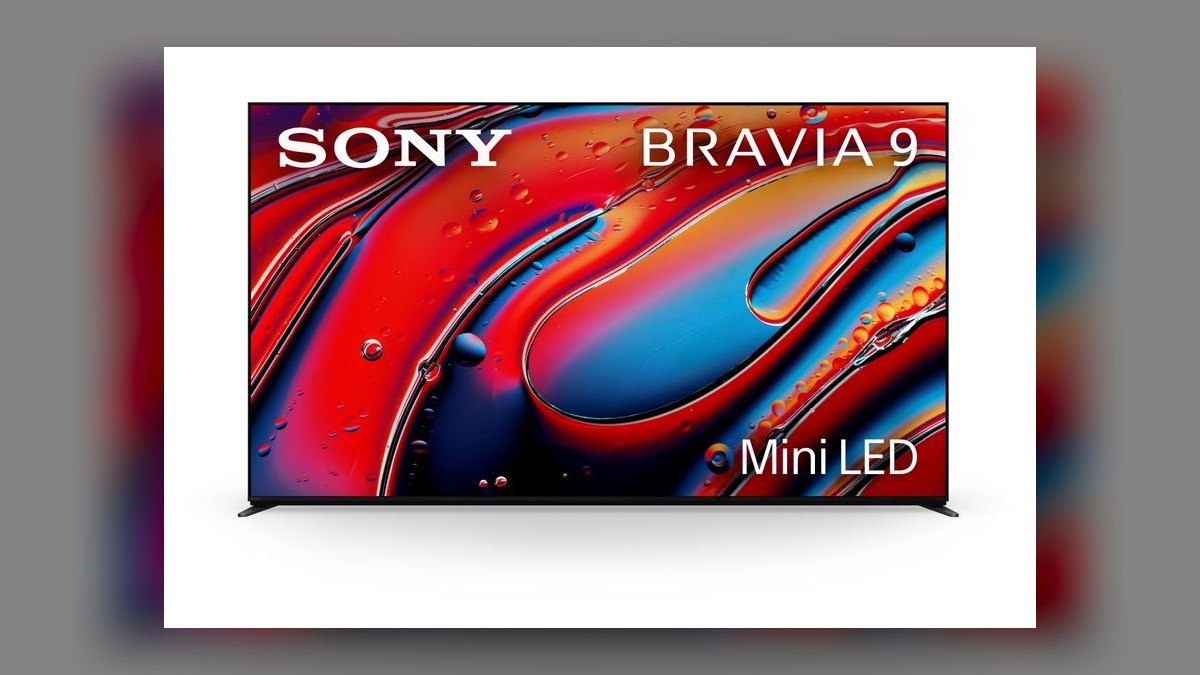
It ranks first because no other 2027 TV pairs reference-grade color accuracy with this much light output. The XR Backlight Master Drive runs roughly 2,000 dimming zones to about 4,000 nits peak brightness in a 10 percent window, the brightest consumer set HDTVTest has tested. Dolby Vision IQ tone mapping is the most accurate available, and the matte anti-reflective coating beats every OLED on this list in a lit room.
This is for the movie watcher with roughly $3,499 for 65 inches, or $5,499 at 85 inches, who wants HDR punch without OLED burn-in risk. The trade is port count: only two of the four HDMI ports carry full 2.1 bandwidth, a real limit for multi-console households. The Samsung S95F below offers four full 2.1 ports and deeper blacks, but cannot match this highlight brightness or play Dolby Vision at all.
2Samsung S95F QD-OLED
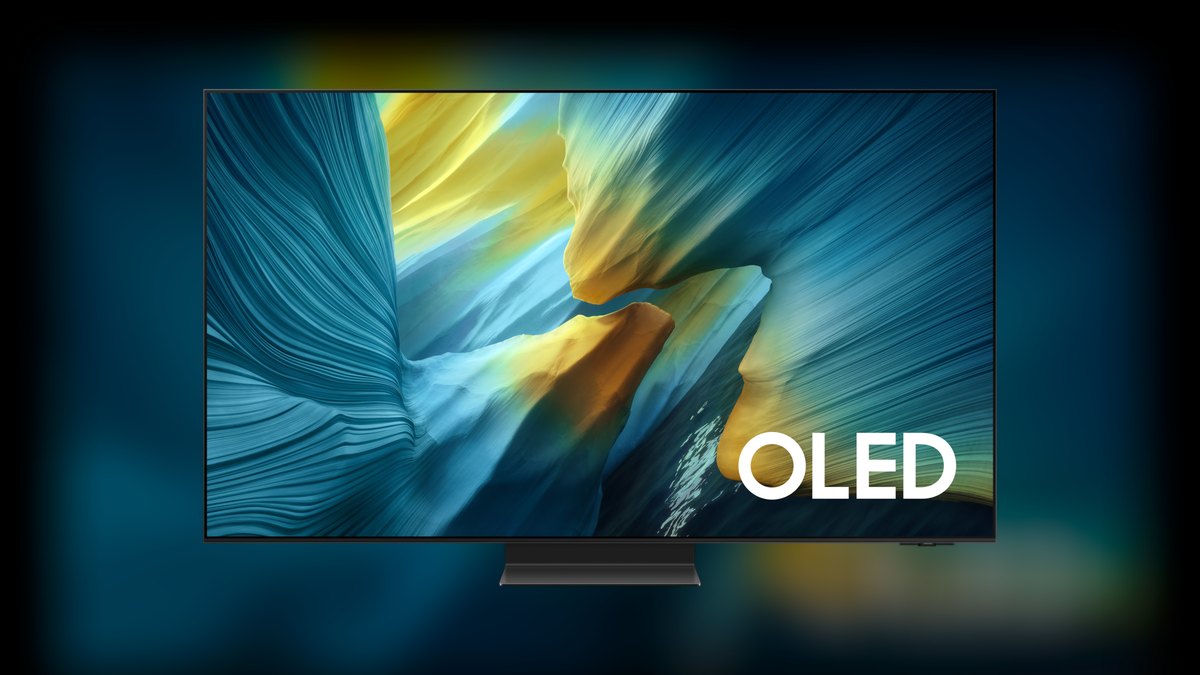
It ranks second as the brightest QD-OLED panel with perfect blacks behind it. The third-generation QD-OLED panel and NQ4 AI Gen3 processor measure roughly 2,100 nits peak brightness, a real jump over the S95D, with BT.2020 color volume above 90 percent. The OneConnect Box moves all four HDMI 2.1 ports off the wall, and every one runs 4K at 144Hz with FreeSync Premium Pro. Pricing runs around $3,299 at 65 inches.
PC gamers and videophiles in mixed lighting get the most here, since the glossy anti-reflective coating is the best on any 2027 OLED. What it gives up is Dolby Vision entirely, leaving HDR10+ as the only dynamic metadata format, which hurts on Apple TV+ and Disney+. That single omission is why the Sony Bravia 9 above holds the top spot despite worse port allocation.
3LG G5 OLED evo
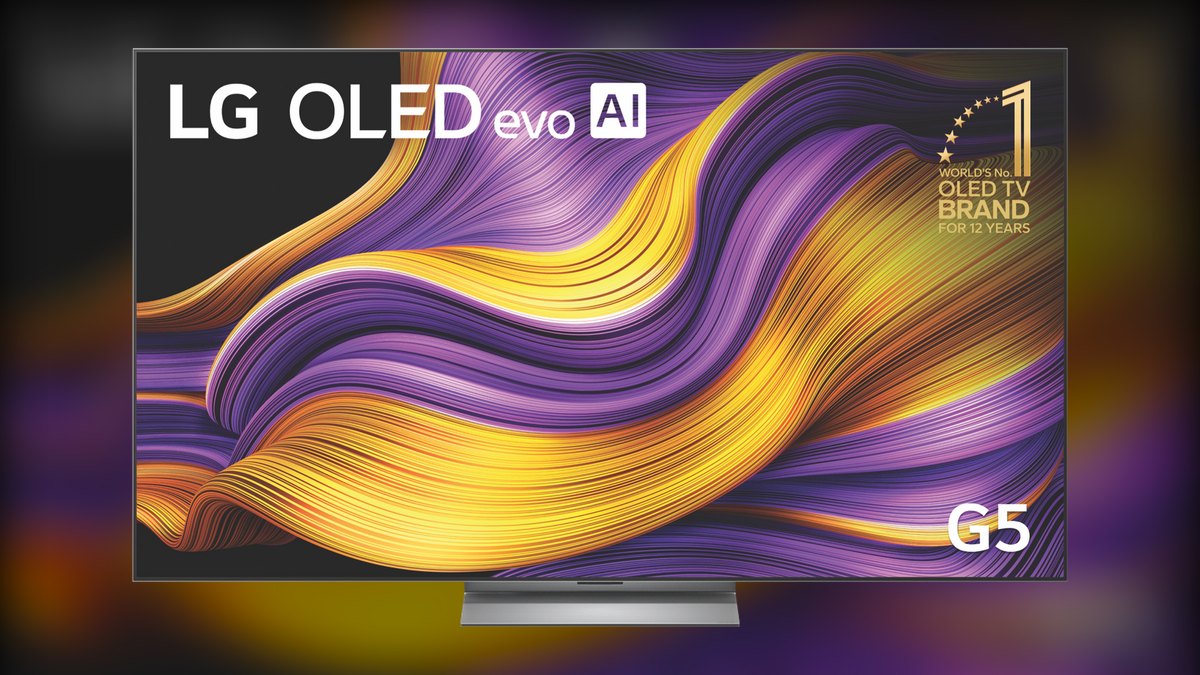
It ranks third as the only flagship carrying both Dolby Vision and HDR10+ on one panel. The META 3.0 panel with Micro Lens Array reaches roughly 2,400 nits peak brightness, edging the QD-OLED competition, and the Alpha 11 AI Gen2 processor is the strongest motion handler in OLED. All four HDMI 2.1 ports run 4K at 144Hz. Pricing runs about $3,399 at 65 inches and $4,599 at 77 inches.
Buy this if the install is a wall mount and format coverage matters, since the 0.7-inch Gallery depth sits flush with the included no-gap bracket. The catch is that no stand ships at MSRP, so a tabletop setup costs extra. Gamers who also stream movies benefit most, since it is the only set here covering every HDR format in use.
4Sony A95L QD-OLED
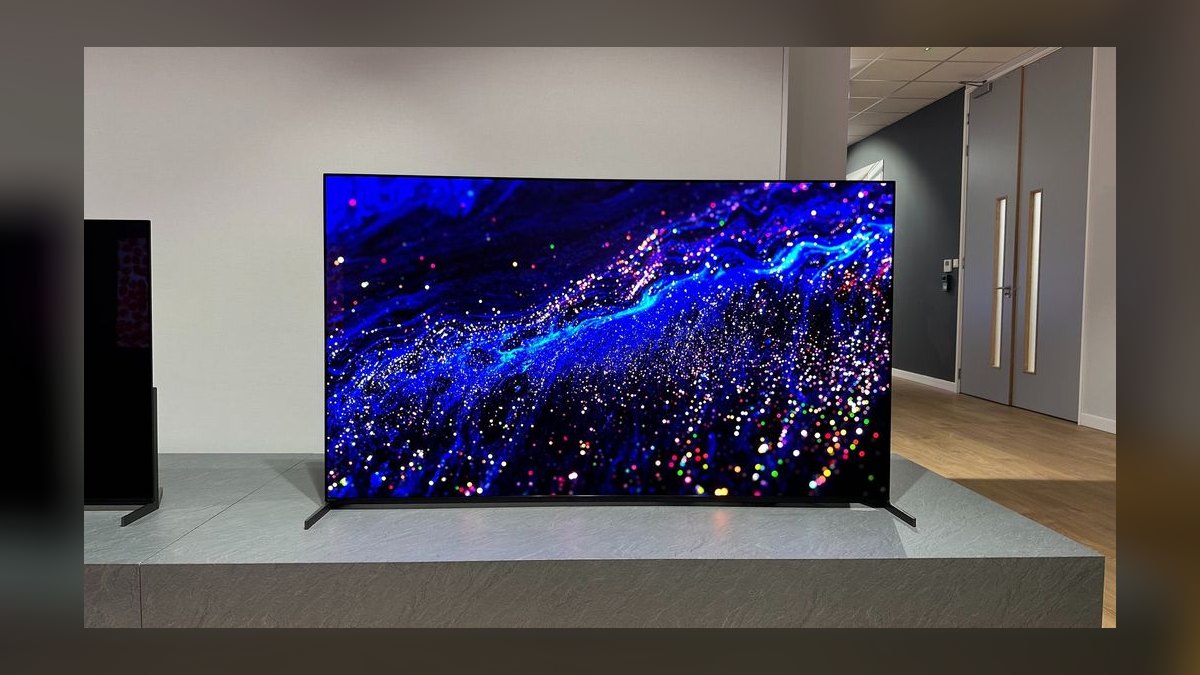
It ranks fourth as the most accurate OLED out of the box, now at a price its 2023 launch never suggested. Three years on shelves have pushed the 65-inch model down from over $3,500 to roughly $2,799, with 77 inches near $3,799. The XR Cognitive Processor does perceptual color and contrast mapping no Samsung or LG model matches, and HDTVTest's Vincent Teoh still calls it the most cinematic display available.
Movie watchers who care more about skin tones than frame rates should stop here, especially since Acoustic Surface Audio+ turns the panel itself into the speaker. The cost is Sony's usual port tax: only two of four HDMI 2.1 inputs, the same limit as the Bravia 9. Compared to the LG G5 above, it wins on color science and loses on gaming bandwidth and wall-mount hardware.
5Samsung S90F QD-OLED
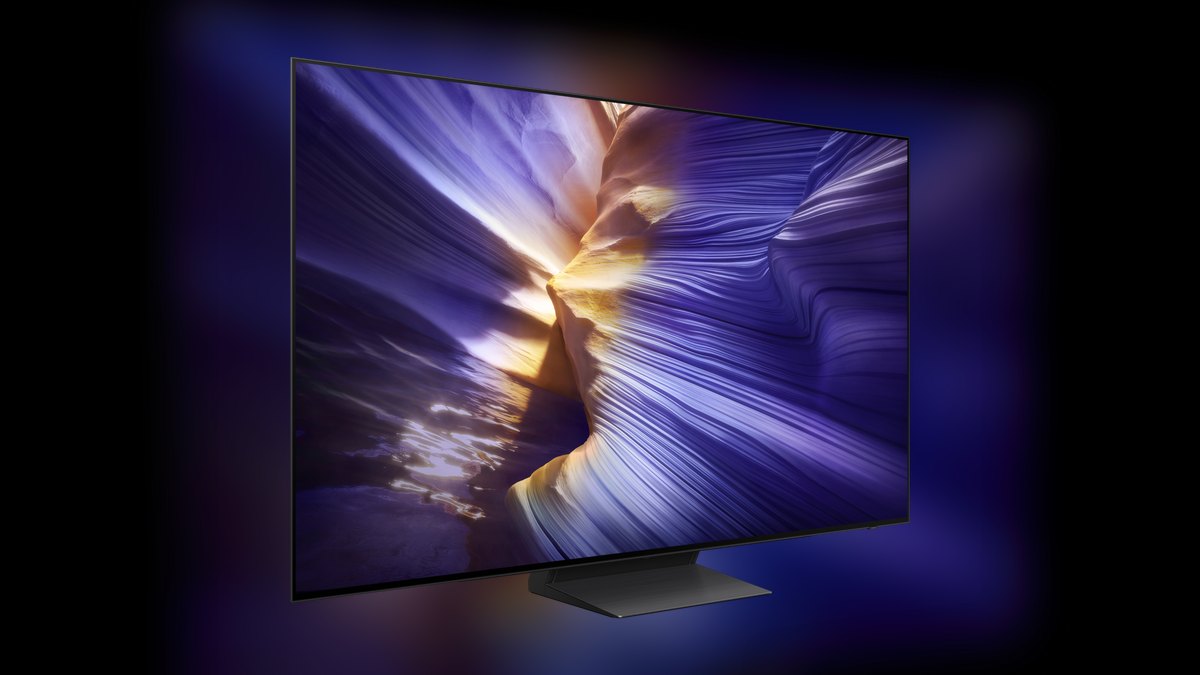
It ranks fifth because it delivers roughly 80 percent of the S95F picture for about 60 percent of the money. The same NQ4 AI Gen3 processor drives a QD-OLED panel to roughly 1,700 nits peak brightness, with all four HDMI 2.1 ports intact. Pricing sits near $1,999 at 65 inches and $2,799 at 77 inches, a $1,300 saving over the S95F. Wirecutter has named the S90 line its best OLED pick two years running.
This suits the shopper who wants OLED blacks but refuses to cross $3,000. Dropped features include the OneConnect Box and the matte coating, and Samsung still withholds Dolby Vision. Panel lottery is the real risk: 55-inch and 83-inch units may ship WOLED instead of QD-OLED, so confirm before buying. The S95F above fixes the coating and connectivity, not the format gap.
6Hisense U8N Mini-LED
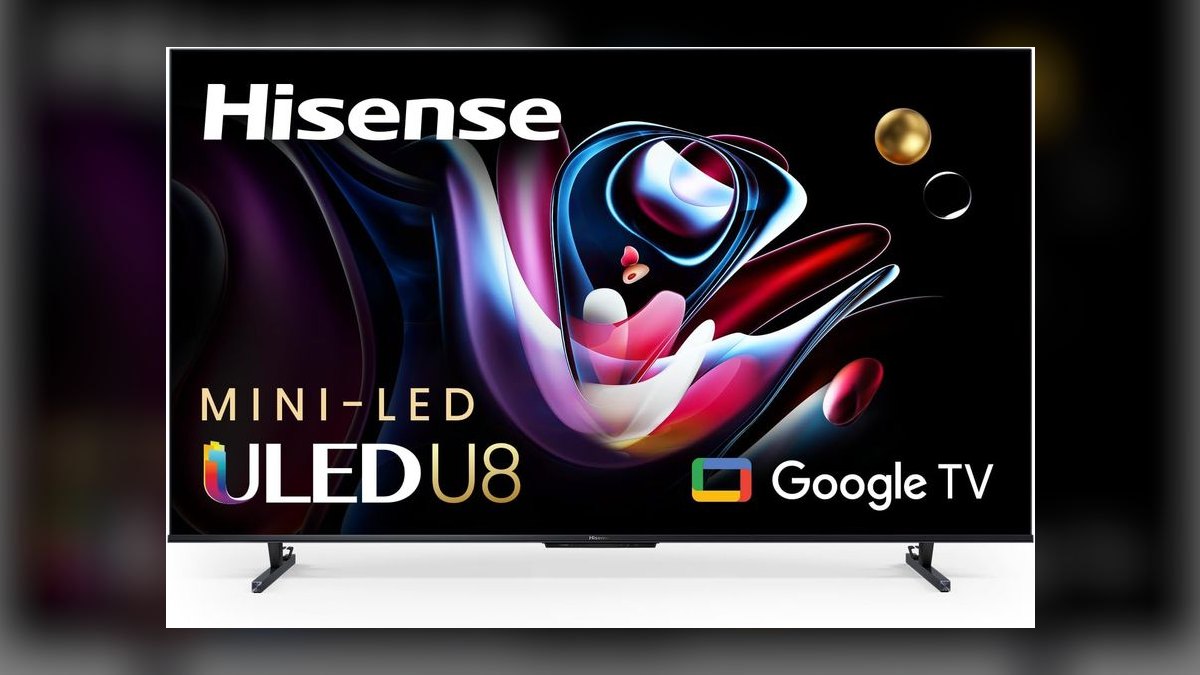
It ranks sixth on the overall list as the price-to-performance champion of 2027. Roughly 3,000 nits peak brightness comes from a 1,300-plus zone Mini-LED backlight, with full HDMI 2.1 at 4K/144Hz, VRR, FreeSync Premium Pro, Dolby Vision IQ, HDR10+, and Google TV. RTINGS measured contrast and black uniformity within striking distance of the Bravia 9, at about $1,299 for 65 inches and $1,799 for 75 inches.
Anyone wanting most of a $4,000 TV for under $1,500 should start here, and the 2.1.2-channel speakers are the loudest in this tier. The compromise is blooming: halos around bright objects on dark backgrounds are more visible than on Sony's Mini-LED. Against the Samsung S90F above, it swaps perfect blacks for far higher brightness, both HDR formats, and roughly $700 back in pocket.
7TCL QM8K Mini-LED
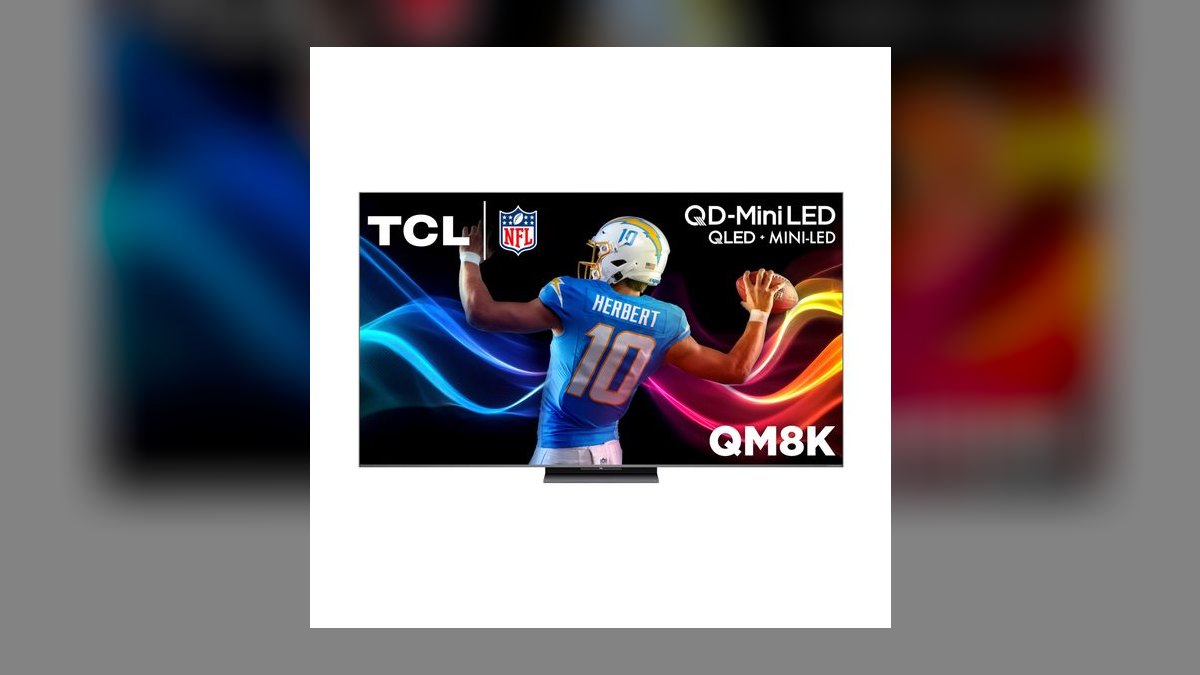
It ranks seventh as the brightest television under $2,000 in 2027. Roughly 3,500 nits peak brightness comes from 2,400-plus dimming zones, more than any other set at this price, and the AiPQ Ultra processor keeps motion clean. All four HDMI 2.1 ports run 4K at 144Hz native. Pricing lands near $1,699 at 65 inches and $2,499 at 75 inches, with responsive Google TV throughout.
Daytime sports watchers in rooms with uncontrolled sunlight are the target, since full-screen brightness leads the value Mini-LED class. Sports bars and open-plan living rooms with south-facing glass are exactly where this set earns its price. Off-angle color shift is the give: it is noticeably worse than the Hisense U8N, which matters with a wide seating arc.
8LG C5 OLED
It ranks eighth as the gaming specialist rather than the picture leader. All four HDMI 2.1 ports run 4K at 165Hz with Dolby Vision Gaming, and RTINGS measured input lag around 9.2 milliseconds at 4K/120Hz, the lowest of any TV tested. The WOLED panel and Alpha 9 Gen8 processor reach roughly 1,200 nits peak brightness. Expect about $1,899 at 65 inches and $2,499 at 77 inches.
Any household with a PS5 Pro or Xbox Series X should look here first, and webOS 25 covers AirPlay 2, HomeKit, and Chromecast natively. Peak brightness is the trade, trailing every QD-OLED on this list and showing it in bright rooms. Versus the TCL QM8K above, it gives up thousands of nits to gain perfect blacks, faster pixel response, and better off-angle viewing.
9Hisense U7N Mini-LED

It ranks ninth as the best Mini-LED under $1,000 in 2027. Roughly 1,500 nits peak brightness comes from 500-plus dimming zones, with Dolby Vision IQ, HDR10+, 144Hz native refresh, and Google TV. Pricing runs about $799 at 65 inches and $1,099 at 75 inches, roughly two-thirds the cost of the U8N while holding feature parity with sets that cost twice as much.
Cord-cutters furnishing a bedroom, basement, or first apartment get the most value here, and Google TV stays responsive past 12 months of use. The limit is connectivity: only two of the four HDMI ports carry full 2.1 bandwidth, a constraint for multi-console setups. Compared to the U8N above, it halves the zone count and roughly halves peak brightness for a $500 saving.
10TCL Q651G Budget QLED
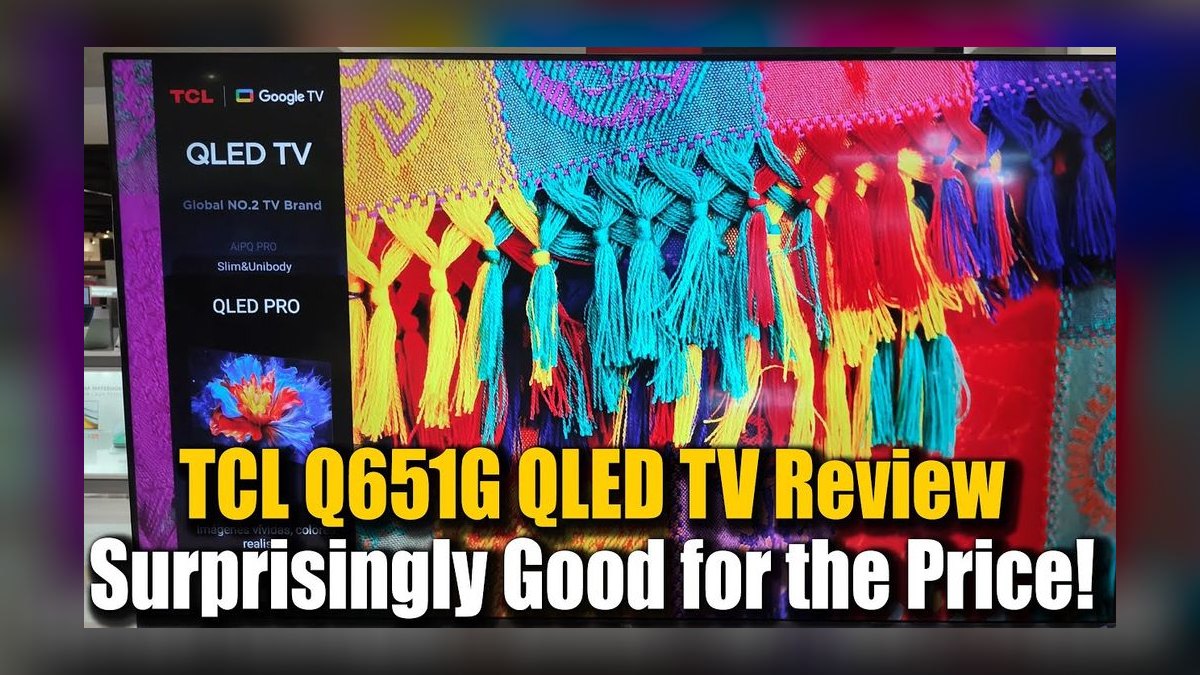
It ranks tenth because it proves a competent 65-inch QLED can cost $449 in 2027, with 75 inches near $649. There is no Mini-LED backlight and no local dimming, and peak brightness sits around 450 nits, but the quantum-dot color is genuinely good. Google TV runs the same software as the U7N, and one HDMI 2.1 port supports 4K at 120Hz with VRR, plus Chromecast, Google Assistant, and AirPlay.
This is the pick for someone who needs a big screen on a hard sub-$500 budget and would otherwise buy a no-name brand. Dark-scene contrast is the sacrifice, since no local dimming means gray blacks and HDR that functions as a checkbox rather than a feature. The Hisense U7N above costs $350 more and returns real Mini-LED contrast for it.
How we ranked these
Picture quality carried 40 percent of the weight, split across black level, peak and full-screen brightness, color volume, and off-angle behavior. HDR tone-mapping fidelity took 15 percent, gaming features 15 percent (HDMI 2.1 bandwidth, 4K/120Hz, VRR, measured input lag), smart OS responsiveness 10, build and sound 10, and price-to-performance 10. Numbers came from calibrated bench testing at RTINGS and HDTVTest, plus Wirecutter and Digital Foundry.
Manufacturer nit claims were ignored outright, as were contrast ratios quoted without a measurement window, 8K resolution, and AI upscaling demos, since none survive a calibrated bench test. We ranked on street price rather than MSRP, because panels like the A95L fell a thousand dollars since launch. Screen-size panel lotteries are flagged rather than scored, and burn-in fear was weighted only where usage patterns actually create it.
What to look for
Match the panel to your room before your budget. A bright, west-facing living room with daytime sports needs Mini-LED brightness; a light-controlled den rewards OLED blacks. Then check port count, because two full HDMI 2.1 inputs is a real ceiling for a household with a console, a PC, and a soundbar passing video through. Format support matters too: Samsung still omits Dolby Vision entirely.
The mistake most buyers make is paying for processing and coatings they will never notice while ignoring the panel lottery and return window. The Samsung S90F ships QD-OLED at 65 and 77 inches but can arrive WOLED at 55 and 83. Confirm the panel type with the retailer, buy where returns are easy, and spend the savings on a soundbar instead of a spec bump.
Related questions
What is the best TV for a bright living room in 2027?
The TCL QM8K at roughly $1,699 for 65 inches posts the highest full-screen brightness of any value Mini-LED and holds up against uncontrolled sunlight. If budget is open, the Sony Bravia 9 pairs about 4,000 nits with a matte anti-reflective coating no 2027 OLED matches. Skip OLED entirely if your windows face west.
Which TV on this list is best for PC gaming?
The Samsung S95F. All four HDMI 2.1 ports run 4K at 144Hz with FreeSync Premium Pro, the OneConnect Box keeps cabling off the wall, and the glossy anti-reflective coating is the best on any OLED this year. The LG C5 is the console counterpart at 4K/165Hz, but the S95F handles high-refresh desktop duty better.
Is the Hisense U8N really that close to the Sony Bravia 9?
Close enough that most viewers cannot separate them in a lit room. RTINGS measured the U8N within striking distance of the Bravia 9 on contrast and black uniformity, at roughly 3,000 nits against Sony's 4,000. The gap shows in blooming around bright objects on dark backgrounds and in motion handling, not in everyday streaming or sports.
Should I buy last year's flagship instead of this year's mid-range?
Often yes. The Sony A95L is the clearest case: a third-year flagship QD-OLED that fell from over $3,500 to under $2,800 at 65 inches while keeping the XR Cognitive Processor, Dolby Vision IQ, and IMAX Enhanced. You give up nothing but novelty. Check that firmware support is still active before buying anything older than three model years.
How much should I actually spend on a 65-inch TV in 2027?
About $1,300 hits the value knee. Below $800 you get the Hisense U7N, genuinely good but limited to two full HDMI 2.1 ports. Above $2,000 you are paying for coatings, processing, and connectivity rather than raw picture. Spending past $3,000 only makes sense for dark-room film watching or a reference-grade HDR setup.
What screen size should I buy for a nine-foot viewing distance?
Seventy-five inches. At nine feet that fills roughly the same field of view that 65 inches did at seven, and it is the size most buyers regret not choosing. Reserve 55 inches and below for bedrooms. Anything at 85 inches or larger needs Mini-LED brightness to stay watchable in a room with lights on.
Do I need a soundbar with any of these TVs?
With most of them, yes. The Sony Bravia 9 and A95L use Acoustic Multi-Audio and Acoustic Surface Audio+ respectively, and the LG G5 is tolerable, so those three survive alone. The Hisense U8N's 2.1.2-channel array is the loudest in its tier. Everything else, especially the sub-$1,000 sets, needs at least a $300 bar.
Why isn't the Samsung S95F ranked first?
Because it does not support Dolby Vision. The panel itself is superb, with roughly 2,100 nits, perfect blacks, over 90 percent BT.2020 coverage, four HDMI 2.1 ports at 144Hz, and the best glossy anti-reflective coating on any 2027 OLED. But dropping the dominant dynamic-metadata format on a $3,299 television is a self-inflicted limitation.
FAQ
OLED, QD-OLED, or Mini-LED — which should I buy in 2027?
OLED for dark-room movie watching and the deepest blacks. QD-OLED for mixed-use households wanting OLED blacks with higher brightness and wider color volume. Mini-LED for bright rooms, daytime sports, or any home where a static game HUD runs for hours. Panel technology should follow your room and viewing habits, not the other way around.
Is OLED burn-in still a real risk in 2027?
Reduced, not eliminated. LG's META 3.0 and Samsung's third-generation QD-OLED both ship pixel-shift and logo-detection routines that prevent most cases. RTINGS' long-term torture test shows visible burn-in on first-generation panels but minimal degradation on 2025-and-later sets. If you watch six-plus hours daily of one channel with a static logo, choose Mini-LED instead.
Is 8K worth buying in 2027?
No. There is still no native 8K streaming from any major service, 8K Blu-ray does not exist, and upscaling gains are invisible at normal seating distances. The benefit appears only under five feet on screens 85 inches and larger. Put the $2,000 premium toward a better 4K Mini-LED or QD-OLED and a real sound system.
What is the best TV for a PS5 Pro or Xbox Series X?
The LG C5 OLED. Four HDMI 2.1 ports at 4K/165Hz, roughly 9.2 milliseconds of input lag, the lowest RTINGS has measured, Dolby Vision Gaming, and the fastest pixel response of any panel type. The Samsung S95F is the runner-up if you also game on PC. Under $1,500, the Hisense U8N covers consoles well.
Dolby Vision versus HDR10+ — does the format war still matter?
Yes. Dolby Vision carries Apple TV+, Disney+, Netflix, Max, and most 4K Blu-rays, and Samsung still refuses to support it. HDR10+ appears on Amazon Prime Video and some Universal discs. If Apple TV+ or Disney+ is your main viewing, avoid Samsung. Only the LG G5 and Hisense U8N on this list support both formats.
How long should a TV realistically last?
Plan on seven to ten years for OLED, where gradual panel degradation sets the limit, and ten-plus for Mini-LED. The bigger constraint is software: smart OS support typically ends after five or six years. At that point you plug in an Apple TV 4K or Nvidia Shield and treat the set as a dumb panel.
What is the panel lottery on the Samsung S90F?
Samsung sources the S90F from more than one panel supplier. The 65-inch and 77-inch models are confirmed QD-OLED, but the 55-inch and 83-inch sizes can ship with conventional WOLED instead, which changes brightness and color volume. Confirm the panel type with the retailer before buying those two sizes, and keep the return window open.
Which smart TV operating system is best in 2027?
webOS on LG and Google TV on Sony, Hisense, and TCL are the responsive picks. Tizen on Samsung has improved but still surfaces advertising. Roku editions are simple yet sluggish on 4K HDR streams. Whichever you choose, an external Apple TV 4K or Nvidia Shield remains faster and outlives the set's own software support window.
Do I need HDMI 2.1 on every port?
Only if you run multiple 4K/120Hz sources. One console plus a soundbar is fine on two full-bandwidth ports, which is what the Sony Bravia 9 and A95L provide. A gaming PC, a PS5 Pro, and an Xbox Series X together need four, which points to the Samsung S95F, LG G5, or TCL QM8K.
Is a matte or glossy screen better for a bright room?
Matte handles direct reflections better, which is why the Sony Bravia 9 wins in a lit room despite OLED's contrast advantage. Glossy preserves punch and black depth but mirrors windows and lamps. The Samsung S95F has the best glossy anti-reflective coating of any 2027 OLED, so it splits the difference better than most.
Sources
- https://www.rtings.com/tv/reviews/best/by-usage/video-gaming
- https://www.rtings.com/tv/reviews/hisense/u8n
- https://www.rtings.com/tv/reviews/samsung/s90d-oled
- https://www.nytimes.com/wirecutter/reviews/best-tv/
- https://www.cnet.com/tech/home-entertainment/best-tv/
- https://www.digitaltrends.com/home-theater/best-tvs/
- https://www.hdmi.org/spec/hdmi2_1
- https://professional.dolby.com/tv/dolby-vision/
- https://www.lg.com/us/tvs
- https://www.sony.com/electronics/televisions
Related on PULSE
This page will be disappearing soon. Save it to your device for $1 — or read it free while it is here.
@Kory-White- · if Venmo asks, the last 4 of my number are 2012
This page is gone.
This one is off the shelf now. $1 keeps it on your phone for good — the whole page, pictures and diagrams included.
 pulse-reviewsHow much does a DJI Avata 2 cost in 2027?
 erTop 10 Resin 3D Printers — Best Overall + Best Value in 2027
 pulse-reviewsTop 10 best Electronics options in 2027
 pulse-reviewsTop 10 Electronics strategies for 2027
 pulse-reviewsHow much does Electronics cost in 2027?
 pulse-reviewsWhat are the most common mistakes in Electronics in 2027?
 pulse-reviewsWhat should you know before investing in Electronics in 2027?
 pulse-reviewsHow do you get started with Electronics in 2027?
 pulse-reviewsTop 10 NVMe SSD Enclosures — Best Overall + Best Value in 2027
 pulse-reviewsTop 10 Posture Correctors — Best Overall + Best Value in 2027