


Top 10 Over-Ear Headphones — Best Overall + Best Value in 2027
Quality
Certified
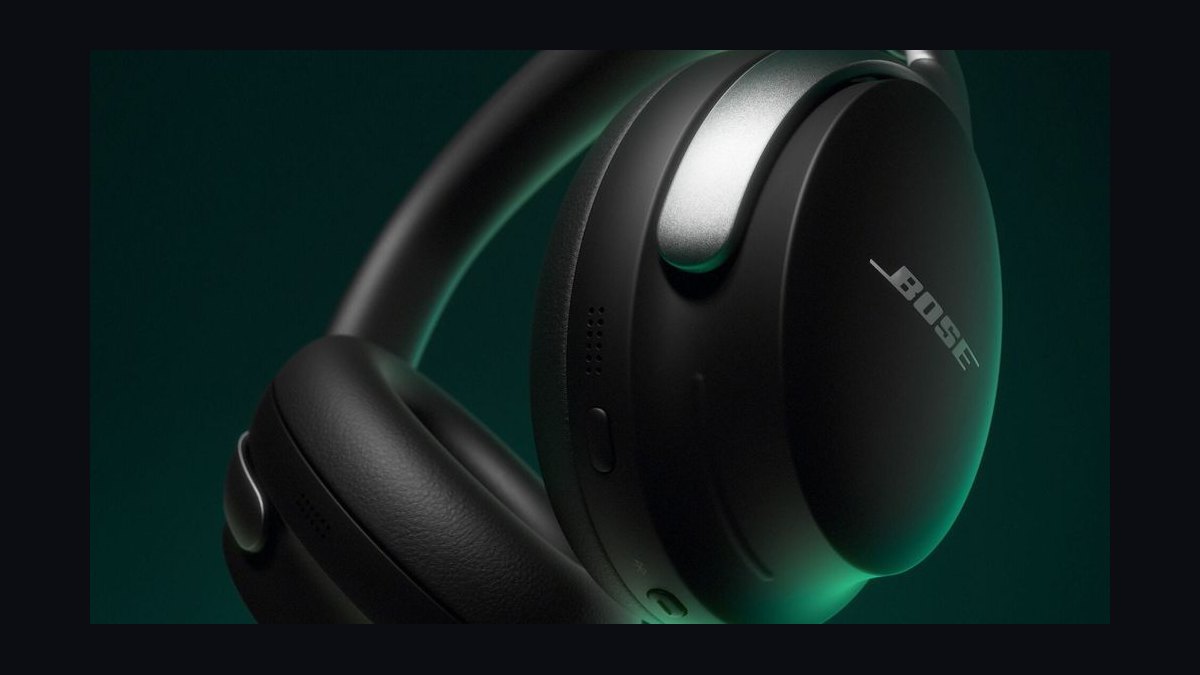
The 10 best over-ear headphones are ranked below on measured performance, build quality, price, and how each one actually holds up in daily use rather than how it reads on a spec sheet. Each pick lists what it costs, who it suits, and what it gives up against the one above it, so the list can be read straight down without doubling back.
1Bose QuietComfort Ultra 2
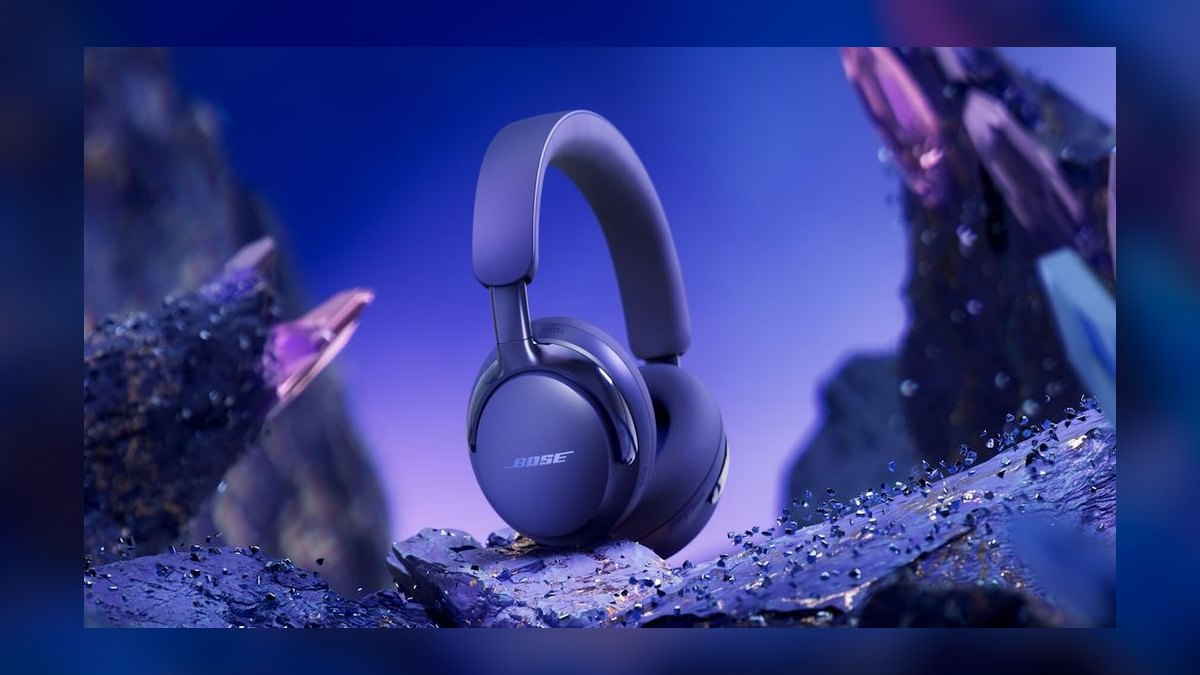
Ranked first because it delivers the deepest active noise cancellation of any headphone in this group while remaining the most comfortable to wear for hours at a stretch. RTINGS testing shows measurably stronger low-frequency attenuation on cabin drone than the Sony WH-1000XM6 below it. The 35 mm dynamic drivers cover 10 Hz to 20 kHz, battery lasts 30 hours with ANC running, and Immersive Audio spatialization now tracks reliably during both stationary listening and motion, all for $429.
This suits frequent flyers and open-office workers who wear headphones for hours at a stretch, since the 254 g memory-foam cups apply the gentlest clamp force in the premium tier. The tradeoff is codec support: Bose ships only AAC and SBC, skipping LDAC and aptX Lossless entirely. Android listeners chasing high-resolution streaming should look to the Sony WH-1000XM6 instead, accepting a small step down in noise rejection for a real gain in codec flexibility.
2Sony WH-1000XM6
Ranked second because it matches the Bose QuietComfort Ultra 2 on battery life and beats it on codec flexibility, landing just short on raw noise cancellation. The 30 mm carbon-fiber drivers support LDAC at up to 990 kbps, plus AAC, SBC, and the LC3 codec for Auracast devices, and battery runs 30 hours with ANC plus fast charge. Headphones Connect remains the deepest EQ and ANC profile app on the market, at $449.
Buy the Sony WH-1000XM6 if you run Android and want high-resolution streaming with granular tuning control, since ANC here rejects midrange voices better than the Bose above even while giving ground on aircraft drone. The lower treble reads slightly polite next to the QuietComfort Ultra 2, which some listeners will call flat. Upgraded beamforming mics match the Bose on call clarity, and the cups now fold flat for travel.
3Apple AirPods Max
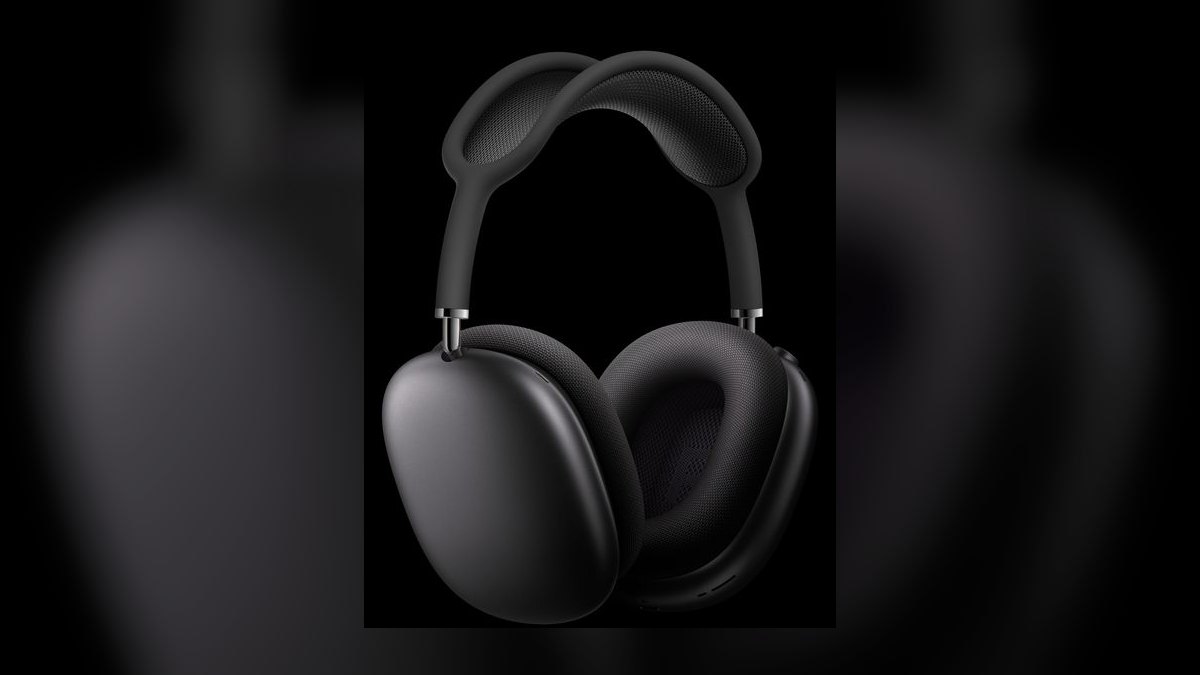
Ranked third on ecosystem integration rather than raw specs, since the USB-C refresh keeps the 40 mm dynamic drivers and H1 chip while adding 24-bit lossless playback over a wired USB-C connection. Personalized Spatial Audio with head tracking works from any source, and Transparency mode sounds the most natural pass-through in this group. ANC is excellent and battery runs 20 hours, priced at $549.
This fits people already running iPhone, iPad, Mac, and Apple TV who value instant pairing, automatic device switching, and Find My tracking. Weight is the real cost: aluminum cups and a stainless headband push the AirPods Max to 384 g, the heaviest wireless model on this list, which registers after two or three hours. On Android it loses most of what justifies the price, making the Sony WH-1000XM6 above the smarter buy.
4Sennheiser Momentum 4 Wireless
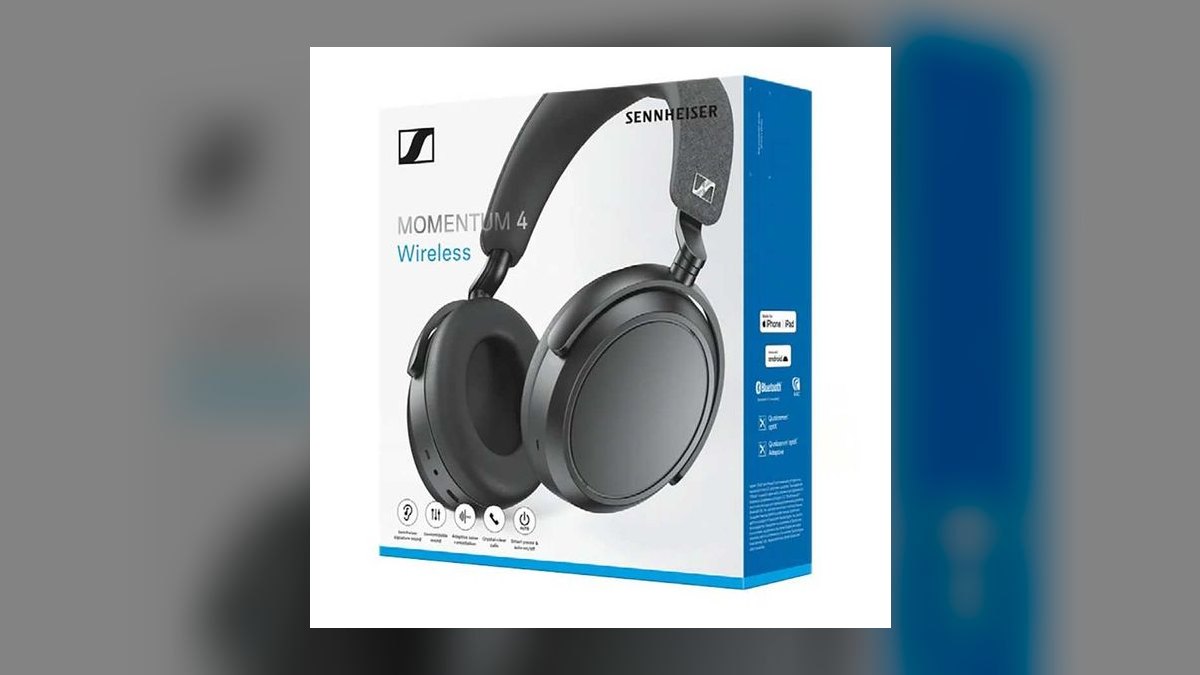
Ranked fourth for the longest battery life in the premium group paired with genuinely neutral tuning. Sennheiser rates the Momentum 4 Wireless at 60 hours with ANC engaged, double both the Bose and Sony flagships above it. The 42 mm transducers produce a wider soundstage than any other closed-back ANC model tested here, and aptX Adaptive pairs cleanly with recent Android phones, all at $380.
Choose the Momentum 4 Wireless if tuning matters more to you than isolation depth and you travel without reliably packing a charger. The concession is noise cancellation: RTINGS places it a clear tier behind the QuietComfort Ultra 2 and WH-1000XM6, so aircraft drone still gets through, and the headband feels less plush than the prior generation. Against the Sonos Ace below, it wins on battery life and tuning neutrality but offers no home-theater tie-in.
5Sonos Ace
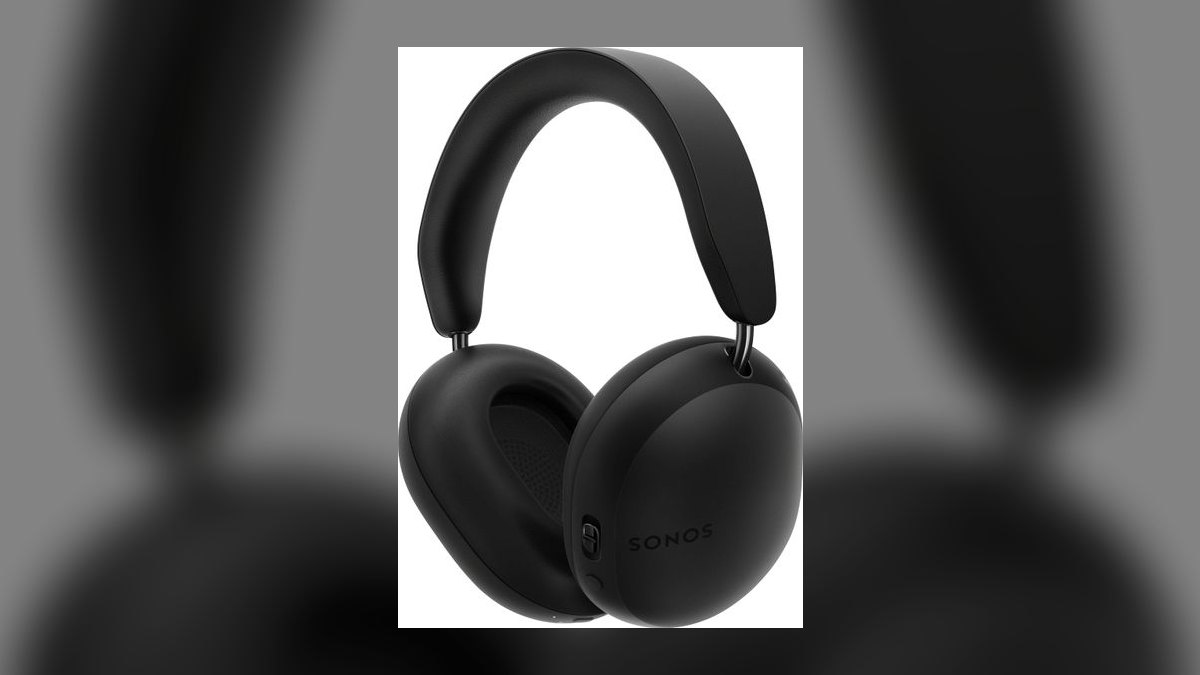
Ranked fifth because one feature carries it: TV Audio Swap moves audio from a Sonos Arc or Arc Ultra soundbar into the Sonos Ace with a single button press. It supports Dolby Atmos with head tracking, lossless audio over USB-C, and 30 hours of battery with ANC engaged. The 40 mm dynamic drivers are tuned slightly warm, and the 312 g chassis pairs memory foam with stainless steel, priced at $449.
This makes sense for households already running Sonos gear, particularly for late-night TV listening without waking anyone else. ANC measures roughly at the older Bose QC45 level, usable but behind the Ultra 2 and XM6 above, and the app thins out considerably once you step outside the Sonos ecosystem, where Sony and Bose both offer deeper control. Without a Sonos soundbar at home, the Sennheiser Momentum 4 above is the better $400 spend.
6Soundcore Space Q45
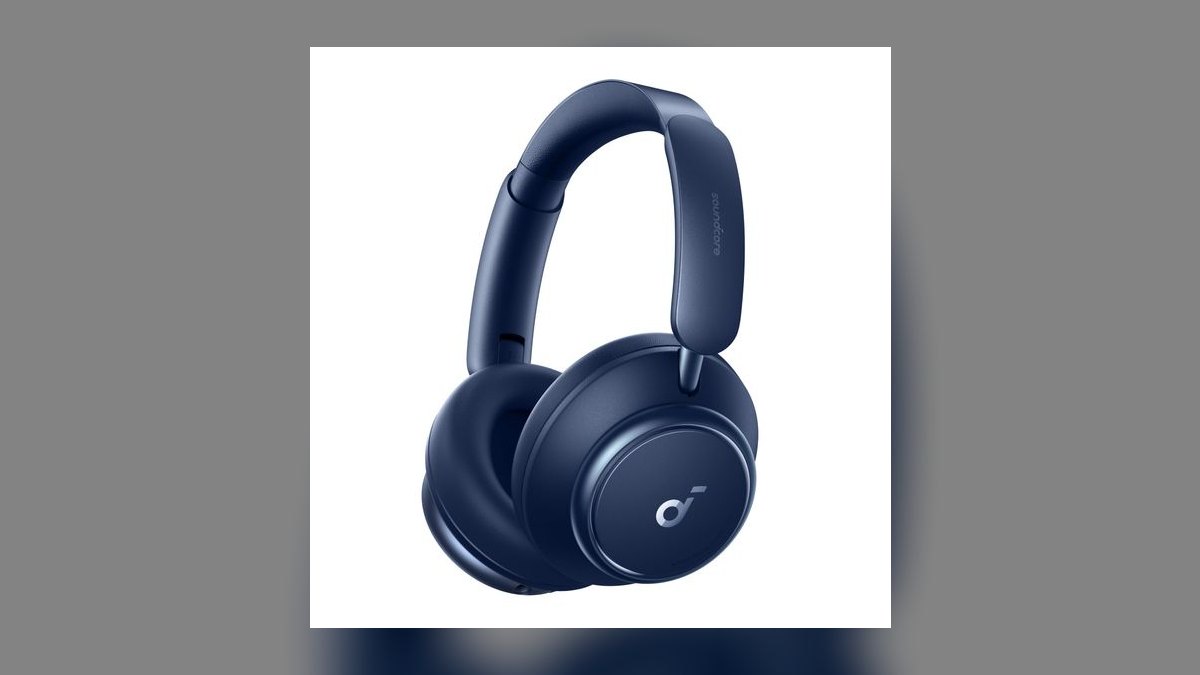
Ranked sixth and the value pick here because roughly $130 buys LDAC support, adaptive ANC, and 50 hours of battery with ANC engaged. Soundguys measurements place the Space Q45's tuning well above its price tier, with 40 mm dynamic drivers producing a mildly V-shaped consumer response. Its adaptive ANC beats most $200 to $300 competitors on low-frequency drone, and the companion app handles EQ, ANC modes, and firmware updates.
This is the buy for anyone unwilling to spend flagship money who still wants high-resolution Android streaming. What you give up is materials and microphone quality: the 293 g plastic build and calls sound clearly budget-tier next to the Sony WH-CH720N below. It folds flat for travel, and against the flagships above, ANC still falls short on sustained aircraft noise, though the price gap more than makes up for it.
7Sony WH-CH720N
Ranked seventh as the lightest wireless ANC option on this list at 192 g, noticeably lighter than the Soundcore Space Q45 above and roughly half the weight of the Apple AirPods Max. It runs 35 hours of battery, supports reliable Bluetooth multipoint, and gives access to the same Headphones Connect EQ controls as the flagship WH-1000XM6. Call clarity is strong for around $150.
This suits commuters who wear headphones through long days and want Sony's app and reliability without flagship spend. The tradeoffs are real: no LDAC, only AAC and SBC, and ANC that handles office and coffee-shop voices well but measures behind the cheaper Space Q45 above on low-frequency drone. If codec support matters more than shaving off weight, the Soundcore saves money and adds LDAC.
8Bowers & Wilkins Px8
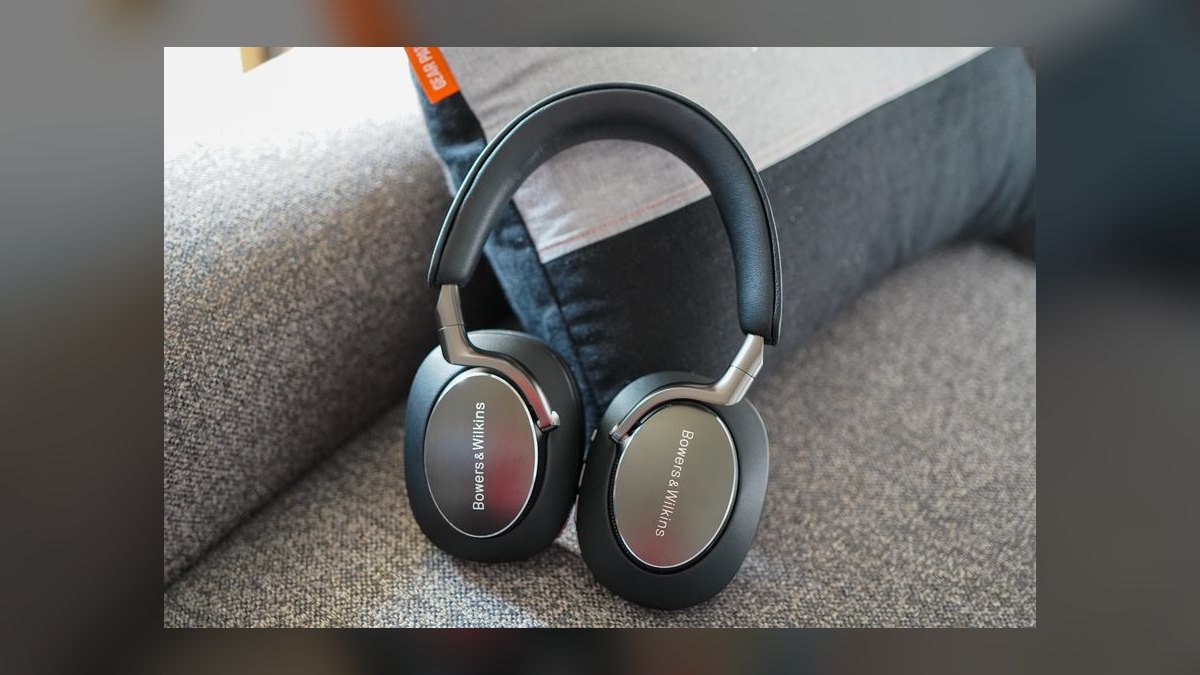
Ranked eighth on sound quality alone, since the 40 mm carbon-cone drivers produce the most refined wireless output in this group, with tight bass control, neutral mids, and natural midrange detail What Hi-Fi has measured across two review cycles. The Px8 supports aptX Adaptive, aptX HD, and 24-bit USB-C wired playback, runs 30 hours with ANC, and wraps a 320 g frame in Nappa leather and cast aluminum, priced at $700.
This is for listeners who treat tuning as the deciding factor and have the budget to act on it. Bowers & Wilkins deliberately kept ANC light to preserve transparency, so isolation sits a tier below the Bose and Sony flagships above. At $700 the Px8 is hard to justify against the $429 QuietComfort Ultra 2 unless sound quality genuinely outranks noise rejection in how you listen day to day.
9Beyerdynamic DT 1990 Pro
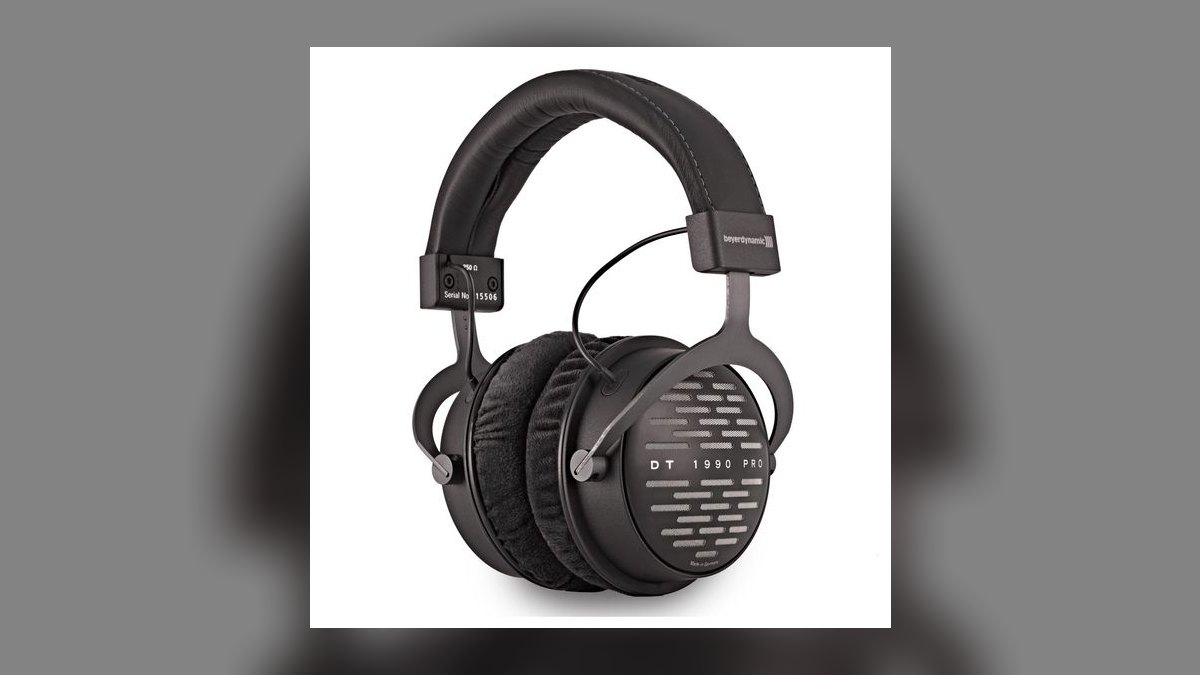
Ranked ninth as the wired open-back reference here rather than a competitor to the wireless field above it. Tesla 2.0 drivers cover 5 Hz to 40 kHz and deliver the most honest detail retrieval on this list. Two included earpad sets, analytical and balanced, reshape the response meaningfully, and the metal build uses replaceable parts that Beyerdynamic still supplies years into ownership, priced around $650.
This is built for mixing engineers, mastering work, and home listening on a dedicated chain rather than daily commuting. The 250 ohm impedance needs a real amplifier, something like a $100 to $200 desktop unit such as a Schiit Magni or JDS Atom, and sounds thin straight from a phone. Open-back construction means zero isolation in both directions, disqualifying the DT 1990 Pro for offices, flights, or commutes where the Px8 above works.
10Audeze Maxwell
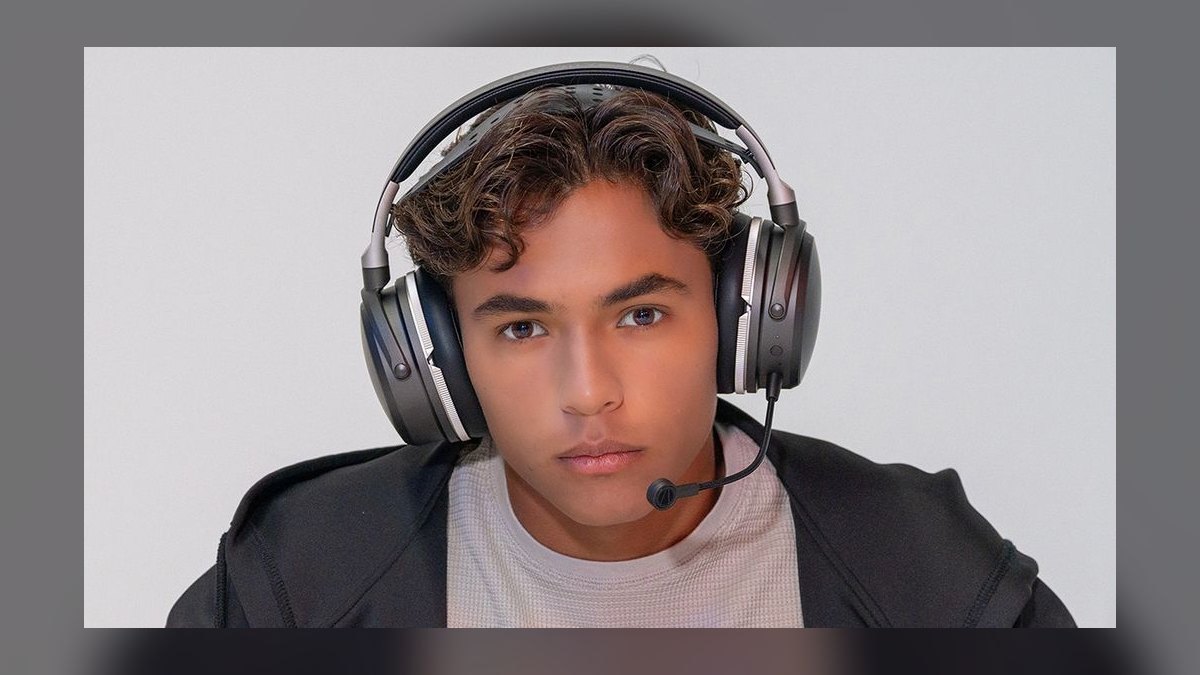
Ranked tenth as the only mainstream wireless gaming headset built on planar-magnetic drivers, the same technology used in audiophile headphones costing $1,500 and up. The Audeze Maxwell includes a 2.4 GHz dongle for low-latency PC and console play, Bluetooth 5.3 for calls, a detachable broadcast-quality boom mic, and 80 hours of battery, the longest figure on this list, all for $329.
Competitive players benefit most, since the planar driver resolves bass texture and treble placement precisely enough to improve footstep positioning in titles like Valorant and Apex Legends. The cost is bulk: at 490 g it is the heaviest headphone here, though the suspension headband spreads the load reasonably well. As a travel or commuting headphone it makes no sense, so the Bose or Soundcore above are the right tools there.
How we ranked these
Sound quality carried thirty percent of the final score, judged on frequency-response neutrality, driver behavior, and codec support, while active noise cancellation took twenty percent and comfort plus build added fifteen. Battery life and codec support contributed another fifteen percent, price-to-performance ten, and app, EQ, and firmware support the final ten. Measurements came from RTINGS, Crinacle, and Audio Science Review, cross-checked against Wirecutter, Soundguys, What Hi-Fi, Headphonesty, Headfonia, and owner reports from Reddit's r/headphones.
Brand loyalty, marketing claims about adaptive AI processing, and retail-box spec sheets were ignored, since none of them survive contact with a measurement rig. Limited-edition colorways, bundled streaming trials, and short-term sale pricing were excluded too, because they vanish before most people actually buy. Wired open-back models were admitted only where they remain the genuine reference at their price, since open designs isolate nothing and serve studios rather than daily commutes.
What to look for
What actually matters is where you listen and what you already own. Aircraft and train drone is low-frequency noise that only the Bose QuietComfort Ultra 2 and Sony WH-1000XM6 attenuate convincingly, while office chatter is midrange noise the $130 Soundcore Space Q45 handles adequately. Check your phone too: LDAC and aptX Adaptive do nothing on iOS, where AAC is the ceiling, so codec bragging rights only matter on Android.
The mistake most buyers make is paying for ANC depth they never use while ignoring weight. The AirPods Max weigh 384 g and the Audeze Maxwell 490 g, and both get noticeable after three hours, while the Sony WH-CH720N is 192 g. Buyers also overvalue rated battery life — 30 hours already covers weeks of commuting, so Sennheiser's 60-hour Momentum 4 only pays off on long trips without a charger.
Related questions
Which over-ear headphone has the best noise cancellation in 2027?
The Bose QuietComfort Ultra 2 leads, measurably outperforming the Sony WH-1000XM6 on low-frequency cabin drone in RTINGS testing. Sony counters with better midrange voice rejection, which matters more in offices than on aircraft. Both rate 30 hours of battery with ANC engaged, so the choice comes down to which noise you actually sit in most days.
Is the Soundcore Space Q45 really as good as headphones costing three times more?
On the specs that matter, close. At roughly $130 it ships LDAC, adaptive ANC that beats most $200-$300 competitors on low-frequency drone, and 50 hours of battery — more than any flagship here except the Momentum 4. Where it falls short is build and microphone quality: the chassis is plastic and calls are clearly budget-tier.
Do I need LDAC if I use an iPhone?
No. Apple has never added LDAC support, so AAC is the ceiling on iOS regardless of what the headphone supports. Paying extra for LDAC or aptX Adaptive on an iPhone buys nothing. If you want genuinely lossless playback on Apple hardware, use a wired USB-C connection — the AirPods Max refresh does 24-bit that way.
Are open-back headphones like the DT 1990 Pro worth it for everyday use?
Not for commuting or offices. Open-back means zero isolation in both directions: everyone near you hears your music and you hear them. The DT 1990 Pro also runs 250 ohm impedance, so it needs a real amplifier to perform. It earns its place for mixing, mastering, and quiet home listening — nowhere else.
How much battery life do you actually need with ANC on?
Thirty hours, the flagship standard, covers roughly two weeks of typical commuting between charges. Sennheiser's 60-hour Momentum 4 and the Space Q45's 50 hours matter mainly for multi-day travel without a charger, or for people who forget to plug in. Treat anything above 30 as insurance, not a reason to change your pick.
Is the Audeze Maxwell worth it if I do not game?
Only if you value the planar-magnetic drivers enough to tolerate 490 g on your head — the heaviest here. It has no ANC, and the 2.4 GHz dongle advantage is wasted outside PC and console use. For music alone at $329, the Sennheiser Momentum 4 gives you neutral tuning, ANC, and far less weight.
What is the lightest over-ear ANC headphone worth buying?
The Sony WH-CH720N at 192 g — lighter than the 293 g Space Q45 and roughly half the 384 g AirPods Max. It runs 35 hours of battery, supports Bluetooth multipoint, and uses the same Headphones Connect app as the flagship XM6. The compromises are no LDAC and weaker ANC than the cheaper Soundcore.
Does the Sonos Ace make sense if I do not own a Sonos soundbar?
It is a competent $449 flagship on its own — Dolby Atmos with head tracking, lossless over USB-C, 30 hours of battery, memory-foam and stainless build. But its signature feature, TV Audio Swap, only works with an Arc or Arc Ultra. Without one you are paying flagship money while the app layer stays thinner than Sony's or Bose's.
FAQ
What is the best over-ear headphone overall in 2027?
The Bose QuietComfort Ultra 2 at $429. Its second-generation tuning flattens the recessed mids of the original, the 35 mm drivers cover 10 Hz to 20 kHz, and Immersive Audio head tracking now works reliably. Add class-leading ANC, 30 hours of battery, and 254 g with plush memory-foam cups, and it wins on the combination rather than any single spec.
What is the best value over-ear headphone?
The Soundcore Space Q45 at about $130. It is Wirecutter's standing budget pick and one of the few headphones at any price under $150 with LDAC support. Fifty hours of ANC battery, adaptive noise cancellation, a slightly V-shaped consumer tuning, app-based EQ, and a folding 293 g chassis make it the price-to-performance leader here.
Why does the Bose not support LDAC?
Bose has stuck with AAC and SBC across its lineup, including the QuietComfort Ultra 2, and has not added LDAC or aptX Lossless. It is the one genuine spec gap against the Sony WH-1000XM6, which runs LDAC at 990 kbps. If high-resolution Android streaming is central to how you listen, that alone points you to Sony.
Which headphone is best for Apple users?
The AirPods Max USB-C refresh at $549. Inside the ecosystem nothing matches it: instant pairing across iPhone, iPad, Mac, and Apple TV, Personalized Spatial Audio with head tracking from any source, automatic device switching, Find My, and the most natural Transparency mode on this list. The costs are 384 g of weight and only 20 hours of battery.
Which over-ear headphone has the longest battery life?
Among wireless ANC models, the Sennheiser Momentum 4 Wireless at 60 hours with ANC enabled — double the Bose and Sony. The Audeze Maxwell claims 80 hours, but it is a gaming headset with no ANC, so the numbers are not comparable. The Soundcore Space Q45 delivers 50 hours for roughly a fifth of the Sennheiser's price.
Are planar-magnetic drivers better than dynamic drivers?
They are different, not automatically better. Planar drivers offer faster transient response, which is why the Audeze Maxwell resolves bass texture and treble detail that other gaming headsets miss. But 40-42 mm dynamic drivers dominate the wireless market because they balance efficiency, weight, and cost far better — and every flagship on this list uses them.
Can you get true lossless audio over Bluetooth?
Not reliably. LDAC at 990 kbps and aptX Adaptive are high-resolution, but they still compress. For genuine lossless you need a wired USB-C connection, which the AirPods Max, Sonos Ace, and Bowers & Wilkins Px8 all support at 24-bit. On any platform, the cable remains the only path to bit-perfect playback.
Is the Bowers & Wilkins Px8 worth $700?
Only if tuning is your priority over noise cancellation. The 40 mm carbon-cone drivers deliver the most refined wireless sound here — tight bass, neutral mids, natural midrange detail — plus aptX Adaptive, 24-bit USB-C, and a Nappa leather and cast-aluminum build. ANC sits a tier behind Bose and Sony because B&W tuned it lightly to preserve transparency.
Should I buy the older Lightning AirPods Max used?
It is a reasonable buy at $300-$400 if you are already in the Apple ecosystem. Drivers, ANC, and Spatial Audio are functionally identical to the 2024 refresh — only the port and a few firmware features differ. You give up 24-bit lossless over USB-C, which most listeners never use anyway, and inherit whatever battery wear the previous owner caused.
Do open-back headphones need a headphone amp?
Often, and the DT 1990 Pro definitely does. Its 250 ohm impedance means a phone or laptop jack cannot drive it to proper volume or control the drivers, so it sounds thin and lifeless without a dedicated amp and DAC. Budget for that alongside the $650 price, or the headphone will underperform much cheaper alternatives.
Sources
- https://www.rtings.com/headphones/reviews/best/noise-cancelling
- https://www.nytimes.com/wirecutter/reviews/best-noise-cancelling-headphones/
- https://www.soundguys.com/best-noise-cancelling-headphones-19942/
- https://www.whathifi.com/best-buys/headphones/best-wireless-headphones
- https://www.audiosciencereview.com/
- https://www.apple.com/airpods-max/
- https://www.sonos.com/en-us/shop/sonos-ace
- https://www.audeze.com/products/maxwell
- https://en.wikipedia.org/wiki/LDAC_(codec)
Related on PULSE
This page will be disappearing soon. Save it to your device for $1 — or read it free while it is here.
@Kory-White- · if Venmo asks, the last 4 of my number are 2012
This page is gone.
This one is off the shelf now. $1 keeps it on your phone for good — the whole page, pictures and diagrams included.
 pulse-reviewsTop 10 Indoor Smart Gardens — Best Overall + Best Value in 2027
 pulse-reviewsTop 10 Multimeters — Best Overall + Best Value in 2027
 pulse-reviewsTop 10 DVD Players — Best Overall + Best Value in 2027
 pulse-reviewsTop 10 Drone Batteries — Best Overall + Best Value in 2027
 pulse-reviewsTop 10 Electric Back Massagers — Best Overall + Best Value in 2027
 pulse-reviewsTop 10 Outdoor Smart Lighting — Best Overall + Best Value in 2027
 pulse-reviewsTop 10 NVMe SSD Enclosures — Best Overall + Best Value in 2027
 pulse-reviewsTop 10 Clothes Steamers — Best Overall + Best Value in 2027
 pulse-reviewsTop 10 Smart Microwaves — Best Overall + Best Value in 2027
 pulse-reviewsTop 10 Ethernet Adapters for MacBook — Best Overall + Best Value in 2027