


Top 10 XLR Studio Microphones — Best Overall + Best Value in 2027
Quality
Certified
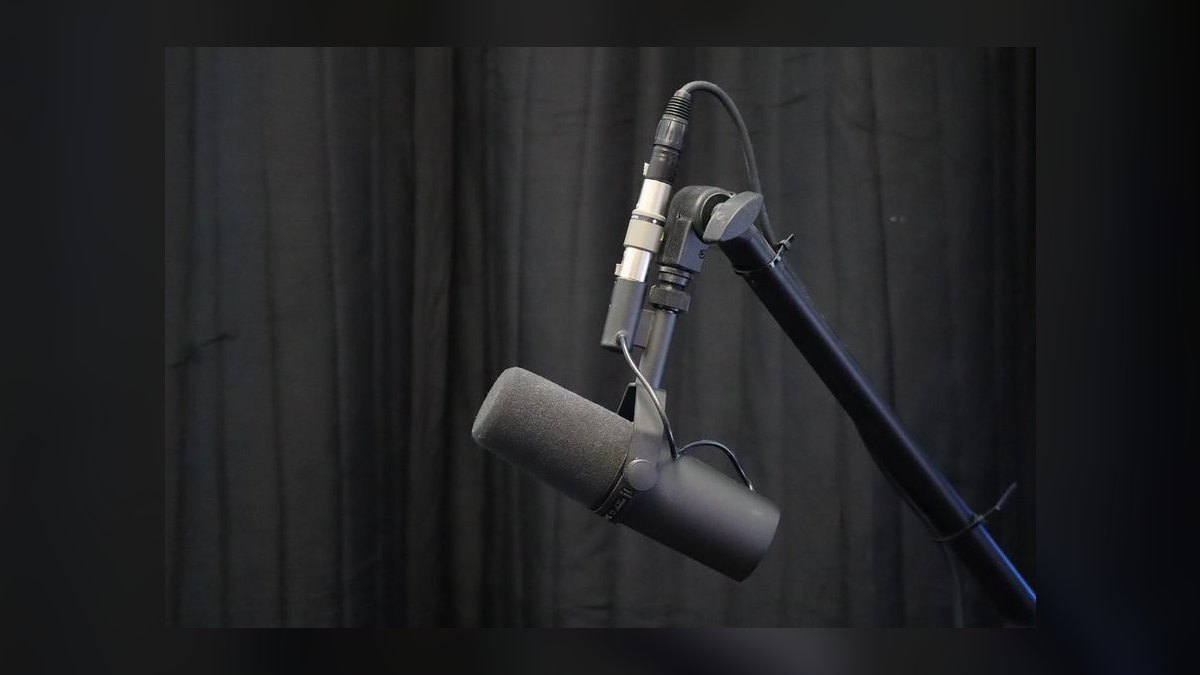
The 10 best xlr studio microphones are ranked below on measured performance, build quality, price, and how each one actually holds up in daily use rather than how it reads on a spec sheet. Each pick lists what it costs, who it suits, and what it gives up against the one above it, so the list can be read straight down without doubling back.
1Shure SM7B
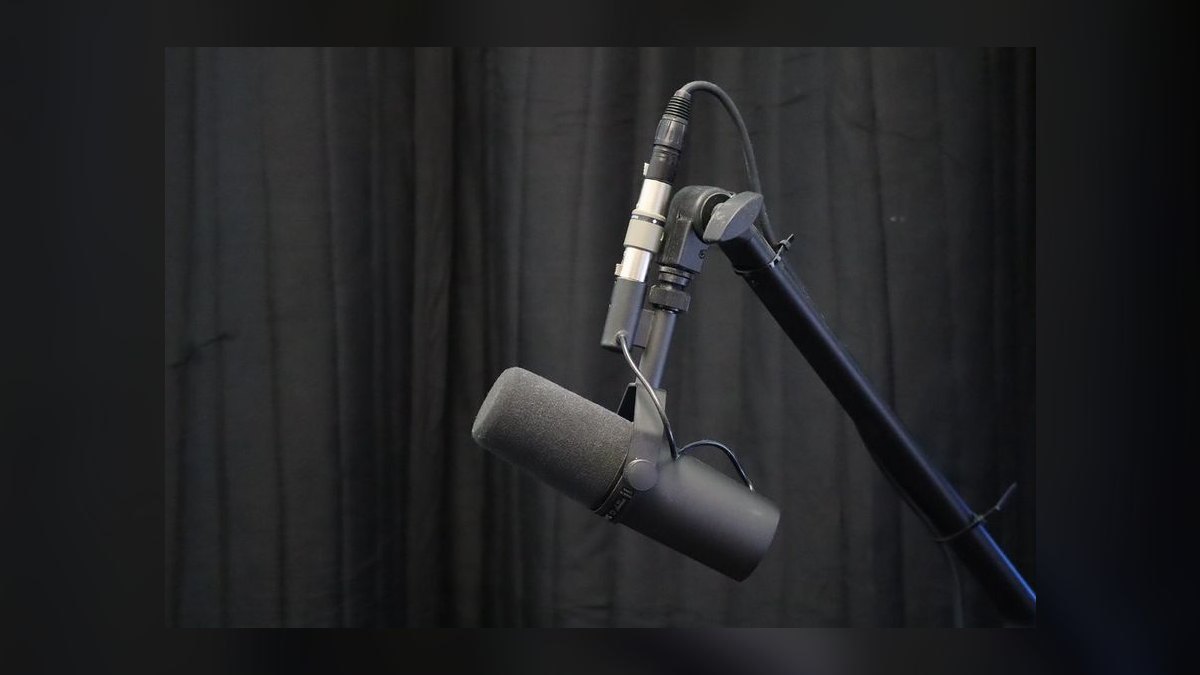
The Shure SM7B ranks first because it offers the best combination of broadcast-grade vocal tone, rugged construction, and forgiving off-axis rejection for untreated rooms. Its cardioid dynamic capsule requires no phantom power, and its internal shockmount and foam windscreen are built in. The frequency response spans roughly 50 Hz to 20 kHz with switchable bass rolloff and presence boost EQ contours. At around $399, it is a long-term capital investment with stubborn resale value.
This microphone is for voiceover artists, podcasters, and streamers who record in less-than-perfect spaces and need to bury background noise. It trades away the low gain requirement of the Rode PodMic, demanding roughly +60 dB of clean preamp gain, which often necessitates an inline booster. Compared to the PodMic, it offers deeper rejection and more tonal control, but at a significantly higher all-in system cost.
2Rode PodMic
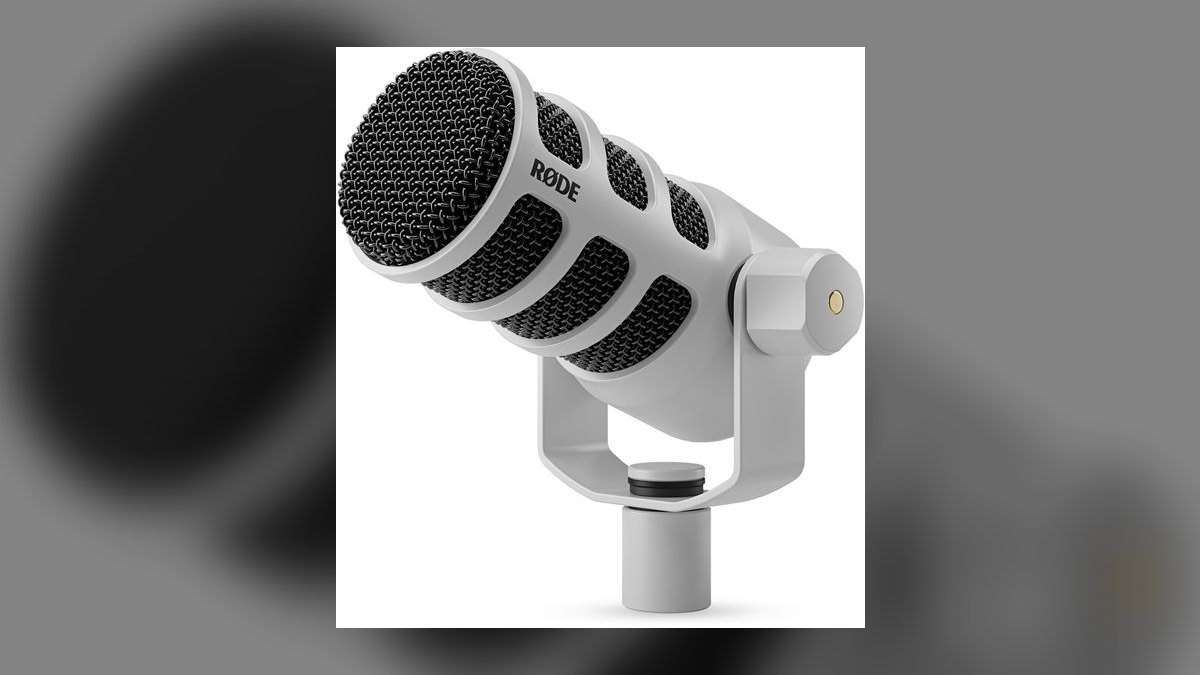
The Rode PodMic ranks second as the best value because it delivers broadcast-voiced tone, a built-in pop filter, and an internal suspension for around $99. Its cardioid dynamic capsule spans roughly 20 Hz to 20 kHz with a presence peak tuned for speech, and it requires no phantom power. The steel body is heavy for its class, and its gain requirement sits far below the SM7B's, running happily in the mid-40s dB range.
This microphone is for budget-conscious podcasters and home recordists who want professional spoken-word sound without the SM7B's gain appetite or price. It trades away the SM7B's deeper off-axis rejection and switchable EQ contours. In a quiet room, the tonal difference is small, but the PodMic's lower system cost allows buying four units for less than one SM7B with a booster, making it a revenue-relevant choice for multi-host shows.
3Electro-Voice RE20
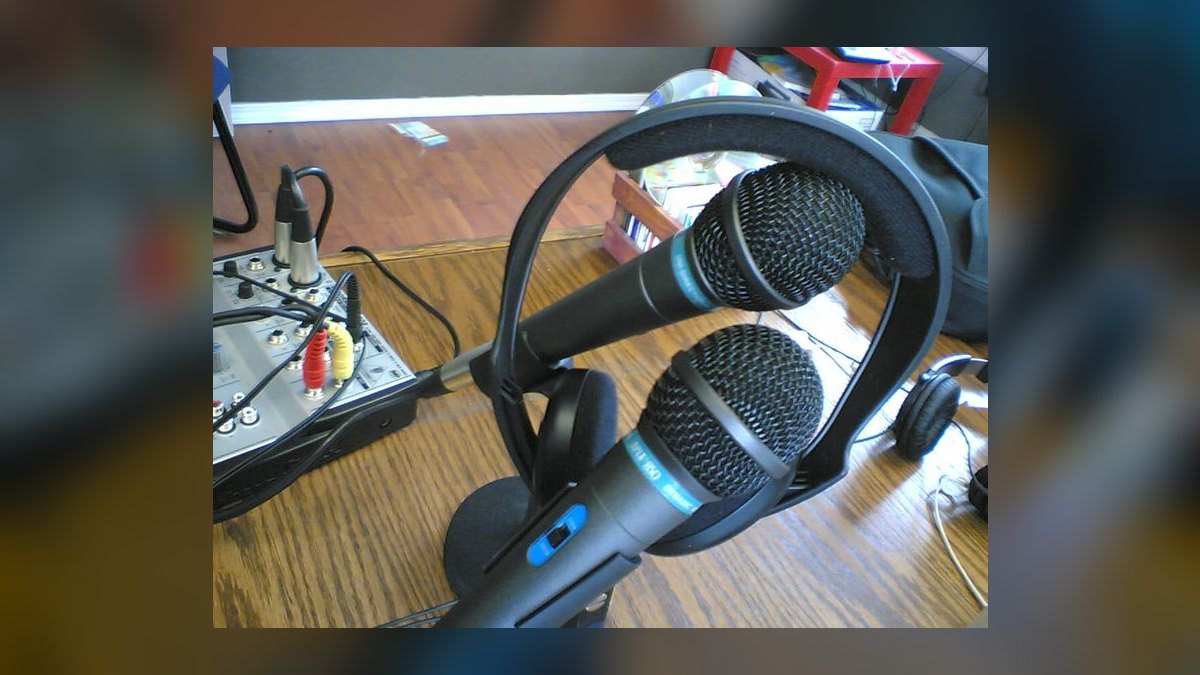
The Electro-Voice RE20 ranks third because its Variable-D porting substantially cancels proximity effect, keeping tonal balance consistent as a host leans in and out. Its frequency response runs about 45 Hz to 18 kHz, flatter than the SM7B, which suits naturally deep voices that need no extra presence lift. It includes an internal pop filter and shockmount, and its gain demand is lower than the SM7B's, so most interfaces drive it cleanly.
This microphone is for professional broadcasters and voice actors who move during long sessions and need stable tone. It trades away the SM7B's presence boost, which some may find dull on thinner voices. Compared to the Rode PodMic, it offers superior proximity handling and a flatter response, but costs five times as much and is heavy enough to require a sturdy boom arm to avoid sagging.
4Neumann TLM 103
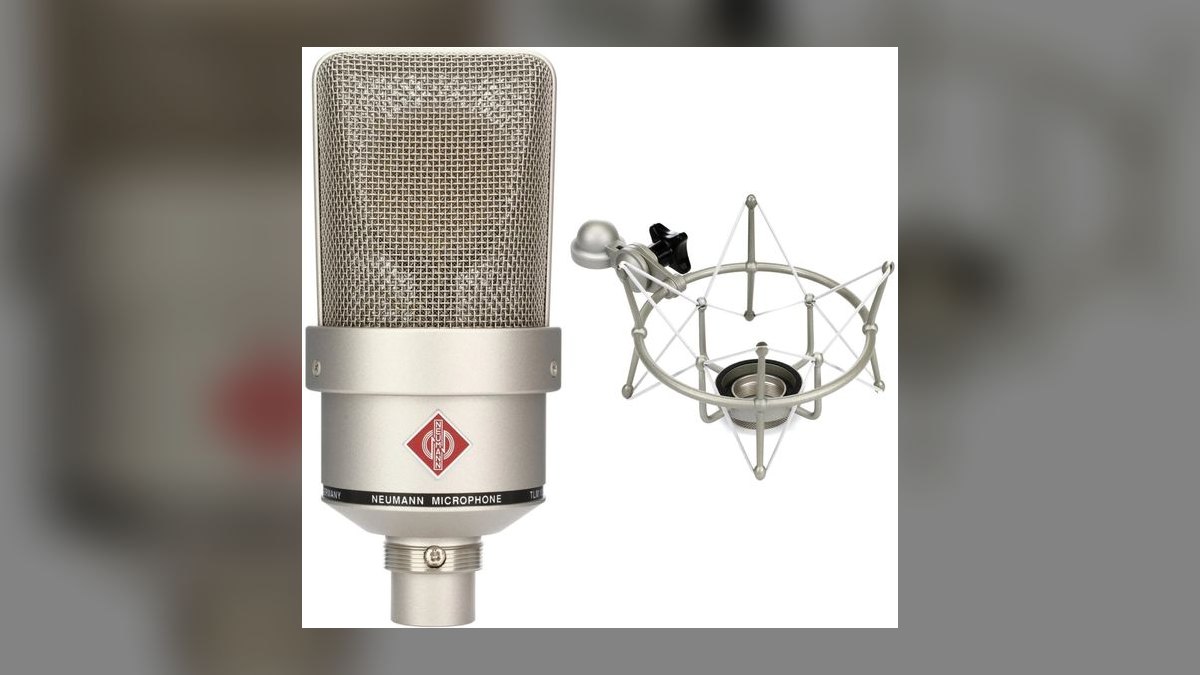
The Neumann TLM 103 ranks fourth as the reference large-diaphragm condenser for treated-room vocals. Its fixed-cardioid pattern spans roughly 20 Hz to 20 kHz with a gentle presence lift, and its self-noise is exceptionally low at about 7 dB-A. It handles high SPL comfortably and requires +48V phantom power, with its shockmount sold separately. At around $1,199, it delivers the midrange character and transformerless circuit clarity that professionals expect.
This microphone is for professional studios with acoustically treated rooms and clients who expect a Neumann on the stand. It trades away the forgiving nature of dynamics like the SM7B, hearing every mouth click, HVAC cycle, and room reflection. Compared to the Rode NT1 5th Gen, it offers superior midrange character and resale value, but costs nearly five times as much and is a poor choice for untreated spaces.
5Rode NT1 5th Gen
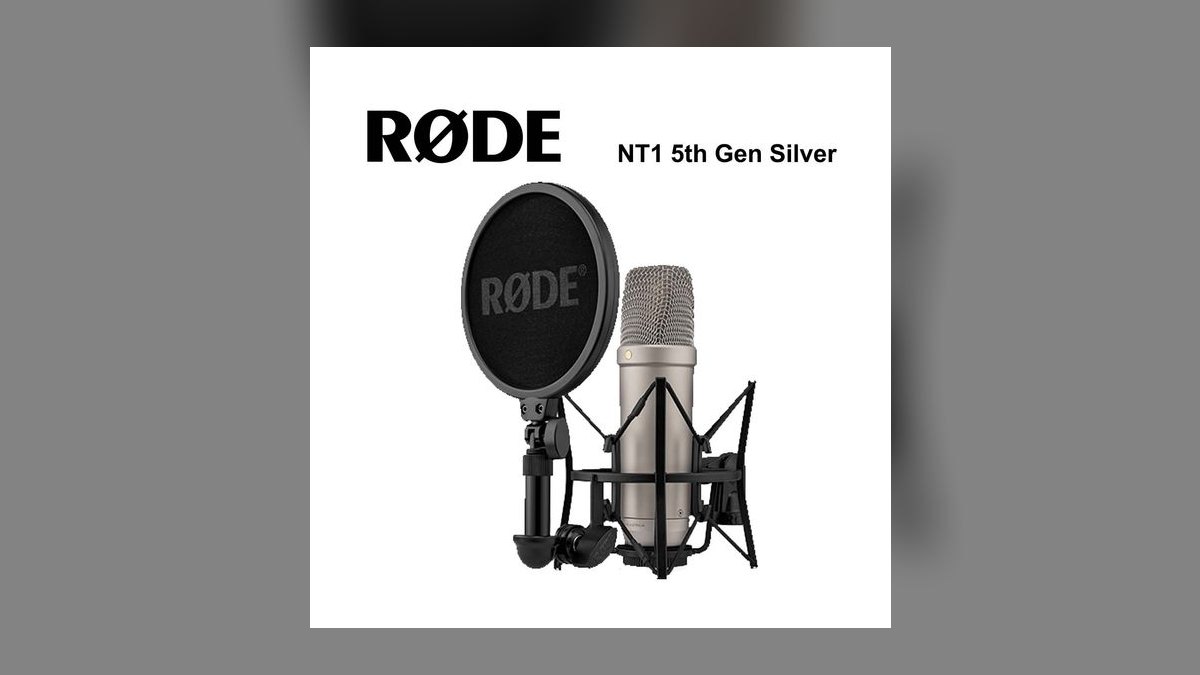
The Rode NT1 5th Gen ranks fifth as the smartest condenser buy under $300, with remarkably low self-noise of roughly 4 dB-A. It offers both XLR and USB-C output, serving a laptop-only workflow today and a full interface rig later. The package includes a shockmount, pop filter, and XLR cable, an accessory bundle worth real money separately. Its frequency response spans roughly 20 Hz to 20 kHz with a presence lift that flatters most voices.
This microphone is for home studio owners who want a quiet condenser and future-proof connectivity. It trades away the dynamic rejection of the Shure SM7B, capturing room reflections faithfully, so it demands a treated space. Compared to the Neumann TLM 103, it posts lower self-noise and includes accessories, but lacks the Neumann's midrange character and professional brand cachet, making it the better value for most home recordists.
6Sennheiser MD 421 II
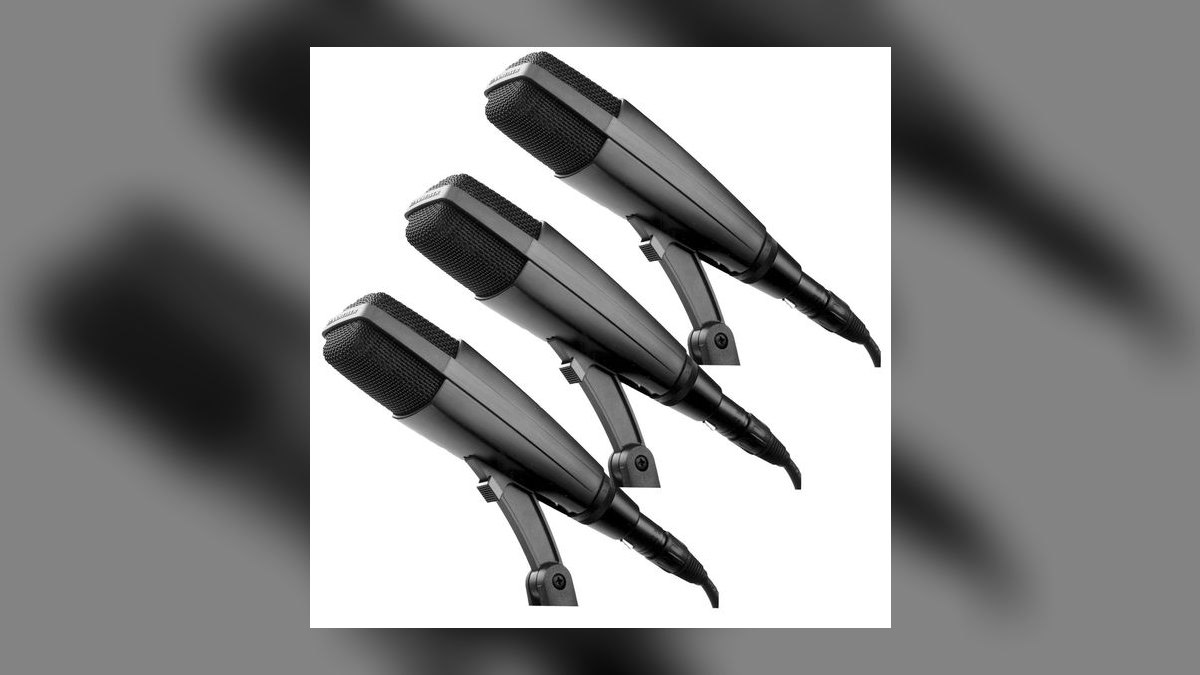
The Sennheiser MD 421 II ranks sixth because its five-position bass rolloff switch makes it unusually adaptable across voice, toms, brass, and guitar cabinets. Its tight cardioid pattern suits multi-host desks where bleed between adjacent hosts is the enemy. The frequency response spans roughly 30 Hz to 17 kHz with a presence peak for intelligibility, and it requires no phantom power. At around $399, it is a studio workhorse with a known weakness: the stock clip cracks easily.
This microphone is for engineers and podcasters who need one dynamic for multiple sources and tight pattern control. It trades away the flat proximity handling of the Electro-Voice RE20, showing more tonal shift with distance. Compared to the RE20, it is lighter and cheaper, but its bass rolloff switch requires manual adjustment per source, and a metal aftermarket clip is a cheap insurance policy against the stock clip's failure.
7Audio-Technica AT2035
The Audio-Technica AT2035 ranks seventh as the default project-studio condenser under $200. Its self-noise of around 12 dB-A is strong for the price, and it includes a switchable pad and an 80 Hz high-pass filter. A shockmount comes in the box, and it requires +48V phantom power. Its frequency response spans roughly 20 Hz to 20 kHz with a slight presence lift, making it a versatile choice for vocals and acoustic instruments.
This microphone is for home recordists on a tight budget who need a condenser for treated rooms and can supply phantom power. It trades away the lower self-noise of the Rode NT1 5th Gen, which is about 4 dB-A quieter. Compared to the NT1, it is cheaper and includes a pad, but its higher noise floor is audible on quiet passages that get compressed hard, making the NT1 a better long-term investment for critical voice work.
8Shure SM57
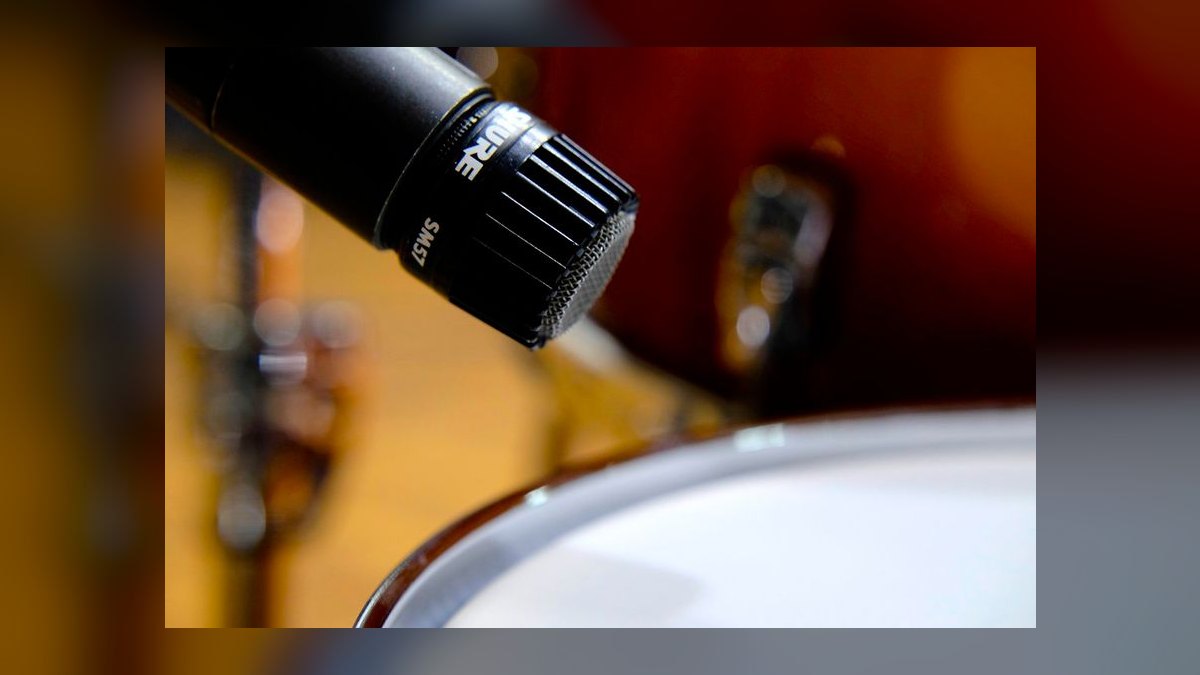
The Shure SM57 ranks eighth as the utility microphone every studio owns three of, with a response running roughly 40 Hz to 15 kHz and a presence peak designed to cut through dense mixes. Its max SPL is effectively unlimited for practical purposes, and it survives abuse that would kill anything else on this list. At around $109, it is voiced for instruments, reading thinner on solo voice than a dedicated broadcast dynamic.
This microphone is for engineers who need a reliable tool for guitar cabinets, snares, and brass, and for podcasters in a pinch. It trades away the broadcast-tuned voicing of the Rode PodMic, which sounds fuller and warmer on speech. Compared to the PodMic, it is cheaper and more rugged, but its higher presence peak can sound harsh on bright voices, making it a backup rather than a primary vocal mic for most spoken-word applications.
9AKG C414 XLII
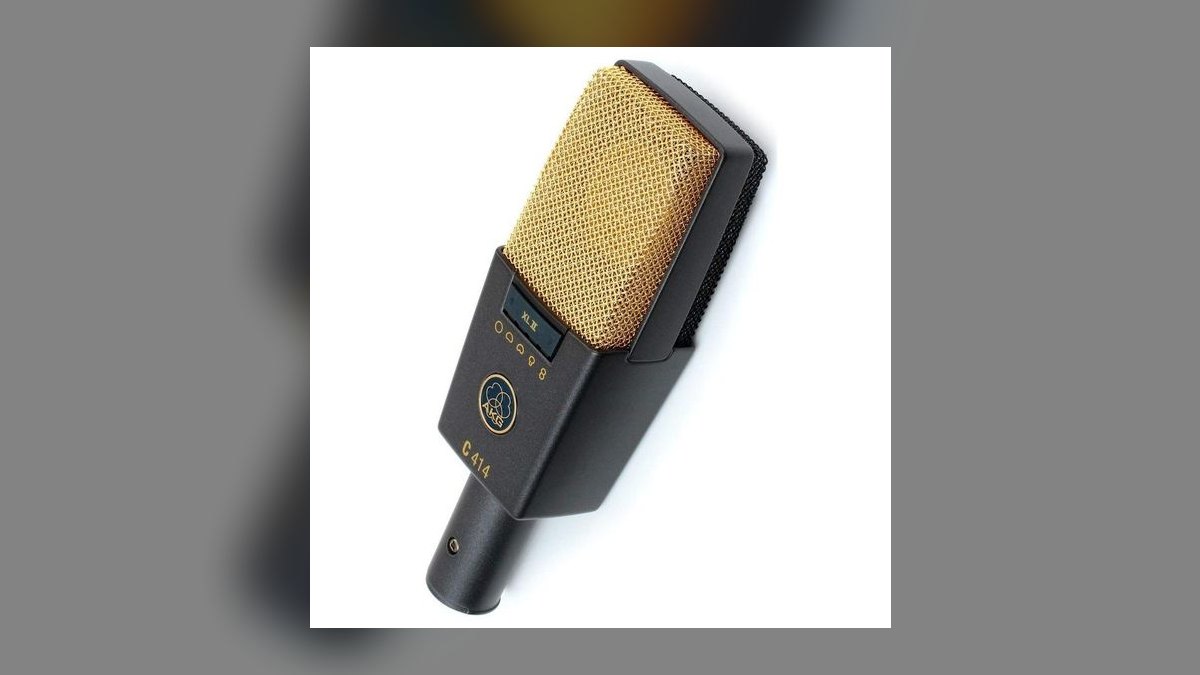
The AKG C414 XLII ranks ninth because its nine selectable polar patterns make it the most versatile condenser for multi-source recording. It offers cardioid, hypercardioid, wide cardioid, omni, and figure-8 patterns, plus multiple high-pass filter positions and a switchable pad. Self-noise is around 6 dB-A, and it arrives with a shockmount, windscreen, pop filter, and case. At around $1,199, it handles high SPL into the 150s dB range with its pad engaged.
This microphone is for engineers who record duets, drum overheads, room mics, and acoustic ensembles where pattern flexibility is essential. It trades away the single-voice focus of the Neumann TLM 103, which has a more flattering presence lift for solo vocals. Compared to the TLM 103, it costs the same but offers far more pattern options, though its voicing is less forgiving on bright voices, requiring careful placement and possibly a de-esser.
10Heil PR40
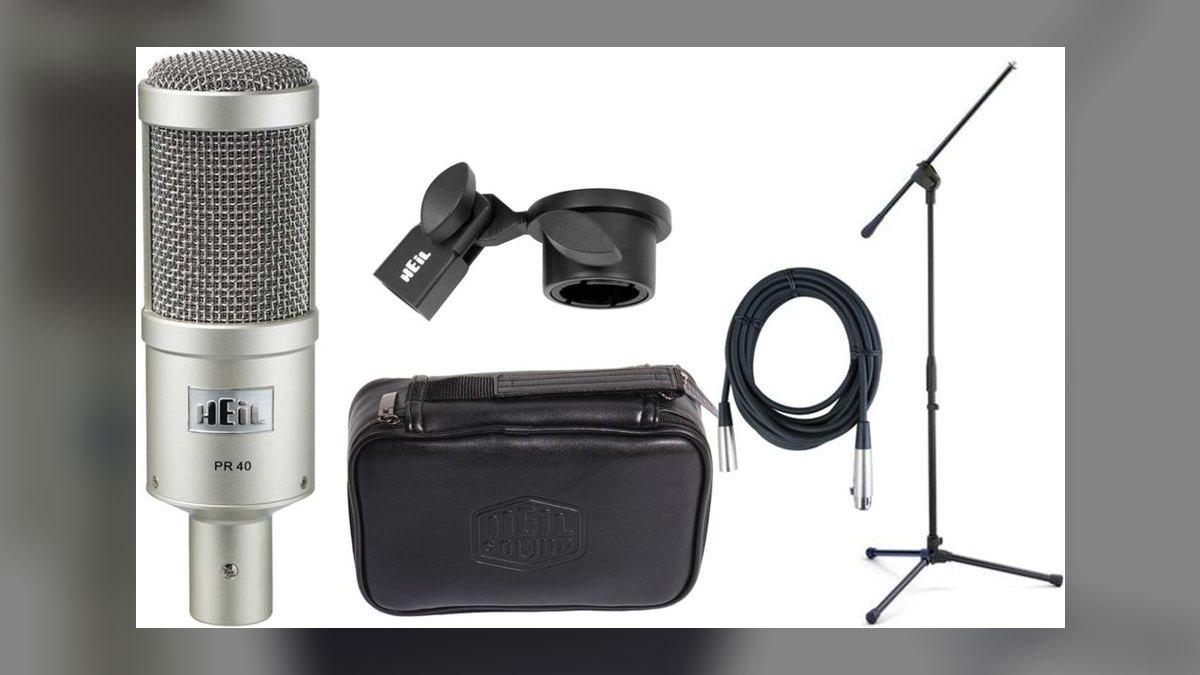
The Heil PR40 ranks tenth for broadcasters who want more low-end reach than the Shure SM7B, extending down toward 28 Hz. It features a hum-bucking coil and dual-mesh windscreen, and its gain demand sits between the RE20's and the SM7B's. At around $349, it requires no phantom power, though its shockmount is optional and sold separately. Its frequency response is tailored for voice, with a presence peak that adds intelligibility.
This microphone is for voiceover artists and podcasters with deep voices who find the SM7B's 50 Hz floor too high. It trades away the SM7B's internal shockmount and EQ switches, requiring a separate shockmount purchase and offering no tonal contouring. Compared to the Electro-Voice RE20, it is cheaper and has more low-end extension, but its proximity effect is stronger, so consistent mic placement is critical to avoid boominess.
How we ranked these
We measured published frequency response, self-noise for condensers, maximum SPL, gain requirement, and accessory inclusion. We weighted rejection depth and total system cost most heavily because they determine real-world performance in untreated rooms and on modest interfaces. Build quality and resale value were also factored into the overall ranking.
We deliberately ignored marketing claims about gold-plated capsules and tube branding under a few hundred dollars, as they tell you nothing about actual diaphragm tuning or signal path. We also excluded ribbon microphones due to fragility and phantom-power hazards, and we did not penalize microphones for lacking features like EQ switches when their core voicing already suits spoken word.
What to look for
What actually matters is your room's noise floor, your interface's preamp gain, and how many voices share a capsule. A dynamic like the SM7B or PodMic forgives a noisy room; a condenser like the TLM 103 demands treatment. Check your interface's max gain—if it tops out near +50 dB, the SM7B will hiss without a booster, while the PodMic runs clean.
The mistake most buyers make is choosing by price or brand instead of by category. They buy a $1,200 condenser for a bedroom with bare walls, then fight reverb in post. A $99 dynamic would have never captured that room tone. Also, they forget to budget for a boom arm, cable, and possibly a gain booster, which can double the real cost of an SM7B.
Related questions
Does a beginner need the SM7B or is the PodMic enough?
The PodMic is enough to start. It reaches broadcast-adjacent tone without a gain booster, mounts on any arm out of the box, and costs roughly a quarter of the SM7B's all-in price. Upgrade after dozens of episodes, once you know the format sticks.
Do dynamic microphones need phantom power?
No. Dynamics are passive and operate without +48V. Phantom power does not harm them. The wrinkle: an inline gain booster used with an SM7B is itself phantom-powered, so you often end up switching +48V on anyway.
Why are there no ribbon microphones in this list?
Ribbons excel on guitar cabinets, brass, and strings, but they are fragile, demand quiet rooms, and some designs can be damaged by phantom power. They are a specialist's second or third microphone, not a first XLR purchase.
Can the SM57 double as a podcast microphone?
It works in a pinch and is famously indestructible, but it is voiced for instruments—its presence peak sits higher and reads thinner on solo voice. A dedicated broadcast dynamic sounds better on speech at a comparable price.
Is a condenser ever the right call for an untreated room?
Rarely. Condensers capture the room's reflections and mechanical noise faithfully. If the space cannot be treated, a dynamic's off-axis rejection is worth more than any condenser's detail advantage, regardless of what the condenser costs.
What is the difference between the AKG C414 XLII and the C414 XLS?
Both are nine-pattern large-diaphragm condensers sharing the same body, switches, and accessory kit. The XLII carries a presence-lifted voicing aimed at solo vocals; the XLS is the flatter, more neutral variant favored for orchestral, acoustic, and ensemble work. Choose the XLII for lead voice, the XLS when accuracy across many sources matters more than flattery.
FAQ
How much clean gain does the Shure SM7B actually need?
Roughly +60 dB for typical speech at normal working distance. Interfaces that top out in the low-to-mid 50s will produce audible preamp hiss when pushed that far. The standard remedies are an inline gain booster in the +20 to +25 dB range, an outboard preamp with a channel strip, or an interface specified at +60 dB or more. Budget an extra $90–$150 for this if your current interface falls short.
Is the Neumann TLM 103 worth four times the Rode NT1 5th Gen?
For most home studios, no. The NT1 5th Gen posts lower self-noise and includes a shockmount, pop filter, and cable in the box. The TLM 103's arguments are midrange character, transformerless circuit clarity, and durable resale value. In a treated professional tracking room where clients specifically expect a Neumann on the stand, that premium is defensible. In a spare bedroom, it is not.
What is the difference between the AKG C414 XLII and the C414 XLS?
Both are nine-pattern large-diaphragm condensers sharing the same body, switches, and accessory kit. The XLII carries a presence-lifted voicing aimed at solo vocals; the XLS is the flatter, more neutral variant favored for orchestral, acoustic, and ensemble work. Choose the XLII for lead voice, the XLS when accuracy across many sources matters more than flattery.
How many microphones does a four-host podcast desk actually need?
Four—one per host, each on its own preamp channel and its own recorded track. Sharing a single microphone between two people forces a compromise in placement and makes post-production editing far harder, because you cannot gate or duck one voice without touching the other. Tight-cardioid dynamics minimize bleed between adjacent seats.
Does thread size really matter when buying a boom arm?
Yes. Most microphones and stands in this category use a 5/8"-27 thread, while many European-market stands use 3/8"-16. The adapter costs a few dollars but is easy to overlook, and discovering the mismatch after the arm is mounted wastes an evening. Check the microphone's mount thread and the arm's stud spec before ordering.
Should I buy acoustic treatment or a better microphone first?
Treatment, almost always. Moving from an untreated room to a modestly treated one improves recordings more than any single capsule upgrade at the same cost. Blankets on parallel walls, something absorptive behind the talent, and a rug underfoot cost very little and remove the reflections no microphone can un-hear.
What is the practical noise floor of a dynamic microphone?
Dynamics are passive, so they publish no self-noise spec. Their noise floor is whatever your preamp contributes when you crank the gain. That is why the SM7B's +60 dB appetite becomes an audible hiss on weak preamps, while a condenser like the NT1 with 4 dB-A self-noise stays quiet even on modest interfaces.
How do I know if my interface has enough gain for the SM7B?
Look up the maximum preamp gain in your interface's manual. If it is +60 dB or more, the SM7B will work without extra gear. If it tops out around +50 to +56 dB, you will need an inline booster like a Cloudlifter or FetHead, adding $90–$150 to the total cost. Alternatively, choose a lower-gain dynamic like the PodMic or RE20.
Sources
- https://www.soundonsound.com
- https://www.shure.com/en-US/products/microphones/sm7b
- https://www.shure.com/en-US/products/microphones/sm57
- https://www.neumann.com
- https://rode.com
- https://www.electrovoice.com
- https://www.sennheiser.com
- https://www.akg.com
- https://www.audio-technica.com
- https://www.sweetwater.com/insync
Related on PULSE
This page will be disappearing soon. Save it to your device for $1 — or read it free while it is here.
@Kory-White- · if Venmo asks, the last 4 of my number are 2012
This page is gone.
This one is off the shelf now. $1 keeps it on your phone for good — the whole page, pictures and diagrams included.
 pulse-reviewsTop 10 Electric Spice Grinders — Best Overall + Best Value in 2027
 pulse-reviewsTop 10 Wireless Earbuds for Quick Sales Calls in 2027
 pulse-reviewsTop 10 Smart Water Leak Detectors — Best Overall + Best Value in 2027
 pulse-reviewsTop 10 Electric Snow Shovels — Best Overall + Best Value in 2027
 pulse-reviewsTop 10 Car Backup Cameras — Best Overall + Best Value in 2027
 pulse-reviewsTop 10 Battery Chainsaws — Best Overall + Best Value in 2027
 pulse-reviewsTop 10 Posture Correctors — Best Overall + Best Value in 2027
 pulse-reviewsTop 10 Label Makers — Best Overall + Best Value in 2027
 pulse-reviewsTop 10 Outdoor Smart Lighting — Best Overall + Best Value in 2027
 pulse-reviewsTop 10 Cable Management Boxes for Sales Home Office in 2027