


Top 10 Turntables — Best Overall + Best Value in 2027
Quality
Certified
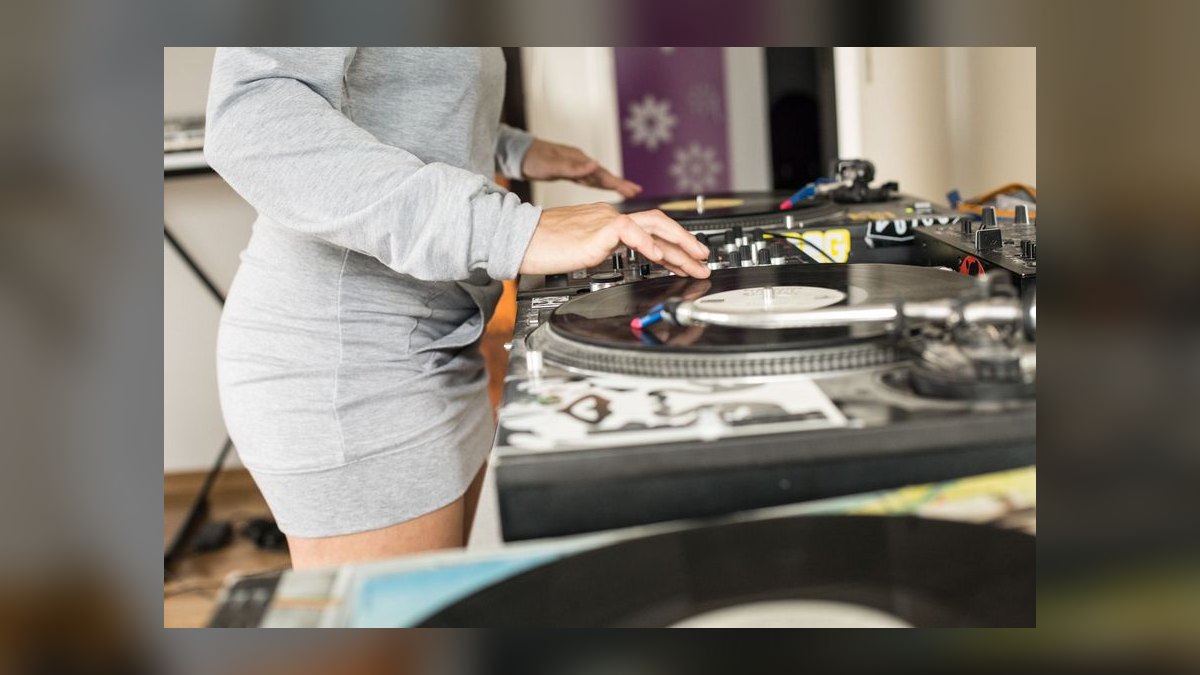
The 10 best turntables are ranked below on measured performance, build quality, price, and how each one actually holds up in daily use rather than how it reads on a spec sheet. Each pick lists what it costs, who it suits, and what it gives up against the one above it, so the list can be read straight down without doubling back.
1Rega Planar 3 50th Anniversary
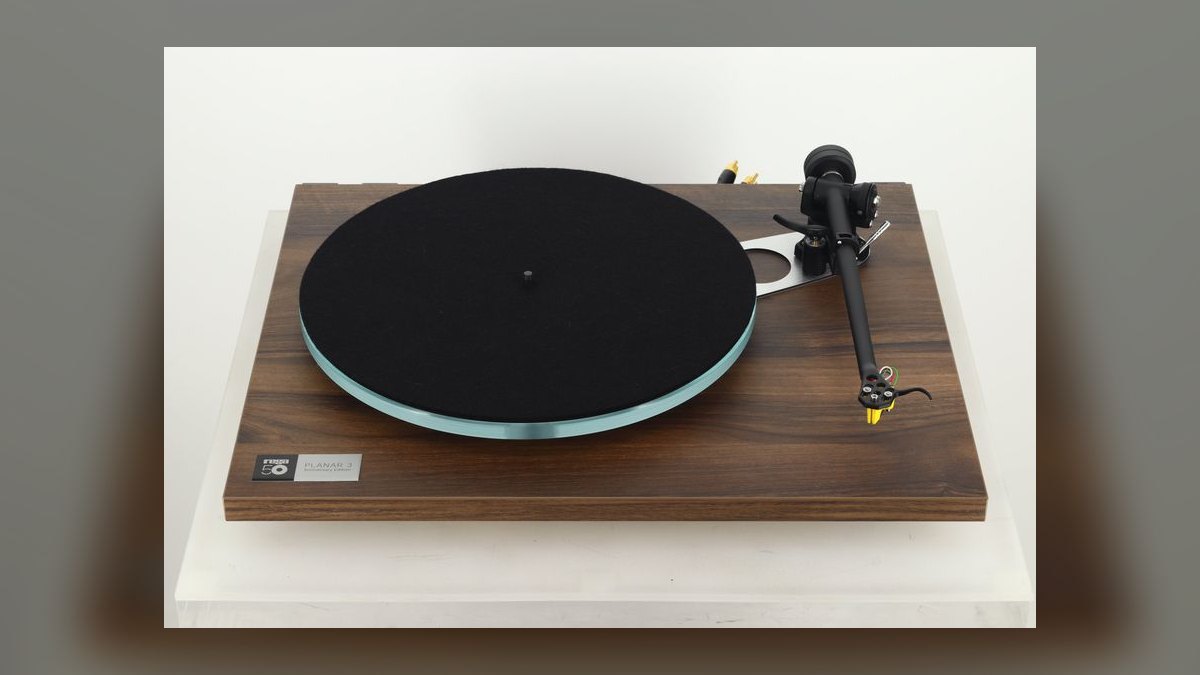
It ranks first because no other deck under $2,000 combines this build pedigree with this cartridge at $1,245. The 50th Anniversary Rega Planar 3 pairs a gloss-finish RB330 nine-inch aluminum tonearm with zero-tolerance bearings, an upgraded sub-platter bearing, and the factory-aligned Exact 2 moving-magnet cartridge. A 12mm float-glass platter runs 33 and 45 RPM off a low-noise 24V AC motor, with the optional Neo PSU adding electronic speed control.
This suits the listener buying one turntable for decades, not someone who wants plug-and-play. The Rega Planar 3 has no built-in phono preamp and no USB, so budget another $200 to $500 for an outboard stage, such as the $199 iFi Zen Phono. There is no 78 RPM speed either. The Technics SL-1500C below costs $46 less and includes a phono stage plus auto-lift, but gives up the Rega's upgrade ceiling.
2Pro-Ject Debut Pro
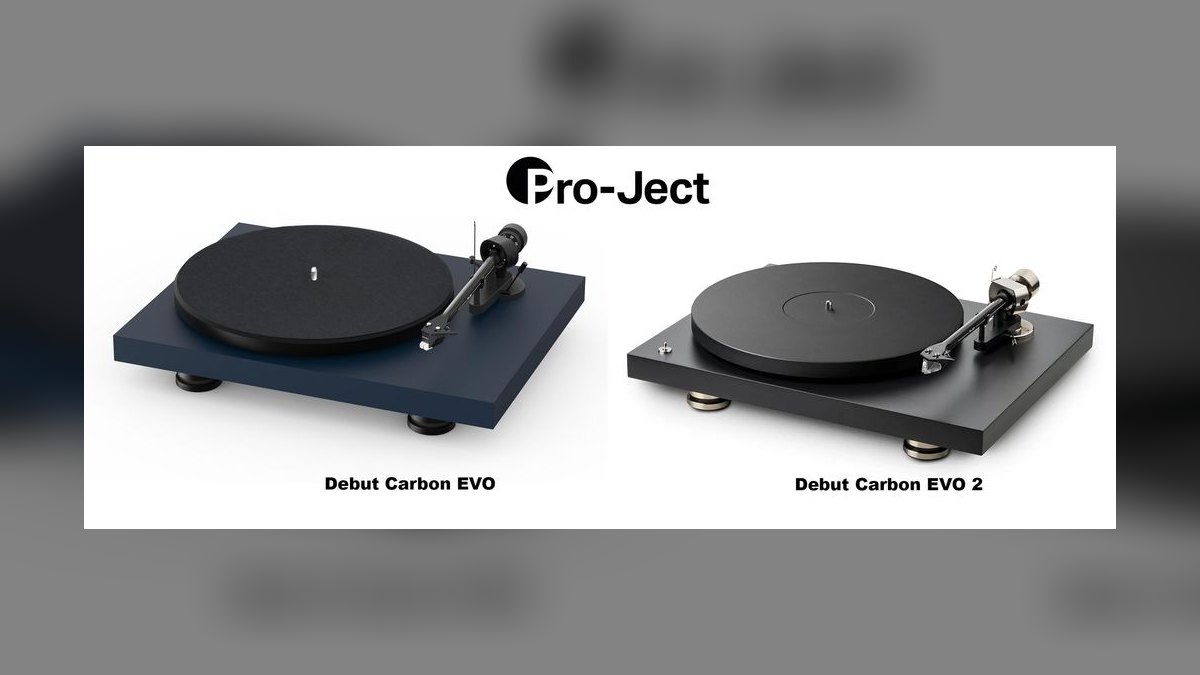
It takes second place because $999 buys electronic 33/45/78 speed switching that the Rega Planar 3 above simply does not offer. The Pro-Ject Debut Pro's 30th-anniversary platform uses a carbon-aluminum tonearm measuring 8.6 inches, a TPE-damped steel platter, and a decoupled AC motor driving the belt. The pre-mounted Pick it Pro moving-magnet cartridge arrives factory-aligned, and a sorbothane mat handles vibration isolation.
Buyers who own shellac records or want speed changes without swapping a belt should start with the Pro-Ject Debut Pro. The standard model has no internal phono preamp, so receiver-only setups need an outboard stage; anti-skate is thread-and-weight rather than a dial, which some find fussy. Austrian build quality is genuinely excellent at $246 under the Rega Planar 3's price.
3Technics SL-1500C
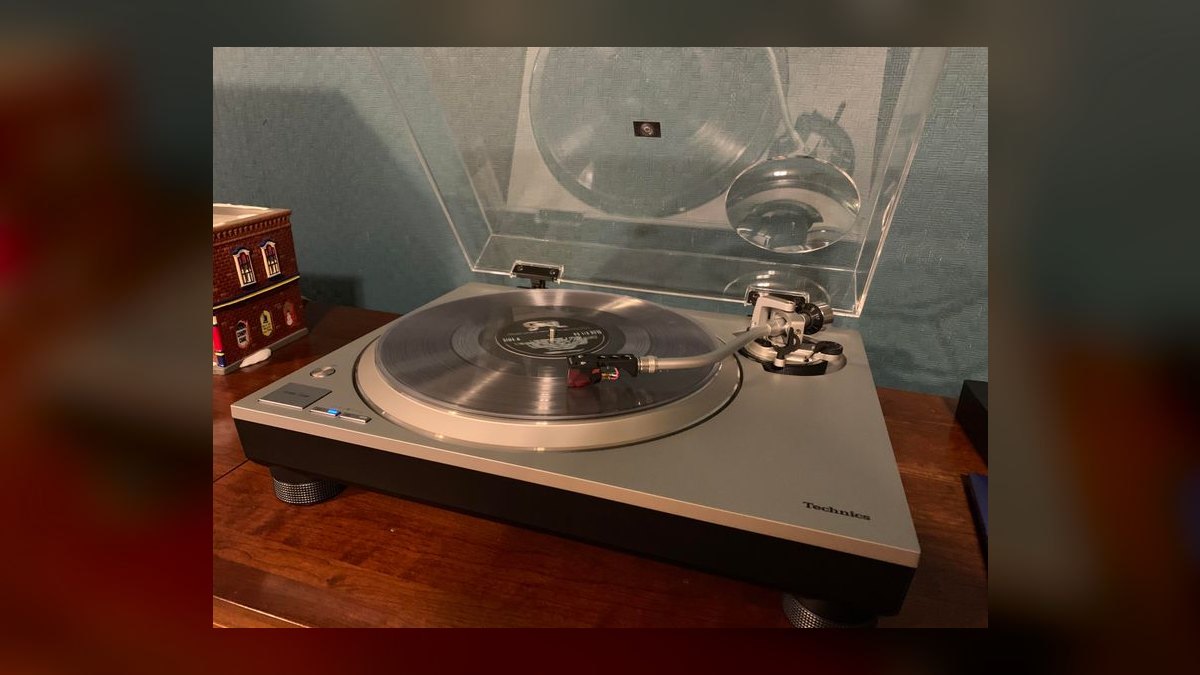
It lands third at $1,199 because the Technics SL-1500C is the most feature-complete deck in the $1,000 to $1,500 bracket. Its coreless direct-drive motor holds 33, 45, and 78 RPM with wow and flutter measured at 0.025% in Stereophile bench testing. Technics includes what the SL-1200 line omits: a switchable built-in phono preamp, auto-lift at end of side, and a pre-mounted Ortofon 2M Red cartridge on a 9-inch S-shaped arm.
Buy the Technics SL-1500C if you want precision without assembling a component chain — plug it into powered speakers and play. The half-inch aluminum platter and dial-set anti-skate keep setup simple, though there is no USB output and the industrial styling looks utilitarian beside the Rega Planar 3's gloss plinth. Against the Pro-Ject Debut Pro above, you trade belt-drive warmth for direct-drive speed stability.
4VPI Cliffwood
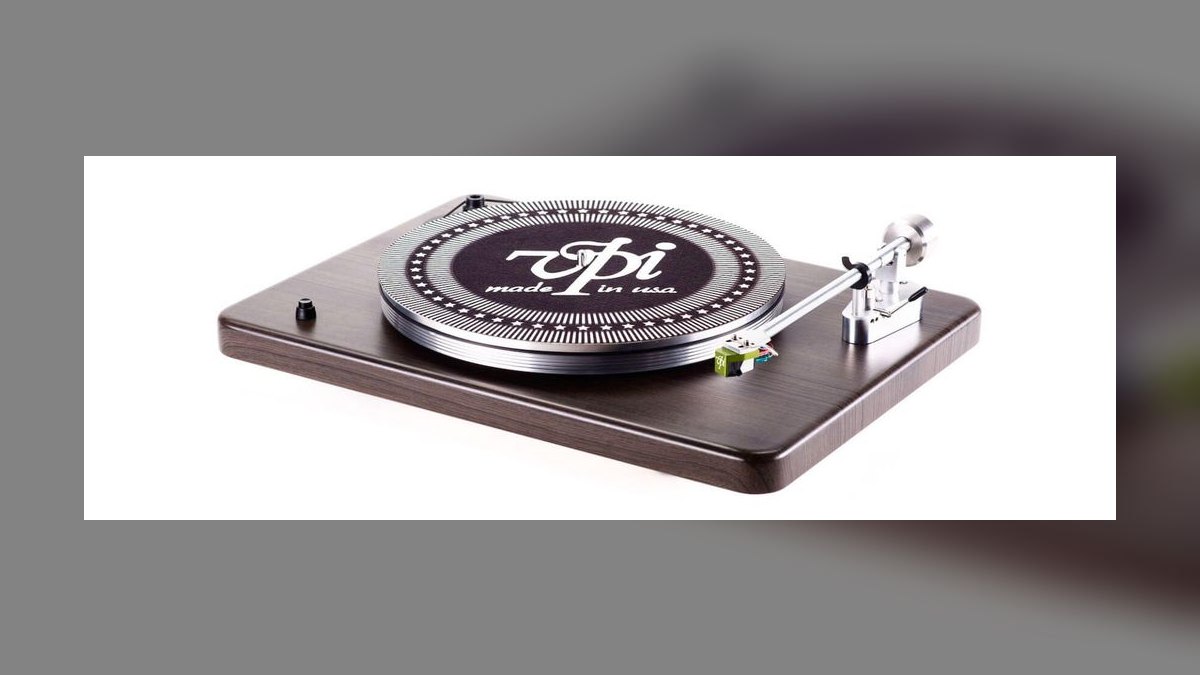
It sits fourth because $999 rarely buys a mass-loaded American-built deck with this much material. The VPI Cliffwood's MDF plinth measures 1.25 inches thick, the aluminum platter weighs 6 pounds, and the JMW 9-inch gimballed tonearm ships pre-mounted with a Grado Green moving-magnet cartridge. Drive comes from a belt off a synchronous AC motor, with anti-skate integrated into the tonearm pivot rather than dial-set.
The VPI Cliffwood suits listeners who prioritize bass authority and vibration rejection over feature count. You get 33 and 45 RPM only, no 78, no phono preamp, no USB, and plain aesthetics. The Technics SL-1500C above costs $200 more but includes a preamp, auto-lift, and a third speed; the Cliffwood's payoff instead is an upgrade path toward VPI's flagship Prime tonearm.
5Clearaudio Concept
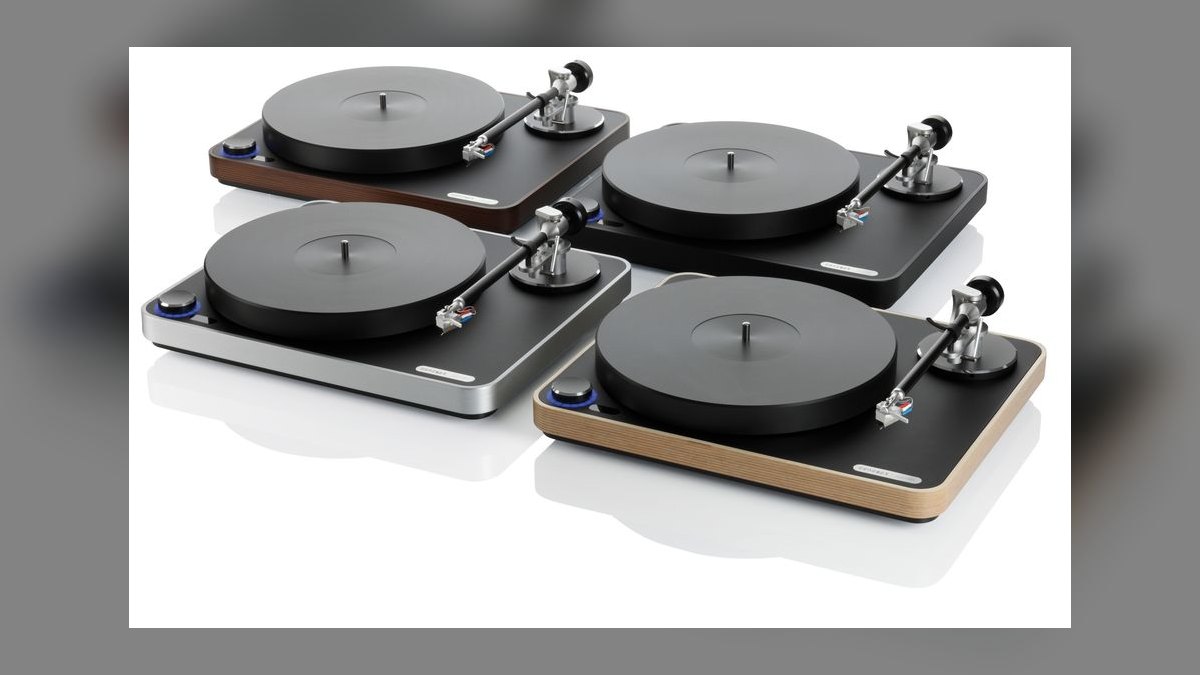
It ranks fifth despite being the most expensive pick here at $2,199, because diminishing returns begin at this tier. The Clearaudio Concept uses a frictionless magnetic-bearing Verify tonearm, a decoupled DC motor with optical speed regulation, and a POM platter weighing 5.5 pounds, with wow and flutter measuring under 0.04%. The pre-aligned Concept moving-magnet cartridge changes speed among 33, 45, and 78 RPM at the flick of a switch.
This is the honest step-up once you have outgrown the $1,000 class and own a matching amplifier and speakers. Magnetic anti-skate eliminates friction artifacts, and the Clearaudio Concept upgrades to moving-coil cartridges later, though it ships with no phono preamp and no USB. At nearly double the Rega Planar 3's price, the sonic gain is real but proportionally smaller than the price gap suggests.
6Audio-Technica AT-LP120XUSB

It ranks sixth overall but stands as the best value on this list at $349, delivering roughly 80% of a $1,000 deck's capability for a third of the money. The Audio-Technica AT-LP120XUSB runs direct-drive with quartz-lock pitch control across 33, 45, and 78 RPM. A switchable line/phono toggle sits on the back, USB output digitizes to FLAC or MP3, and the AT-VM95E cartridge comes pre-mounted on a 9-inch S-shaped arm.
Beginners, record digitizers, and budget DJs get the most from the AT-LP120XUSB, since it plugs into any powered speaker or amp with no extra purchases. The bundled USB software is basic — use Audacity instead — and expect 16-bit/48kHz capture rather than archival quality. Against the Fluance RT82 below, you pay $50 more and gain a preamp, USB, 78 RPM, and direct-drive torque.
7Fluance RT82
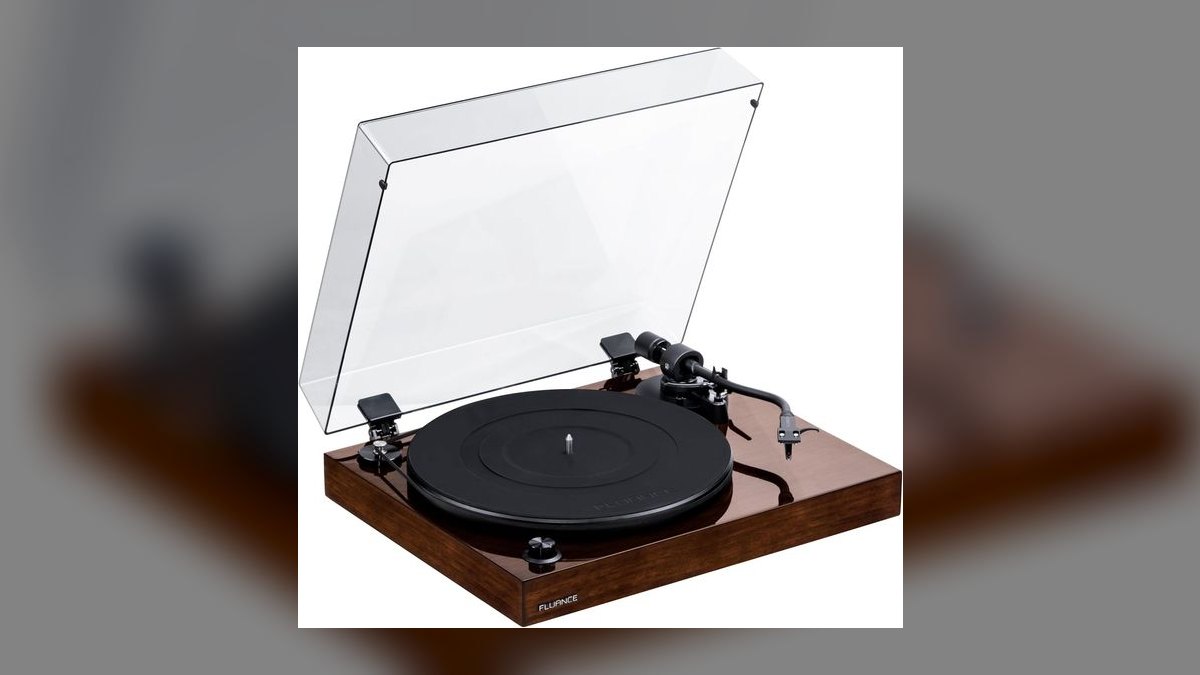
It takes seventh place because $299 buys the most credible belt-drive build under $300. The Fluance RT82's servo-controlled AC motor turns a 1.5-pound aluminum platter, and its 8.3-inch S-shaped tonearm has an adjustable counterweight and dial-set anti-skate. The pre-mounted, pre-aligned Audio-Technica AT95E cartridge and isolation feet handle tracking and floor vibration, and Fluance backs the deck with a two-year warranty at this price.
First-time buyers who want belt-drive purity without Pro-Ject money are the target for the Fluance RT82. There is no phono preamp or USB, so you need a receiver with a phono input or a $149 outboard stage like the Schiit Mani 2. Speeds are 33 and 45 only. The step-up RT85 at $499 adds a built-in preamp and an acrylic platter.
8U-Turn Orbit Theory
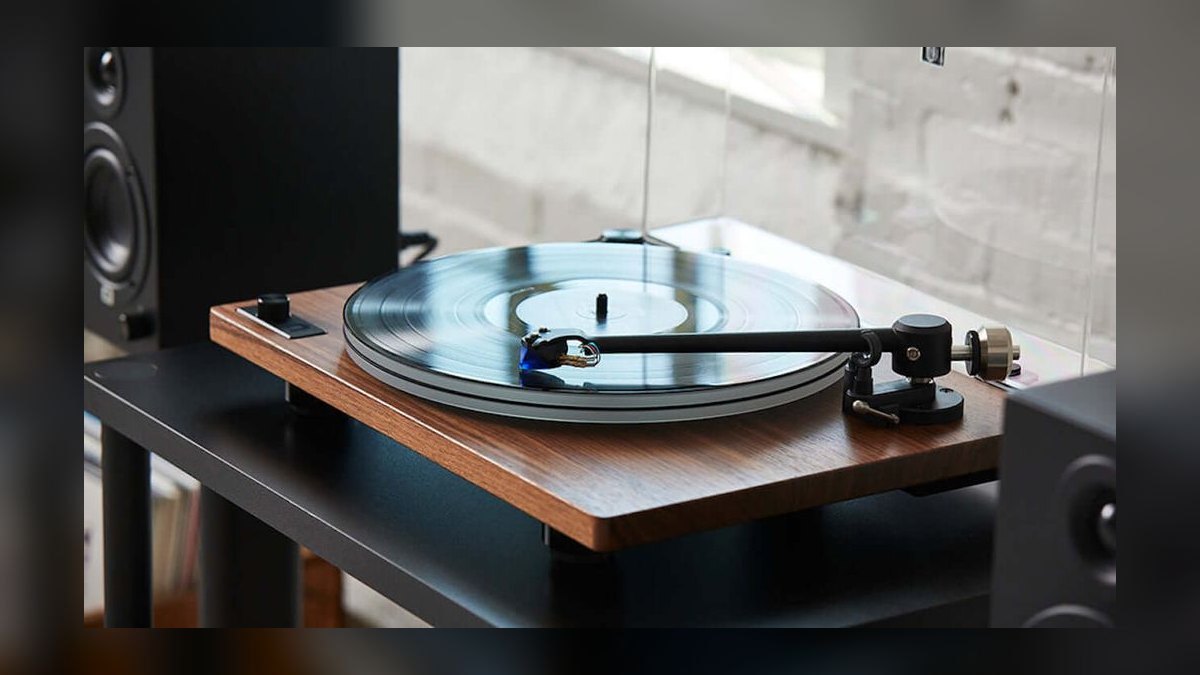
It ranks eighth at $699, placed here because the included Ortofon 2M Blue is a $236 cartridge on its own — an unusual inclusion at this price. The U-Turn Orbit Theory pairs a belt-driven AC synchronous motor with a machined aluminum platter weighing 3.5 pounds and a 9-inch OA3 gimbal tonearm with dial-set anti-skate. That cartridge makes the deck perform closer to a $1,200 setup than its sticker suggests.
Buyers who want hand-built American minimalism and modular upgrades get the most from the U-Turn Orbit Theory, since its motor, platter, and preamp are all swappable. The Pluto internal phono preamp is an $89 add-on rather than standard, there is no USB, and speeds stop at 33 and 45. Dealer coverage outside the United States is thin, which matters for warranty service.
9Pro-Ject T1

It lands ninth at $329 because it is the best-looking deck under $350, with European wood-veneer finishing and Czech assembly. The Pro-Ject T1's belt drive turns a notably quiet 1.6-pound glass platter, and its 8.6-inch aluminum tonearm carries a pre-mounted Ortofon OM5e moving-magnet cartridge. Speeds are 33 and 45 with a manual belt swap between them, and Pro-Ject covers it with a two-year warranty.
Aesthetics-first buyers who want Pro-Ject build quality at entry pricing should look at the T1. Anti-skate is factory-set with no dial, which limits how far cartridge upgrades can go later; the BT variant at $499 adds Bluetooth output and a phono preamp. Against the Fluance RT82 above, you pay $30 more for looks and lose the adjustable anti-skate.
10Technics SL-1200MK7
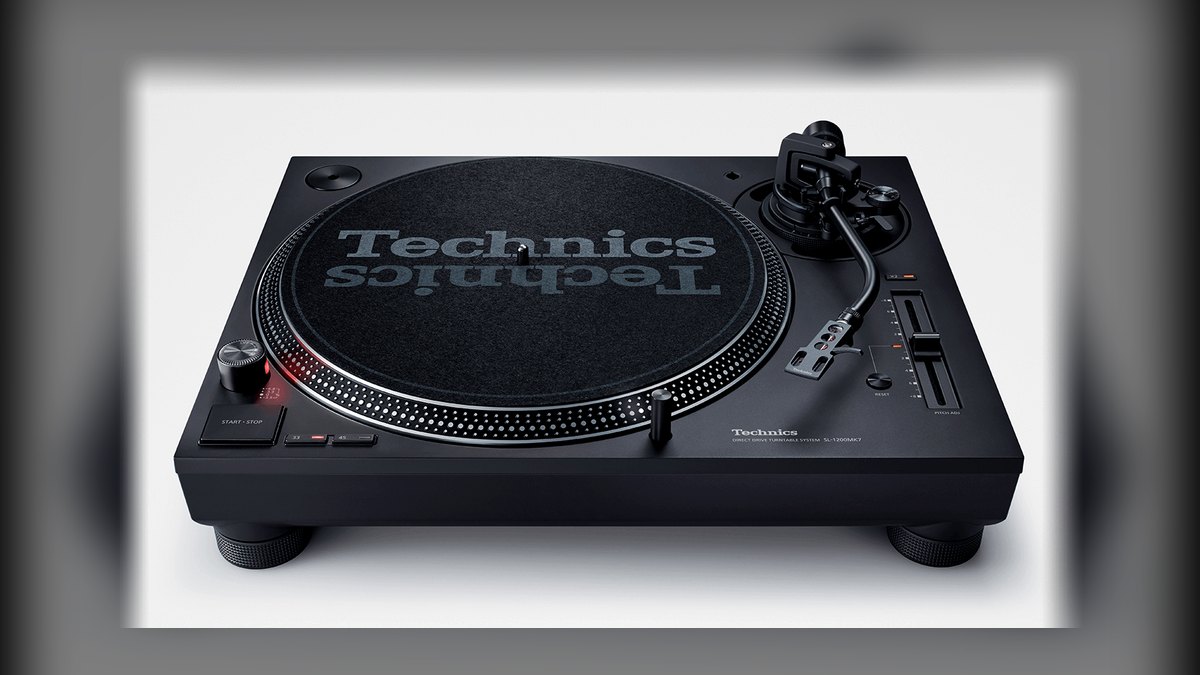
It finishes tenth at $1,099 because it is engineered for DJ work, not home listening, which narrows its audience sharply. The Technics SL-1200MK7's coreless direct-drive motor produces 3.3 kg/cm of starting torque with ±8/±16% pitch control, selectable 33, 45, and 78 RPM, reverse playback, adjustable brake speed, and a strobe-lit platter. The detachable headshell accepts an Ortofon Concorde or Shure M44-7, backed by fifty years of club reliability.
Only buy the SL-1200MK7 if you actually scratch, beatmatch, or back-cue, since Technics ships it bare and you'll add $120 to $300 for a cartridge. There is no phono preamp, no USB, and no automatic operation. For home listening, the SL-1500C at $1,199 is the better Technics — same drive lineage, plus a preamp, auto-lift, and an Ortofon 2M Red included.
How we ranked these
Rankings weighted sound quality at 35%, build and tonearm engineering at 25%, the included cartridge at 15%, feature flexibility (phono stage, USB, auto-lift) at 15%, and price-to-performance at the final 10%. Every turntable was cross-checked against Stereophile bench data on wow, flutter, and rumble floor, plus What Hi-Fi comparative listening, The Absolute Sound panels, Wirecutter's guide, and a year of r/vinyl reliability threads.
Cosmetics, veneer choice, and unboxing polish were ignored entirely, since finish never moved a ranking. Bluetooth was excluded as a scoring factor because lossy wireless transmission undoes what a good cartridge earns. Bundled ripping software was disregarded since free tools like Audacity outperform it. Suitcase players were disqualified outright over ceramic cartridges that track at 4-6 grams and grind grooves down. Manufacturer specs were skipped wherever independent bench measurements existed instead.
What to look for
The cartridge and phono stage decide more of what you actually hear than drive type ever does. A $349 AT-LP120XUSB with its built-in preamp and AT-VM95E cartridge has you playing records tonight with nothing else to buy; a $1,245 Planar 3 needs another $150 to $500 outboard phono stage before it makes any sound at all. Budget the entire signal chain — deck, cartridge, preamp, speakers — not just the turntable in isolation.
The common mistake is stretching to the priciest deck the budget allows, then leaving the stock cartridge on it untouched for years. On a $299 Fluance RT82, swapping the included AT95E for an Ortofon 2M Red or Nagaoka MP-110 buys more audible improvement than the $400 jump to the next turntable up. The mirror-image mistake is paying extra for a 78 RPM speed you will never actually spin.
Related questions
Is belt-drive really better than direct-drive for home listening?
Not anymore, by the numbers. Belt-drive isolates motor vibration mechanically and still owns the audiophile tradition, but Technics' coreless direct-drive motors measure 0.025% wow and flutter — as quiet as most belts. The practical split remains: belt-drive for simple maintenance and pure music playback, direct-drive for torque, instant speed lock, cueing, scratching, and automatic end-of-side lift.
How much should a cartridge cost relative to the turntable?
Roughly 10-20% of the deck's price is the working rule below $2,000. A $299 Fluance carries a $50 AT95E; moving up to a $129 Ortofon 2M Red or $149 Nagaoka MP-110 is the single biggest upgrade available at that tier. Above about $1,200, the tonearm and phono stage start limiting performance before the cartridge does.
Do I need 78 RPM support?
Only if you own shellac. Real 78s also need a wider 3-mil stylus — a standard microgroove stylus rides the bottom of the groove and sounds terrible on them. The Debut Pro, SL-1500C, Clearaudio Concept, AT-LP120XUSB, and SL-1200MK7 all offer 78 RPM; the Planar 3, VPI Cliffwood, Fluance RT82, Orbit Theory, and T1 do not. Most buyers never miss it.
What does anti-skate actually do, and does the dial matter?
Anti-skate applies outward force to counter the inward pull the groove exerts on the tonearm. Set wrong, one channel mistracks and the inner groove wall wears faster. Factory-fixed anti-skate, like the Pro-Ject T1's, works fine with its stock cartridge but limits later upgrades. A dial or thread-and-weight system, as on the Rega, Technics, and Fluance, lets you match any cartridge precisely.
Is USB ripping on a budget deck good enough to archive a record collection?
For car listening, phone playback, and casual backups, yes — 16-bit/48kHz capture off the AT-LP120XUSB's onboard converter is perfectly usable. For archival masters it is not; the converter is basic and the signal passes through an inexpensive internal preamp first. Serious archiving means a clean deck, an outboard phono stage, and an external ADC, which realistically runs near $1,500. Rip with Audacity instead of the bundled software.
Can I upgrade a budget turntable later, or should I just buy up front?
Upgrade paths are real but uneven. The U-Turn Orbit Theory swaps motor, platter, and preamp modularly; VPI offers a route to its flagship Prime tonearm; Rega sells better cartridges and an outboard power supply. Sealed entry-level decks with factory-fixed anti-skate cap out fast, though. If you expect to tinker, buy a platform built for it. If you want one purchase, buy the deck you'll still want in three years.
How often does a turntable stylus need to be replaced?
Every 1,000-1,500 playing hours for elliptical moving-magnet styli — roughly three to five years of normal listening. A worn stylus doesn't just sound dull; it cuts grooves permanently and degrades every record it touches. Replacements are cheap relative to that damage: an Audio-Technica VM95E stylus runs about $39, an Ortofon 2M Red about $99. Moving-coil cartridges instead need a $300-$600 professional re-tip.
FAQ
Do I need a separate phono preamp?
Only if your turntable lacks one built in. The AT-LP120XUSB, Technics SL-1500C, and Pro-Ject T1 BT include switchable internal stages — flip to line and plug into any powered speaker. The Rega Planar 3, VPI Cliffwood, and Clearaudio Concept have none. Solid budget outboard picks are the Schiit Mani 2 at $149, Pro-Ject Phono Box S2 at $169, or iFi Zen Phono at $199.
Are Crosley and Victrola suitcase players okay to start with?
No. Their ceramic cartridges track at 4-6 grams against the 1.5-2 grams every deck on this list uses, and that pressure wears grooves down permanently with every play. Speed stability is also poor, producing audible wow on sustained notes. If the ceiling is genuinely under $200, a refurbished Audio-Technica AT-LP60X near $99 protects records instead of grinding them down.
Which turntable is best for a total beginner?
The Fluance RT82 at $299 for belt-drive purity, or the AT-LP120XUSB at $349 if you want everything in one box. The RT82 has the better plinth and isolation feet but needs a receiver with a phono input or a $50 outboard stage. The Audio-Technica includes the preamp, USB output, three speeds, and pitch control — nothing else to buy.
What's the difference between the Technics SL-1500C and SL-1200MK7?
Same coreless direct-drive heart, opposite purposes. The $1,199 SL-1500C is built for listening: internal phono stage, auto-lift at end of side, and an Ortofon 2M Red included. The $1,099 SL-1200MK7 is built for DJs — 3.3 kg/cm of torque, ±16% pitch range, reverse play, a detachable headshell, and no cartridge included at all. Buy the MK7 only if you actually mix.
Is the Clearaudio Concept worth double the price of the Planar 3?
Only if the rest of your system can actually show the difference. At $2,199 the Concept brings a frictionless magnetic-bearing tonearm, optical speed regulation, a 5.5-pound POM platter, and magnetic anti-skate — genuine reference-level engineering. But diminishing returns bite hard at this tier. With modest speakers and a budget phono stage, the $1,245 Planar 3 gets you most of the way for roughly half the money.
Do I need moving-magnet or moving-coil cartridges?
Moving magnet, almost certainly. MM cartridges output 3-5mV, work with every phono preamp made, and have user-replaceable styli for $50-$150. Moving coil outputs a much weaker 0.2-0.5mV, demands a dedicated MC stage or step-up transformer, and typically needs a $300-$600 factory re-tip rather than a simple stylus swap. MC only earns its keep above roughly $2,500 of total system budget.
Can I use these turntables with powered Bluetooth speakers?
Only through a phono stage first, and you lose some resolution in the wireless hop. A deck with a built-in preamp can feed a Bluetooth transmitter or a receiver with aptX support, but most Bluetooth links still cap near 320kbps lossy, which undercuts the cartridge you paid for. For casual background listening it's fine; for critical listening, run a wired connection instead.
What does the Neo PSU add to a Rega Planar 3?
It replaces the standard power supply with electronic speed control, tightening speed stability and adding push-button switching between 33 and 45 RPM instead of moving the belt by hand. Audibly, it firms up pitch on sustained piano and vocal notes. It's an optional upgrade rather than a fix — the stock 24V AC motor is already quiet and accurate on its own.
Why does the U-Turn Orbit Theory include such an expensive cartridge?
Because U-Turn sells direct and puts the retail margin into parts instead of marketing. The Ortofon 2M Blue alone lists near $236, so a $699 deck carrying one is doing something unusual for the price. Combined with the machined 3.5-pound aluminum platter and OA3 gimbal tonearm, it performs closer to a $1,200 turntable. The trade-off is a thin dealer network outside the United States.
How much total should I budget beyond the turntable itself?
Add a phono stage if the deck lacks one ($149-$500), a decent interconnect cable, and either powered speakers or an amp plus passive speakers. Realistically, a Planar 3 system lands near $2,000 before speakers get serious. An AT-LP120XUSB paired with good powered monitors lands near $700 all-in. Plan the whole chain first — a great deck through weak speakers still sounds like weak speakers.
Sources
- https://www.nytimes.com/wirecutter/reviews/best-turntable/
- https://www.rega.co.uk/news/item/rega-planar-3-50th-anniversary-edition-announced
- https://www.crutchfield.com/p_133SL1500B/Technics-SL-1500C-Black.html
- https://www.audio-technica.com/en-us/at-lp120xusb
- https://www.fluance.com/rt82w-reference-high-fidelity-vinyl-turntable-natural-walnut
- https://uturnaudio.com/products/orbit-theory-turntable
- https://www.vpidirect.com/products/cliffwood-turntable
- https://www.sweetwater.com/store/detail/SL1200mk7--technics-sl-1200mk7-direct-drive-professional-turntable
- https://www.ecoustics.com/products/pro-ject-t1-evo/
Related on PULSE
This page will be disappearing soon. Save it to your device for $1 — or read it free while it is here.
@Kory-White- · if Venmo asks, the last 4 of my number are 2012
This page is gone.
This one is off the shelf now. $1 keeps it on your phone for good — the whole page, pictures and diagrams included.
 pulse-reviewsTop 10 Battery Chainsaws — Best Overall + Best Value in 2027
 pulse-reviewsHow do I reduce echo in a home office for sales calls in 2027?
 pulse-reviewsTop 10 TCL TVs — Best Overall + Best Value in 2027
 pulse-reviewsTop 10 Wireless Earbuds for Quick Sales Calls in 2027
 pulse-reviewsTop 10 Shop Vacuums — Best Overall + Best Value in 2027
 pulse-reviewsTop 10 Spot Welders — Best Overall + Best Value in 2027
 pulse-reviewsTop 10 Blue Light Glasses for Sales Reps in 2027
 pulse-reviewsTop 10 Radar Detectors — Best Overall + Best Value in 2027
 pulse-reviewsTop 10 Posture Correctors — Best Overall + Best Value in 2027
 pulse-reviewsTop 10 Document Cameras for Remote Demo Recording in 2027