


Top 10 Dash Cams — Best Overall + Best Value in 2027
Quality
Certified
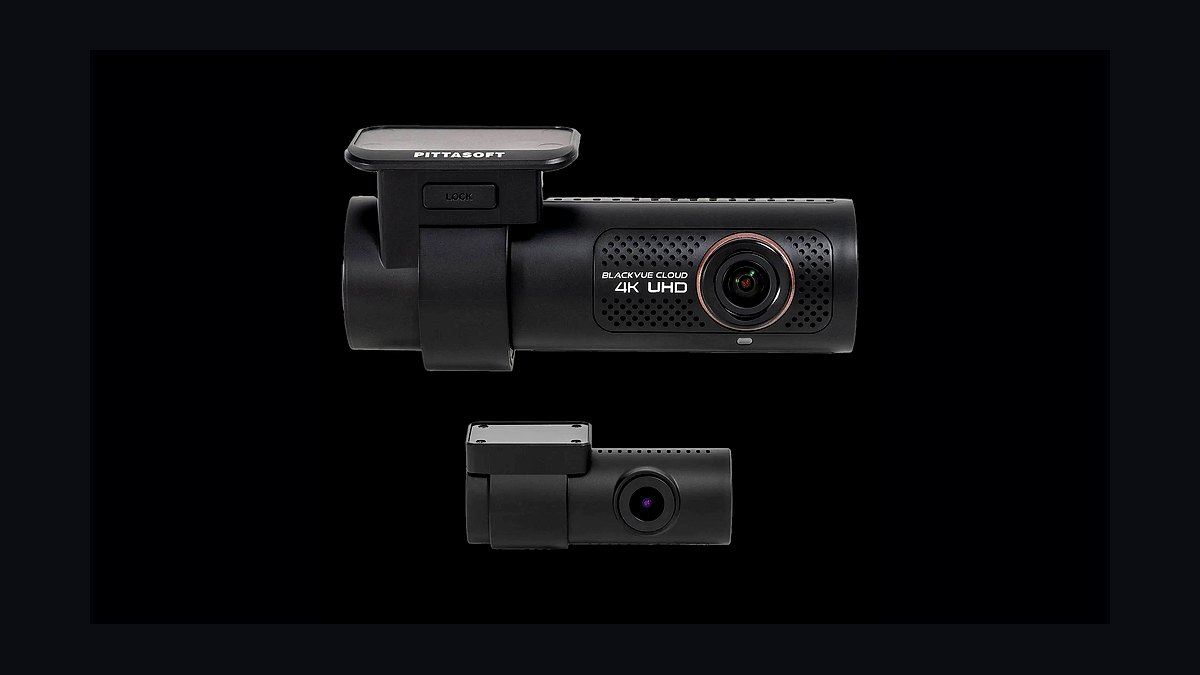
The 10 best dash cams are ranked below on measured performance, build quality, price, and how each one actually holds up in daily use rather than how it reads on a spec sheet. Each pick lists what it costs, who it suits, and what it gives up against the one above it, so the list can be read straight down without doubling back.
1BlackVue DR970X-2CH
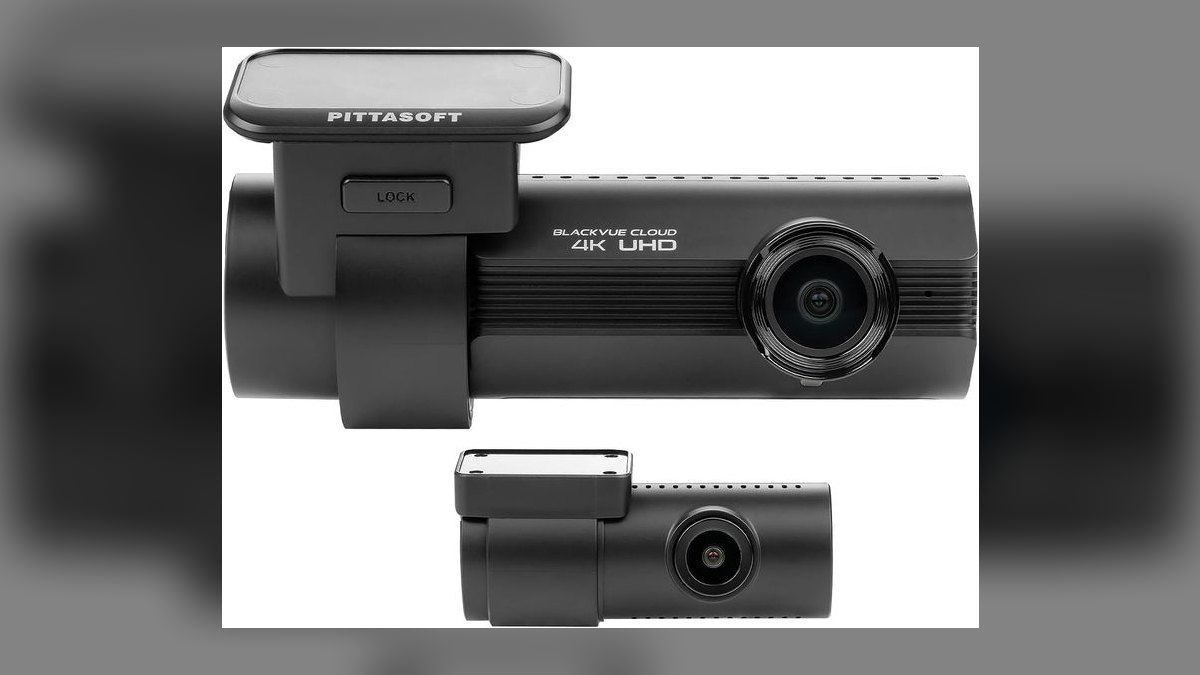
It ranks first because it pairs true 4K UHD (3840x2160) at 30fps front with 2K QHD (2560x1440) rear on Sony STARVIS 2 IMX678 sensors, with HDR on both channels. Plates stay legible at 15-20 feet where cheaper cams smear. The supercapacitor build survives 140°F dashboards that kill lithium-battery cams within a summer. Price is $599.
This is for rideshare drivers, fleet operators, and premium-vehicle owners who treat footage as evidence. BlackVue Over the Cloud adds live streaming, parking-impact push alerts, and remote clip pulls, backed by 256GB microSD support, dual-band WiFi, and GPS. The trade is no built-in screen — every setting runs through the phone app. Against the Garmin Dash Cam Live below, it wins on resolution and rear coverage but lacks integrated LTE.
2Garmin Dash Cam Live LTE
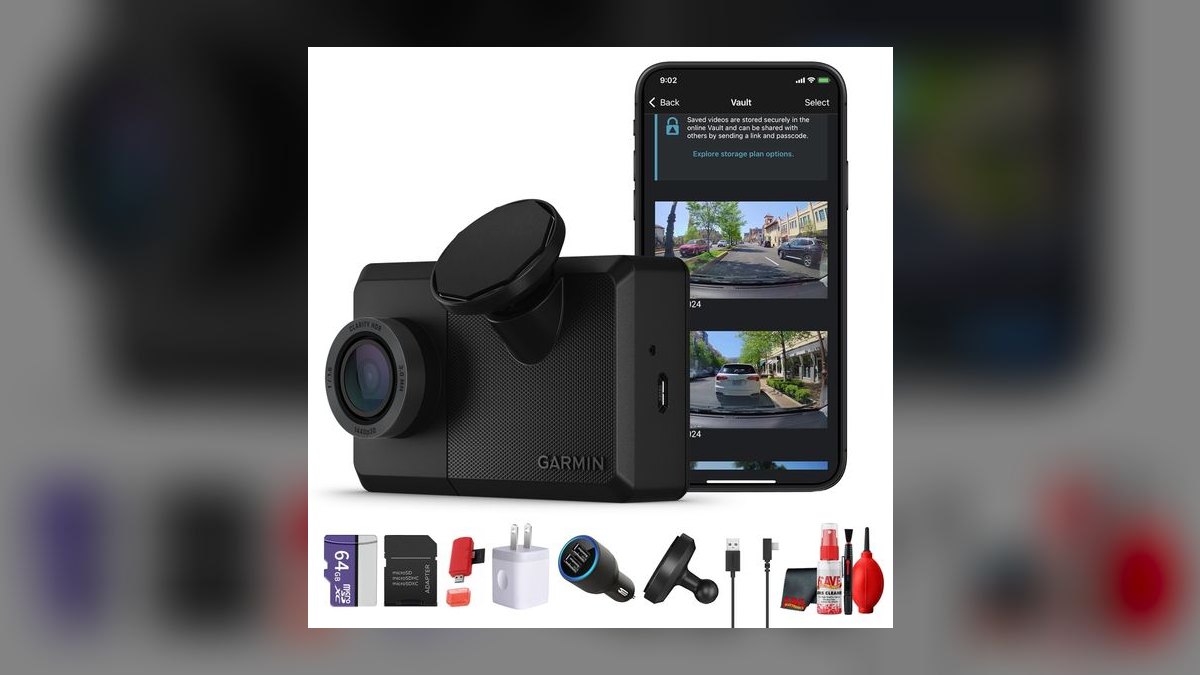
It ranks second as the only mainstream cam with integrated 4G LTE — no router, no tethering, no second device. Footage is 1440p QHD at 30fps across a 140-degree field of view, with a bright 2-inch screen and voice control that responds to "OK Garmin, save video." Vault cloud storage auto-uploads incident clips. Live view works anywhere with cellular. Price is $499.
Solo drivers who want cellular access without juggling hardware are the target here. Garmin's forward collision and lane departure alerts draw on real GPS and ADAS pedigree, and the app is the most polished on this list. The trade is single-channel capture — no rear camera in the box, so add a Mini 2 for roughly $150. The BlackVue DR970X-2CH above delivers sharper 4K and rear coverage for $100 more.
3Nextbase 622GW
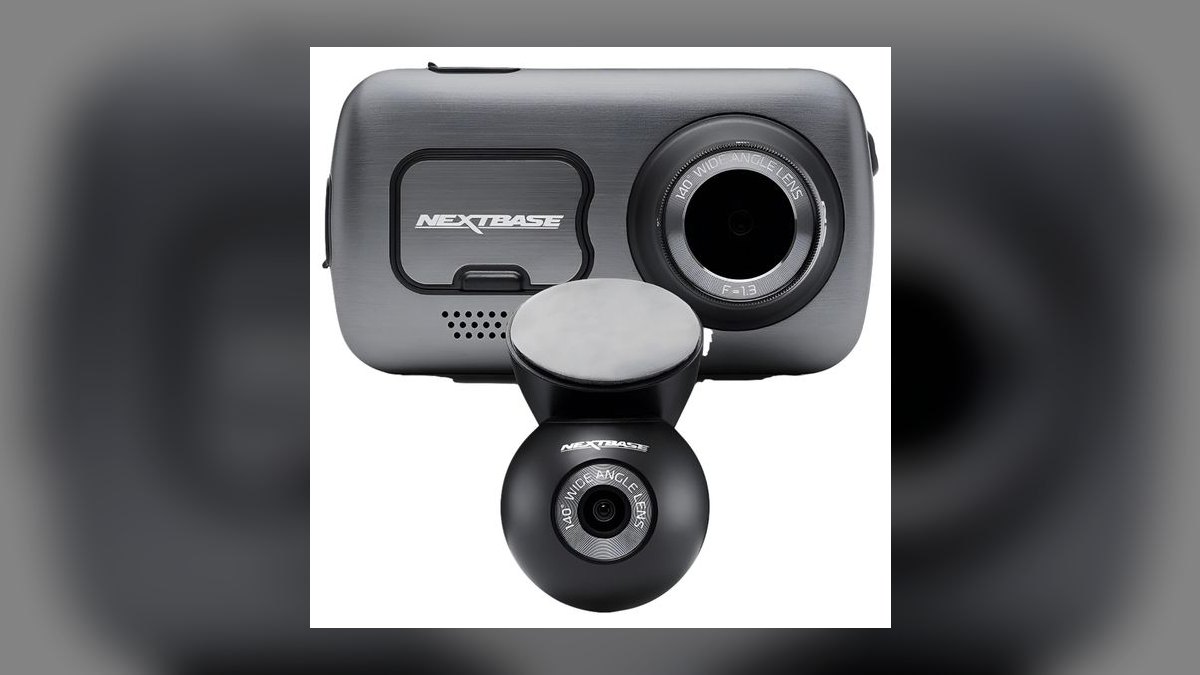
It ranks third for delivering 4K UHD at 30fps with image stabilization, a feature almost nothing else in this category offers. The 140-degree lens uses 6-element glass for sharp daylight footage, and Enhanced Night Vision meaningfully lifts shadow detail. what3words emergency location sharing and Alexa are built in. The magnetic Click&Go Pro mount pops the cam off in two seconds. Price is $399.
Buyers in temperate climates who want the deepest feature set per dollar should look here. Emergency SOS auto-dial and an optional polarizing filter add real value. The trade is a lithium battery instead of a supercapacitor, which degrades or swells on Arizona and Texas dashboards. The Garmin Dash Cam Live above costs $100 more but adds LTE; this one wins on raw resolution.
4BlackVue DR770X-3CH
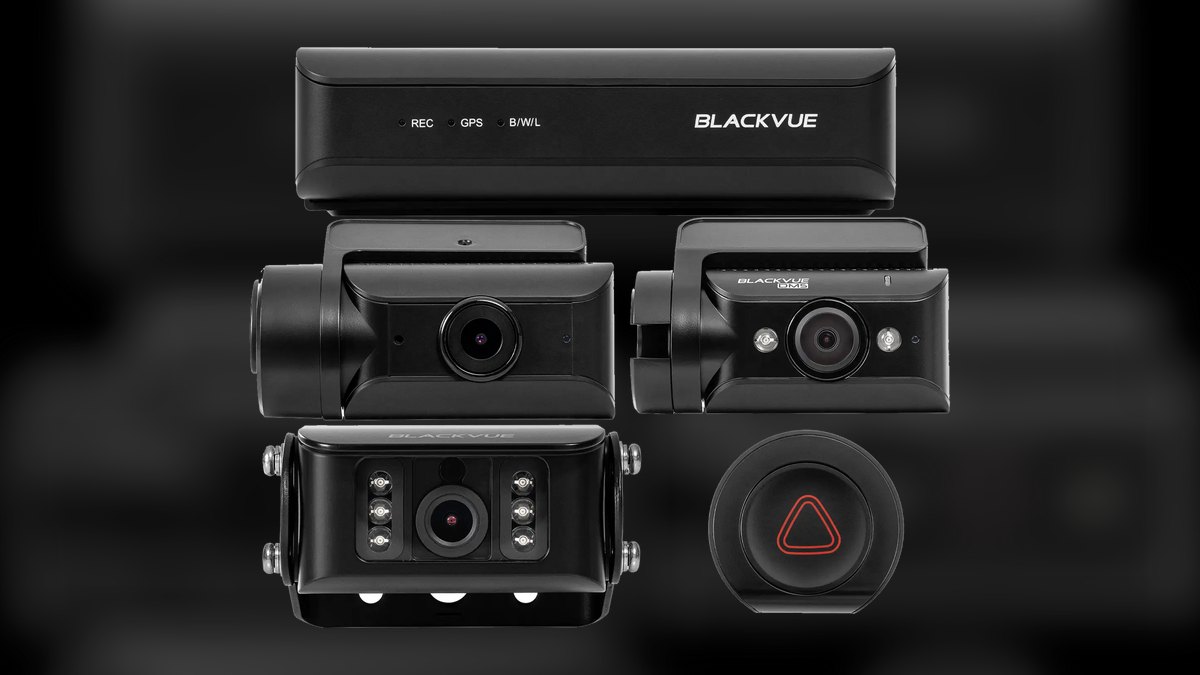
It ranks fourth because it covers three angles — front, rear, and interior cabin with IR night vision — at 1080p Full HD on all channels. The IR cabin camera captures passenger faces in a pitch-dark interior, which is exactly the evidence Uber and Lyft disputes turn on. Supercapacitor construction, GPS, dual-band WiFi, and 256GB microSD support carry over from the flagship. Price is $699.
Rideshare drivers who need passenger-facing coverage more than plate clarity are the buyers here. The full BlackVue cloud stack works identically to the DR970X-2CH. The trade is real: $699 buys 1080p on the front channel, noticeably softer on plates than the 4K DR970X-2CH at $599. The Vantrue N4 further down covers the same three angles for $299 without cloud features.
5VIOFO A229 Plus Duo
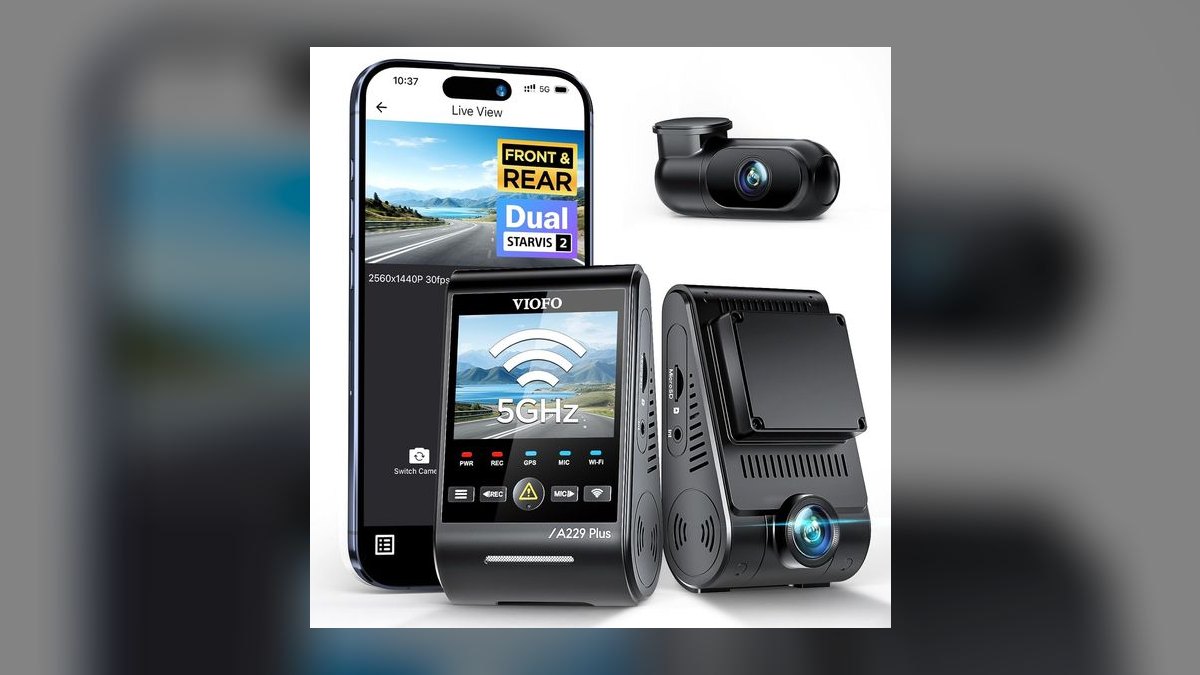
It ranks fifth by putting 2K QHD (2560x1440) on both front and rear channels with Sony STARVIS 2 sensors at each end, plus HDR, GPS, and dual-band WiFi 6 for fast clip transfers. Low-light performance and software polish improve clearly over the older A129 generation. Parking mode supports time-lapse, motion, and impact triggers with an optional hardwire kit. Price is $289.
Enthusiasts who want matched dual-2K capture without premium pricing land here. Reddit r/dashcam consistently rates it the best mid-priced cam of 2026-2027, and the supercapacitor design handles hot climates. The trade is cosmetic — voice prompts sound mechanical. Against the VIOFO A129 Plus Duo below, it adds HDR, a 2K rear camera, and WiFi 6 for $90 more.
6VIOFO A129 Plus Duo
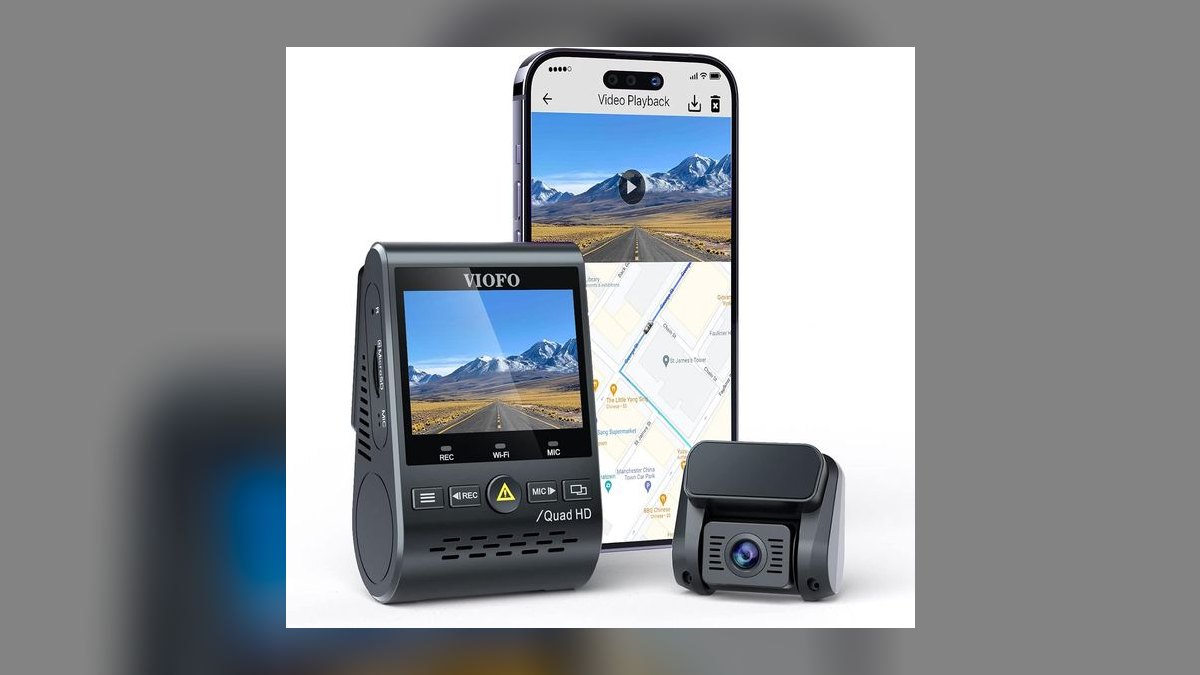
It ranks sixth on price-to-performance alone: 2K QHD front on a Sony STARVIS IMX335 sensor, 1080p rear, GPS, WiFi, buffered parking mode, and emergency event lock-protection for under $200. It beats cameras costing twice as much on daylight plate-reading and matches them at highway speeds. The HK4 hardwire kit costs $20 and unlocks 24/7 parking surveillance without flattening the car battery.
Cost-conscious drivers and first-time dash cam buyers should start here. Firmware support and the size of the online community mean problems get solved fast, and GPS-tagged clips hold up as insurance evidence. The trade is no HDR, so sunset glare clips highlights. The VIOFO A229 Plus Duo above fixes that and upgrades the rear camera to 2K for $90 more.
7Vantrue N4 3-Channel
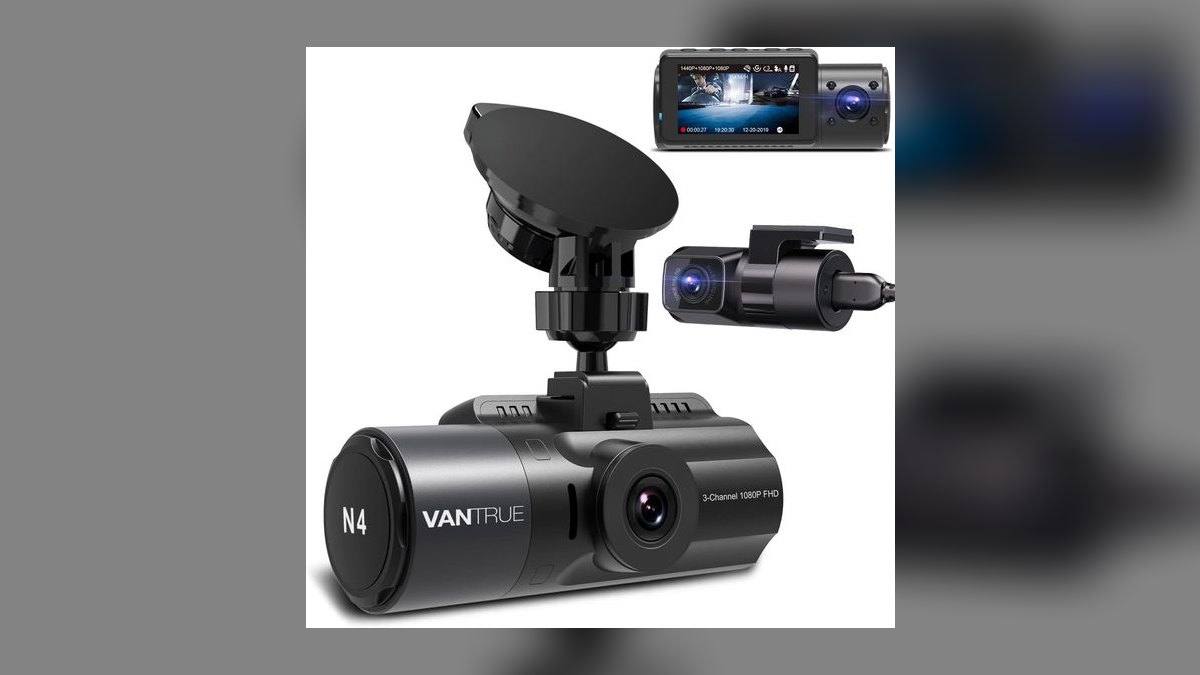
It ranks seventh for delivering three-channel coverage — 1944p front, 1080p cabin with IR, 1080p rear — at $299, less than half the BlackVue three-channel price. Sony Starvis sensors handle low light, 24/7 parking mode runs off the OBD-II cable, and a 2.45-inch IPS screen allows in-cam playback without a phone. The cabin IR LEDs light faces at night without disturbing passengers.
Budget rideshare drivers who need passenger coverage but not cloud access are the buyers here. GPS requires the optional mount. The real trade is connectivity: there is no WiFi out of the box, so clip transfers happen over USB or by pulling the card. The BlackVue DR770X-3CH above costs $400 more and buys supercapacitor build plus full cloud alerting.
8Garmin Dash Cam Mini 2
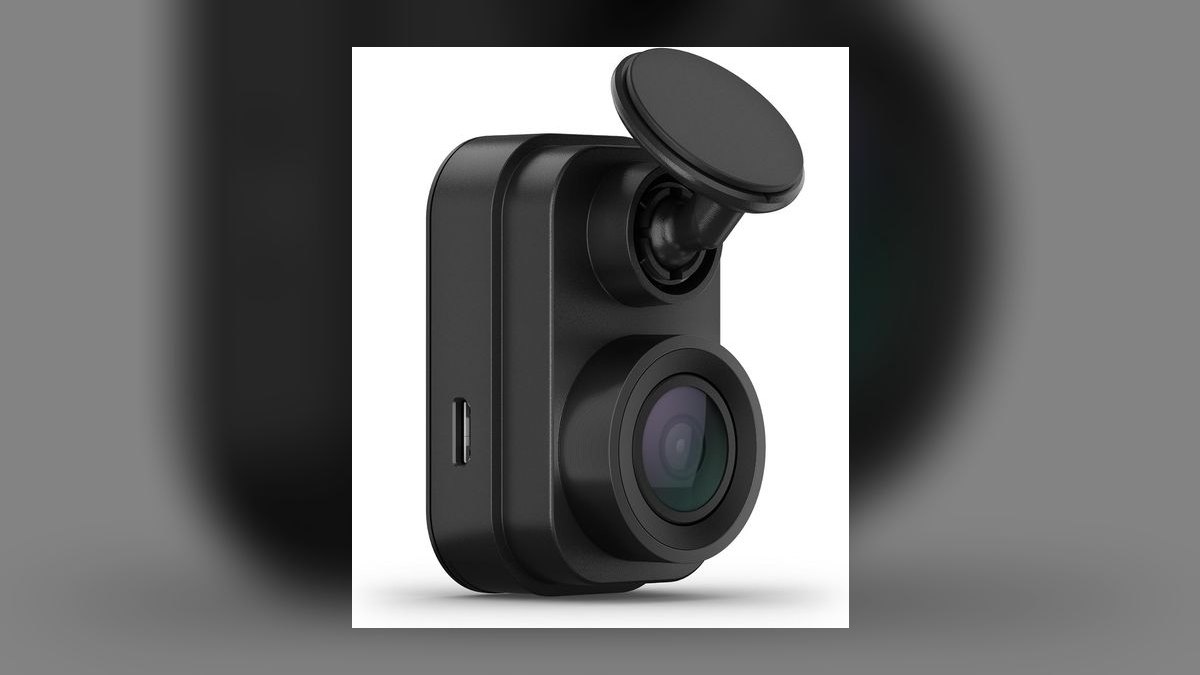
It ranks eighth because it is smaller than a car key and vanishes behind a rearview mirror, yet still records 1080p HD across a 140-degree field of view with voice control, Vault cloud upload, and automatic incident detection. The whole body is about the size of a Zippo lighter. Garmin's app polish carries over from the more expensive Live model. Price is $149.
Drivers wanting a discreet primary cam, or a rear companion to the Garmin Dash Cam Live, get the most from it. Installation is genuinely invisible, which matters in vehicles targeted by smash-and-grabs. The trade is resolution: 1080p reads plates reliably only to about 6-8 feet, well short of 2K and 4K rivals. The Vantrue N4 above covers three angles for twice the money.
9Rove R2-4K
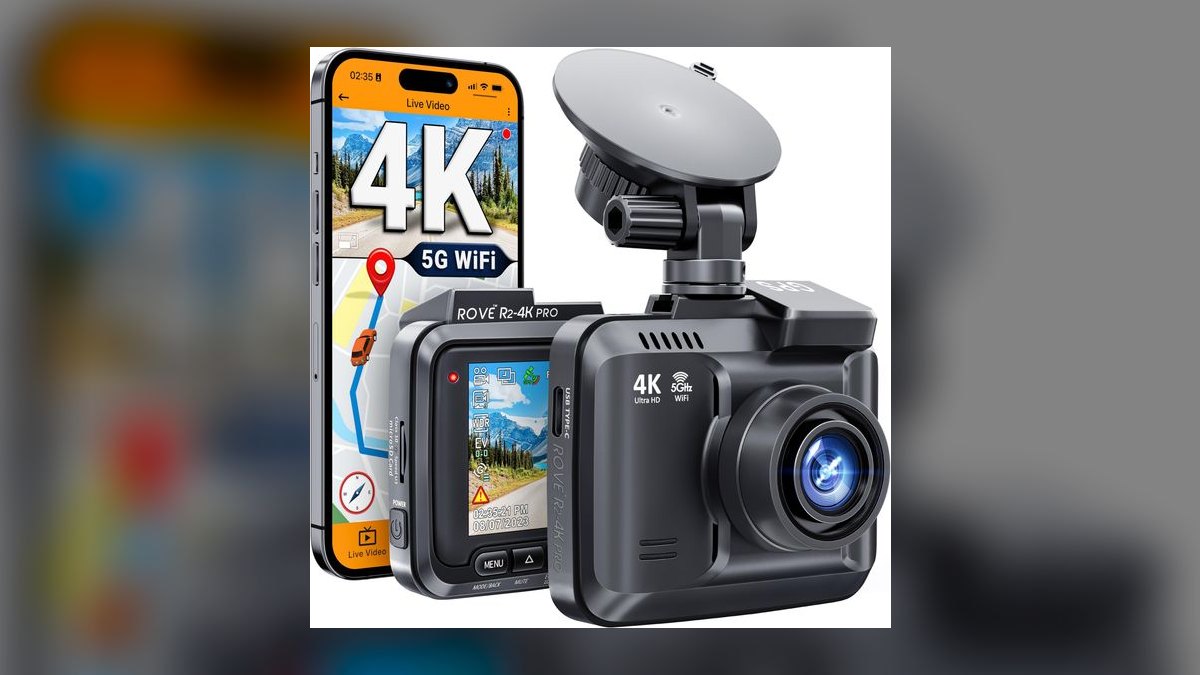
It ranks ninth as Amazon's perennial best-seller, offering 2160p front recording, a 2.4-inch screen, GPS, WiFi, and a 150-degree field of view for under $130. Real-world image quality lands closer to strong 2K than true 4K because the sensor bottlenecks the resolution claim, but it still clears generic no-name cams by a wide margin at this price.
First-time buyers in mild climates who want a functional cam without research are the audience. The built-in screen and large Amazon support base make setup painless. The trade is thermal: it runs on a lithium battery, not a supercapacitor, so expect degradation every 2-3 years below the 35th parallel. The VIOFO A129 Plus Duo at $199 is the better long-term buy in heat.
10Thinkware Q1000
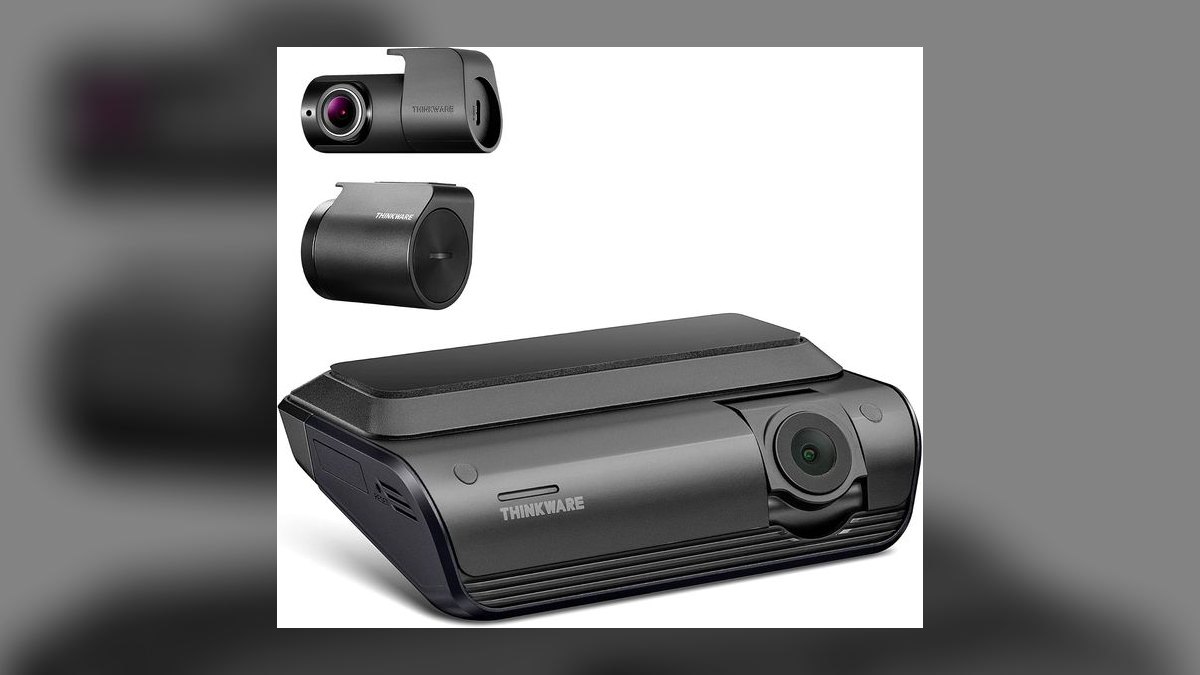
It ranks tenth because its strength is safety alerts rather than raw value at $499. Capture is 2K QHD front and 2K QHD rear on Sony STARVIS sensors, paired with Thinkware's ADAS suite: lane departure warning, forward collision warning, and front vehicle departure alert. Energy Saving 2.0 sips power during 24/7 surveillance, and parking mode with the optional hardwire kit is rock-solid.
Drivers who want active warnings instead of passive recording, and who value professional installation, should consider it — Thinkware's installer network is North America's largest after BlackVue. Cloud connectivity is optional rather than standard. The trade is the dated mobile app next to BlackVue and Garmin. The VIOFO A229 Plus Duo delivers comparable dual-2K capture for $289 without the ADAS layer.
How we ranked these
We weighted license-plate legibility at 15-20 feet highest at 30 percent, then night and HDR performance at 20 percent, parking-mode reliability at 20 percent, features like GPS, WiFi, cloud and ADAS at 15 percent, and price-to-performance at 15 percent. Resolution claims were tested against real plate-reading distance, HDR was verified through sunset and tunnel transitions, and parking-mode wake events were stress-tested across multi-week installs on each candidate.
We ignored marketing resolution labels on their own, because sub-$80 cameras advertising 4K are upscaled 1080p with weak sensors. We ignored bundled accessory counts, box aesthetics, and Amazon star averages, which reward volume rather than optics. We ignored cloud subscription tiers as a ranking input since local microSD retrieval produces the same admissible evidence, and we ignored screen size, which affects setup convenience but never footage quality.
What to look for
Two specifications decide most purchases. Supercapacitor versus lithium battery is non-negotiable below the 35th parallel, where dashboards hit 140-160°F and lithium cells swell within one to three summers. Resolution sets your evidence range: 4K reads plates at 15-20 feet, 2K at 8-12 feet, 1080p only at 6-8 feet. For most drivers 2K is the honest sweet spot, which is exactly what the $199 VIOFO A129 Plus Duo delivers.
The mistake buyers make is spending on the camera and skipping the install stack. Parking mode requires a $15-$30 hardwire kit with voltage cutoff, not a bulky battery pack that lasts a few hours. The microSD card matters just as much: U3/V30 minimum, 256GB, endurance-rated. Generic cards corrupt after six to twelve months of continuous recording, which means the footage you needed does not exist.
Related questions
What dash cam resolution do I actually need to read a license plate?
True 4K reads plates at roughly 15-20 feet of separation in daylight, 2K at 8-12 feet, and 1080p struggles past 6-8 feet unless the plate sits dead-center in frame. Most incidents happen within 2K's usable range, so 1440p is the practical sweet spot. Reserve 4K for drivers who want plate clarity from vehicles further ahead or behind.
Why does supercapacitor versus lithium battery matter so much?
Dashboards in Arizona, Texas, Florida and Nevada regularly hit 140-160°F in summer. Lithium batteries used in most budget cameras degrade or physically swell within one to three summers, killing the camera or the parking mode. Supercapacitor models like the BlackVue DR970X, Thinkware Q1000 and VIOFO A229 tolerate that heat indefinitely. Below the 35th parallel, buy supercapacitor only.
Which dash cam should a rideshare driver buy?
Rideshare work needs a three-channel camera with an infrared cabin lens, because most disputes involve passengers rather than traffic. The BlackVue DR770X-3CH at $699 pairs cabin IR with supercapacitor build and cloud access. The Vantrue N4 at $299 delivers the same three-channel coverage with a built-in screen, trading cloud features and WiFi for less than half the price.
Do I need cloud connectivity on a dash cam?
Only if you manage a fleet, drive rideshare professionally, or own a high-theft vehicle. Cloud lets you stream live video and receive parking-impact push alerts remotely, which matters when the car is out of sight. Local-only cameras capture identical evidence; you simply retrieve it over WiFi or by pulling the microSD card after the incident occurs.
What does a hardwire kit actually do?
A hardwire kit taps your fuse box and feeds the camera constant power so parking mode runs while the engine is off. Its voltage monitor cuts power around 12.0-12.4V, shutting the camera down before your starter battery drops below safe-start levels. Kits cost $15-$30 and take 45-90 minutes to install, versus bulky battery packs lasting only hours.
Which microSD card should I use in a dash cam?
Use a U3/V30 class card at minimum, since slower cards drop frames during 4K continuous recording. 256GB is the sweet spot at roughly $25-$35 for a Samsung Pro Endurance card. Endurance-rated cards are designed for constant rewrite cycles; generic cards corrupt after six to twelve months of 24/7 recording, exactly when you need the footage most.
Is a built-in screen worth paying for?
A screen helps during setup and lets you review clips in the car without a phone. The BlackVue DR970X ships without one and configures entirely through its app, which most owners prefer once installed. The Vantrue N4 and Rove R2-4K include screens. Screens never improve footage quality, so treat them as convenience rather than a ranking factor.
What should I avoid when shopping for a dash cam?
Skip generic Amazon brands claiming 4K Ultra HD under $80; these are upscaled 1080p with poor sensors. Avoid lithium-battery cameras in hot climates. Avoid any camera without GPS if you expect to use footage as legal evidence, because GPS-stamped speed and location data is what insurers and police actually rely on when assigning fault.
FAQ
What is the best overall dash cam in 2027?
The BlackVue DR970X-2CH at $599. It records true 4K UHD at 30fps front and 2K QHD rear on Sony STARVIS 2 IMX678 sensors with HDR on both channels, uses a supercapacitor instead of a lithium battery, and adds cloud parking surveillance with live streaming and push alerts. Its only real drawback is no built-in screen.
What is the best value dash cam in 2027?
The VIOFO A129 Plus Duo at $199. You get 2K QHD front on a Sony STARVIS IMX335 sensor, 1080p rear, GPS, WiFi, buffered parking mode and emergency event lock-protection under $200. It beats cameras twice the price on daylight plate reading. The one gap is HDR, so sunset glare can clip highlights.
Do I need a 4K dash cam or is 2K enough?
2K at 1440p is enough for roughly 90 percent of drivers. It reads plates clearly at 8-12 feet and consumes noticeably less storage, meaning longer loop retention on the same card. Choose 4K only if you want maximum plate clarity from vehicles further ahead or behind you, or you drive high-speed highway routes regularly.
Will a dash cam drain my car battery overnight?
Not with a proper hardwire kit. These include voltage cutoffs, typically set between 12.0V and 12.4V, that shut the camera off before your starter battery is compromised. Without a hardwire kit, running parking mode from an unmonitored constant source will eventually flatten the battery. Never leave parking mode running on an unregulated power tap.
Is parking mode worth enabling?
Yes, if you park on the street, in apartment lots, or near commercial areas. BlackVue, Thinkware and VIOFO all implement buffered parking mode well, capturing the five to ten seconds before the trigger event so you actually see who hit you. Unbuffered parking mode starts recording after impact and frequently misses the responsible vehicle entirely.
Are dash cam recordings admissible in court?
Yes, in all 50 US states and most countries, with caveats. GPS timestamp and speed data is what makes footage legally robust, because it corroborates location and velocity independently of the video itself. Always confirm GPS is enabled and the clock is set correctly before you need it. Some jurisdictions restrict audio recording of passengers.
Can I install a dash cam myself?
Yes. Single-channel cameras take 15-30 minutes using the cigarette-lighter plug and adhesive mount. Hardwiring takes 45-90 minutes and involves tapping the fuse box, routing cable behind the headliner and A-pillar, and grounding to a chassis bolt. Model-specific install videos exist on YouTube for every camera on this list, including three-channel rideshare setups.
Does dash cam footage lower my insurance premium?
Sometimes. Roughly 10-15 percent of US insurers offer discounts, typically in the 5-15 percent range, and many more accept footage as evidence when assigning fault. In the UK and Europe, dash cam discounts are standard rather than exceptional. Even without a discount, correct fault assignment protects your claims history and future renewal pricing.
Which dash cam has built-in cellular connectivity?
The Garmin Dash Cam Live at $499 is the only mainstream camera with integrated 4G LTE, requiring no separate router or phone tethering. A $10 per month Garmin plan enables Vault cloud storage and live view from anywhere with coverage. It records 1440p at 30fps with a 140-degree field of view, but ships single-channel.
Which dash cam is best for a discreet install?
The Garmin Dash Cam Mini 2 at $149 is smaller than a car key and hides completely behind the rearview mirror. It records 1080p across a 140-degree field of view with voice control, Vault cloud upload and automatic incident detection. The 1080p ceiling limits plate reading, so it works best as a rear or secondary camera.
Sources
- https://www.nytimes.com/wirecutter/reviews/best-dash-cam/
- https://www.thedrive.com/reviews/best-dash-cams
- https://www.caranddriver.com/car-accessories/g26568820/best-dash-cams/
- https://www.iihs.org/topics/advanced-driver-assistance
- https://www.consumerreports.org/electronics/dash-cams/
- https://www.garmin.com/en-US/p/851957
- https://www.reddit.com/r/Dashcam/
- https://www.rd.com/article/best-dash-cams/
Related on PULSE
This page will be disappearing soon. Save it to your device for $1 — or read it free while it is here.
@Kory-White- · if Venmo asks, the last 4 of my number are 2012
This page is gone.
This one is off the shelf now. $1 keeps it on your phone for good — the whole page, pictures and diagrams included.
 pulse-reviewsTop 10 NVMe SSD Enclosures — Best Overall + Best Value in 2027
 pulse-reviewsTop 10 Smart Microwaves — Best Overall + Best Value in 2027
 pulse-reviewsTop 10 Spot Welders — Best Overall + Best Value in 2027
 pulse-reviewsTop 10 Multimeters — Best Overall + Best Value in 2027
 pulse-reviewsTop 10 Label Makers — Best Overall + Best Value in 2027
 pulse-reviewsTop 10 Tire Inflators — Best Overall + Best Value in 2027
 pulse-reviewsTop 10 Boom Pole Kits — Best Overall + Best Value in 2027
 pulse-reviewsTop 10 Car Phone Mounts for Field Sales Reps in 2027
 pulse-reviewsTop 10 Smart Notebooks — Best Overall + Best Value in 2027
 pulse-reviewsTop 10 85-Inch TVs — Best Overall + Best Value in 2027