


Top 10 Reciprocating Saws — Best Overall + Best Value in 2027
Quality
Certified
The 10 best reciprocating saws are ranked below on measured performance, build quality, price, and how each one actually holds up in daily use rather than how it reads on a spec sheet. Each pick lists what it costs, who it suits, and what it gives up against the one above it, so the list can be read straight down without doubling back.
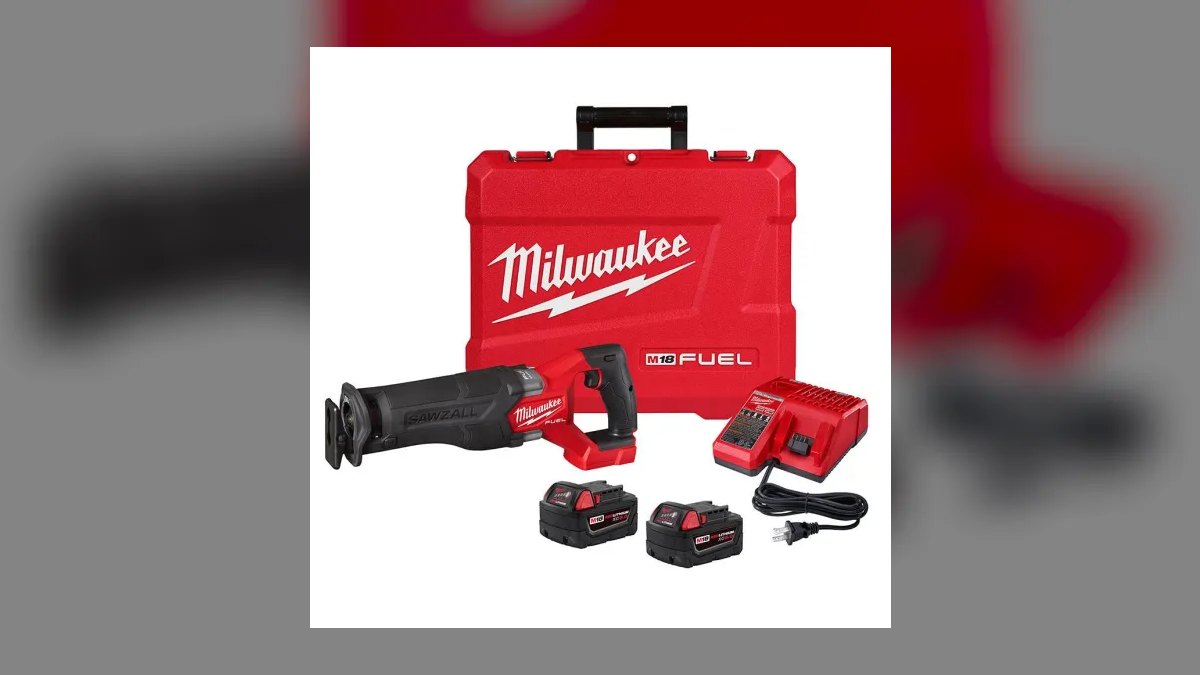
1Milwaukee M18 FUEL SAWZALL 2821-22
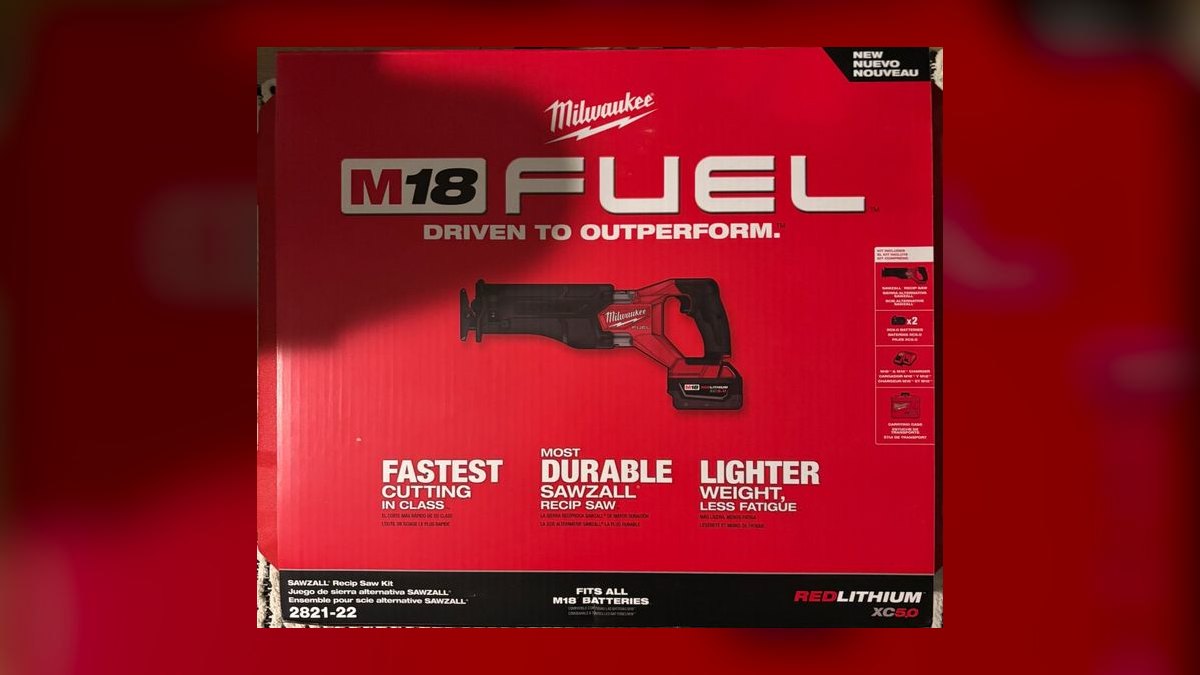
Ranks first because it pairs the longest stroke in the class with the deepest battery platform. The POWERSTATE brushless motor drives a 1-1/4" stroke at 3,000 SPM, cutting a 2x10 in roughly 8 seconds, and REDLINK PLUS electronics guard against overload when the blade binds. QUIK-LOK swaps blades in under 2 seconds. The kit runs $349 with two 5.0Ah packs, charger, and case.
Built for remodelers and demo crews who already own M18 batteries and cut every day. It weighs 8.4 lbs bare, so overhead work is tiring, and $349 is a hard sell if you own no M18 packs. Against the DEWALT DCS386B below it, the Milwaukee hits rated speed on a standard 5.0Ah battery instead of needing a 60V FLEXVOLT pack to get there. Warranty is 5 years on the tool.
2DEWALT DCS386B FLEXVOLT Advantage
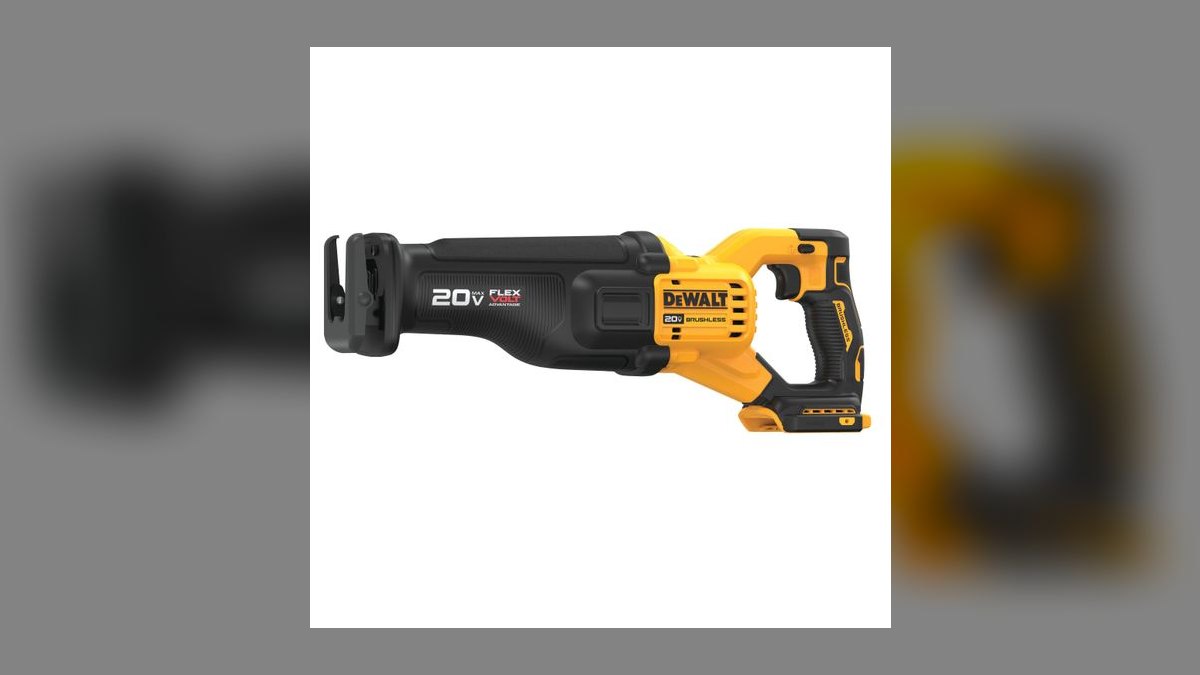
Ranks second on dual-voltage flexibility rather than outright speed. FLEXVOLT Advantage lets a 60V FLEXVOLT pack drop into the 20V tool and unlock higher motor draw, reaching 3,000 SPM on a 1-1/8" stroke. The brushless motor, keyless blade clamp, pivoting shoe, and bright LED are all standard. It weighs 8.3 lbs bare and sells for $229 without a battery.
This is the pick for buyers already deep in DEWALT 20V MAX who occasionally need 60V cut speed. The trade is real: on a standard 20V 5.0Ah pack the performance gap to FLEXVOLT is noticeable, so budget for a big battery. Compared with the Milwaukee 2821-22 above, it costs $120 less bare but makes you buy into FLEXVOLT to match that saw's cut times. Warranty is 3 years limited.
3Makita XRJ07T 18V LXT
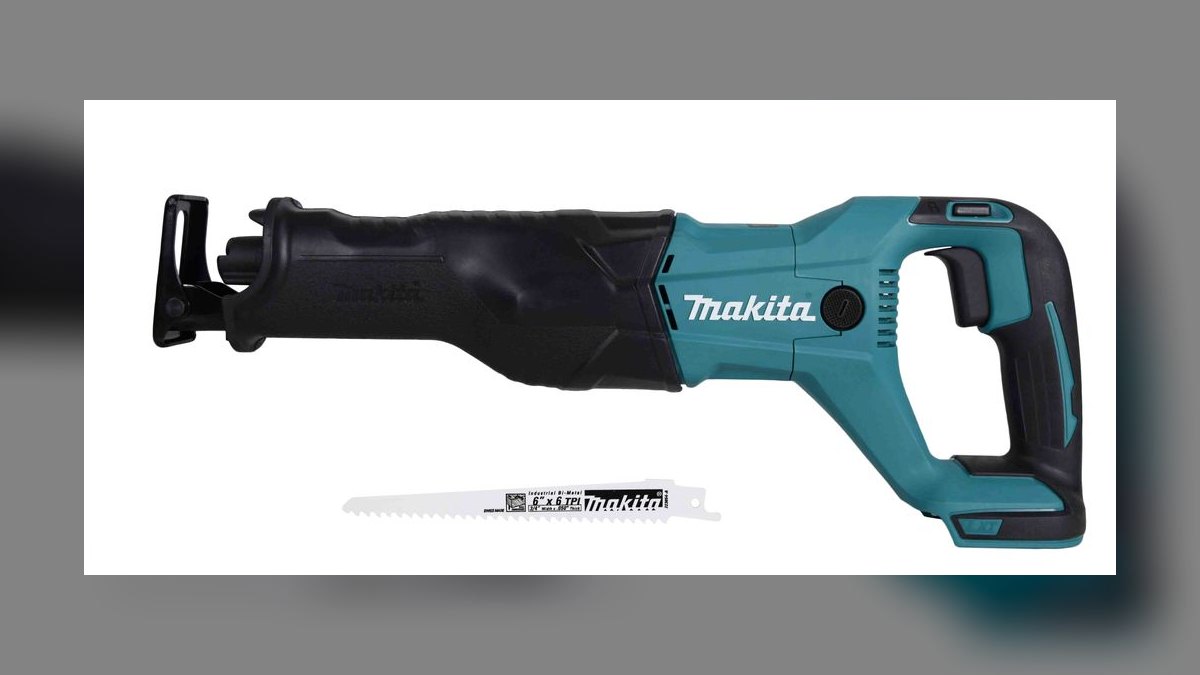
Ranks third because it trades a bit of aggression for the lowest vibration measured in the class. A counter-balanced mechanism cut vibration roughly 30% versus the prior XRJ06 in Pro Tool Reviews testing, while stroke stays at 1-1/4" and speed at 3,000 SPM. Brushless power, dual LEDs, electric brake, and soft start round it out. The kit runs $299 with a 5.0Ah battery, charger, and case.
Buy it if your hands have logged serious demo hours and you feel every stroke, especially on steady metal cuts. At 8.8 lbs with battery it is the heaviest cordless here, which punishes overhead work. Set against the Milwaukee 2821-22 near the top, it is smoother but no faster, and LXT's 275-plus tools only pay off if you already own the platform. Tool and battery carry 3-year coverage.
4Bosch GSA18V-125N Profactor
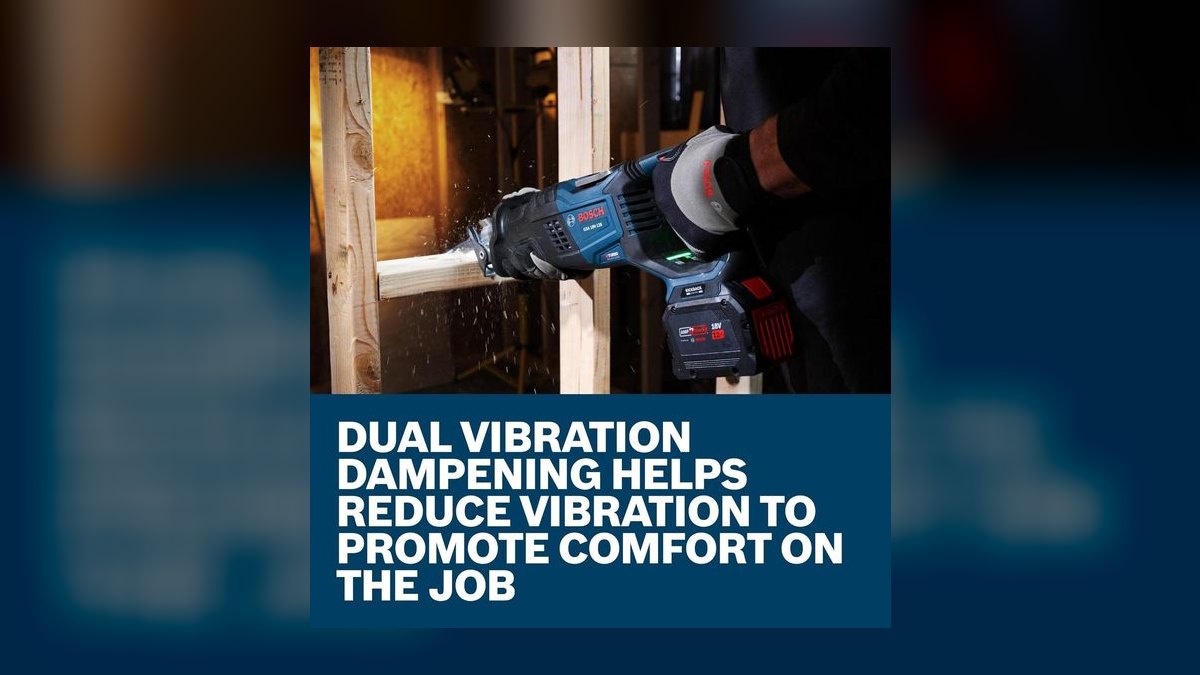
Ranks fourth for pro-grade specs held back only by platform reach. Biturbo brushless tech draws extra current from Profactor 8.0Ah and 12.0Ah packs to deliver a 1-1/4" stroke at 3,050 SPM, the highest rated speed among the full-size picks here. The rotating multi-position handle, adjustable shoe, and LED are standard. It sells for $219 bare and weighs 8.6 lbs.
Aimed at shops already in Bosch blue doing mixed wood-and-metal work, with trigger modulation refined enough for controlled plunge cuts. The catch is the smaller US battery ecosystem next to Milwaukee, DEWALT, and Makita, so a fresh buyer fragments their collection. Versus the Makita XRJ07T above, the rotating handle helps more in awkward overhead positions, but vibration control does not match Makita's counter-balanced mechanism.
5Milwaukee 6519-31 Corded Sawzall
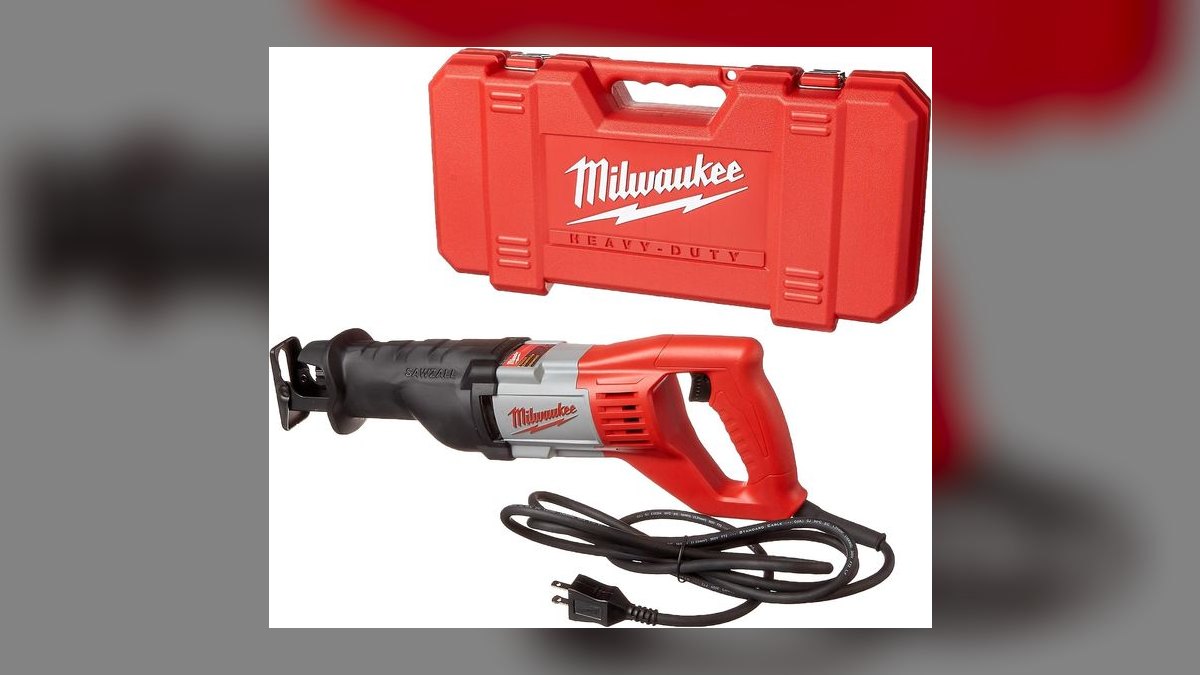
Ranks fifth as the best corded value from a pro brand at a $129 street price. The 12-amp motor runs 0-3,000 SPM on a 1-1/8" stroke with a counterbalance mechanism and a gear-protecting clutch that saves the drivetrain when a blade binds. At 7.5 lbs it is lighter than every cordless here because there is no battery, and the QUIK-LOK chuck matches the M18 saw exactly.
Made for shop and stationary demo work where an outlet is always within reach. Unlimited runtime and steady sustained power beat any 18V pack on long cuts, but the cord kills jobsite mobility and rules it out for roof or crawlspace work. Against the Bosch GSA18V-125N above, it costs $90 less and never needs charging, while giving up cordless freedom entirely. Warranty runs 5 years.
6Ryobi PBLRS01K One+ HP Brushless
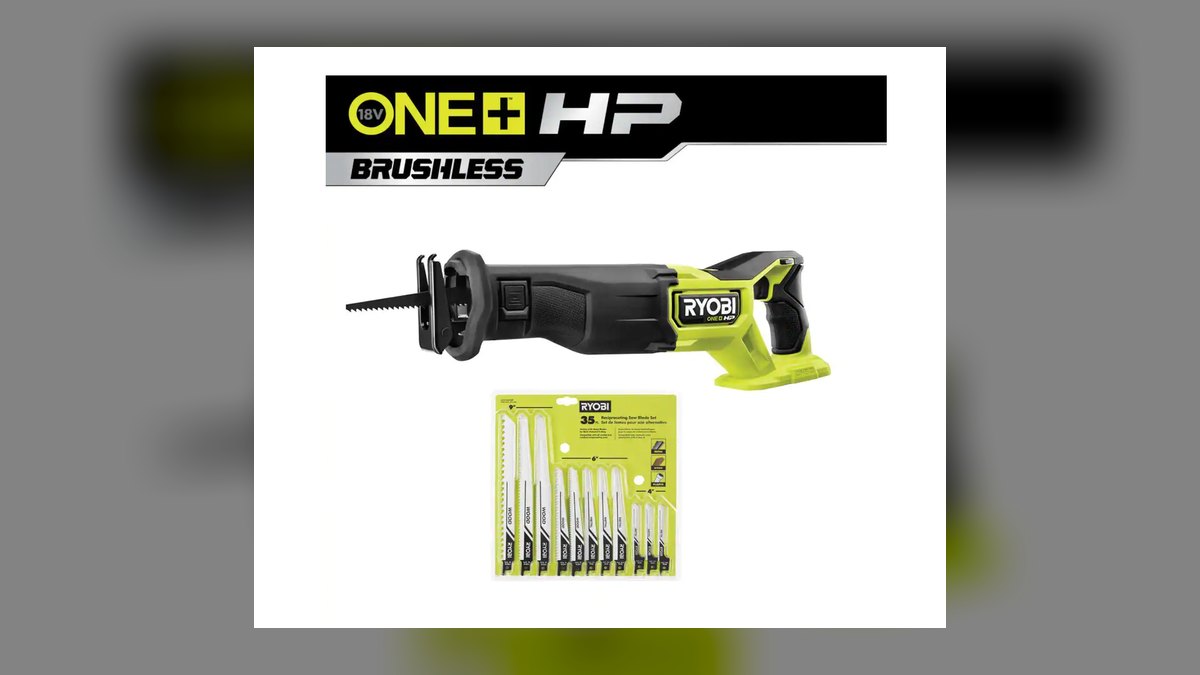
Ranks sixth and takes Best Value on price-to-performance alone. At $169 kitted with a 4.0Ah HP battery and charger, it delivers a brushless motor, 1-1/8" stroke, 3,200 SPM, tool-less blade change, LED, and adjustable shoe. Project Farm's cut-time tests placed it within 15% of the Milwaukee 2821 for roughly half the kit price. At 6.9 lbs bare it is among the lightest full-size saws listed.
Built for DIYers and side-hustlers, especially anyone already carrying One+ batteries across Ryobi's 300-plus tools. The plastic gear case is the compromise: it will not survive a drop off a roof the way the pro saws will. Compared with the Milwaukee 6519-31 corded above, it costs $40 more but frees you from the outlet. The 3-year warranty covers the battery too.
7Black+Decker BDCR20C 20V MAX
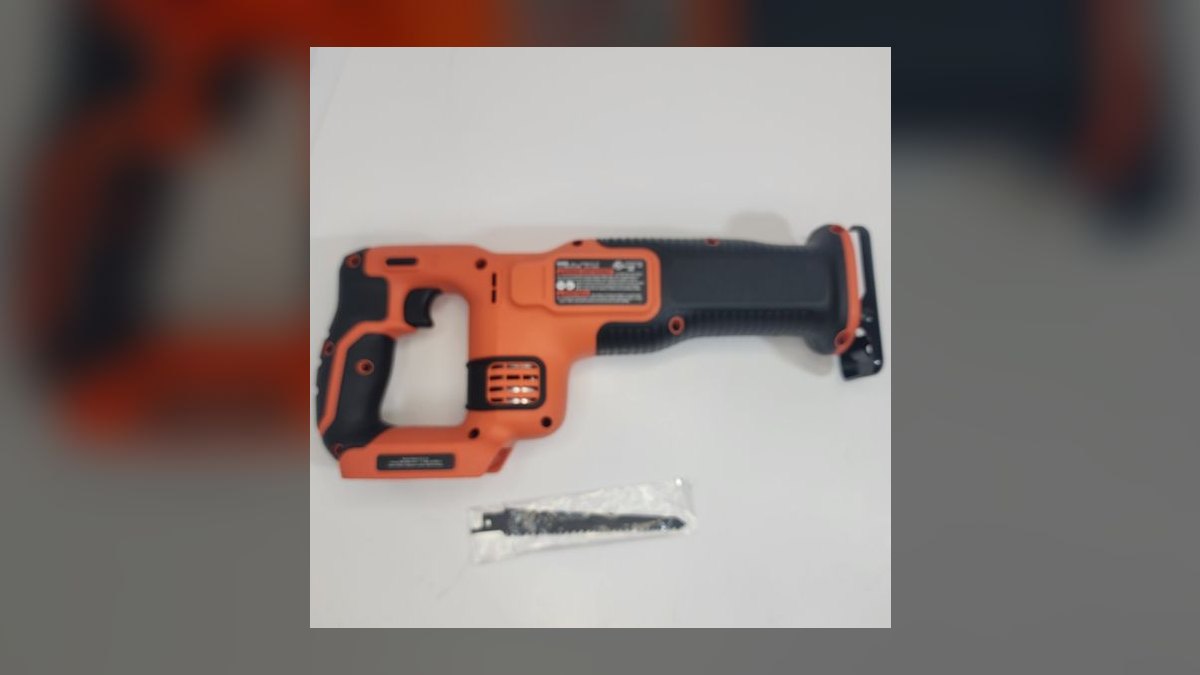
Ranks seventh because $89 buys a legitimate cordless saw with genuinely limited capability. The kit includes a 20V MAX 1.5Ah battery and charger, and the tool runs 3,000 SPM on a 7/8" stroke with a variable-speed trigger and tool-less blade change. At 5.5 lbs with the battery it is the lightest cordless on the list and easy to run one-handed for short stretches.
This one is for occasional homeowner use: pruning branches, one-off PVC cuts, light demo in a garage. The short stroke and low torque mean it bogs down in 2x material under sustained load, and the plastic gear case lacks metal reinforcement. Next to the Ryobi PBLRS01K above, it costs $80 less but gives up the brushless motor, a quarter inch of stroke, and real cut speed. Warranty is 2 years.
8DEWALT DWE304 10-Amp Corded
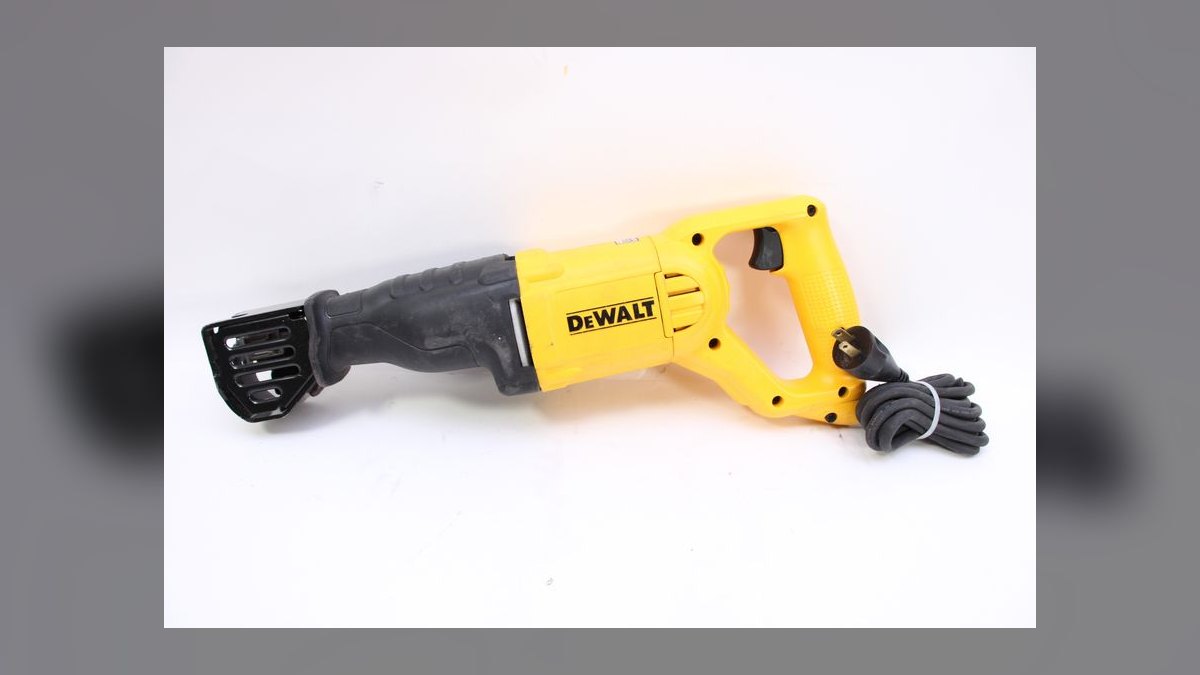
Ranks eighth on a genuinely useful chuck design at a $129 street price. The standout is the 4-position blade clamp: most saws lock blades teeth-down only, while this one rotates for sideways and upside-down cuts in tight spots. The 10-amp motor runs 0-2,800 SPM on a 1-1/8" stroke through a keyless lever-action chuck, and the tool weighs 7.0 lbs.
Best suited to shop owners who want a no-battery backup and to plumbers working around pipe in cramped bays. The limitation is amperage — 10 amps falls behind under heavy sustained load, and the cord rules out mobile work. Against the Milwaukee 6519-31 corded, it costs the same but gives up 2 amps and the gear clutch, buying the rotating blade clamp instead. DEWALT covers it for 3 years.
9Milwaukee M12 FUEL HACKZALL 2520-21XC
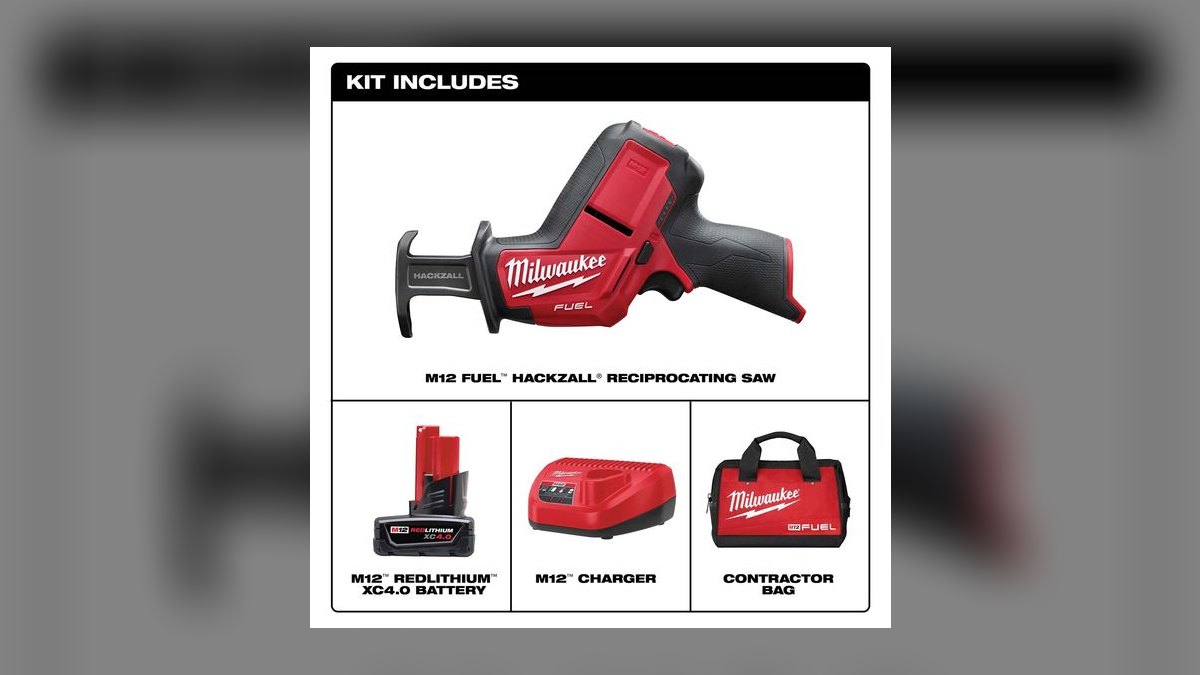
Ranks ninth because it wins on access, not power. At 3.9 lbs with the battery it is barely heavier than a cordless drill and runs comfortably one-handed, with an M12 FUEL brushless motor turning 3,000 SPM on a 5/8" stroke. A head-mounted LED lights the cut inside cabinets, and the shoe pivots. The kit is $169 with a 4.0Ah XC battery, charger, and case.
This is a plumber's and electrician's saw for cabinets, joist bays, and crawlspaces, and it makes sense if you already carry M12 drivers across that 125-plus tool platform. The 5/8" stroke is the price of admission — cuts slow noticeably in anything thicker than 1-1/2" material. Where the DEWALT DWE304 above handles bench-side pipe work, this one goes where a full-size saw physically cannot.
10SKIL RS582902 20V Brushless
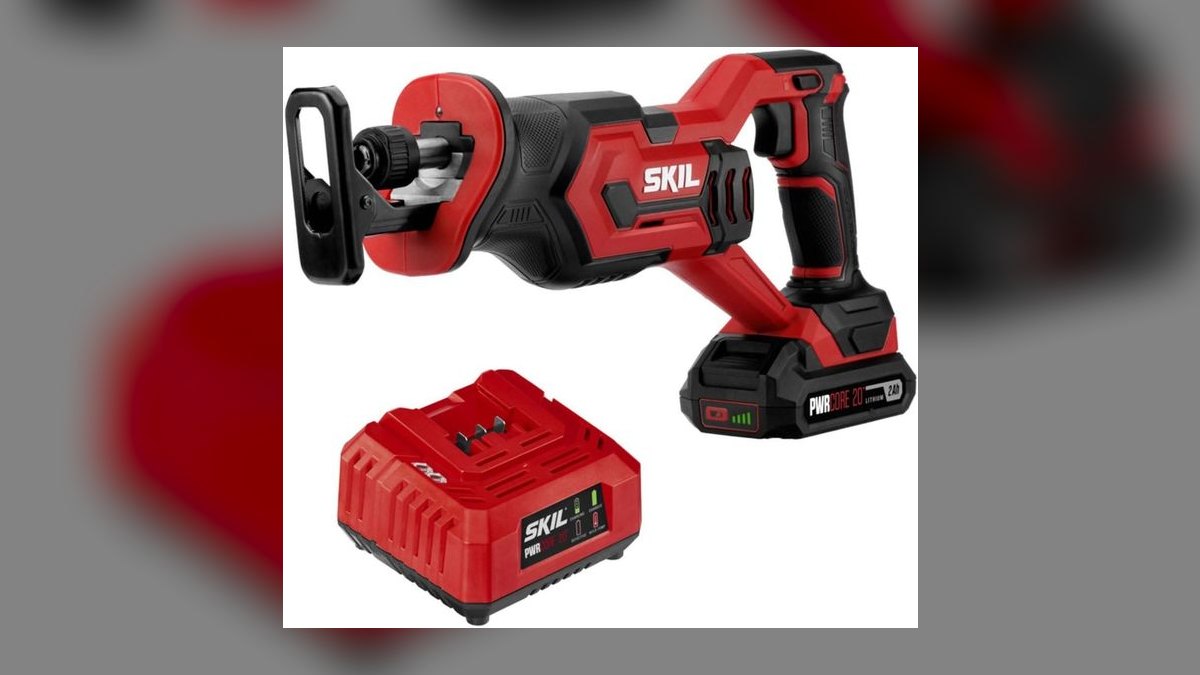
Ranks tenth as the sleeper budget pick: brushless power at $129 kitted with a 2.0Ah PWRCore battery and charger. Stroke is 1-1/8" at 2,800 SPM, with tool-less blade change and an LED, and it weighs 7.2 lbs with the battery. The metal gear housing beats the plastic found on other saws at this price, and SKIL backs the tool for 5 years — longer than most competitors here.
Aimed at budget buyers starting fresh who want brushless performance without committing to Ryobi. The trade is ecosystem: PWRCore is past 35 tools, far short of One+, so battery interchange is limited. Against the Ryobi PBLRS01K, it costs $40 less with a longer warranty and sturdier housing, but ships with a smaller 2.0Ah pack and turns 400 fewer strokes per minute.
How we ranked these
Cut speed and stroke length carried the heaviest weight because they determine how fast a saw actually removes material, followed by vibration and ergonomics for daily users, then runtime and platform fit against batteries buyers already own. Build quality and warranty length were scored next, with price-to-performance closing out the model. Timing data came from Pro Tool Reviews, Tool Box Buzz, and Project Farm's cut-time benchmarks, cross-checked against manufacturer spec sheets and long-term owner reports.
Marketing SPM numbers alone were ignored, since a 3,000 SPM saw with a 5/8-inch stroke removes less material per minute than a slower saw with a longer stroke. Bare-tool prices were normalized to street kit prices so cordless models weren't unfairly flattered, amperage-only comparisons between corded saws were skipped, and no-name sub-$60 saws with 1.5Ah batteries that die within minutes under load were excluded outright. Brand loyalty carried no independent weight.
What to look for
What matters most is stroke length, not the SPM number on the box: a 1-1/4-inch stroke moves roughly 40% more material per pass than a 7/8-inch stroke at the same speed, so cut speed claims in isolation are marketing, not performance. After stroke, battery platform decides the real cost: six existing M18 tools make the Milwaukee 2821-22 the obvious buy regardless of its $349 price.
The mistake most buyers make is shopping the sticker price and inheriting a dead-end battery: an $89 kit with a 1.5Ah pack runs about six minutes under load, then you're buying a spare battery, a second charger, and a tool that still bogs down in 2x material. The second mistake is fragmenting platforms — one Ryobi saw, one DEWALT drill, one SKIL driver means three chargers and zero interchange when a battery dies mid-job.
Related questions
What's the difference between a Sawzall and a reciprocating saw?
Nothing functional — Sawzall is Milwaukee's trademarked name, registered in 1951, that became genericized the way Kleenex and Xerox did. Every major brand sells the same tool under its own label: DEWALT and Bosch call theirs reciprocating saws, Makita uses recipro saw, and Milwaukee's compact version is the Hackzall. Blades are cross-compatible across brands via the standard universal shank.
Is a corded reciprocating saw still worth buying in 2027?
Yes, if you cut at a bench. The Milwaukee 6519-31 draws 12 amps continuously at $129 and weighs 7.5 pounds because it carries no battery. Cordless has closed the speed gap, but nothing matches a corded saw for sustained heavy cutting or unlimited runtime. Buy corded as a shop tool or backup, not as your only saw.
When should a compact one-handed saw replace a full-size one?
When access beats power. The Milwaukee M12 Hackzall 2520-21XC weighs 3.9 pounds and fits inside cabinets, joist bays, and crawlspaces where an 8-pound saw can't swing. Its 5/8-inch stroke slows noticeably past 1-1/2 inches of material, so plumbers and electricians typically carry it alongside a full-size saw rather than instead of one.
Does orbital action actually cut faster?
In wood, meaningfully. Orbital action adds a forward-and-back oscillation to the blade path so teeth bite deeper per stroke, speeding rough demo and framing cuts. Switch it off for metal and PVC, where the oscillation chatters the blade, shortens blade life, and leaves ragged edges. Milwaukee, DEWALT, Makita, and Bosch all offer selectable orbital settings on their pro-grade saws.
How does FLEXVOLT Advantage change DEWALT's performance?
The DCS386B is a 20V tool that detects a 60V FLEXVOLT pack and unlocks higher motor draw, reaching 3,000 SPM on a 1-1/8-inch stroke. On a standard 20V 5.0Ah battery it still performs, but the gap to rated speed is noticeable. Buy it bare at $229 and budget for a FLEXVOLT pack, or you won't see the numbers on the spec sheet.
Which reciprocating saw is best for plumbers?
Two picks split the job. The Milwaukee M12 Hackzall 2520-21XC handles under-sink and in-cabinet work one-handed at 3.9 pounds. For bench and rough-in work, the DEWALT DWE304's 4-position blade clamp rotates sideways and upside-down for flush cuts in tight spots — a genuinely useful feature most saws skip at any price point.
How much does vibration matter for daily users?
A great deal — hand-arm vibration syndrome in framers running high-vibration saws day after day is cumulative, not acute, and well documented by trade publications. The Makita XRJ07T's counter-balanced mechanism measured roughly 30% lower vibration than the prior XRJ06, and both the Milwaukee 2821 and Bosch GSA18V-125N dampen meaningfully too. Worth the premium if you cut daily.
FAQ
Which reciprocating saw is best overall in 2027?
The Milwaukee M18 FUEL SAWZALL 2821-22 at $349 kitted. Its 1-1/4-inch stroke, 3,000 SPM, and POWERSTATE brushless motor cut a 2x10 in roughly eight seconds while outlasting competing 18V platforms on a single 5.0Ah battery. It carries a 5-year tool warranty and taps M18's 250-plus tool ecosystem, which matters more than the saw itself for most working pros.
What's the best value reciprocating saw?
The Ryobi PBLRS01K One+ HP Brushless at $169 kitted with a 4.0Ah battery and charger. You get a brushless motor, 1-1/8-inch stroke, 3,200 SPM, tool-less blade change, and 6.9 pounds bare — less than half the Milwaukee's price for performance within roughly 15% on cut-time tests. The 3-year warranty covers the battery too.
How long do reciprocating saw blades last?
A quality 6-inch bi-metal blade cuts roughly 30 to 50 nail-embedded 2x4s before dulling noticeably. Carbide-tipped blades run $15 to $25 each but last five to ten times longer, which pencils out fast on demo-heavy work. Diablo, Milwaukee Torch, and DEWALT FlexVolt are the consensus picks among pros for both blade categories.
Do I need a brushless motor?
For daily professional use, yes — brushless extends runtime 30 to 50% and roughly doubles tool life since there are no brushes to wear and fewer friction losses. For occasional homeowner cutting like pruning, a PVC run, or one bathroom demo, a brushed motor is fine and saves $40 to $80 off the purchase price.
What stroke length should I get?
For general demo and framing, look for 1-1/8 or 1-1/4 inches. For compact one-handed saws used in cabinets and joist bays, 5/8 to 7/8 inch is the practical range, and anything under a half inch is hobby-grade. Stroke predicts cut speed better than SPM does, so chase stroke length first and treat SPM as secondary.
Can a reciprocating saw cut through metal pipe?
Yes. Pair a bi-metal or carbide-tipped blade rated 18 to 24 TPI with orbital action switched off, then let the saw's weight do the feeding instead of pushing into the cut. Steel rebar up to 3/4 inch cuts cleanly with the Milwaukee 2821 or Makita XRJ07T. Slower blade speed and steady pressure extend blade life considerably on metal.
How much should I spend on a reciprocating saw?
Around $129 to $169 covers a legitimate brushless saw, like the SKIL RS582902 at $129 or the Ryobi PBLRS01K at $169. Pro-grade cordless runs $219 to $349. Below about $90 you're buying a pruning tool, not a demo tool. Corded pro saws like the Milwaukee 6519-31 sit at $129 and punch above that price for bench work.
What battery size do I need?
For a full-size cordless saw, 4.0Ah minimum and 5.0Ah preferred. The common gotcha is a sub-$60 kit shipping a 1.5Ah pack that dies in roughly six minutes under sustained load. Bosch's biturbo tech and DEWALT's FLEXVOLT Advantage go further — both draw extra current from larger packs, so battery capacity changes actual cut speed, not just runtime.
Can a reciprocating saw cut tree branches?
Yes, with a pruning blade — coarse 3 to 5 TPI teeth that clear wet sawdust instead of packing it. The Black+Decker BDCR20C at $89 and 5.5 pounds is the light pick here, and its 7/8-inch stroke handles limbs adequately. Orbital action on, if your saw has it, speeds green-wood cuts considerably.
Is tool-less blade change worth it?
It's effectively mandatory now — any saw still requiring an Allen key belongs in the recycle bin. Milwaukee's QUIK-LOK swaps a blade in under two seconds, and DEWALT's keyless clamp and Makita's lever change are equally proven. On a demo day with 20 blade swaps, the difference compounds into real minutes and a lot less cursing.
Sources
- https://www.protoolreviews.com/
- https://www.toolboxbuzz.com/
- https://www.milwaukeetool.com/
- https://www.dewalt.com/
- https://www.makitatools.com/
- https://www.boschtools.com/us/en/
- https://www.ryobitools.com/
- https://www.familyhandyman.com/
- https://www.finehomebuilding.com/
- https://www.thisoldhouse.com/
Related on PULSE
This page will be disappearing soon. Save it to your device for $1 — or read it free while it is here.
@Kory-White- · if Venmo asks, the last 4 of my number are 2012
This page is gone.
This one is off the shelf now. $1 keeps it on your phone for good — the whole page, pictures and diagrams included.
 pulse-reviewsTop 10 Premium Dress Shoes for Sales Executives in 2027
 pulse-reviewsTop 10 Multimeters — Best Overall + Best Value in 2027
 pulse-reviewsTop 10 Label Makers — Best Overall + Best Value in 2027
 pulse-reviewsTop 10 Cable Management Boxes for Sales Home Office in 2027
 pulse-reviewsTop 10 Drone Batteries — Best Overall + Best Value in 2027
 pulse-reviewsTop 10 Red Light Therapy Devices — Best Overall + Best Value in 2027
 pulse-reviewsTop 10 Car Backup Cameras — Best Overall + Best Value in 2027
 pulse-reviewsTop 10 Smart Notebooks — Best Overall + Best Value in 2027
 pulse-reviewsTop 10 LG TVs — Best Overall + Best Value in 2027
 pulse-reviewsTop 10 Spot Welders — Best Overall + Best Value in 2027