


Top 10 Heat Press Machines — Best Overall + Best Value in 2027
Quality
Certified
The 10 best heat press machines are ranked below on measured performance, build quality, price, and how each one actually holds up in daily use rather than how it reads on a spec sheet. Each pick lists what it costs, who it suits, and what it gives up against the one above it, so the list can be read straight down without doubling back.
1Hotronix Fusion IQ 16x20
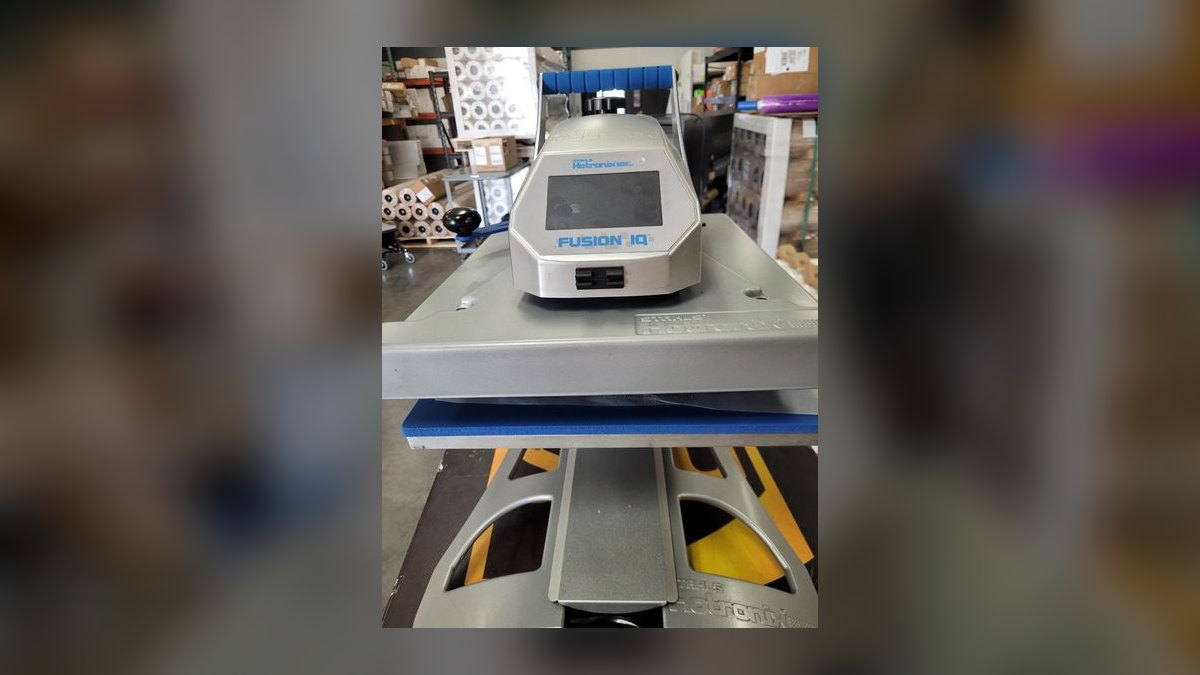
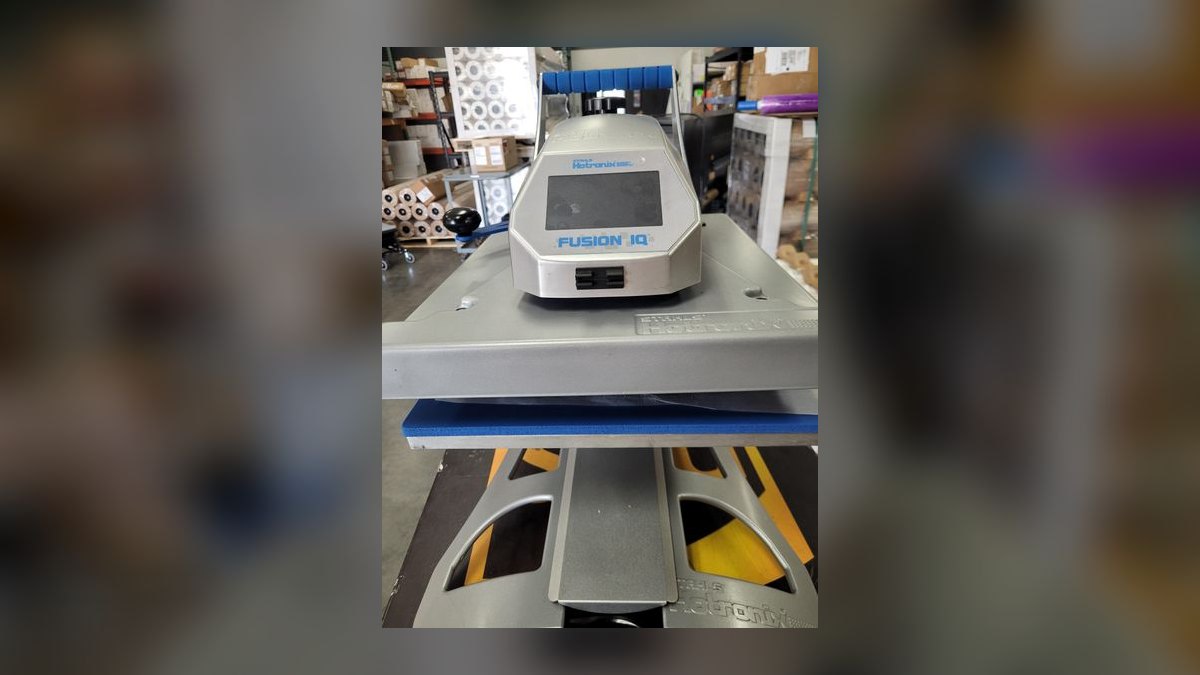
It ranks first because no other press on this list holds ±2°F edge-to-edge across a full 16x20 platen, the single spec that decides whether sublimation scorches or lands clean. The draw-style lower platen pulls forward like a drawer while the upper swings away, so hands never pass under 400°F metal. Built in St. Louis, 1,800 watts, 77 lbs, with a 5-year heater warranty and lifetime phone support.
This is for shops pressing 50+ shirts a day across sublimation, DTF, and full-color transfers, where a reprint costs more than the press premium. It trades away $2,499 up front — the highest price here outside the HoverPress — and requires bench depth for the draw travel. Against the Geo Knight DK20S below it, you gain digital per-job pressure presets and app logging but lose the DK20S's 500°F ceiling.
2Geo Knight DK20S 16x20
Second place goes to the industrial swing-away standard: ±3°F evenness across a 16x20 platen, a 500°F ceiling — the highest of any press here — and a cast-aluminum upper that holds heat through back-to-back cycles better than stamped steel. Built in Brockton, Massachusetts since 1981, it weighs 96 lbs, draws 1,800 watts, ships with a silicone pad, and carries a 5-year heater warranty.
This suits sublimation pros who want a genuine swing-away and USA parts support without the $2,499 Fusion price, landing at $1,899. The trade is analog screw-knob pressure — no per-job presets, so switching from tees to hoodies mid-shift means re-dialing by feel. Auto-open is a $400 add-on rather than standard, which the Fusion above includes.
3Hotronix Auto Open Clam 16x20
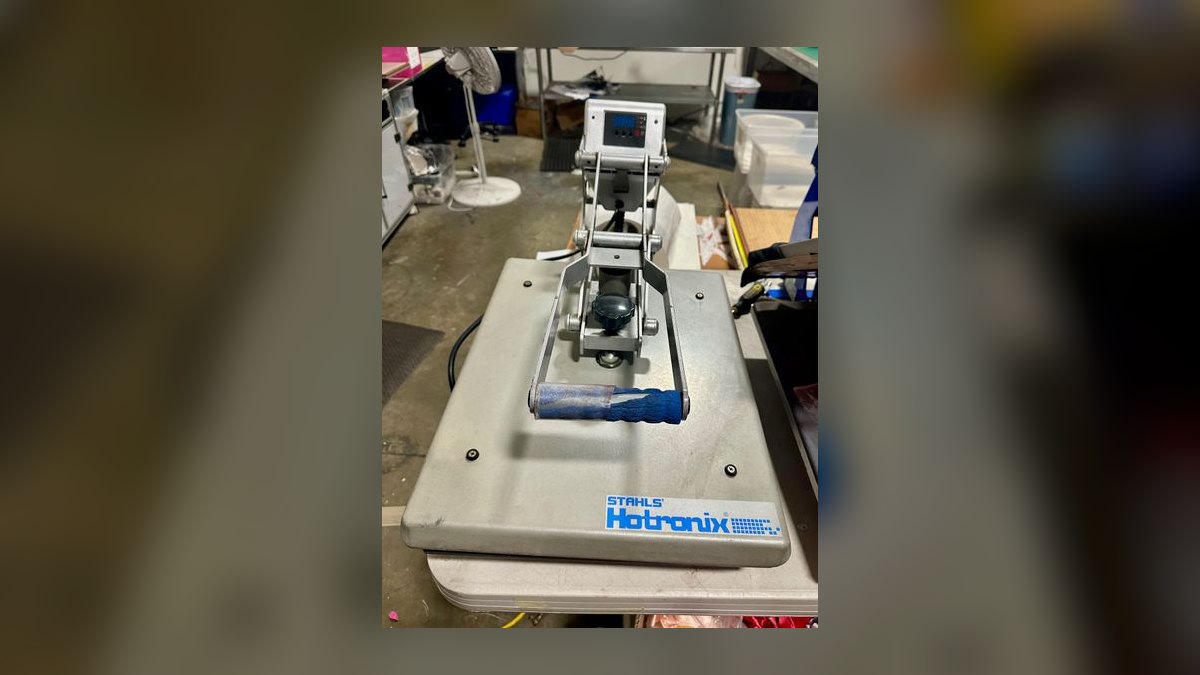
Third because it delivers the same ±2°F evenness, same 5-year heater warranty, and same lifetime tech support as the $2,499 Fusion for $1,799 — the best evenness-per-dollar on this list. The 16x20 platen runs to 400°F on 1,800 watts at 68 lbs, with a digital touchscreen for time, temperature, and pressure. The lower platen swaps to cap or mug attachments in about 30 seconds.
Buy this if you want St. Louis build quality and same-day replacement parts but can't justify the Fusion's premium. What you give up is the draw mechanism: this is a traditional clamshell, so the hot upper platen sits above your hands during every load. Operators with burn history or RSI should pay the $700 jump to the Fusion instead.
4Stahls' Sprint Mag 16x20
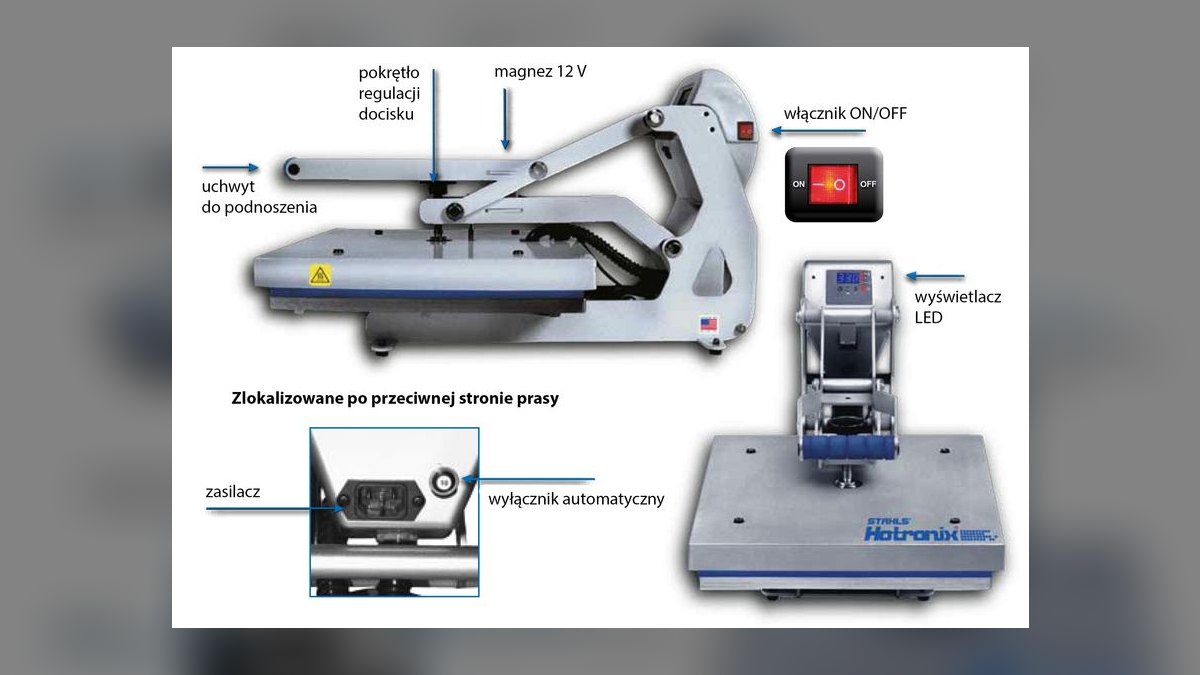
Fourth on cycle speed: the magnetic assist lifts the upper platen the instant the timer hits zero, and Stahls' side-by-side trade-show timing puts load-unload roughly 30% faster than manual presses. The 16x20 platen holds ±4°F at up to 400°F, with digital 1-9 pressure, programmable HTV/sublimation/DTF presets, and a threadable lower platen. It pulls 1,440 watts at 72 lbs.
This is the press vinyl shops move to after outgrowing a Cricut, and at $1,599 it's the cheapest way into the Stahls'/Hotronix factory. It trades evenness for speed — ±4°F versus the ±2°F of the Auto Open Clam above — and it's clamshell-only, so you still load beneath a hot platen. Warranty is one year, not five.
5Geo Knight Maxi-Press Air 20x25
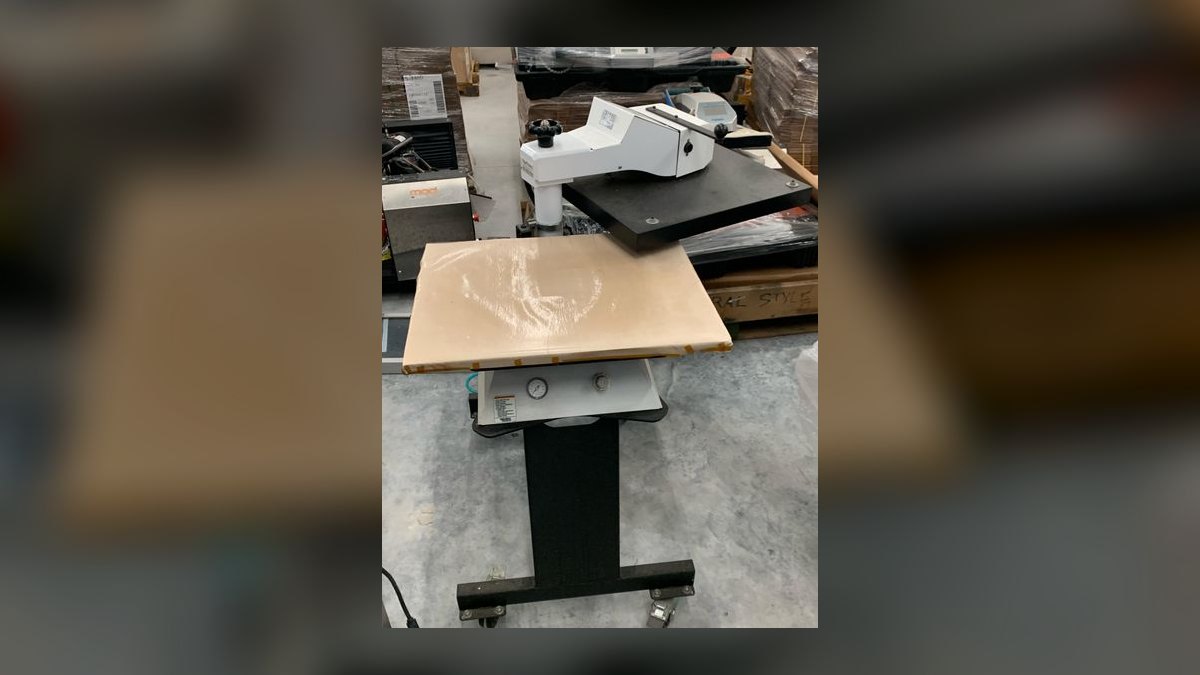
Fifth because it solves a size problem nothing else here can: a 20x25 inch platen, 500 square inches, holding ±4°F evenness at up to 500°F. Pneumatic pressure means identical PSI on every cycle regardless of who's operating, with automatic open at the buzzer and a swing-away upper that clears the loading area completely. It draws 2,400 watts and weighs 165 lbs.
This is for all-over-print shops, blanket shops, and college jersey rooms pressing oversize goods — jobs the 16x20 machines simply can't cover in one hit. It trades away benchtop convenience: at 165 lbs it's a floor unit, and it needs 60+ PSI shop air, so budget another $400-600 for a compressor if you lack one. Price is $2,199.
6Cricut EasyPress 3 12x10
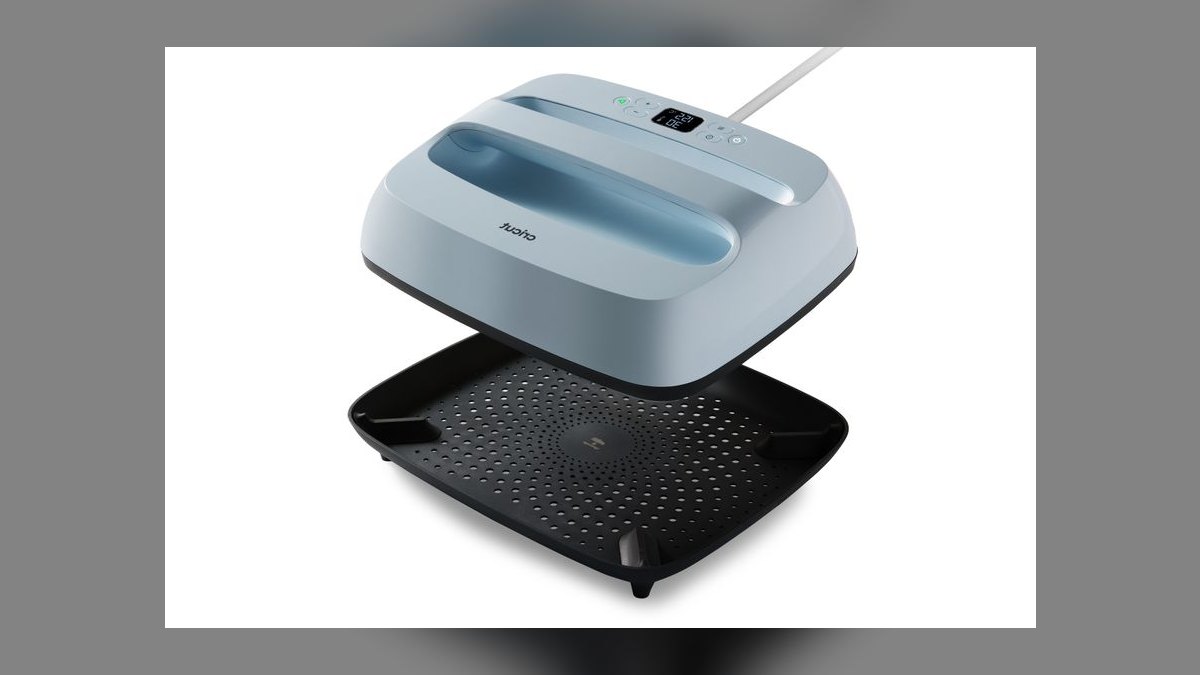
Sixth overall and the value pick at $299, because it's the only press under $300 with Bluetooth presets — the Heat app sets exact temperature and time for each Cricut HTV, Infusible Ink, or sublimation blank. The ceramic-coated plate holds ±5°F to 400°F across 12x10 inches, on 1,000 watts at 9 lbs. A safety base protects the countertop and auto-shutoff triggers at 10 minutes.
Built for HTV crafters, Etsy starters, and kitchen-table sublimation where the machine gets stored between sessions. It trades throughput for safety and portability: single-shirt manual cycles bottleneck around 15-20 shirts a day, and 12x10 won't cover an all-over print. Past that volume, the PowerPress below gives a full-size 15x15 platen for $100 less.
7PowerPress Industrial 15x15
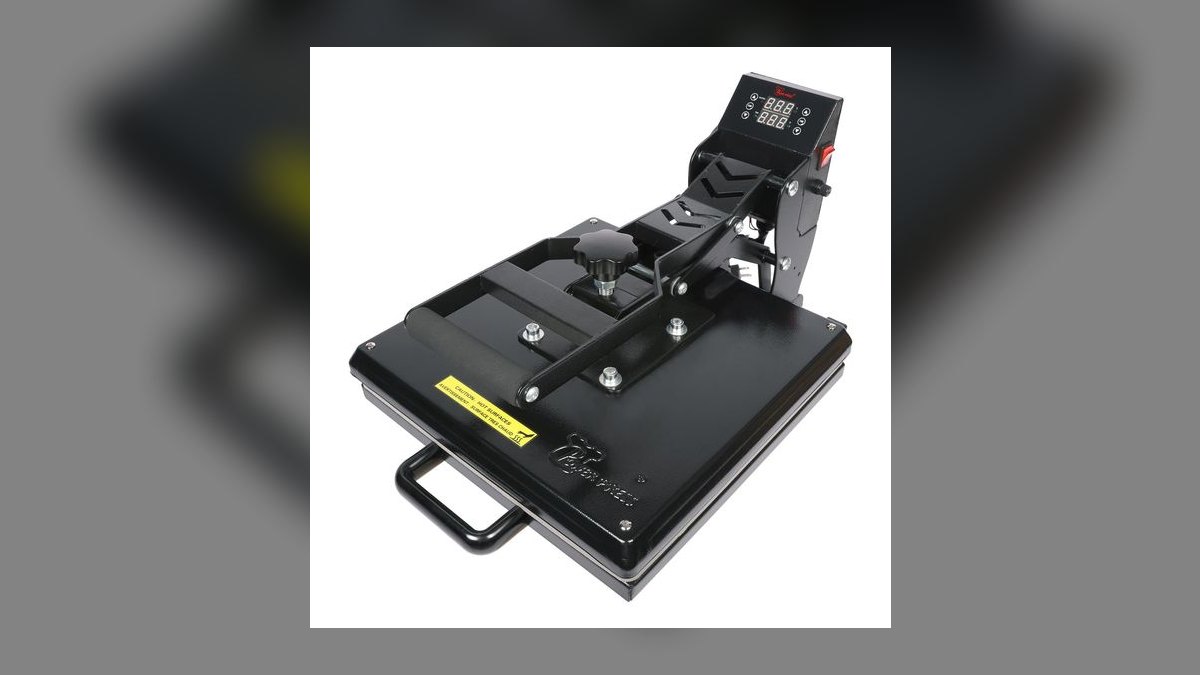
Seventh because $199 buys a genuine full-size clamshell: a 15x15 cast-aluminum platen to 500°F, digital LCD time and temperature, manual pressure knob, and a Teflon-coated upper that skips parchment on most jobs. It runs 1,400 watts at 47 lbs, ships Prime next-day, and the replacement heating element is $40 on Amazon. Amazon holds over 18,000 ratings on the listing.
This fits side-hustle Etsy shops graduating from an EasyPress to something that can cover a full chest print. The compromise is evenness at ±6-8°F, well off pro tier — edge cold spots can scorch sublimation on 100% poly, so center designs inside a 12x12 zone. Warranty is one year against the five you get from Hotronix or Geo Knight.
8Vevor 15x15 Heat Press
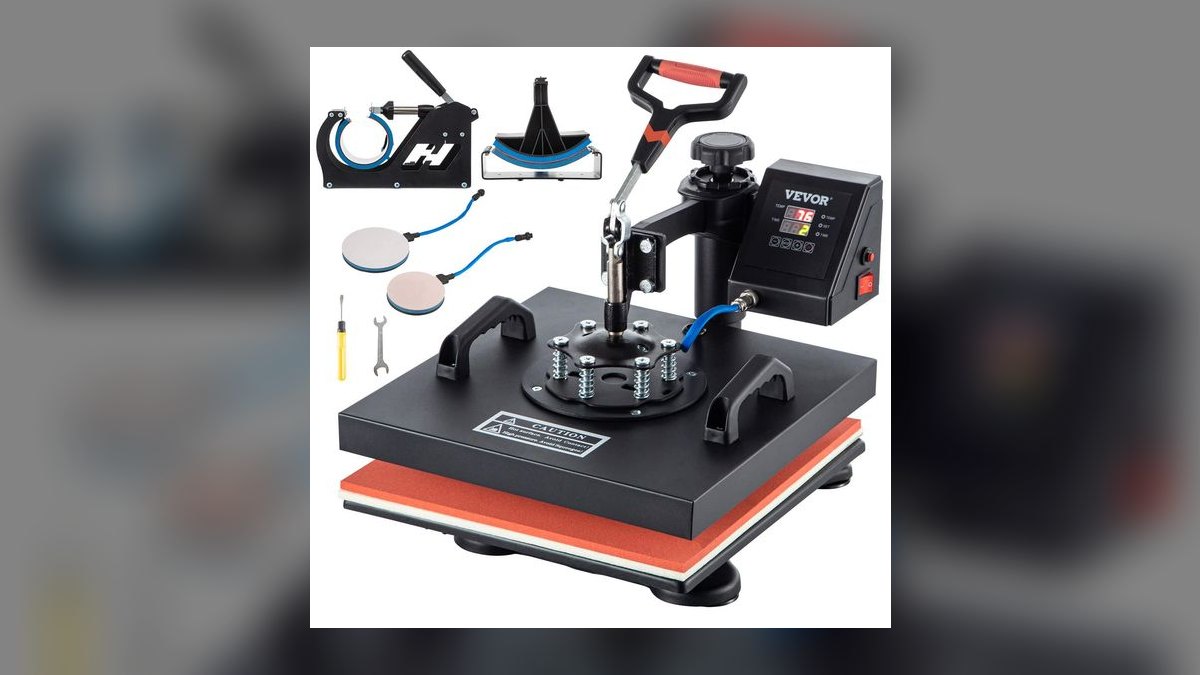
Eighth because it's the cheapest credible press here at $169 — a 15x15 cast-iron platen to 500°F, digital time and temperature, manual pressure knob, clamshell design, 1,400 watts, 41 lbs. Evenness is the weakest on this list at ±10°F or worse, but cotton HTV centered in the middle 10x10 zone produces sellable results. US warehouse stock ships in about three days.
This is for absolute beginners testing whether they even like the craft before committing real money. It trades durability and accuracy: edge cold spots scorch poly tees, and owners report the thermostat drifting 15-20°F after roughly a year, so plan a replacement inside 18-24 months of full-time use. The PowerPress above costs $30 more and runs noticeably tighter.
9Cricut Mug Press
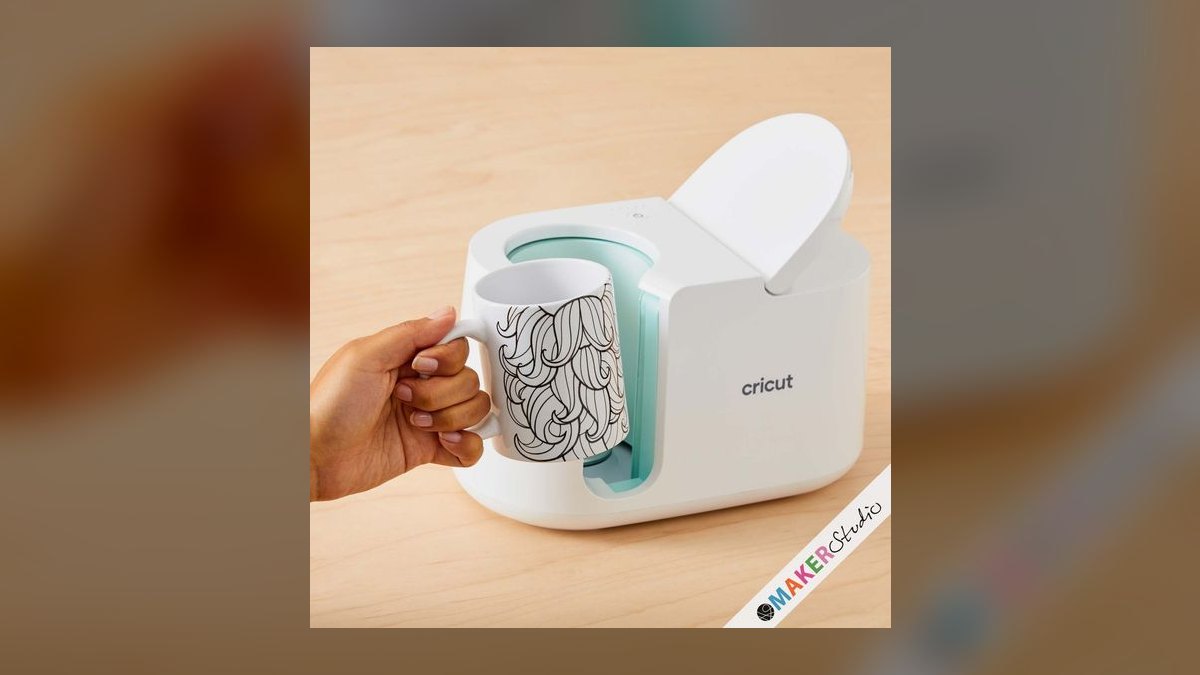
Ninth because it does exactly one job better than any general press does it: a wraparound element delivering even 360° heat at 400°F to 11-15oz straight-walled mugs, with none of the streaking or fade lines that mug attachments on clamshells produce. Operation is one button — press start, wait about six minutes, done. It draws 600 watts, weighs 10 lbs, and carries a one-year Cricut warranty.
This is for mug and tumbler shops running sublimation blanks or Infusible Ink as their main product. The trade is total inflexibility: no tapered tumblers, no 20oz skinny tumblers, no latte mugs, and no apparel at all. At $199 it costs the same as the PowerPress above, which presses shirts but streaks mugs — most shops that sell both end up owning each.
10Hotronix HoverPress 16x20
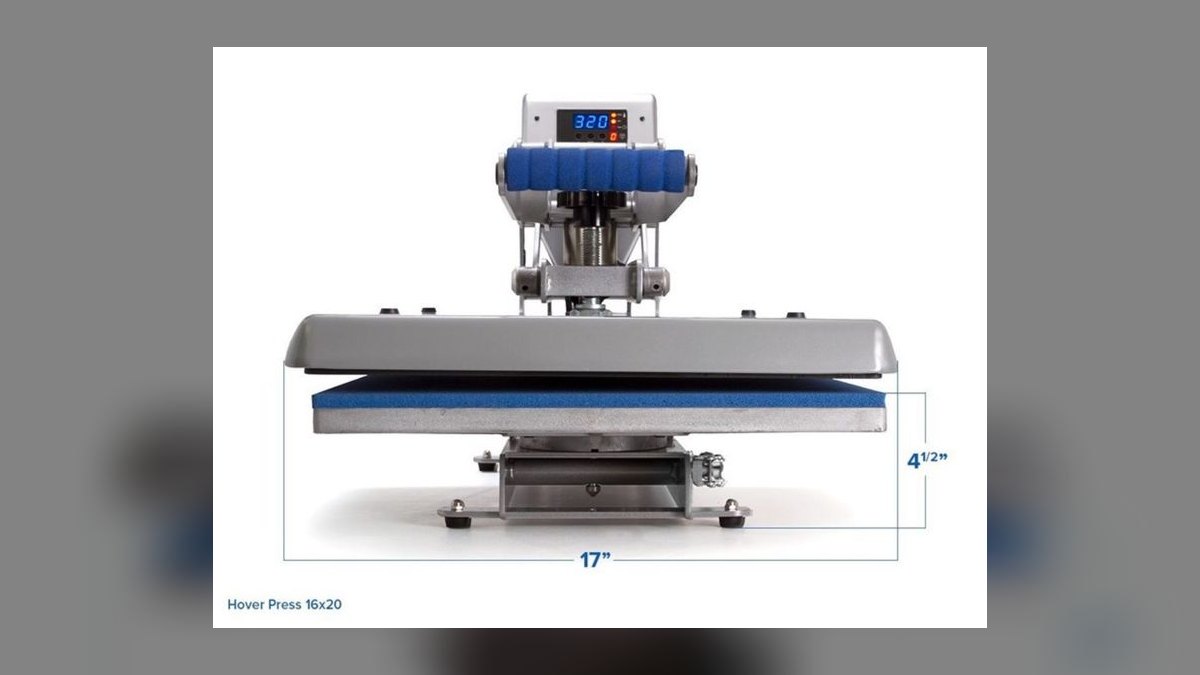
Tenth despite top-tier specs because it's a 2026 release with only about 18 months of field-reliability data behind it. The upper platen hovers above the garment and drops straight down, so it never crosses the loading zone — no clamshell burn risk, no swing arc, the smallest footprint of any 16x20 here. It holds ±2°F at up to 400°F on 1,800 watts, 89 lbs, with a 5-year warranty.
This targets high-volume shops where operator burns and repetitive strain are real costs across 8-hour shifts, and where floor space is tight. It trades away price and track record: $2,599 is the highest on this list, above the proven Fusion IQ at rank 1. The pneumatic-assisted lift is self-contained electric, so no compressor is required.
How we ranked these
We scored every press on edge-to-edge temperature evenness (30%), pulled from FLIR thermal scans published by Coastal Business Supplies and HeatPressNation, since 10°F cold spots are what actually ruin sublimation and DTF transfers. Build quality and warranty length carried 25%, pressure adjustment 15%, brand service and parts availability 15%, and price-to-performance 15%. Owner sentiment came from r/sublimation, r/Cricut, and the Stahls' Owners Group.
We deliberately ignored max temperature ratings above 400°F, because apparel work never touches 500°F and the spec exists purely for spec sheets. Wattage was also discounted — every 16x20 on this list pulls 1,800W, and distribution across the platen is what matters. Laser-pointer alignment and Bluetooth on industrial presses were dropped too; a $4 acrylic ruler outperforms one, and shops only actually use the MyHotronix app.
What to look for
Evenness and loading geometry decide this, not price. If you run sublimation or DTF, anything above ±5°F will streak and ghost on you, which puts the Hotronix Fusion IQ, Auto Open Clam, and HoverPress in one tier and the Vevor in another. Then pick your form factor: clamshell is cheapest with the smallest footprint but parks a hot platen over your hands, swing-away rotates clear, and Hotronix's draw design pulls the lower platen forward.
The mistake buyers make is sizing to the shirt instead of the daily volume. A $299 EasyPress 3 handles chest prints beautifully but bottlenecks around 15-20 shirts a day, so people buy it, outgrow it in four months, and buy again. The other trap is a mug attachment on a clamshell — it streaks. A dedicated Cricut Mug Press with 360° wraparound heat does the job right for $199.
Related questions
What is the difference between a clamshell and a swing-away heat press?
A clamshell hinges at the back like a laptop, so the hot upper platen sits directly above your hands while loading. A swing-away rotates the upper 180° clear of the loading area — safer and better for thick garments, but it needs more bench space and adds a step per cycle. The Geo Knight DK20S is the swing-away standard at $1,899.
Why does temperature evenness matter more than max temperature?
Sublimation ink gasses at a specific temperature, so a 10°F cold spot on one corner of the platen leaves that area faded while the center is correct. You cannot fix it after pressing. Max temperature above 400°F is irrelevant for apparel — you will never press a shirt at 500°F, so a press advertising it is selling you a number you cannot use.
Can I press mugs and tumblers on a flat heat press?
Only with a mug attachment, and results streak because the attachment heats one contact arc rather than the full wrap. The Cricut Mug Press uses a 360° wraparound element and costs $199, which is cheaper than most attachments. Tapered tumblers and 20oz Skinny tumblers fit neither — those need a convection oven or a tumbler-specific press.
How much does pressure adjustment actually affect results?
A lot, and it varies by substrate: caps want roughly 90 PSI, mugs 60 PSI, and thick hoodies around 40 PSI. Manual screw-knob presses like the Geo Knight DK20S hold one setting well but force you to re-dial when switching substrates. Digital 1-9 pressure on Hotronix and Stahls' presses stores per-job presets, which matters if you change materials mid-shift.
Is a pneumatic heat press worth the extra infrastructure?
For batch shops, yes. The Geo Knight Maxi-Press Air applies identical PSI every cycle with no operator-strength variation, which is the difference between consistent output and drift across a 200-shirt run. The catch is you need a shop air compressor at 60+ PSI. If you do not already own one, budget another $400-600 on top of the $2,199 press.
What size platen do I actually need?
A 12x10 covers standard chest prints, which is most hobby and Etsy work. Full-size 15x15 and 16x20 platens let you press larger front graphics, back prints, and hoodie panels without repositioning. Only oversize jerseys, blankets, and all-over prints justify the 20x25 Maxi-Press Air, which is a 165-pound floor unit rather than a benchtop machine.
How long should a heat press last?
USA-built presses from Hotronix, Stahls', and Geo Knight carry 5-year heater warranties and routinely run 8-10 hour production days for a decade, with parts shipping same-day. Budget imports are a different curve — the Vevor thermostat has been reported to drift 15-20°F after a year, so plan on replacement in 18-24 months if you go full-time on one.
Does auto-open justify the price premium?
If you press all day, yes. The upper platen lifts itself at the buzzer, so operators are not holding a handle open between garments — Stahls' demos the Sprint Mag's magnetic assist at roughly 30% faster load-unload cycles. At 100+ shirts a day that is real throughput and materially less repetitive strain. Under 20 shirts a day, manual is fine.
FAQ
Is the Hotronix Fusion IQ worth $2,499 over a $199 PowerPress?
At 20+ shirts a day, yes. The ±2°F evenness prevents the sublimation scorching and HTV peel-back that force reprints, the auto-open draw design keeps hands away from a hot platen across 8-hour shifts, and the 5-year heater warranty plus lifetime support beats replacing a budget press every 18 months. Under 20 shirts a day, the PowerPress is genuinely fine.
Can the Cricut EasyPress 3 do sublimation on polyester t-shirts?
Yes. Roughly 400°F for 60 seconds with firm hand pressure produces vibrant results on 100% poly tees, and the Cricut Heat app's sublimation preset dials in temperature and time automatically. The real constraint is the 12x10 plate — plenty for a chest print, not enough for an all-over design. That job needs a 16x20 press.
Which heat press is best for Cricut HTV vinyl?
The EasyPress 3 at $299 for hobby work, and the Stahls' Sprint Mag at $1,599 for production. The Sprint Mag's magnetic auto-open cuts about 30% off per-shirt press time, and its threadable lower platen lets you slide a garment on and off without lifting anything. At 100+ shirts a day that difference compounds quickly.
Do I need a separate mug press or will an attachment work?
Get the separate press. Mug attachments on clamshells heat one contact arc, which produces streaking and visible fade lines along the wrap. The Cricut Mug Press applies even 360° heat at 400°F, runs on one button, and costs $199. It only fits 11-15oz straight-walled mugs, so tapered tumblers still need another solution.
What does ±2°F edge-to-edge evenness actually mean?
It means a FLIR thermal scan of the platen shows no point deviating more than 2°F from the set temperature. That is the pro tier — Hotronix presses hit it. Mid-tier presses land at ±3-6°F, and the Vevor runs ±10°F or worse. Ask any seller for the thermal scan before spending more than $500 on a press.
Can I run a real Etsy business on a $169 Vevor?
For cotton HTV centered in the middle 10x10 zone, yes — it produces sellable results and it is the cheapest credible entry point. The failure mode is sublimation on poly tees, where the ±10°F edge cold spots scorch. Use it to learn the craft, then move to the PowerPress or EasyPress once orders are steady.
Why is the HoverPress more expensive than the Fusion IQ?
It is the newest Stahls' design and the only press where the upper platen never enters the loading zone — it hovers, then drops straight down. That eliminates clamshell burn risk while keeping the smallest footprint of any 16x20, since there is no swing arc. The caveat at $2,599 is that field reliability data only covers about 18 months.
Does brand service really matter after the sale?
More than buyers expect. Hotronix and Stahls' ship replacement parts same-day and staff live phone support, so a failed heating element costs you an afternoon. Vevor parts ship from China on a 3-4 week timeline, which is a month of lost production for a full-time shop. Factor that downtime into any price comparison above the hobby tier.
How much power does a heat press need?
Most 16x20 presses draw 1,800 watts on a standard 120V circuit, and the 20x25 Maxi-Press Air pulls 2,400W. Do not share that circuit with a dryer or another press. Wattage is not a quality signal, though — every full-size press here draws about the same. How evenly the heat spreads across the platen is what separates them.
Should I buy used to save money?
USA-built presses hold value for a reason: a Hotronix Fusion IQ still fetches $1,800+ after three years, and Geo Knight units resell nearly as well. That means used savings are modest but the machine is sound. Ask the seller for a recent thermal scan and confirm the heating element and thermostat are original — those are the two parts that drift with age.
Sources
- https://www.stahls.com/hotronix-heat-presses
- https://www.heatpress.com/
- https://www.coastalbusiness.com/
- https://www.heatpressnation.com/
- https://cricut.com/en-us/easypress-3
- https://www.reddit.com/r/sublimation/
- https://www.siserna.com/products/easyweed/
- https://www.screenprinting.com/collections/heat-presses
Related on PULSE
This page will be disappearing soon. Save it to your device for $1 — or read it free while it is here.
@Kory-White- · if Venmo asks, the last 4 of my number are 2012
This page is gone.
This one is off the shelf now. $1 keeps it on your phone for good — the whole page, pictures and diagrams included.
 pulse-reviewsTop 10 Rugged Phones — Best Overall + Best Value in 2027
 pulse-reviewsTop 10 Tablet Styluses — Best Overall + Best Value in 2027
 pulse-reviewsTop 10 Car Backup Cameras — Best Overall + Best Value in 2027
 pulse-reviewsTop 10 Radar Detectors — Best Overall + Best Value in 2027
 pulse-reviewsTop 10 Electric Back Massagers — Best Overall + Best Value in 2027
 pulse-reviewsTop 10 Noise-Cancelling Headphones for Sales Reps on Phone Calls in 2027
 pulse-reviewsTop 10 DVD Players — Best Overall + Best Value in 2027
 pulse-reviewsTop 10 Label Makers — Best Overall + Best Value in 2027
 pulse-reviewsTop 10 Outlet Testers — Best Overall + Best Value in 2027
 pulse-reviewsTop 10 Cable Management Boxes for Sales Home Office in 2027