


Top 10 Premium TVs Over 5000 — Best Overall + Best Value in 2027
Quality
Certified
The 10 best premium tvs over 5000 are ranked below on measured performance, build quality, price, and how each one actually holds up in daily use rather than how it reads on a spec sheet. Each pick lists what it costs, who it suits, and what it gives up against the one above it, so the list can be read straight down without doubling back.
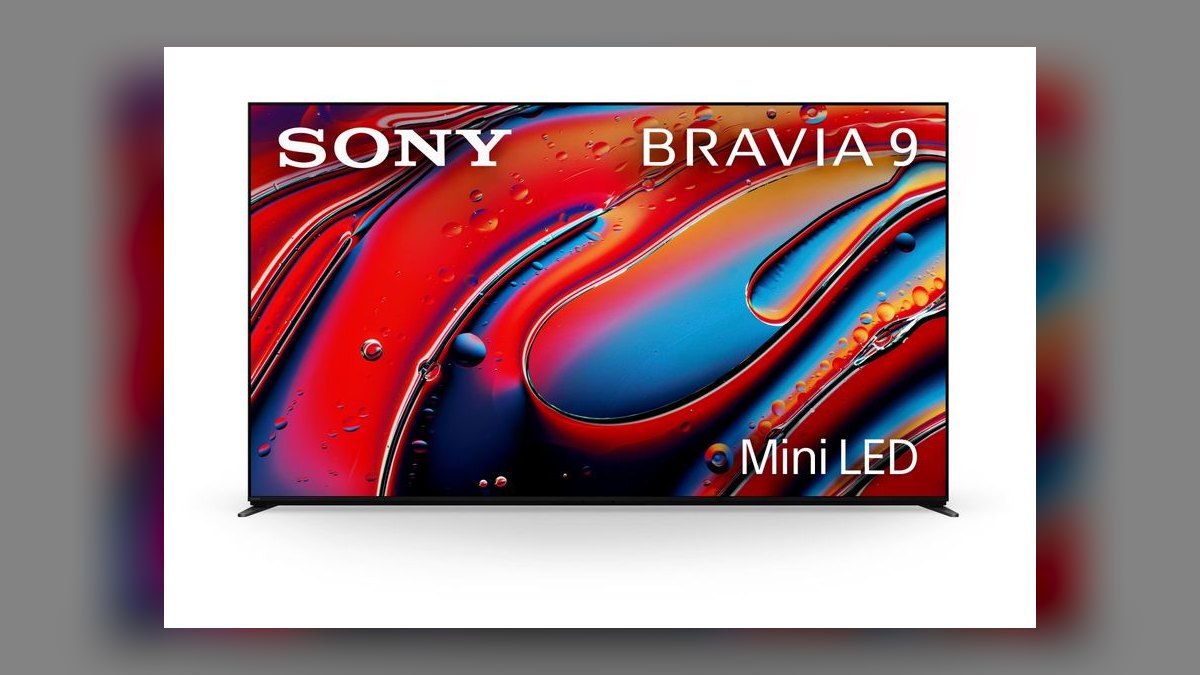
1Sony Bravia 9 Mini-LED 85"
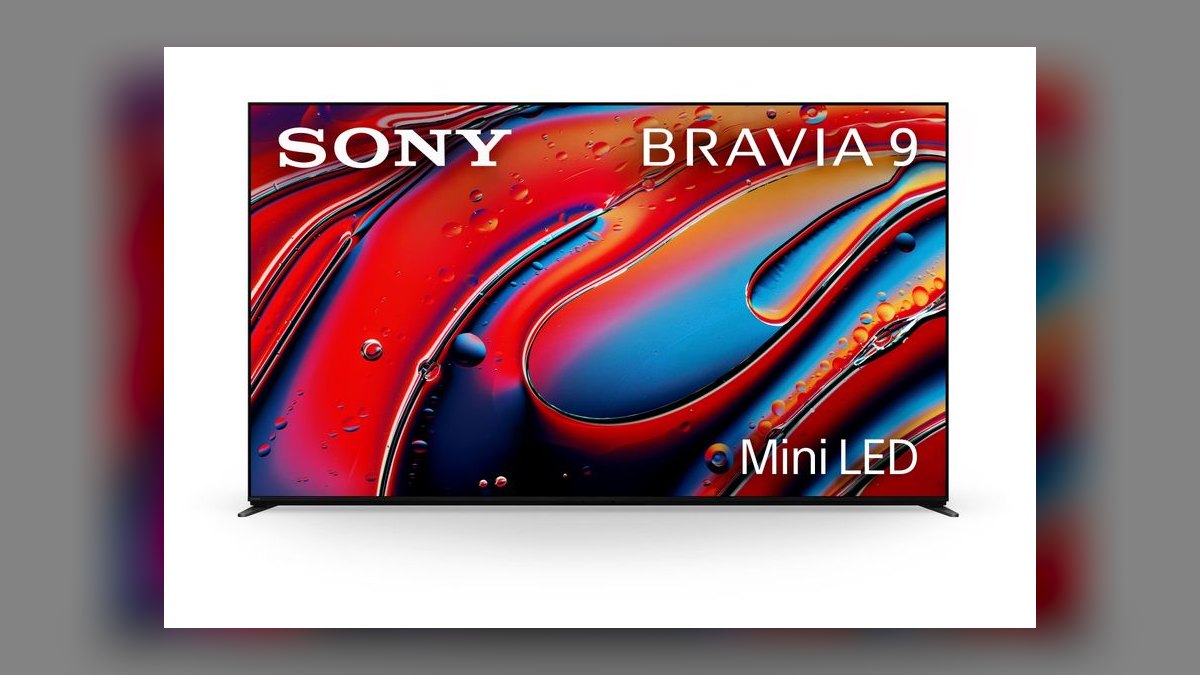
It ranks first because no other display at $5,499 pairs roughly 4,000 nits peak HDR with this level of blooming control. Sony's XR Backlight Master Drive drives about 2,500 independent dimming zones, and the Cognitive Processor XR delivers motion handling and upscaling that measured comparisons place ahead of the Samsung QN95F and TCL QM8K. XR Triluminos Pro covers roughly 98% DCI-P3 across the 85-inch panel.
This is the pick for a room that swaps between bright afternoon viewing and dark movie nights, where an OLED would wash out. It trades away 8K resolution and the absolute black floor of a self-emissive panel. Against the LG M5 97-inch below it, the Bravia 9 gives up 12 inches of screen and a cable-free install but costs roughly $19,500 less and hits nearly triple the peak brightness.
2LG M5 OLED Wireless 97"
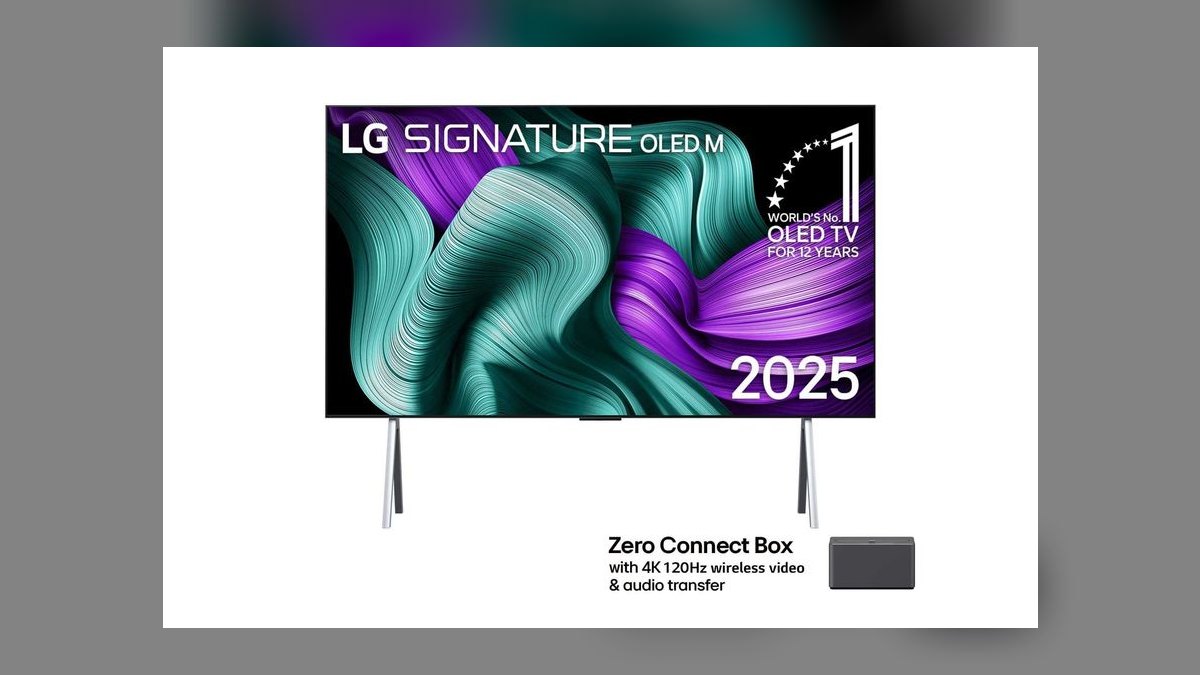
It ranks second on install capability rather than raw picture: at 97 inches it is the largest wireless OLED shipped, and the Zero Connect Box transmits uncompressed 4K/120Hz with Dolby Vision up to 30 feet, leaving only a power cable at the panel. The WOLED evo Gen 3 panel reaches roughly 1,500 nits peak HDR under the Alpha 11 AI Processor Gen 2. Four HDMI 2.1 48Gbps ports sit on the box. Price is $24,999.
Buy it when architecture dictates the answer — a clean wall with no chase for conduit, and a budget that treats $25,000 as a line item. It trades away brightness to the Mini-LED above it and demands line-of-sight, since solid walls degrade or drop the link. Against the wired LG G5 97-inch at the same $24,999, you pay identical money for wireless transmission and about 100 fewer nits.
3LG G5 OLED evo 97"
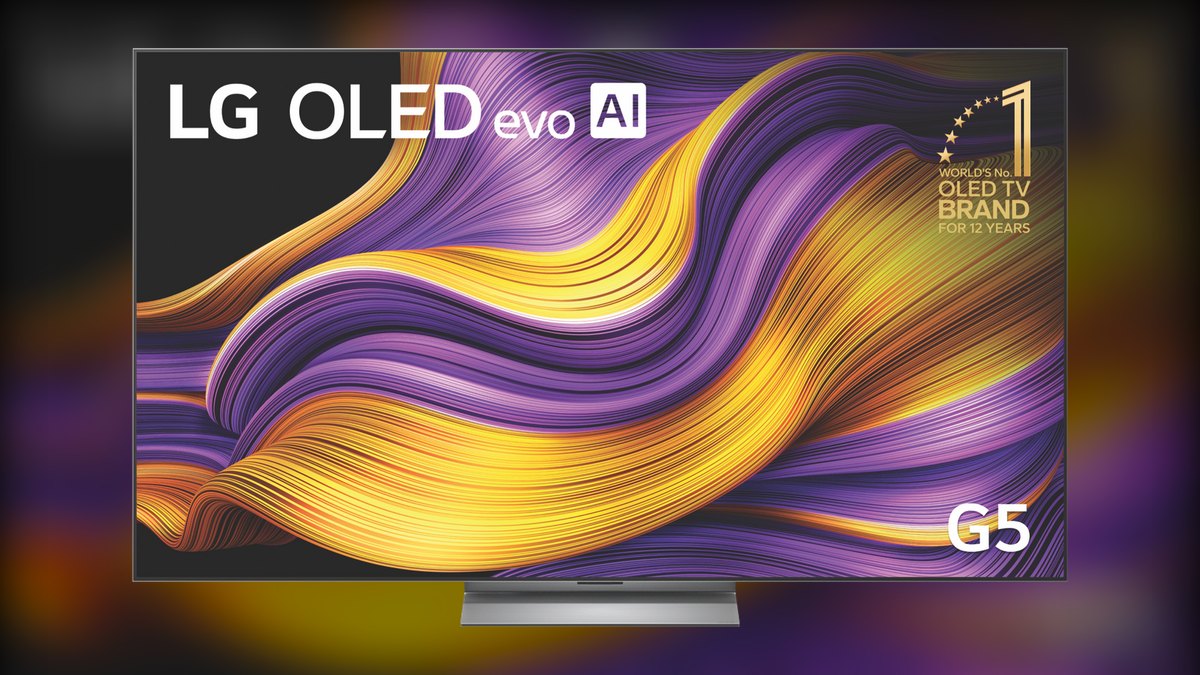
It ranks here as the brightest 97-inch OLED made — Brightness Booster Ultimate pushes roughly 1,600 nits peak HDR, the highest of any G-series panel. The Alpha 11 AI Processor Gen 2 handles Dolby Vision IQ, HDR10 Pro, and AI Picture Pro. The Gallery Design flush mount is in the box at 24.7mm depth, and four HDMI 2.1 48Gbps ports support 4K/165Hz with G-Sync and FreeSync Premium Pro. Weight is about 115 lbs.
This suits a wall-mounted theater where cable routing through the wall is already part of the build, and it is the strongest big-screen PC gaming display on this list at 165Hz. It trades away the wireless freedom of the M5 for identical money. The 60W AI Sound Pro drivers are the weak point — nearly every owner pairs it with a discrete Atmos system.
4Sony A95L QD-OLED 77"
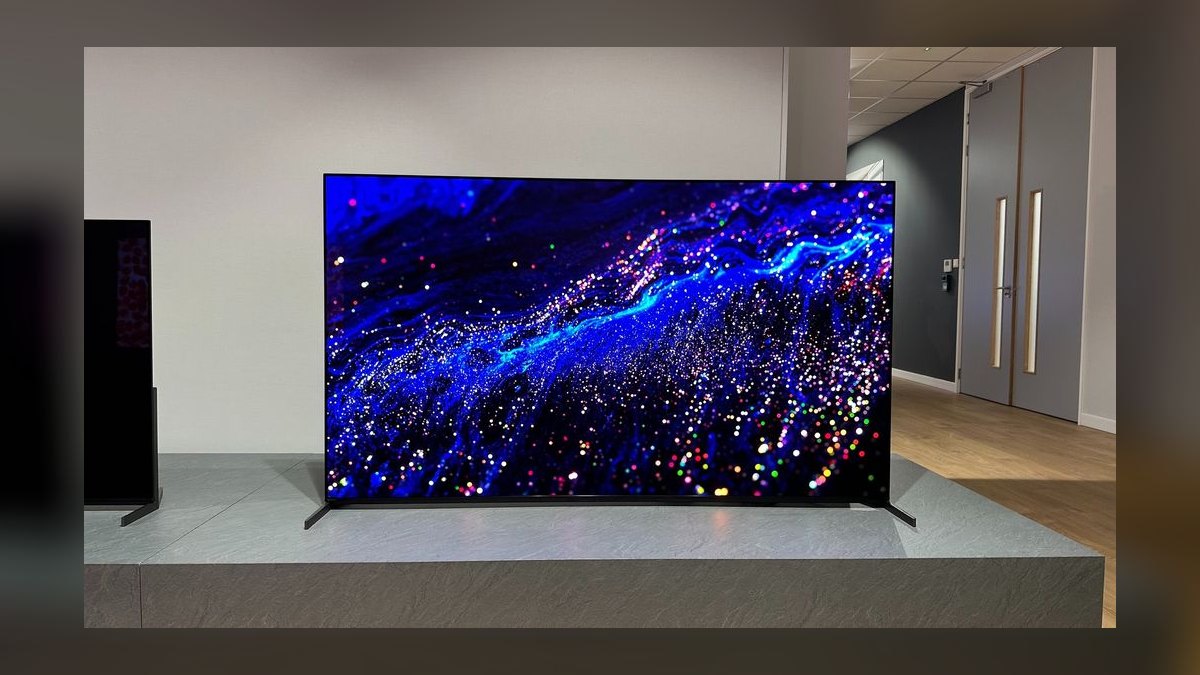
It ranks fourth on color accuracy, where it remains the reference: RTINGS and HDTVTest measurements put it at roughly 99% DCI-P3 and about 83% BT.2020, the most accurate consumer TV measured. The Samsung Display QD-OLED panel runs under Sony's Cognitive Processor XR at roughly 1,400 nits peak HDR. Acoustic Surface Audio+ vibrates the screen itself as a center channel. Street price is $4,799 for 77 inches at about 75 lbs.
This is a calibrator's display for a light-controlled room, with Calman AutoCal, ISF Day/Night modes, and Netflix Adaptive Calibrated Mode. Its 1,400 nits is the lowest peak brightness on this list, so bright-room viewing is a real compromise. Against the Samsung S95F below it, the A95L gives up roughly 700 nits and costs $300 more, but adds Dolby Vision and far better built-in sound.
5Samsung QN900F 8K Neo QLED 85"
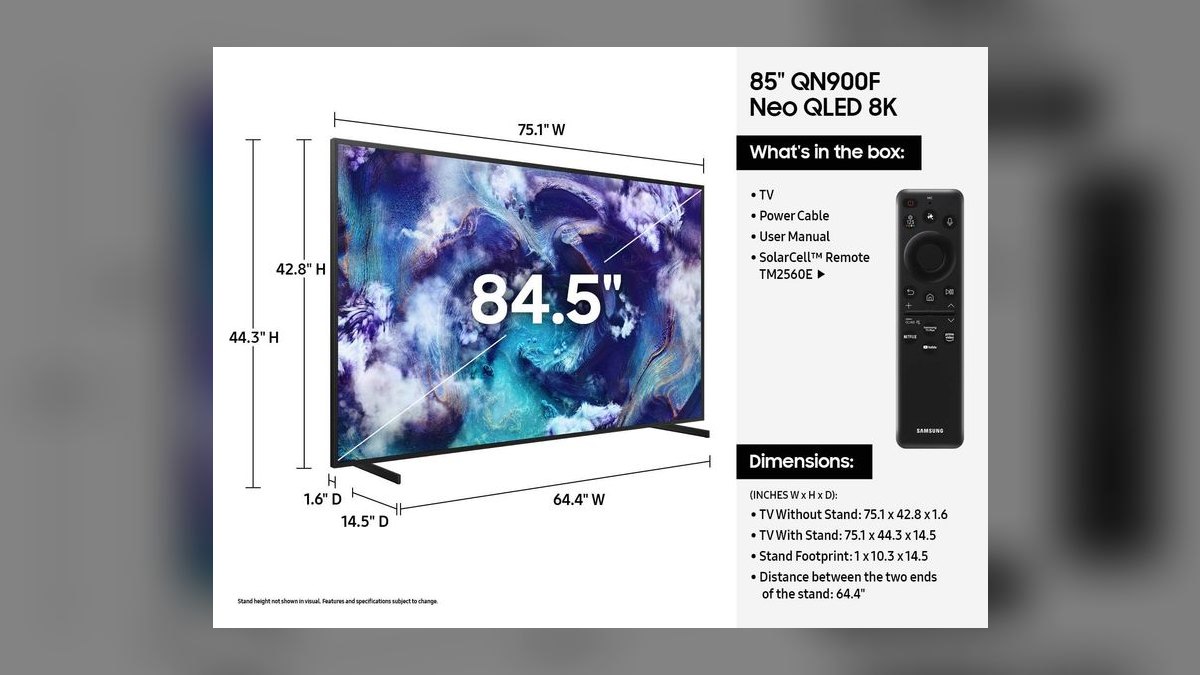
It ranks fifth as the only true 8K flagship here and the brightest panel on the list, at roughly 4,500 nits peak HDR. Native 7,680 x 4,320 resolution runs through the NQ8 AI Gen 3 Processor for real-time upscaling of 4K and HD sources, with Quantum Matrix Pro Mini-LED backlighting across roughly 2,500 dimming zones. The One Connect Box carries four HDMI 2.1 48Gbps ports and 4K/240Hz gaming. Price is $7,999.
Buy this for an 85-inch bright room and a long ownership horizon, especially with Object Tracking Sound Pro 6.2.4 at 90W handling casual viewing. The trade is Dolby Vision — Samsung still refuses it, so 4K Blu-ray and Apple TV workflows fall back to HDR10+. Against the Sony Bravia 9 above it, you gain 8K and about 500 nits but lose Sony's motion processing and pay $2,500 more.
6Samsung S95F QD-OLED 77"
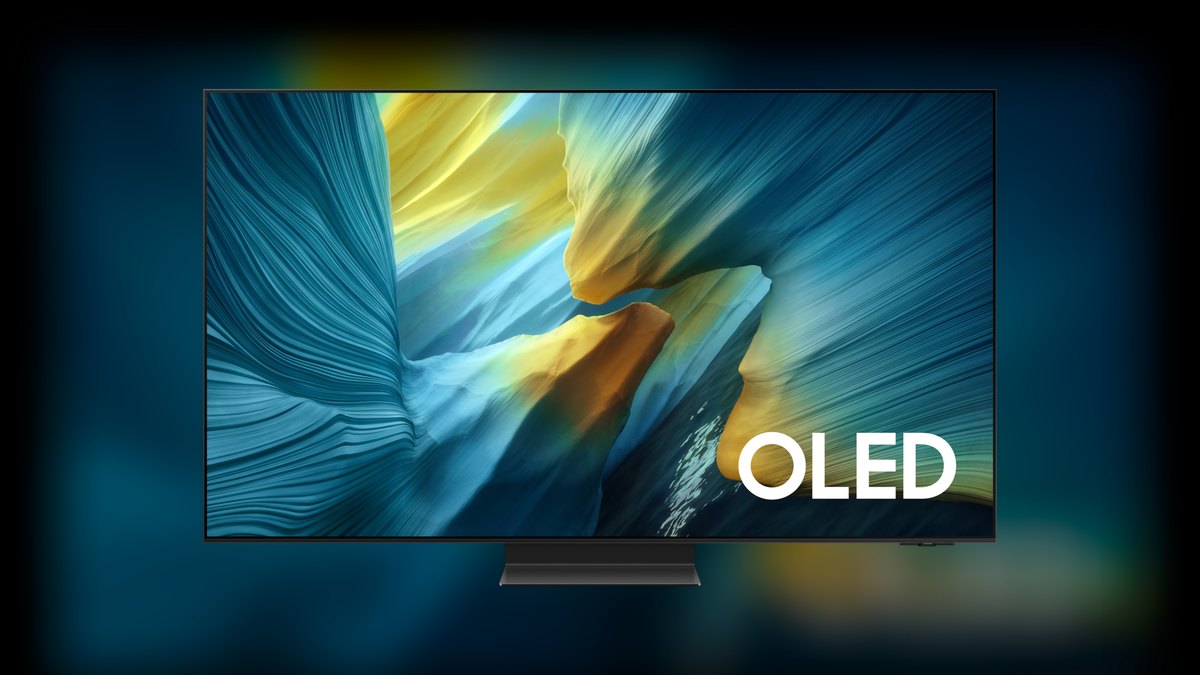
It ranks here on price-to-performance: $4,499 buys the third-generation QD-OLED panel at roughly 2,100 nits peak HDR, the brightest QD-OLED shipping, thanks to an improved heatsink and the NQ4 AI Gen 3 Processor. The One Connect Box carries four HDMI 2.1 48Gbps ports with 4K/165Hz and HDR10+ Gaming Pro. OLED Glare Free 2.0 anti-reflection is the best coating in the category. The 77-inch panel weighs about 64 lbs.
This fits the buyer who wants near-reference picture without the wireless-OLED premium, and the glare coating makes it the rare OLED that survives a sunlit room. It trades away Dolby Vision entirely. Against the Sony A95L above it, the S95F is brighter by roughly 700 nits and $300 cheaper, but Sony's Acoustic Surface audio and out-of-box accuracy are better.
7Panasonic Z95A OLED 77"
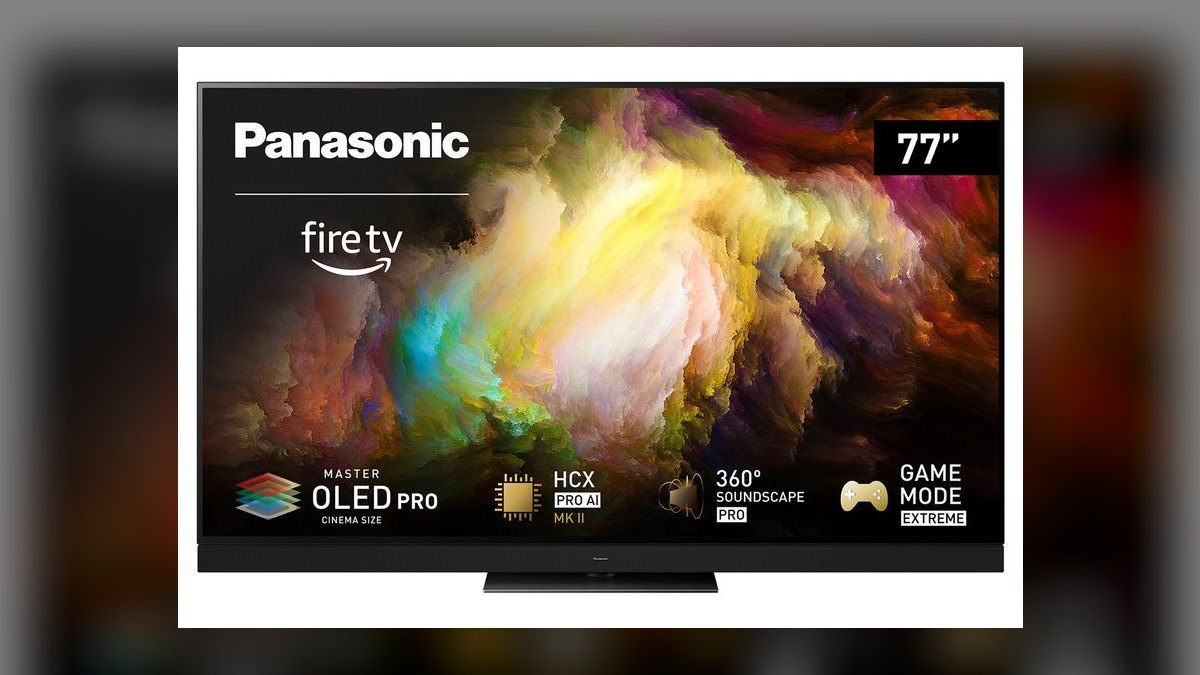
It ranks seventh on color science and sustained output. The HCX Pro AI Processor MK II is tuned with colorist Stefan Sonnenfeld and certified for Hollywood post-production reference. The LG Display MLA WOLED panel reaches roughly 1,800 nits peak HDR, and ThermalFlow active cooling keeps brightness flat across long sessions rather than dropping after a few minutes. The 360° Soundscape Pro 5.1.2 system by Technics runs 160W. Price is $5,999 for 77 inches.
This is for the enthusiast who values tuning provenance and wants the loudest, fullest integrated audio here — genuinely usable without a receiver. It trades away dealer coverage: Panasonic's US service network is thinner than Sony, LG, or Samsung, which matters on a $6,000 purchase. Against the Samsung S95F above it, you pay $1,500 more for Dolby Vision IQ, Filmmaker Mode, and vastly better sound.
8LG M5 OLED Wireless 77"
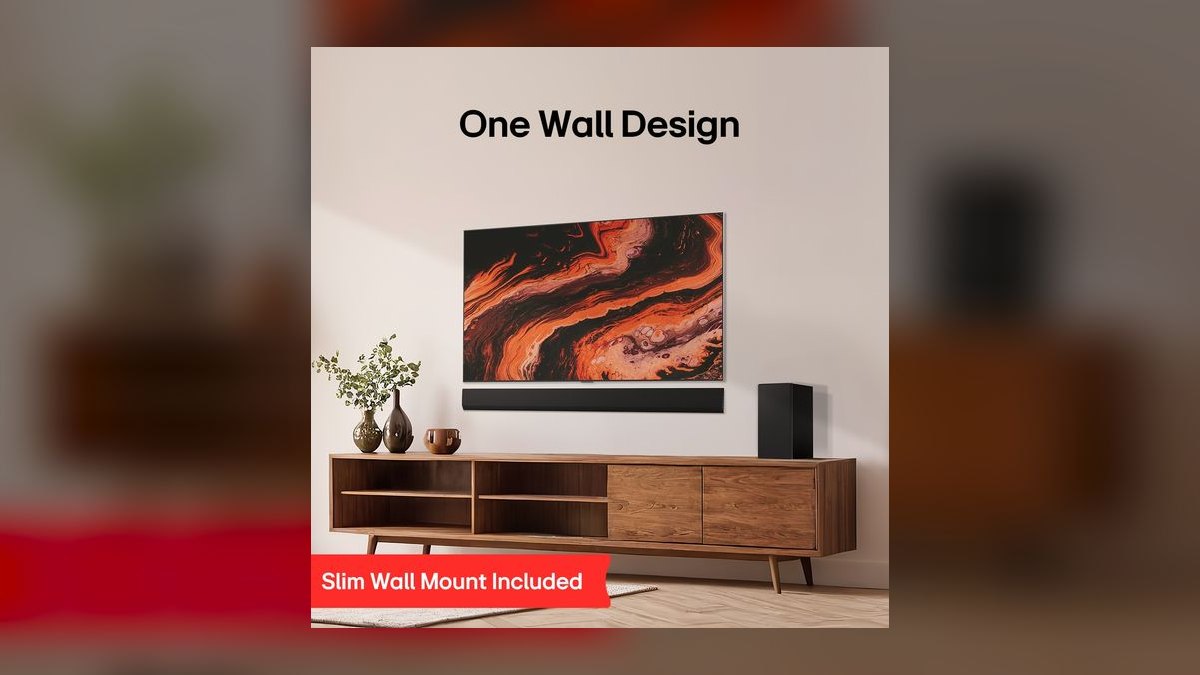
It ranks here because it brings the Zero Connect Box down to a practical size and price — $6,499 versus $24,999 for the 97-inch. The WOLED evo panel with Brightness Booster Ultimate reaches roughly 2,100 nits peak HDR, brighter than its larger sibling, driven by the same Alpha 11 AI Processor Gen 2. Wireless 4K/120 Dolby Vision transmits up to 30 feet. The panel is 4mm at the edge and about 52 lbs.
This suits a custom install where the wall must stay clean and the room does not need 97 inches. It trades roughly $1,500 over a comparable wired G5 77-inch, and the line-of-sight requirement still applies. Against the Panasonic Z95A above it, you gain wireless install and 300 nits but lose the Technics 160W audio and Hollywood-tuned processing.
9Samsung QN900F 8K Neo QLED 75"
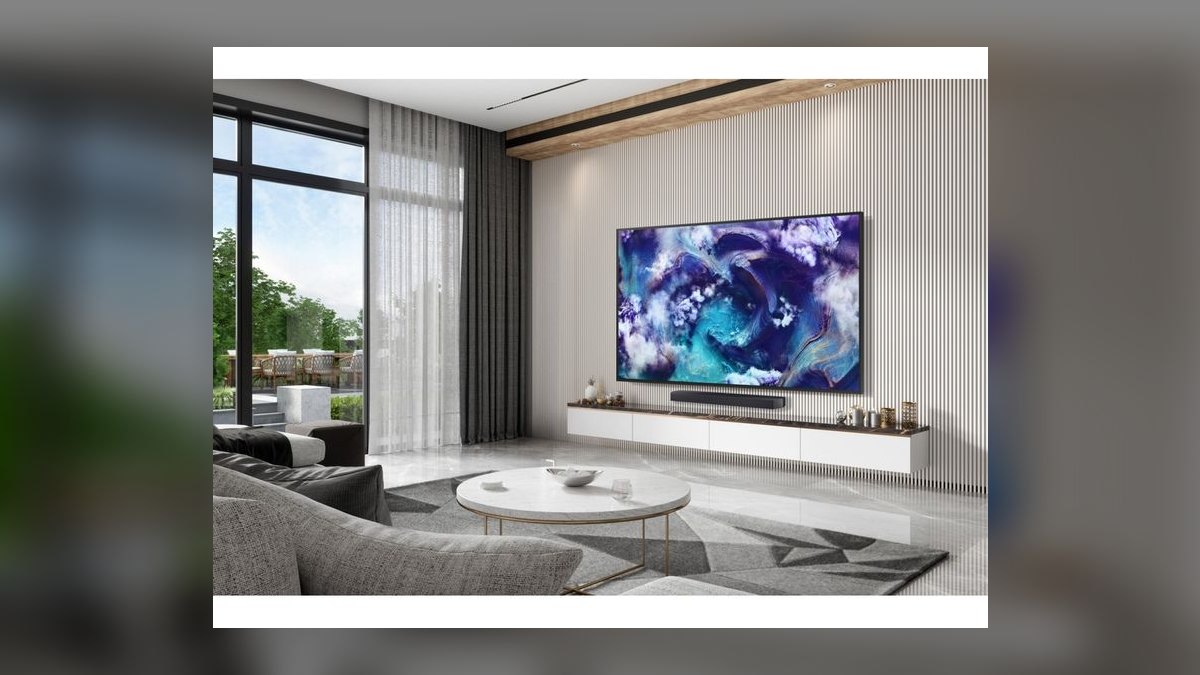
It ranks ninth because it delivers the 85-inch flagship's spec sheet in a 75-inch footprint with almost no compromise — the same NQ8 AI Gen 3 Processor, native 8K resolution, and Quantum Matrix Pro Mini-LED at roughly 4,200 nits peak HDR. The One Connect Box carries four HDMI 2.1 48Gbps ports with 4K/240Hz gaming, Object Tracking Sound Pro 6.2.4 at 90W, and Pantone Validated color. It weighs about 78 lbs with a 17mm panel depth.
This is the 8K pick for a room that cannot physically take 85 inches. The trade is sharper here than on the 85-inch: 8K resolution is largely invisible at 75 inches from normal seating distance, so you pay for future-proofing rather than present detail. Dolby Vision remains absent. Against the 85-inch QN900F, you save $1,500 and lose the size that justifies 8K.
10Sony BZ40L Pro Display 100"
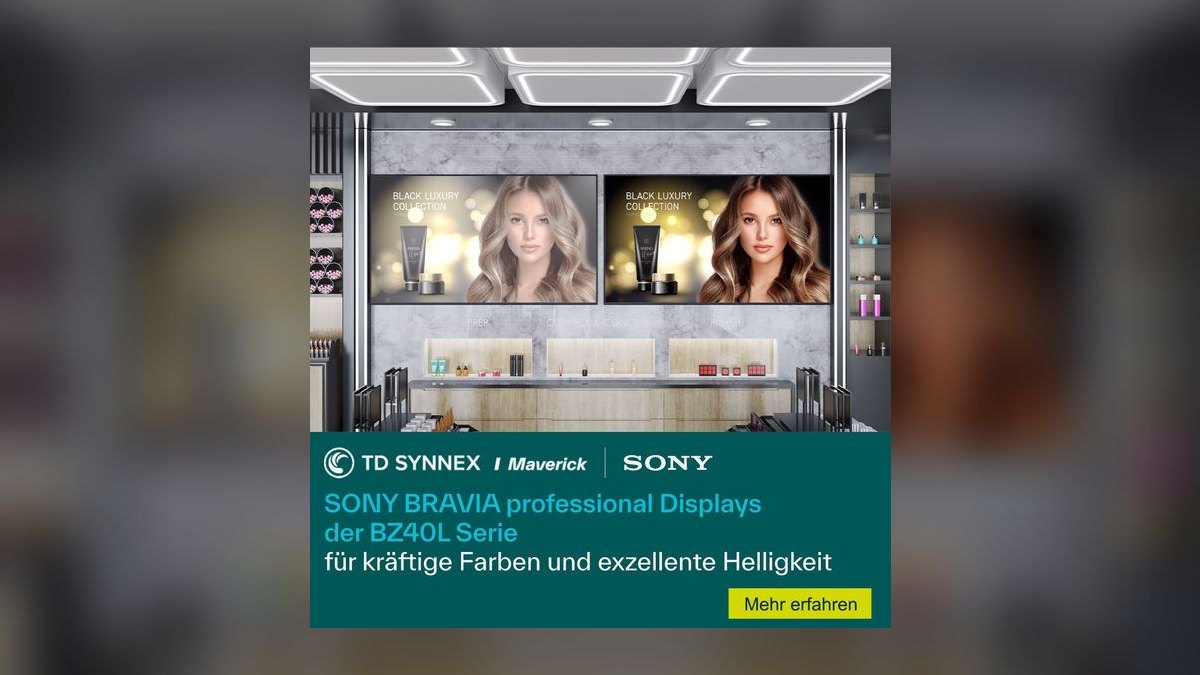
It ranks last on picture but first on install-grade durability: this is a commercial LCD rated for 24/7 operation at 100 inches diagonal. Full-array local dimming and the X1 Ultimate processor deliver roughly 1,300 nits peak HDR with TRILUMINOS wide gamut. Crestron Connected and RS-232 control drop it into any pro control system, and the 3-year commercial warranty extends to five. It weighs about 245 lbs and needs a structural mount and professional installation.
This is for media rooms and boardroom-adjacent builds where uptime and control integration outrank picture. The trade is severe: HDMI 2.0 only means no 4K/120 gaming and no Dolby Vision, and 1,300 nits trails everything above it. Against the LG G5 97-inch, you pay $10,000 less for three fewer inches, but lose HDR performance, gaming, and modern processing entirely.
How we ranked these
We pulled measured data from RTINGS, HDTVTest, Wirecutter, CNET, Tom's Guide, AVForums and Digital Foundry, then cross-checked it against CEDIA-certified installer feedback. Five axes carried the weight: picture quality at 35 percent (peak HDR nits, black level, gamut coverage, processor), premium features at 20 percent, integrated audio at 15 percent, custom-install support at 15 percent, and build, warranty and panel-uniformity QC at the final 15 percent.
We deliberately ignored manufacturer brightness claims, smart-platform app counts, and thinness-for-its-own-sake, because none survive a calibrated measurement or a real install. Models without ISF Day/Night modes, Calman AutoCal, or Crestron and Control4 drivers were excluded outright at this price, even flagship-branded ones. Street-price volatility was also set aside — reference displays get bought once, and a two-week sale does not change which panel is better.
What to look for
Room light is the real fork. A bright mixed-use room wants Mini-LED — the Bravia 9's roughly 4,000 nits and 2,500-plus dimming zones hold up where a 1,500-nit OLED washes out. A light-controlled theater flips it: the A95L's near-99 percent DCI-P3 and per-pixel black beat raw output every time. Then check HDMI 2.1 at full 48Gbps on two ports, not one.
The common mistake is paying for size or 8K before fixing the room. A 97-inch panel on a wall with a window behind the seating looks worse than a calibrated 77-inch in the dark, and native 8K content still barely exists outside upscaling. Budget for the mount, the Atmos system, and a professional calibration first — those change the picture more than the next $3,000 of TV.
Related questions
Is Mini-LED or OLED better for a bright home theater?
Mini-LED wins bright rooms. The Sony Bravia 9 pushes roughly 4,000 nits across 2,500-plus dimming zones, and the Samsung QN900F goes higher still at about 4,500. OLEDs top out near 1,500 to 2,100 nits, so specular highlights flatten under daylight. In a light-controlled theater the order reverses — per-pixel black and QD-OLED color accuracy pull ahead decisively.
Does a wireless OLED like the LG M5 lose any picture quality?
No. The Zero Connect Box transmits uncompressed 4K/120 with Dolby Vision, so the panel receives the same signal a cable would deliver. The tradeoff is physical rather than visual: the box needs roughly 30 feet of line-of-sight, and thick walls or a closed cabinet can interrupt the link. Budget about $1,500 over the wired G5 at 77 inches.
Why does Samsung still refuse Dolby Vision on flagship TVs?
Samsung backs HDR10+, the open royalty-free alternative it co-developed, and has held that position across every flagship including the QN900F and S95F. Practically, Amazon Prime Video and Apple TV+ carry HDR10+ titles, but Apple TV 4K and most 4K Blu-ray discs lean Dolby Vision. If your source stack is disc-heavy, that absence genuinely matters.
How many local dimming zones do you actually need above $5,000?
At least 2,000, and the flagships ship more — the Bravia 9 and both QN900F sizes run roughly 2,500-plus. Below that count, bright objects on dark backgrounds bloom visibly, which is exactly the failure a five-figure buyer notices first. Zone count alone is not enough, though; the dimming algorithm and processor matter just as much.
Is native 8K worth paying for in 2027?
Only as a hedge. Native 8K content remains almost nonexistent, so the QN900F spends its life upscaling 4K with the NQ8 AI Gen 3 processor — which it does very well. What you are really buying is peak brightness, 4K/240Hz gaming, and the One Connect Box. Treat the resolution as a bonus, not the reason.
Do these TVs need a separate sound system?
Most do. The Panasonic Z95A's 160W Technics 5.1.2 and Sony's Acoustic Surface Audio+ are genuinely good for built-ins, but neither replaces a discrete Atmos setup in a dedicated room. If you are spending five figures on the display, route audio through an AVR via eARC — the LG M5 passes lossless TrueHD through its Zero Connect Box.
Why is a commercial display like the Sony BZ40L on a home theater list?
Because 100 inches with a 24/7 duty-cycle rating plus native Crestron and RS-232 control is something no consumer TV offers. Custom installers spec it when the system needs pro control integration and an onsite-swap warranty. The cost is real, though: HDMI 2.0 only, which means no 4K/120 gaming and no Dolby Vision at all.
FAQ
What is the best premium TV over $5,000 in 2027?
The Sony Bravia 9 85-inch Mini-LED at $5,499 takes best overall. Its XR Backlight Master Drive and Cognitive Processor XR deliver roughly 4,000 nits peak HDR with tightly controlled blooming, plus motion handling no OLED matches in a bright room. It ships with full HDMI 2.1 48Gbps on two ports, Dolby Vision, IMAX Enhanced, and Calman AutoCal.
Which premium TV is the best value?
The Samsung S95F 77-inch QD-OLED at $4,499. It uses the same third-generation QD-OLED panel family as the Sony A95L but reaches roughly 2,100 nits thanks to an improved heatsink and the NQ4 AI Gen 3 processor. Add the One Connect Box, 4K/165Hz gaming, and Glare Free 2.0 coating, and it competes with $7,000 flagships.
What is the peak HDR brightness on the Sony Bravia 9?
Roughly 4,000 nits in real-world measurement, driven by XR Backlight Master Drive across about 2,500 independently controlled dimming zones. Only the Samsung QN900F goes brighter on this list, at around 4,500 nits. Manufacturer claims routinely inflate these figures, so cross-check RTINGS' 10 percent window test rather than trusting the spec sheet.
How much does the LG M5 wireless OLED 97-inch cost?
$24,999 for the OLED97M5PUA. The 77-inch M5 drops to $6,499, which is the version most buyers actually install. Both include the Zero Connect Box, which carries uncompressed 4K/120 Dolby Vision up to about 30 feet line-of-sight with four HDMI 2.1 48Gbps inputs, leaving only a power cable at the panel.
Does the LG G5 97-inch include a wall mount?
Yes. The G-series Gallery Design flush wall mount is included in the box and sits the 97-inch panel roughly one inch off the wall, at about 24.7mm depth. That is the main structural difference from the M5 — you keep the wall-flush look, but you route four HDMI cables through the wall yourself.
Which of these TVs has the best color accuracy?
The Sony A95L 77-inch QD-OLED, measured by RTINGS and HDTVTest as among the most color-accurate consumer TVs ever tested — roughly 99 percent DCI-P3 and about 83 percent BT.2020. The Panasonic Z95A is the other contender, tuned by Stefan Sonnenfeld for Hollywood post-production reference. Both support Calman AutoCal and ISF Day/Night modes.
What refresh rates do these support for gaming?
The Samsung QN900F leads at 4K/240Hz. The LG G5 and Samsung S95F run 4K/165Hz, and the LG M5 wireless models handle 4K/120 with Dolby Vision Gaming. LG adds G-Sync and FreeSync Premium across its lineup. The exception is the Sony BZ40L, which is HDMI 2.0 only — no 4K/120 gaming at all.
Do these TVs support Calman AutoCal and ISF calibration?
Every consumer pick here supports Calman AutoCal, and the Sony, LG, and Panasonic models expose ISF Day/Night expert modes out of the box. The Sony BZ40L uses commercial calibration tooling instead, alongside Crestron Connected and RS-232 control. Models lacking real installer calibration support were excluded from this list regardless of their price.
How heavy are these and do I need professional installation?
Weights range from about 52 pounds for the 77-inch LG M5 to roughly 245 pounds for the 100-inch Sony BZ40L, which requires professional installation and a structural mount. The 85-inch Bravia 9 lands near 110 pounds with its stand. Anything above 77 inches going on a wall should be installed by a CEDIA-certified integrator.
What warranty should I expect at this price?
Sony offers five-year extended coverage through authorized dealers, and the BZ40L carries a three-year commercial warranty extendable to five with onsite swap. LG and Samsung flagship coverage is typically one year with paid extensions available. Panasonic's picture is excellent, but its US dealer and service network is thinner than the other three.
Sources
- https://www.rtings.com/tv/reviews/best/tvs
- https://www.hdtvtest.co.uk/
- https://www.nytimes.com/wirecutter/reviews/best-tv/
- https://www.cnet.com/tech/home-entertainment/best-tv/
- https://www.tomsguide.com/us/best-tvs,review-2224.html
- https://www.avforums.com/reviews/tvs
- https://www.sony.com/electronics/televisions
- https://www.lg.com/us/tvs
- https://www.samsung.com/us/televisions-home-theater/tvs/
- https://www.cedia.net/
Related on PULSE
This page will be disappearing soon. Save it to your device for $1 — or read it free while it is here.
@Kory-White- · if Venmo asks, the last 4 of my number are 2012
This page is gone.
This one is off the shelf now. $1 keeps it on your phone for good — the whole page, pictures and diagrams included.
 pulse-reviewsTop 10 TDS Water Testers — Best Overall + Best Value in 2027
 pulse-reviewsTop 10 Posture Correctors — Best Overall + Best Value in 2027
 pulse-reviewsTop 10 Cable Management Boxes for Sales Home Office in 2027
 pulse-reviewsTop 10 Electric Snow Shovels — Best Overall + Best Value in 2027
 pulse-reviewsTop 10 Drone Cases — Best Overall + Best Value in 2027
 pulse-reviewsTop 10 Car Backup Cameras — Best Overall + Best Value in 2027
 pulse-reviewsTop 10 Wireless Earbuds for Quick Sales Calls in 2027
 pulse-reviewsTop 10 Blue Light Glasses for Sales Reps in 2027
 pulse-reviewsTop 10 Label Makers — Best Overall + Best Value in 2027
 pulse-reviewsTop 10 Circular Saws — Best Overall + Best Value in 2027