


Top 10 Travel Routers for On-The-Road Sales in 2027
Quality
Certified
The 10 best travel routers for on-the-road sales are ranked below on measured performance, build quality, price, and how each one actually holds up in daily use rather than how it reads on a spec sheet. Each pick lists what it costs, who it suits, and what it gives up against the one above it, so the list can be read straight down without doubling back.
1GL.iNet Beryl AX (GL-MT3000)
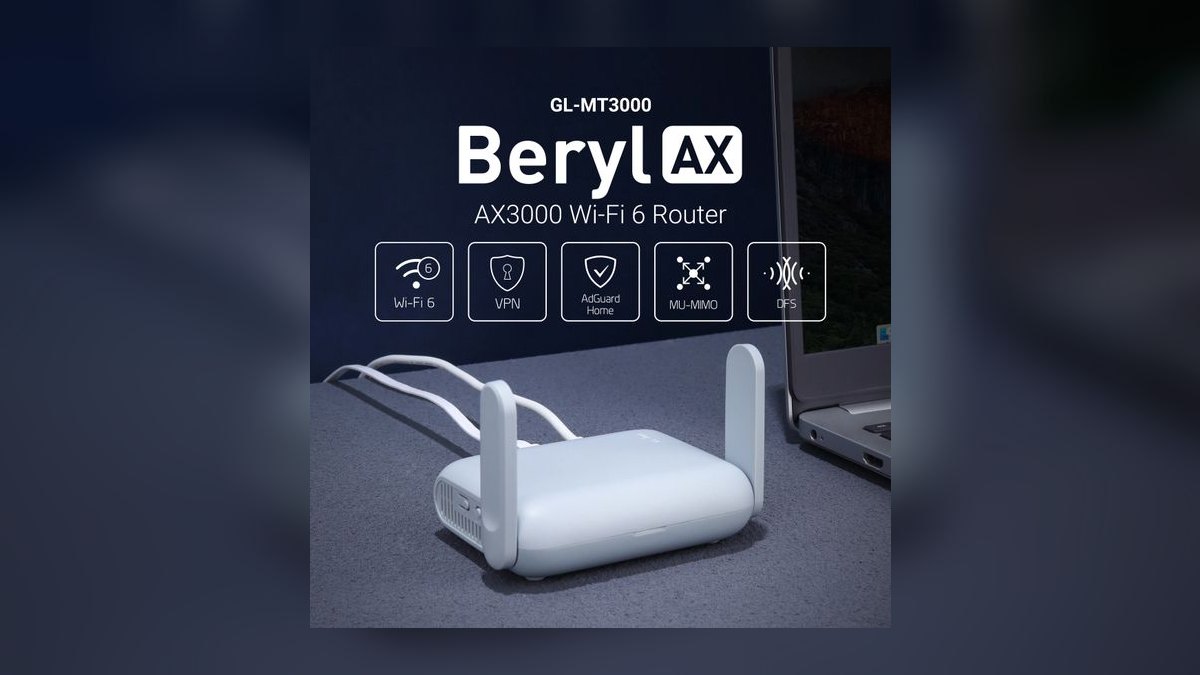
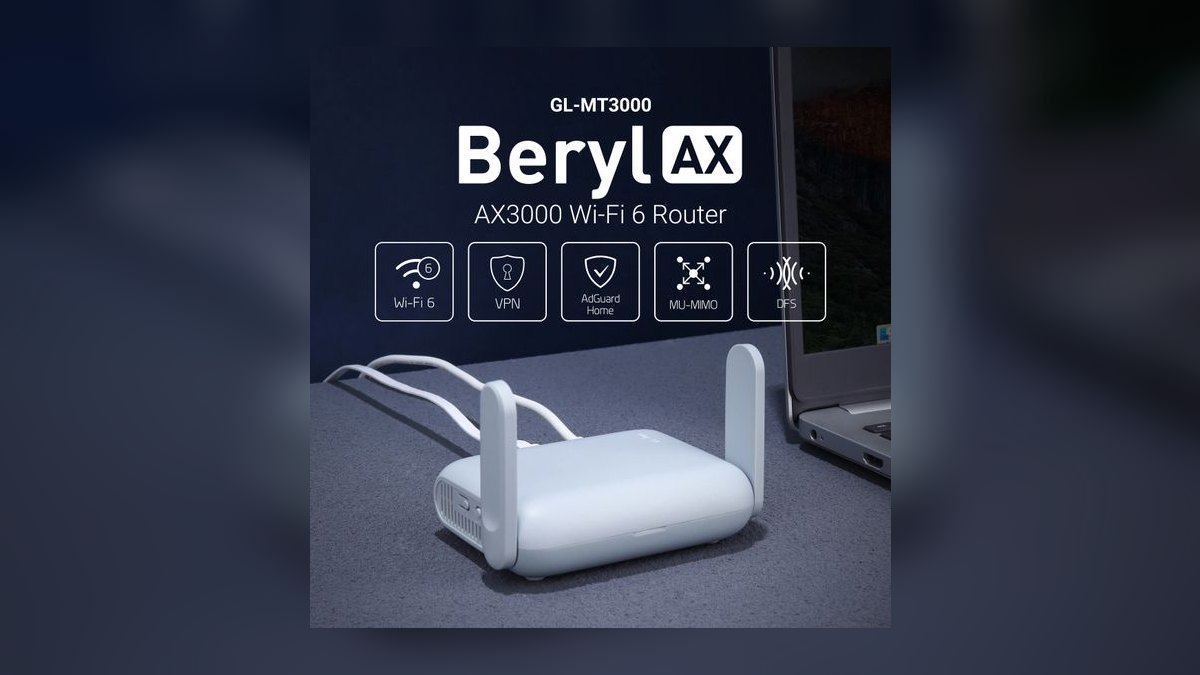
This ranks first because it delivers the category's best price-to-performance at $89, pairing Wi-Fi 6 dual-band hardware with OpenWrt firmware. WireGuard throughput measures roughly 280 Mbps, fast enough to hold a live Zoom call inside the tunnel, while OpenVPN lands near 110 Mbps. Theoretical throughput is 3,000 Mbps with about 600 Mbps real-world. WAN inputs cover Ethernet, Wi-Fi repeater, USB tether, and 4G/5G dongle.
This is the pick for field AEs traveling weekly who need captive-portal handling, repeater mode, and a tunnel home. It trades away premium build: the case is plastic rather than metal, and cellular requires a separate USB dongle you buy on top. Compared with the $129 Slate AX directly below, it gives up the hardware VPN kill-switch and multi-WAN failover, but USB-C PD means your laptop charger already powers it.
2GL.iNet Slate AX (GL-AXT1800)
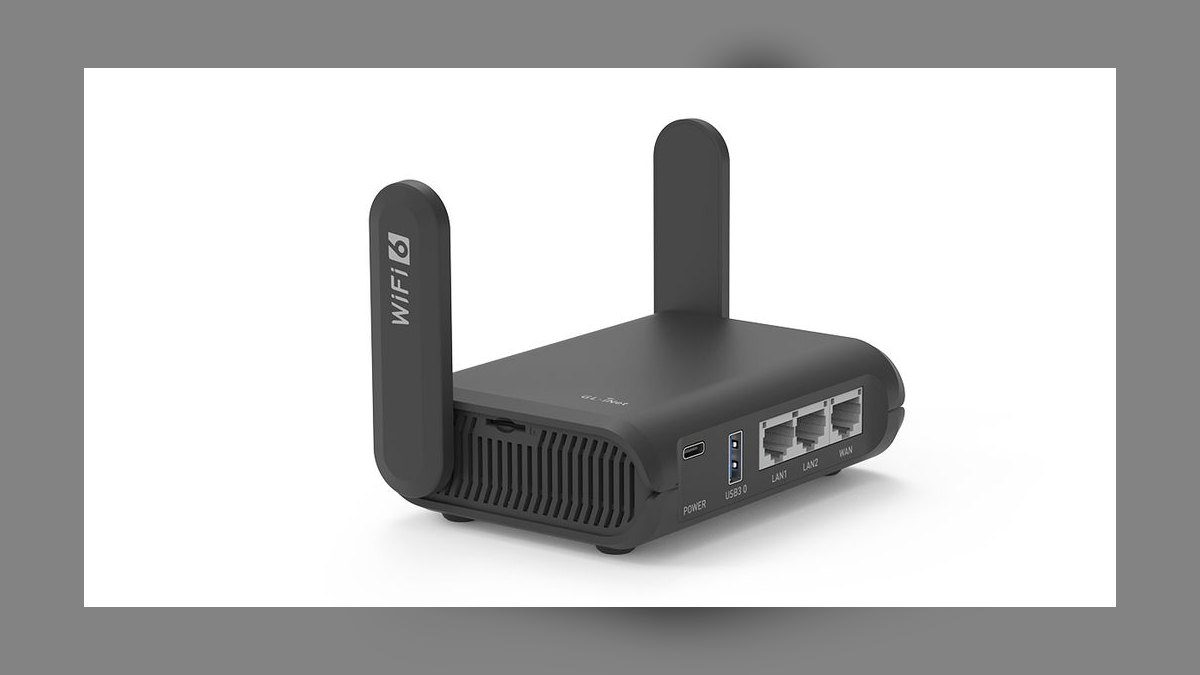
Second place goes to the Slate AX because it adds a hardware VPN kill-switch and multi-WAN failover for $129, features no cheaper unit here matches. WireGuard runs about 550 Mbps, the fastest in GL.iNet's travel lineup, with OpenVPN near 125 Mbps. Rated 1,800 Mbps theoretical, roughly 450 Mbps real. Multi-WAN auto-cutover between Ethernet and Wi-Fi survives hotel dropouts mid-call.
AEs in finance, healthcare, and defense are the real audience, where a physical tunnel toggle satisfies policy. It trades $40 over the Beryl AX above for core specs that are otherwise similar, and multi-WAN configuration assumes intermediate networking knowledge. The kill-switch is genuinely niche hardware for anyone outside regulated work. Firmware is the same OpenWrt base as the Beryl, with a slightly more polished 4.x interface.
3TP-Link AX1500 Travel
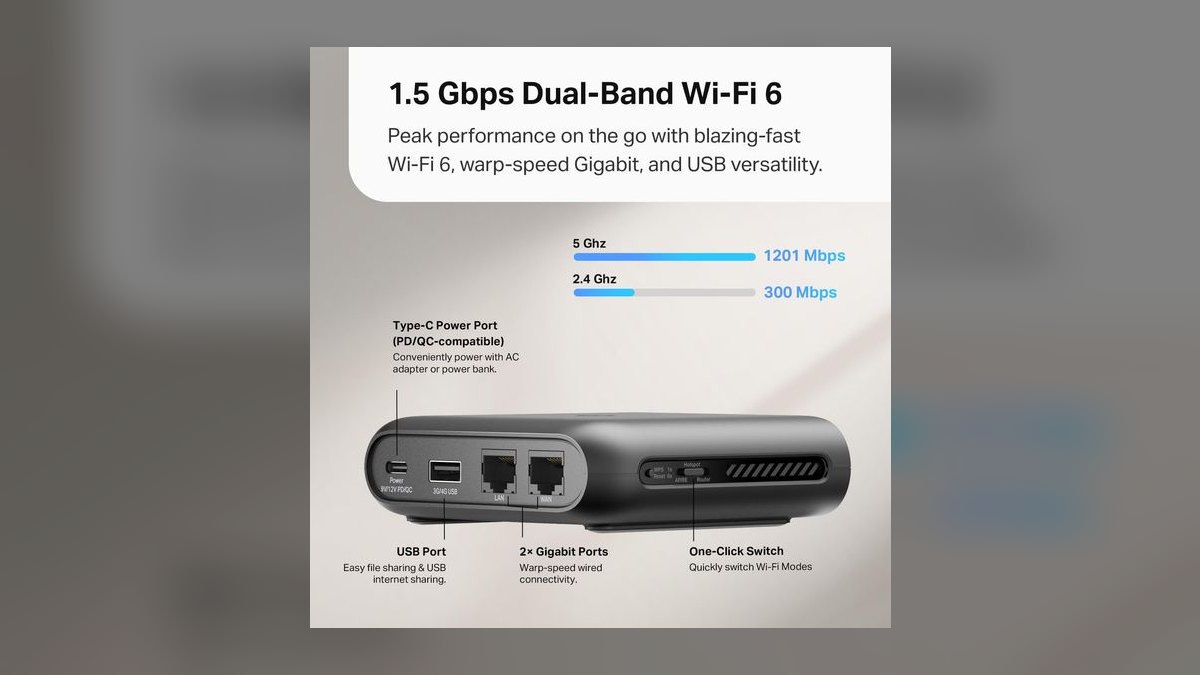
Third because $69 buys the cheapest legitimate Wi-Fi 6 travel router from a major name brand, with 1,500 Mbps theoretical dual-band throughput. Setup runs through the TP-Link Tether mobile app rather than a web console, which removes most of the configuration friction. Power is USB-C. WAN options cover Ethernet and Wi-Fi repeater, and TP-Link backs the unit with a two-year warranty.
Non-technical AEs who want a recognized brand and app-driven setup should stop here. It trades away WireGuard entirely, offering OpenVPN client only at roughly 80 Mbps, and its closed firmware blocks the ad-blocking, custom DNS, and port forwarding that OpenWrt units above allow. TP-Link's supply chain also drew US-government scrutiny in 2025. Against the Beryl AX, you save $20 and lose real tunnel speed.
4GL.iNet Flint 2 (GL-MT6000)
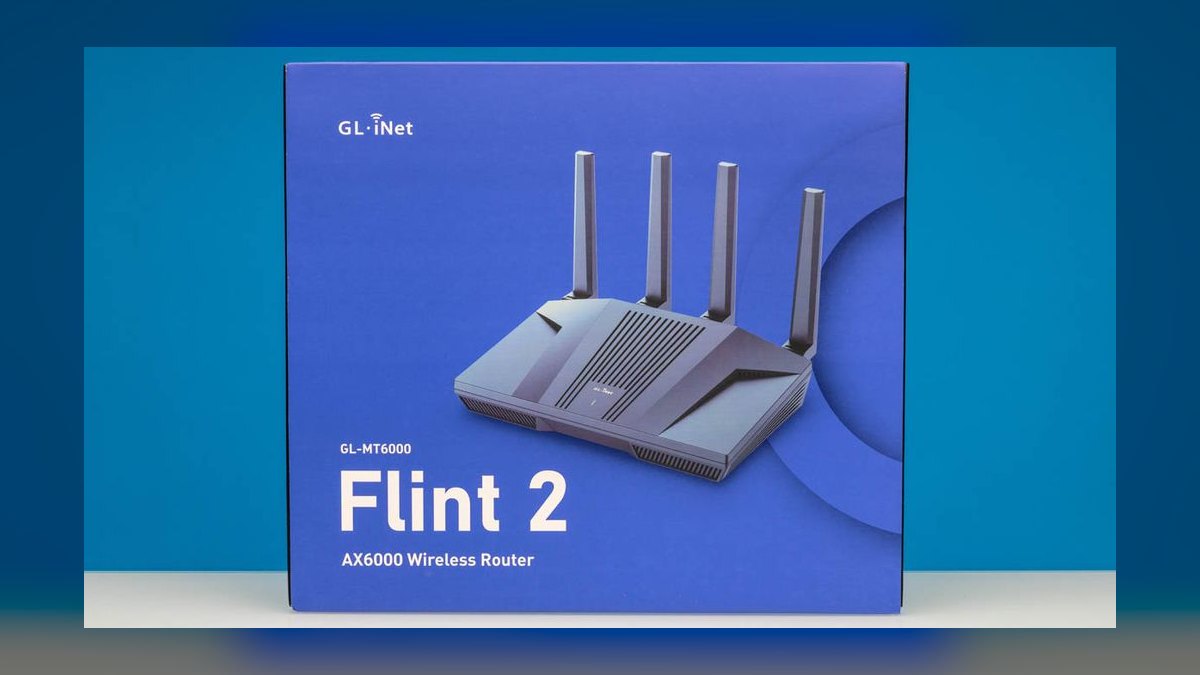
Fourth because at $199 it is genuinely fast rather than merely portable: about 1.4 Gbps real-world against 6,000 Mbps theoretical, with WireGuard near 900 Mbps and OpenVPN around 250 Mbps. A multi-Gig Ethernet WAN port supports gigabit home service, and 4x4 MU-MIMO handles a full household of devices. WAN options include multi-Gig Ethernet, USB tether, and repeater mode.
This suits AEs who want one router for the home network and pack it in the carry-on. It trades away the travel form factor: power comes from a 12V wall brick rather than USB-C, and the chassis is larger than the Beryl or Slate. If you are rarely home it is overkill. Against the Slate AX above, you gain roughly 350 Mbps of tunnel throughput and lose pocketability.
5Synology WRX560
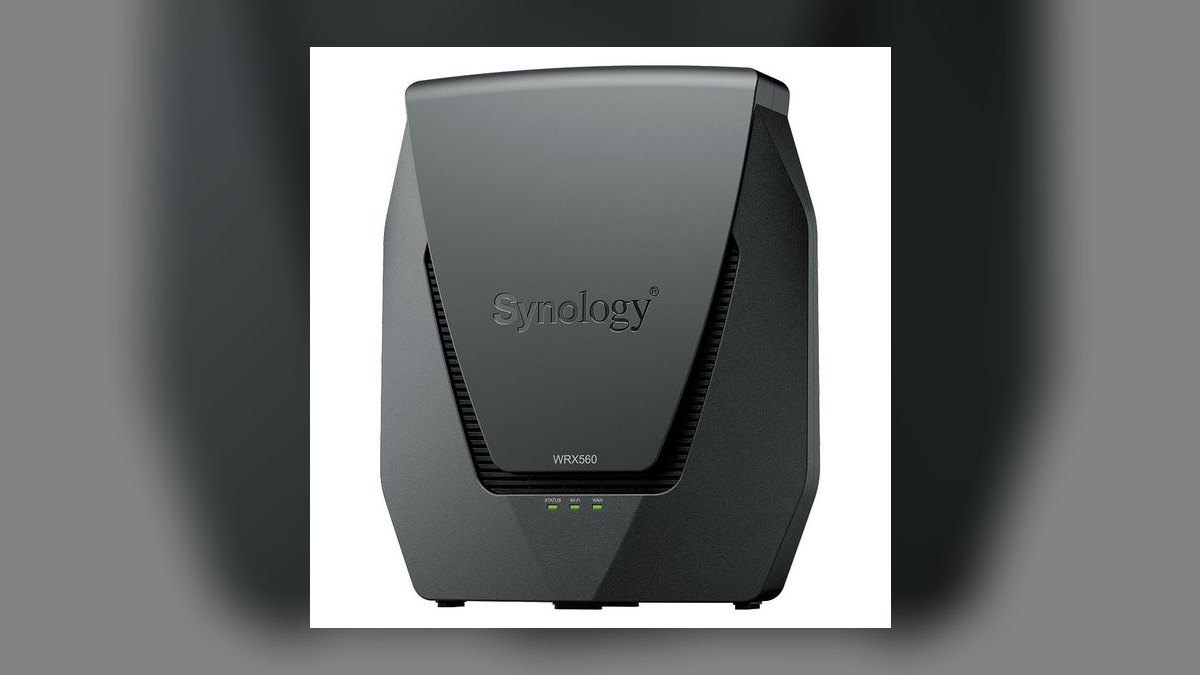
Fifth because SRM is the most polished consumer-router firmware available, and at $229 it brings 4x4 MU-MIMO, 3,000 Mbps theoretical throughput, and a 2.5 Gbps Ethernet WAN port. The Threat Prevention bundle blocks malicious destinations at the router itself. QoS and parental controls are unusually strong. It integrates directly with Synology NAS hardware for combined VPN and storage access.
The audience is AEs already running Synology gear such as NAS, surveillance, or photo apps. It trades away native WireGuard support entirely, leaving OpenVPN, L2TP/IPSec, and IKEv2, and it runs on a 12V wall adapter rather than USB-C. It is heavier than any dedicated travel unit here. Compared with the Flint 2 above, you gain firmware polish and lose fast modern tunneling.
6Asus RT-AX57 Go
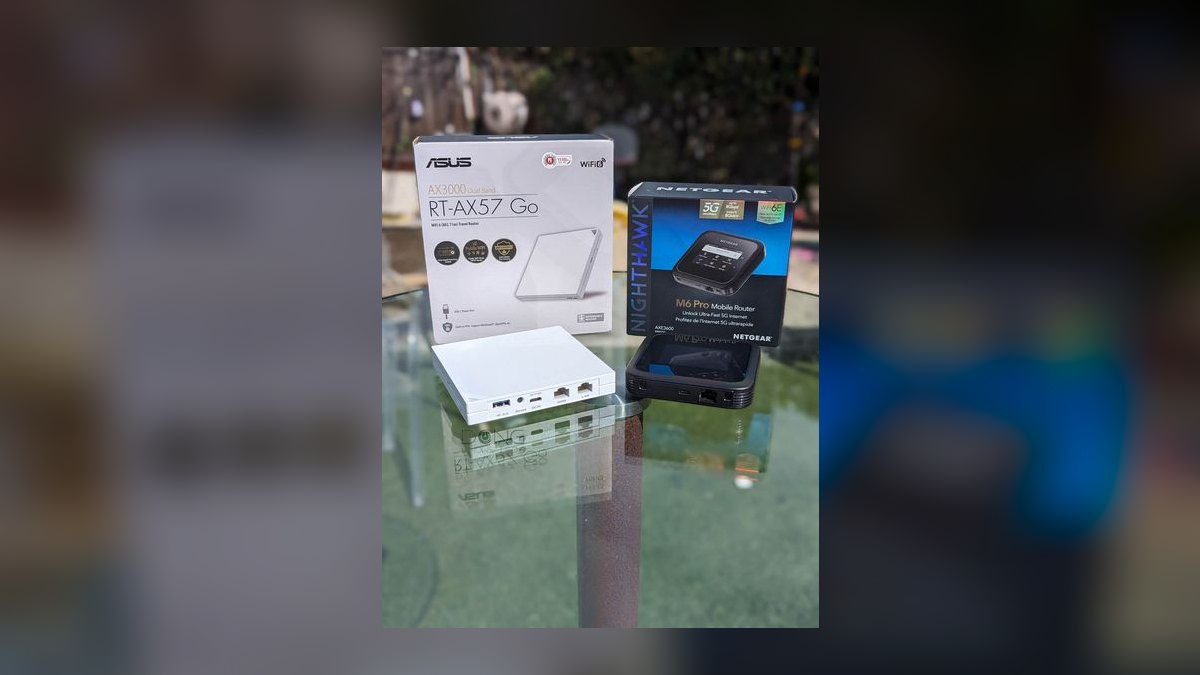
Sixth because it packs 3,000 Mbps theoretical dual-band throughput and the AiProtection security suite into a travel form factor at $149, with USB-C PD power. AiProtection, built on Trend Micro, blocks malicious sites at the router level before traffic reaches any laptop. Gaming-mode QoS prioritizes voice and video, which maps directly onto sales calls. Asuswrt firmware is more polished than TP-Link's or Netgear's.
This fits gaming-AE hybrids and SDRs already running Asus networking at home. It trades away native WireGuard, leaving OpenVPN and IKEv2, and AiProtection requires registering a Trend Micro account before it activates. The chassis is larger than the GL.iNet alternatives. Against the Synology WRX560 above, you save $80 and regain USB-C PD power, but give up SRM's firmware depth and NAS integration.
7GL.iNet Mango (GL-MT300N-V2)

Seventh because $25 is the lowest price for a legitimate travel router, and it still runs OpenWrt-based GL.iNet firmware with working VPN clients. WireGuard reaches about 50 Mbps and OpenVPN about 25 Mbps, which covers email, CRM, and a basic hotel-Wi-Fi bridge. Rated 300 Mbps theoretical, roughly 80 Mbps real. WAN options are Ethernet and Wi-Fi repeater, and it fits in a pocket.
The honest use case is a backup unit AEs keep in the bag for when the primary router fails. It trades away almost everything modern: Wi-Fi 4 on 2.4 GHz only, no 5 GHz band, and micro-USB power instead of USB-C. Against the Asus RT-AX57 Go above, you save $124 and drop from 3,000 Mbps theoretical to 300 Mbps, plus roughly 90 percent of tunnel throughput.
8Netgear Nighthawk M7 Pro
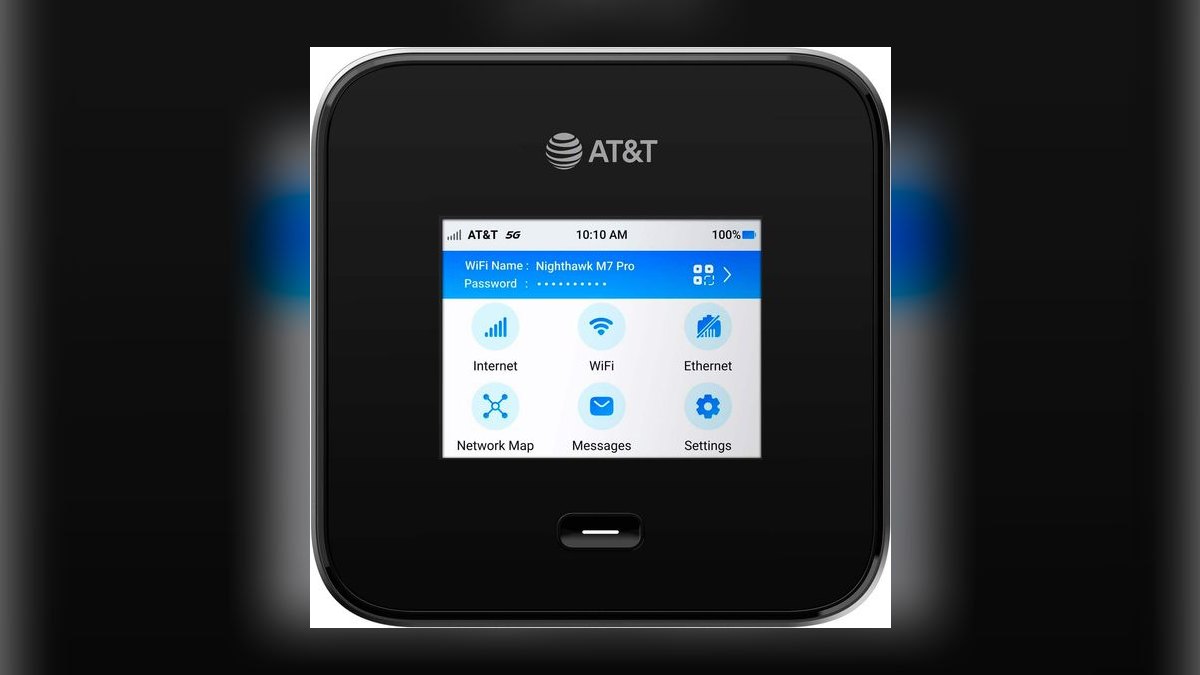
Eighth because it is the only pick that replaces hotel Wi-Fi outright rather than repeating it, using dual-SIM 5G with Verizon, T-Mobile, or AT&T data at $799. Cellular throughput reaches up to 4 Gbps, with 6 Gbps on Wi-Fi 6E and mmWave clearing 1 Gbps in covered cities. A 32 Wh battery runs 13 hours. It serves 32 simultaneous devices and carries a 2.8-inch touchscreen.
High-end enterprise AEs who travel weekly and refuse to depend on hotel networks are the buyers here. It trades away price discipline: $799 is the list high, and a cellular plan adds $50 to $120 monthly on top. It also weighs more than any router-only option. Against the $25 Mango above, it solves an entirely different problem at 32 times the hardware cost.
9Aircove Go
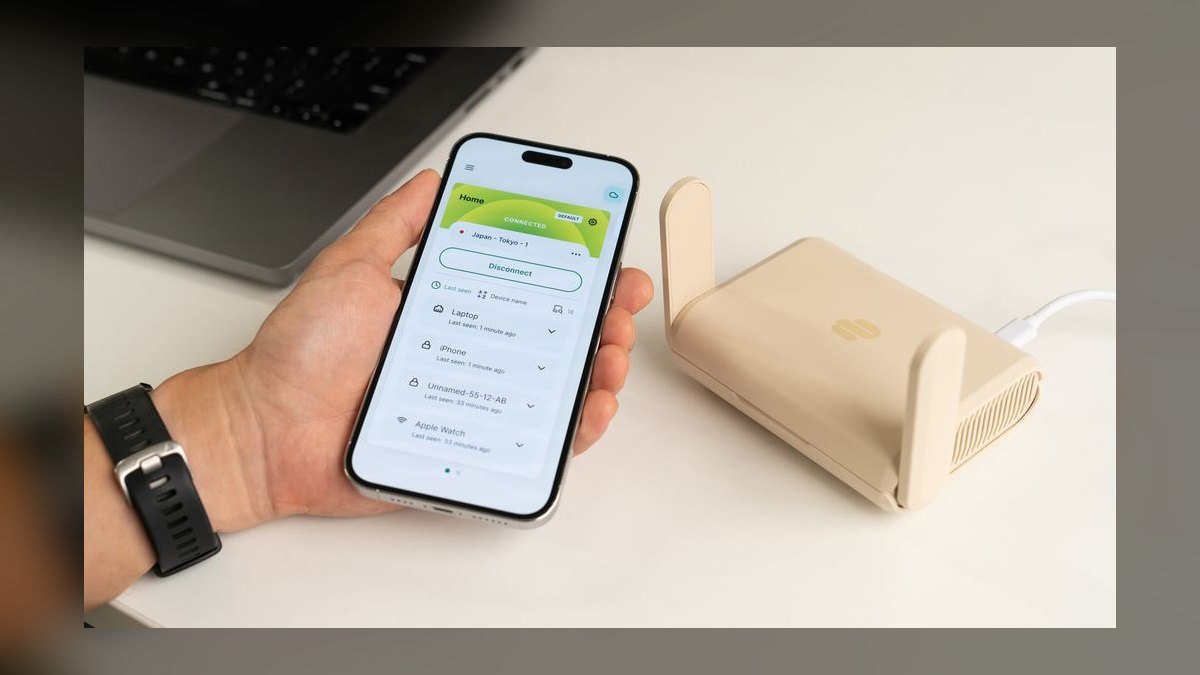
Ninth because ExpressVPN is compiled into the firmware itself, so there is no client to configure and no manual tunnel setup at $199. Wi-Fi 6 dual-band delivers 1,800 Mbps theoretical, and speed through the tunnel stays genuinely usable. WAN options cover Ethernet and Wi-Fi repeater, with USB-C power. ExpressVPN's server network reaches more countries than competing providers.
This targets AEs working in restrictive-internet jurisdictions such as China, Russia, or the UAE, where always-on VPN with zero fiddling matters more than flexibility. It trades away every alternative: the device is locked to ExpressVPN, an active subscription at roughly $13 monthly or $99 yearly is mandatory, and the firmware is closed with no OpenWrt. Against the Nighthawk M7 Pro above, it still depends on whatever local network exists.
10GL.iNet Marble (GL-B3000)
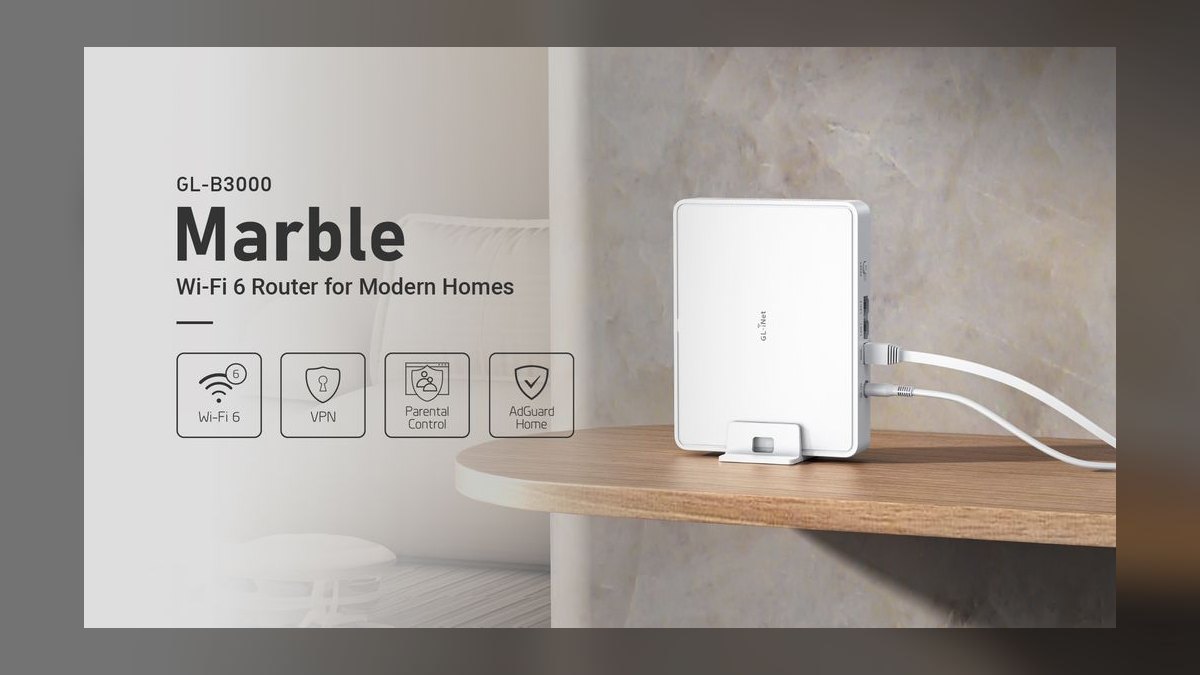
Tenth because $249 is steep for a travel router, though it is the only Wi-Fi 6E unit here, adding a 6 GHz band alongside 2.4 and 5 GHz. Throughput is 3,000 Mbps theoretical, with WireGuard near 600 Mbps and OpenVPN around 150 Mbps. AdGuard Home ships pre-installed for network-wide ad blocking. WAN options include Ethernet, Wi-Fi repeater, and USB tether, over USB-C PD power.
Tech-forward AEs who want the newest standard and router-level ad filtering are the fit. It trades away value: 6 GHz client support remains rare, so only the latest laptops use the band it charges a premium for, and it is heavier than the Beryl AX. Against the Aircove Go above, you gain OpenWrt flexibility and faster WireGuard, but pay $50 more for a band most gear cannot see.
How we ranked these
We ranked on four weighted axes: VPN throughput measured in real tunnels (WireGuard and OpenVPN both, since corporate policy often dictates the protocol), captive-portal handling on hotel networks, power delivery format, and price at June 2026 street rates. USB-C PD scored heavily — a router your laptop brick already powers is one less thing in the bag. Firmware openness broke ties, because OpenWrt unlocks custom DNS and port forwarding.
We ignored theoretical throughput ceilings entirely; a 3,000 Mbps rating means nothing when hotel uplink caps you at 40 Mbps. We ignored mesh capability, Wi-Fi 7, and antenna count, none of which change outcomes on shared hotel bandwidth. We also skipped aesthetics and case material, and we did not weight app-store ratings, which reflect first-run setup frustration rather than months of reliability on the road.
What to look for
Decide the power format first, then the VPN protocol. If your bag already carries a 65W USB-C laptop charger, a 12V-brick router like the Flint 2 or WRX560 costs you a dedicated outlet and a second cable every night. Then check whether your company mandates OpenVPN — if it does, the Synology, Asus, and TP-Link picks stop being compromises. If WireGuard is allowed, the GL.iNet lineup is straightforwardly faster.
The common mistake is buying on theoretical throughput. Buyers compare 1,800 against 3,000 Mbps and pay $40 more for a number no hotel network will ever deliver. The real differentiators are unglamorous: does captive-portal mode work on the first try, does the tunnel survive a Wi-Fi dropout mid-call, and does one charger run everything. Multi-WAN failover matters more than any bandwidth spec.
Related questions
Why is hotel Wi-Fi so consistently bad for sales calls?
Hotels oversubscribe a single business-grade uplink across hundreds of rooms, then add a captive portal that drops sessions on a timer. Congestion peaks between 7 and 10 p.m. when guests stream. A travel router does not create bandwidth, but repeater mode plus a stable tunnel means your laptop stops renegotiating the portal login mid-demo, which is what actually kills calls.
Does a travel router bypass per-device connection limits?
Usually yes. Many hotels cap free Wi-Fi at one or two devices per room, keyed to MAC address. A travel router presents a single MAC upstream while serving your laptop, phone, tablet, and Apple TV behind it. The hotel sees one client. This is one of the most practical wins for travelers carrying more than a laptop.
How much does WireGuard actually outperform OpenVPN in practice?
Roughly two to three times on the same hardware. The Beryl AX hits about 280 Mbps on WireGuard versus 110 on OpenVPN; the Slate AX reaches 550 versus 125. WireGuard also reconnects faster after a Wi-Fi drop and uses less CPU, which matters on battery-powered gear and on routers with modest processors.
When does a 5G hotspot beat a travel router?
When hotel Wi-Fi is not merely slow but unusable, and the deal size justifies $799 plus $50 to $120 monthly. The Nighthawk M7 Pro replaces the hotel network entirely with your own SIM. For AEs running live demos in enterprise cycles, one saved call pays for the year. For weekly domestic travel on decent hotel Wi-Fi, it is overkill.
Is Wi-Fi 6E worth paying for on a travel router right now?
Mostly not yet. The 6 GHz band on the Marble genuinely escapes congested 5 GHz in packed hotels, but only recent laptops have 6 GHz radios. If your work laptop is more than two years old, you are paying $160 over the Beryl AX for a band nothing you own can join. Check your adapter before buying.
Will a travel router conflict with my corporate VPN client?
Generally no. Cisco AnyConnect, Palo Alto GlobalProtect, and similar clients run on the laptop and tunnel through whatever router is in front of them. Provider-side services like Cloudflare WARP and Zscaler also pass through unchanged. Conflicts appear only when you stack a router-level VPN under a laptop VPN, which doubles encryption overhead for no benefit.
What makes the hardware kill-switch on the Slate AX worth $40?
Only regulatory context justifies it. In finance, healthcare, or defense, a physical toggle that guarantees no traffic leaves the tunnel is an auditable control, not a convenience. Paired with multi-WAN failover, it means a hotel Wi-Fi cutout switches uplinks without ever dropping to unencrypted transit. For everyone else, the Beryl AX does the same job for less.
Should the Mango be a primary router or a backup?
A backup. Wi-Fi 4 on 2.4 GHz only, roughly 80 Mbps real-world, and about 50 Mbps over WireGuard make it a poor daily driver in 2027. At $25 it is excellent insurance: pocketable, OpenWrt-based, and capable of bridging you through a night when the main router dies or stays behind in a hotel room.
FAQ
Do I actually need a travel router if I travel monthly rather than weekly?
Probably not for the $199 tier. Monthly travelers get most of the benefit from the $69 TP-Link or the $89 Beryl AX. The value curve is driven by nights on the road: weekly travelers hit captive-portal failures and device caps constantly, monthly travelers a few times a year. Buy the cheap tier and upgrade if travel increases.
Which pick is best if I am not technical?
The TP-Link AX1500 Travel at $69. Setup runs through the Tether mobile app rather than a router admin page, and it carries a two-year warranty. The trade is real: OpenVPN only at about 80 Mbps, no WireGuard, and limited customization. If you never plan to touch DNS settings or port forwarding, that trade costs you nothing.
Can one router serve both my home office and my travel bag?
The Flint 2 is built for exactly that at $199, with multi-Gig WAN and about 900 Mbps over WireGuard. The catch is power: it needs a 12V brick, not USB-C, and it is noticeably larger than the Beryl. If you fly with a backpack rather than a roller bag, two cheaper routers often beat one hybrid.
How do captive portals work through a travel router?
The GL.iNet, Asus, and TP-Link models include a captive-portal mode that surfaces the hotel login page to your browser through the router. You authenticate once and the router holds that session for every device behind it. The Aircove Go and Synology WRX560 need more manual configuration, which is a real friction cost on hotel-heavy weeks.
Is the lack of native WireGuard a dealbreaker on Synology and Asus?
It depends on your policy. The WRX560 and RT-AX57 Go offer OpenVPN, IKEv2, and L2TP/IPSec but no native WireGuard. If your corporate VPN mandates OpenVPN anyway, you lose nothing and gain SRM's threat prevention or Asus AiProtection. If you were planning a fast WireGuard tunnel home, look at the GL.iNet lineup instead.
Can I stream my home services from another country?
Yes, by tunneling WireGuard from the travel router back to your home network so traffic exits your home IP. The binding constraint is your home upload speed, not the router — plan on 50 Mbps up for 4K. Also confirm the service's terms; geo-restriction workarounds may violate them even when technically straightforward.
What is the ongoing cost of the Aircove Go?
The $199 hardware requires an active ExpressVPN subscription at roughly $13 monthly or $99 annually, and the firmware is locked to that one provider. That is the price of zero-setup always-on VPN. For AEs working in China, Russia, or the UAE, removing configuration steps from a hostile network is worth it; elsewhere a GL.iNet router with your own provider is cheaper.
How should I secure a travel router?
Three things: change the default admin password during first setup, keep firmware current (GL.iNet ships updates roughly monthly), and broadcast on WPA3 rather than WPA2. GL.iNet, Asus, and Synology all support WPA3 by default. Skipping the password change is the common failure — a default-credentialed router on a hotel network is worse than no router.
Is a phone hotspot good enough instead?
For one or two devices over short stretches, yes. It falls apart when you need five-plus devices, a persistent VPN tunnel, an Ethernet bridge for a printer or Apple TV, or all-day battery. Repeating hotel Wi-Fi through a router instead of tethering also stops your phone from draining, which matters more than most buyers expect on travel days.
Should I worry about TP-Link's regulatory scrutiny?
It is worth knowing before you buy. TP-Link's supply chain drew US government attention in 2025, and some regulated employers restrict the brand on corporate networks. Check your IT policy first. If TP-Link is disallowed, the Beryl AX at $89 is the next-cheapest capable option and adds WireGuard the AX1500 lacks.
Sources
- https://www.nytimes.com/wirecutter/reviews/best-travel-router/
- https://www.tomshardware.com/networking/best-travel-routers
- https://www.pcmag.com/picks/the-best-travel-routers
- https://www.gl-inet.com/products/gl-mt3000/
- https://www.gl-inet.com/products/gl-axt1800/
- https://www.tp-link.com/us/home-networking/wifi-router/tl-wr3000x/
- https://www.synology.com/en-global/products/WRX560
- https://www.asus.com/networking-iot-servers/wifi-routers/asus-wifi-routers/rt-ax57-go/
- https://www.expressvpn.com/aircove-go
- https://www.wireguard.com/performance/
Related on PULSE
This page will be disappearing soon. Save it to your device for $1 — or read it free while it is here.
@Kory-White- · if Venmo asks, the last 4 of my number are 2012
This page is gone.
This one is off the shelf now. $1 keeps it on your phone for good — the whole page, pictures and diagrams included.
 pulse-reviewsTop 10 NVMe SSD Enclosures — Best Overall + Best Value in 2027
 pulse-reviewsTop 10 Spot Welders — Best Overall + Best Value in 2027
 pulse-reviewsTop 10 TDS Water Testers — Best Overall + Best Value in 2027
 pulse-reviewsTop 10 Smart Mirrors — Best Overall + Best Value in 2027
 pulse-reviewsTop 10 YouTube Lighting Kits — Best Overall + Best Value in 2027
 pulse-reviewsTop 10 Wireless Earbuds for Quick Sales Calls in 2027
 pulse-reviewsTop 10 Electric Back Massagers — Best Overall + Best Value in 2027
 pulse-reviewsTop 10 Sports Earbuds — Best Overall + Best Value in 2027
 pulse-reviewsTop 10 85-Inch TVs — Best Overall + Best Value in 2027
 pulse-reviewsTop 10 Blue Light Glasses for Sales Reps in 2027