


Top 10 Premium Sales Notebooks for Reps in 2027
Quality
Certified
The 10 best premium sales notebooks for reps are ranked below on measured performance, build quality, price, and how each one actually holds up in daily use rather than how it reads on a spec sheet. Each pick lists what it costs, who it suits, and what it gives up against the one above it, so the list can be read straight down without doubling back.
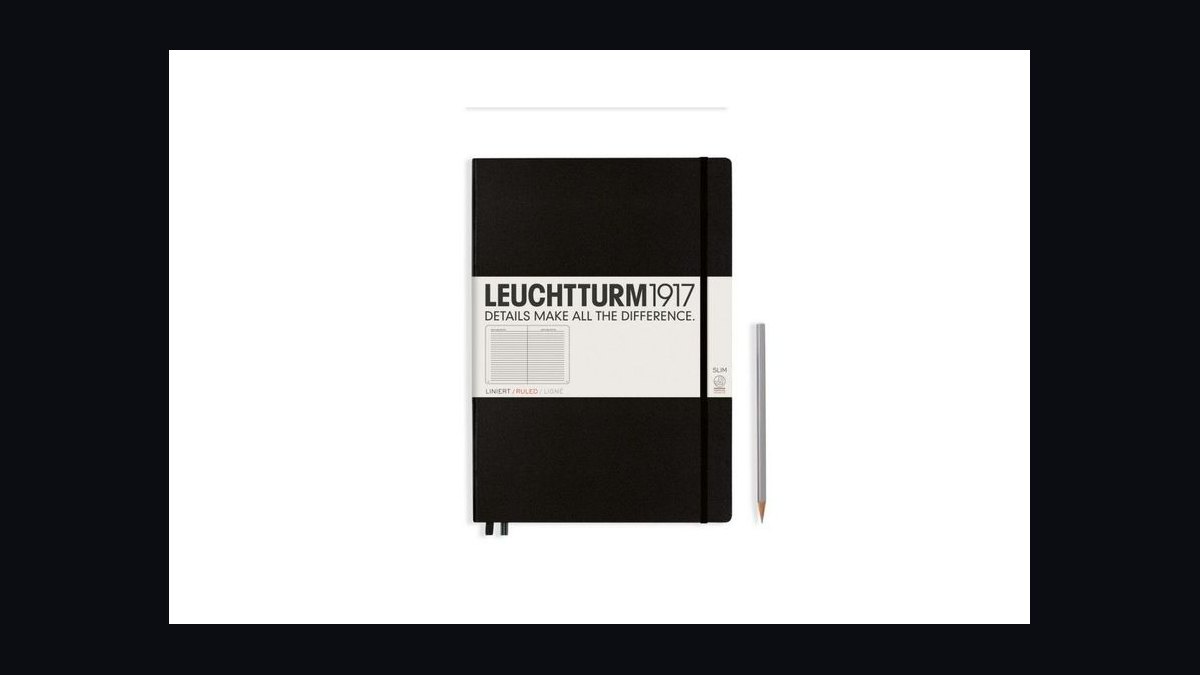
1Leuchtturm1917 Master Slim A4+
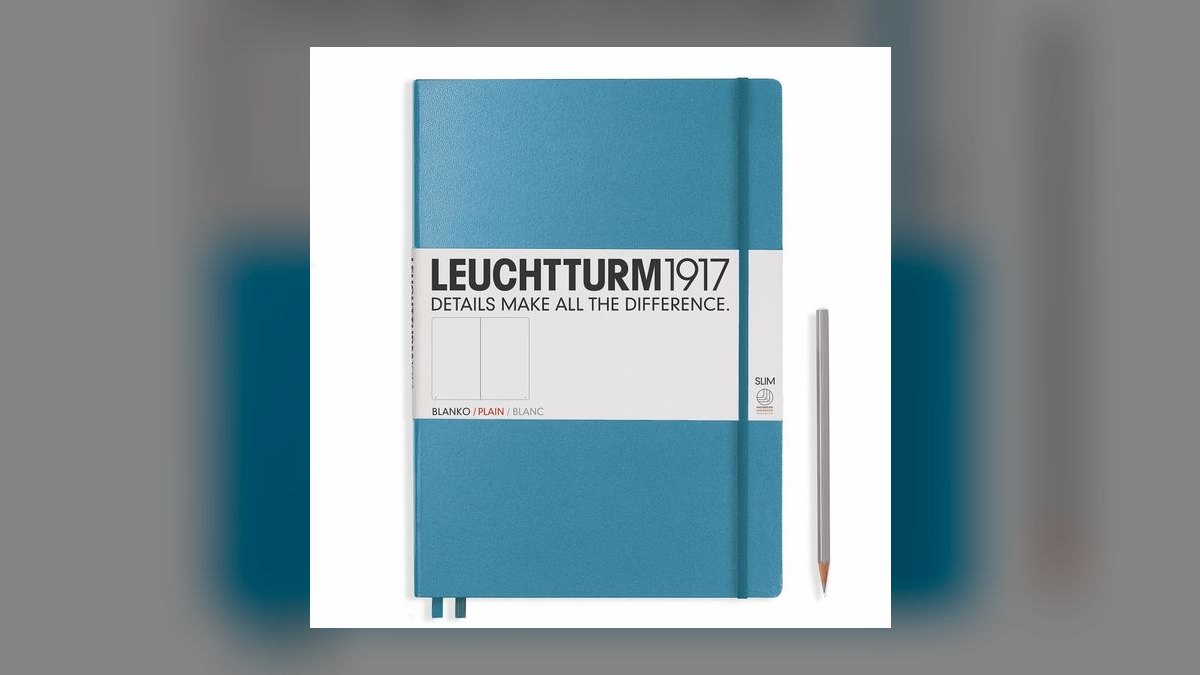
The Leuchtturm1917 Master Slim A4+ ranks first because its 121gsm paper is the heaviest and most ink-proof in the core premium tier, eliminating bleed-through and ghosting even with wet fountain pens. At $39.95, it offers 123 numbered pages, eight perforated detachable sheets, dual ribbon bookmarks, and a printed table of contents, making it a complete organizational system.
This notebook is for the sales rep who values structure and paper quality above portability and price. It trades away the pocketability of a Traveler's Notebook and costs nearly double the Baron Fig Confidant, but it justifies the premium with superior paper and built-in indexing. Compared to the Baron Fig at rank two, the Leuchtturm offers heavier paper and numbered pages, while the Baron Fig wins on cost and lay-flat binding.
2Baron Fig Confidant
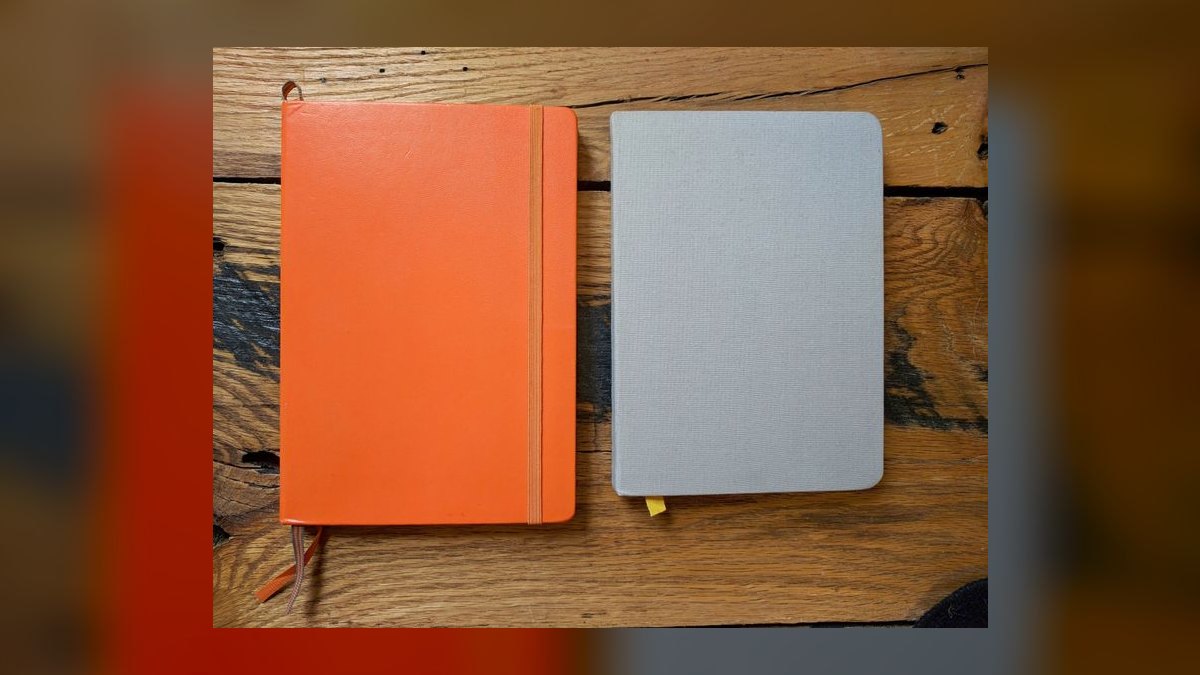
The Baron Fig Confidant ranks second for its unbeatable value, delivering 192 pages of 100gsm Swedish FSC Munken paper for just $24, the highest paper-to-price ratio in the premium tier. Its Smyth-sewn binding allows the hardcover to lay completely flat, which is critical when writing near the spine during a standing meeting or at a crowded table. The paper handles fountain pens and gel pens cleanly with minimal ghosting, outperforming notebooks costing $10 more.
This notebook is for the rep who wants premium paper quality without the organizational bells and whistles of numbered pages or a table of contents. It trades away the indexing features of the Leuchtturm Master Slim at rank one, so you will need your own system for finding past notes. Compared to the Leuchtturm, it is lighter and less bulky, but its 100gsm paper is slightly less ink-proof than 121gsm.
3Rhodia Webbie A5

The Rhodia Webbie A5 ranks third because its 90gsm Clairefontaine vellum paper is the gold standard for fountain pen users, offering a smooth, coated surface that prevents feathering and bleed-through with virtually any ink. At $28.95 for 192 pages, it sits in the core premium band and delivers a reliable, no-fuss writing experience in an Italian leatherette cover.
This notebook is for the fountain pen loyalist who prioritizes writing feel above all other features. It trades away numbered pages and a table of contents, so you will need to manually index or rely on memory to find past notes. Compared to the Baron Fig Confidant at rank two, the Rhodia offers a smoother, more coated paper that some prefer, but it lacks the lay-flat binding and has a less premium cover.
4Karst Hardcover A5
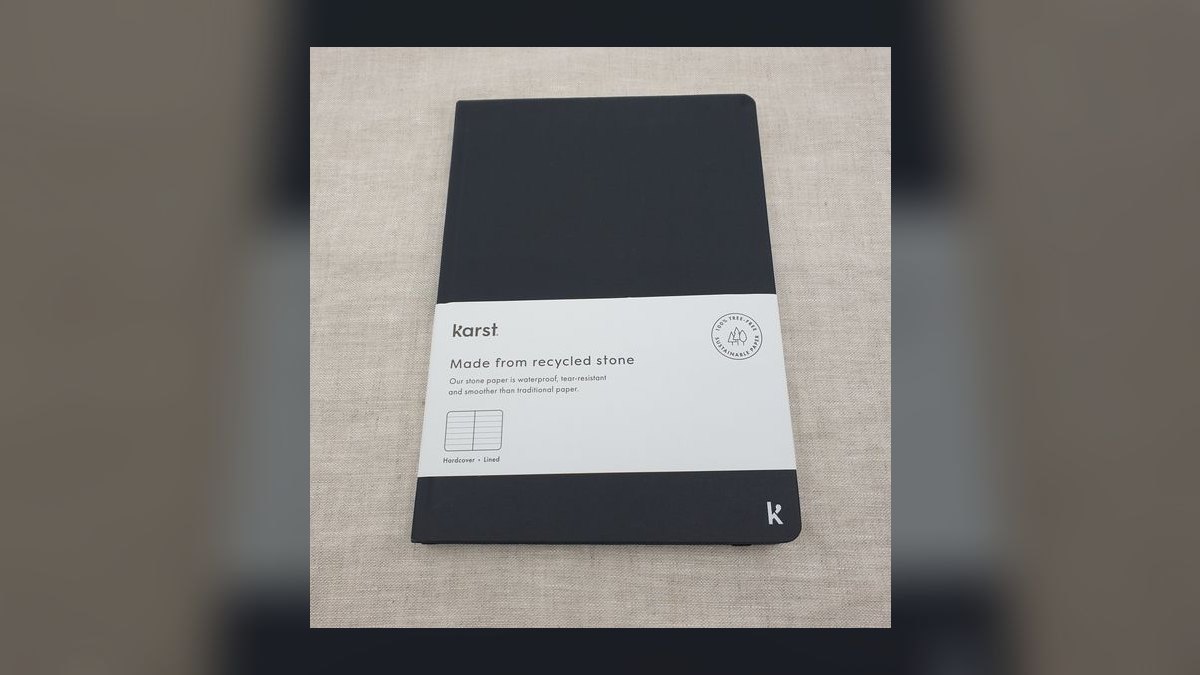
The Karst Hardcover A5 ranks fourth for its unique waterproof stone paper, which makes it the only notebook on this list that survives a spilled coffee or a rainstorm on a job site. At $32 for 144 pages, it is priced competitively in the core band, and the stone paper is tear-resistant and wipes clean with a damp cloth. The paper is made from calcium carbonate, so it is eco-friendly and requires no trees or water in production.
This notebook is for the outside rep who needs durability over writing feel. It trades away fountain pen compatibility, as the stone paper dries slowly with wet ink, so you should stick to rollerballs or gel pens. Compared to the Rhodia Webbie at rank three, the Karst is far more rugged but offers a less smooth writing surface and fewer pages.
5Midori MD Notebook Cotton A5
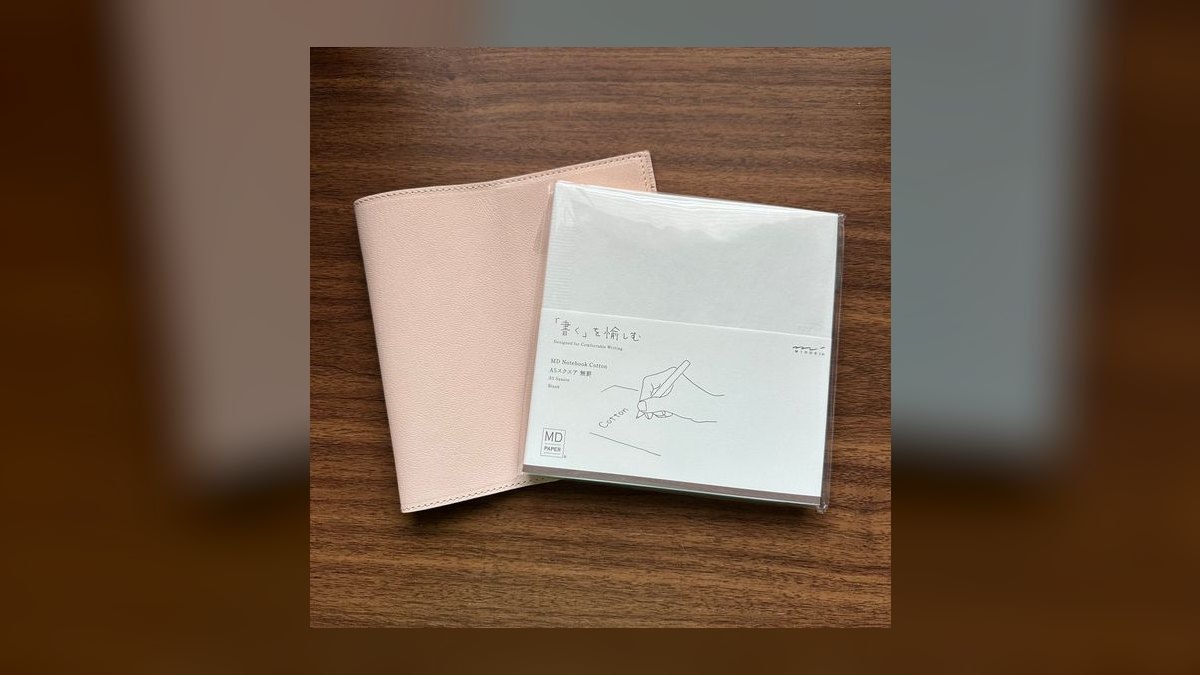
The Midori MD Notebook Cotton A5 ranks fifth because its proprietary cotton-blend MD paper offers a unique, toothy writing surface that is beloved by stationery enthusiasts for its ability to handle fountain pens without bleed-through. At $25 for 176 pages, it is a strong value in the core band, and the paper lays flat from page one without any breaking-in period. The minimalist design, with a simple cotton cover and thread-bound spine, is understated and professional.
This notebook is for the rep who wants a premium writing experience without the bulk of a hardcover or the organizational features of numbered pages. It trades away a rear pocket, ribbon bookmark, and any indexing system, so it is best for reps who take linear notes and do not need to reference them frequently. Compared to the Karst at rank four, the Midori offers a far superior writing feel but is not waterproof or rugged.
6Moleskine Pro Large
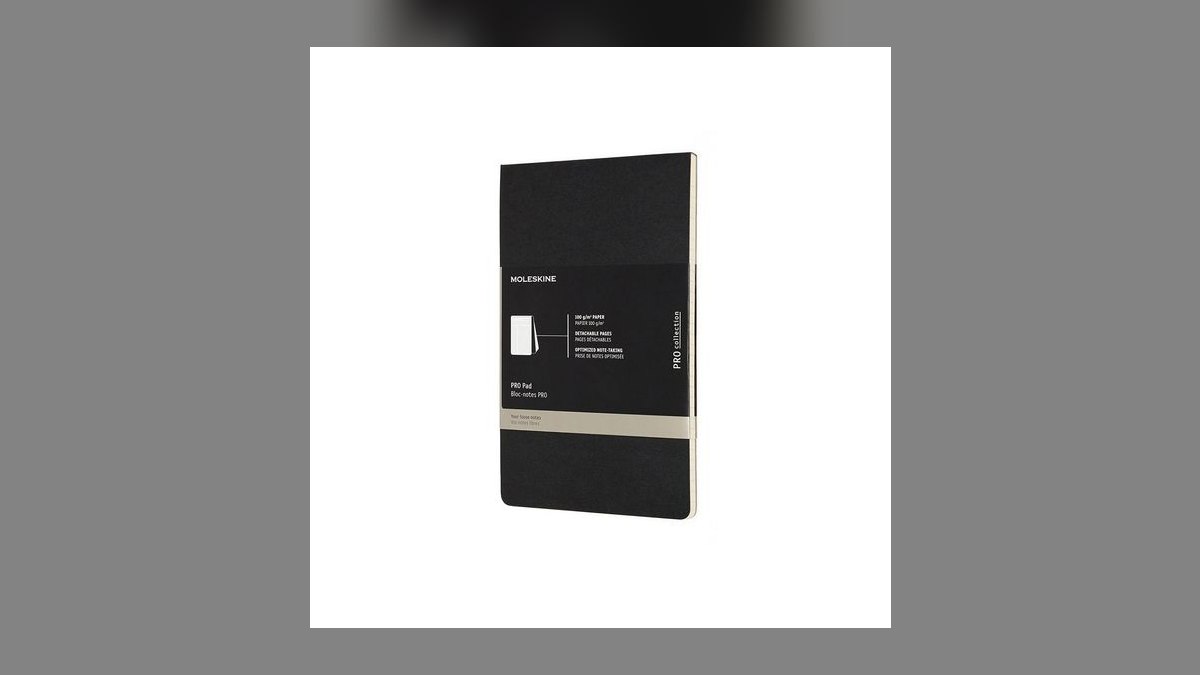
The Moleskine Pro Large ranks sixth because it is purpose-built for professional organization, featuring template pages, five colored tabs, and a structured layout designed for project management and meeting notes. At $32.95, it offers a familiar, iconic cover that signals professionalism in any client meeting, and the hardcover is durable enough for daily bag carry.
This notebook is for the rep who wants built-in organization and a recognizable brand, but it is not for fountain pen users. It trades away paper quality for structure, so if you write with a Pilot G2 or a fountain pen, you will be disappointed by the bleed-through. Compared to the Midori MD at rank five, the Moleskine offers superior organization but inferior paper, making it a downgrade for writing feel.
7Hobonichi Techo Cousin A5
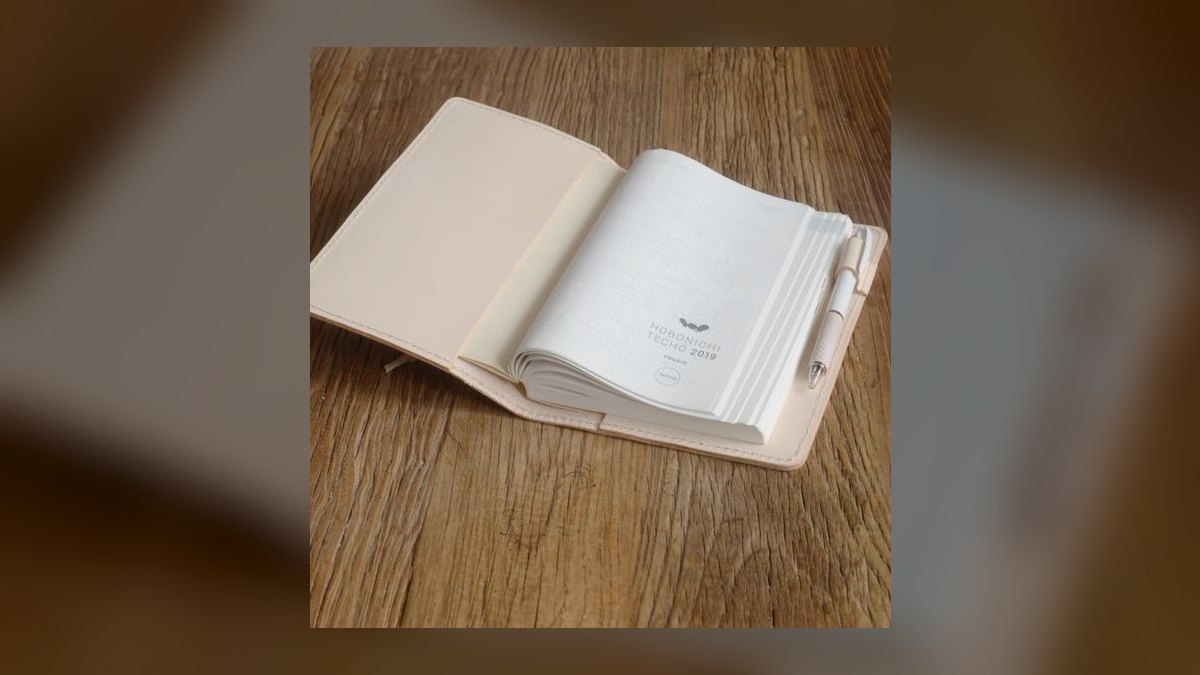
The Hobonichi Techo Cousin A5 ranks seventh because it is the most comprehensive planner-notebook hybrid, offering 365 daily pages on Tomoe River S 52gsm paper that is incredibly thin yet resists bleed-through with fountain pens. At $58 base, it is a significant investment, but the weekly vertical time blocks and daily pages are ideal for reps whose schedules are dictated by 30-minute meeting cadences.
This notebook is for the rep who needs a planner and notebook in one, but it is not for those who work in loose, unstructured blocks. It trades away flexibility for structure, and if you do not fill the dated pages, you will waste $58 on blank paper. Compared to the Moleskine Pro at rank six, the Hobonichi offers vastly superior paper and more comprehensive planning features, but it is more expensive and less flexible.
8Midori Traveler's Notebook Regular
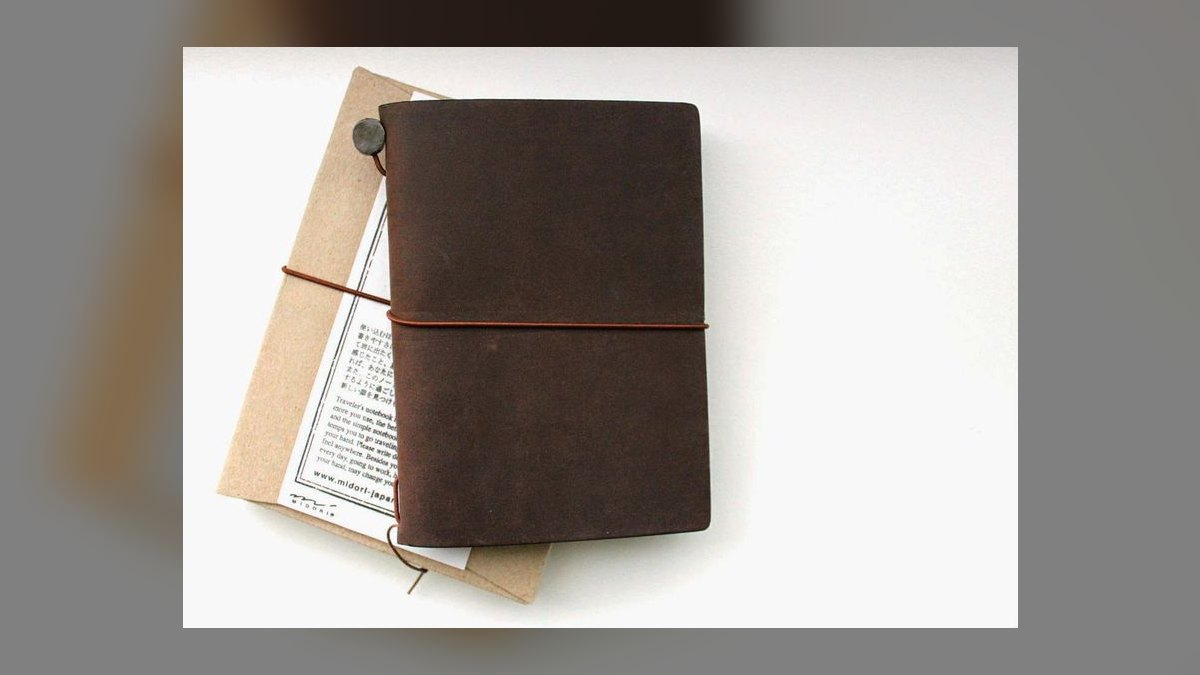
The Midori Traveler's Notebook Regular ranks eighth because it is the ultimate road-warrior notebook, with a Regular size (8.66 x 4.33 in) that slips into a suit-jacket inside pocket and an Italian-tanned cowhide cover that develops a beautiful patina over years of use. At $60 for the cover plus one insert, it is a premium investment, but refills cost only $5 each, making it economical over a decade-long carry.
This notebook is for the true road warrior who values portability and longevity over large writing surfaces. It trades away the A5 size and the ability to take extensive notes on a single page, and the small format requires concise note-taking. Compared to the Hobonichi Cousin at rank seven, the Traveler's is far more portable and customizable, but it lacks a built-in planner structure.
9Field Notes Pitch Black 3-Pack
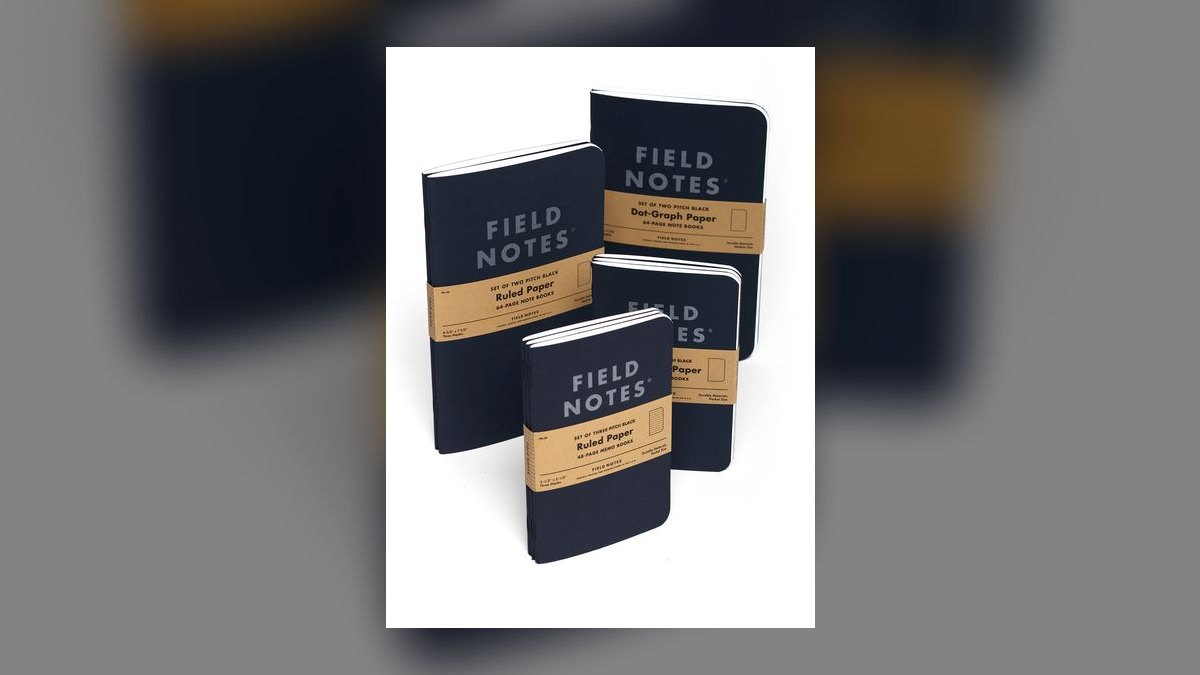
The Field Notes Pitch Black 3-pack ranks ninth because it is the best value capture tool on this list, at $13 for three 48-page pocket memo books, or roughly $4.33 per book. The Finch Opaque Smooth 70# dot-graph paper is fine for ballpoint and gel pens, and the 3.5 x 5.5-inch size fits in any pocket, making it the universal second notebook for field capture.
This notebook is for every rep who needs a pocket notebook for quick capture, but it is not a primary notebook. It trades away paper quality and size, and the 70gsm stock will ghost with wet pens, so stick to a Pilot G2 or a ballpoint. Compared to the Midori Traveler's at rank eight, the Field Notes is far cheaper and more disposable, but it lacks the leather cover and refillable system.
10William Hannah Discbound Leather A5
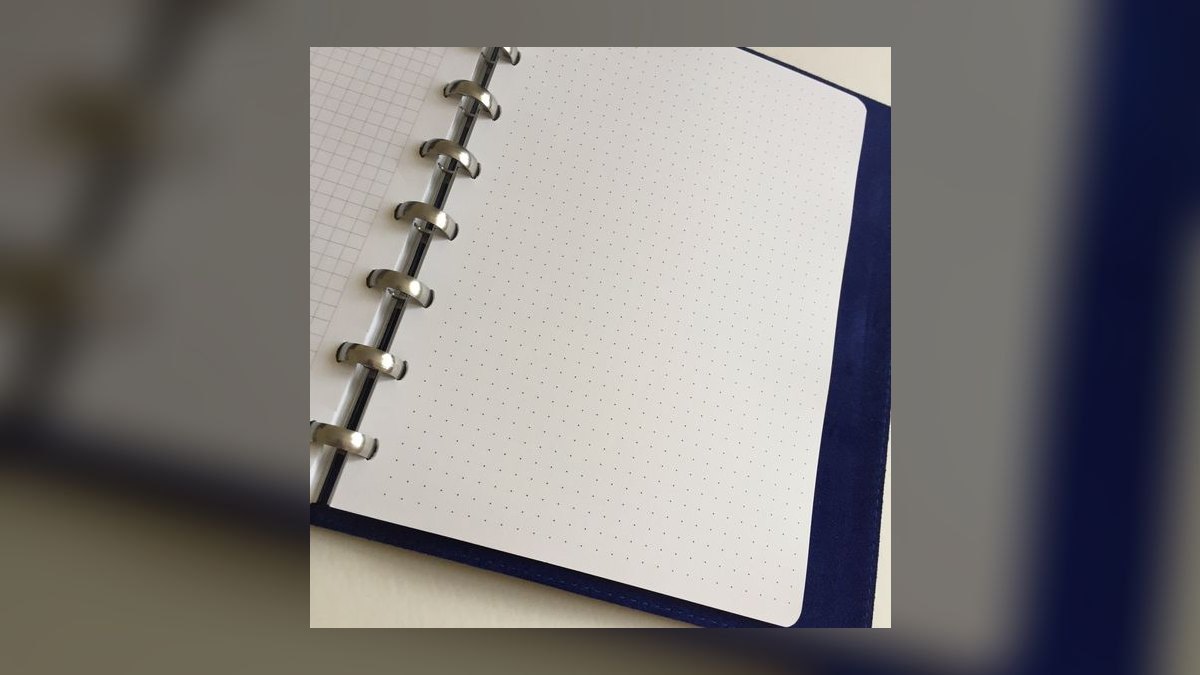
The William Hannah Discbound Leather A5 ranks tenth because it is the ultimate decade-keeper notebook, with a full-grain leather cover priced at $185–$240 and a discbound system that lets you rearrange pages and swap refills indefinitely. The Mohawk Via 80lb paper in the $18 refills is thick, smooth, and handles fountain pens well, and the discbound mechanism allows you to move pages between sections or remove them for filing.
This notebook is for the executive who wants a permanent, customizable system and is willing to pay a premium for it. It trades away portability and simplicity, as the discbound system is bulkier than a traditional bound notebook and requires a specific punch tool for adding pages. Compared to the Field Notes at rank nine, the William Hannah is a completely different category, offering permanence and luxury instead of disposability and value.
How we ranked these
We measured paper weight and ink resistance (90–121gsm tested with fountain and gel pens), organizational features (numbered pages, indexes, ribbons, pockets), durability (cover materials, binding), and price-to-value ratio. Each factor was weighted for sales-specific use: legibility over 18-month pipeline cycles, portability for travel, and CRM-migration practicality. We ranked notebooks on how well they support live discovery calls and follow-up continuity.
We deliberately ignored brand prestige, aesthetic appeal, and planner aesthetics unless they directly affected function. We excluded notebooks under 70gsm or without durable covers, and we did not weight eco-credentials or luxury leather finishes unless they improved longevity. We also ignored tablet comparisons and any feature that did not serve the core job: capturing and retrieving customer commitments reliably.
What to look for
What matters is matching paper to your pen, carry pattern to your day, and indexing to your follow-up workflow. A fountain-pen user needs 90gsm+; a field rep needs waterproof stone paper. Desk-and-bag AEs should choose A5 hardcover; road warriors need a Traveler's-style leather cover. Numbered pages and a table of contents are critical if you reference past notes during QBRs. Budget per book, then split on how you carry and how long you keep it.
The mistake most buyers make is buying on brand recognition—like the Moleskine Pro with 70gsm paper that ghosts with wet ink. They also over-index on page numbering when legibility is the real problem, or skip the second pocket notebook for field capture. And they buy time-blocked planners like the Hobonichi Cousin without the workflow to feed them, leaving dated pages blank.
Related questions
What size sales notebook is best for constant travelers?
A5 hardcover is the most versatile—it fits most bags and airplane tray tables. For heavy road warriors, a Regular-size Traveler's leather cover with swappable inserts is lighter, slips into a suit-jacket pocket, and lets you change paper mid-quarter without losing the cover.
Do premium notebooks handle fountain pens?
The best do. Rhodia's 90gsm vellum, Baron Fig's 100gsm Munken, and Leuchtturm's 121gsm all resist bleed and feathering. Avoid 70gsm stock like the Moleskine Pro if you write wet, and note that Karst's stone paper dries slowly with fountain ink.
How long does one notebook last a rep?
A 200-page book usually lasts 4 to 6 months. Heavy call-volume Reps go through one per quarter; lighter note-takers stretch a single book to a year. Refillable systems like the Traveler's or William Hannah let you keep the cover for a decade.
Is a notebook still worth it versus a tablet?
For many Reps, yes. Handwriting key discovery details improves recall and builds rapport, and a notebook never dies mid-meeting or surfaces a notification. Tablets win for search and archiving, so plenty of Reps run both and migrate handwritten next steps into the CRM daily.
What is the best notebook for field reps in rough conditions?
The Karst Hardcover A5 on waterproof stone paper is built for it—a spilled coffee or rain wipes off, making it ideal for industrial, energy, and construction Reps. It favors rollerballs and gel pens over fountain pens because of slower ink dry times.
Which notebook has the best paper-to-price ratio?
The Baron Fig Confidant at $24 offers 192 pages of 100gsm Swedish FSC Munken paper with Smyth-sewn lay-flat binding. That gives it the highest paper quality per dollar on the list, beating many notebooks that cost twice as much.
How do I choose between a Leuchtturm1917 and a Rhodia Webbie?
Pick Leuchtturm if you need numbered pages, a table of contents, and dual ribbons for indexing past conversations—its 121gsm paper is also the most ink-proof. Choose Rhodia if you only care about writing feel and want 90gsm vellum at a lower price, but you'll lose the organizational features.
FAQ
Do I really need a premium notebook in 2027, or is a tablet enough?
A tablet handles notes and search well, but many Reps find handwriting key details during discovery calls improves recall and builds rapport. A premium notebook also never runs out of battery or interrupts you with notifications, which is why top sellers still carry one alongside their laptop.
How much should I expect to spend on a quality sales notebook?
Expect roughly $13 to $60 for a well-made book. Solid hardcovers start near $24, the core premium tier runs $28–$40, and full-leather refillable or decade-keeper systems reach $60 to $240. Paper weight and features drive most of the price difference.
Will the paper hold up to fountain pens or heavy ink?
The best notebooks use 90gsm or heavier paper that resists bleed-through and feathering. Rhodia's 90gsm, Baron Fig's 100gsm Munken, and Leuchtturm's 121gsm handle fountain pens and markers cleanly. Avoid 70gsm stock like the Moleskine Pro if you write with wet ink.
Is a numbered page and index actually useful for sales work?
Yes. Numbered pages plus a table of contents let you find notes from a specific client or meeting without flipping the whole book—valuable when you reference past conversations during follow-ups or quarterly reviews. Leuchtturm and Moleskine Pro build this in; Rhodia and Midori MD do not.
Should I carry more than one notebook?
Most experienced Reps carry two: a primary A5 or A4+ for meeting notes and a pocket Field Notes for quick field capture at booths, sites, or dinners where a large hardcover looks excessive. Captures from the pocket book migrate into the primary book later.
Which notebook is best for reps working in rough outdoor conditions?
The Karst Hardcover A5 on waterproof stone paper is built for it—a spilled coffee or rain wipes off, making it ideal for industrial, energy, and construction Reps. It favors rollerballs and gel pens over fountain pens because of slower ink dry times.
What is the best notebook for an SDR team buying in bulk?
The Baron Fig Confidant at $24 gives everyone premium 100gsm paper without premium pricing. It's a hardcover with Smyth-sewn lay-flat binding, so it survives daily use. For a cheaper field-capture option, the Field Notes 3-pack at $13 is the universal second notebook.
How do I build a CRM-migration ritual with my notebook?
At the end of each day, transfer next steps from your notebook into the CRM so the two systems never diverge. Use a consistent symbol like a checkbox for actions, and review your notes during your daily planning. This habit prevents the notebook from becoming a graveyard of half-worked commitments.
Is the Hobonichi Techo Cousin worth it for sales reps?
Only if your day is genuinely dictated by 30-minute cadences. The Cousin's weekly vertical time blocks and 365 daily pages pay off for that workflow, but if you work in loose blocks, 300 dated pages go blank, wasting $58. Match the format to how you actually run a day.
Sources
- https://www.nytimes.com/wirecutter/reviews/best-notebook/
- https://www.jetpens.com/
- https://www.gouletpens.com/
- https://www.leuchtturm1917.us/
- https://www.hobonichi.com/en/
- https://www.travelers-company.com/
- https://baronfig.com/
- https://www.rhodiapads.com/
- https://en.wikipedia.org/wiki/Stone_paper
- https://fieldnotesbrand.com/
Related on PULSE
This page will be disappearing soon. Save it to your device for $1 — or read it free while it is here.
@Kory-White- · if Venmo asks, the last 4 of my number are 2012
This page is gone.
This one is off the shelf now. $1 keeps it on your phone for good — the whole page, pictures and diagrams included.
 pulse-reviewsTop 10 Premium Dress Shoes for Sales Executives in 2027
 pulse-reviewsTop 10 Standing Desks $500-$1500 in 2027
 pulse-reviewsTop 10 DDR5 RAM Kits — Best Overall + Best Value in 2027
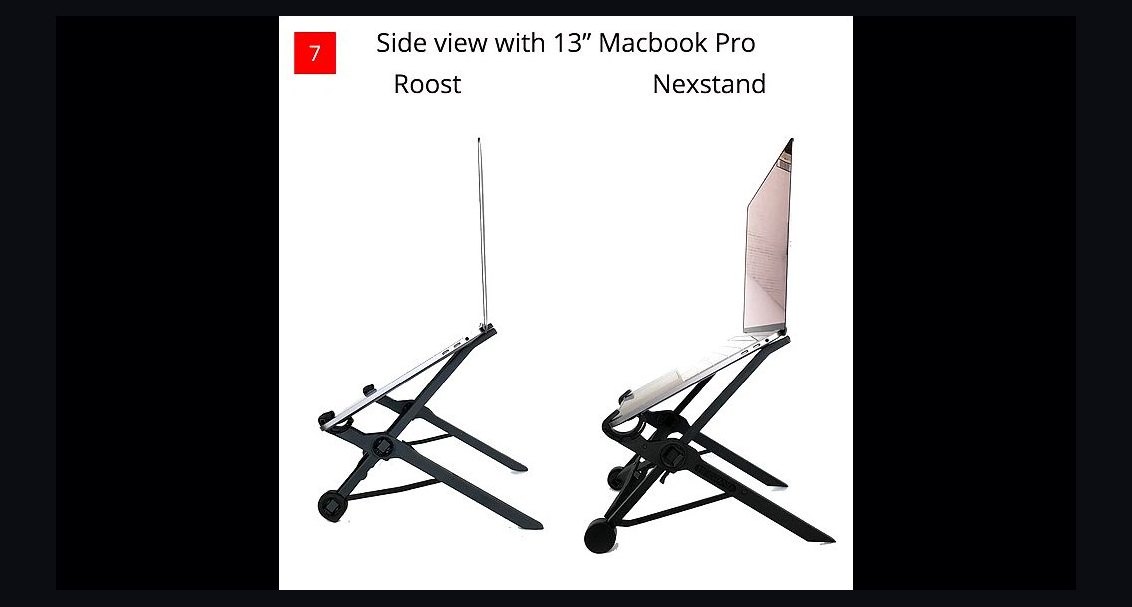 pulse-reviewsTop 10 Laptop Stands for Remote AEs in 2027
 pulse-reviewsTop 10 Cable Management Boxes for Sales Home Office in 2027
 pulse-reviewsTop 10 Sports Earbuds — Best Overall + Best Value in 2027
 pulse-reviewsTop 10 Clothes Steamers — Best Overall + Best Value in 2027
 pulse-reviewsTop 10 Blue Light Glasses for Sales Reps in 2027
 pulse-reviewsTop 10 Radar Detectors — Best Overall + Best Value in 2027
 pulse-reviewsTop 10 LG TVs — Best Overall + Best Value in 2027