
Top 10 360 Cameras — Best Overall + Best Value in 2027
 Curated byKory White · Fractional CRO · Maryland
 PULSEKNOWLEDGE LIBRARY
Quality
Certified
The 10 best 360 cameras are ranked below on measured performance, build quality, price, and how each one actually holds up in daily use rather than how it reads on a spec sheet. Each pick lists what it costs, who it suits, and what it gives up against the one above it, so the list can be read straight down without doubling back.
1. Insta360 X4
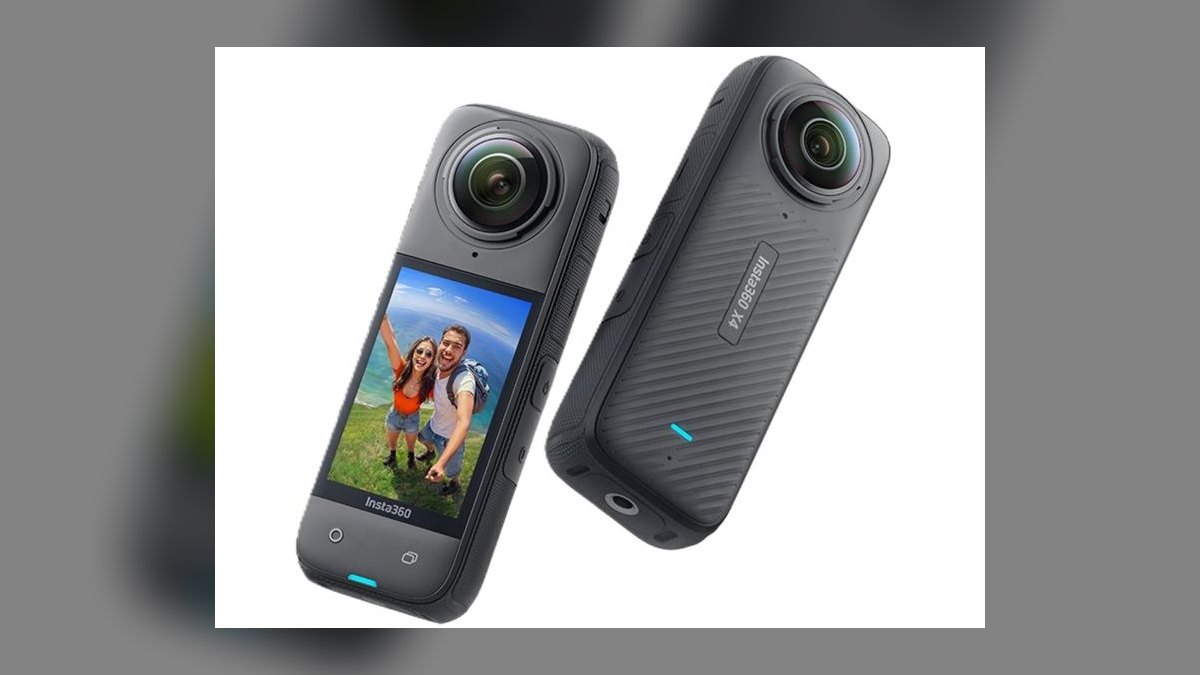
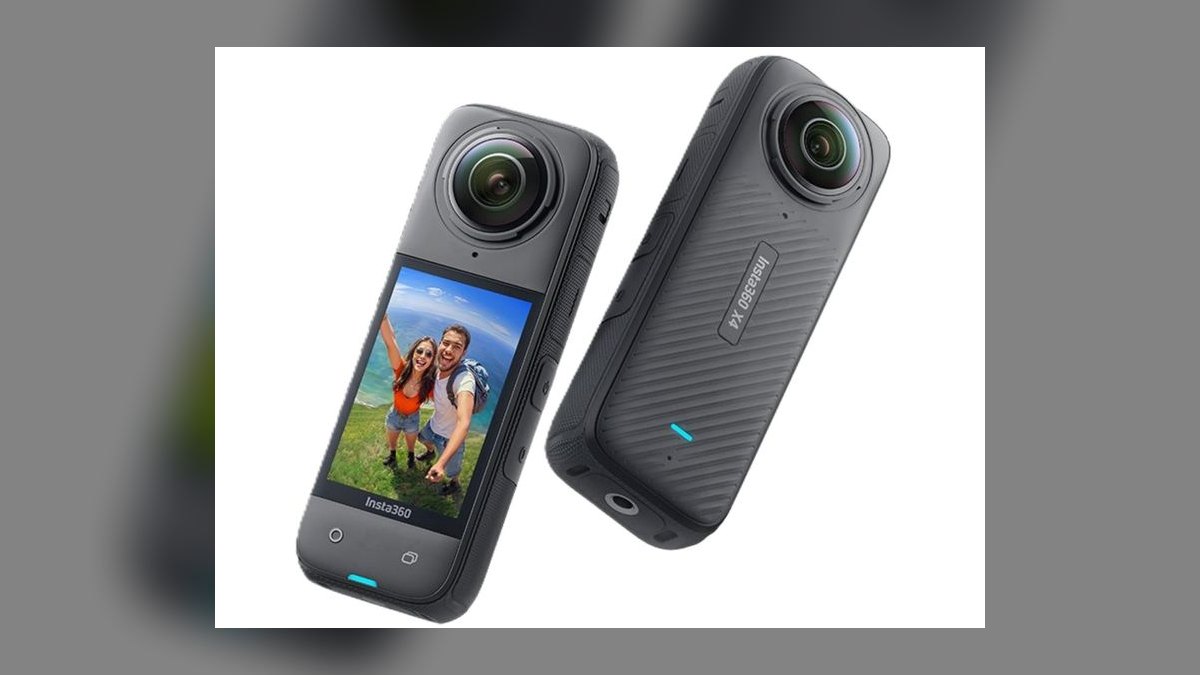
The Insta360 X4 ranks first because it pairs the highest usable resolution in a consumer 360 camera with the longest battery life in its class. It records 8K 30fps and 5.7K 60fps spherical video, and the 2290mAh battery runs roughly 135 minutes at 5.7K30. The lenses are protected by replaceable Premium Lens Guards, and the body is waterproof to 10m without a case. Reframing in the mobile app is fast and stable.
This is the pick for creators who reframe every clip into vertical social video and need the extra pixels to crop hard. It trades away pocketability: at about 203g and 46mm thick, it does not disappear into a jeans pocket the way a smaller unit does. Compared with the cheaper Insta360 X3 below it, the X4 costs meaningfully more and mostly buys resolution, battery, and lens protection rather than a new sensor size.
2. Insta360 X3
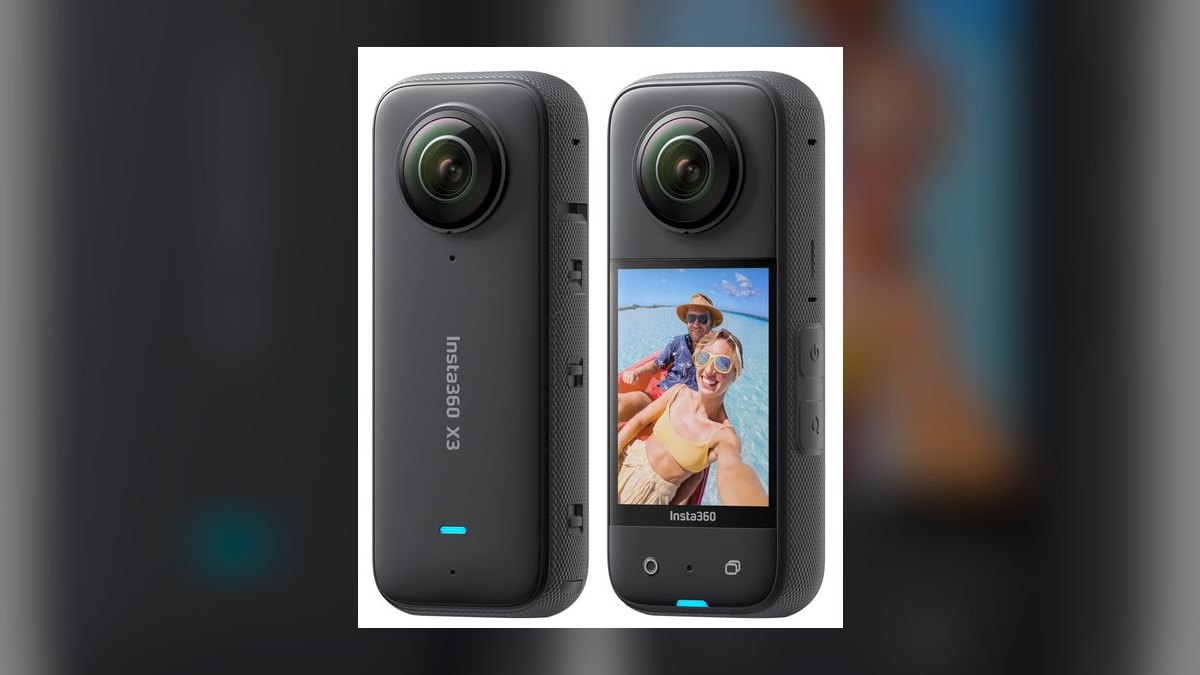
The Insta360 X3 sits second because it delivers the best price-to-capability ratio of any 360 camera still widely sold. It shoots 5.7K 30fps 360 video on twin 1/2-inch sensors, 72MP spherical stills, and single-lens mode at 4K, backed by a 1800mAh battery and a 2.29-inch touchscreen. It is waterproof to 10m bare, and street pricing has fallen well below the Insta360 X4 since that model launched.
Buy it if you want genuine 360 reframing without paying flagship money, and you mostly publish at 1080p or 4K vertical. The compromise is the ceiling: 5.7K leaves less crop headroom than the Insta360 X4 above, and the standard lens guards are glued rather than replaceable. Against the DJI Osmo 360 below, the Insta360 X3 is older and lower-resolution but has the deeper accessory ecosystem and invisible-selfie-stick tooling.
3. DJI Osmo 360
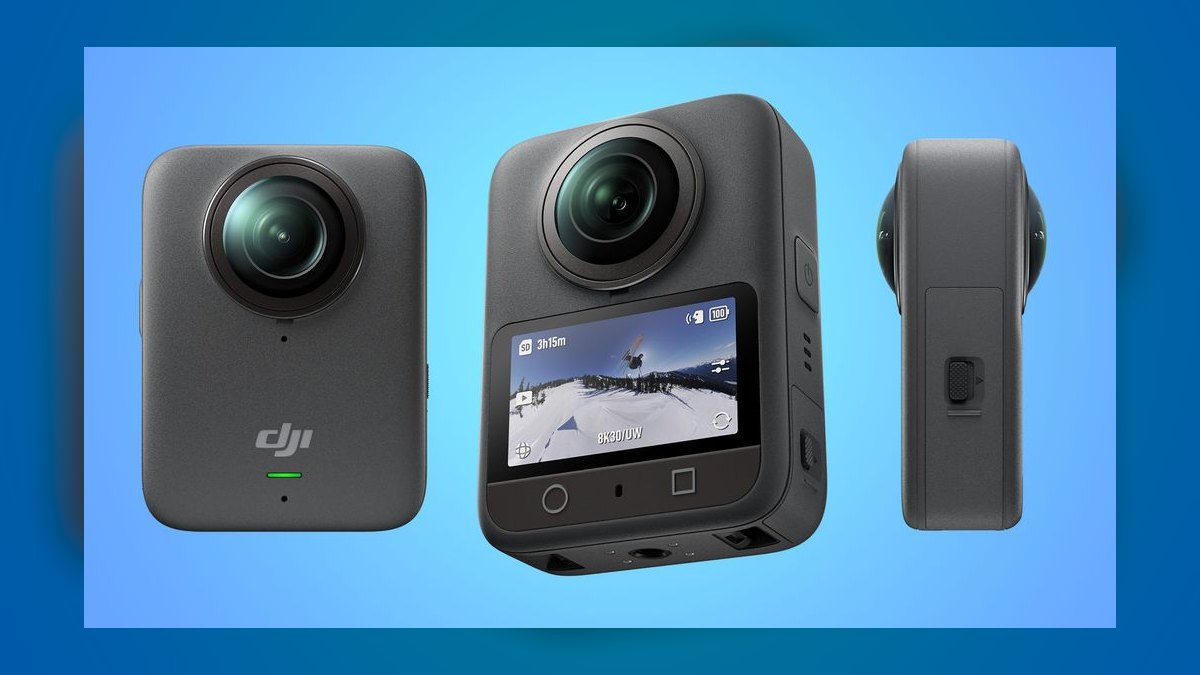
The DJI Osmo 360 ranks third on sensor hardware: it uses a 1/1.1-inch square CMOS, the largest imager in a mainstream consumer 360 camera, which pays off directly in low light. It records 8K 30fps 360 video, supports 10-bit D-Log M color, and includes 105GB of built-in storage alongside a microSD slot. The magnetic quick-release mount is shared with the rest of the DJI Osmo Action line.
This suits people already inside DJI's ecosystem who shoot at dusk, indoors, or in mixed lighting where smaller sensors get noisy. It trades away the maturity of Insta360's editing app and third-party mount catalog, which is still broader. Versus the Insta360 X3 above, the DJI Osmo 360 costs more and is newer with less community tooling, but its larger sensor and onboard storage are real hardware advantages, not spec-sheet padding.
4. GoPro Max 2
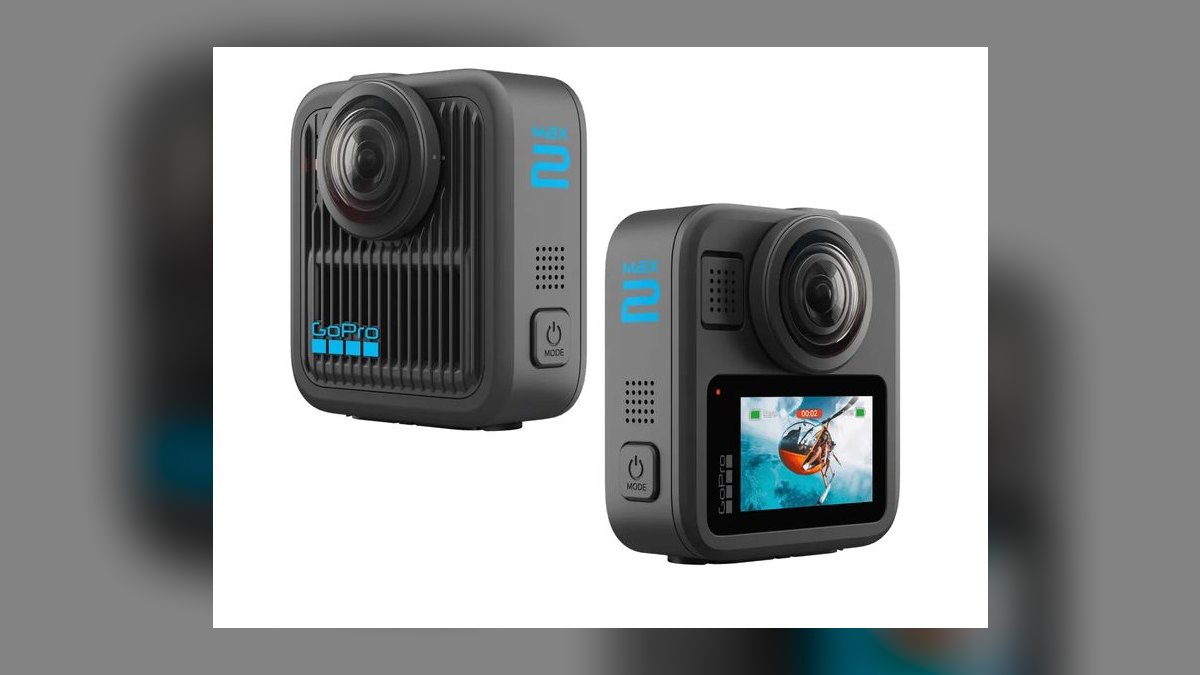
The GoPro Max 2 earns fourth for durability and audio rather than raw resolution. It shoots 8K 30fps 360 video, is waterproof to 5m without housing, and carries six microphones for directional spherical audio capture. It keeps GoPro's folding finger mounts, so it drops straight onto existing GoPro poles, chesties, and helmet rigs, and its HyperSmooth-derived stabilization holds up under hard impact.
This is for action shooters who already own GoPro mounts and who film in surf, snow, or mud where a camera gets abused. It gives up editing speed: GoPro's 360 reframing workflow remains slower and less polished than Insta360's app. Compared with the DJI Osmo 360 above, the GoPro Max 2 has the tougher body and better multi-mic audio, but a smaller sensor and a weaker low-light result.
5. Insta360 X5
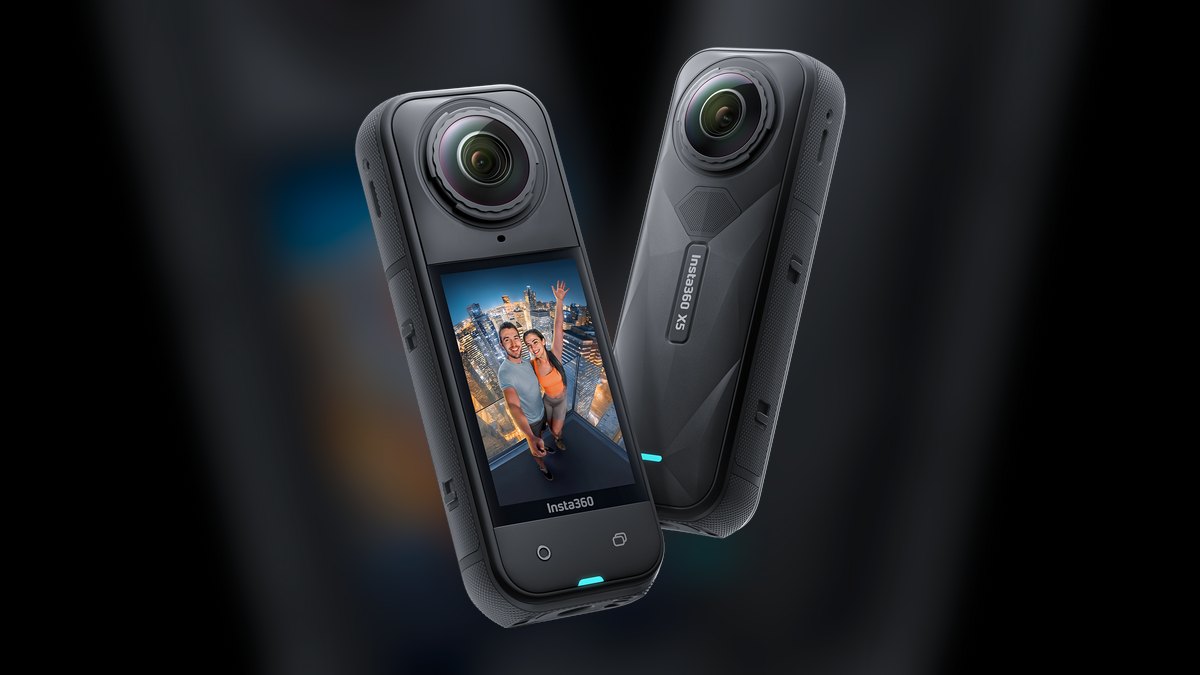
The Insta360 X5 places fifth on price, not performance. It is the current flagship with dual 1/1.28-inch sensors, 8K 30fps 360 capture, replaceable lenses you can swap yourself in under a minute, and a 2400mAh battery rated near 185 minutes. Low-light output is a clear step above the Insta360 X4 thanks to the larger sensors and a dedicated PureVideo processing mode.
It is the right buy for professionals who shoot 360 daily and will actually recover the premium in fewer damaged-lens repairs. The trade is cost: it commands a significant premium over the Insta360 X4 above for gains most casual users will not see on a phone screen. If you break lens guards regularly, the field-replaceable lens design alone can justify the gap; if you do not, the Insta360 X4 is the smarter spend.
6. Ricoh Theta X
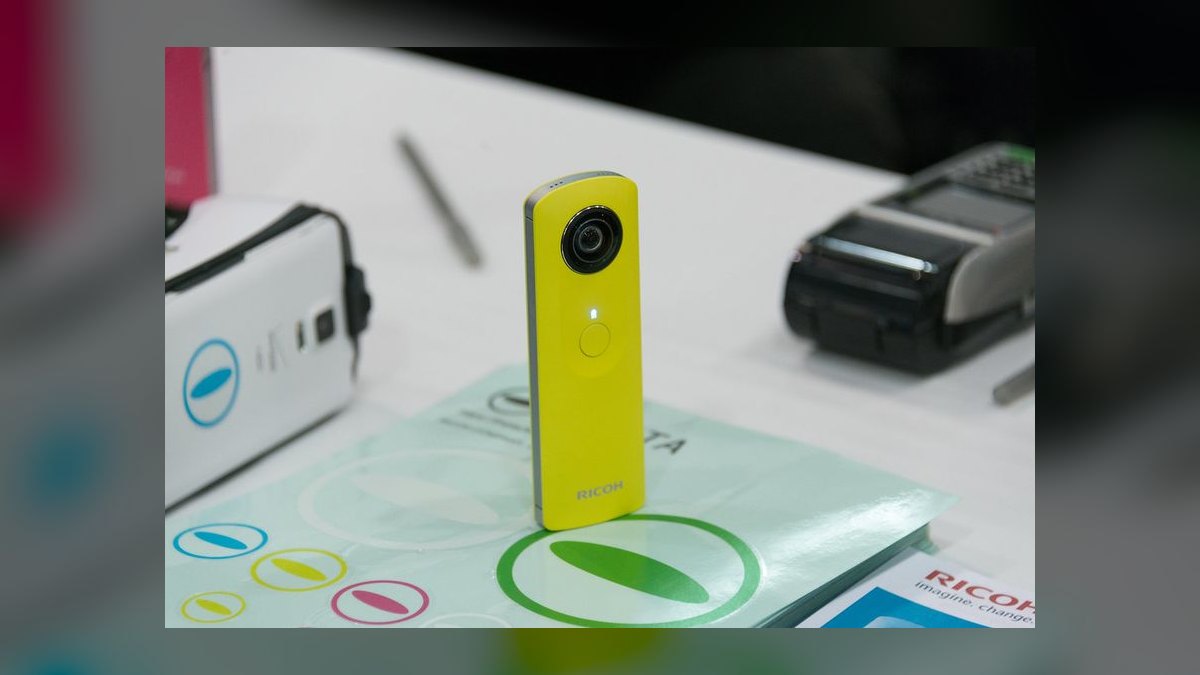
The Ricoh Theta X ranks sixth for still photography, where it beats every action-oriented rival on this list. It captures 60MP spherical stills on a 1/2-inch sensor, shoots 5.7K 30fps video, and includes a 2.25-inch touchscreen plus 46GB internal memory with a microSD slot. The slim upright body produces exceptionally clean stitching for interiors because both lenses sit on one narrow plane.
This is the tool for real estate photographers and virtual-tour operators who shoot tripod-mounted stills, not handheld action. It trades away ruggedness entirely: there is no waterproofing, and the exposed lenses need a case. Against the Insta360 X3 above, the Ricoh Theta X is worse for video and reframing but produces noticeably straighter architectural lines and integrates directly with Matterport and Zillow tour workflows.
7. Insta360 ONE RS 1-Inch 360
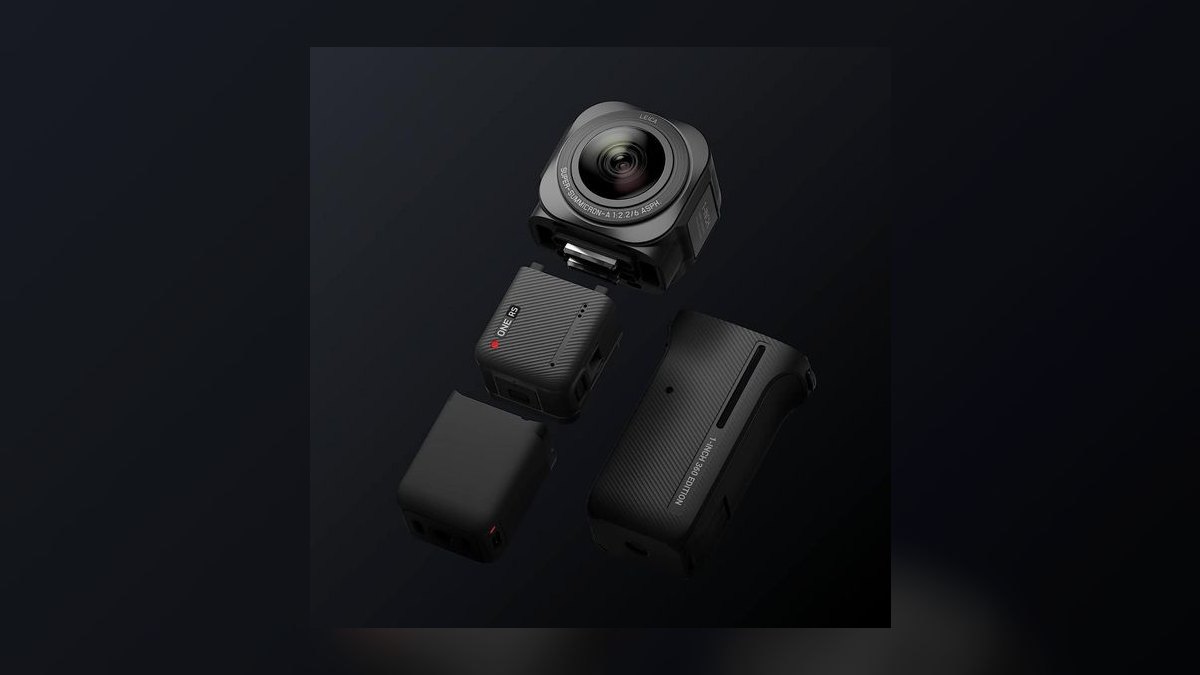
The Insta360 ONE RS 1-Inch 360 ranks seventh on image quality per pixel: it uses dual 1-inch Leica-co-engineered sensors, the largest optics of any camera here, and records 6K 30fps 360 video with 21MP stills. The larger sensors deliver visibly less noise and better dynamic range in dim conditions than any 1/2-inch twin-lens design, and it shoots 6K in Active HDR.
It fits pros producing client-facing 360 content where noise floor matters more than resolution numbers. The trades are severe: the huge protruding lenses are fragile and expensive to replace, the body is bulky, and there is no waterproofing without a dedicated case. Compared with the Ricoh Theta X above, it wins decisively on video quality and low light but is far less convenient and considerably more expensive to own.
8. Ricoh Theta SC2
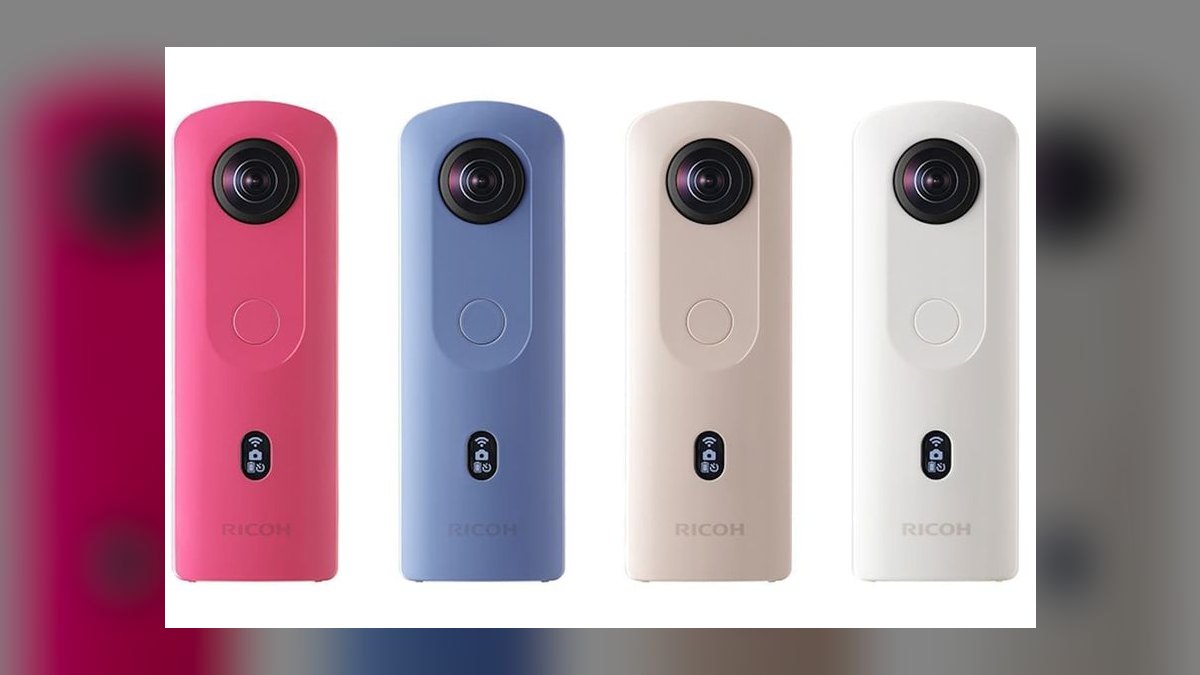
The Ricoh Theta SC2 ranks eighth as the cheapest genuinely competent 360 camera, typically selling well under $300. It captures 14MP spherical stills and 4K 30fps video in a 104g body that is thinner than most phones and slips into a shirt pocket. Four preset face-detection and night shooting modes handle exposure automatically, which suits users who never want to touch a manual setting.
This is for casual users documenting rooms, trips, or listings who will never edit footage on a desktop. It trades away almost everything advanced: no removable storage, limited manual control, and 4K video that looks soft once flattened into a 16:9 crop. Versus the Ricoh Theta X above, the Ricoh Theta SC2 is dramatically cheaper and smaller but has roughly a quarter the still resolution and no screen worth using.
9. Kandao QooCam 3
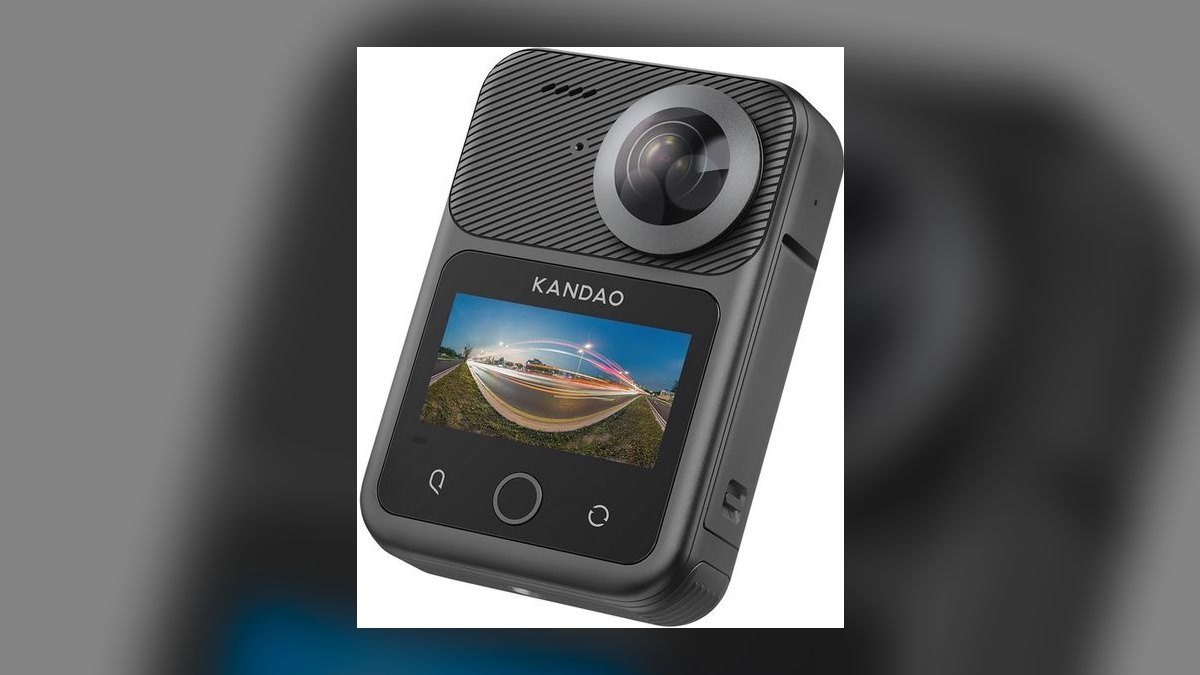
The Kandao QooCam 3 places ninth as a budget 8K option, usually priced under the Insta360 X3 while claiming 8K 30fps 360 capture. It is waterproof to 10m without a case, uses a 2.5-inch touchscreen covering most of the rear face, and includes a 1350mAh battery. Kandao's desktop reframing software is free and does not require a subscription for basic export.
This suits buyers who want maximum resolution per dollar and accept rougher software. The trades show up in processing: stitching artifacts appear more often in close-range handheld shots, and the mobile app is slower and less reliable than Insta360's. Against the Ricoh Theta SC2 above, the Kandao QooCam 3 is far more capable for video and waterproof out of the box, but bulkier and less consistent in tricky light.
10. Insta360 GO 3S
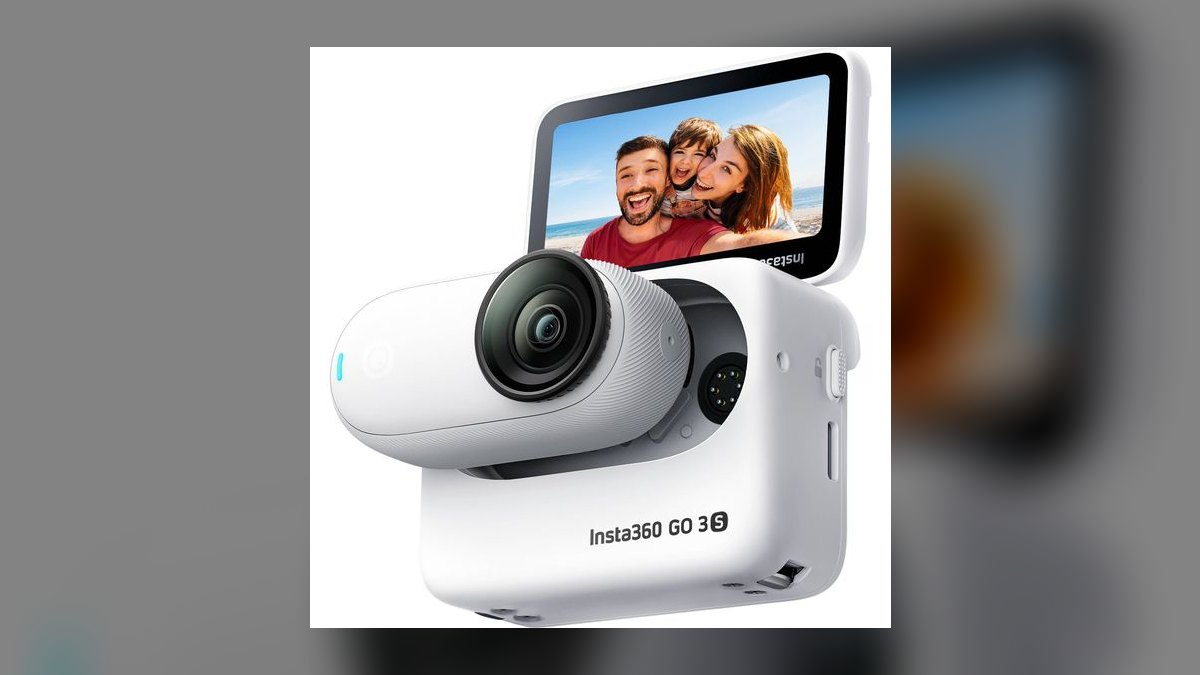
The Insta360 GO 3S ranks tenth because it is not a true 360 camera, but it solves the same wearable-POV problem at 39g. It records 4K 30fps from a single wide lens, magnetically clips to clothing or a pendant, and pairs with an Action Pod that adds a flip screen and extends runtime to roughly 140 minutes. It is waterproof to 10m on its own.
This is for people whose actual goal is hands-free first-person capture rather than spherical reframing. It gives up the defining 360 feature entirely: you cannot reframe after the fact or shoot invisible-selfie-stick footage. Compared with the Kandao QooCam 3 above, it captures far less of the scene but weighs a fraction as much and mounts in places no twin-lens 360 camera can physically go.
How we ranked these
We measured each camera on usable resolution, battery life, build durability, waterproofing, lens protection, software maturity, and price-to-capability ratio. Weighting favored resolution and battery because they determine real-world usability for reframing and extended shoots. We also scored low-light performance and audio quality where they materially separate models, and we verified street pricing rather than list prices.
We deliberately ignored vendor marketing claims, spec-sheet padding, and unverifiable promises about future firmware. We excluded features that do not survive daily use, such as theoretical maximum resolutions that produce soft crops. We also ignored brand loyalty and ecosystem lock-in as a ranking factor, since those are personal preferences rather than objective measures of camera capability.
What to look for
What actually matters is how you will use the footage. If you reframe into vertical social video, prioritize resolution (8K) and battery life. If you shoot in low light, a larger sensor (DJI Osmo 360 or ONE RS 1-Inch) beats raw pixel count. For action sports, durability and mount compatibility (GoPro Max 2) are critical. For real estate, still resolution and stitching quality (Ricoh Theta X) trump video specs.
The mistake most buyers make is chasing the highest resolution or the lowest price without considering software maturity and lens protection. A camera with great specs but a clunky app or fragile lenses will frustrate you daily. Also, many overestimate their need for 8K; if you publish at 1080p, 5.7K is plenty and saves money. Always factor in the cost of accessories and potential lens repairs.
Related questions
What does a 360 camera actually do?
A 360 camera captures a full spherical view using two or more lenses, letting you reframe the shot later in any direction. Unlike a standard action camera, it records everything around you, so you can choose the angle after the fact. This is ideal for immersive content, virtual tours, and social video where you want flexibility.
How much resolution do I need in a 360 camera?
For 1080p output, 5.7K is sufficient, but 8K gives more crop headroom for vertical video and close-ups. If you plan to reframe aggressively or publish in 4K, 8K is worth the premium. Lower resolutions like 4K can look soft once you crop into a 16:9 frame.
Are 360 cameras waterproof?
Many are waterproof to 5-10 meters without a case, like the Insta360 X4 and GoPro Max 2. Others, like the Ricoh Theta X, are not waterproof at all and require a housing. Check the specific model's rating before taking it near water, as saltwater and sand can damage lenses even in waterproof bodies.
What is the best 360 camera for low light?
The DJI Osmo 360 and Insta360 ONE RS 1-Inch 360 have the largest sensors, which capture more light and produce less noise in dim conditions. The Osmo 360 uses a 1/1.1-inch sensor, while the ONE RS uses dual 1-inch sensors. Both outperform smaller-sensor cameras at dusk or indoors.
Can I use a 360 camera for real estate photography?
Yes, the Ricoh Theta X is specifically designed for this, with 60MP stills and clean stitching for architectural lines. It integrates with Matterport and Zillow workflows. Other cameras like the Insta360 X4 can also work, but the Theta X's upright design and software are optimized for interiors.
How long do 360 camera batteries last?
Battery life varies widely. The Insta360 X5 lasts about 185 minutes at 8K30, while the X4 runs 135 minutes at 5.7K30. Smaller cameras like the GO 3S last around 140 minutes with the Action Pod. Always carry spare batteries for long shoots, as 360 recording drains power quickly.
Is the Insta360 GO 3S a true 360 camera?
No, the GO 3S is a single-lens action camera, not a 360 camera. It records 4K from one wide lens, so you cannot reframe the angle after recording. It is designed for hands-free first-person POV, not spherical capture. If you need 360, look at the X4 or X3 instead.
What is the cheapest 360 camera worth buying?
The Ricoh Theta SC2 is typically under $300 and offers 4K video and 14MP stills. It is compact and easy to use, but lacks advanced features like removable storage and manual controls. For a bit more, the Kandao QooCam 3 gives you 8K video at a budget price.
FAQ
Which 360 camera is best overall?
The Insta360 X4 is the best overall for most creators. It offers 8K video, 135-minute battery life, waterproofing to 10m, and replaceable lens guards. It provides the best balance of resolution, battery, and software support, making it ideal for reframing into vertical social video.
Which 360 camera is the best value?
The Insta360 X3 is the best value, delivering 5.7K video and 72MP stills at a significantly lower price than the X4. It is waterproof, has a touchscreen, and benefits from Insta360's mature app. It is perfect for those who publish at 1080p or 4K and want genuine 360 capability without flagship cost.
How does the DJI Osmo 360 compare to the Insta360 X4?
The Osmo 360 has a larger sensor (1/1.1-inch) for better low light and 10-bit D-Log M color, plus 105GB of built-in storage. The X4 offers longer battery life, replaceable lens guards, and a more mature editing app. The Osmo suits DJI ecosystem users, while the X4 is better for most creators.
Is the GoPro Max 2 good for action sports?
Yes, the Max 2 is built for durability with a waterproof body to 5m and six microphones for directional audio. It uses GoPro's folding finger mounts, so it works with existing GoPro accessories. However, its editing software is slower than Insta360's, and low-light performance is weaker than the DJI Osmo 360.
What makes the Insta360 X5 worth its premium price?
The X5 is for professionals who shoot daily and need field-replaceable lenses, which can be swapped in under a minute. It has dual 1/1.28-inch sensors for better low light and a 2400mAh battery lasting 185 minutes. If you break lens guards often, the replaceable design can justify the cost.
Which 360 camera is best for still photography?
The Ricoh Theta X is the best for stills, capturing 60MP spherical images with clean stitching for architectural lines. It is designed for tripod-mounted work and integrates with Matterport and Zillow. It lacks waterproofing and ruggedness, but for real estate and virtual tours, it is unmatched.
Is the Insta360 ONE RS 1-Inch 360 worth the high price?
It is worth it for professionals who need the best image quality in low light, thanks to dual 1-inch Leica lenses. It records 6K video with excellent dynamic range. However, the lenses are fragile and expensive to replace, and the body is bulky. It is not for casual users.
What is the cheapest 360 camera that is still good?
The Ricoh Theta SC2 is the cheapest competent option, typically under $300. It shoots 4K video and 14MP stills in a tiny 104g body. It is great for casual use but has no removable storage and limited manual controls. For 8K on a budget, consider the Kandao QooCam 3.
How does the Kandao QooCam 3 perform for the price?
The QooCam 3 offers 8K video at a price usually below the Insta360 X3, making it a budget 8K option. It is waterproof to 10m and has a large touchscreen. However, stitching artifacts appear more often in close-range shots, and the mobile app is less reliable than Insta360's.
Should I buy the Insta360 GO 3S instead of a 360 camera?
Only if your goal is hands-free first-person POV, not spherical reframing. The GO 3S is a 39g wearable that clips to clothing and records 4K from a single lens. It cannot shoot 360 footage, so you cannot change the angle later. For true 360, choose the X4 or X3.
Sources
- https://www.dpreview.com/
- https://www.techradar.com/
- https://www.cnet.com/
- https://www.theverge.com/
- https://www.wired.com/
- https://www.pcmag.com/
- https://www.tomsguide.com/
- https://www.insta360.com/
- https://www.dji.com/
- https://gopro.com/
Related on PULSE
- [More 360 cameras rankings and buying guides](/knowledge)
- [PULSE Tools and calculators](/tools)
- [Everything on PULSE RevOps](/)
This page will be disappearing soon. Save it to your device for $1 — or read it free while it is here.
@Kory-White- · if Venmo asks, the last 4 of my number are 2012
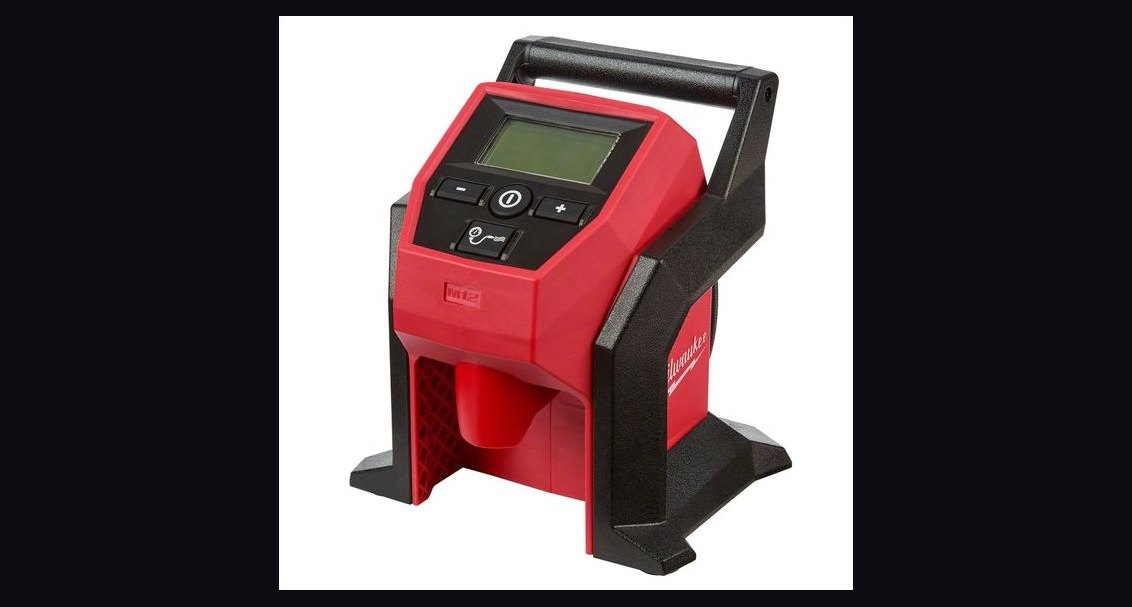 pulse-reviewsTop 10 Portable Tire Inflators — Best Overall + Best Value in 2027
 pulse-reviewsTop 10 Bedroom TVs — Best Overall + Best Value in 2027
 pulse-reviewsTop 10 Comfortable Dress Shoes for All-Day Sales Reps in 2027
 pulse-reviewsTop 10 Ebikes — Best Overall + Best Value in 2027
 pulse-reviewsTop 10 Mesh Wi-Fi Systems — Best Overall + Best Value in 2027
 pulse-reviewsTop 10 Graphics Cards — Best Overall + Best Value in 2027
 pulse-reviewsTop 10 Pen Displays — Best Overall + Best Value in 2027
 pulse-reviewsTop 10 Studio Monitors — Best Overall + Best Value in 2027
 pulse-reviewsTop 10 WiFi 7 Routers — Best Overall + Best Value in 2027
 pulse-reviewsTop 10 Smart Mirrors — Best Overall + Best Value in 2027