
Top 10 Robotic Pool Cleaners — Best Overall + Best Value in 2027
 Curated byKory White · Fractional CRO · Maryland
 PULSEKNOWLEDGE LIBRARY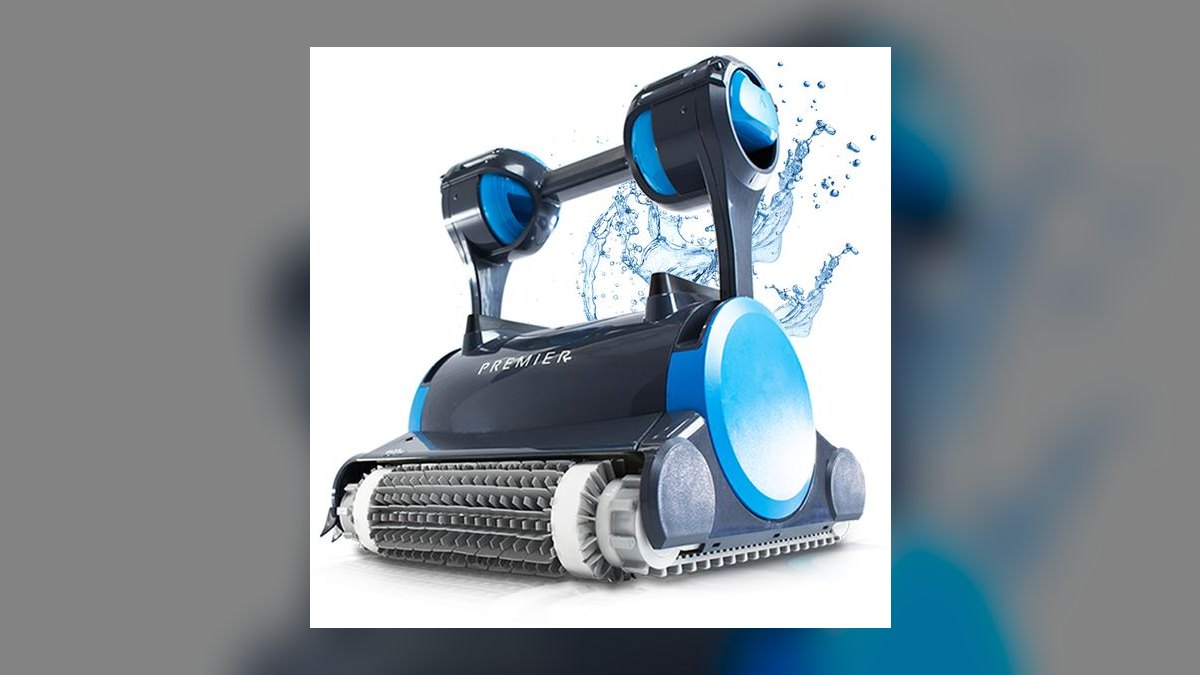
The 10 best robotic pool cleaners are ranked below on measured performance, build quality, price, and how each one actually holds up in daily use rather than how it reads on a spec sheet. Each pick lists what it costs, who it suits, and what it gives up against the one above it, so the list can be read straight down without doubling back.
1. Dolphin Premier
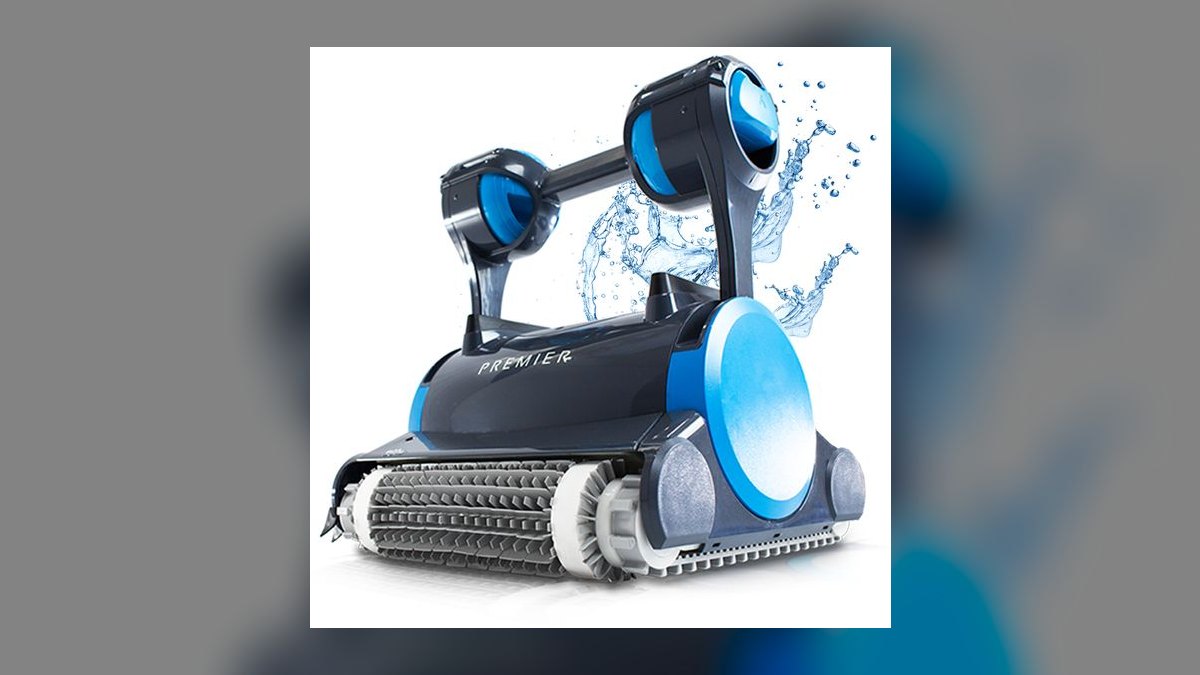
The Dolphin Premier ranks first because at $1,199 it out-cleans cordless flagships costing three times as much. Dual drive motors and active scrubbing brushes climb walls and scrub the waterline, while multi-media filtration swaps between oversized leaf bags, standard cartridges, and NanoFiltration panels down to roughly 2 microns for silt and algae. SmartNav gyroscopic mapping covers the whole pool methodically instead of bouncing randomly.
This is for in-ground owners with pools up to 50 ft who want a spotless result rather than app gimmicks. The trade is the cord: you manage cable swivel and handling, and the unit is heavier to lift out than any cordless model here. Against the $799 Nautilus CC Plus below it, the Premier adds finer filtration, more thorough waterline work, and a 3-year warranty instead of 30 months.
2. Dolphin Nautilus CC Plus
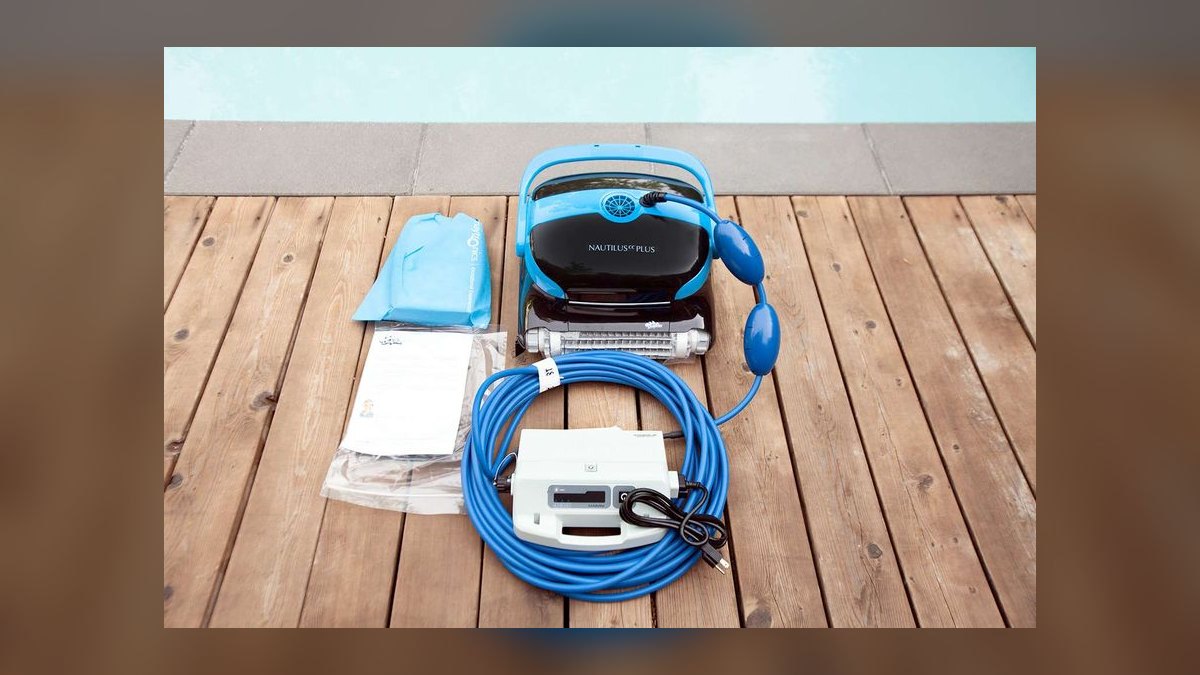
The Nautilus CC Plus takes second as the price-to-performance leader at $799, delivering genuine corded cleaning for hundreds less than the Premier. It handles in-ground pools up to 50 ft, finishes a cycle in about 2 hours, and weighs just 19 lbs. Dual scrubbing brushes, a top-load cartridge filter, and CleverClean navigation produce spotless floors, and operating cost runs roughly 15 cents per cycle.
This is the pick for most in-ground owners who want clean results without overpaying, and The Pool Nerd rates it the best robot for most people. What it gives up versus the Premier directly above: waterline cleaning is good rather than thorough, filtration stops at a standard cartridge, and the warranty is 30 months instead of three years. Wi-Fi scheduling through MyDolphin Plus covers the app side.
3. Beatbot AquaSense 2 Ultra
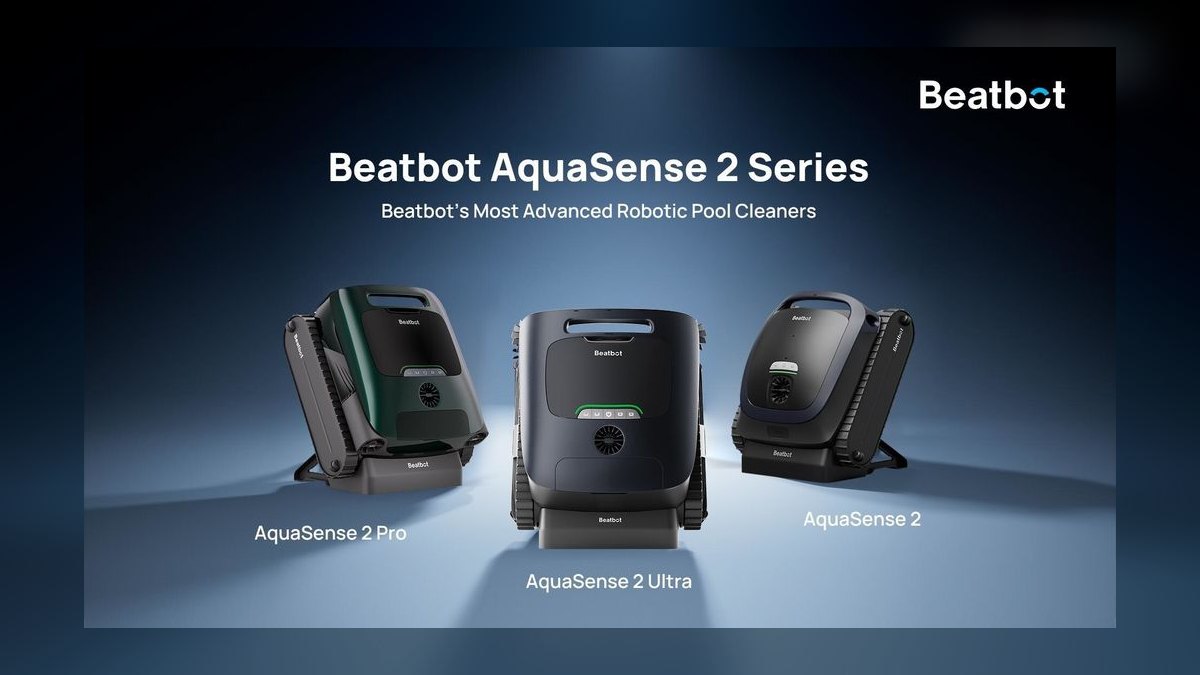
The AquaSense 2 Ultra ranks third on features, not value: it is the first AI-powered 5-in-1 cordless cleaner, covering floor, walls, waterline, surface skimming, and water clarification in one machine. Battery runtime spans 5 to 10 hours depending on mode, ultrasonic sensors and AI path planning map large pools, and it parks itself at the waterline when finished. It arrived at CES 2025 with a stack of awards.
This suits large-pool owners who want hands-free operation and can absorb a $3,550 MSRP that discounts only to about $2,829. What it trades away is raw suction — in head-to-head testing it still could not out-clean the corded Dolphins above it that cost a third as much. Surface skimming and clarification are genuinely rare; you are paying a heavy premium for convenience.
4. Aiper Scuba S1 Pro
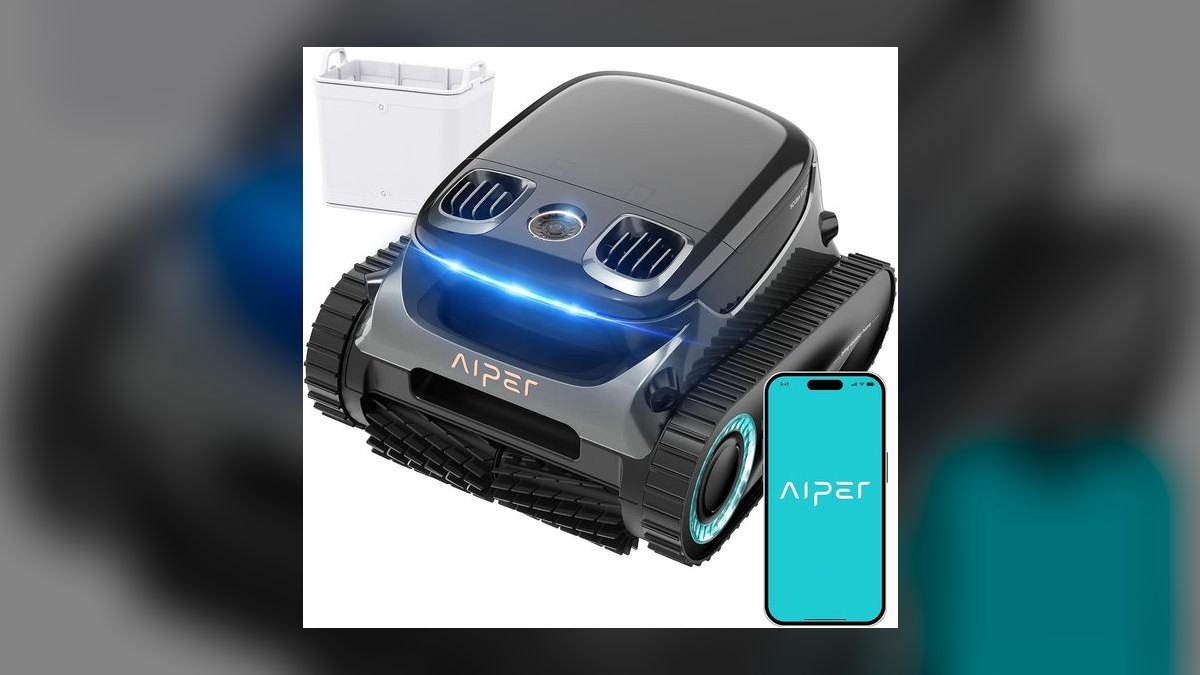
The Scuba S1 Pro earns fourth as the capable cordless flagship at $1,099 rather than $3,550. It is rated for pools up to 2,150 sq ft, runs a 7,800 mAh battery Aiper advertises at roughly 3 hours, climbs walls, cleans the waterline, and uses dual-direction sensors for path planning. PCWorld and several testers measured 170-180 minutes of solid cleaning per charge with app-controlled modes and scheduling.
This fits in-ground owners wanting large-pool cordless coverage without Beatbot money. The real trade is inconsistency: other testers saw runtime collapse to 60-70 minutes under debris load, so plan on shorter runs. Suction still trails corded robots in the same price bracket, including the $799 Nautilus CC Plus. Against the AquaSense 2 Ultra above, you lose surface skimming and AI mapping but save over $2,400.
5. Polaris Freedom
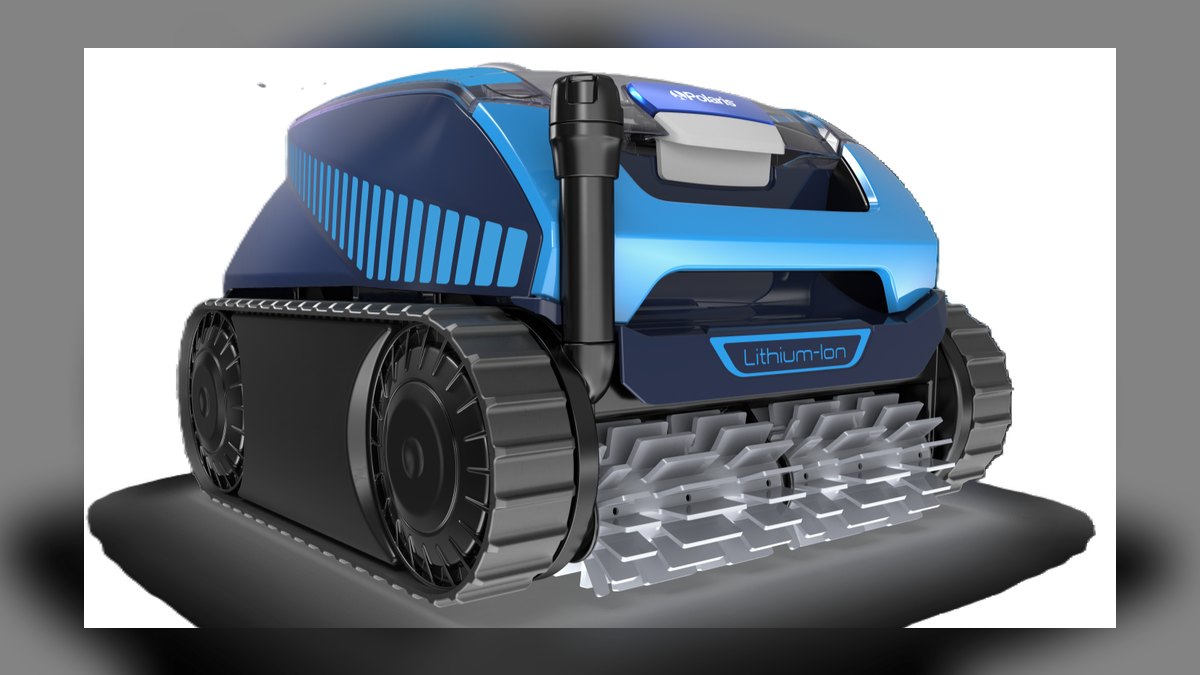
The Polaris Freedom lands fifth for cable-free polish at $1,399, covering all in-ground pools up to 50 ft plus above-ground pools. It cleans for up to 2.5 hours and recharges in about 4 hours. A dual traction motor with independently rotating brushes handles wall climbing, cyclonic cleaning action holds suction as debris collects, and the Double Helix Brush channels debris to the inlet. A $100 mail-in rebate softens the price.
This is for small-to-medium pool owners who want tangle-free runs, with the Plus variant adding a handheld remote for spot cleaning. SMART Cycle mode learns the pool to set run time. The 2.5-hour cap means large or dirty pools may need a second pass, and $1,399 is steep next to the corded Nautilus CC Plus. Against the Scuba S1 Pro above, runtime is more predictable but coverage is smaller.
6. Wybot S2 Solar Vision
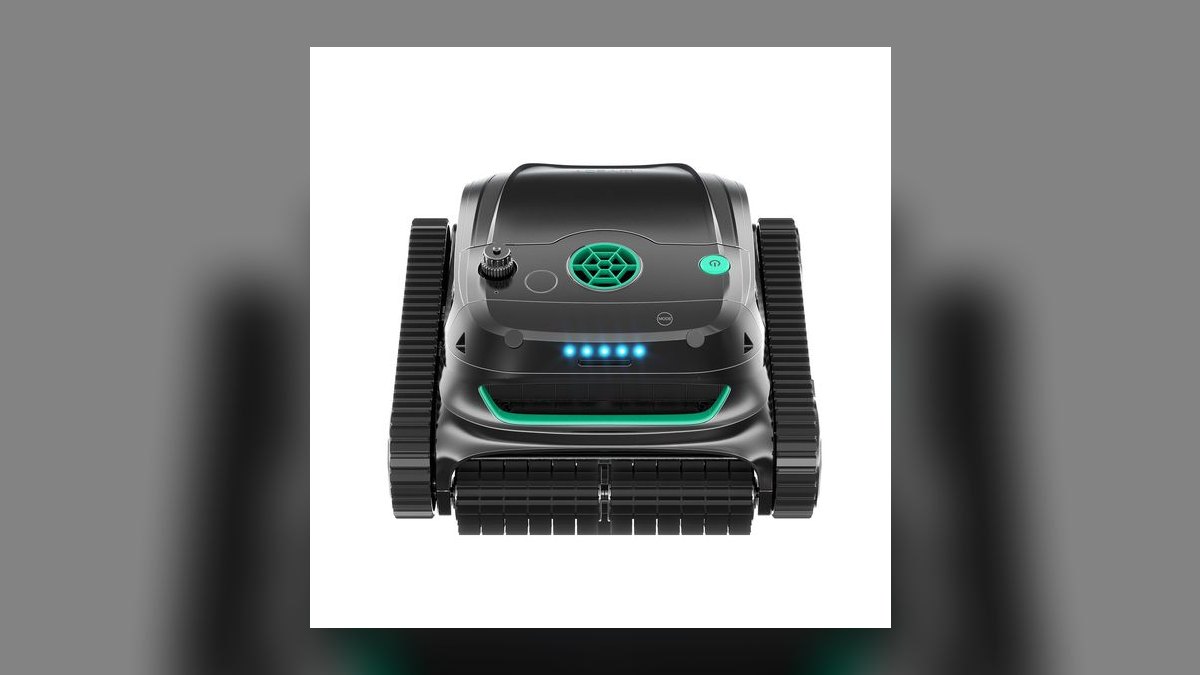
The Wybot S2 Solar Vision ranks sixth as the world's first underwater solar-powered robot — it lives in the pool, docks on the wall, and recharges from an attached solar panel, so you never haul it out. It cleans floor, walls, and edges with app control and visual navigation. Testers praised how thoroughly it pulled sand off the bottom and scrubbed walls and waterlines, in some cases beating a pool service.
This is for owners whose actual dealbreaker is recharging hassle rather than cleaning power. At $1,799 MSRP you are largely buying always-on solar convenience, not a leap in cleaning ability — the $799 Nautilus CC Plus cleans comparably for a thousand less. Versus the Polaris Freedom above it, the Wybot removes the charging chore entirely but costs $400 more and offers no remote.
7. Dolphin Liberty 400
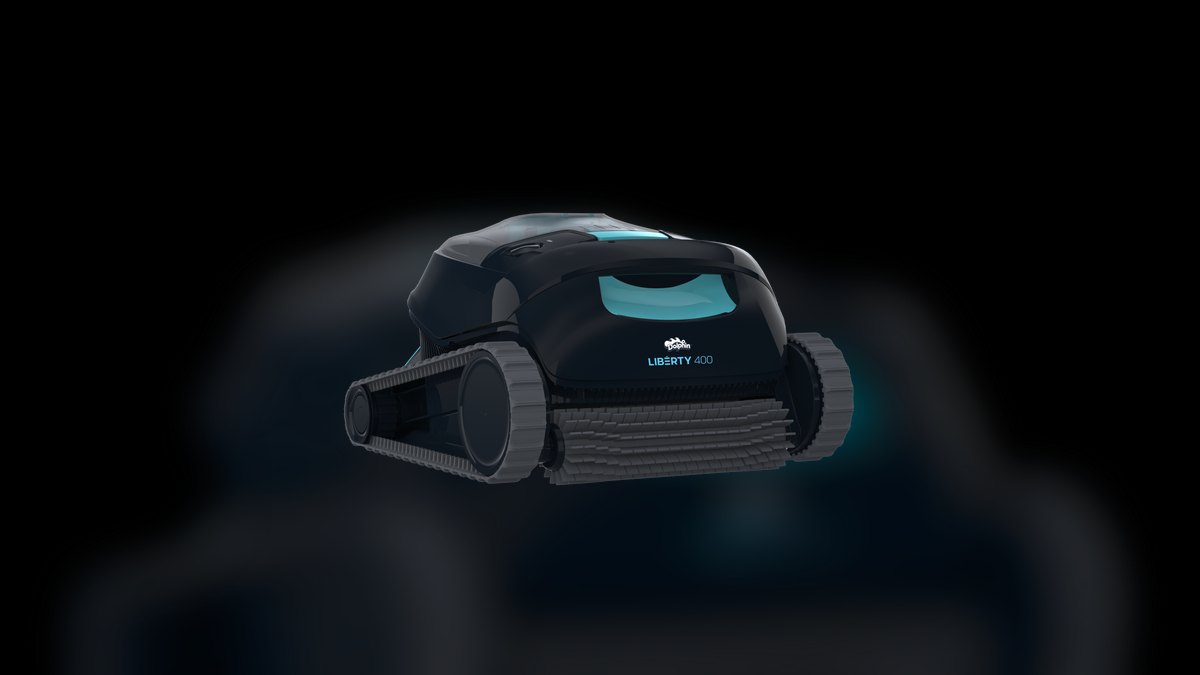
The Liberty 400 places seventh as the cordless Dolphin, bringing Maytronics build quality and CleverClean scanning navigation into a cable-free body at $1,499. It cleans floor, walls, and waterline on in-ground pools up to 33 ft, drives on tracks for grip across every surface, and adds an active front brush for scrubbing. Inductive contactless charging means no exposed contacts to corrode over seasons of poolside use.
This is for buyers who trust the Dolphin name but refuse to manage a cord. The 33 ft ceiling is the hard limit — it is the smallest pool rating among the cordless picks here, well under the Polaris Freedom's 50 ft. Owners also report battery life feels short against corded Dolphins, so the Premier and Nautilus CC Plus above still run longer for less money.
8. Hayward AquaVac 650
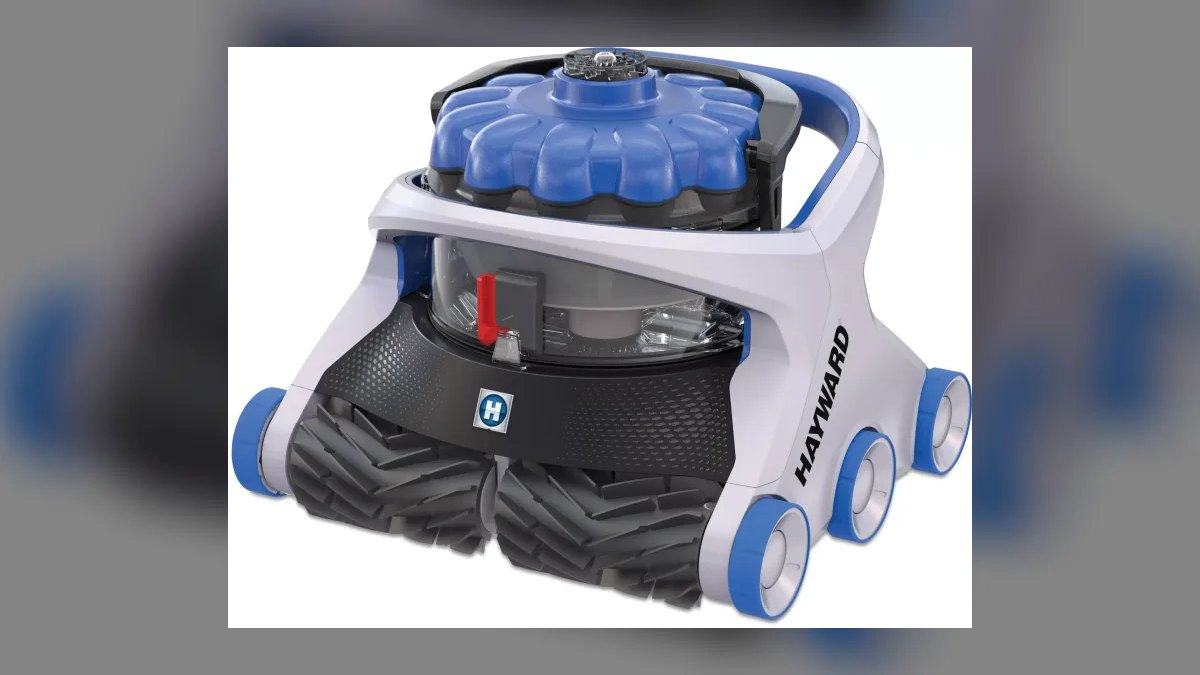
The AquaVac 650 ranks eighth as the low-maintenance corded pick at $1,499, built around patented SpinTech filterless technology — 18 hydrocyclones that hold maximum suction with no filter cartridge to clog. Six variable-speed rollers with adaptive traction give wall-to-wall coverage on pools up to 20 x 40 ft, and a TouchFree debris canister pops off without you touching the muck. Wi-Fi scheduling runs through iOS and Android apps.
This is for owners who genuinely hate cleaning filters, in-ground or above-ground. Testers cleaned a full pool in about three hours with clean curved walls, though several flagged inconsistent wall climbing. It costs $700 more than the Nautilus CC Plus for comparable floor cleaning, so the filterless canister has to be worth that gap. Against the Liberty 400 above, you regain unlimited corded runtime.
9. Beatbot iSkim Ultra
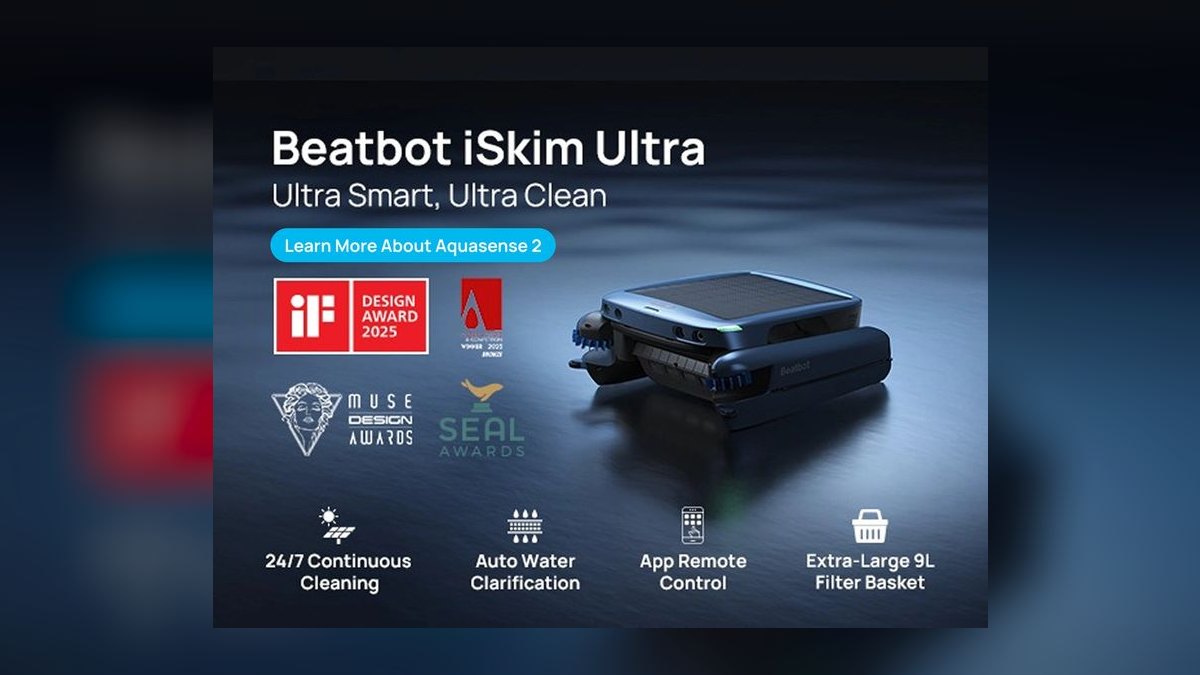
The iSkim Ultra ranks ninth because it is a solar-powered surface skimmer, not a floor vacuum — a complement to the robots above rather than a replacement. A 24W monocrystalline solar array and 10,000 mAh battery drive 24/7 surface cleaning through a seven-motor drive and 20 sensors, including tri-ultrasonic units and a six-axis IMU. A 265mm front roller brush feeds a large 9-liter debris basket.
This is for tree-shaded pools under heavy leaf and pollen load, where continuous skimming pulls debris off the surface before it sinks and saves real vacuum time. The trade is total: it cleans surface only, so you still need a floor and wall robot alongside it. The $1,499 MSRP is hard to justify against rival skimmers, but street prices drop toward $699-$999.
10. Aiper Scuba SE
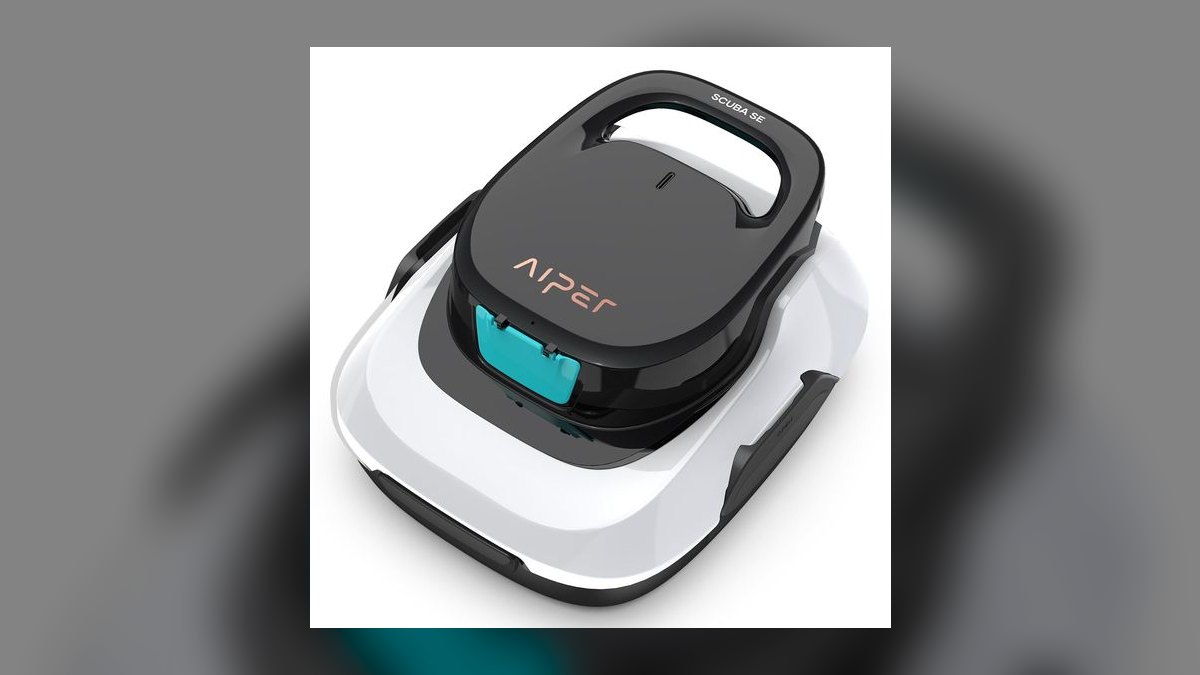
The Scuba SE ranks tenth on price alone at roughly $150, the cheapest entry here by a factor of five. It is genuinely cordless, drops into above-ground and small in-ground pools up to about 860 sq ft, and needs no app to operate. Advertised runtime sits near 90 minutes, though testers measured 60-70 minutes in practice, and a 1,200 GPH flow rate handles light debris like leaves and dust.
This is for small seasonal above-ground pools and tight budgets, and as a first robot it does the job. The suction gap is the trade: 1,200 GPH struggles with fine sand and anything heavier, and it cleans the floor only, skipping the walls and waterline every pick above it covers. As a primary cleaner for a real in-ground pool it falls short of the $799 Nautilus CC Plus.
How we ranked these
We scored each cleaner on six weighted criteria: cleaning power across floor, walls, and waterline at 25 percent; navigation and mapping at 20 percent; battery runtime or cord handling at 15 percent; filtration and debris capacity at 15 percent; price-to-performance at 15 percent; and app quality plus maintenance at 10 percent. Scores were cross-checked against published testing from Wirecutter, PCMag, CNET, Tom's Guide, PCWorld, and manufacturer spec sheets.
We ignored MSRP prestige, award badges, and marketing claims about AI unless testing showed a cleaning difference. Sponsored roundups and affiliate-only rankings were excluded. We also set aside brand loyalty, color options, and dock aesthetics. Cordless convenience was scored as convenience, not cleaning — because corded robots repeatedly out-cleaned cordless units costing two or three times more, we refused to let untethered novelty inflate a rank.
What to look for
Three specs decide this: rated pool length, whether the robot climbs walls and scrubs the waterline, and how you empty the filter. A 33-foot-rated robot leaves a 50-foot pool partly dirty. Floor-only units let scum ring the tile line. Top-load cartridges and Hayward's TouchFree canister take seconds; bottom-load trays get skipped until debris blows back into the water. Match those three before comparing apps.
The common mistake is paying a cordless premium for cleaning power you do not get. The $3,550 Beatbot AquaSense 2 Ultra still loses head-to-head suction tests to the $799 corded Nautilus CC Plus, and advertised cordless runtimes routinely collapse — the Aiper Scuba SE drops from 90 minutes to roughly 60. Buy cordless only if cable handling genuinely stops you from running the robot at all.
Related questions
Are corded pool robots really better than cordless ones?
In testing, yes. Corded units draw continuous power, so they deliver roughly three to four times the suction and run unlimited cycles instead of stopping at a battery cap. The $799 Nautilus CC Plus out-cleans cordless flagships costing three times more. Cordless wins on drop-in convenience and no cable swivel, but that is an ergonomics upgrade, not a cleaning one.
How long should a robotic pool cleaner run per cycle?
Most in-ground pools finish in about two hours, which is what the Nautilus CC Plus is built around. Corded models can run longer at no penalty, useful after storms or heavy pollen. Cordless caps range from 2.5 hours on the Polaris Freedom to five or ten hours on the Beatbot flagship, though real-world runtime often lands well below the advertised number.
Do robotic pool cleaners actually scrub the waterline?
The better ones do. The Dolphin Premier, Liberty 400, Wybot S2, Aiper Scuba S1 Pro, and Beatbot AquaSense 2 Ultra all climb to the waterline where body oils and scum collect. Budget models like the Aiper Scuba SE clean the floor only, so you still scrub tile by hand. Waterline capability is the single clearest dividing line between price tiers.
What does it cost to run a robotic pool cleaner?
Very little. The Dolphin Nautilus CC Plus runs roughly 15 cents per cleaning cycle, so even daily use costs a few dollars monthly. Corded robots draw their own low-voltage power and never touch your pool pump, which is far more expensive to run. The real ongoing cost is replacement filter cartridges, brushes, and eventually a battery on cordless units.
Can a robot replace weekly pool service?
For vacuuming and brushing, largely yes — testers found the Wybot S2 pulled sand and scrubbed walls better than their service did. What a robot cannot do is balance chemistry, backwash the filter, or inspect equipment. Most owners who buy a good robot downgrade service to monthly chemical checks rather than cancelling outright, which still saves real money.
Do I need a separate surface skimmer robot?
Only if trees or pollen dump debris on your water daily. The Beatbot iSkim Ultra runs 24/7 on solar with a 9-liter basket, catching leaves before they sink and rot on the floor. It is a complement, not a substitute — it has no floor or wall cleaning at all. Pools without overhanging trees do not need one.
How small is too small for these robots?
Small seasonal above-ground pools under roughly 860 square feet are the Aiper Scuba SE's territory at about $150, and a $1,200 corded unit is overkill there. Below that — inflatable or wading pools — a robot cannot navigate or dock properly and a hand skimmer wins. The Polaris Freedom also supports above-ground pools if you want stronger cleaning.
FAQ
Which robotic pool cleaner is best overall in 2027?
The Dolphin Premier at $1,199. It pairs dual drive motors with multi-media filtration that swaps between leaf bags, cartridges, and NanoFiltration panels down to about 2 microns. SmartNav gyroscopic mapping covers the pool methodically, it scrubs walls and waterline, and the corded design gives unlimited runtime with a weekly timer. Maytronics backs it with a three-year warranty, the longest here.
What is the best value robotic pool cleaner?
The Dolphin Nautilus CC Plus with Wi-Fi at $799. It handles in-ground pools up to 50 feet, finishes in about two hours, weighs 19 pounds, and uses dual scrubbing brushes with CleverClean navigation. The top-load cartridge makes emptying painless and Wi-Fi scheduling runs it from your phone. It delivers most of the Premier's results for several hundred dollars less.
Do any of these work on above-ground pools?
Three do. The Aiper Scuba SE at roughly $150 is built for small above-ground pools up to about 860 square feet. The Polaris Freedom supports above-ground pools alongside in-ground up to 50 feet, and the Hayward AquaVac 650 covers both up to 20 by 40 feet. The Dolphin Premier and Liberty 400 are in-ground designs.
Does filtration micron rating actually matter?
It matters if you fight fine silt, algae, or sand. The Dolphin Premier's NanoFiltration panels capture particles down to roughly 2 microns — material that standard cartridges pass straight through and back into the water. If your debris is mostly leaves and dirt, a standard cartridge or the Hayward's filterless cyclones is plenty and costs less to maintain.
How long do robotic pool cleaners last?
Warranty length is the best available proxy. The Dolphin Premier carries three years, the Nautilus CC Plus 30 months, and most cordless rivals less. Corded units age mainly through brushes, tracks, and the power supply, all replaceable. Cordless units are limited by battery degradation, which is why several owners report the Liberty 400's runtime shrinking noticeably over seasons.
Is the Beatbot AquaSense 2 Ultra worth $3,550?
For most owners, no. It is genuinely impressive — 5-in-1 floor, wall, waterline, surface skimming, and water clarification, five to ten hours of runtime, AI mapping, and waterline auto-parking. But head-to-head it still does not out-clean corded robots costing a quarter as much. Even discounted near $2,829, you are buying convenience and feature breadth, not superior cleaning.
Does the Wybot S2's underwater solar charging really work?
It does what it claims: the robot lives in the pool, docks on the wall, and recharges from an attached solar panel, so you never haul it out. Testers reported strong sand pickup and thorough wall and waterline scrubbing. The catch is the $1,799 price, which buys hands-off operation rather than cleaning performance you cannot get for less.
What is filterless cyclonic cleaning on the Hayward AquaVac 650?
SpinTech uses 18 hydrocyclones to spin debris into a canister instead of trapping it in a cartridge, so suction stays constant as the canister fills rather than fading. The TouchFree canister pops off without handling the muck. It is the strongest maintenance story here, though some testers flagged inconsistent wall climbing for a $1,499 corded unit.
Do I actually need Wi-Fi and app control?
Not for cleaning quality — the app changes scheduling and mode selection, not suction. It earns its keep if you travel and want to run cycles remotely, or if you prefer varying floor-only versus full-coverage modes by season. The Aiper Scuba SE has no app dependence at all and cleans fine within its limits. Weight it at roughly ten percent.
Sources
- https://www.nytimes.com/wirecutter/reviews/best-robotic-pool-cleaner/
- https://www.pcmag.com/picks/the-best-robotic-pool-cleaners
- https://www.tomsguide.com/best-picks/best-robot-pool-cleaners
- https://www.cnet.com/home/
- https://www.maytronics.com/en-us/
- https://www.hayward.com/
- https://beatbot.com/
- https://aiper.com/
- https://www.polarispool.com/
Related on PULSE
- [More robotic pool cleaners rankings and buying guides](/knowledge)
- [PULSE Tools and calculators](/tools)
- [Everything on PULSE RevOps](/)
 pulse-reviewsHow much does Electronics cost in 2027?
 pulse-reviewsHow much does a DJI Avata 2 cost in 2027?
 pulse-reviewsWhat should you know before investing in Electronics in 2027?
 pulse-reviewsWhat are the most common mistakes in Electronics in 2027?
 pulse-reviewsTop 10 best Electronics options in 2027
 pulse-reviewsHow do you get started with Electronics in 2027?
 pulse-reviewsTop 10 Electronics strategies for 2027
 pulse-aquariumsTop 10 Canister Filters 2027
 aqTop 10 Hang-On-Back Aquarium Filters 2027
 pulse-reviewsTop 10 Cabin Cruiser Boats 2027