
Top 10 Smart Rings — Best Overall + Best Value in 2027
 Curated byKory White · Fractional CRO · Maryland
 PULSEKNOWLEDGE LIBRARY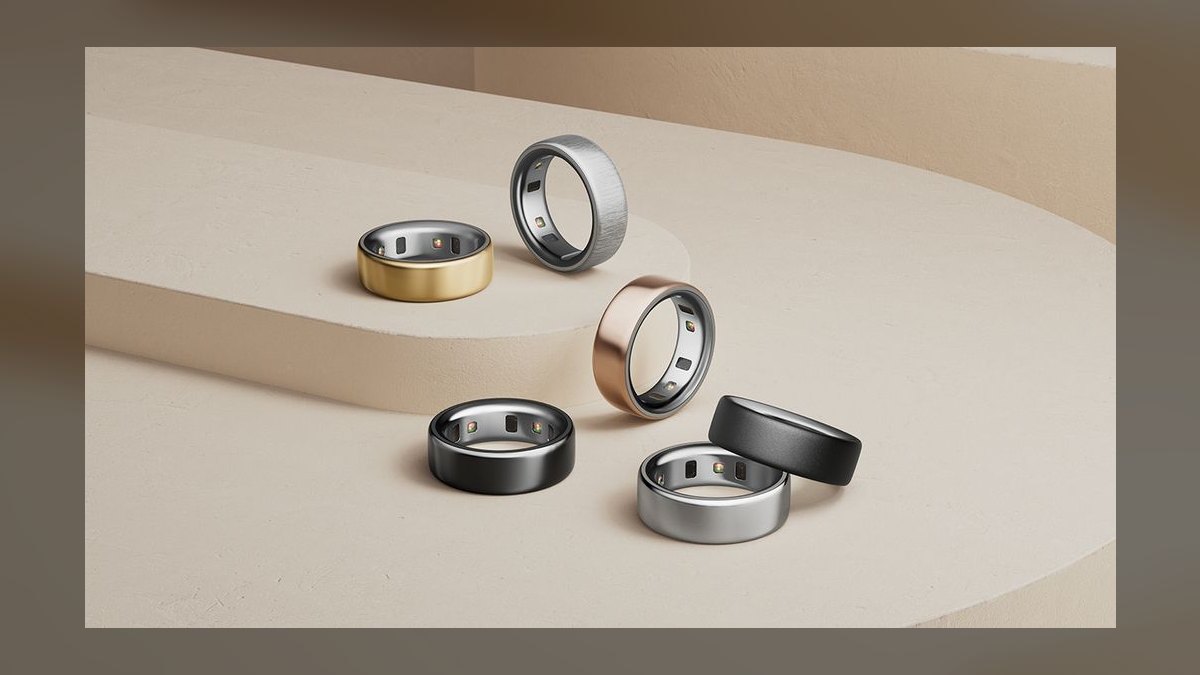
The 10 best smart rings are ranked below on measured performance, build quality, price, and how each one actually holds up in daily use rather than how it reads on a spec sheet. Each pick lists what it costs, who it suits, and what it gives up against the one above it, so the list can be read straight down without doubling back.
1. Oura Ring 4
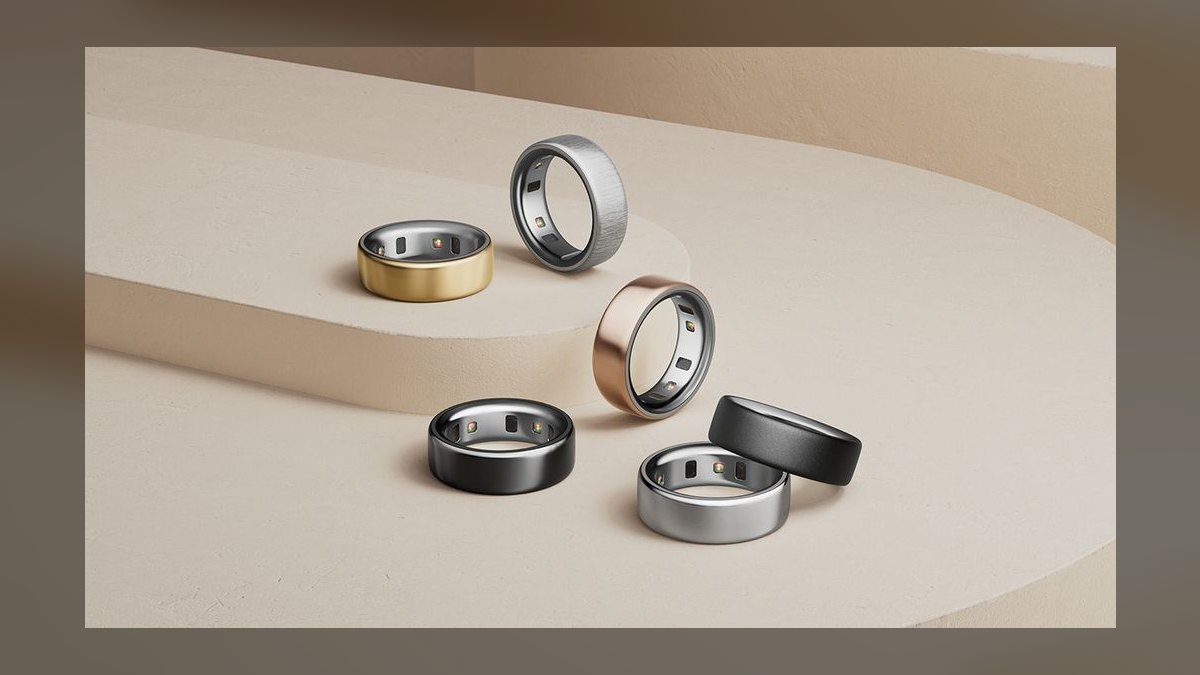
Ranked first because it pairs the most refined sleep and recovery science with the cleanest app in the category. The $349 titanium body hides recessed sensors inside the band, and Smart Sensing 2.0 uses an 18-pathway PPG array for heart rate, HRV, SpO2 from red and infrared LEDs, and continuous skin temperature. Battery is rated up to 8 days, landing at 5-6 in real use, with sizes 4-15 and 100m water resistance.
This is for sleep chasers and recovery-focused athletes who want validated staging and readiness scoring rather than raw numbers. It trades away your wallet monthly: full data lives behind a $5.99 membership, roughly $216 across three years. The RingConn Gen 2 Air below beats it on battery and charges nothing, but its app insights are noticeably shallower. Pay the fee only if you actually read the analysis.
2. Samsung Galaxy Ring
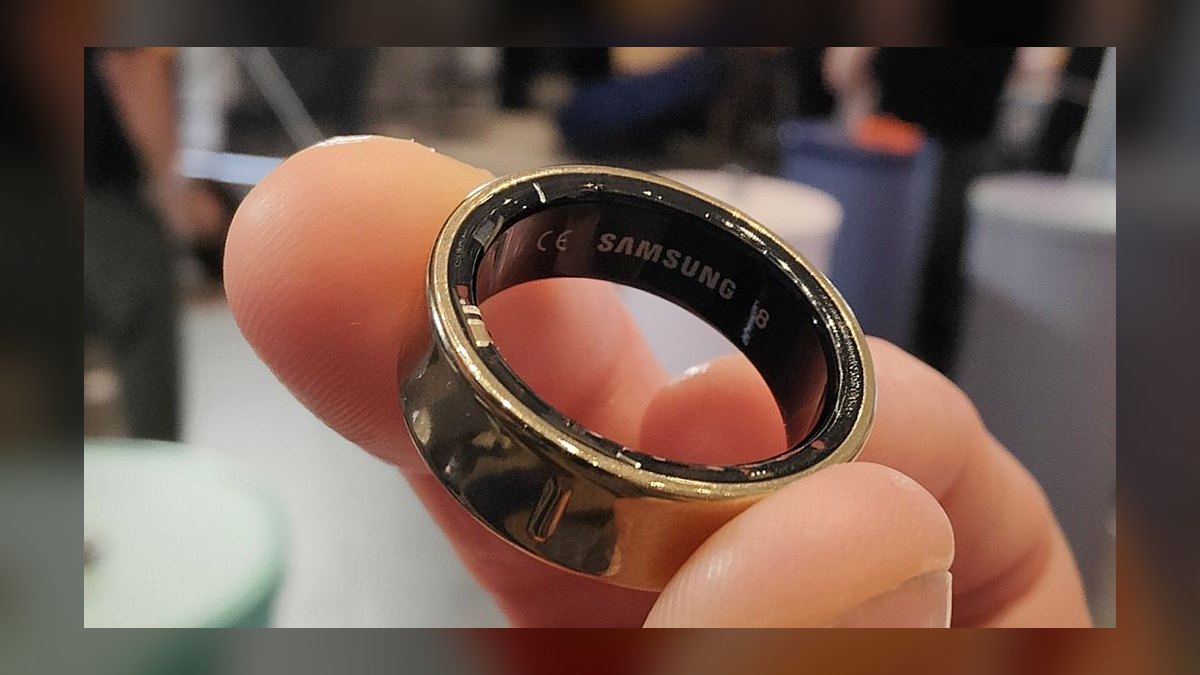
It ranks second because every feature is subscription-free at $399 — you pay once and keep your data forever. The titanium build comes in Titanium Black, Silver, and Gold across sizes 5-15, with battery cells scaling from 18mAh at size 5 to 23.5mAh at size 13 for up to 7 days via the charging case. Sensors cover heart rate, HRV, sleep stages, and skin temperature.
Buy this if you already carry a Galaxy phone and want Samsung Health energy scores, sleep coaching, and the double-pinch gesture. It trades away cross-platform parity: it pairs with iPhone but loses most useful features, making $399 hard to justify there. Against the Oura Ring 4 above, you lose sleep-staging depth but escape the monthly fee entirely, which pays for itself within a few years.
3. RingConn Gen 2 Air
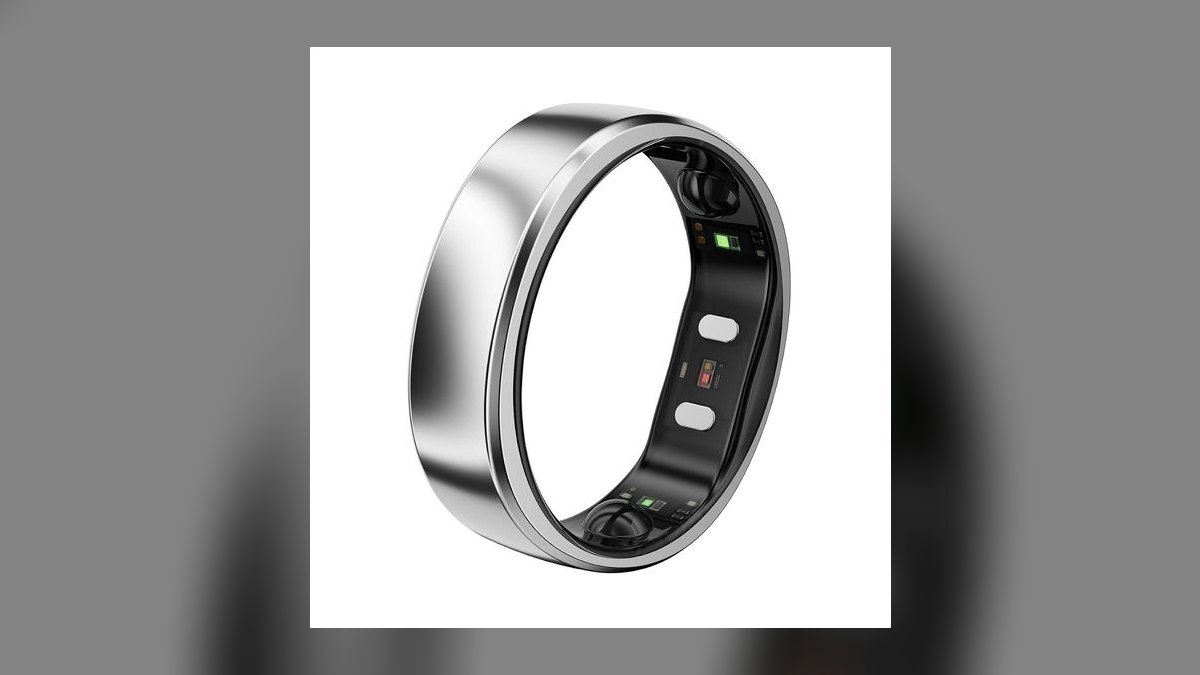
Third place goes to the value champion: $199, no subscription ever, and a rated 10-day battery that lands near 8 days in real use — nearly double the latest Oura. It works with both Android and iOS, carries a 100m water resistance rating, and tracks heart rate, SpO2, and detailed sleep with a daily Sleep Score. Tom's Guide and Tech Advisor both named it the best budget smart ring.
This suits anyone who wants honest sleep data and rare charging without an ongoing bill. What it gives up is analytical depth — the app's insights are thinner than Oura's, and there are no fitness or ECG extras. Compared to the Samsung Galaxy Ring above, it costs half as much and works fully on iPhone, but you lose the polished Samsung Health ecosystem and gesture controls.
4. Ultrahuman Ring Air
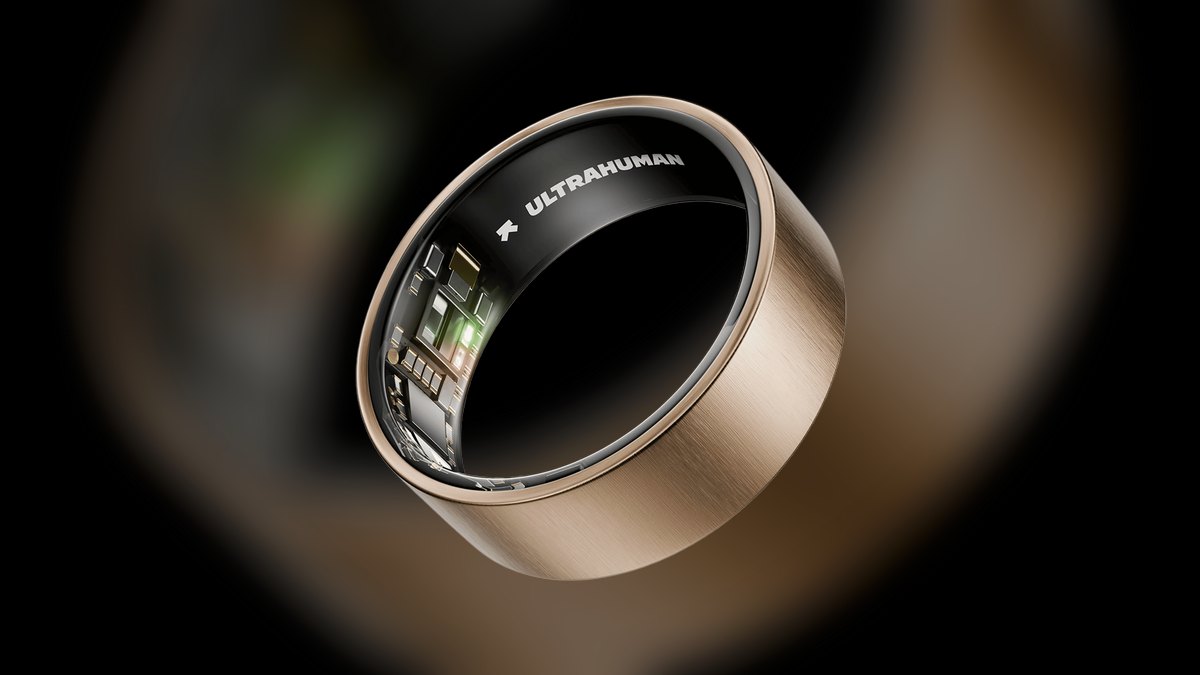
It lands fourth because it matches Oura's sensor stack — optical PPG for heart rate and HRV, temperature, accelerometer, and SpO2 — at the same $349 while charging no subscription. The titanium ring is feather-light and posts roughly 4-6 days of battery. Its app leans hard into metabolic insights, recovery scoring, and an unusual focus on circadian timing and caffeine windows that no other ring here attempts.
This is for data-hungry users chasing metabolic and circadian patterns rather than pure sleep staging. The serious trade is availability: an October 2025 ITC ruling found Ultrahuman infringed Oura patents and ordered a U.S. sales stop, so you are shopping existing retailer stock. Battery also trails the RingConn rings above by several days, and there is no ECG or apnea screening on board.
5. RingConn Gen 2
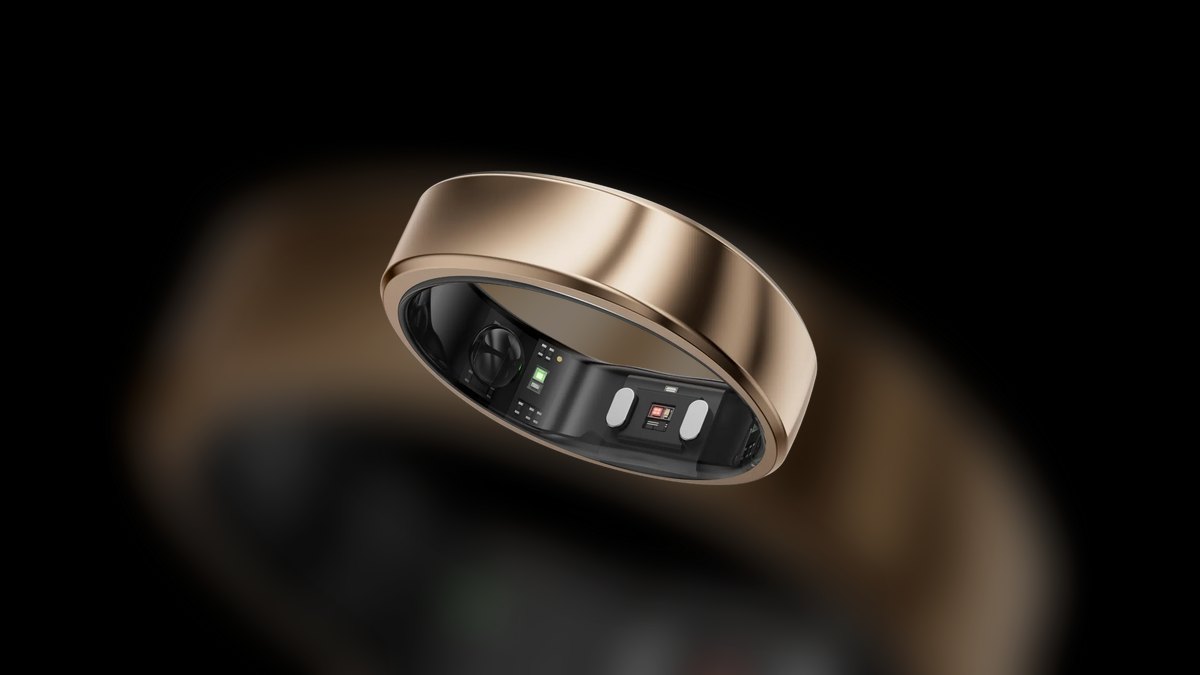
Fifth because it adds sleep apnea detection on top of RingConn's strong fundamentals for $299 with no subscription. Sensors cover heart rate, HRV, SpO2, and temperature in a comfortable lightweight design, and battery life stretches well past most rivals in this list. The app is clean and readable, though it does less coaching and interpretation than Oura's readiness and sleep-staging breakdowns.
This is the middle ground for buyers who want more health depth than the Air but refuse a monthly bill. It trades away $100 against its own cheaper sibling for gains that are modest unless apnea screening genuinely matters to you. Versus the Ultrahuman Ring Air above, you get better battery and unrestricted U.S. availability, but lose the metabolic and circadian analysis.
6. Circular Ring 2
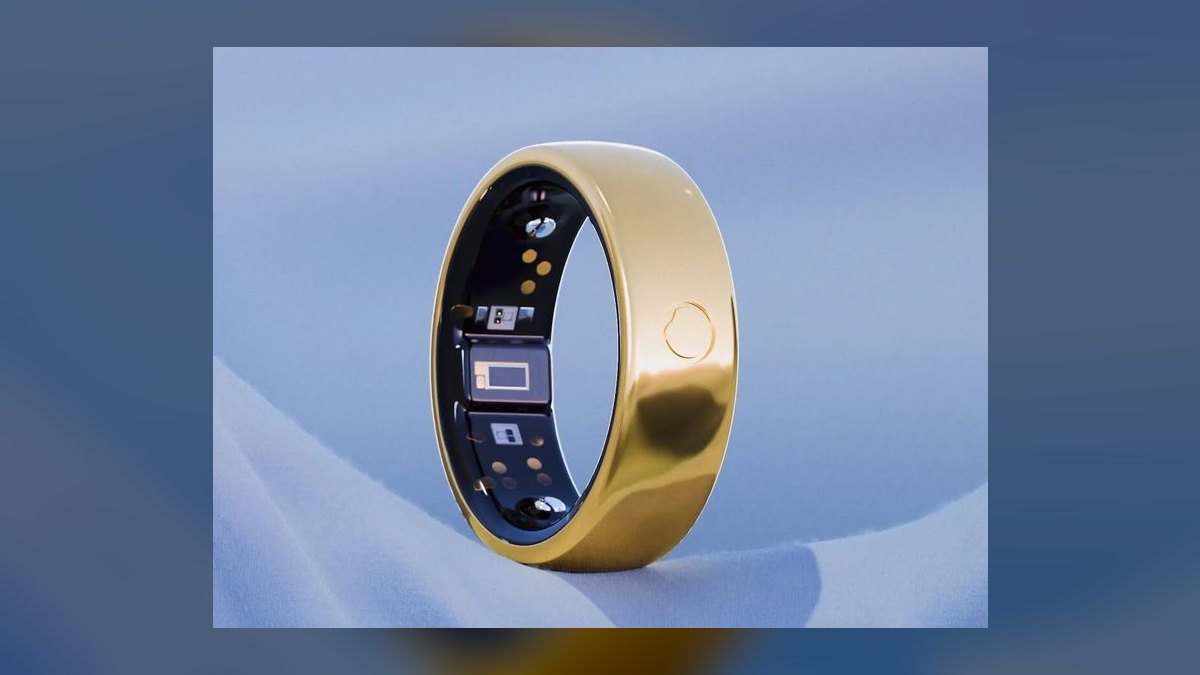
It ranks sixth on hardware alone: it is the rare ring with ECG on board, plus full sensor coverage and no subscription. The titanium build launched at $379 for the base finish, climbing to $549 in gold. Selectable battery modes let you run Performance for high-frequency sampling at roughly 4-5 days, or Power Saving for up to 7 days. It tracks heart rate, HRV, SpO2, temperature, and sleep on Android and Apple.
Buy it if on-ring ECG is a genuine requirement and you can tolerate rough software. Reviewers praised the hardware while flagging a buggy, inconsistent app as the weak link — that is what keeps it below the RingConn Gen 2 above, which does less but does it reliably. The gold finishes push past $500 for no added sensing.
7. Amazfit Helio Ring
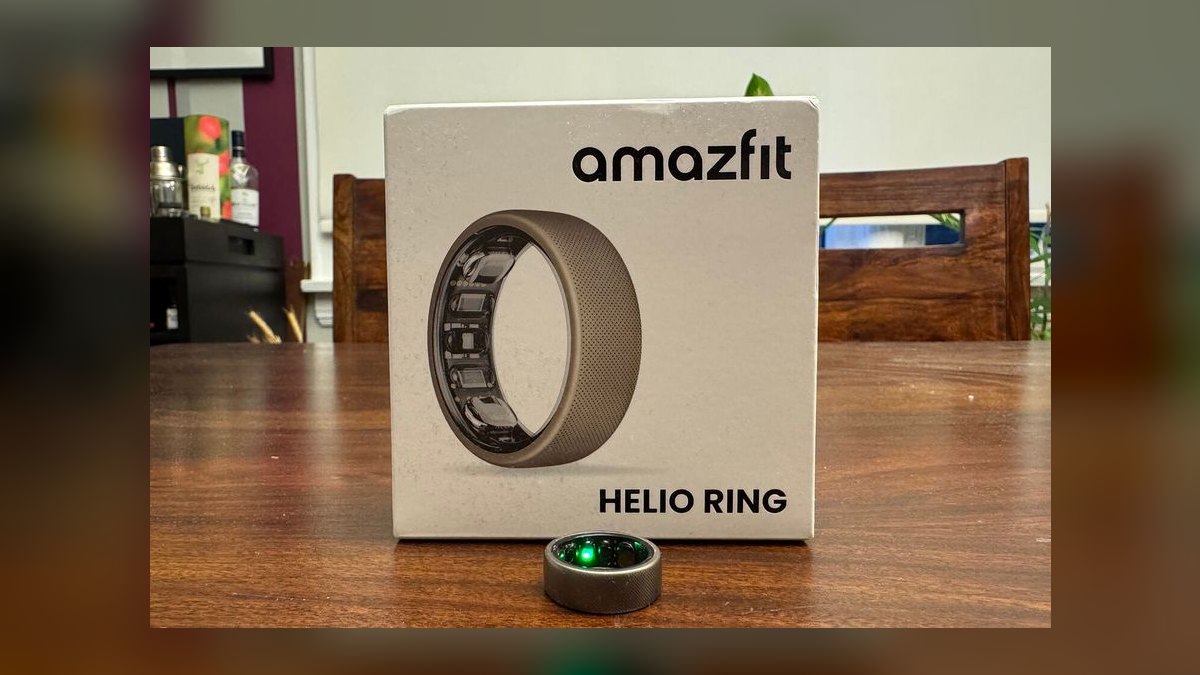
Seventh because Amazfit cut the Helio Ring to $199 and dropped subscription fees for core features, making it the cheapest workout-first option here. It puts exercise tracking ahead of sleep, layering recovery, readiness, and training load on top, and pairs neatly with the Zepp app and Amazfit's own watches. Battery life is the shortest of the budget group, which is what holds it back.
This fits athletes who already own Amazfit hardware and want HRV and training load without a monthly bill. It trades away sleep depth — the insights trail category leaders noticeably. At the same $199 as the RingConn Gen 2 Air, you get a fitness lean and ecosystem tie-in but give up roughly half the battery and the stronger sleep scoring.
8. Movano Evie Ring
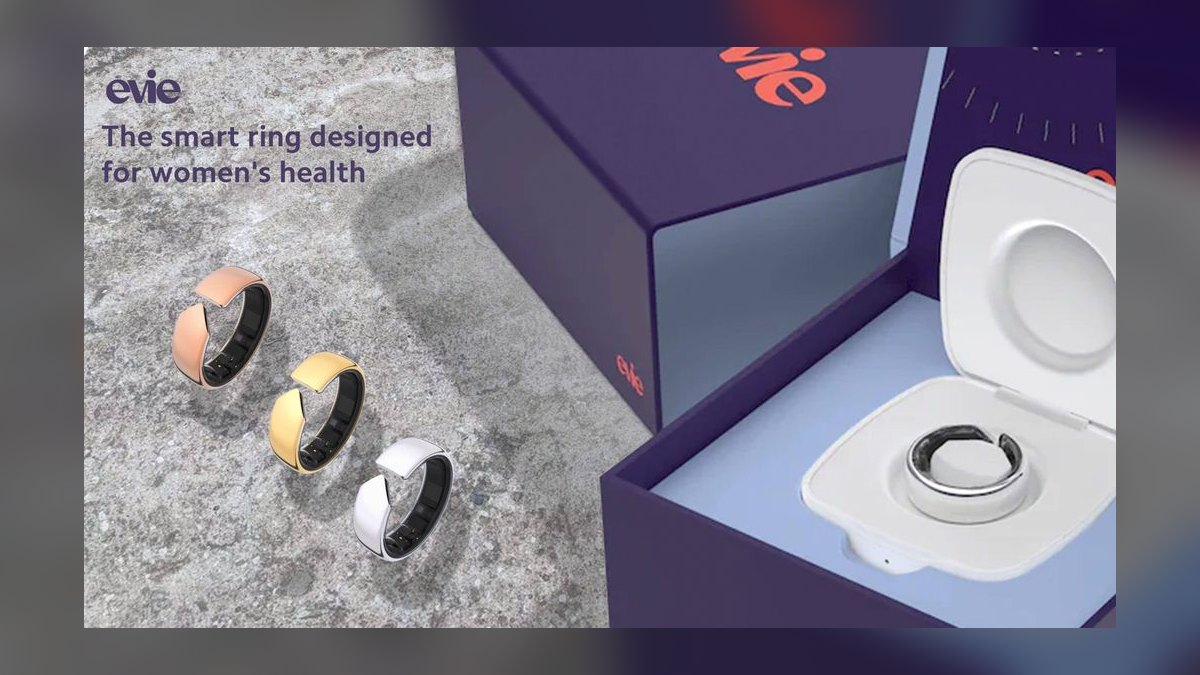
Eighth because its specialization is unmatched: at $269 with no subscription, it is built specifically around menstrual cycle, fertile-window, and hormonal-impact tracking. It monitors heart rate, SpO2, temperature, and respiration, then frames every reading around how hormones affect rest and exercise. The open-gap design tolerates finger swelling, and Movano has pursued an FDA-registered approach rather than pure wellness framing.
This is the clear pick if cycle and hormonal health drive your purchase. It trades away general-purpose breadth — the feature set is narrower for anyone outside that focus, and battery trails the budget leaders. Against the Amazfit Helio Ring above, it costs $70 more and does far less for workouts, but delivers reproductive-health context nothing else on this list attempts.
9. Renpho LYNX Smart Ring
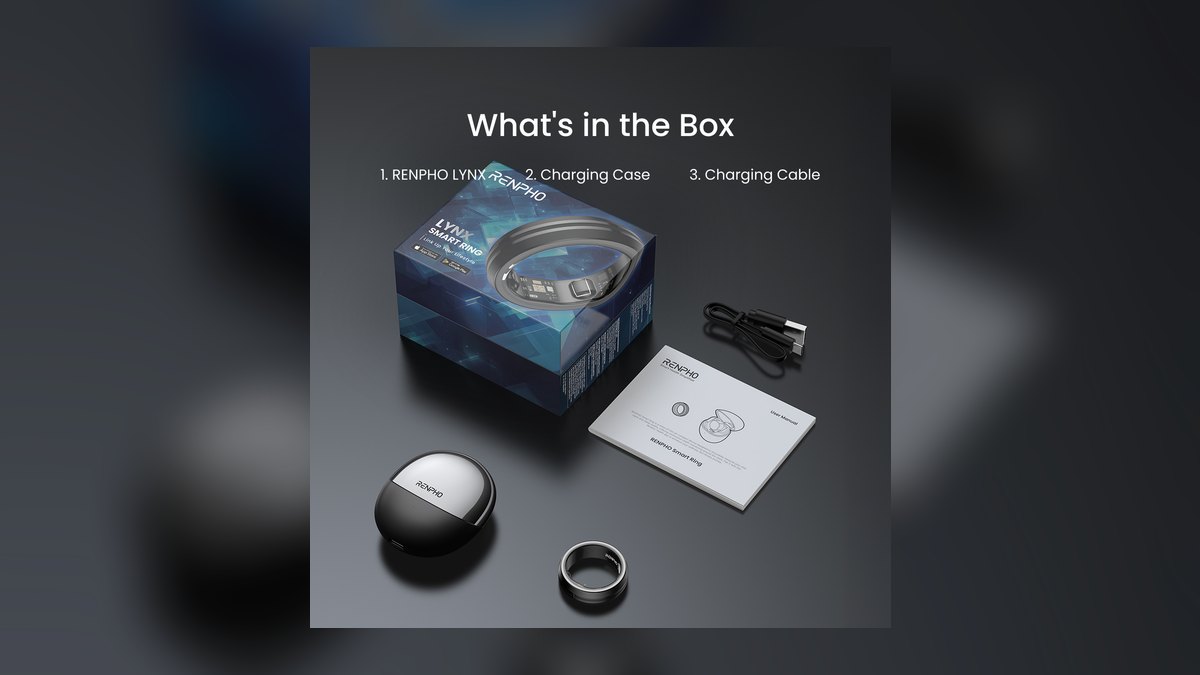
Ninth because it delivers the no-subscription essentials in a slimmer, lighter package at around $249. It covers heart rate, SpO2, temperature, and sleep tracking, syncs to a serviceable app, and keeps your money out of a recurring charge. Build quality and sizing kits across this tier have improved meaningfully, so the fit-and-finish gap against the flagships is smaller than the price suggests.
This suits someone who wants a thinner profile and basic trend data rather than coaching. It trades away analytical depth — the app is basic, and sleep accuracy is less proven than Oura's or RingConn's validated staging. Compared with the Movano Evie Ring above, it is more general-purpose but has no specialized health angle to justify choosing it over cheaper rivals.
10. Samsung Galaxy Ring Sizing Kit
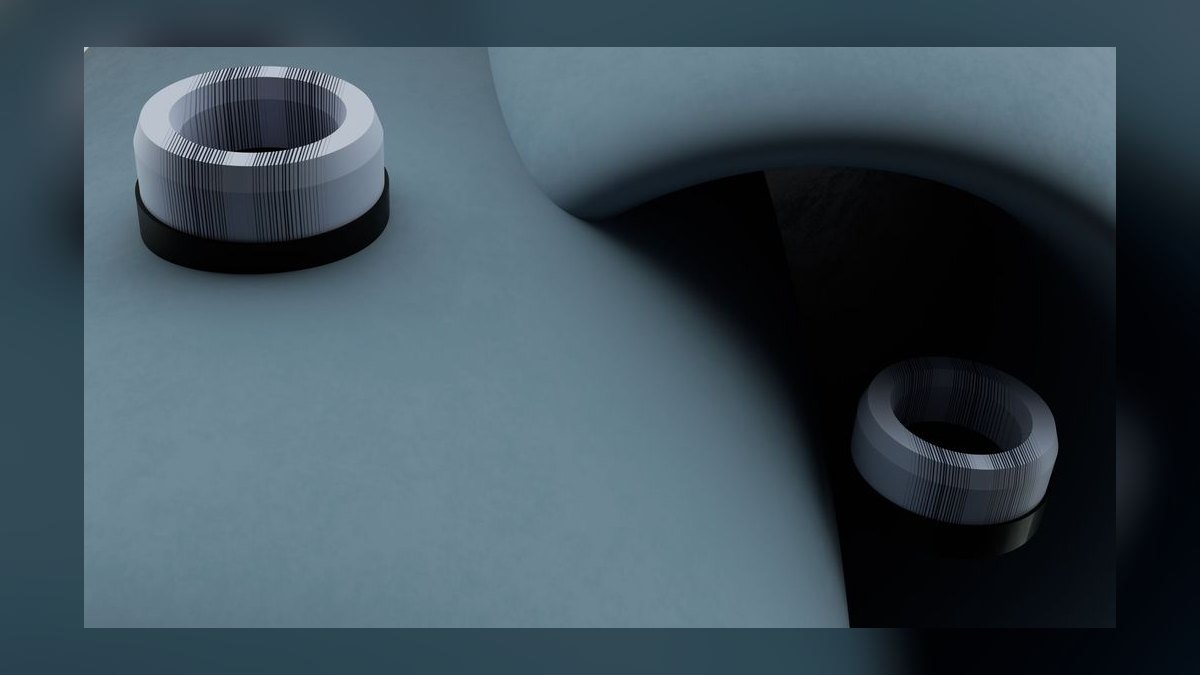
Tenth because it solves the single biggest smart ring purchase risk for a fraction of a ring's price: fit. Rings are non-returnable in many cases once worn, and finger size shifts with temperature, time of day, and swelling. The kit ships dummy rings across Samsung's 5-15 range so you can wear a candidate size for a full day before committing $399 to the real Galaxy Ring.
This is for first-time buyers testing whether the form factor fits their life at all. It obviously trades away every sensor — there is no heart rate, no SpO2, no battery, no data of any kind. Unlike the Renpho LYNX above, it is not a ring you keep; it is a step before buying one, and Oura, RingConn, and Ultrahuman all offer their own equivalents free.
How we ranked these
We scored every ring on the things you actually feel wearing a sensor nightly: sleep and recovery accuracy at 25%, the sensor stack (heart rate, HRV, SpO2, skin temperature) at 20%, battery life at 15%, app quality and insight clarity at 15%, comfort and titanium build at 15%, and price plus subscription honesty at 10%. Published testing from Wirecutter, The Verge, Tom's Guide, PCMag, CNET, Wareable and TechRadar cross-checked our own impressions.
We deliberately ignored step counts, calorie burn estimates and any marketing claim about workout precision. A ring reads from the finger, which is excellent for overnight heart rate and temperature but poor for movement math — no ring here replaces a chest strap or GPS watch. We also discounted color finishes, launch-day gimmicks and gesture controls, since none of them survive the second week of ownership as a reason to buy.
What to look for
The single biggest decision is subscription versus one-time cost. Oura charges $5.99/month, which is roughly $216 over three years on top of the $349 hardware — so an Oura is really a $565 ring. RingConn Gen 2 Air at $199 with no fee is a $199 ring, forever. Everything else follows from that: sleep-staging depth and app coaching are what your monthly fee buys, and only you know if the gap is worth it.
The mistake most buyers make is skipping the free sizing kit and ordering by their jewelry size. Fingers swell overnight, in heat, and after salty meals, and a ring that binds at 3 a.m. gets taken off — an unworn ring tracks nothing. Wear the plastic sizer for a full day and night before ordering. The second mistake is buying a ring expecting workout accuracy it was never designed to deliver.
Related questions
Which smart ring has the longest battery life?
The RingConn Gen 2 Air leads at a rated 10 days, landing around 8 days in real use. The standard RingConn Gen 2 is close behind. Oura Ring 4 is rated up to 8 days but delivers 5–6 with SpO2 and workout heart rate on, and the Samsung Galaxy Ring reaches about 7 days using its charging case.
Is the Samsung Galaxy Ring worth it on an iPhone?
Not really. It pairs, but the energy score, sleep coaching and gesture features lean on Samsung Health and a Galaxy phone to work properly. At $399 you would be paying flagship money for a partial experience. iPhone owners get more from the Oura Ring 4 or, if you want to avoid fees entirely, the RingConn Gen 2 Air at $199.
Can any smart ring take an ECG reading?
The Circular Ring 2 is the notable one, with on-ring ECG plus the standard heart rate, HRV, SpO2 and temperature suite, and no subscription. It launched at $379 for the base titanium finish. Reviewers liked the hardware and the selectable Performance and Power Saving battery modes, but consistently flagged the app as buggy and inconsistent.
Why is the Ultrahuman Ring Air hard to buy in the US?
An October 2025 ITC ruling found Ultrahuman infringed Oura patents and ordered a halt to US sales. Availability is now limited to whatever stock retailers already hold. The ring itself is strong — full sensor suite, no subscription, standout metabolic and circadian insights, feather-light titanium — so the issue is purchasing, not quality. Confirm stock before you plan around it.
Which smart ring is best for cycle and hormonal tracking?
The Movano Evie Ring at $269 is purpose-built for it, with no subscription and a design tuned to menstrual cycle, fertile-window and hormonal-impact tracking alongside sleep and activity. Its open-gap shape tolerates finger swelling well. Battery and app depth are not class-leading, but nothing else here frames its data around hormones as deliberately.
Does a smart ring replace a fitness watch?
No, and it should not be bought as one. Rings estimate steps and calorie burn from the finger, which is far less precise than a chest strap or GPS watch. What a ring does better is 24/7 wear: overnight heart rate, HRV, temperature trend and sleep staging, in a form you actually keep on. Buy it for recovery data, not workout metrics.
How much does the Oura subscription really cost over time?
$5.99 per month, which is about $72 a year and roughly $216 across three years — on top of the $349 hardware. That makes a three-year Oura closer to $565. Full data lives behind that paywall, so skipping it guts the product. Whether it is worth it comes down to how much you use the readiness and sleep coaching.
Are smart rings safe to wear in the shower or sauna?
Yes for the flagships here, which carry 100m water resistance — showers, swimming and saunas are all fine. Scuba diving is not covered. The titanium builds handle daily water exposure without issue, and Oura's recessed sensors sit inside the band rather than proud of it, which helps them survive scrapes as well as moisture.
FAQ
What is the best smart ring overall in 2027?
The Oura Ring 4 at $349 plus $5.99/month. Its all-titanium body hides recessed sensors, and Smart Sensing 2.0 runs an 18-pathway PPG array for heart rate, HRV, SpO2 and continuous skin temperature. The app remains the clearest in the category for readiness, sleep staging and cycle insight. Wirecutter, The Verge and Tom's Guide all keep it at the top.
What is the best value smart ring?
The RingConn Gen 2 Air at $199 with no subscription ever. It rates 10 days of battery — roughly 8 in real use — works on both iOS and Android, carries 100m water resistance, and tracks heart rate, SpO2 and detailed sleep with a daily Sleep Score. Tom's Guide and Tech Advisor both named it the best budget smart ring.
Do smart rings really track sleep accurately?
The better ones do. Oura and RingConn produce sleep staging that reviewers found close to clinical references, largely because the finger provides a strong, stable overnight signal for heart rate and temperature. Cheaper entry-level rings around $179 give you basic sleep scoring but noticeably less reliable staging, so accuracy does scale with what you spend here.
Which smart rings have no subscription?
Most of them. Samsung Galaxy Ring, RingConn Gen 2 and Gen 2 Air, Ultrahuman Ring Air, Circular Ring 2, Amazfit Helio Ring and Movano Evie Ring all include full features with no monthly fee. Oura is the lone holdout at $5.99/month, and that fee gates the data that makes the ring worth owning.
How long do smart ring batteries last?
It ranges from about 4 days at the bottom — Ultrahuman Ring Air, and Circular Ring 2 in Performance mode — to 10 days rated on the RingConn Gen 2 Air. Oura and Samsung sit around 5 to 7 days in real use. Oura recharges fully in roughly 20 to 80 minutes, so short battery does not mean long downtime.
Can I use a smart ring with an iPhone?
Yes. Oura, RingConn, Ultrahuman and Circular all fully support iOS alongside Android. The Samsung Galaxy Ring technically pairs with an iPhone but loses most of its useful features, so treat it as a Galaxy-phone product. If you are on iOS, the real choice is Oura for depth or RingConn Gen 2 Air for value.
Which ring detects sleep apnea?
The standard RingConn Gen 2 at $299 adds sleep apnea detection on top of heart rate, HRV, SpO2 and temperature tracking, still with no subscription. It sits above the $199 Gen 2 Air as a middle ground for buyers who want more health depth but refuse a monthly bill. Treat it as screening, not a clinical diagnosis.
What size smart ring should I order?
Order the free sizing kit rather than guessing from a jewelry size. Wear the plastic sizer for a full 24 hours, including overnight, because fingers swell with heat, salt and sleep. Oura offers sizes 4 to 15 and Samsung 5 to 15, so most hands are covered. A ring that binds at night gets removed, and an unworn ring records nothing.
Are smart rings waterproof?
The flagships are rated to 100m water resistance, which covers showers, swimming, workouts and saunas. Scuba diving is outside that rating. Every titanium ring on this list handles daily water exposure without trouble, and recessed sensor designs like Oura's hold up better to the scrapes that come with wearing a ring through normal daily life.
Should I buy a cheap smart ring first to test the form factor?
It is a reasonable move. Entry-level rings now dip to around $179 with heart rate, SpO2, basic sleep scoring, multi-day battery and no subscription. Accuracy and app depth are modest, but you learn whether you tolerate wearing a ring 24/7 and you nail down your size. Just do not expect it to serve as a long-term flagship.
Sources
- https://www.nytimes.com/wirecutter/reviews/best-smart-ring/
- https://www.theverge.com/smart-ring
- https://www.tomsguide.com/wellness/fitness-trackers/best-smart-rings
- https://www.cnbc.com/2024/10/15/oura-ring-4-review.html
- https://www.cnet.com/tech/mobile/oura-ring-4-review/
- https://www.pcmag.com/picks/the-best-smart-rings
- https://www.samsung.com/us/rings/galaxy-ring/
- https://ringconn.com/products/ringconn-gen-2-air
- https://www.techradar.com/health-fitness/best-smart-rings
Related on PULSE
- [More smart rings rankings and buying guides](/knowledge)
- [PULSE Tools and calculators](/tools)
- [Everything on PULSE RevOps](/)
 pulse-reviewsHow much does Electronics cost in 2027?
 pulse-reviewsHow much does a DJI Avata 2 cost in 2027?
 pulse-reviewsWhat should you know before investing in Electronics in 2027?
 pulse-reviewsWhat are the most common mistakes in Electronics in 2027?
 pulse-reviewsTop 10 best Electronics options in 2027
 pulse-reviewsHow do you get started with Electronics in 2027?
 pulse-reviewsTop 10 Electronics strategies for 2027
 pulse-aquariumsTop 10 Canister Filters 2027
 aqTop 10 Hang-On-Back Aquarium Filters 2027
 pulse-reviewsTop 10 Cabin Cruiser Boats 2027