
Top 10 Plasma Cutters — Best Overall + Best Value in 2027
 Curated byKory White · Fractional CRO · Maryland
 PULSEKNOWLEDGE LIBRARY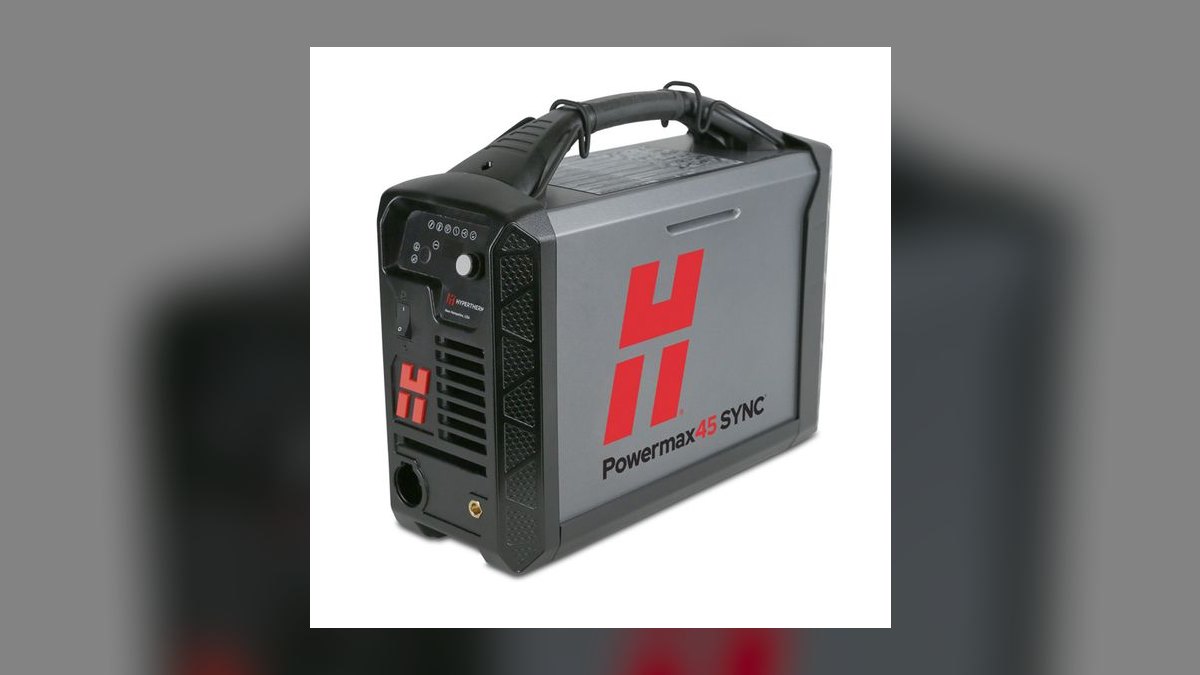
The 10 best plasma cutters are ranked below on measured performance, build quality, price, and how each one actually holds up in daily use rather than how it reads on a spec sheet. Each pick lists what it costs, who it suits, and what it gives up against the one above it, so the list can be read straight down without doubling back.
1. Hypertherm Powermax45 SYNC
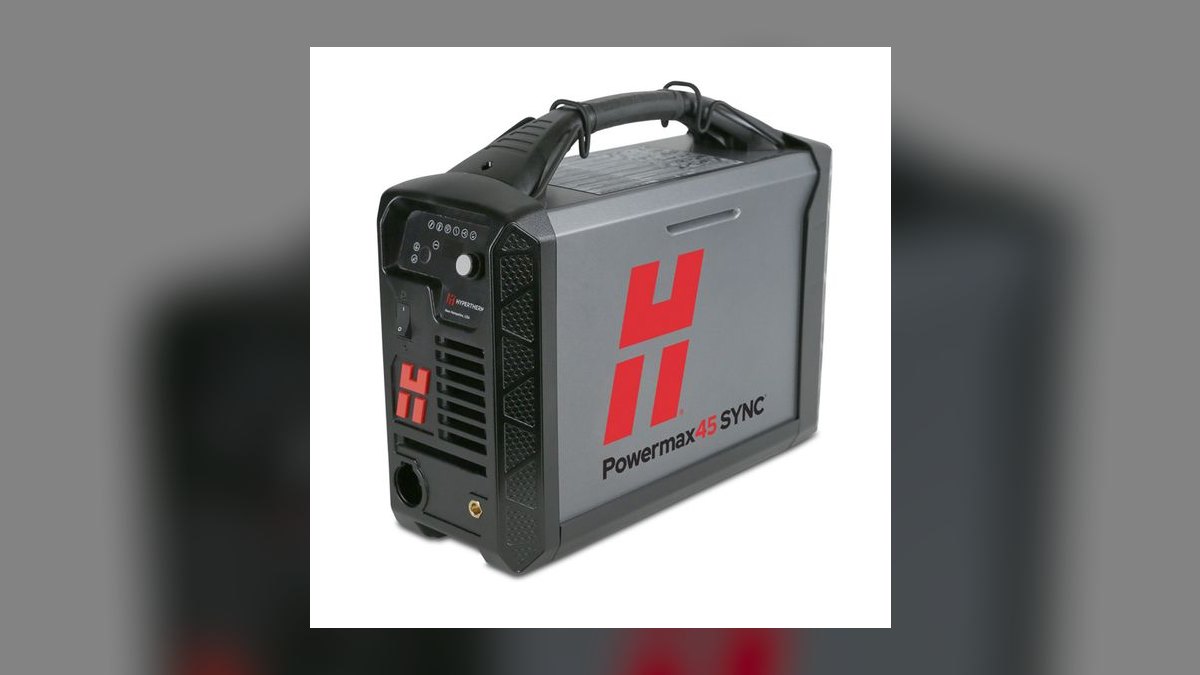
This ranks first because it pairs the cleanest cut in the group with production-grade endurance at $2,363. It outputs 20 to 45 amps on 200-240V, cuts a recommended 5/8 inch and severs up to 1-1/8 inch mild steel, and holds a 50% duty cycle at 45A (100% at 32A). The single-piece SYNC cartridge auto-identifies the process and lasts up to five times longer than legacy stacked consumables.
This is for full-time fabricators, CNC table owners, and shops cutting metal daily for revenue. It trades away all field flexibility: there is no 120V fallback, so an unknown jobsite outlet leaves you stranded, and both the machine and its cartridges cost premium money. The Miller Spectrum 625 X-TREME below takes any voltage automatically but caps at 40 amps, so it cuts thinner and slower than this one at full output.
2. Miller Spectrum 625 X-TREME
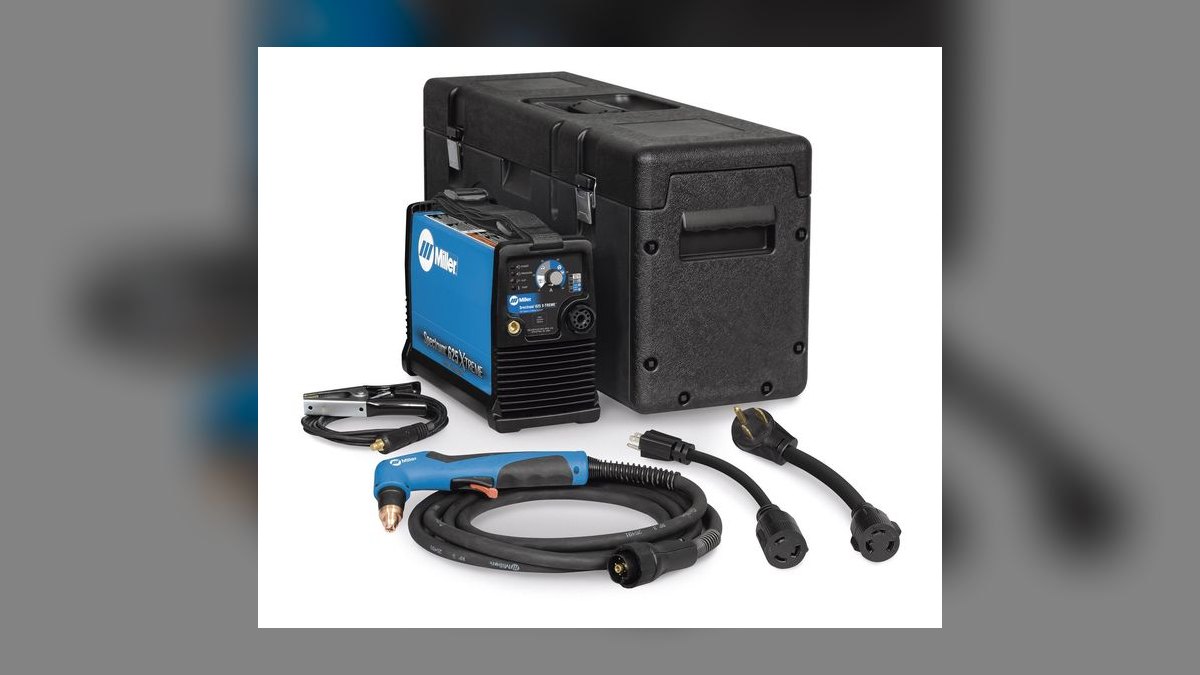
Second place goes to the machine with the widest power tolerance: Auto-Line accepts any input from 120V to 240V with no manual switching, dip switches, or adapters. It costs $2,485, rates 5/8 inch mild-steel cut capacity, and outputs 40 amps on 240V, auto-reducing to 27A on 120V. The XT40 torch uses a blowback start that ignites reliably through rust and paint, and edge quality stays excellent through 1/2 inch.
Buy this if you are a maintenance pro or mobile crew who never knows what outlet is waiting. The trade is output ceiling: 40 amps is below the Hypertherm 45 above, and reaching the full 5/8 inch rating demands slow travel plus post-cut cleanup. The sealed enclosure resists shop dust better than most, and Miller's dealer and warranty network is deeper than any budget brand here.
3. Lincoln Electric Tomahawk 625
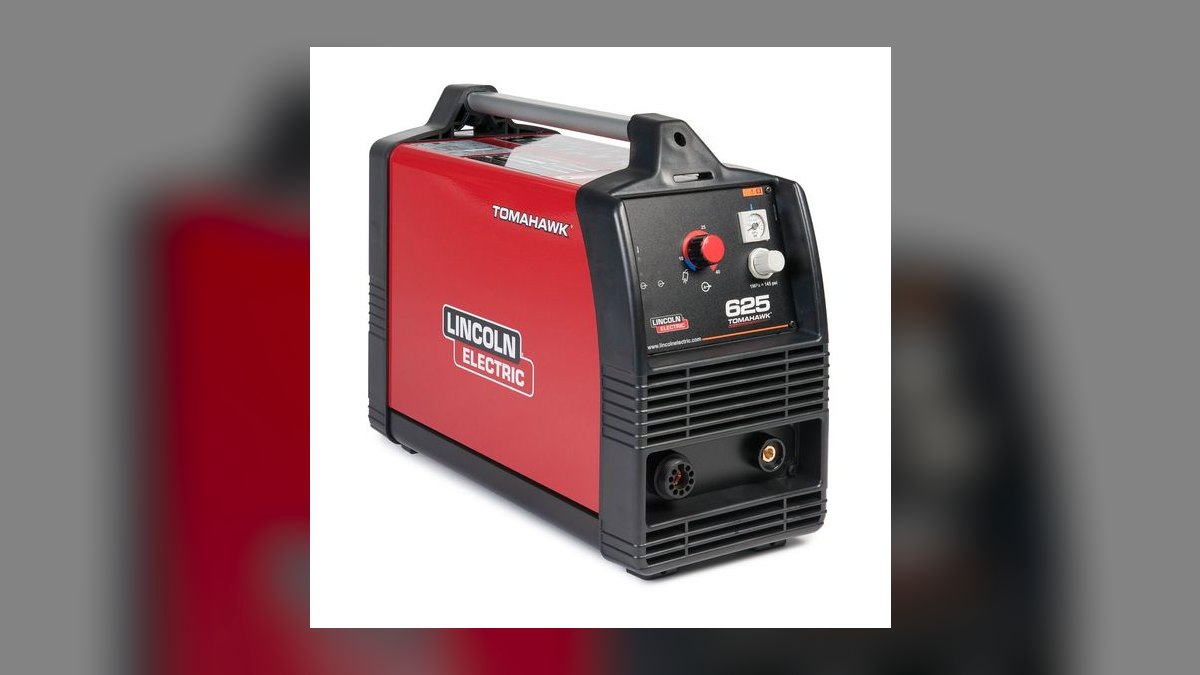
Third because it delivers name-brand pro build quality at $2,125, the lowest price in the pro tier. Model K2807-1 runs 10 to 40 amps on 208/230V single-phase, with a recommended cut of 1/2 inch, a maximum cut of 5/8 inch, and a 3/4 inch sever rating, all in a 34-pound package. Rapid Arc Restrike keeps the arc alive across gaps, so expanded metal and grating cut without re-triggering.
This suits shops that want Lincoln durability without paying Hypertherm or Miller money. It gives up dual voltage entirely — 230V only, so it cannot follow the Miller above onto a 120V circuit — and the 40A ceiling limits speed through thick sections. Touch Start fires the arc without high-frequency interference, which matters if CNC controllers or shop electronics sit nearby.
4. Hypertherm Powermax30 AIR
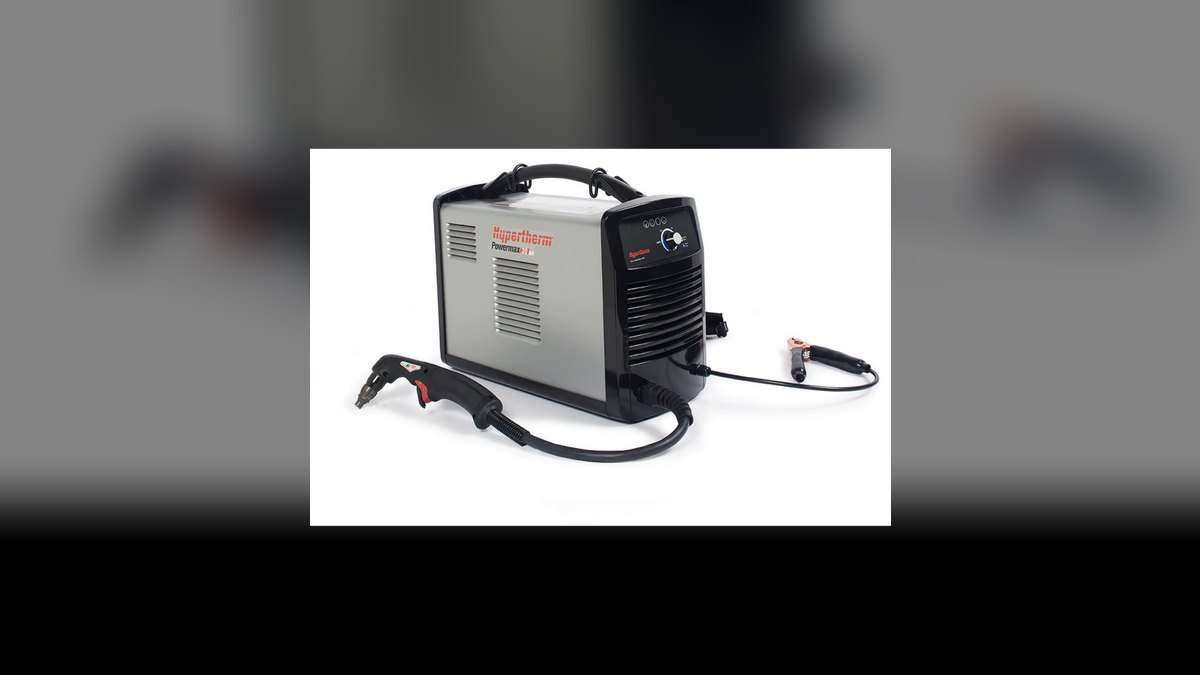
Fourth because it is the only machine here combining a genuine Hypertherm torch with a built-in air compressor, at $1,610. There is no separate compressor, hose, or moisture trap to manage — the internal unit supplies clean, dry, regulated air, which is exactly what preserves consumable life. It runs on 120V or 230V, severs up to 5/8 inch, cuts a recommended 1/2 inch at 20 ipm, and weighs under 30 pounds.
This is for garage owners and mobile workers who cannot drag a compressor to the work. The trade is duty: it is a 30-amp class machine, so sustained thick-plate cutting is out, and the onboard compressor adds noise while limiting run time. Compared to the Tomahawk 625 above, it cuts thinner but goes anywhere on any outlet with nothing else plugged in.
5. Hobart AirForce 40i
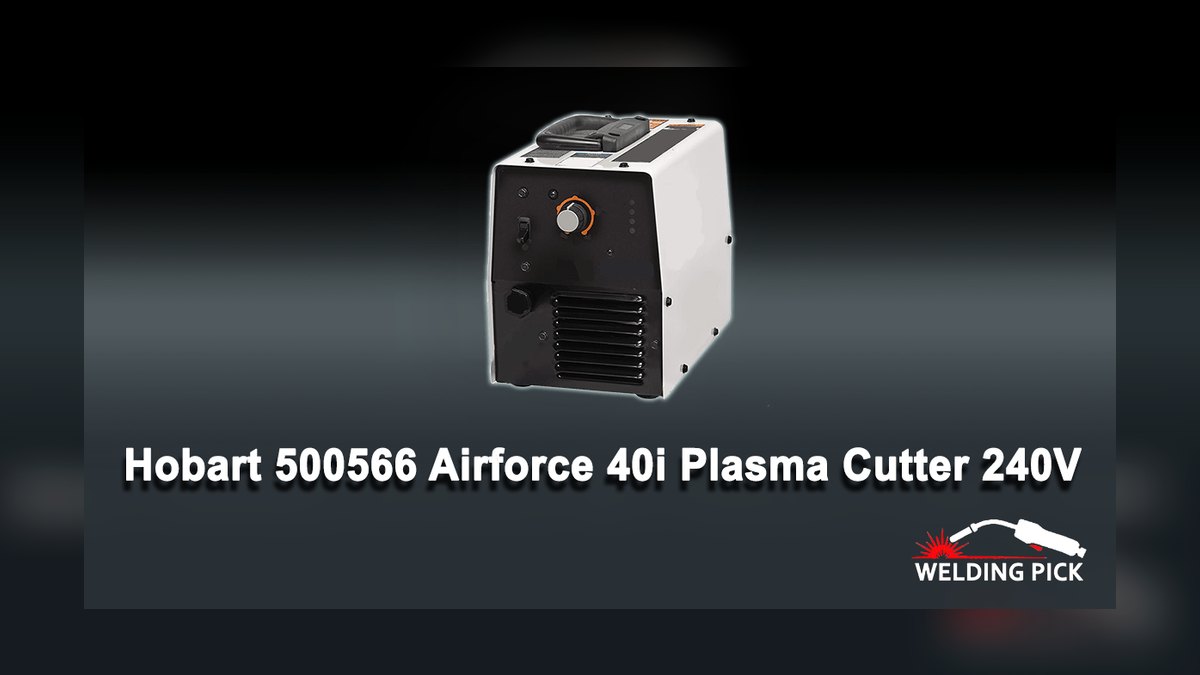
Fifth because it puts Miller-built internals under a Hobart badge for $2,492, with a 40-amp output that cuts 5/8 inch at 60% duty cycle and severs as thick as 7/8 inch mild steel. MVP multi-voltage plug technology switches between 120V and 240V tool-free. At 22 pounds it is the lightest machine in the pro-adjacent group, and its blowback start ignites cleanly on rusted and painted stock.
Serious hobbyists and prosumers are the target — people who want Miller engineering without the Miller sticker price on consumables. The 40A ceiling still limits true production thickness, and parts cost more than off-brand equivalents. Against the Powermax30 AIR above, it hits noticeably thicker steel and higher duty cycle, but requires you to supply your own clean, dry external air.
6. Lincoln Tomahawk 375 Air
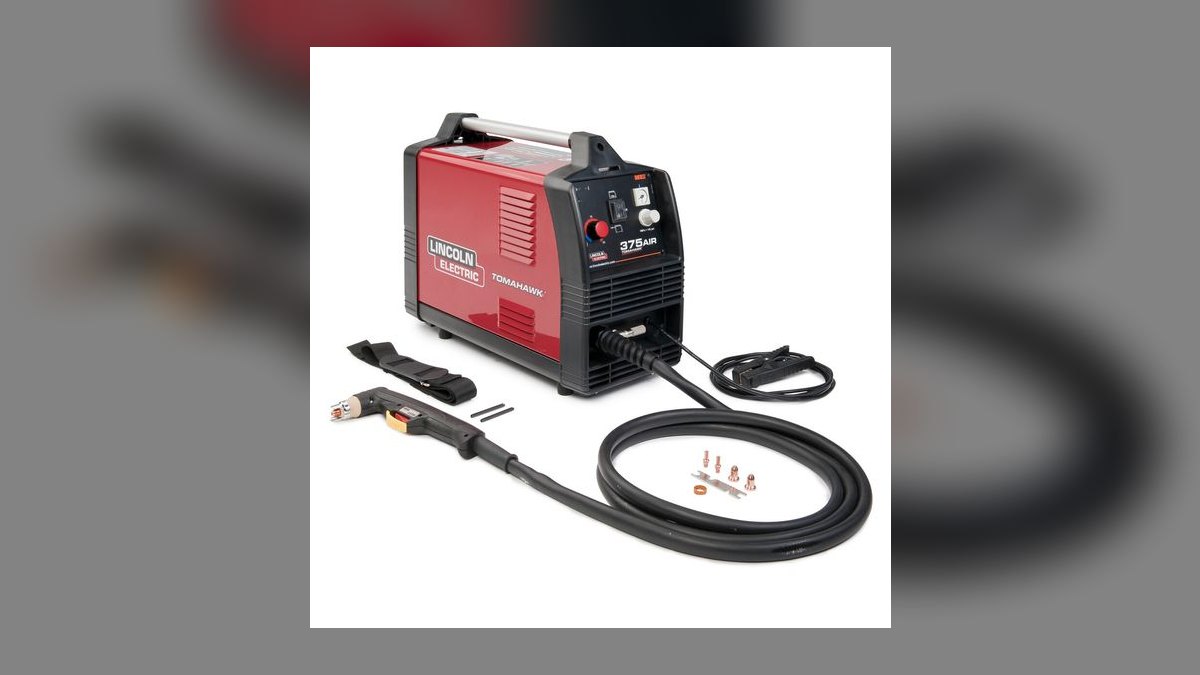
Sixth because it is the branded built-in-compressor option at $1,295, roughly $300 less than the Hypertherm equivalent. The sub-30-pound case houses its own compressor and runs on 120V or 240V input, outputting around 25 amps for a recommended 1/4 inch cut and a 3/8 inch sever. Touch Start keeps ignition HF-free, so nearby electronics and controllers stay uncrashed during cutting.
DIYers who refuse to buy a separate compressor should look here first. The compromise is real: at 25 amps it tops out near 3/8 inch, and the onboard compressor limits how long you can cut before pausing. That covers sheet metal, brackets, and light automotive work but not much beyond. The Hobart above cuts more than twice as thick, at nearly double the price and with external air required.
7. PrimeWeld CUT60
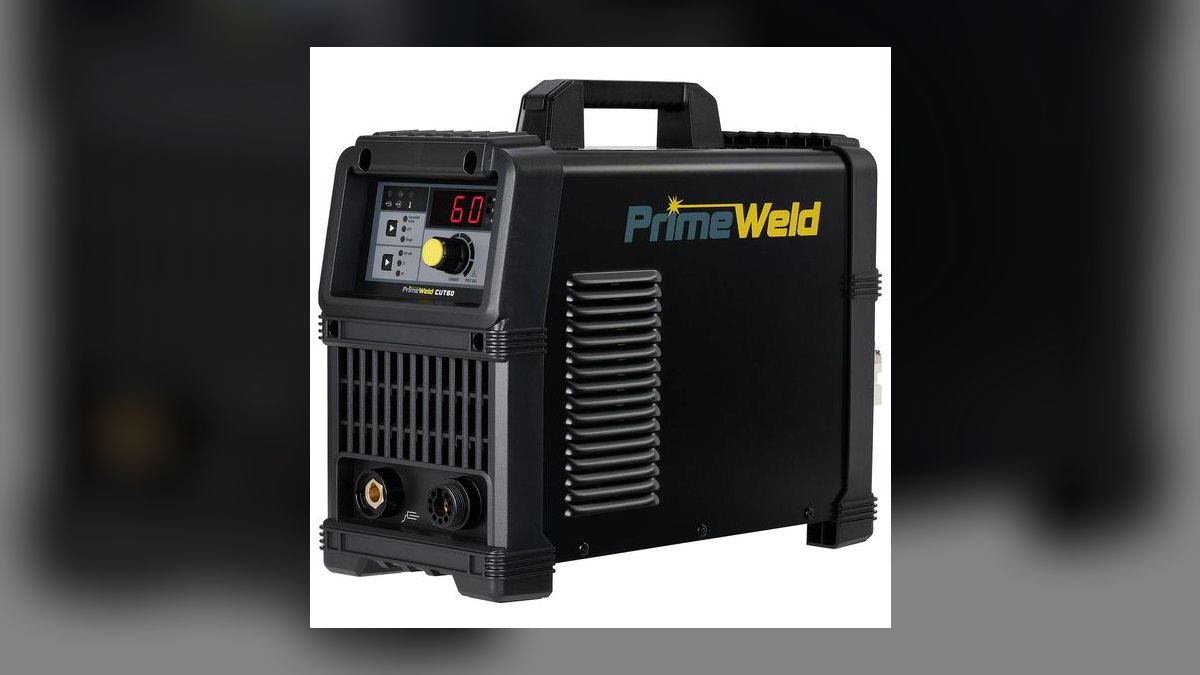
Seventh on the overall list but the best dollar-for-amp value at $699. It delivers genuine 60-amp output on 110V/220V dual voltage, severs up to 7/8 inch steel, and cuts cleanly to 1/2 inch — under a quarter the price of the pro machines above. The non-touch pilot arc restrikes across gaps for expanded, mesh, and rusted metal, and the blowback torch produces no high-frequency noise. A 3-year warranty and US support back it.
Budget fabricators and CNC table builders who want real amperage are the buyers here. Fit and finish sit below the pro tier, and it demands a clean, dry external air supply or consumables die fast — budget for a good air dryer. Against the Tomahawk 375 Air above, it cuts more than twice as thick for half the price, but you supply and maintain the air yourself.
8. YESWELDER CUT-55DS
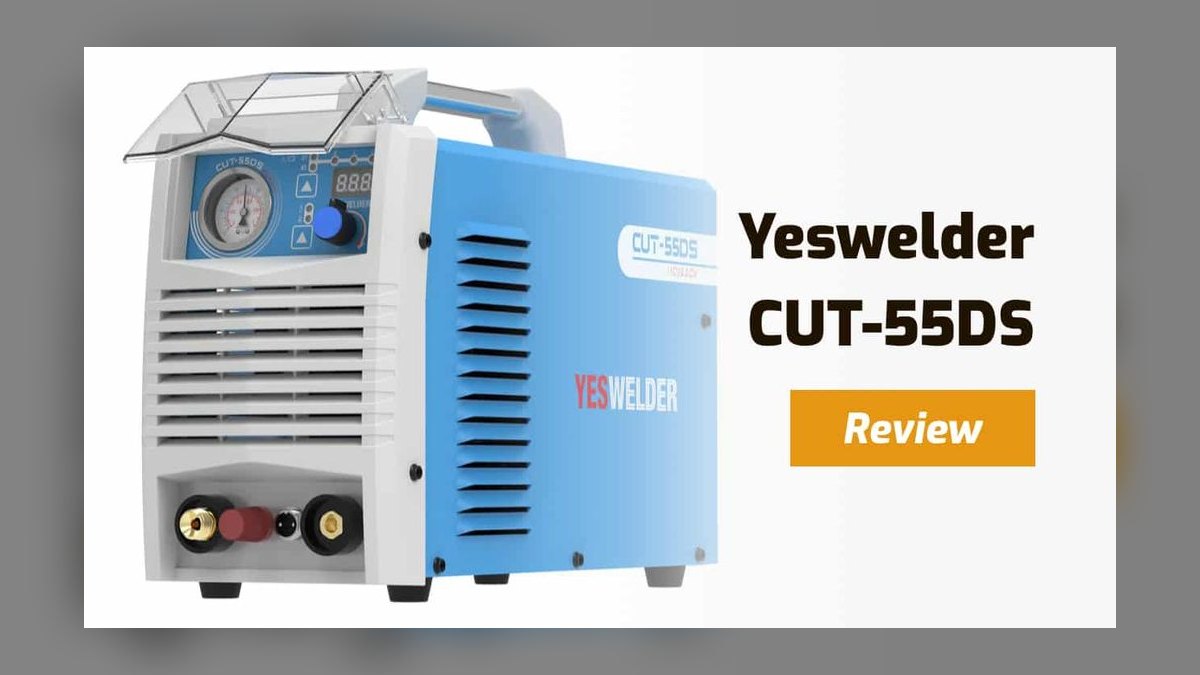
Eighth because at roughly $320 it is the cheapest entry here that still includes a real non-touch pilot arc. The 55-amp inverter accepts 110V or 220V, delivers a clean 3/8 inch cut on 220V (5/16 inch on 110V), and holds a 100% duty cycle on 220V — 60% on 110V. It weighs about 20 pounds and includes a digital display with straightforward controls.
First-time buyers and light DIY users on a tight budget are the audience. What it gives up is headroom and support: the practical ceiling is thin at 3/8 inch, and off-brand consumable and parts availability is a genuine long-term risk. The PrimeWeld CUT60 above costs roughly twice as much but more than doubles usable thickness and adds a 3-year warranty with US backing.
9. Lotos LTPDC2000D
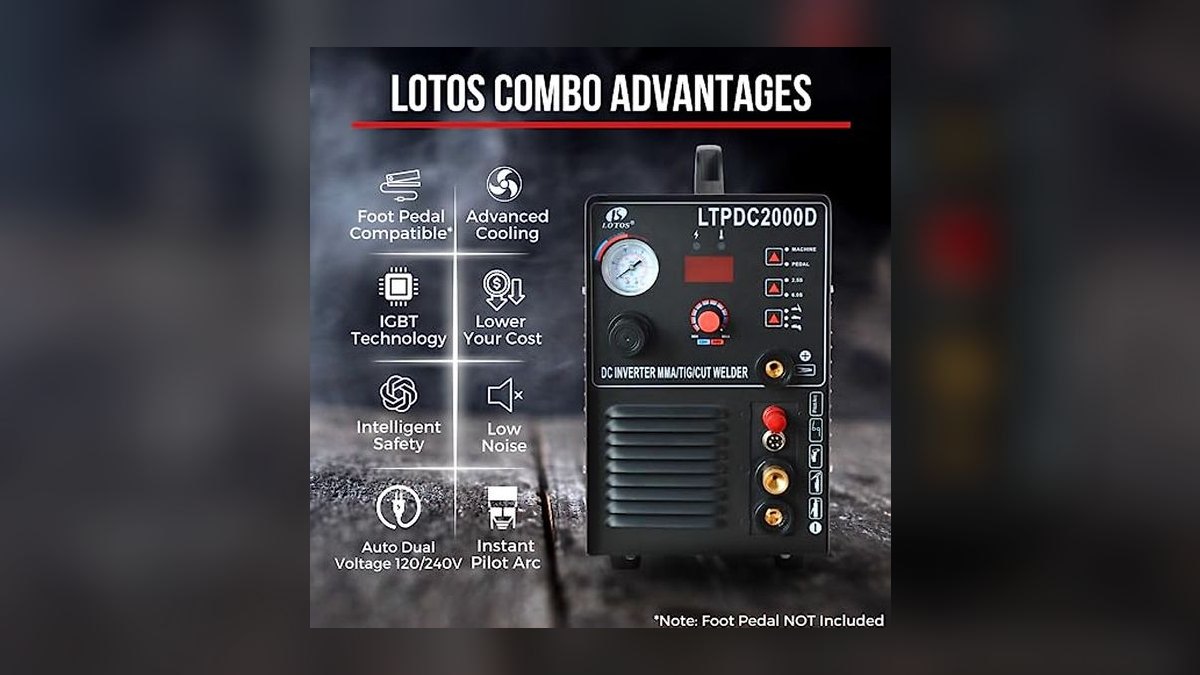
Ninth because it is three machines in one box for under $500 — a 50-amp pilot-arc plasma cutter plus a 200-amp DC TIG welder and a 200-amp stick welder. On the plasma side it takes 110-220V input, cuts a maximum ideal 1/2 inch, and severs up to 3/4 inch, with a non-touch pilot arc that handles rusted and painted stock. The whole unit weighs 33 pounds.
Small shops that need to weld as well as cut get the most from this. The trade is inevitable: each of the three processes lands a notch below a dedicated machine, and the stock torch and consumables are basic. Against the YESWELDER above it cuts thicker and adds two welding processes, but a buyer who only ever cuts metal should skip the extra capability entirely.
10. Herocut Cut45X
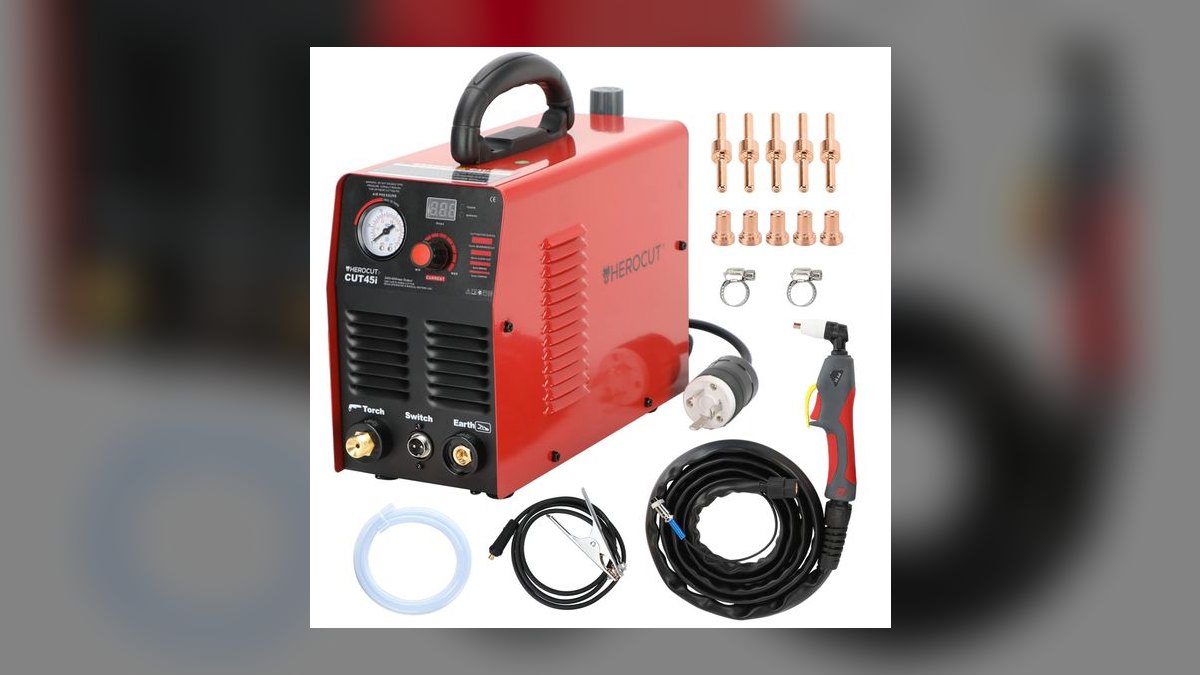
Tenth because at about $329 it delivers CNC-friendly ignition cheaply: a 45-amp, 120V/240V dual-voltage machine with a non-HF blowback start that will not crash a cutting table controller. It cuts roughly 14mm — just over 1/2 inch — cleanly on 240V and weighs very little. The whole machine costs about what a batch of consumables runs for the pro units near the top of this list.
Tinkerers and budget CNC table builders are the honest audience. It trades away brand support and documentation, which are both thin, and the 120V output is modest enough that 240V is effectively required for real work. Against the Lotos above it costs less and starts CNC-safe, but offers no welding capability and a shallower support network if something fails.
How we ranked these
We scored ten machines on six weighted factors: cut quality and true capacity (25%), amperage and duty cycle (20%), pilot arc behavior and consumable life (15%), dual-voltage flexibility and portability (15%), air requirements including built-in compressors (15%), and price-to-performance (10%). Manufacturer spec sheets were cross-checked against independent hands-on testing and long-running metalworking forum reports, with recommended clean-cut ratings weighted far more heavily than headline sever numbers.
We ignored brand loyalty, cosmetic packaging, and bundled accessory counts, since a free extra torch consumable set does not change edge quality. Marketing sever thickness was discounted because nobody cuts production parts at that number. We also skipped three-phase industrial systems, automated bevel heads, and anything requiring shop-air upgrades beyond a standard compressor, because none of that reflects how hobbyists, fabricators, or field crews actually buy.
What to look for
Match amperage to the thickness you cut weekly, not the thickest thing you own. A 45-amp machine cleanly handles half-inch all day; a 25-amp built-in-compressor unit tops out near three-eighths. Then check input voltage against the outlets you actually have, and duty cycle against how long your cuts run. Consumable cost per hour separates the Hypertherm from the budget units more than sticker price does.
The common mistake is buying amperage and ignoring air. Wet, oily, unregulated shop air shreds nozzles and leaves dross on any machine, including a two-thousand-dollar one. Budget a refrigerated dryer or a real coalescing filter before you upgrade the cutter. The second mistake is trusting sever ratings: a machine advertised at seven-eighths inch produces a clean, square edge closer to half an inch.
Related questions
How thick can a 60-amp plasma cutter actually cut?
The PrimeWeld CUT60 severs up to seven-eighths inch mild steel, but the clean, production-quality cut sits around half an inch. Sever means the metal parts; the edge will be rough and need grinding. Plan around the recommended number, and remember that thicker cuts demand slower travel speed, more amperage headroom, and genuinely dry air to avoid dross.
Why does my plasma cutter leave dross on the bottom edge?
Dross usually means your travel speed, amperage, or standoff height is wrong for the thickness. Too slow and molten metal piles up underneath; too fast and it welds to the top. Worn nozzles and moisture in the air line cause it too. Check consumables first, then dial travel speed until the arc trails roughly fifteen degrees behind vertical.
How long do plasma cutter consumables last?
It depends far more on air quality and pierce count than on hours. Every pierce is harder on a nozzle than a long continuous cut, so edge-starting when possible stretches life. Hypertherm's SYNC cartridge claims roughly five times the life of legacy stacked consumables. Budget units burn tips faster, but replacements cost a few dollars instead of twenty.
Can you run a plasma cutter on a generator?
Yes, with headroom. A 40-amp machine on 240V typically wants a generator rated near eight to ten kilowatts of clean power, and inverter machines dislike dirty waveforms. Miller's Auto-Line tolerates voltage swings better than most. Undersizing causes nuisance faults and can damage the inverter, so check the manufacturer's generator recommendation before you commit to a job site setup.
What size air compressor does a plasma cutter need?
Most 40 to 60-amp machines want roughly four to seven CFM at 65 to 90 PSI, sustained. A pancake compressor cannot hold that, so plan on a sixty-gallon or at least a twenty-gallon unit with real recovery. The tank size matters less than continuous CFM and a dryer. Built-in-compressor models like the Powermax30 AIR sidestep the question entirely.
Is a built-in compressor plasma cutter good enough for regular work?
For sheet metal, brackets, and light automotive panels, yes. The Hypertherm Powermax30 AIR and Lincoln Tomahawk 375 Air deliver clean, dry, regulated air with nothing to plug in. The tradeoff is duty cycle: the onboard compressor adds heat and noise, and neither unit is meant for sustained half-inch plate. Treat them as portability tools, not production machines.
Does high-frequency start damage CNC electronics?
HF start can inject interference that crashes CNC controllers, corrupts USB links, and resets stepper drivers. That is why blowback and touch-start machines dominate table builds. The Hypertherm units, PrimeWeld CUT60, and even the budget Herocut Cut45X all use non-HF ignition. Combine that with proper shielded grounding and a real CNC signal port for reliable automated cutting.
FAQ
What thickness can a 45-amp plasma cutter cut?
The Hypertherm Powermax45 SYNC cleanly cuts about five-eighths inch at recommended speed and severs up to one and one-eighth inch mild steel. The production number you should plan around is closer to half an inch, where edges come off square and need almost no cleanup. Anything near the sever rating cuts slowly and leaves an edge you will grind.
Do I need a 220V plasma cutter, or is 110V enough?
For sheet, brackets, and stock up to roughly three-eighths inch, a 110V machine like the YESWELDER CUT-55DS is fine. Beyond that, 220V unlocks the full amperage and a far better duty cycle. Dual-voltage units such as the Miller Spectrum 625 X-TREME and Hobart AirForce 40i let you start on 110V and grow into 240V later.
What is a pilot arc and why does it matter?
A non-touch pilot arc ignites and sustains the plasma stream without the tip contacting the workpiece, and it restrikes automatically when the arc crosses a gap. That makes expanded metal, grating, mesh, and rusty painted stock far easier to cut. It also protects the nozzle from contact damage, which is one of the cheapest ways to extend consumable life.
Do I need a separate air compressor?
Most machines here do, and they need clean, dry, regulated air rather than whatever the tank produces. Add a coalescing filter and ideally a refrigerated dryer. If managing that is unappealing, the Hypertherm Powermax30 AIR and Lincoln Tomahawk 375 Air carry onboard compressors and cut the moment you plug them into a standard outlet.
Which plasma cutter is best for a CNC table?
Pick a blowback, non-HF machine with a real CNC signal port. The PrimeWeld CUT60 at $699 is the value favorite among table builders because it offers sixty amps and HF-free ignition. The Hypertherm Powermax45 SYNC is the professional answer, with a true CNC interface and consumables engineered for repeated pierces. The Herocut Cut45X works for cheap hobby builds.
Is an expensive plasma cutter worth it over a budget one?
If you cut daily, yes. Pro machines hold tighter arcs, deliver squarer edges, and stretch consumable life enough that the cost gap narrows over a year of production. For weekend work, the $699 PrimeWeld CUT60 paired with a good air dryer delivers most of the result. The break-even is roughly how many hours per week you actually cut.
What is the difference between recommended cut and sever thickness?
Recommended cut is the thickness the machine handles at a usable travel speed with a clean, square, nearly grind-free edge. Sever is the absolute maximum where the metal separates, slowly, with dross and an angled edge. Manufacturers advertise sever because it is the bigger number. The Hobart AirForce 40i cuts five-eighths inch cleanly but severs seven-eighths.
Can a plasma cutter handle aluminum and stainless steel?
Yes, any of these machines cut both, since plasma works on any electrically conductive metal. Expect roughly twenty to thirty percent less thickness capacity than the mild-steel rating, because aluminum and stainless carry heat differently. Edges on stainless will show discoloration and a slight bevel, and aluminum cuts benefit from faster travel speeds and generous air flow.
What safety gear does plasma cutting require?
A shade five to nine lens minimum, scaling with amperage, plus a face shield or welding helmet. Add flame-resistant sleeves, leather gloves, and closed leather boots, because plasma throws sparks and molten spatter aggressively. Ventilation matters more than people expect, especially on galvanized or painted stock. Keep a fire extinguisher within reach and clear combustibles from the cutting area.
Sources
- https://www.hypertherm.com/
- https://www.millerwelds.com/equipment/plasma-cutters
- https://www.lincolnelectric.com/en/products/plasma-cutters
- https://www.hobartwelders.com/
- https://www.primeweld.com/
- https://www.esab.com/
- https://www.thefabricator.com/
- https://weldingtipsandtricks.com/
- https://www.osha.gov/welding-cutting-brazing
Related on PULSE
- [More plasma cutters rankings and buying guides](/knowledge)
- [PULSE Tools and calculators](/tools)
- [Everything on PULSE RevOps](/)
 pulse-reviewsHow much does Electronics cost in 2027?
 pulse-reviewsHow much does a DJI Avata 2 cost in 2027?
 pulse-reviewsWhat should you know before investing in Electronics in 2027?
 pulse-reviewsWhat are the most common mistakes in Electronics in 2027?
 pulse-reviewsTop 10 best Electronics options in 2027
 pulse-reviewsHow do you get started with Electronics in 2027?
 pulse-reviewsTop 10 Electronics strategies for 2027
 pulse-aquariumsTop 10 Canister Filters 2027
 aqTop 10 Hang-On-Back Aquarium Filters 2027
 pulse-reviewsTop 10 Cabin Cruiser Boats 2027