


How many charge cycles can a wireless earbuds case actually survive before the battery degrades in 2027?
Quality
Certified
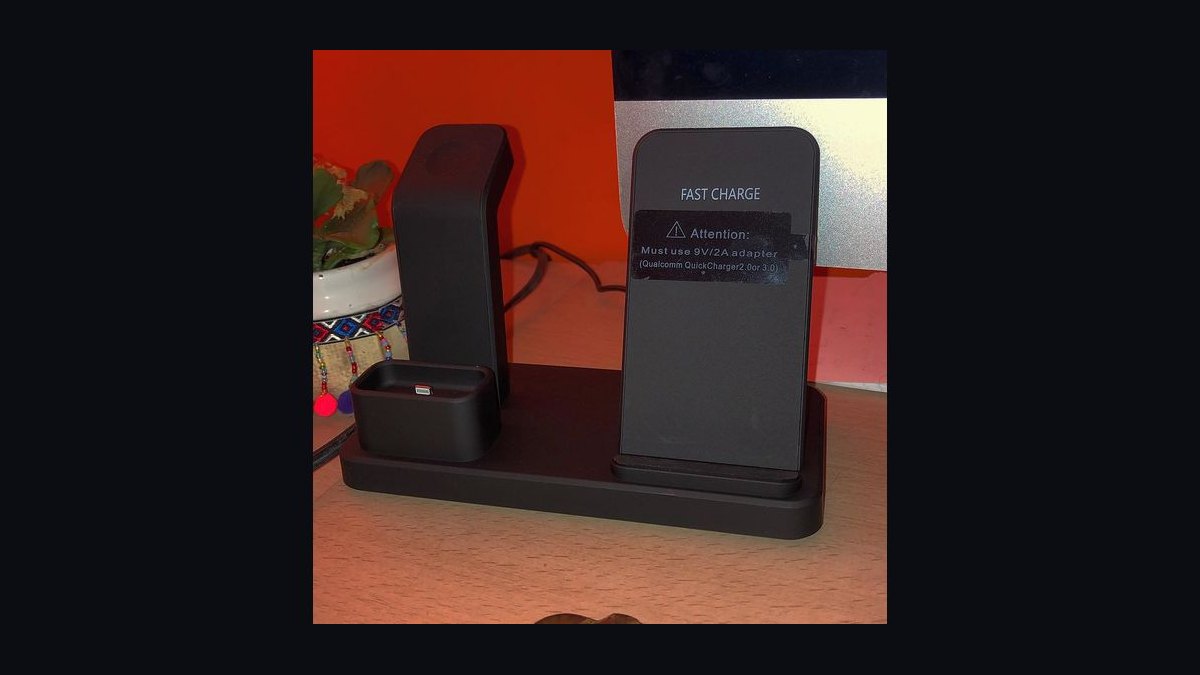
A wireless earbuds case typically survives 300 to 500 full charge cycles before its battery degrades to roughly 80% of original capacity, though real-world behavior varies widely. By 2027, most cases will still hold usable charge, but expect noticeably shorter runtime per cycle and slower recharging as cell resistance rises with age.
A real-world scenario: two years of daily commuting
Picture a commuter who bought a wireless earbuds set in early 2025. They use the buds for two hours of train time each weekday, drop them back in the case, and the case tops them up twice a day. That's roughly 500 partial discharges of the buds per year, but the case itself only cycles fully about once every two to three days, because each bud recharge draws a fraction of the case's total capacity.
By early 2027, that case has accumulated somewhere between 300 and 450 equivalent full cycles. The buds still work, but the case now delivers maybe 70-80% of its original total runtime. Where it once gave four full bud recharges, it now gives three. The commuter notices the case needs a wall outlet every other day instead of every third day. Nothing has failed, but the ownership experience has quietly shifted.

This is the ordinary trajectory. The dramatic failures — a case that dies in six months, or one that swells — are rare and usually traceable to heat, cheap cells, or a defect. The common story is gradual, unglamorous capacity loss that most owners only notice when they compare against a newer unit. Understanding how many cycles a case actually endures means understanding what a "cycle" is, how the chemistry behaves, and which habits accelerate or slow the decline.
How the mechanism actually works
A lithium-ion cell in an earbuds case does not count cycles the way a car counts miles. A full cycle is one complete discharge from 100% to 0% and back, but partial discharges accumulate fractionally. Two 50% discharges equal one full cycle. This matters because earbuds cases rarely see deep discharges — they get topped up constantly, which is gentler on the cell than the raw cycle count suggests.
The degradation itself comes from two main forces. First, calendar aging: the cell loses capacity over time regardless of use, driven by temperature and the voltage it sits at. A case stored at 100% charge in a hot car ages far faster than one kept at 50% in a drawer. Second, cycle aging: each charge-discharge event consumes a bit of the cell's usable lithium through side reactions that build a resistive layer on the electrodes.
For a typical case using a small lithium-polymer pouch cell, manufacturers often rate 300-500 cycles to 80% capacity retention. Some premium cells are rated 800 cycles or more. The rating assumes moderate temperatures and partial discharges. Push the cell hot, keep it pinned at 100%, and you can lose 20% capacity in 200 cycles. Baby it, and 600 cycles is achievable.
The practical takeaway from the diagram is that two independent clocks are running. Even a case you barely use will lose capacity over two or three years, because calendar aging doesn't pause. A heavily used case burns through its cycle budget faster. The worst case is both at once: heavy use in a hot environment.
Real numbers, ranges, and benchmarks
Let's put concrete figures on this. A mainstream wireless earbuds case in 2025-2026 typically carries a 400-600 mAh cell. Each full bud recharge draws roughly 30-50 mAh per bud, so a case gives three to five bud top-ups per full case charge when new. That's the baseline owners experience out of the box.
Cycle life ratings cluster in recognizable bands. Budget cases with generic cells often specify 300 cycles to 80%. Mid-tier cases with branded cells (the kind used by well-known audio brands) commonly rate 500 cycles. A few premium cases advertise 800-1,000 cycles, though independent verification is scarce and those numbers assume ideal conditions.
Temperature is the biggest multiplier. A cell cycled at 25°C might hit its 500-cycle rating. The same cell cycled at 40°C — think a pocket, a car dashboard, or a warm charging pad — can lose 20% capacity in 250-300 cycles. Every 10°C above room temperature roughly halves expected cycle life in many lithium-ion chemistries. That's not a small effect; it's the dominant variable most owners never think about.

State of charge matters too. Cells held at 100% for long stretches age faster than cells resting near 50%. A case that lives on a wireless charger overnight, sitting at full, spends hours each day at its most stressful voltage. A case charged to 80% and unplugged ages more slowly. Some 2026-era cases ship with charge-limiting firmware that caps at 80% or 90% for exactly this reason.
Depth of discharge is the third lever. Shallow cycles — draining the case 20% and topping it up — are gentler per unit of energy delivered than deep cycles. The relationship isn't linear; deep discharges stress the cell disproportionately. This is why earbuds cases, which rarely deep-discharge, often outlast the cycle ratings suggest.
Realistic 2027 projections: a case bought in 2025 and used moderately (one full equivalent cycle every two to three days) will have logged roughly 250-450 cycles by early 2027. Expect 75-85% capacity retention. A case used heavily (daily full cycles) could be at 60-70% retention, with noticeably sluggish charging. A case left mostly unused but stored warm might show 80-90% retention from calendar aging alone.
Trade-offs and alternatives

The central trade-off is between convenience and longevity. Convenient habits — dropping the case on a wireless charging pad every night, keeping it at 100%, leaving it in a warm bag — all accelerate degradation. Longevity habits — charging to 80%, avoiding heat, not leaving it plugged in — cost you a little daily convenience and a bit of top-end capacity.
There's also a capacity-versus-cycle-life trade-off baked into the product. Manufacturers could ship larger cells with lower energy density that last more cycles, or smaller high-density cells that give more runtime when new but fade faster. Most consumer earbuds cases favor runtime-when-new, because that's what sells at the point of purchase. The degradation shows up two years later, long after the review cycle.
Alternatives exist for owners who care about longevity. Some cases use replaceable cells, though this is rare and usually limited to niche or pro-audio models. Third-party replacement cases are available for popular models and can restore full runtime for far less than new earbuds. And for heavy users, simply owning a second case or rotating between two sets halves the cycle load on each.
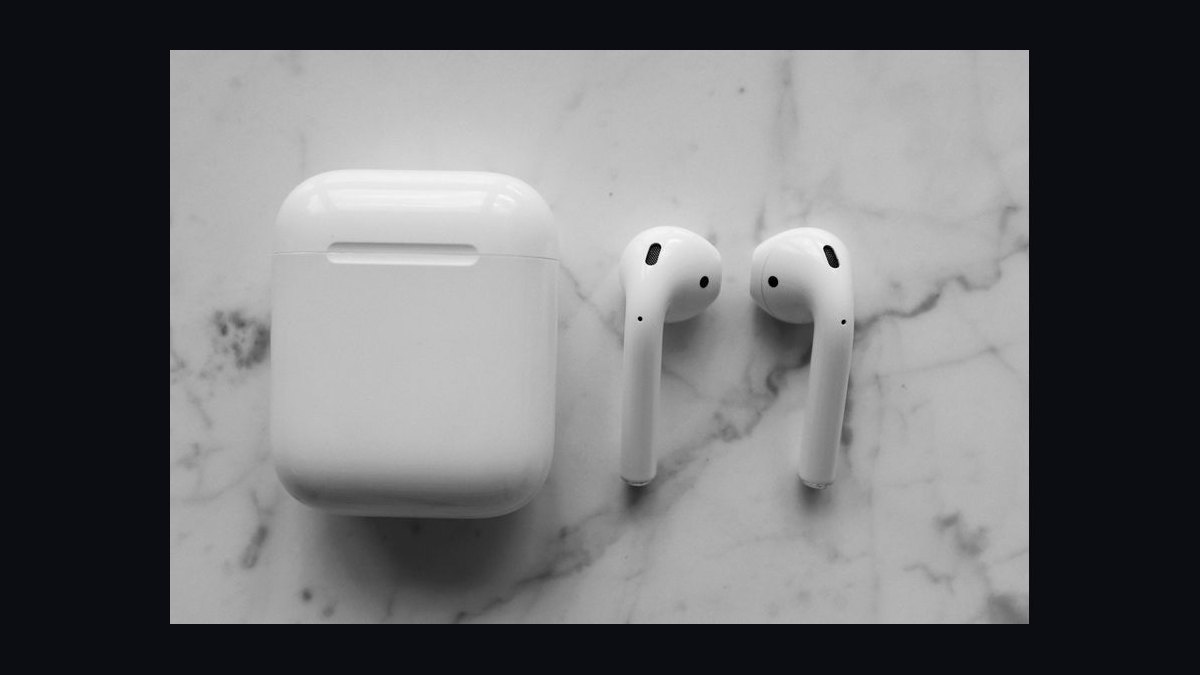
The diagram frames the real decision. There's no free lunch — you either pay in daily convenience or in earlier replacement. Most owners land somewhere in the middle: charge normally, but avoid the obvious killers like hot cars and permanent 100% tethering.
A second trade-off involves fast charging. Quick top-ups generate more heat and stress the cell than slow charging. A case that fast-charges in 30 minutes may degrade faster than one that trickles over two hours. If longevity matters, use a lower-wattage charger and accept slower refills.
Common pitfalls and how to avoid them
The single most common mistake is treating the case like a phone. Phones have larger cells, better thermal management, and smarter charge controllers. Earbuds cases are tiny, sealed, and cheap, with minimal thermal headroom. Habits that are merely suboptimal for a phone can be genuinely damaging for a case.
Pitfall one: leaving the case on a charger permanently. This holds the cell at 100% indefinitely, the worst resting voltage for longevity. Fix: unplug once charged, or use a case with charge limiting.
Pitfall two: storing the case somewhere hot. A glovebox, a windowsill, a warm pocket next to a running laptop — all accelerate calendar aging. Fix: keep it at room temperature when not in use.

Pitfall three: ignoring the buds' own batteries. The case and buds age together. If the buds' cells degrade faster, you'll blame the case. Fix: treat both as a system and replace together when runtime becomes annoying.
Pitfall four: assuming a swollen case is safe. A swollen lithium cell is a fire risk. Fix: stop using it immediately and dispose of it properly at a battery recycling point.
Pitfall five: buying based on claimed cycle ratings alone. Those numbers assume ideal conditions you won't replicate. Fix: weight real-world reviews and warranty terms more heavily than spec-sheet cycle counts.
Pitfall six: deep-discharging the case to zero repeatedly. Running a case flat and leaving it there stresses the cell and can push it below its safe cutoff voltage. Fix: recharge before it hits empty, and never store it at 0%.
A final pitfall is expecting a precise answer to "how many cycles." The honest answer is a range, because chemistry, temperature, usage pattern, and cell quality all move the number. A case rated 500 cycles might deliver 300 in a hot climate or 700 with careful handling. Plan for the middle and you won't be surprised.
Related questions
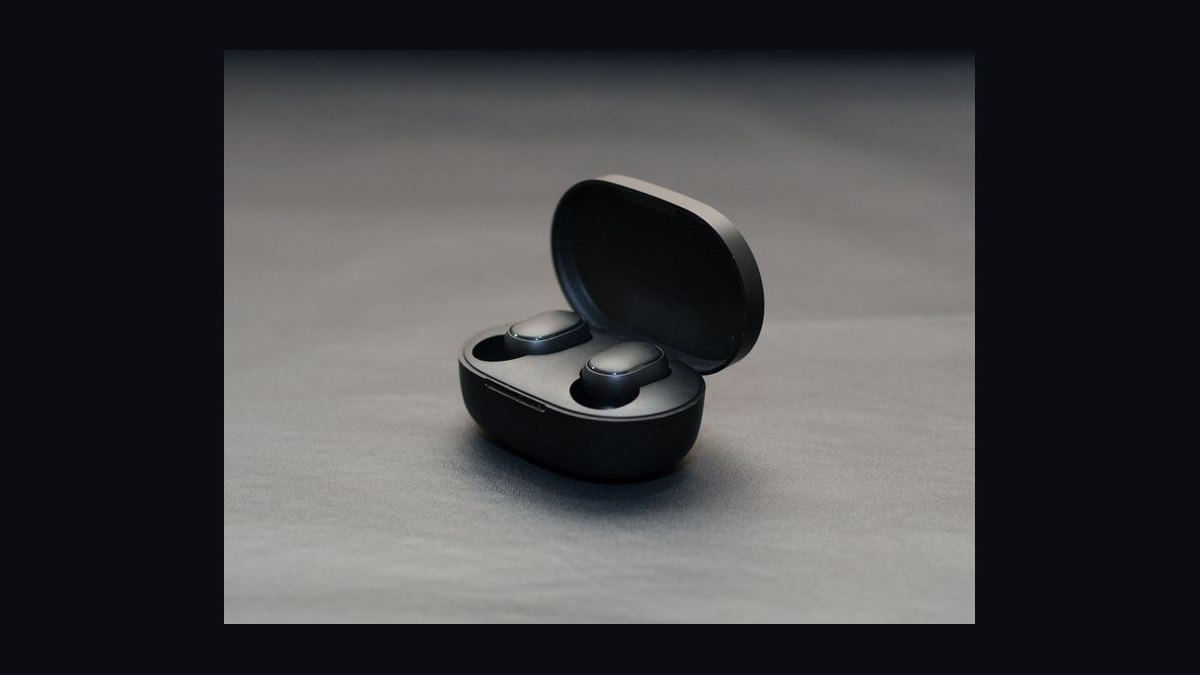
Do earbuds cases count partial charges as full cycles?
No. A full cycle is one complete 100%-to-0% discharge. Two 50% top-ups equal one cycle. Since cases rarely deep-discharge, their effective cycle count accumulates more slowly than daily use might suggest.
Does wireless charging shorten case battery life?
It can, mainly through heat. Wireless charging is less efficient and generates more warmth than wired charging. If the case gets noticeably warm on a pad, wired charging will likely extend its life.
Can I replace just the case battery?
Usually not easily. Most cases are sealed with glued or press-fit shells, and cells are soldered. Some repair shops offer the service, and third-party replacement cases exist for popular models, but DIY replacement risks damage.
How do I know my case battery is degrading?
Watch for fewer bud recharges per case charge, longer charging times, and a case that feels warm during charging. A sudden drop in runtime or any swelling means it's time to replace.
Does leaving buds in the case drain it?
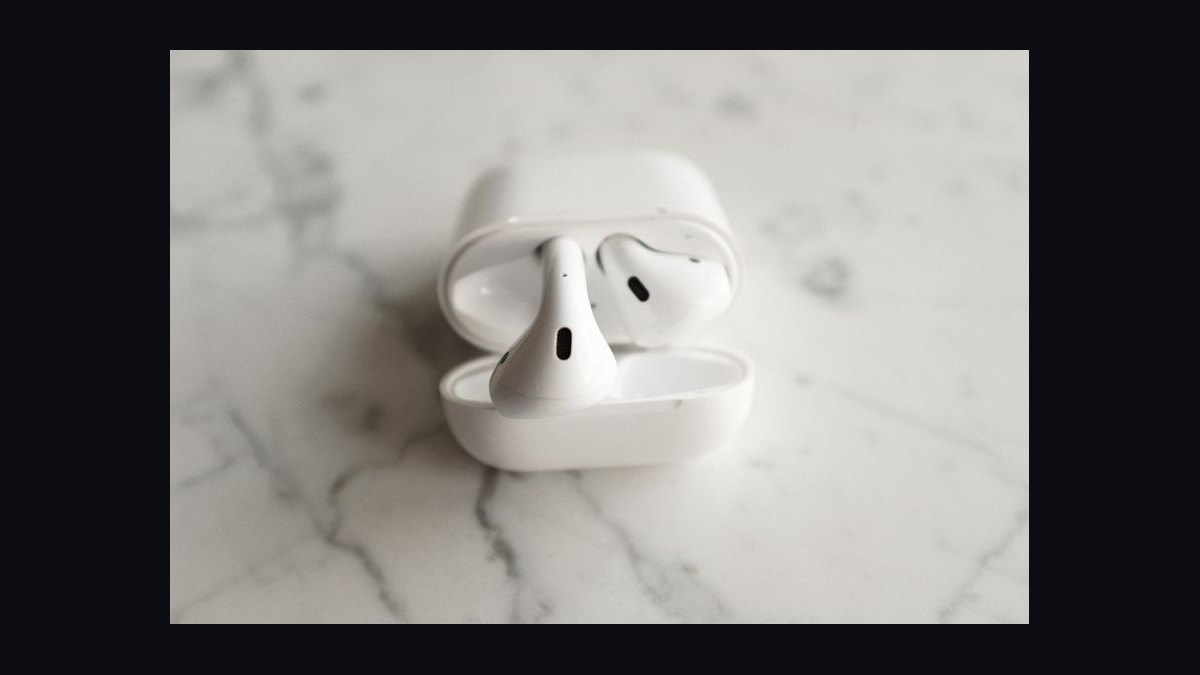
Yes, slowly. The case maintains the buds' charge and runs standby electronics. A case with buds stored will self-discharge faster than an empty case, though the difference is modest.
FAQ
How many charge cycles does a typical earbuds case last?
Most cases are rated 300-500 cycles to 80% capacity retention, with premium cells reaching 800 or more. Real-world results depend heavily on temperature and charging habits, so treat any single number as a rough midpoint rather than a guarantee.
Will my case still work in 2027 if I bought it in 2025?
Almost certainly yes, but with reduced runtime. Expect 70-85% of original capacity after two years of moderate use. It will still charge your buds, just less often per case charge, and it may charge more slowly.
What temperature is worst for case battery life?
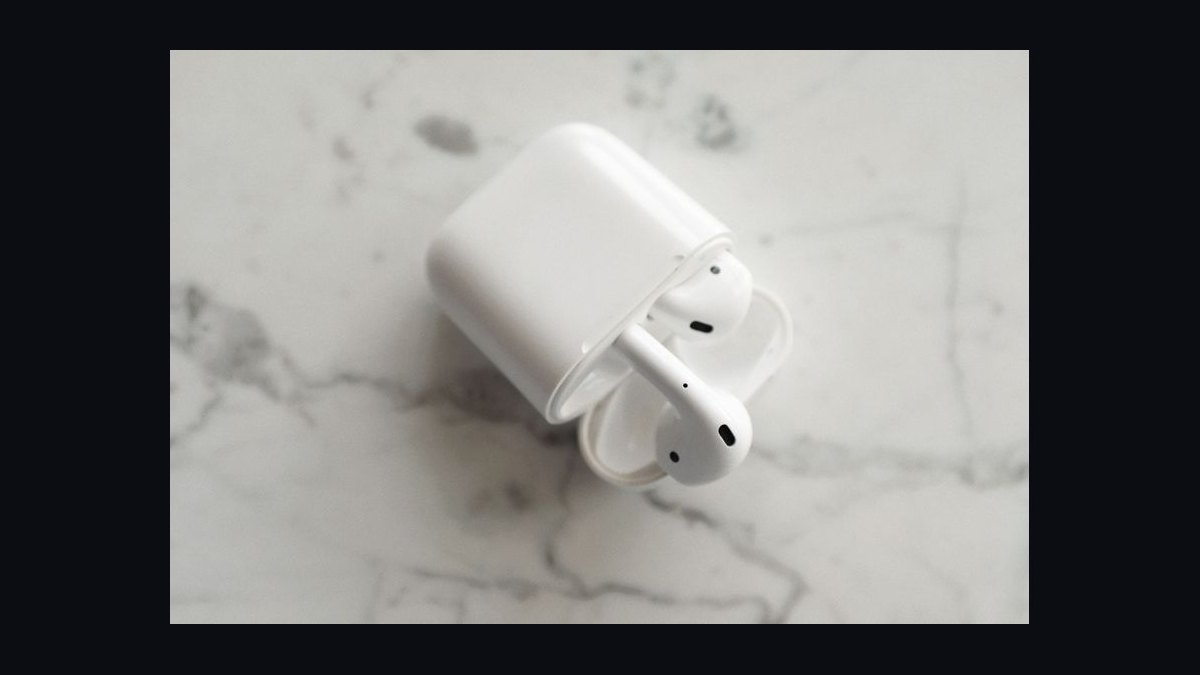
Sustained heat above 35-40°C is the biggest killer. A hot car, a sunny windowsill, or a warm charging pad can halve cycle life. Room temperature storage and cool charging are the simplest longevity wins.
Should I charge my case to 100% every time?
Not necessary, and not ideal for longevity. Capping at 80-90% reduces stress on the cell. If your case has a charge-limit setting, use it. If not, unplugging before full is a reasonable compromise.
Do all earbuds cases use the same battery chemistry?
Most use lithium-polymer or lithium-ion pouch cells, but quality and ratings vary widely. Branded cells from established manufacturers generally outlast generic cells, which is one reason cheap cases often fade faster.
Is it worth replacing a degraded case instead of buying new earbuds?
Often yes, if a compatible replacement case is available and affordable. Replacing the case restores full runtime at a fraction of new-earbud cost. If the buds themselves are also degraded, replacing the whole set makes more sense.
Sources
- https://www.batteryuniversity.com/article/bu-808-how-to-prolong-lithium-based-batteries
- https://www.energy.gov/energysaver/articles/batteries-electric-vehicles
- https://www.apple.com/batteries/
- https://www.samsung.com/global/galaxy/what-is/galaxy-battery/
- https://www.ifixit.com/
- https://www.cnet.com/health/fitness/
- https://www.theverge.com/tech
- https://www.tomsguide.com/
Related on PULSE
This page will be disappearing soon. Save it to your device for $1 — or read it free while it is here.
@Kory-White- · if Venmo asks, the last 4 of my number are 2012
This page is gone.
This one is off the shelf now. $1 keeps it on your phone for good — the whole page, pictures and diagrams included.
 pulse-reviewsTop 10 Treadmills — Best Overall + Best Value in 2027
 pulse-reviewsTop 10 Sewing Machines — Best Overall + Best Value in 2027
 pulse-reviewsTop 10 Rechargeable Electric Lighters — Best Overall + Best Value in 2027
 pulse-reviewsBest Headsets for Sales Teams in 2027: Top 10 Ranked
 pulse-reviewsTop 10 Woodworking Routers — Best Overall + Best Value in 2027
 pulse-reviewsTop 10 Rechargeable Hand Warmers — Best Overall + Best Value in 2027
 pulse-reviewsTop 10 Camera Sliders — Best Overall + Best Value in 2027
 pulse-reviewsTop 10 Thermal Label Printers — Best Overall + Best Value in 2027
 pulse-reviewsTop 10 Benchtop Band Saws — Best Overall + Best Value in 2027
 pulse-reviewsTop 10 Portable USB-C Monitors for Sales Travel in 2027