


The 10 Music Festivals with the Highest Number of Performances in 2027
Quality
Certified

The Festivals most likely to post the Highest Number of Performances in 2027 are the ones built structurally for volume: Glastonbury, SXSW, Tomorrowland, EDC Las Vegas, Bonnaroo, and Coachella. Because most 2027 lineups won't be announced until early-to-mid 2027, this ranking is driven by stage count, set length, and days running — not by confirmed bookings — with showcase-format and multi-stage events consistently logging the most total sets.
A festival weekend that shows why performance counts spike
Picture a single Saturday at a large multi-stage festival. On the main stage, a headliner plays a 90-minute set starting at 9pm. But three fields away, a dance tent is running back-to-back 45-minute DJ sets from noon until 3am — that's roughly 20 separate performances on one stage in one day. Multiply that by six or eight stages, run it across four or five days, and a single festival can rack up 400-600 credited performances before you even count spoken-word tents, comedy stages, or silent-disco slots that some events now report separately. This is the mechanical reason why raw "number of performances" rankings almost never match "most famous headliners" rankings — a boutique indie-rock festival with three big-name acts across one main stage will always lose the total-performance count to a sprawling electronic or folk festival with a dozen smaller stages running continuously. Glastonbury is the clearest real-world case: it spreads across roughly 80-plus stages and performance areas on its farm site, and organizers and press coverage have repeatedly cited a total in the range of 3,000 individual performances across the full event when every stage, tent, and cabaret space is counted — not because Glastonbury books 3,000 "acts" in the arena-headliner sense, but because it counts everything from a folk trio in a small tent to a poetry reading as a performance. That distinction — total logged performances versus marquee bookings — is the single most important thing to understand before anyone publishes a "Highest Number of Performances" list for 2027.
How festivals rack up their performance totals
The mechanism is additive, not mysterious: total performances is a function of (stages) × (operating hours per day) × (days) ÷ (average set length), with a correction for overlap and non-music programming. A festival that runs three stages for 10 hours a day across three days with 45-minute average sets is doing roughly 3 × 10 × 3 × (60/45) ≈ 120 sets on the music side alone. Scale that model up to something like Tomorrowland, which runs 15-plus stages across two full weekends with DJ sets often clocking in at 60-90 minutes back to back from early afternoon into the early morning, and the total climbs into the hundreds even before side stages and afterparty programming are added. EDC Las Vegas follows a similar logic: three nights, multiple large stages plus smaller "kinetic" stages tucked around the Las Vegas Motor Speedway grounds, sets typically an hour long, running from evening until sunrise — that structure alone produces well over 200 logged sets across the weekend. SXSW is the outlier that breaks the "big stage" mental model entirely: it isn't one festival ground but a showcase format spread across dozens of Austin venues, bars, and pop-up stages over roughly a week, and it has been widely reported to feature somewhere in the 1,000-2,000 range of individual artist showcases when official and unofficial ("day party") performances are combined. That showcase structure is why SXSW routinely tops raw performance-count lists even though it has no single headliner comparable to a Coachella or Glastonbury main-stage booking.
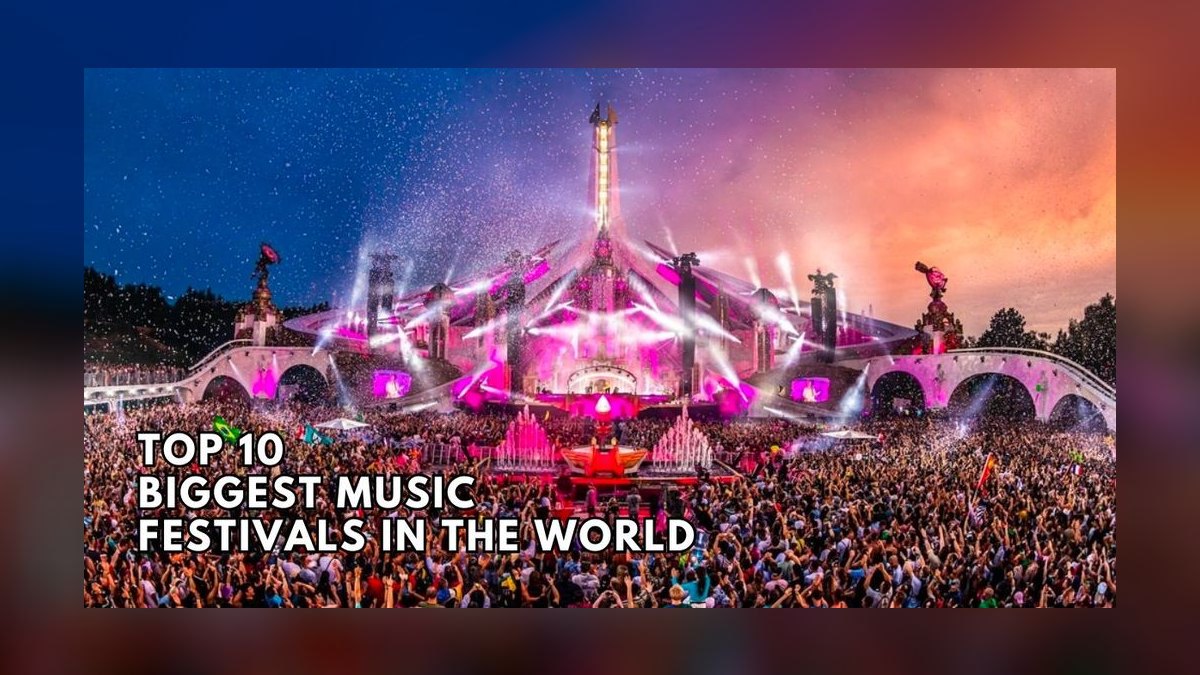
Real numbers: stage counts, set lengths, and total performances
To make a defensible 2027 projection, the honest approach is to anchor to each festival's structural capacity rather than to unannounced lineups. Coachella typically runs six to eight stages across two consecutive weekends (same lineup, repeated), with roughly 130-160 acts billed per weekend — meaning the two-weekend total of distinct performance slots lands somewhere near 260-320, even though many are the same artist repeating their set. Bonnaroo runs four days on a single Tennessee farm site with multiple stages (historically 8-10, including "Fusion" and "Where" stage tiers plus a DJ-focused tent), and has billed upward of 150 acts in recent years, which — once you count DJ-tent turnover — pushes total sets into the low 200s. Tomorrowland's own promotional materials have cited over a dozen main stage areas plus dozens more themed and sponsor stages across its two-weekend format, and independent tallies of its published set times have put total performances comfortably above 500 across the full event. Ultra Music Festival in Miami runs three days with eight-plus stages and a heavy DJ-set turnover rate (many sets run just 60 minutes to maximize stage throughput), producing a performance count that industry trade press has estimated in the 250-350 range depending on the year's stage configuration. Glastonbury remains the volume outlier at roughly 3,000 total performances once every stage, tent, cabaret area, and spoken-word slot across its five-day run is tallied — though only a few hundred of those are on stages large enough to be considered "festival lineup" bookings in the traditional sense. Rock am Ring/Rock im Park in Germany and Download Festival in the UK sit in a more modest 150-250 range because their rock-and-metal booking model favors fewer, longer sets on fewer stages. When 2027 lineups are formally announced (typically January-March 2027 for the spring/summer circuit), the actual Number of Performances for each event will track closely to these historical bands unless a festival explicitly adds or removes a stage — which organizers usually announce well ahead of ticket on-sale.
Trade-offs: chasing volume versus curating headliner slots
Festival organizers deliberately choose where to sit on this spectrum, and it's a real business trade-off, not an accident. A volume-model festival — Tomorrowland, Glastonbury, EDC, SXSW — books dozens to hundreds of smaller and mid-tier acts across many stages, which maximizes discovery value, gives sponsors more branded-stage inventory to sell, and spreads crowd density across the site so no single stage bears the full attendance load at once. The cost is that no individual act gets a huge dedicated audience unless they're on the single marquee main stage, and production budgets get spread thin across many smaller rigs instead of concentrated on one spectacular headliner show. A curated-model festival — smaller boutique events, some jazz and classical festivals, single-stage rock festivals — books far fewer total acts but gives each one a longer, better-produced slot with a bigger dedicated crowd; this trades away raw performance count for prestige, resale value, and a tighter artistic narrative across the weekend. For a 2027 "Highest Number of Performances" ranking specifically, this means the volume-model festivals will keep winning almost by design, and a festival can't casually improve its rank by "adding a headliner" — it would need to add stage capacity or extend operating hours, both of which carry real infrastructure and permitting costs that most festivals plan a full year or more in advance.
Common pitfalls in ranking festivals by performance count
The most common mistake is conflating "acts billed on the poster" with "performances," which undercounts festivals like SXSW and Glastonbury that run continuous showcase or fringe programming never printed on the main lineup graphic — always check whether a source is counting only main-stage-poster acts or every logged set across every stage. The second pitfall is double-counting Coachella-style repeat-weekend festivals: if a festival runs the identical lineup on back-to-back weekends, some sources report the unique artist count while others report the total number of performance instances (double the unique count), and mixing those two conventions produces an inconsistent ranking. The third pitfall is trusting a "2027" ranking published before any 2027 lineup has actually been announced — treat any confident, specific claim about who's playing 2027 festivals as unverified until the festival's own official announcement (typically posted on the festival's official site and press channels) confirms it; the safest approach is projecting from structural capacity (stage count, days, historical set-length policy) rather than guessing specific bookings. Fourth, silent-disco stages, DJ pool sets, and comedy or wellness programming are sometimes included in official performance tallies and sometimes excluded — a festival's Number can swing by 30-40% depending on which programming categories a given count includes, so any comparison across festivals should confirm both sources use the same counting rules. Finally, weather cancellations are a real and underappreciated variable: a single rained-out or heat-cancelled day at an outdoor multi-stage festival can cut the final performance total by 20% or more compared to the originally scheduled count, which is why year-over-year comparisons should specify whether they're counting scheduled or actually-completed sets.

Related questions
Which festival has the most stages overall?
Historically Glastonbury and Tomorrowland lead on raw stage/venue count, with Glastonbury spreading across roughly 80-plus distinct performance areas on its farm site and Tomorrowland running 15-plus major themed stages across its two-weekend format.
Does SXSW count as a music festival for this kind of ranking?
Yes — SXSW's music portion is a showcase-format festival, and because it spans dozens of Austin venues over about a week it typically produces one of the highest raw performance counts of any event in this category.
Why do two-weekend festivals like Coachella get counted differently?
Because the same lineup repeats, sources disagree on whether to count unique artists once or count each weekend's performance separately — always check which convention a given ranking uses before comparing numbers.
How far in advance are 2027 festival lineups usually announced?
Most major spring and summer festivals announce initial lineups between January and March of the same year, so full 2027 bookings likely won't be public until early 2027.
Do rock and metal festivals ever rank near the top for performance count?
Rarely — genres that favor longer sets on fewer stages, like rock and metal, typically post totals in the 150-250 range, well below multi-stage electronic and showcase-format events.
FAQ
What does "Number of Performances" actually measure at a festival? It measures the total count of distinct scheduled sets across every stage, tent, and performance area at the event — not the number of unique headline artists on the poster. A festival with many small stages running back-to-back short sets will post a much higher number than a festival with fewer stages and longer sets, even if the second festival has bigger-name headliners.
Can this list change once 2027 lineups are officially announced? Yes, though usually only at the margins. The stage count and operating-hours structure of a festival rarely changes year to year, so the ranking of "highest number of performances" tends to track very closely to prior years' totals; the main way it shifts is if a festival adds or removes a stage, extends its run by a day, or has a weather-related cancellation that cuts the final completed total.
Is Glastonbury's number always around 3,000? That figure has been widely cited in past years when every stage, tent, cabaret area, and spoken-word slot is included in the count, but it can move depending on how many smaller stages operate in a given edition and whether all scheduled performances actually go ahead.
Why isn't a festival like Coachella higher on a pure performance-count list despite being one of the most famous festivals in the world? Fame and headliner prestige don't correlate with raw performance count. Coachella runs fewer stages than showcase-format or multi-weekend-electronic events, and while its two-weekend repeat format adds to the total, it still lands behind festivals purpose-built around dozens of smaller stages running continuously.
Are DJ sets counted the same way as live band performances in these totals? In most public tallies, yes — any scheduled, ticketed set on any stage counts as one performance regardless of format, which is a major reason electronic-heavy festivals with high stage turnover (short DJ sets, fast changeovers) tend to dominate raw performance-count rankings.
Where can I check official 2027 lineup and schedule announcements as they're released? Each festival's own official website and verified social channels are the only reliable source — Coachella, Glastonbury, Tomorrowland, Bonnaroo, EDC, and SXSW all publish official lineup and set-time announcements directly, and third-party "leak" lists should be treated as unconfirmed until the festival itself posts them.
Sources
- https://www.glastonburyfestivals.co.uk
- https://www.tomorrowland.com
- https://www.coachella.com
- https://www.bonnaroo.com
- https://www.edclasvegas.com
- https://www.ultramusicfestival.com
- https://www.sxsw.com/festivals/music
- https://www.rollingstone.com
- https://www.billboard.com
- https://www.pollstar.com
Related on PULSE
- How festival stage design impacts sponsor revenue per square foot
- What makes multi-weekend festival formats profitable for promoters
- How showcase-format events like SXSW structure artist compensation
- Comparing electronic festival production costs to traditional rock festivals
- How weather contingency planning affects festival scheduling and refunds
This page will be disappearing soon. Save it to your device for $1 — or read it free while it is here.
@Kory-White- · if Venmo asks, the last 4 of my number are 2012
This page is gone.
This one is off the shelf now. $1 keeps it on your phone for good — the whole page, pictures and diagrams included.
 pulse-eventsThe 10 Best Caribbean Destination Wedding Resorts in 2027
 pulse-eventsBest Quinceanera and Sweet 16 Venues in Miami (2027)
 eventsThe 10 Best Film Festivals in the World for Independent Filmmakers in 2027
 pulse-recentHow many attendees can the 10 largest corporate retreat venues in the U.S. host in 2027?
 pulse-events10 Best Dude Ranches for Family Reunions in 2027
 pulse-recentHow many attendees do the 10 largest corporate retreats in the U.S. host in 2027?
 eventsThe 10 Best Music Festivals in the World by Number of Daily Attendees in 2027
 eventsThe 10 Best Corporate Retreat Venues with On-Site Golf in 2027
 pulse-recentHow long does the average corporate retreat last in 2027?
 pulse-eventsTop 10 Corporate Retreat Venues in the Mountain West in 2027