


Should I open or buy a Smashburger franchise or open an independent sandwich shop in 2027?
Quality
Certified
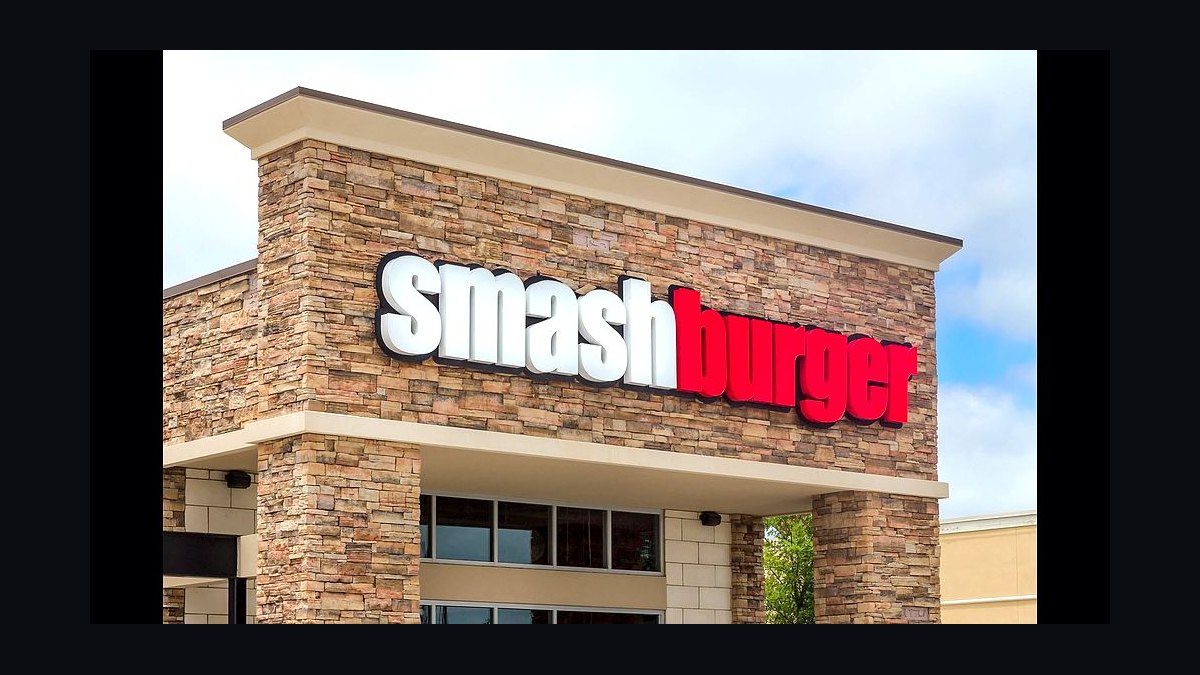
Buy the Smashburger franchise if you want a proven system, brand recognition, and support in exchange for real royalty payments and less menu control. Open an independent sandwich shop if you want full ownership of your concept, margins, and local flexibility but no training wheels. Most first-time operators with under $500,000 in capital and no restaurant experience do better starting independent; those with $700,000+ and a scaling ambition benefit more from a franchise system like Smashburger.
A concrete scenario that frames the problem
Picture two people in the same mid-sized suburban market in early 2027, each with roughly $650,000 in liquid capital and a signed lease on a 2,200-square-foot end-cap space near a retail corridor. The first signs a Smashburger franchise agreement: pays a franchise fee, commits to the brand's build-out specs, equipment package, and menu, and opens under a name customers already recognize from national advertising. The second builds an independent sandwich shop from a blank sheet of paper: designs the menu, sources a POS system, negotiates with local bread and meat suppliers, and spends the first six months building awareness one customer at a time with zero brand equity to lean on.
Both are taking on similar total investment risk, but the risk profiles diverge sharply. The Smashburger operator inherits a tested burger-and-fries format, a real estate and operations playbook, and a corporate marketing engine, but is locked into an ongoing royalty stream and a franchise agreement that limits menu experimentation. The independent operator keeps 100% of the upside and total creative control over the sandwich concept, but absorbs every mistake alone, without a franchisor's supply chain, training program, or brand pull. The decision in 2027 is not "which business is better" in the abstract — it's "which operator profile, capital base, and risk tolerance matches which model."
How the mechanism actually works
A franchise and an independent restaurant are structured completely differently as businesses, not just as brands, and the mechanism explains why the economics diverge so much over time.
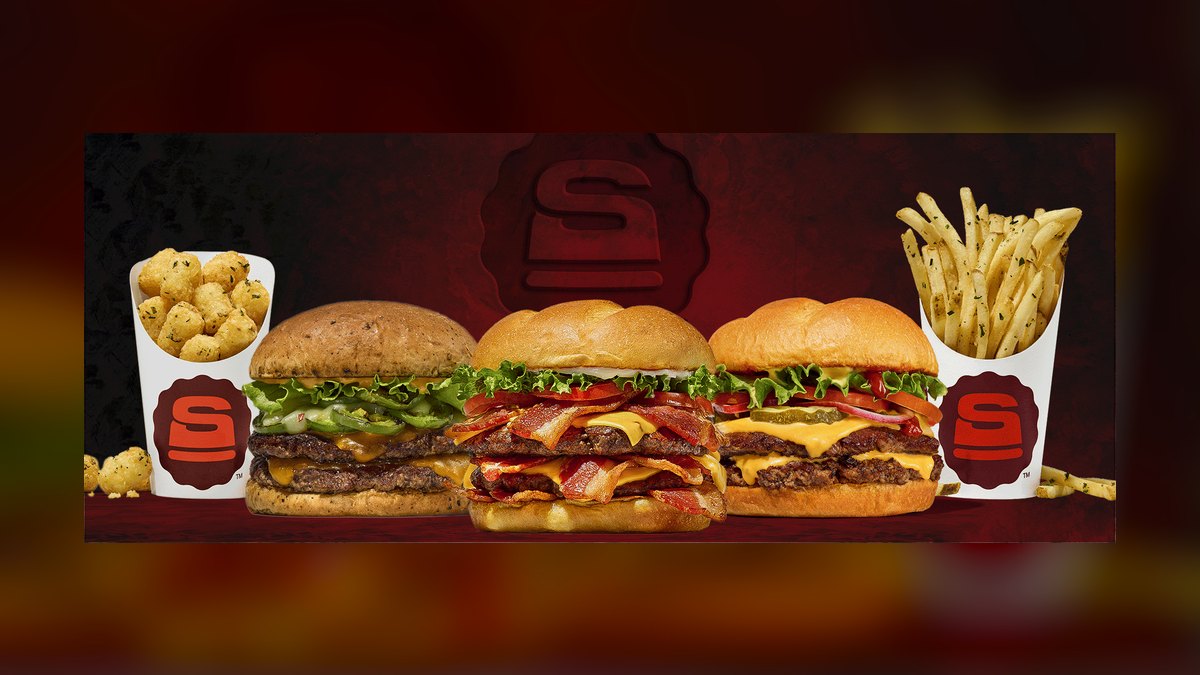
In a franchise system, the franchisor (Smashburger's parent company) has already solved the format: menu engineering, kitchen layout, supplier contracts, POS integrations, and a brand marketing calendar. In exchange for a franchise fee up front and a royalty (typically mid-single-digit percent of gross sales, plus a separate advertising fund contribution) paid every week or month for the life of the agreement, the franchisee gets that system pre-built. The tradeoff is real operational constraint: a franchisee generally cannot change the core menu, must source from approved vendors, must follow brand design and uniform standards, and needs franchisor approval for many operational decisions.
An independent sandwich shop has no such structure to lean on and no such constraint. Every decision — menu items, pricing, supplier relationships, hours, staffing model, local promotions — is made by the owner alone. There's no royalty check going out every week, which means 100% of gross margin stays with the business, but there's also no corporate R&D team testing new products, no national ad campaign driving walk-in traffic, and no established playbook for opening week operations. The mechanism is a straightforward trade: the franchise system converts an ongoing royalty payment into a lower failure-rate playbook; the independent path converts higher risk and slower initial traction into full margin retention and creative freedom.
Real numbers, ranges, and benchmarks
The financial comparison between the two paths hinges on a handful of concrete figures that any serious operator needs to run before committing capital in 2027.
Total investment range. Franchise disclosure documents for burger-format brands like Smashburger have historically shown a total investment range spanning roughly $650,000 to $1.9 million depending on real estate type (in-line vs. free-standing vs. end-cap), market rent, and build-out scope. That range typically includes the initial franchise fee (often in the $30,000-$50,000 band for a single unit), leasehold improvements, kitchen equipment, signage, initial inventory, and a working capital reserve. An independent sandwich shop of comparable square footage can often be built for meaningfully less — commonly $250,000 to $600,000 — because the owner controls scope: a simpler build-out, secondhand equipment, and no brand-mandated finishes or signage packages.
Ongoing royalty and ad fund. Franchise systems in the quick-service burger category typically charge a royalty around 5% of gross sales plus an additional advertising/marketing fund contribution around 2%, meaning roughly 7% of every dollar in revenue is committed before any other operating expense is paid. On $1 million in annual sales, that's about $70,000 a year flowing out regardless of the store's actual profitability that year. An independent shop owes no royalty and no mandatory ad fund contribution — but also has no shared national ad spend working on its behalf and must fund 100% of its own local marketing.
Break-even timeline and traffic ramp. A franchise generally opens with a faster traffic ramp because of brand recognition — customers already know what a Smashburger-style smashed patty and hand-spun shake taste like before the doors open, which shortens the awareness curve. Independent sandwich shops typically face a slower ramp, often 6-12 months of building local reputation through word of mouth, local SEO, and repeat-customer loyalty before hitting a stable sales run-rate. That slower ramp needs to be funded with extra working capital — realistically 6-9 months of operating expenses held in reserve, versus a franchise which may still need that cushion but can often reach stabilized sales one or two quarters sooner.

Labor and food cost benchmarks. Both models tend to target similar restaurant-industry benchmarks regardless of structure: food cost in the 28-32% of sales range, labor cost in the 28-32% range, and rent/occupancy ideally under 10% of sales for the deal to pencil long-term. A franchise's supply chain contracts can sometimes secure better volume pricing on beef, buns, and packaging than an independent operator sourcing alone locally, which can offset some of the royalty burden — but not all of it, and this varies heavily by region and supplier relationships.
Trade-offs and alternatives
The decision ultimately comes down to weighing what each path buys and costs against the operator's own capital, experience, and goals.
Franchise advantages that matter most. A recognized brand shortens the time to first profitable month because customers already trust the format before opening day. The franchisor's training program reduces the odds of rookie operational mistakes — inventory ordering, food safety, staffing ratios — that sink many first-time independent operators. And a franchise agreement typically comes with a real path to a second and third unit using the same operating knowledge, which is a scaling advantage an independent concept doesn't automatically have (a successful independent sandwich shop that wants to expand has to build its own multi-unit systems from zero).
Independent advantages that matter most. Full margin retention is the biggest one — no royalty, no mandatory ad fund, so every dollar of profit stays in the business. Full menu and pricing control lets an owner adapt quickly to local tastes, ingredient costs, or a competitor opening across the street, without waiting on franchisor approval. And there's no franchise agreement term to worry about (franchise deals typically run 10-20 years with renewal terms and conditions); an independent owner can pivot the concept, sell the business, or change the menu entirely whenever they choose.
A middle-ground alternative worth considering. Some operators split the difference by buying into a smaller, regional sandwich franchise with a lower total investment and royalty than a national burger brand, or by opening an independent shop first to build local credibility and capital, then converting to a franchise (or franchising their own concept) once they've proven the unit economics. Either hybrid path trades some of the speed of a big national brand for lower fixed royalty drag, and is worth modeling explicitly against both the pure-franchise and pure-independent numbers above before signing anything.
Common pitfalls and how to avoid them
Underestimating total investment by ignoring working capital. Many first-time franchisees and independent owners budget the build-out and equipment but forget the 6-9 months of operating cash needed to survive the ramp period. Avoid this by building a full 12-month cash flow model before signing a lease, including a worst-case scenario where sales take 50% longer than projected to stabilize.
Signing a Smashburger (or any) franchise agreement without reading the full FDD. The Franchise Disclosure Document contains the actual total investment ranges, average unit sales (if disclosed in Item 19), litigation history, and franchisee turnover data. Skipping this and relying on the franchise sales rep's pitch alone is the single most common mistake; have a franchise attorney review the FDD and, critically, call existing franchisees directly (their contact info is required to be disclosed) and ask about real royalty burden and support quality.
Underpricing an independent sandwich shop's menu to compete on price alone. New independent operators often set prices too low trying to win customers from established chains, which crushes margin before the business has built a customer base willing to pay for quality or differentiation. Avoid this by benchmarking local competitor pricing (including any nearby Smashburger or similar chain) and pricing based on actual food cost plus target margin, not a race to the bottom.
Choosing a location based on rent alone. Both models fail when the site doesn't have adequate visibility, parking, and daytime traffic. A cheap lease with poor foot traffic sinks either a franchise or an independent shop equally; run a real traffic count and demographic analysis before signing, regardless of which model is chosen.
Assuming brand recognition eliminates the need for local marketing. Franchisees sometimes coast on national advertising and underinvest in local grand-opening marketing, community events, and local SEO — all of which still drive the majority of new-customer discovery in a given trade area even for a recognized brand.
Related questions
How much does it cost to open a Smashburger franchise?
Total investment has historically ranged roughly $650,000-$1.9 million depending on real estate and build-out, plus an initial franchise fee typically in the $30,000-$50,000 range. Always confirm current figures in the latest Franchise Disclosure Document before committing capital.
Is an independent restaurant more profitable than a franchise long-term?
Independents can retain more margin since there's no royalty or ad fund payment (often ~7% of gross sales combined), but they lack brand-driven traffic and take longer to ramp, so total profitability depends heavily on execution and local market conditions.
What's the typical franchise royalty rate for a burger chain?
Quick-service burger franchises commonly charge around 5% of gross sales in royalties plus roughly 2% into a national advertising fund, totaling near 7% of revenue paid out before other operating costs.
Can I negotiate the terms of a franchise agreement?

Franchise agreements are largely standardized across all franchisees for legal and consistency reasons, so core terms like royalty rate are rarely negotiable, though territory, financing assistance, or fee waivers/discounts for veterans or multi-unit commitments are sometimes available.
How long does it take an independent sandwich shop to become profitable?
Most independent shops need roughly 6-12 months to build enough repeat local traffic to stabilize sales, so owners should reserve 6-9 months of operating expenses as a cash cushion beyond the initial build-out cost.
FAQ
Should I open or buy a Smashburger franchise or open an independent sandwich shop in 2027? Choose the Smashburger franchise if you have $700,000+ in capital, want a proven playbook, and plan to scale to multiple units; choose an independent sandwich shop if you have less capital, restaurant experience, or want full creative and financial control without a royalty obligation.
What is the biggest financial difference between the two options? The ongoing royalty and advertising fund payment, typically around 7% of gross sales combined in a franchise system, versus zero mandatory fees in an independent shop — but the independent shop usually needs longer to reach the sales volume where that difference matters.

Do franchises really have a lower failure rate than independent restaurants? Franchise systems generally reduce operational risk through training, established supply chains, and brand recognition, which can lower certain failure modes, but a franchise is not immune to failure if the location, market, or operator execution is poor.
Can I change the menu if I buy a Smashburger franchise? No — franchise agreements require adherence to the approved brand menu and supplier list, with limited or no ability to add independent menu items; this is one of the core trade-offs versus running an independent concept.
What financing options exist for either path? Both paths commonly use SBA loans, conventional bank financing, or investor capital; some franchisors also offer preferred lender relationships or financing assistance programs that can smooth the approval process compared to financing an independent concept from scratch.
Is 2027 a good year to open either type of restaurant? Timing depends more on local market saturation, labor availability, and commercial rent trends in your specific area than on the calendar year itself; run current local unit economics and franchise disclosure data rather than relying on general market sentiment.
Sources
- https://www.franchisedirect.com
- https://www.ftc.gov/business-guidance/resources/franchise-rule-compliance-guide
- https://www.sba.gov/business-guide/plan-your-business/franchises
- https://www.entrepreneur.com/franchises
- https://www.restaurant.org
- https://www.qsrmagazine.com
- https://www.franchisetimes.com
- https://www.investopedia.com/terms/f/franchise.asp
Related on PULSE
- How much working capital do I need to open a restaurant franchise?
- What questions should I ask existing franchisees before buying in?
- How do I read a Franchise Disclosure Document before signing?
- Independent restaurant vs. franchise: which has better long-term exit value?
- What's a realistic break-even timeline for a new quick-service restaurant?
- How do royalty and ad fund payments affect restaurant profitability?
This page will be disappearing soon. Save it to your device for $1 — or read it free while it is here.
@Kory-White- · if Venmo asks, the last 4 of my number are 2012
This page is gone.
This one is off the shelf now. $1 keeps it on your phone for good — the whole page, pictures and diagrams included.
 franchiseShould I open or buy a Panera Bread franchise in 2027?
 franchiseShould I open or buy a Mathnasium franchise in 2027?
 franchiseShould I open or buy a Big O Tires franchise in 2027?
 franchiseShould I open or buy an Auntie Anne's franchise in 2027?
 franchiseShould I open or buy a Planet Fitness franchise in 2027?
 franchiseShould I open or buy a Roto-Rooter franchise in 2027?
 franchiseShould I open or buy a Crumbl Cookies franchise in 2027?
 franchiseShould I open or buy a Whataburger franchise in 2027?
 franchiseShould I open or buy a Pizza Hut franchise in 2027?
 franchiseShould I open or buy a Rita's Italian Ice franchise in 2027?