


Should I open or buy a Krystal franchise or open an independent sandwich shop in 2027?
Quality
Certified
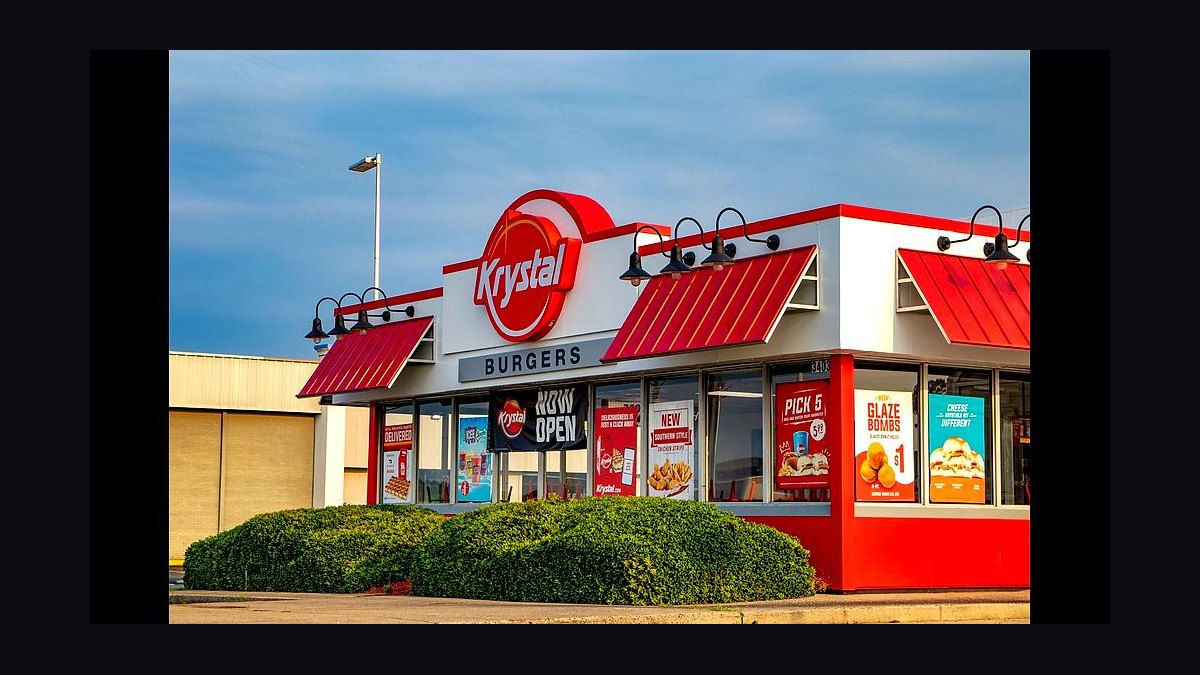
For 2027, buy a Krystal franchise if you want brand recognition, a proven supply chain, and support systems, and can absorb franchise fees plus royalty and marketing percentages of revenue. Open an independent sandwich shop if you want full menu and pricing control, lower ongoing fees, and are willing to build your own brand, systems, and supplier relationships from scratch in a competitive quick-service market.
A Scenario That Frames The Decision
Picture two operators in the same mid-sized Southern metro area, each with roughly $350,000 in available capital between savings, a small business loan, and family investment. Operator A signs a franchise agreement with Krystal, a Chattanooga-founded chain known for its small square hamburgers, chicken bites, and breakfast items, built around drive-thru volume and low check averages. Operator B leases a 1,800-square-foot storefront two miles away and opens an independent sandwich shop with a custom menu of hot pressed subs, house-made sauces, and a loyalty app they built themselves. Eighteen months later, Operator A is running a location that looks, tastes, and operates almost identically to every other Krystal in the region — the menu, pricing bands, uniforms, and even the drive-thru script are dictated by the franchisor, but customers already trust the name and corporate marketing drives a baseline of traffic before the doors even open. Operator B has spent the same eighteen months building a menu from zero customer feedback, finding a produce supplier who won't gouge on delivery minimums, training staff without a corporate playbook, and slowly building local word of mouth through Instagram and a regulars' punch card. Operator B has more upside if the concept catches on regionally, but also carries all of the downside if the location, the menu, or the timing is wrong. This is the real fork in the road: a franchise trades a slice of every dollar and a loss of creative control for a shortcut through the hardest parts of starting a food business, while an independent sandwich shop trades that shortcut for full ownership of the upside, the brand, and every operating decision.
How The Franchise-Versus-Independent Mechanism Actually Works
A franchise like Krystal operates on a licensing mechanism: the franchisor owns the brand, the recipes, the supply agreements, and the operating manual, and it sells the right to use all of that to a franchisee in exchange for an upfront franchise fee plus ongoing royalty payments (commonly a percentage of gross sales) and a marketing/ad fund contribution (also usually a percentage of gross sales). In return, the franchisee gets a Franchise Disclosure Document (FDD) spelling out estimated initial investment ranges, a training program, site-selection support, a national or regional supply chain already negotiated at scale, and a marketing engine that a single independent location could never replicate on its own. The franchisee does not get to change the menu, the pricing structure, the store design, or the brand voice — those are locked in by the franchise agreement, and deviating from them is typically a default event that can void the license. An independent sandwich shop mechanism is the inverse: the owner is simultaneously the brand creator, the menu developer, the supplier negotiator, the hiring manager, and the marketer. There is no FDD, no royalty stream leaving the business every week, and no territorial restriction on how the owner grows — but there is also no corporate training program, no pre-negotiated food costs, and no built-in customer trust walking in the door on day one. The independent owner has to build every one of those systems manually, usually learning several of them the hard way in year one. The flowchart below shows how capital and decision-rights actually flow in each model.
Real Numbers, Ranges, And Benchmarks For 2027
Quick-service restaurant franchises across the industry typically carry an initial franchise fee in the $25,000 to $50,000 range, separate from total investment. Total investment for an established QSR concept with a drive-thru — covering site buildout, equipment, initial inventory, signage, and working capital — commonly falls between $500,000 and $1.5 million depending on whether the site is new construction, a conversion of an existing restaurant shell, or a leased end-cap in an existing strip center; a conversion is almost always cheaper than ground-up construction. On top of the initial investment, ongoing royalty fees for established food-service brands typically run 4% to 8% of gross monthly sales, and marketing/ad fund contributions typically add another 1% to 4% of gross sales — meaning a franchisee can expect 5% to 12% of every dollar of revenue to leave the business before it ever counts toward personal profit. Prospective Krystal franchisees should request the current Franchise Disclosure Document (Item 7 covers estimated initial investment and Item 6 covers ongoing fees) directly from Krystal or through a franchise attorney, since these figures are updated periodically and vary by market and store format. For an independent sandwich shop, the U.S. Small Business Administration and industry lenders commonly cite total startup costs for a small quick-service or fast-casual restaurant in the $175,000 to $750,000 range, with the wide spread driven almost entirely by whether the space needs a full kitchen build-out (grease trap, hood system, walk-in cooler) or is a lighter assembly-line sandwich concept that needs less heavy equipment. Independent operators avoid the ongoing royalty and ad-fund percentages entirely, but they also do not benefit from franchise-negotiated volume discounts on proteins, bread, paper goods, and POS systems, which can mean 5 to 15 percentage points of difference in food cost as a percentage of sales during the first year, before an independent owner has built enough purchasing volume to negotiate better supplier terms. First-year survival data across independent restaurants generally, compiled from Bureau of Labor Statistics establishment data and referenced by the SBA and industry researchers, tends to show that a meaningful share of new restaurants — commonly cited in the 20% to 30% range — close or change ownership within the first year, which is a real risk an independent owner shoulders without a franchisor's operational playbook to fall back on.
Trade-Offs And Alternatives To Weigh
The core trade-off is control versus scaffolding. A Krystal franchise hands a new operator scaffolding: a known menu, a marketing budget bigger than any single independent could fund alone, a supply chain already negotiated, and a training program that shortens the learning curve on food safety, labor scheduling, and drive-thru throughput. The cost of that scaffolding is real and recurring — franchise fees up front, royalty and ad-fund percentages forever, and a contractual obligation to run the business exactly the way the franchisor specifies, with no room to add a signature item, change a supplier, or reposition pricing even if local market conditions justify it. An independent sandwich shop removes the scaffolding and removes the ceiling: there is no franchisor telling the owner they cannot add a breakfast sandwich line, partner with a local coffee roaster, or pivot the whole concept if the first six months reveal the neighborhood wants something different than what opened. But removing the ceiling also removes the floor — there's no corporate marketing fund driving traffic on a slow Tuesday, no negotiated bulk pricing on beef or bread, and no 800-number to call when a POS system goes down at lunch rush. A middle path worth considering before committing to either extreme is a smaller, less capital-intensive franchise concept (some sandwich-specific franchise brands have far lower initial investment thresholds than a full-format burger concept like Krystal) or a conversion franchise/license model where an existing independent shop adopts a lighter-touch branding and supply agreement without giving up full menu control — though genuine hybrid arrangements are uncommon in food service and should be vetted carefully with a franchise attorney before signing anything. The decision tree below lays out how those trade-offs cascade.
Common Pitfalls And How To Avoid Them
The single biggest pitfall on the franchise side is underestimating total cash needed beyond the headline franchise fee — franchisees regularly run short because they budgeted the fee and buildout but not six months of working capital to cover payroll and rent while sales ramp up, so build a cash reserve equal to at least three to six months of fixed operating costs into the initial capital plan, not just the FDD's investment range. A second franchise pitfall is signing the agreement without an independent franchise attorney reviewing the FDD and comparing Krystal's terms against at least two other quick-service concepts, since royalty percentages, territory protection, and renewal terms vary meaningfully between brands and are non-negotiable once signed. On the independent side, the most common pitfall is underpricing the menu to compete with recognizable chains on price alone; an independent sandwich shop cannot match a national chain's purchasing power, so competing purely on price compresses margins to unsustainable levels — differentiate on ingredient quality, speed, or a genuinely distinct menu instead of a head-to-head price war. A second independent pitfall is delaying systems — POS reporting, inventory counts, labor scheduling software — because "it's just one location," which leads to invisible food-cost creep and labor overspend that isn't caught until cash flow is already tight; build basic reporting discipline from week one, not after the first bad month. A pitfall common to both paths is site selection driven by an available lease rather than validated foot traffic and demographic fit — walk the site at breakfast, lunch, and dinner on both a weekday and a weekend before signing any lease, franchise or independent, and pull local traffic-count and demographic data rather than relying on a leasing broker's pitch alone.
Related questions
How much does a Krystal franchise cost to open in 2027?
Exact current fees are in Krystal's Franchise Disclosure Document, but industry-wide QSR franchise fees typically run $25,000-$50,000 with total investment of $500,000-$1.5 million depending on site type; request the FDD directly for Krystal-specific figures.
Is it cheaper to open an independent sandwich shop than a franchise?
Often yes on ongoing costs, since independents avoid royalty and ad-fund percentages, but initial buildout costs can be comparable or higher without a franchisor's negotiated supplier and equipment discounts.
What's the failure rate for new independent restaurants?
Commonly cited figures put first-year closure or ownership-change rates in the 20%-30% range industry-wide, though this varies significantly by concept, location, and owner experience.
Can I negotiate franchise fees with Krystal?
Franchise fees and royalty structures are generally standardized across franchisees of the same brand and disclosed in the FDD; negotiation room is typically limited to territory, financing assistance, or multi-unit development incentives, not the base fee structure itself.
FAQ
Should I open or buy a Krystal franchise or open an independent sandwich shop in 2027? Choose Krystal if you want a proven system, brand recognition, and corporate marketing support in exchange for franchise fees and reduced menu control; choose an independent sandwich shop if you want full creative and pricing control and are willing to build every system yourself.
What affects this decision the most? Available starting capital, tolerance for ongoing royalty payments versus full profit retention, and how much you value a proven operating playbook versus creative control over the menu and brand.
Does a Krystal franchise guarantee profitability? No franchise guarantees profitability; success still depends on site selection, local market demand, management quality, and execution, even with a recognized brand and corporate support behind it.
Can I convert an independent sandwich shop into a franchise later? Generally no — franchising your own concept requires developing a full FDD and legal franchise system, which is a separate, involved process from converting to or from an existing brand like Krystal.
Do I need restaurant experience to buy a Krystal franchise? Franchisors typically prefer or require some management or food-service experience and will evaluate candidates during the application process, though the training program is designed to shorten the learning curve for newer operators.
Is 2027 a good year to open either kind of restaurant? Labor costs, commercial rent, and food costs remain key variables to model for any 2027 opening regardless of format; run a conservative first-year cash flow projection for either path before committing capital.
Sources
- https://www.krystal.com
- https://www.franchise.org
- https://www.sba.gov
- https://www.entrepreneur.com/franchises
- https://www.qsrmagazine.com
- https://www.restaurantbusinessonline.com
- https://www.nrn.com
- https://www.ftc.gov/business-guidance/resources/franchise-rule-compliance-guide
Related on PULSE
- How much working capital do I need before opening a restaurant franchise?
- What questions should I ask a franchisor before signing an FDD?
- How do independent restaurant owners compete with national chains on marketing?
- What's the real difference between a franchise royalty fee and an ad fund contribution?
- How long does it take a new restaurant to become profitable?
This page will be disappearing soon. Save it to your device for $1 — or read it free while it is here.
@Kory-White- · if Venmo asks, the last 4 of my number are 2012
This page is gone.
This one is off the shelf now. $1 keeps it on your phone for good — the whole page, pictures and diagrams included.
 franchiseShould I open or buy a Taco Bell franchise in 2027?
 franchiseShould I open or buy a Dunkin' franchise in 2027?
 franchiseShould I open or buy a Firehouse Subs franchise in 2027?
 franchiseShould I open or buy a Bahama Breeze franchise in 2027?
 franchiseShould I open or buy an F45 Training franchise in 2027?
 franchiseShould I open or buy a Valvoline Instant Oil Change franchise in 2027?
 franchiseShould I open or buy a Stanley Steemer franchise in 2027?
 franchiseShould I open or buy a Marco's Pizza franchise in 2027?
 franchiseShould I open or buy a Great Clips franchise in 2027?
 franchiseShould I open or buy a Goddard School franchise in 2027?