


GTM Playbook for Kitchen and Bath Remodelers in 2027
Quality
Certified

A 2027 kitchen and bath GTM playbook anchors a paid design deposit at the showroom, gates every render behind it, and runs a designer-closer team on a single job-management backbone. Target 48–52% gross margin, blended cost per lead under $180, and a 5–8 year repurchase loop to smooth cyclical demand.
Who you are actually selling to, and who you are not
The first mistake most kitchen and bath remodelers make in 2027 is treating "homeowner with a dated kitchen" as an ICP. It isn't one. It's a demographic. A real ICP for this business is defined by three variables that predict close rate far better than age or income: home equity position, trigger event, and decision structure.
Equity position matters because a full-gut kitchen at $28K–$55K and a master bath at $22K–$42K are rarely cash purchases. Homeowners who bought before the 2021–2022 rate run-up are sitting on locked-in low mortgages and substantial paper equity, which is exactly why the 2024–2027 remodel market skewed toward "improve in place" rather than "move up." That cohort — long-tenure owners in homes 20–35 years old — is your primary. The secondary is the recent-purchase cohort inside their first 18 months, who remodel on a tighter budget but decide much faster because they're already in project mode and often financing against the purchase.
Trigger events segment the pipeline more usefully than any firmographic. There are four, and they behave differently:

- Failure trigger (leak, mold remediation, failed subfloor, dead water heater). Shortest deliberation window — often 2–4 weeks — highest urgency, lowest design engagement. These homeowners want it solved, not curated. They close fast and they're price-sensitive at the top end. Route them to a tighter scope and don't burn 12 hours of design time.
- Aspiration trigger (kids gone, kitchen is embarrassing, saw a neighbor's remodel). Longest window — 6–14 weeks — highest average ticket, highest design engagement, highest risk of shopping your renders to three competitors.
- Life-stage trigger (aging in place, new baby, multigenerational move-in, work-from-home reconfiguration). Aging-in-place bath conversions are the most durable sub-segment in the category and least correlated with discretionary sentiment: a curbless shower, grab-bar blocking, and comfort-height fixtures get bought in soft markets.
- Transaction trigger (prepping to sell, or a landlord/flipper standardizing units). Lowest margin per job, highest repeat volume. Some operators refuse this segment entirely; others build a stripped SKU for it and treat it as installer-bench utilization.
Decision structure is the third axis and the one that quietly kills deals. Single-decider households close at meaningfully higher rates than two-decider households, and two-decider households close far better when both parties are physically in the showroom. Book for both. A consult where one spouse "will look at the renders later" is a consult that will need a second appointment, and the second-appointment close rate falls off a cliff.
Then there's who you should decline. Homeowners more than 45–60 minutes from your service hub destroy crew utilization — a lead carpenter driving 90 minutes round-trip loses 15–20% of billable capacity, and that shows up directly in gross margin. Homeowners shopping three-plus bids on a spreadsheet are usually optimizing for price in a category where you cannot win on price against a franchise conversion brand. And homeowners who will not schedule a measure until they see a free rendering are, by definition, not buying from you — they're sourcing free design labor.

One adjacent note that matters for positioning: the franchised bath-conversion brands (Re-Bath, Bath Fitter, Five Star Bath Solutions and similar) have effectively claimed the fast tub-to-shower conversion lane, typically in the $9K–$16K band, with speed-to-install as the promise. That's not a segment you beat head-on with a custom design-build motion — the cost structures are different. Your defensible ground is true-tile bath builds, custom cabinetry, whole-room reconfiguration, and a long workmanship warranty. Segment accordingly, and let the conversion brands have the jobs where speed is the only variable.
The showroom-anchored motion that fits a considered $35K purchase
Once the segment is clear, the motion follows from one fact: this is a considered purchase with a long deliberation window and a large ticket. A purely digital funnel cannot carry it. Software buyers will sign a five-figure contract off a screen share; homeowners will not commit $35K to a kitchen they've only seen rendered on a laptop. The physical showroom is the conversion event, and everything upstream exists to fill it.
The upstream channels sort into three tiers by efficiency. Google Local Services Ads are the workhorse: intent is native, the homeowner is searching for the service by name, and the badge does trust work you'd otherwise pay for. Cost per qualified lead runs materially higher in top-20 DMAs than in secondary metros — plan on a wide spread. Meta lead forms with before/after carousels produce cheap raw leads and expensive sat appointments, because only a minority of form fills become people who actually sit in a chair; judge Meta on cost per consult, never cost per lead, or you'll scale a channel that's quietly the worst one you own. Houzz Pro referrals arrive with a project board already built, which means intent is pre-qualified and the designer walks into a conversation instead of a discovery. Shared-lead marketplaces — the Angi/HomeAdvisor model — are structurally hostile to a high-ticket design-build motion, because the same lead is sold to multiple contractors and you are immediately in a bid race. Buy them only to fill installer downtime, never as core pipeline.

The showroom itself has to be engineered, not decorated. Sizing in the 1,800–3,500 sq ft range with six to ten vignettes gives a designer enough material to run a full appointment without leaving the room: two full kitchen vignettes at different price tiers, three bath surrounds spanning conversion-grade to true-tile, and a design kiosk running 2020 Design or Cedreo so a rough render happens live, in the appointment, while the homeowner is still emotionally engaged. Location co-tenancy is the cheapest lead source you'll ever buy — a strip-retail position adjacent to a Lowe's, Home Depot, or Floor & Decor generates walk-in traffic at essentially zero marginal acquisition cost, because your customer is already out shopping for exactly this.
The critical gate in the whole motion is the design deposit. Charge a non-refundable fee — commonly in the $1,500–$3,500 range — at the showroom appointment, applied to the project on contract signature. This single mechanic does four things at once: it filters tire-kickers before they consume designer hours, it funds the render time, it converts a browser into a financially committed buyer, and it establishes that your design work has value. Operators who run it see the large majority of deposits convert to signed contracts within about three weeks. Operators who don't run it subsidize their competitors' sales process.
Note the loop back to the channel node. That's not decoration — past-customer re-entry is the only channel in the diagram with no acquisition cost, and in a mature operation it should carry a meaningful share of total bookings.
Unit economics: the four numbers that decide whether this works

Every kitchen and bath GTM playbook eventually reduces to four linked ratios. Miss any one and the other three stop mattering.
Gross margin at the job-cost line. The target band is 48–52%. Sustained performance below the mid-40s is not a pricing problem, it's an estimating-system problem — almost always a template that was built on older material costs and never refreshed. Materials should land in the high-30s to low-40s as a percentage of revenue, direct labor in the high teens to low twenties, and subcontracted trades in the low-to-mid teens. When one of those three drifts, find which one before touching your price list.
Blended cost per lead and, more importantly, cost per booked job. Under $180 blended CPL is the working target, but CPL is a vanity number in isolation. The number that actually governs the P&L is cost per booked job, and any channel drifting past roughly $1,200 per booked job should be killed or restructured, not "optimized." The distinction matters because a $60 Meta lead that converts to a sat appointment one time in four is more expensive than a $200 LSA lead that sits two times in three.
Funnel conversion at three checkpoints. Consult-to-sit above 72%, sit-to-close above 32%, and design-deposit-to-contract in the high 70s or better. Consult-to-sit is a confirmation-process metric, not a marketing metric — it's fixed with SMS reminders, a day-before human call, and booking both deciders. Sit-to-close is a designer-skill metric. Deposit-to-contract is a scoping metric: when it sags, your designers are quoting scopes the homeowner never budgeted for.
Revenue per showroom. A well-run single showroom in the $2.4M–$4.8M range supports the fixed overhead of a general manager, a production manager, project coordinators, and two to four designer-closers. Below roughly $2M, the showroom lease and the salaried overhead eat the margin and you'd be better off as a lean design-build operation without retail space. Above roughly $5M, you're usually constrained by installer bench depth rather than demand, and the right move is crew capacity, not more ad spend.
Two economics levers deserve their own treatment. Financing attachment — through the standard home-improvement lenders — reliably lifts average ticket, because a homeowner shown a monthly payment buys one tier up on countertops, cabinetry, and tile. The dealer fee on deferred-interest plans is real and material; price it into the job rather than absorbing it, and never let a designer quote a cash price and then "add financing" after the fact. Change-order discipline is the other. Build a small percentage reserve into the front-end fixed bid, then treat every change as a separately signed addendum with money collected before the work starts. Operators who skip this discover on week five of a nine-week job that they're financing the customer's scope creep out of working capital.

Speaking of working capital: the payment schedule is a GTM decision, not an accounting one. A schedule that front-loads a substantial deposit, takes a second draw at cabinet and tile delivery — the point of maximum material outlay — takes a third at substantial completion, and holds a small final retention until punch-list sign-off keeps the job cash-positive throughout and gives the homeowner a clear finish line. A 10%-down, everything-at-the-end schedule is how solvent remodelers become insolvent remodelers in a single busy season.
Where kitchen and bath operators actually blow themselves up
The failure modes in this category are boringly consistent, which is good news: they're all preventable with process rather than talent.
The free-design death spiral is the most common. A designer invests eight to fourteen hours in a full render to "win the appointment," the homeowner walks the render to three competitors and asks them to price it, and the operator eats the design labor on a deal they were never going to get. Every hour of free design is a subsidy to a competitor who charges for it. The fix is the deposit gate — and holding the line on it even when a designer swears this particular prospect is different.
Estimating drift is quieter and more expensive. Fixed-bid pricing only works if the underlying cost basis is current. Templates built in one cost environment and carried forward two or three years will systematically underprice materials by a mid-single-digit percentage, which is enough to move a 50% gross margin job into the low 40s without anyone noticing until the year-end P&L. Reprice the template at least annually against actual vendor invoices, not list.
The subcontractor insurance gap. One uninsured plumber on one water-line tie-in produces a claim that lands on your general liability, and certificates lapse silently. Track certificates in the same system that schedules the crew, and suspend any sub within a day of lapse. This is unglamorous and it is the single highest expected-value hour of administrative work in the business.

Permit optimism. Kitchen and bath work touches plumbing, electrical, and occasionally structural. Starting on a "permit pending" promise to protect a schedule invites stop-work orders, doubled fees, and forced tear-outs of finished work. The permit lives in the job file before anyone swings a hammer, without exception, regardless of what the schedule says.
Review velocity collapse. A single detailed one-star review suppresses conversion on a Google Business Profile for months, and in a business where the profile is the top-of-funnel trust asset, that's a direct revenue hit. The defense isn't review suppression, which doesn't work and shouldn't be attempted — it's velocity. A structured photo-and-review ask on every closed job, generating several new positive reviews per project, means the inevitable bad review lands in a deep pool rather than a shallow one.
Designer turnover. The designer-closer is the flight-risk role, because a good one carries relationships, pipeline, and product knowledge out the door. Comp structure that pairs base with a commission on gross profit — not on revenue, which incentivizes discounting — plus company-paid NKBA dues and credential costs, plus a modest monthly bonus tied to booked consults, keeps the seat filled. A designer writing $1.8M–$2.6M in personal volume is worth six figures of variable comp and is cheaper than the alternative, which is a vacant seat and a showroom nobody is selling in.
Scaling ad spend past crew capacity. This one masquerades as success. Demand generation is easy to turn up and installer bench depth is not, so an operator who doubles spend without adding crews simply lengthens the lead time, which increases cancellations, which produces refund friction and bad reviews. Lock two to three lead-carpenter sub-crews on right-of-first-refusal terms with guaranteed weekly hours and fast payment before you scale the top of the funnel. In a tight labor market, the crews go to whoever pays fastest — the operators still on net-30 terms are the ones losing bench.
Operating model: the cadence that keeps the playbook honest
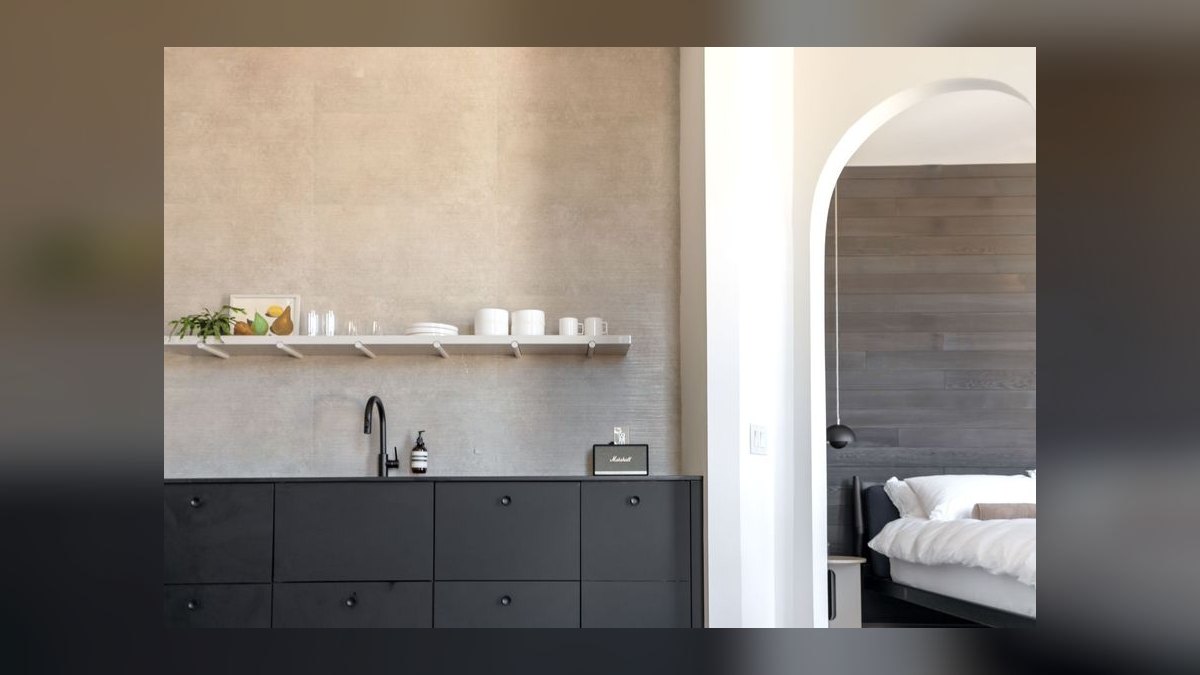
A GTM playbook that lives in a document is decoration. What makes it real is a meeting and reporting cadence that forces the numbers into daylight on a fixed schedule.
Daily, the production manager and the coordinators run a fifteen-minute standup on jobs in flight: which crews are where, what material is landing, which jobs are blocked on inspection, and which punch lists are aging past a week. Aging punch lists are the leading indicator of a bad review, because the homeowner has already paid most of the money and now feels ignored.
Weekly, the pipeline review. Every open opportunity by stage, with three questions per deal: is the deposit paid, are both deciders engaged, and what is the specific next commitment on the calendar. Deals without a next commitment aren't deals. This is also where channel performance gets read — cost per booked job by source, trailing 30 days, with call tracking attached to every paid number so you can kill what isn't producing rather than guessing.
Monthly, the margin review. Job-cost close on everything completed, actual versus estimated by line, and a hard look at any job that landed under the target band. One under-margin job is a mistake; three in the same category is a broken template.
Quarterly, the two structural reviews: showroom refresh and pricing. Vignettes older than roughly two years read as dated to a homeowner who has been on Pinterest all week, and a tired showroom quietly suppresses close rate in a way no report will surface. Pricing gets rebuilt against current vendor costs in the same quarter.
The tooling should collapse rather than sprawl. One job-management backbone — the sub-$8M tier typically standardizes on JobTread, larger operators on BuilderTrend — carrying CRM, estimating, scheduling, daily logs, the client portal, and accounting sync. One design layer, with 2020 Design as the showroom standard because manufacturer catalogs ship native, or Chief Architect where whole-home construction documents are needed, or a lightweight tool like Cedreo for fast in-appointment renders. One reputation and messaging layer for review generation and SMS follow-up, because homeowner response rates on SMS dwarf email. One call-tracking layer so channel attribution is measured rather than asserted. Running two backbones in parallel is worse than running the weaker one alone, because double data entry consumes exactly the designer hours you're paying premium comp for.
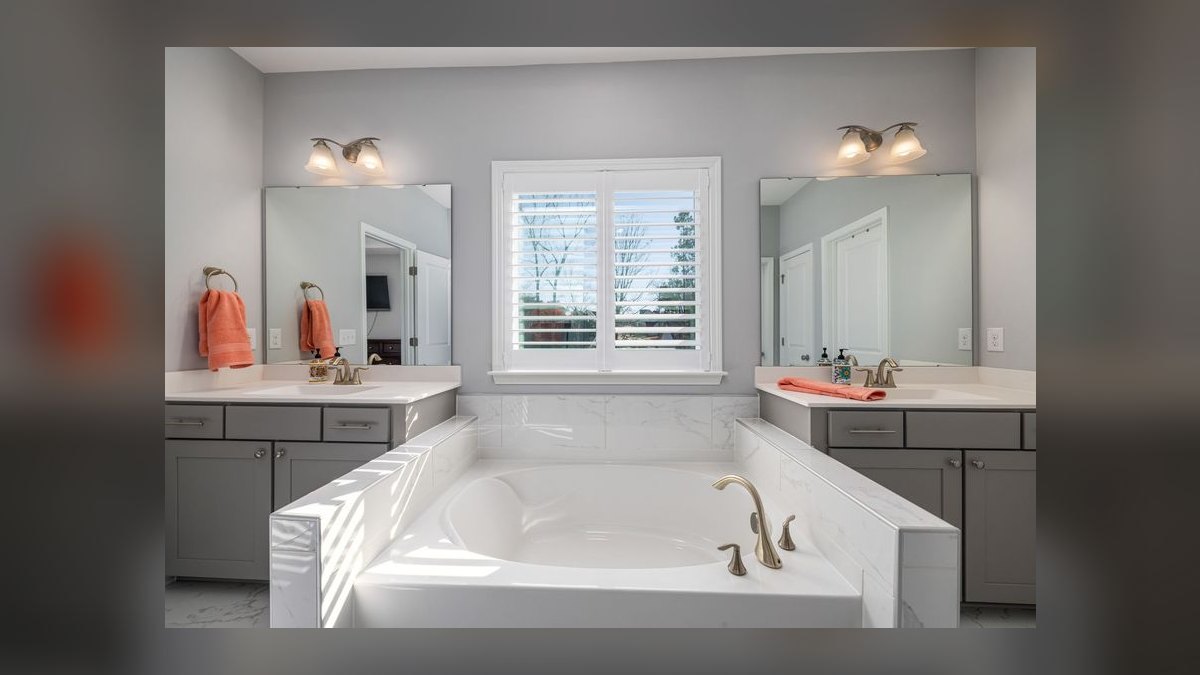
The newest lever is the AI layer, and it earns its place in two narrow spots. After-hours and weekend lead qualification — the window where a homeowner fills out a form at 9 p.m. and calls the next competitor at 9:04 — is a genuine conversion lift on a channel you've already paid for. And AI-assisted estimating that drafts a bill of materials from a design export compresses proposal build time from hours to minutes, which is the difference between quoting at the appointment and quoting three days later, after the homeowner has cooled. Neither replaces a designer. Both remove the friction that costs deals.
A ninety-day ramp sequences all of this. The first month is diagnostic: pull twelve months of leads by source, kill anything above the cost-per-booked-job ceiling, walk the showroom with the design team, and implement the design deposit on every consult booked from mid-month forward. The second month is pricing and pipeline: rebuild the fixed-bid template against current costs, recruit designer-closers if showroom volume justifies the seat, and launch the structured post-install touch program. The third month is scale and lock: add after-hours qualification, secure the sub-crew bench on right-of-first-refusal, push referral mix upward, and set the next quarter's targets against the four ratios.
The last edge is the one franchised competitors structurally cannot copy: the past-customer tail. Kitchen and bath is not naturally recurring, but it can be engineered toward a five-to-eight-year repurchase cycle. A bath customer who had a good experience is a strong kitchen prospect inside three years, and a kitchen customer is an even stronger bath prospect because they're already in remodel mode. A paid workmanship-warranty extension at handoff, a low-cost bath refresh offer aimed at the four-year mark, and a quarterly before-and-after email to the full past-customer list turn a one-time transaction into a book of business. Past-customer and referral revenue carries no acquisition cost and closes far above cold-lead rates, which means every point you move it is a point of pure margin — and it's the compounding asset that separates a durable local brand from a business that has to re-buy its entire pipeline every January.
Related questions

How is this different from a general remodeling GTM playbook?
Kitchen and bath carries a higher ticket, a longer deliberation window, and a design-labor cost that general remodeling doesn't have. That design cost is what forces the deposit gate. Roofing or siding can sell off a measure; kitchens require a render, and renders must be paid for.
Should a small operator open a showroom before hitting $2M?
Usually no. Below roughly $2M in revenue, showroom lease and salaried overhead outrun the conversion lift. Run a lean design-build motion with in-home consults and a strong portfolio first, then add retail space once volume can absorb the fixed cost.
Does the design deposit hurt lead volume?
It reduces raw appointment count and raises close rate and margin simultaneously. You lose prospects who were sourcing free design labor, which is the intended effect. Judge it on cost per booked job and gross profit per designer hour, never on appointment count.
What is the fastest lever for an operator stuck at flat revenue?
Reprice the estimating template against current vendor costs, then fix consult-to-sit with reminder discipline. Both take weeks, cost nothing, and typically recover more margin than any new marketing channel would add in the same period.
How do you compete with franchised bath-conversion brands?
Don't compete on their lane. They own fast, low-scope tub-to-shower conversions on a cost structure built for it. Win on true-tile builds, custom cabinetry, whole-room reconfiguration, and warranty depth — the work their model isn't designed to deliver.
FAQ
What gross margin should a kitchen and bath remodeler target?
Aim for 48–52% at the job-cost line, with materials in the high-30s to low-40s percent of revenue, direct labor in the high teens to low twenties, and subcontracted trades in the low-to-mid teens. Sustained performance in the low 40s or below almost always traces to a stale estimating template rather than to pricing strategy or market softness.
How much should a design deposit be, and is it refundable?
Commonly $1,500–$3,500 depending on scope and market, non-refundable, and credited against the project on contract signature. The non-refundable structure is the entire point — it converts a browser into a committed buyer and funds the render time. Make the terms explicit in writing at the appointment so there's no dispute later.
Which job-management platform should a growing remodeler standardize on?
Sub-$8M operators typically standardize on JobTread; larger operators with heavier document-control and client-portal needs tend toward BuilderTrend. The specific choice matters far less than picking one and running everything through it. Operating two backbones in parallel creates double data entry that consumes the designer hours you're paying premium comp for.
What is a realistic cost per booked job?
It varies widely by market and channel mix, but any source drifting past roughly $1,200 per booked job should be restructured or cut. Track it by channel with call tracking on every paid number, and evaluate on trailing 30 days so you're reacting to signal rather than to a single unusual week.
How should designer-closers be compensated?
Base salary plus commission on gross profit — never on revenue, which quietly incentivizes discounting — plus a modest monthly bonus tied to booked consults, plus company-paid NKBA dues and credential costs. A designer writing $1.8M–$2.6M in personal volume justifies six figures of variable comp and is dramatically cheaper than a vacant seat.
How do you build recurring revenue in a one-time-purchase category?
Engineer a five-to-eight-year repurchase cycle. Attach a paid workmanship-warranty extension at handoff, market a low-cost bath refresh at the four-year mark, and cross-sell between kitchen and bath customers who are already in remodel mode. Past-customer and referral revenue carries zero acquisition cost and closes well above cold-lead rates.
Sources
- https://nkba.org/research/
- https://www.houzz.com/magazine/houzz-research
- https://www.jchs.harvard.edu/research-areas/remodeling
- https://www.nahb.org/news-and-economics/housing-economics
- https://www.census.gov/construction/c30/c30index.html
- https://support.google.com/localservices/answer/6224841
- https://www.bls.gov/ooh/construction-and-extraction/carpenters.htm
- https://www.hiri.org/
- https://www.jobtread.com/pricing/
- https://buildertrend.com/pricing/
Related on PULSE
This page will be disappearing soon. Save it to your device for $1 — or read it free while it is here.
@Kory-White- · if Venmo asks, the last 4 of my number are 2012
This page is gone.
This one is off the shelf now. $1 keeps it on your phone for good — the whole page, pictures and diagrams included.
 gtm-playbookHow do you build a robotic process automation (UiPath / Automation Anywhere) go-to-market motion in 2027?
 gtm-playbookHow do you build a workforce management go-to-market motion in 2027?
 gtm-playbookGTM Playbook for Plumbing Services in 2027
 gtm-playbookGTM Playbook for Optometry Practices in 2027
 gtm-playbookGTM Playbook for Garden Centers and Nurseries in 2027
 gtm-playbookHow do you build a compliance training platform go-to-market motion in 2027?
 gtm-playbookHow do you build the GTM playbook for a window cleaning service operator in 2027?
 gtm-playbookWhat is the go-to-market playbook for community-led growth in 2027?
 gtm-playbookHow do you build a payroll and benefits administration go-to-market motion in 2027?
 gtm-playbookWhat is the go-to-market playbook for a partner-led (channel) motion in 2027?