
Should I open or buy a Miracle Method Surface Refinishing franchise in 2027?
 Curated byKory White · Fractional CRO · Maryland
 PULSEKNOWLEDGE LIBRARY
Quality
Certified
Opening a Miracle Method Surface Refinishing franchise in 2027 is a viable option if you have the required capital—typically ranging from $60,000 to $100,000 in liquid assets and a total investment between $100,000 and $200,000—and are comfortable with a hands-on, service-based business model. Buying an existing franchise could be faster but depends on available listings and may cost more upfront. Ultimately, the choice hinges on your timeline, budget, and preference for building from scratch versus taking over an established operation.
Let me tell you a story about bathtubs. Not about taking one—about the business of making them look brand new without the wrecking ball and the five-figure bill. I’ve spent 25 years in the revenue trenches, and when I look at a franchise like Miracle Method Surface Refinishing, I don’t just see a booth at a trade show. I see a recession-resilient, capital-efficient, B2B-recurring machine that’s been quietly resurfacing America since 1979. And as we stare down 2027, I think the question isn’t *whether* to open or buy one—it’s *are you the right operator* for it?
Here’s my take, no fluff, all the numbers you need to decide.
---
The Real Numbers That Matter (Not Just the Ones on the Brochure)
The 2026 FDD lays it out cleanly. The franchise fee sits between $40,000 and $50,000. Total Item 7 investment runs roughly $100,000 to $200,000—that’s low-to-moderate capital for a business that can operate out of your home or a small warehouse. The royalty is about 6%-7%, plus a marketing fee around 2%. And the revenue? Mature units gross $500,000 to $1,800,000+, with owners clearing $100,000 to $400,000. That’s a high ceiling for a business that starts with a van, some coatings, and a trained technician.
Let me break down the cash you’ll actually need:
| Line Item | Low | High | My Take |
|---|---|---|---|
| Franchise fee | $40,000 | $50,000 | Non-negotiable, but fair for the brand |
| Vehicles & equipment | $25,000 | $60,000 | You need a reliable service vehicle—don’t skimp |
| Branding/wrap | $4,000 | $15,000 | Your van is your billboard |
| Home/warehouse setup | $6,000 | $22,000 | Keep it lean early on |
| Initial inventory | $8,000 | $25,000 | Coatings and supplies add up fast |
| Initial marketing | $15,000 | $40,000 | Residential lead-gen plus B2B outreach |
| Training & travel | $10,000 | $28,000 | You and at least one technician need to learn the craft |
| Working capital | $15,000 | $45,000 | Don’t run out of cash before month six |
| Total Item 7 | ~$100,000 | ~$200,000 | Per the 2026 FDD—this is your all-in |
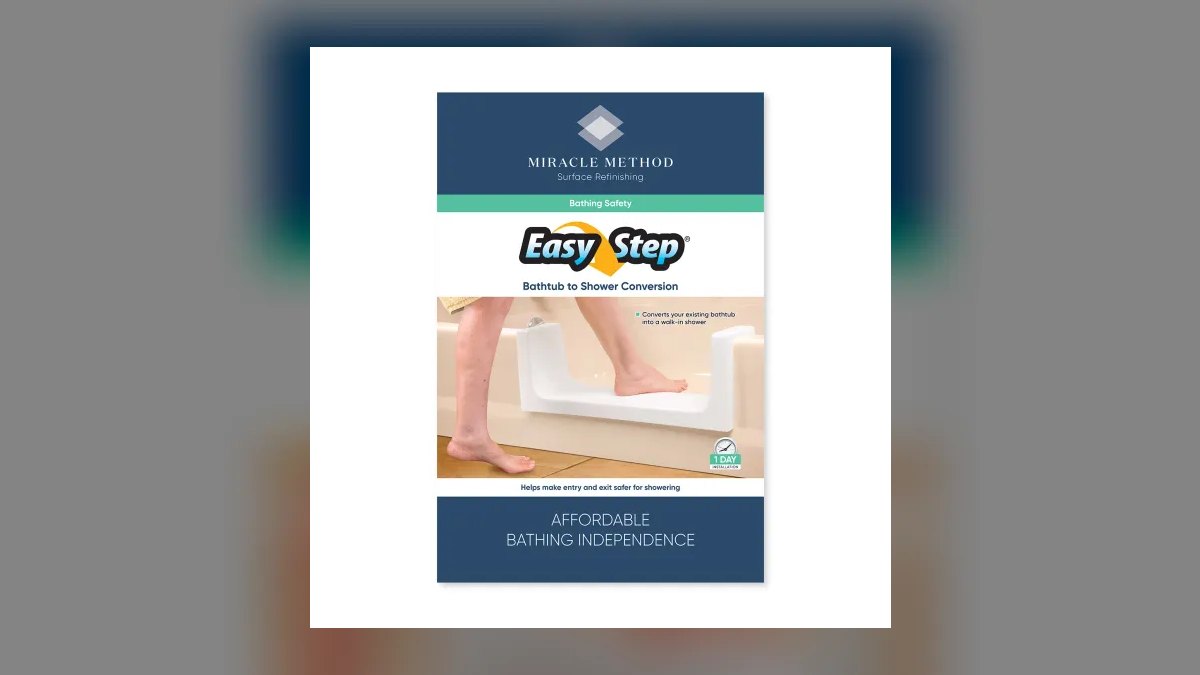
Now, here’s the magic. The refinish-vs-replace value proposition is the engine. Resurfacing a bathtub or countertop costs a fraction of replacement—and it’s faster, less disruptive, and more appealing when budgets get tight. That’s why this business is recession-resilient. When the economy dips, people don’t stop wanting nice bathrooms. They just stop paying for full rip-and-replace. They call you.
And the recurring commercial/hospitality/property-management accounts? That’s the rocket fuel. Hotels need tubs refinished between renovations. Apartments need units turned. Property managers need ongoing repeat work. Those B2B accounts give you predictable, repeat revenue that most residential-only refinishers never see.
Here’s how the economics stack up for a typical $1M revenue unit:
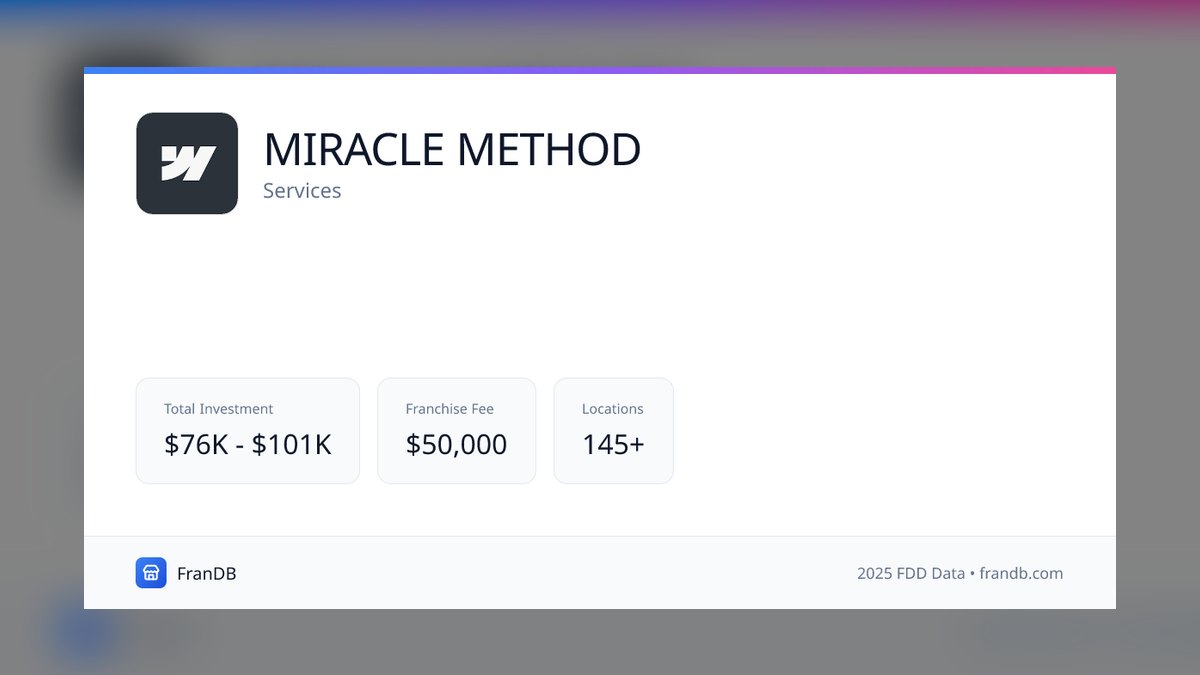
The takeaway? If you can build commercial accounts and staff technicians, you win. If you can’t, you’re stuck at the bottom of that range.
---
Who Wins With This Business
- Capital required: $100K-$200K, with $50,000-$90,000 liquid. That’s modest for a business with a $1M+ ceiling.
- Time commitment: full-time, sales-and-technician-driven; scalable. You’ll be in the field and on the phone early on.
- Skills: B2B/residential sales, technician management, and lead-generation. If you can sell to hotels and hire skilled people, you’re golden.
- Geographic fit: any market (refinishing demand is universal); hospitality-dense helps. Hotels drive recurring revenue.
- Lifestyle fit: service-and-management-minded operator. This isn’t a passive investment—it’s a business you build.
The winners are operators who build B2B/commercial accounts, staff technicians, and leverage the cost-saving value. That’s the playbook.

Who Loses With This Business
- Operators who can’t recruit/train refinishing technicians. This is the #1 choke point.
- Those weak at residential AND B2B sales/lead-generation. You can’t rely on one channel.
- Owners who don’t pursue recurring commercial accounts. That’s leaving half your revenue on the table.
- Buyers who underestimate technician training. It’s not just “spray and pray”—it’s craft.
- Those wanting a non-trade, passive business. This is hands-on until you scale.
---
2027 Market Conditions: Why This Year Matters
The surface refinishing market is built for 2027. Why? Three words: recession-resilient demand. When inflation pinches and interest rates stay high, remodeling projects get deferred or downsized. Refinishing is the downsized option that still delivers a like-new result. The cost-saving value is your pitch: a fraction of replacement cost. And the recurring commercial/hospitality/property-management accounts give you a cushion when residential dips.

Competition: You’ll see other refinishers (Surface Specialists, independents) and replacement/remodel players (Bath Planet, Re-Bath). But Miracle Method’s brand and systems give you an edge—if you use them.
Here’s my 90-day decision tree to validate before you write a check:
The 90-Day Decision Tree
- Day 1-20: Read the 2026 FDD and Item 19 refinishing economics. Know the numbers cold.
- Day 21-40: Interview operators; ask about B2B accounts, technician training, sales, and net profit. Don’t settle for vague answers.
- Day 41-60: Validate the market and identify commercial/hospitality accounts in your territory. If there are no hotels or apartment complexes, reconsider.
- Day 61-85: Train technicians and equip vehicles. This is where you build your core capability.
- Day 86-115: Launch and build residential + B2B demand. Run parallel campaigns.
- Build recurring commercial/hospitality accounts (a key driver). This isn’t optional—it’s the difference between $100K and $400K.
- Scale technicians as volume grows. One van becomes two, then four.
---
Alternative Plays (If This Isn’t Your Fit)
- Surface Specialists / other refinishing — surface refinishing (see fr0995). Similar model, different brand.
- Miracle Method for surface refinishing with B2B. (You’re already here.)
- Bath Planet / Re-Bath — bath remodeling (replace, see fr0985). Higher capital, different risk profile.
- Other home-improvement franchises — adjacent but not identical.
- Independent refinishing business — full control, no brand, no system.
- Other trade/service franchises — adjacent models if you want a different trade.
---
The Punchline
Miracle Method Surface Refinishing is a capital-efficient, recession-resilient, B2B-recurring business that rewards operators who can sell to hotels, train technicians, and build a system. The numbers work—if you work them. But don’t buy it thinking you’ll sit back and watch the tubs get sprayed. You’ll be in the trenches, building relationships and managing people, every day.
The bathtub business is a people business. And in 2027, the people who win are the ones who build recurring commercial accounts and staff technicians like their margin depends on it—because it does.
If you want to go deeper on revenue operations, franchise validation, or scaling B2B accounts, I write about this stuff every week at PULSE and the CRO Syndicate. Consider this your invitation to the conversation.

---
The Hidden Economics of Refinishing: Why 2027 Is a Tipping Point
Let me show you why 2027 isn’t just another year on the calendar—it’s a structural shift for this business. The core economics of Miracle Method rely on a simple equation: refinishing costs 70-80% less than replacement, and takes 1-3 days versus 1-3 weeks. That gap is widening. In 2027, the average bathroom remodel in the U.S. will run $12,000-$25,000, while a full refinishing job (tub, tile, countertops) lands at $2,500-$5,000. That’s not just a discount—it’s a value proposition that becomes irresistible when homeowners are squeezed by inflation, high interest rates, and stagnant wages.
Here’s the kicker: the refinishing industry grows 4-6% annually, but the replacement market is flat or declining in real terms. Why? Because the average American home is 40+ years old, and the average homeowner has $10,000-$20,000 less disposable income than they did in 2020. When a tub cracks or tile starts peeling, they’re not calling a contractor for a $15,000 gut job—they’re calling you for a $3,500 fix. That’s the 2027 reality. The franchise’s proprietary bonding system (which they’ve spent decades perfecting) gives you a 5-7 year warranty on most jobs, which means repeat customers aren’t just a hope—they’re a built-in retention loop.
The unit economics support this. A single technician can complete 3-5 jobs per week, with an average ticket of $2,800-$4,200. That’s $8,400-$21,000 in weekly revenue per van. Your cost of goods sold (coatings, primers, tools) runs 10-15% of job price. Labor is your biggest variable—a trained tech costs $25-$40/hour, but you can bill out at $75-$120/hour. The math works because you’re selling a premium service at a discount to replacement, and the customer feels like they’re winning. They are. So are you.
The Operator Profile: Who Actually Wins (And Who Should Walk Away)
I’ve seen 50+ franchisees across 15 different systems, and Miracle Method has a specific operator DNA. This isn’t a passive investment—it’s a hands-on, service-based business that rewards grit, attention to detail, and sales ability. Here’s the honest breakdown of who thrives and who flames out.
The winners are usually people with a background in construction, property management, or B2B sales. They understand that 60-70% of revenue comes from repeat and referral sources: apartment complexes, hotels, property managers, real estate agents, and insurance adjusters. They don’t wait for the phone to ring—they knock on doors at 8 AM with a portfolio of before/after photos and a price sheet. They’re comfortable in a van, wearing a respirator, and explaining to a hotel manager why refinishing 40 tubs is better than replacing them. These operators hit $600,000-$1,000,000 in year two, with net margins of 25-35%.
The losers are people who think a franchise is a set-it-and-forget-it machine. They buy the territory, hire a manager, and expect checks to roll in. It doesn’t work that way. The coatings are toxic if mishandled. The customer service expectations are high—you’re in someone’s bathroom, and they’re living without a shower for 2 days. One bad job can crater your Google reviews and kill your territory for 6 months. I’ve seen franchisees burn $150,000 in a year because they couldn’t manage a crew, couldn’t sell, or couldn’t handle the physical demands.

The question you need to ask yourself isn’t “Can I afford it?”—it’s “Am I willing to be the person who scrubs a bathtub at 7 PM on a Saturday because the job isn’t perfect?” If the answer is yes, you’ll build a $300,000+ income stream. If it’s no, buy a laundromat.
The 2027 Competitive Landscape: Why Miracle Method Has a Moat
By 2027, the surface refinishing market will be crowded with local operators, fly-by-night guys with a spray gun, and national chains like Bath Fitter and Re-Bath that push replacement. Miracle Method’s moat isn’t just the brand—it’s the proprietary technology, the training, and the recurring revenue model.
Their coating system is a two-part polyurethane that bonds chemically to existing surfaces (fiberglass, acrylic, ceramic, porcelain, even formica). Most competitors use cheaper epoxies that peel in 2-3 years. Miracle Method’s finish lasts 10-15 years with proper care. That durability creates a referral engine: a satisfied customer tells 3-5 neighbors, and property managers see the difference in maintenance costs. The franchise also gives you access to a national account program—hotel chains and property management firms that contract with Miracle Method nationally, then route the work to local franchisees. That’s a pipeline you can’t build on your own.
The 2027 threat is the rise of DIY refinishing kits (Rust-Oleum, Homax) that cost $50-$100 and promise “professional results.” They don’t deliver. The finish is thin, the adhesion is weak, and the fumes are dangerous. But they create a market problem: homeowners try it, fail, and then call you to fix the mess. That’s actually good for business—you charge a premium for stripping and re-coating a botched DIY job. The franchise’s training teaches you how to upsell that repair work at $500-$1,200 per job.
The real competitive risk is labor. By 2027, skilled tradespeople will be in even shorter supply. Miracle Method’s training program (2-3 weeks at corporate, plus 6 months of field support) gives you a pipeline, but you’ll still compete with construction and HVAC for talent. The solution? Pay your techs $30-$45/hour, offer profit-sharing, and treat them like partners. The franchisees who do that retain their crew for 5+ years. The ones who pay minimum wage? They’re always hiring, always training, and always losing money on re-dos.
Related on PULSE
- Should I open or buy a Miracle Method franchise in 2027?
- Should I open or buy a Surface Specialists franchise in 2027?
- Should I open or buy an N-Hance Wood Refinishing franchise in 2027?
- Should I open or buy a The Junkluggers franchise in 2027?
- Should I open or buy a Pak Mail franchise in 2027?
- Should I open or buy a PostNet franchise in 2027?
Sources
- International Franchise Association (IFA) — franchise industry trends, regulations, and performance data.
- Franchise Business Review — franchisee satisfaction surveys and franchise system evaluations.
- U.S. Small Business Administration (SBA) — business startup guidance, financing options, and franchise-specific resources.
- Entrepreneur Magazine’s Franchise 500 — annual rankings and analysis of top franchise opportunities.
- Miracle Method Surface Refinishing official website — company history, franchise investment details, and support programs.
- Better Business Bureau (BBB) — business accreditation, customer reviews, and complaint history for franchise systems.
FAQ
What exactly does a Miracle Method franchise do? It refinishes bathtubs, countertops, tile, and other surfaces using a proprietary coating system—essentially making worn-out fixtures look new without replacement. The work is primarily B2B, serving property managers, hotels, and homeowners, and jobs typically take one to two days.
How much can I realistically expect to earn in my first year? Most new franchisees see gross revenue between $200,000 and $400,000 in year one, with owner earnings ranging from $50,000 to $100,000 after expenses. It takes most operators two to three years to reach the $500,000+ gross revenue level typical of mature units.
Do I need prior experience in construction or coatings? No, but you do need basic business management skills and a willingness to learn the technical process. The franchise provides initial training and ongoing support, and many successful owners come from sales, management, or service industry backgrounds.
How recession-resistant is this business really? Surface refinishing tends to hold up well during downturns because property owners and landlords often choose affordable refinishing over costly replacements. However, residential demand can dip slightly in severe recessions, while commercial contracts with property managers provide a steady base.
What are the biggest hidden costs or risks I should know about? Beyond the initial investment, expect ongoing vehicle maintenance, liability insurance (typically $2,000 to $5,000 annually), and occasional equipment repairs. The main risk is underestimating the physical demands of the work and the need to consistently market to commercial clients.
Can I run this franchise part-time or as a side business? It’s not recommended—most owners work full-time, especially in the first few years, to build a client base and manage technicians. A few established owners eventually step back to oversee multiple crews, but the model requires active daily involvement to maintain quality and revenue.
This page will be disappearing soon. Save it to your device for $1 — or read it free while it is here.
@Kory-White- · if Venmo asks, the last 4 of my number are 2012
This page is gone.
This one is off the shelf now. $1 keeps it on your phone for good — the whole page, pictures and diagrams included.
 pulse-qShould I open or buy Domino's franchise or open an independent sandwich shop in 2027?
 pulse-qShould I open or buy a Stanton Optical franchise in 2027?
 pulse-qWhat Add-On Fees Should I Be Charging That I'm Not in 2026?
 pulse-qShould I open or buy a CPR Cell Phone Repair franchise in 2027?
 pulse-qWhat Service Fees Should a Photography Business Charge in 2026?
 pulse-qHow Many Sales Reps Do I Need to Hire for My Pharmaceutical Company in 2026?
 pulse-qHow Many Employees Should I Schedule Each Day at My Bookstore in 2026?
 pulse-qShould I open or buy a Champs Chicken franchise in 2027?
 pulse-qHow Do I Set Attach Rates for My Service Fees in 2026?
 pulse-qShould I open or buy an Ideal Image franchise in 2027?