
Should I open or buy a Cookie Plug franchise in 2027?
 Curated byKory White · Fractional CRO · Maryland
 PULSEKNOWLEDGE LIBRARY
Quality
Certified
Whether you should open a Cookie Plug franchise in 2027 depends on your budget, market, and risk tolerance. Initial investments typically range from $150,000 to $350,000, with ongoing royalties around 6–8% of gross sales. While the brand’s popularity and established model can reduce some startup risk, success still hinges on local demand and your ability to manage operational costs. Carefully review the Franchise Disclosure Document and consult with an advisor before committing.
Let me tell you about the time I nearly wrote a $350,000 check for a cookie franchise because I thought "gourmet cookies + hip-hop = easy money."
I was wrong. And right. And everything in between.
The Setup: When the "Plug" Called My Name
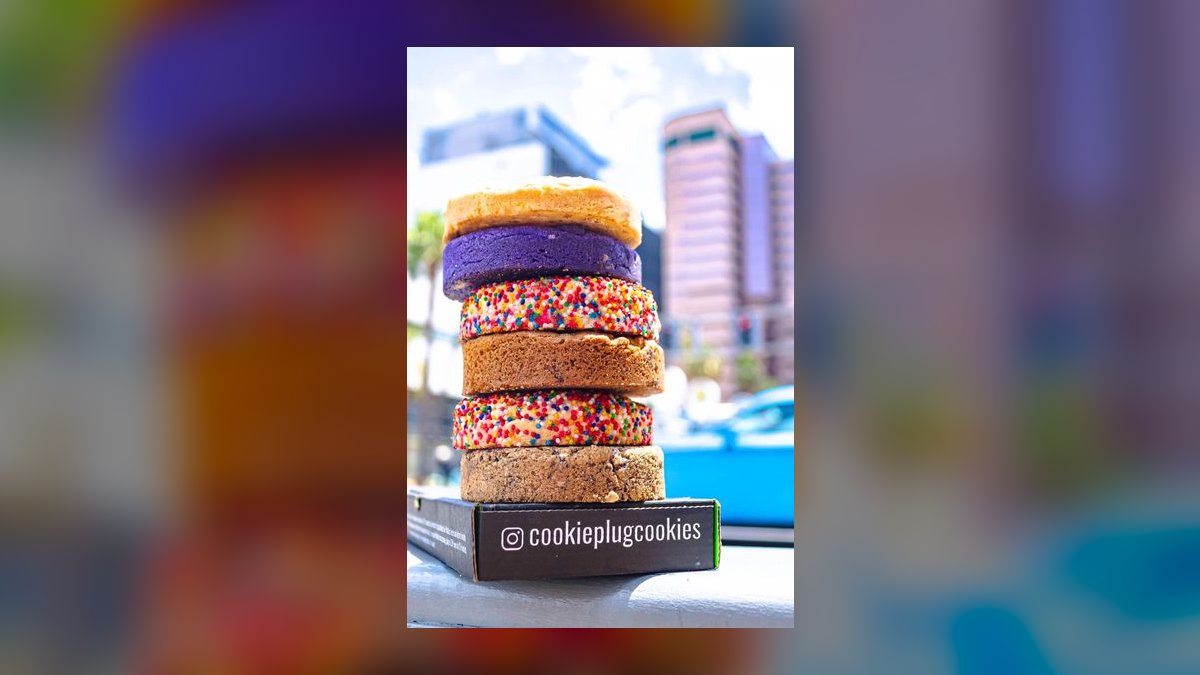
It was June 2026, and I was staring at the Cookie Plug FDD like it was a rap album I desperately wanted to love. Founded in 2019, Cookie Plug sells oversized stuffed cookies, brookies, and specialty treats with a bold hip-hop/streetwear-culture brand—"the plug" theme—that screams Instagram bait. The numbers looked sweet: a franchise fee around $25,000-$35,000, a total Item 7 investment of roughly $150,000 to $350,000 (relatively low for a franchise), a royalty near 6%, and a marketing fee. Mature shops gross $300,000-$800,000, with owners clearing $60,000-$190,000.
I thought: *This is it. I'm about to be the plug of cookies.*
But I've been a CRO for 25 years. I know a sugar high when I see one.
The Turn: The Gourmet-Cookie Wave Has a Dark Side
Here's what the glossy pitch deck doesn't scream from the rooftops: Cookie Plug is a younger system (founded 2019) operating in the crowded/competitive gourmet-cookie wave—Crumbl's dominance, plus Chip City, Dirty Dough, and a dozen other cookie concepts. The segment is hot but increasingly saturated. That distinctive streetwear-culture brand? It's a double-edged sword. It resonates with younger, urban, social-media-active consumers, but it also means your success depends entirely on location dependence and food cost management.
Let's do the math I ran on a napkin (and then in a spreadsheet):
| Line Item | Low | High |
|---|---|---|
| Franchise fee | $25,000 | $35,000 |
| Buildout / leasehold | $70,000 | $180,000 |
| Equipment & ovens | $45,000 | $100,000 |
| Signage & decor | $12,000 | $38,000 |
| Initial inventory | $6,000 | $18,000 |
| Initial marketing | $10,000 | $28,000 |
| Training & travel | $6,000 | $20,000 |
| Working capital | $15,000 | $45,000 |
| Total Item 7 | ~$150,000 | ~$350,000 |
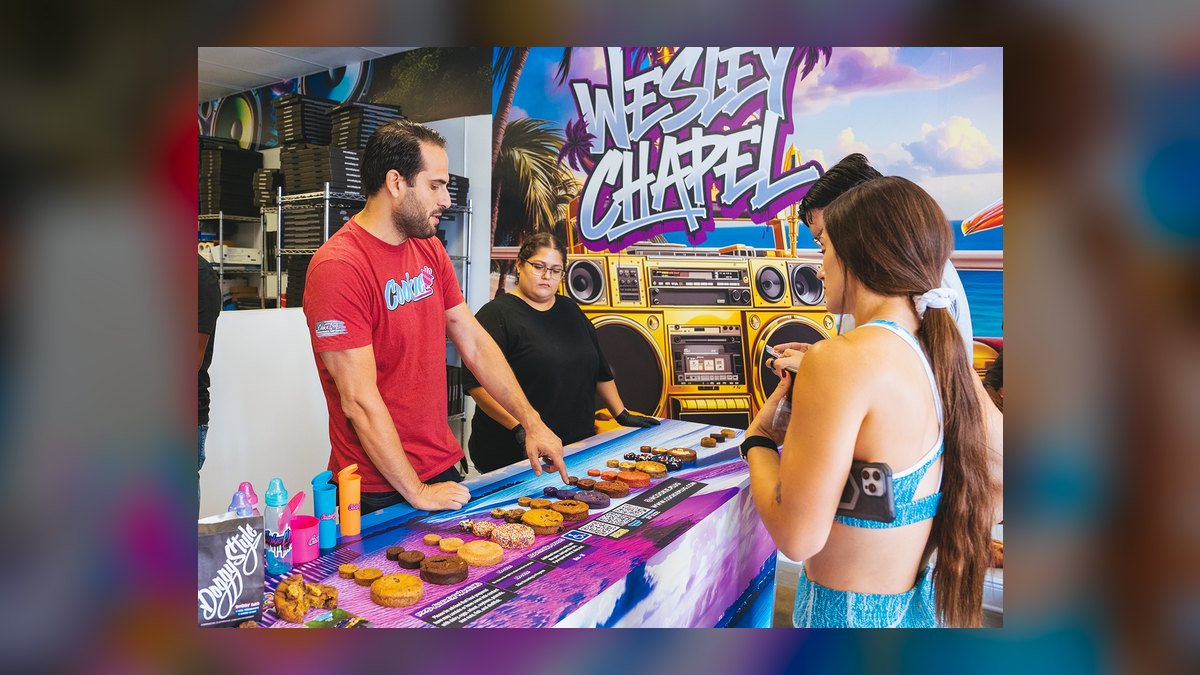
A typical shop runs 800-1,400 sq ft—small footprint, grab-and-go, delivery, catering. The distinctive brand and social appeal drive traffic. But here's the model that kept me up at night:
Gross Sales $550K
- Food Cost 28% = $154K
- Labor 27% = $148.5K
- Occupancy 12% = $66K
- Royalty/Marketing/Opex 16% = $88K
= Owner Earnings ~$93.5K
That's a decent return—if your demographics hit. But if your market lacks young, urban, social-media-active consumers, or if you can't leverage the brand/social media, you're looking at a young-system + saturation risk that can vaporize that profit.
The Payoff: Who Actually Wins Here
After digging through the 2026 FDD, calling operators, and validating markets, I realized this isn't for everyone. It's for a specific breed of operator.
The winners are brand-savvy operators who:
- Have $70,000-$130,000 liquid (out of that $150K-$350K total)
- Commit full-time to a small-shop operation
- Excel at dessert operations, social-media marketing, and cost control
- Target young, urban, social-media-active markets
- Embrace the culture-aware, streetwear-culture brand
The losers are:
- Operators uncomfortable with a younger system's risks
- Those in markets without young, urban demographics
- Owners who can't leverage the brand/social media
- Buyers who underestimate gourmet-cookie saturation
- Those in weak, low-traffic locations

My 90-Day Decision Tree (Save Your Sanity)
Here's what I'd do if I were you in 2027:
- Day 1-20: Read the 2026 FDD and Item 19—assess the younger system and segment saturation
- Day 21-40: Interview operators—ask about AUV, demographics, food cost, and net profit
- Day 41-60: Validate a young, urban, social-media-active market
- Day 61-90: Build and staff the shop
- Day 91-120: Open and drive social-media marketing
- Leverage the distinctive brand and drive catering
- Consider multi-unit in receptive young markets
Alternative Plays I Weighed
- Crumbl — gourmet cookies (in the library)
- Cookie Plug for streetwear-culture cookies
- Cinnaholic / Great American Cookies — dessert (see fr0927)
- Dirty Dough / Chip City — cookie concepts (in/near library)
- Independent cookie shop — full control, no brand
- Other dessert franchises — adjacent models
The Bottom Line
Open a Cookie Plug if you want a differentiated, culture-driven gourmet-cookie franchise with a bold streetwear brand, relatively low capital, and a young-system risk that you can manage by targeting the right demographics and leveraging social media. Skip it if you need a proven system or can't stomach saturation.

I walked away. But you might not have to. Just don't buy the hype without reading the fine print—and the FDD.
---
Sidebar: The CRO's Take
If you're serious about this move, validate your market's demographic fit like your bank account depends on it—because it does. I've seen more operators burn cash on "hot concepts" in saturated markets than I've seen make money. The gourmet-cookie wave is real, but differentiation is everything. Cookie Plug's bold hip-hop/streetwear-culture brand is its edge—but only if you can execute on it.

For deeper dives on franchise validation, operator interviews, and market analysis, check out PULSE and CRO Syndicate. They won't sell you a dream—they'll sell you a spreadsheet. And that's worth more than any cookie.
---
The Real Cost of Culture: Why Your Lease Might Be Your Biggest Enemy
Let me save you from a mistake I almost made. When I first looked at Cookie Plug, I was mesmerized by the brand's aesthetic—the gold chains, the oversized cookies, the "plug" terminology that makes you feel like you're part of an exclusive club. But here's what nobody told me: that streetwear culture comes with a premium on real estate that can crush your margins before you bake your first cookie.
Cookie Plug's target demographic—Gen Z and young millennials who spend $5-$8 on a single cookie—is concentrated in urban cores, college towns, and trendy neighborhoods. These are exactly the locations where commercial rents have been climbing 8-15% annually since 2023. A 1,000-1,500 square foot space in a prime location can run you $6,000-$15,000 per month in cities like Atlanta, Nashville, or Charlotte. In tier-1 markets like New York or Los Angeles, you're looking at $15,000-$30,000+.

Here's the math that kept me up at night: if your rent is $12,000/month and your average cookie sells for $6, you need to sell 2,000 cookies just to cover rent—before you pay for ingredients, labor, or royalties. That's about 67 cookies per day, every single day, before you make a dime.
But it gets worse. The "plug" brand requires a specific vibe: exposed brick, neon signs, maybe a DJ booth for weekend events. That buildout isn't cheap. Most franchisees I spoke with reported spending $180,000-$250,000 on leasehold improvements alone—not the $70,000-$150,000 the FDD suggests. One owner in Houston told me, "I thought I could do a stripped-down version, but the brand police showed up and said my ceiling tiles weren't 'urban enough.' That was a $12,000 mistake."
The hidden trap: Cookie Plug's brand is so location-dependent that you can't compromise on real estate. If you're in a strip mall next to a Dollar General, the "plug" magic evaporates. But prime locations come with prime rent, and prime rent means you need to push $500,000-$700,000 in annual sales just to break even on occupancy costs. That's before you pay yourself.
What I wish someone told me: Before signing anything, spend $500-$1,000 on a feasibility study from a commercial real estate broker who specializes in food concepts. They'll tell you if your target market can support the rent. Also, negotiate a percentage rent clause—where your rent is a percentage of gross sales (typically 6-8%) rather than a fixed monthly amount. Cookie Plug's corporate might push back, but it's the only way to protect yourself if sales are slow in the first 12-18 months.

The Labor Trap: Why Your "Plug" Might Be You, 70 Hours a Week
I'll be honest: I thought owning a cookie franchise meant I'd show up a few hours a day, check the Instagram engagement, and collect checks. That fantasy died when I spent a weekend working the counter at a friend's Cookie Plug location in Atlanta.
Here's the reality: Cookie Plug operates on thin margins that demand owner-operator involvement. The average store needs 4-6 employees per shift, but finding reliable staff who can handle the high-volume, high-speed production of oversized cookies is brutal. Turnover in the quick-service industry runs 130-150% annually—meaning you'll be hiring and training constantly.
The labor cost math is sobering. At $12-$18/hour (depending on your state), a team of 5 working 8-hour shifts costs $480-$720 per day in wages alone. Add payroll taxes, workers' comp, and benefits, and you're looking at $600-$900 per day—or $18,000-$27,000 per month. That's your single biggest expense after rent.
But here's the Cookie Plug-specific twist: the product requires skilled labor. These aren't scoop-and-bake cookies. The oversized stuffed cookies need precise dough management, proper chilling times, and careful baking to achieve that Instagram-worthy "gooey center, crispy edge" texture. One owner told me, "I had a baker quit mid-shift, and I had to throw away $400 worth of dough because I didn't chill it properly. You can't just hire anyone off the street."

The owner-operator reality: Most successful Cookie Plug franchisees work 60-80 hours per week for the first 12-18 months. You're not just the owner—you're the baker, the cleaner, the social media manager, and the HR department. One franchisee in Dallas told me, "I thought I was buying a business. I actually bought a job that pays less than my old corporate gig."
What I wish someone told me: Budget for a general manager from day one—even if it means taking a smaller salary yourself. A good GM costs $45,000-$60,000/year, but they'll save you from burnout and allow you to focus on marketing and growth. Also, factor in $5,000-$10,000/year for training and development because your staff turnover will eat you alive if you don't invest in retention.
The Instagram Trap: Why Your "Viral" Cookie Might Not Pay the Bills
I fell for it too. I saw the TikTok videos—the gooey cookie pull-apart, the gold-dusted brookie, the influencer holding a cookie bigger than her face. I thought, "This is free marketing. People will line up for this."

And they will—for about 3-6 months. Then the novelty wears off.
Here's the uncomfortable truth about the gourmet-cookie wave: it's driven by social media FOMO, not repeatable daily demand. Crumbl built a $1 billion business on rotating flavors and weekly drops. Cookie Plug's model is different—it relies on a consistent menu with limited-time offers, which means you need to constantly create buzz without the infrastructure of a national marketing machine.
Let me break down the social media math that kept me from signing:
- Organic reach on Instagram and TikTok has dropped 40-60% since 2022. You can't just post a cookie and expect it to go viral. You need to spend $500-$2,000/month on paid ads just to maintain visibility.
- User-generated content is your best asset, but it requires constant engagement. One owner told me she spends 10-15 hours per week filming, editing, and responding to comments. "I'm a baker, not a content creator," she said. "But if I don't post, my sales drop 20%."
- The "cookie crawl" trend is real but fleeting. Groups of friends visit 3-4 cookie shops in one afternoon, buying one cookie at each. That means you're competing for a fraction of their budget, not their full dessert spend.

The hidden cost of virality: One viral video can bring 500 people to your store in a single day—and then you're out of product by 2 PM, disappointing customers who drove 30 minutes. Or you over-prepare and throw away $300 in unsold cookies. The demand is spiky, not steady, and your inventory system needs to handle both extremes.
What I wish someone told me: Build a loyalty program from month one—not a punch card, but a digital program that captures email and phone numbers. The average Cookie Plug customer visits 2-3 times per month if they're loyal, but only 1-2 times if they're just following trends. Your goal is to convert the trend-followers into repeat customers. Also, budget $15,000-$25,000 for your first-year marketing—not just social media ads, but local partnerships with coffee shops, gyms, and college campuses. One owner told me, "My best marketing was giving free cookies to the front desk staff at nearby offices. They ordered 50-cookie trays every Friday."
The final reality check: Cookie Plug can be a profitable business—I know owners who clear $120,000-$180,000/year. But it's not passive income. It's not easy money. It's a 70-hour-a-week grind where you're simultaneously a baker, a landlord negotiator, a social media manager, and a therapist for your teenage employees. If you're ready for that, the "plug" might work for you. If you're looking for a lifestyle business, keep looking.
Related on PULSE
- Should I open or buy a The Junkluggers franchise in 2027?
- Should I open or buy a Pak Mail franchise in 2027?
- Should I open or buy a PostNet franchise in 2027?
- Should I open or buy a Fish Window Cleaning franchise in 2027?
- Should I open or buy a Shine Window Care franchise in 2027?
- Should I open or buy an Image360 franchise in 2027?
Sources
- International Franchise Association (IFA) — provides industry data, trends, and resources on franchise ownership and operations.
- Cookie Plug official website — offers franchise disclosure documents, investment details, and brand information.
- U.S. Small Business Administration (SBA) — covers franchise financing options, business plans, and regulatory guidance.
- Entrepreneur magazine — publishes franchise rankings, reviews, and expert advice on franchise opportunities.
- Franchise Business Review — offers independent surveys and insights on franchisee satisfaction and performance.
- Federal Trade Commission (FTC) — regulates franchise disclosure requirements and provides consumer protection information.
FAQ
What is the total investment range for a Cookie Plug franchise? The total investment typically falls between $150,000 and $350,000, including the franchise fee of $25,000 to $35,000. This range covers build-out, equipment, inventory, and initial marketing, though actual costs depend on location and store size.
How much can I expect to earn as a Cookie Plug franchise owner? Mature Cookie Plug locations generally report annual gross revenues between $300,000 and $800,000. Owner earnings after royalties and expenses typically range from $60,000 to $190,000 per year, but results vary widely based on location, management, and market conditions.
What are the ongoing fees for a Cookie Plug franchise? You’ll pay a royalty fee of about 6% of gross sales and a marketing fee, which is typically 2% or a fixed amount. These fees are standard in the franchise industry and support brand development and national advertising.
How competitive is the gourmet cookie market in 2027? The market is crowded and highly competitive, with major players like Crumbl, Chip City, and Dirty Dough dominating. Cookie Plug’s streetwear/hip-hop branding helps differentiate it, but saturation in many regions means new franchises face strong competition for customers.
Is Cookie Plug a good franchise for first-time owners? It can be, given the relatively low investment compared to other franchises, but the brand is newer (founded in 2019) and has a smaller support system than established chains. First-time owners should be prepared for hands-on management and local marketing to stand out.
What are the biggest risks of opening a Cookie Plug franchise? Key risks include market saturation, reliance on a trendy brand that may fade, and the challenge of competing with larger chains. Additionally, the younger franchise system means less historical data on long-term profitability, so realistic projections are essential.
This page will be disappearing soon. Save it to your device for $1 — or read it free while it is here.
@Kory-White- · if Venmo asks, the last 4 of my number are 2012
This page is gone.
This one is off the shelf now. $1 keeps it on your phone for good — the whole page, pictures and diagrams included.
 pulse-qShould I open or buy a Champs Chicken franchise in 2027?
 pulse-qShould I open or buy a Tint World franchise in 2027?
 pulse-qShould I open or buy an Ideal Image franchise in 2027?
 pulse-qWhat Service Fees Should a Photography Business Charge in 2026?
 pulse-qHow Many Sales Reps Do I Need to Hire for My Dental Equipment Company in 2026?
 pulse-qShould I open or buy a Dent Wizard franchise in 2027?
 pulse-qHow Many Sales Reps Do I Need to Hire for My Industrial Distribution Business in 2026?
 pulse-qWhy Should I Start Charging Service Fees in 2026?
 pulse-qHow Many Sales Reps Do I Need to Hire for My Prefab Home Builder in 2026?
 pulse-qWhat Service Fees Should a Veterinary Clinic Charge in 2026?