 Pulse Reviews and Analysis
Should I open or buy a Bloomin' Blinds franchise in 2027?
 Curated by Kory White · Fractional CRO, CRO Syndicate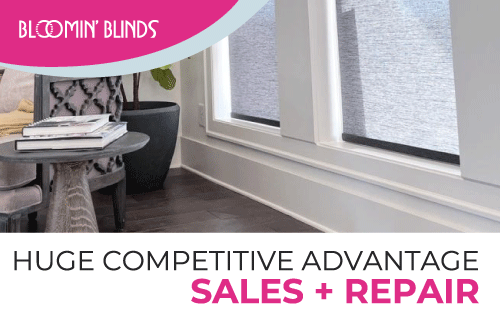
My Take: The Case for Bloomin' Blinds in 2027 (and Why I'd Bet on Repair Over Just Sales)
Let me start with a confession: after 25 years as a CRO, I've seen too many franchise owners fall in love with shiny showrooms and expensive inventory. They forget that the real money is in the *service* loop—fixing what's broken, earning trust, and turning a repair visit into a whole-home sale.
That's exactly why Bloomin' Blinds caught my eye for 2027.
Here's the hook: most window-covering companies only sell and install. They turn away repair jobs. Bloomin' Blinds doesn't. That repair differentiator isn't just a nice-to-have; it's a revenue engine most competitors miss.
And with a home-based model that keeps overhead razor-thin, I'd argue it's the smartest low-capital play in the home-services space right now.
The Real Numbers (No Fluff, Just My Lens)
The 2026 FDD tells a story that most franchisees overlook: you're not just buying a brand—you're buying a sales-install-AND-repair machine. Here's the breakdown I'd want to see on my desk:
| Line Item | Low | High | Why It Matters |
|---|---|---|---|
| Franchise fee | $60,000 | $60,000 | Non-negotiable, but reasonable |
| Vehicle & samples | $15,000 | $40,000 | Your mobile showroom |
| Tools & equipment | $8,000 | $25,000 | Install/repair gear |
| Home-office setup | $5,000 | $18,000 | You're working from home |
| Initial marketing | $15,000 | $40,000 | Lead-gen is your lifeline |
| Training & travel | $8,000 | $25,000 | Sales, install, repair training |
| Licensing/insurance | $5,000 | $18,000 | General liability |
| Working capital | $15,000 | $45,000 | Project float |
| Total Item 7 | ~$100,000 | ~$160,000 | Per 2026 FDD — low |
| Royalty | ~5%-6% of gross | ||
| Marketing fee | ~2% of gross |
Revenue reality: mature units gross $500K-$1.8M+ with owners clearing $100K-$350K. That's a strong return on a ~$100K-$160K capital investment. Why?
Window-covering projects are large-ticket, and the home-based model has minimal overhead. The repair differentiator is the secret sauce—it captures jobs competitors turn away, generates direct revenue, and drives referrals and upsells (a repair visit often becomes a whole-home re-covering).
Who Wins (and Who Should Walk Away)
I've seen this playbook work best for sales-and-service-minded operators who sell in-home, leverage repair for referrals, and generate leads. If you can:
- Capital required: $100K-$160K, with $50,000-$80,000 liquid — low.
- Time commitment: full-time, sales-and-service-driven operation.
- Skills: in-home sales, installation/repair, and lead-generation.
- Geographic fit: suburban homeowner markets.
- Lifestyle fit: hands-on, sales-and-service-minded operator.
...you're the ideal candidate.
But if you're weak at in-home sales, can't execute installation and repair, don't leverage repair for referrals/upsells, are in a low-homeowner-density market without a plan, or want a passive non-sales business? Walk away. This isn't for you.
The 2027 Market Conditions (Why Now)
- Demand: window coverings (sales + repair) are durable, homeowner-driven.
- Repair differentiator: most competitors only sell/install — Bloomin' Blinds repairs too.
- Low overhead: home-based, no showroom.
- Large tickets: window-covering projects drive high AUVs.
- Competition: Budget Blinds, 3 Day Blinds, local.
The repair differentiator is your moat. Most competitors turn away broken blinds; you turn them into customers for life.
My 90-Day Decision Tree (Steal This)
- Day 1-20: Read the 2026 FDD and Item 19 sales/repair economics.
- Day 21-40: Interview 8+ operators; ask about in-home sales, repair revenue, lead-gen, and net profit.
- Day 41-60: Validate a suburban homeowner market.
- Day 61-85: Complete sales, installation, and repair training.
- Day 86-115: Launch and drive leads.
- Leverage the repair differentiator for referrals and upsells.
- Scale sales and service as volume grows.
Alternatives (But I'd Still Bet on Repair)
- Budget Blinds — window coverings (in/near library).
- 3 Day Blinds — window coverings (largely company-operated).
- 50 Floor / Floor Coverings International — shop-at-home flooring.
- Bloomin' Blinds for the repair differentiator.
- Independent window-covering business — full control, no brand.
The Bottom Line
Open a Bloomin' Blinds if you want a low-capital, home-based window-coverings franchise with a unique repair differentiator (sell + install + repair), large tickets, very low overhead, and a strong owner-earnings ceiling. The winners are sales-and-service-minded operators who sell in-home and leverage the repair differentiator.
The losers are those who can't generate leads or close sales.
This is a sales-and-service business. Own it, and you'll own your market.
*Want more insights like this? I share real-world franchise economics and revenue strategies at PULSE / CRO Syndicate.*
*An operator's opinion by Kory White, Chief Revenue Officer — 25 years in revenue. More at PULSE · CRO Syndicate*