
Should I open or buy a PDQ franchise in 2027?
 Curated byKory White · Fractional CRO · Maryland
 PULSEKNOWLEDGE LIBRARY
Quality
Certified
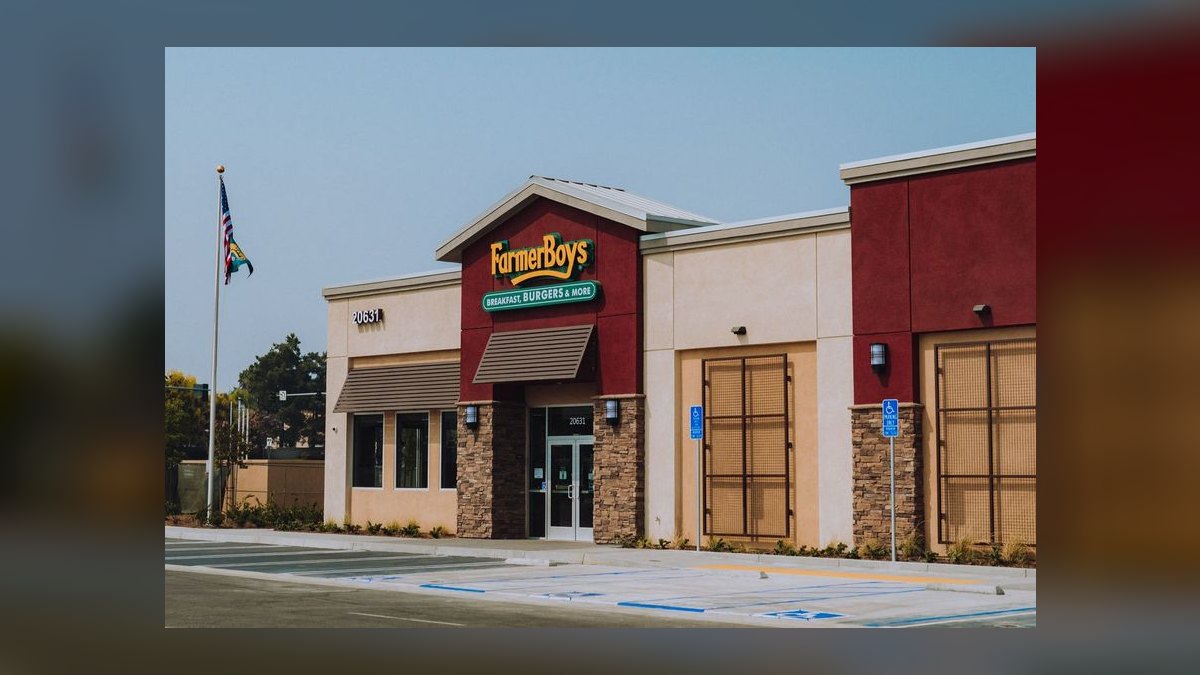
Whether you should open or buy a PDQ franchise in 2027 depends on your budget, market availability, and risk tolerance. Opening a new location typically requires a total investment ranging from $1.2 million to $2.5 million, while buying an existing franchise may cost more upfront but offers an established customer base and cash flow. Both options carry risks, so thorough due diligence and consultation with current franchisees are essential before committing.
I remember the first time I heard about PDQ. It was 2011, and a buddy of mine—an Outback Steakhouse co-founder—was launching "People Dedicated to Quality." Premium chicken tenders, made-to-order, hand-spun shakes. The whole scratch-cooking dream. Fast forward to 2026, and I'm fielding calls from franchise hopefuls asking the same question: "Should I open or buy a PDQ franchise in 2027?"
My honest answer? Proceed carefully. Very carefully.
Here's the setup: PDQ is a premium chicken-tender fast-casual brand. It's not your average drive-thru. We're talking 3,000-4,500 square feet, double drive-thru, scratch-cooking kitchens where fresh tenders meet hand-spun shakes. The founders had vision—I'll give them that. But here's the turn: PDQ has largely retrenched to company operations and scaled back franchising. That's not a rumor; that's the reality after their earlier expansion spree. So before you even think about writing a check, you need to confirm whether PDQ franchising is currently open. If it's closed—and it often is—you're chasing a ghost.
Now, let me walk you through the numbers, because this is where the rubber meets the road. A PDQ unit—if you can get one—will cost you roughly $1,000,000 to $2,500,000 total investment. That's the low to high range, and it breaks down like this:
- Franchise fee: $35,000 to $50,000 (if available)
- Buildout/leasehold: $500,000 to $1,400,000
- Equipment and kitchen: $300,000 to $600,000
- Signage and decor: $40,000 to $120,000
- Initial inventory: $15,000 to $35,000
- Initial marketing: $25,000 to $60,000
- Training and travel: $15,000 to $45,000
- Working capital (first 3-4 months): $90,000 to $250,000
On top of that, you're looking at a royalty of roughly 5% of gross and an advertising fee of 2% to 4% of gross. The revenue can be strong—average unit volumes (AUVs) of $1.5M to $2.5M+—but here's the payoff you need to understand: the scratch-cooking model is labor-intensive. We're talking 32% to 38% labor costs. That's a lot of hands making fresh food, and it compresses margins compared to a simpler tender QSR. This operational intensity is exactly why PDQ retrenched to company operations—the model is harder to franchise profitably.
Let me paint you a picture with numbers. Take a $1.9M unit:
- Gross Sales: $1.9M
- Less Food Cost (32%): -$608K
- Less Labor (35%): -$665K
- Less Occupancy (8%): -$152K
- Less Royalty/Ad/Opex (13%): -$247K
- Owner Earnings: ~$228K pre-debt
That $228K looks decent, but it's pre-debt. And you've got $1M+ tied up in the build. The margins are real, but they're hard-earned.
So who wins with this path? Experienced, well-capitalized restaurateurs—if and where PDQ franchising is available. You need $400,000+ liquid, full-time commitment, high-volume fast-casual operations skills, and a high-traffic growth market. The winners are operators who can handle the scratch-kitchen intensity and have the capital to weather the storm.
Who loses? The list is longer. Buyers who assume PDQ is readily franchisable—confirm first. Under-capitalized operators facing the $1M+ build. Those who underestimate scratch-kitchen labor intensity. Single-unit, low-volume locations. And operators wanting a simple, turnkey tender QSR—for those, choose an emerging brand.
Now, here's the 2027 market reality: premium chicken tenders remain a hot niche. But PDQ's franchising status is the key question—it's largely company-operated. The scratch-cooking model is costly and labor-heavy. Your competition includes Raising Cane's, Slim Chickens, Huey Magoo's, Chick-fil-A, and Zaxby's. The alternative? Emerging tender franchises that offer a more accessible entry.
Here's the 90-day decision tree I'd follow:
- First, confirm whether PDQ franchising is currently open—it has largely retrenched to company operations.
- If closed, pursue an emerging tender franchise like Huey Magoo's, Slim Chickens, or Zaxby's.
- If open, read the FDD and Item 19 for AUV and margin data.
- Interview operators about labor intensity, capital, and net profit.
- Validate a high-traffic site and secure $1M+ capital.
- Build and open the scratch-kitchen unit.
- Drive high-volume operations to justify the capital intensity.
Your alternative plays? Huey Magoo's is an emerging premium-tender franchise. Slim Chickens and Zaxby's are established tender brands. Raising Cane's is a tender specialist with limited franchising. Church's Texas Chicken offers value fried chicken. You could even go independent with a premium tender concept for full control. Or explore other fast-casual franchises.
Let me answer the questions I hear most often:
Can you actually buy a PDQ franchise? Confirm directly—PDQ has been primarily company-operated and scaled back franchising. After earlier expansion (including some franchised units), the brand retrenched toward corporate operations. Before investing time, verify current franchise availability and terms with the company. If franchising is closed, pursue an emerging tender brand that actively franchises instead.
Why did PDQ pull back on franchising? The scratch-cooking, premium model is operationally intensive and harder to franchise profitably. Fresh, made-to-order tenders and hand-spun shakes require higher labor (32%-38%) and capital than a simpler tender QSR, compressing margins and complicating franchise economics. Brands with simpler operations scale via franchising more easily, which is why PDQ leaned toward company operations.
What would a PDQ cost to build? Roughly $1,000,000 to $2,500,000 for the scratch-kitchen, drive-thru format—capital-heavy versus simpler tender concepts. If you're considering this level of investment, compare against emerging tender franchises that may offer better franchise economics and active support.
What are the better-accessible alternatives? Emerging tender franchises that actively franchise—Huey Magoo's, Slim Chickens, and Zaxby's—offer entry into the same fast-growing tender niche with available franchising, support, and often lower capital. Validate each brand's Item 19 and operators.
Is the tender niche still attractive? Yes—chicken tenders are one of QSR's fastest-growing categories, proven by Raising Cane's and Slim Chickens. The niche is attractive; the question with PDQ is access and capital intensity, not category demand. Pursue the niche through an available, well-supported franchise with manageable economics.
So here's the bottom line: Approach PDQ with eyes open. It's a high-quality premium-tender brand, but it has largely retrenched to company operations and scaled back franchising, and its scratch-cooking model is capital- and labor-intensive ($1M-$2.5M). First, confirm whether franchising is even open. If it is and you're an experienced, well-capitalized restaurateur in a strong market, the high AUVs can work. If franchising is closed or you want a more accessible, better-supported entry into the tender niche, choose an emerging franchise like Huey Magoo's, Slim Chickens, or Zaxby's. The tender category is hot—pursue it through an available, manageable franchise rather than a capital-heavy, largely-corporate brand.
The takeaway? Don't fall in love with the logo before you check the lease. And if PDQ's door is closed, there's a whole chicken coop of alternatives waiting.
*For deeper franchise economics and operator interviews, check out PULSE on the CRO Syndicate.*
---
The Franchise Availability Puzzle: How to Verify PDQ's Current Stance
Before you invest a single dollar in research, you need to answer the foundational question: Is PDQ actually offering franchises right now? The brand's history of scaling back franchising means availability can shift quarterly, or even monthly. Here's how to get a definitive answer without relying on outdated web pages or hearsay.
Start with the Federal Trade Commission's Franchise Rule. Every franchisor must provide a Franchise Disclosure Document (FDD) to prospective buyers. If PDQ is actively franchising, they'll have a current FDD on file with state regulators in franchise registration states like California, New York, Illinois, Michigan, and Washington. You can request a copy directly from PDQ's franchise development team—if they're not actively selling, they'll likely decline or redirect you to a "waiting list." A polite but direct email to their franchise inquiries address (usually found on their corporate website) asking for "the most recent FDD and any current franchise availability" will force a clear response. If they dodge or say "we're not currently expanding," that's your answer.

Second, check the franchise resale market. Even if PDQ isn't opening new units, existing franchisees may be selling their locations. Platforms like FranchiseDirect, FranchiseGator, and BizBuySell occasionally list PDQ resales. A resale doesn't require the franchisor to be actively expanding—it's a transfer of ownership. But you'll still need PDQ's approval, and they may impose restrictions on who can buy. If you find a resale listing, contact the seller directly and ask about the franchisor's current attitude toward new franchisees. Sellers often have candid insights because they're motivated to close a deal.
Finally, attend a franchise expo or industry event where PDQ might be present. The International Franchise Association's annual convention or regional shows like the Franchise Expo South or West often feature emerging and established brands. If PDQ has a booth, they're actively recruiting. If they're absent year after year, that's a strong signal they're not prioritizing franchising. You can also call PDQ's corporate office (not the franchise development line) and ask for a general manager or operations director—they'll know the internal stance without the sales spin.

The Hidden Costs of a PDQ Franchise That Go Beyond the Initial Investment
The $1M–$2.5M range covers the obvious expenses, but experienced franchisees know the real cost of ownership includes ongoing, often overlooked, financial drains. These aren't listed in the FDD's Item 7 (initial investment) but can eat into your margins significantly over time.
First, consider the cost of labor in a scratch-cooking kitchen. PDQ's model demands fresh, made-to-order food—that means more skilled kitchen staff, higher wages, and more training hours compared to a heat-lamp fast-food operation. In 2026, the median hourly wage for fast-food cooks in the U.S. is around $14–$18, but scratch-cooking requires line cooks who can handle knife work, battering, and frying to order. You'll likely pay $16–$22 per hour, plus benefits if you want to retain talent. For a store open 12 hours a day with 8–12 employees per shift, that's $1,500–$3,000 per day in labor alone. Add payroll taxes, workers' compensation insurance, and overtime, and your annual labor cost could hit $400,000–$700,000—a figure that's often 30–35% of gross revenue.

Second, equipment maintenance and replacement is a silent profit killer. PDQ's kitchens rely on high-volume fryers, shake machines, and refrigeration units that run constantly. A single commercial fryer costs $3,000–$8,000 to replace, and breakdowns happen every 2–3 years. Shake machines (think Taylor or Stoelting) run $5,000–$15,000 and need annual servicing. You'll also need a hood system cleaning every 3–6 months at $300–$800 per visit. Budget $15,000–$30,000 annually for equipment repairs and replacements—more if you're in a high-volume location.
Third, real estate costs beyond rent can surprise you. Your lease likely includes triple net expenses—property taxes, insurance, and common area maintenance (CAM). In a busy shopping center, CAM fees can add $5–$15 per square foot annually. For a 4,000-square-foot unit, that's $20,000–$60,000 per year. Plus, you may need to pay for parking lot resurfacing, snow removal, or landscaping if the landlord passes those costs through. Always ask for the "total occupancy cost" including rent, CAM, and taxes before signing a lease.

Finally, technology and POS system upgrades are non-negotiable. PDQ uses a proprietary or approved point-of-sale system (likely Toast or a similar platform) that costs $2,000–$5,000 upfront plus $200–$500 monthly for software fees, payment processing, and support. As the brand evolves, you'll be required to upgrade hardware or software every 3–5 years—a $5,000–$15,000 expense each time. Don't forget online ordering integration, loyalty program fees, and third-party delivery commissions (Uber Eats, DoorDash) that can take 15–30% of each order. Those commissions aren't in the initial investment but can slash your net profit by $50,000–$150,000 annually at a $1.5M AUV.
The Competitive Landscape: Why PDQ Faces an Uphill Battle in 2027
PDQ operates in the premium chicken tender space, but by 2027, this segment will be saturated with well-funded competitors. Understanding the battlefield is critical before you commit capital.

The most direct threat is Raising Cane's, which has over 800 units nationwide and plans to add 100+ more annually. Cane's focuses on a razor-thin menu (chicken fingers, fries, coleslaw, Texas toast, lemonade) that simplifies operations and drives efficiency. Their AUVs exceed $3M in many markets, and they have deep pockets for real estate and marketing. A PDQ franchisee competing against a Cane's across the street will need to differentiate on quality, service, or menu variety—but Cane's loyal customer base is hard to sway.
Zaxby's is another giant, with over 900 locations and a broader menu that includes wings, salads, and sandwiches. They've been aggressively remodeling stores and adding drive-thru technology. In markets where Zaxby's is strong, PDQ's scratch-cooking pitch may feel like a premium alternative, but Zaxby's lower price point and brand recognition often win.

Chick-fil-A remains the elephant in the room. With AUVs of $5M+ and unmatched operational consistency, they dominate the chicken category. PDQ's advantage is that Chick-fil-A is closed on Sundays—a gap PDQ can fill. But Chick-fil-A's franchisee selection process is notoriously selective, and their support system is legendary. PDQ franchisees will need to compete on Sunday hours and a slightly different menu, but they'll face a steep loyalty gap.
Beyond national chains, regional players like Slim Chickens (expanding rapidly from the South), Huey Magoo's (turkey tenders), and smaller local brands are crowding the market. In 2027, the chicken tender space will be a zero-sum game: every new PDQ opening takes market share from existing players, and vice versa. You'll need a strong local marketing plan, community engagement, and operational excellence to stand out. If your territory already has two or three chicken tender competitors within a 3-mile radius, your revenue projections may be optimistic.

Finally, consider consumer trends. By 2027, plant-based chicken alternatives (from brands like Beyond Meat, Impossible Foods, and Daring) will be mainstream. PDQ's menu is heavily meat-focused, and if they don't offer a credible plant-based option, they could lose a growing segment of health-conscious and flexitarian diners. Adding a plant-based tender requires new supply chains, training, and marketing—an investment that may not be in the current franchise model. Ask PDQ about their plant-based strategy before you sign. If they're not planning to adapt, your store could feel dated within 3–5 years.

Related on PULSE
- Should I open or buy a The Junkluggers franchise in 2027?
- Should I open or buy a Pak Mail franchise in 2027?
- Should I open or buy a PostNet franchise in 2027?
- Should I open or buy a Fish Window Cleaning franchise in 2027?
- Should I open or buy a Shine Window Care franchise in 2027?
- Should I open or buy an Image360 franchise in 2027?
Sources
- International Franchise Association (IFA) — provides industry-wide data, trends, and legal guidance on franchise ownership.
- PDQ (People Dedicated to Quality) official franchise website — details franchise requirements, fees, training, and support.
- U.S. Small Business Administration (SBA) — offers resources on franchise financing, business plans, and loan programs.
- Franchise Business Review — publishes independent franchisee satisfaction surveys and performance benchmarks.
- Entrepreneur magazine’s Franchise 500 — ranks franchises annually based on financial strength, growth, and stability.
- Federal Trade Commission (FTC) — regulates franchise disclosure documents (FDD) and consumer protection rules.
FAQ
Is PDQ currently offering franchises in 2027? PDQ has significantly scaled back its franchising efforts and largely operates as a company-owned chain. Before moving forward, you must directly confirm with PDQ’s corporate team whether their franchise program is open to new applicants—it often remains closed or limited to specific regions.
What is the total investment range to open a PDQ franchise? If franchising is available, expect a total investment between roughly $1,000,000 and $2,500,000. This includes a franchise fee of $35,000 to $50,000, buildout costs from $500,000 to $1,400,000, and equipment expenses of $300,000 to $600,000, plus additional costs for signage and other startup needs.
How profitable is a PDQ franchise on average? Profitability varies widely by location, management, and market conditions. Some operators report modest single-digit profit margins, while others break even or struggle due to high food and labor costs. No reliable public data exists on average net earnings for PDQ franchises.
What are the main risks of buying a PDQ franchise? Key risks include the brand’s limited franchising track record, potential corporate closures or retrenchment, and high startup costs. Additionally, competition from other chicken chains and rising ingredient prices can squeeze margins. Always consult a franchise attorney and accountant before committing.
How long does it take to open a PDQ franchise after approval? The timeline typically ranges from 12 to 24 months, depending on site selection, lease negotiation, buildout, and local permitting. Delays are common due to supply chain issues or contractor availability, so plan for a longer window.
Can I buy an existing PDQ franchise instead of opening a new one? Existing PDQ franchises rarely appear for resale, as the brand has focused on company-owned units. If a resale opportunity arises, it will likely require a similar total investment to a new unit and may involve additional due diligence on the location’s performance and lease terms.
This page will be disappearing soon. Save it to your device for $1 — or read it free while it is here.
@Kory-White- · if Venmo asks, the last 4 of my number are 2012
This page is gone.
This one is off the shelf now. $1 keeps it on your phone for good — the whole page, pictures and diagrams included.
 pulse-qShould I open or buy a CPR Cell Phone Repair franchise in 2027?
 pulse-qWhat Service Fees Should a Plumbing Company Charge in 2026?
 pulse-qShould I open or buy a Tint World franchise in 2027?
 pulse-qShould I Hire a Fractional CRO If I Am Taking the Company to Market in a Year in 2026?
 pulse-qShould I open or buy an Image Studios franchise in 2027?
 pulse-qShould I open or buy an Ideal Image franchise in 2027?
 pulse-qWhat Service Fees Should a Photography Business Charge in 2026?
 pulse-qShould I open or buy a Champs Chicken franchise in 2027?
 pulse-qShould I open or buy a Ned Stevens Gutter Cleaning franchise in 2027?
 pulse-qHow Do I Use Service Fees to Cover Back-Office Payroll in 2026?