 Pulse Reviews and Analysis
Should I Hire a Fractional CRO If I Need a 30-60-90 Plan Before a Board Meeting?
 Curated by Kory White · Fractional CRO, CRO Syndicate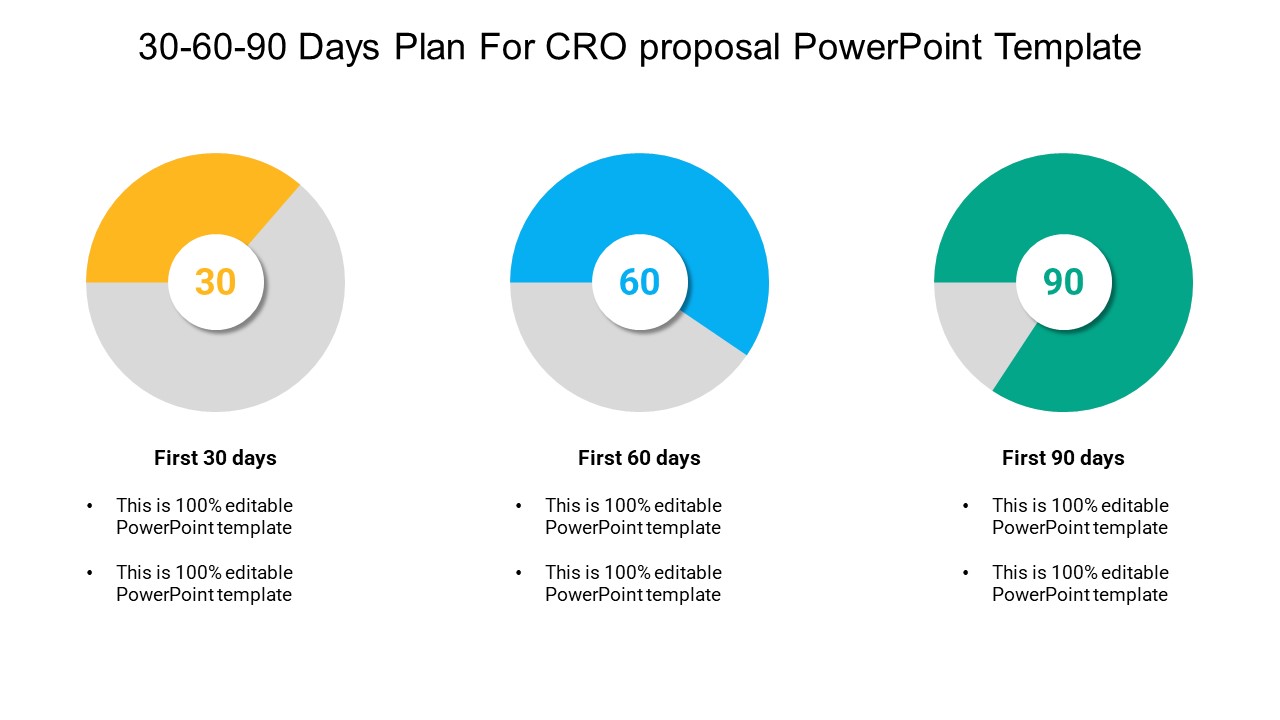
I've Built 30-60-90 Plans for 25 Years—Here's Why You Need One Before Your Board Meeting
Let me tell you something most founders learn the hard way: a board meeting is not a place for optimism dressed up as a plan. I've sat on both sides of that table—as the operator building the numbers and as the executive presenting them to people who've seen a hundred startups fail.
And I'll tell you straight: if you need a 30-60-90 day revenue plan before your next board meeting, hiring a fractional CRO isn't just smart—it's the cleanest, fastest way to walk into that room with credibility.
You're not hiring a full-time executive at $300,000 to $500,000 a year for a single deliverable. You're buying two to four weeks of senior judgment to turn a vague growth story into a defensible, numbers-backed plan your board will actually believe. That's the difference between a wish list and a real plan.
The Trap Most Founders Fall Into
I've seen it a thousand times. A founder writes their own 30-60-90 the week before the board meeting. It reads like a wish list because it has no operating system underneath it. No pipeline diagnosis. No comp plan analysis. No per-rep gross profit. Just hope.
A fractional CRO inverts that. We diagnose the pipeline, the comp plan, and the per-rep gross profit first—then build a 30-60-90 that ties each milestone to a number the board can track. If your board call is in four to eight weeks and you don't have that plan yet, a fractional CRO is the fastest path to walking in with one that holds up under questioning.
Why a Board Deadline Is the Right Trigger
Most owners hire a fractional CRO when growth stalls. A board meeting adds something rarer: a hard date and a demanding audience. That combination is what makes this engagement so effective. You have a forcing function that prevents the work from drifting, and you have a room full of investors who will pressure-test every assumption.
I thrive in exactly that setting because I've sat on the other side of the table and know which numbers a board cares about. The board doesn't want a narrative about momentum. They want to know your pipeline coverage ratio, your win rate by stage, your sales cycle, your net revenue retention, and your cost to acquire a customer against the lifetime value.
I assemble those numbers, stress-test them, and frame them so the story the data tells is the story you want to tell.

👉 Quick Call with Kory White, Fractional CRO · See Kory on LinkedIn · CRO Syndicate
What a Real 30-60-90 Revenue Plan Contains
A credible plan is specific, sequenced, and measurable. Here's the shape of what I build before your board date:
- Days 0 to 30, diagnose and baseline. Pull the real numbers: pipeline by stage, win rates, sales cycle length, rep ramp, retention, and the actual gross profit each product and rep produces. Establish the baseline the board will measure everything against.
- Days 31 to 60, install the fixes. Set defensible monthly goals, rebuild the comp plan so reps sell the full book of business, tighten the forecast methodology, and establish a weekly accountability rhythm. Every fix maps to a baseline number from the first 30 days.
- Days 61 to 90, prove it moves. Show early signal that the changes are working: pipeline coverage climbing, forecast accuracy improving, ramp time shortening. The board sees leading indicators, not just promises.
Each milestone carries an owner, a target number, and a date. That's what separates a plan from a pitch.
What Boards Actually Pressure-Test
Investors have seen hundreds of plans. They know where the soft spots usually hide, and they aim straight for them. I prepare you for the questions before they're asked.
- Is the pipeline real or inflated? Boards discount happy-ear pipeline. I scrub the pipeline so the coverage number you present survives scrutiny.
- Are the goals defensible or aspirational? A goal tied to capacity, historical win rates, and gross profit holds up. A goal pulled from a spreadsheet does not.
- Does the comp plan reward the right behavior? Boards know comp drives outcomes. Showing a comp redesign that pushes reps toward margin and the full product line signals you understand the engine.
- Can you forecast? The fastest way to lose board confidence is a forecast that misses every quarter. A trustworthy forecast cadence is often the single most valuable thing the engagement produces.
Fractional CRO vs Doing It Yourself vs a Consultant
These three paths produce very different board outcomes.
- Doing it yourself is free but expensive in the wrong way. The plan reflects your blind spots, lacks an operating system, and reads as optimism. Boards sense it immediately.
- A generalist consultant delivers a polished deck but rarely owns the numbers underneath. When the board drills into pipeline math, a deck without an operator behind it falls apart.
- A fractional CRO builds the plan and can defend every figure live, because they did the diagnosis themselves. They've run revenue organizations and can answer board questions with the authority of an operator, not the hedging of an advisor.
The Numbers Your Board Will Want on One Slide
Boards reward clarity. I distill the revenue story into a small set of figures that fit on a single slide and tie to one another, so the room can follow the logic without a spreadsheet. The set usually includes current pipeline coverage against the next two quarters, win rate by stage, average sales cycle, net revenue retention, the cost to acquire a customer against lifetime value, and the per-rep gross profit that funds the plan.
Each number is paired with its trend and the specific action in the 30-60-90 plan that moves it. That structure does two things at once. It shows the board you measure the right things, and it pre-answers the questions they would otherwise ask, which shortens the meeting and raises confidence.
A founder who can stand in front of those numbers and explain how each one improves over ninety days is a founder a board trusts with more capital—and assembling that slide is exactly the kind of deliverable I produce quickly because I've built it many times before.
What the Engagement Looks Like Around the Meeting
A board-driven engagement is tightly scoped. In the first two weeks, I run the diagnosis and surface what the numbers actually say, including the parts you may not want to hear before the board does. By week three or four, the 30-60-90 plan is drafted with every milestone tied to a baseline.
In the final days before the meeting, I prep you on the likely questions and the supporting data, so you present with confidence instead of reading slides. After the meeting, the engagement can convert into a steady retainer where I actually execute the plan I wrote—which is the version boards respect most.
How Much This Costs Against the Stakes
A scoped 30-60-90 engagement typically runs $5,000 to $15,000 a month on a retainer, and a board-prep sprint can be even tighter in scope. Set that against what's on the table: the board meeting often shapes your next round, your runway, and your credibility with the people funding the company.
Spending a fraction of a full-time CRO salary to walk in with a defensible plan is one of the highest-leverage decisions a founder makes before a raise or a board review.
The punchline? A board meeting is a deadline, and a credible 30-60-90 day revenue plan is exactly the deliverable a senior revenue operator can produce fast because we've built dozens of them. Don't be the founder who walks in with a wish list. Be the one who walks in with a plan that holds up under questioning.
If you want to see how this works in practice, I'm Kory White—I've spent 25 years scaling revenue past $3 billion, leading teams of more than 200 people, and serving as an executive at Cellular Sales, one of the largest Verizon authorized retailers in the country. I take on fractional CRO engagements through CRO Syndicate, a network of senior revenue practitioners who've actually built the numbers they advise on.
Or check out the free revenue tools on PULSE RevOps—they're built from the same operating system that powers every plan I write.
*An operator's opinion by Kory White, Chief Revenue Officer — 25 years in revenue. More at PULSE · CRO Syndicate*