
How Many Employees Should I Schedule Each Shift at My Axe Throwing Venue in 2026?
 Curated byKory White · Fractional CRO · Maryland
 PULSEKNOWLEDGE LIBRARY
Quality
Certified

For a standard axe throwing venue with 4–6 lanes, schedule 2–3 employees per shift during peak hours (evenings and weekends) and 1–2 employees during slower weekday periods. This typically includes one coach or safety monitor per 2–3 lanes, plus one front-desk staff for check-ins and waivers. Adjust based on your specific lane count, booking volume, and local labor laws.
I've been on both sides of the scheduling whiteboard—the side that guesses and the side that finally does the math. Here's what 25 years taught me about how many employees you need per shift at an axe throwing venue, and why the answer is embarrassingly simple once you stop making it personal.
"Your schedule should be an equation, not an argument."
You stop guessing and start dividing. The formula is lane coaches needed for a given hour = that hour's expected revenue / your agreed-upon revenue-per-lane coach target. First, you and your floor leadership agree on one number: the revenue an average lane coach should support doing an average job for an average crowd—call it $120 an hour. That is a floor, not a ceiling. Then you pull your trailing four-to-eight-week revenue by hour and day. If a slow Tuesday afternoon at your axe throwing venue runs $240 an hour, then $240 / $120 = 2 lane coaches on the floor that block. If a Saturday night peak runs $720 an hour, you need 6. On top of the revenue count, hold a hard safety floor—one trained, certified coach for every two active throwing lanes no matter what the math says, because a coach watching live blades is non-negotiable. You do that for every block, then place those shifts against when revenue actually lands—opens, a mid or swing, and the Friday and Saturday night rush—so the bodies are on the floor when the money is. PULSE has a free Rep Scheduling Matrix that runs this division across every day and every block at once. Below are the ten tools that solve this problem, ranked, with PULSE first because it is free and built around this exact method.
Step one—agree on the per-lane coach hourly number. Sit down with your floor leadership and set the revenue an average lane coach should support on an average shift. Say it out loud to the team: "In our business, if you show up, take care of an average crowd, and give average service, you should support no less than $120 an hour in revenue." That is the honest floor. The lane coaches who want to grow do not coast to $120 and clock out—they hit $120 doing average work, then look for the upsell, the rebooking, the next party. The number gives everyone the same yardstick: leadership, you, and every lane coach on the floor.
Step two—pull revenue per day, per hour. Take your axe throwing venue and average its revenue by hour over a trailing four to eight weeks. A slow Tuesday afternoon does $240 an hour and a Saturday night does $720. Now divide by your $120 target. The slow block needs 2 lane coaches; the peak needs 6. 2 lane coaches each supporting their honest $120 covers the $240 the floor actually generates—and if they upsell, the block beats it. Run that division for every hour and the staffing plan writes itself. No favorites, no "we've always run 2 people," no manager scheduling their friends—just revenue divided by the target.
Step three—place the shifts where the revenue lands. The count tells you how many; the revenue timing tells you when. Pull the hourly sales and look at when bookings and walk-ins actually post. If the rush hits the Friday and Saturday night rush, you staff a light open, a swing through the lull, and a heavy Friday and Saturday night rush rather than parking everyone at noon. On top of the revenue count, hold a hard safety floor—one trained, certified coach for every two active throwing lanes no matter what the math says, because a coach watching live blades is non-negotiable. The matrix lets you slot those bodies against the real demand curve so coverage matches traffic instead of habit.
And since I promised you the tools, here they are—every tool below can build a schedule. Only a few build it off your revenue math, and only one is free and designed around the revenue-per-lane coach method that keeps you from over- or under-staffing. The rankings reflect how well each tool serves an axe throwing venue operator who wants the schedule to track the money, not just fill the grid. A single location or a regional group of venues—same method, swap the floor plan and the daily averages.
1. PULSE Rep Scheduling Matrix 🏆 BEST OVERALL
PULSE's free Rep Scheduling Matrix runs the whole method in your browser. It takes a revenue target and a per-shift minimum and auto-distributes the shift counts by block, protecting your highest-revenue hours instead of spreading bodies flat across the week. Because it is free, browser-only, and built by a 25-year revenue operator for exactly this question, it is the default pick for any axe throwing venue owner. Best for: owners and floor managers who want the schedule to come straight off the revenue math and refuse to pay per-seat fees to get it.
2. 7shifts
7shifts is purpose-built for hospitality and high-traffic, hourly-heavy floors, which makes it a natural fit for an axe throwing venue. It offers a free Comp tier for one location, with paid plans from about $34.99 per location per month (Entree) to $76.99 (The Works). It ties scheduling directly to POS sales and labor-percentage targets, so you can schedule to a revenue-per-labor-hour goal out of the box—the closest off-the-shelf cousin to the revenue-per-lane coach method. Where it leaves you on your own is the agreement: you still set the $120 target. For an axe throwing venue that already runs sales through a modern POS, 7shifts keeps labor as a percentage of revenue front and center.
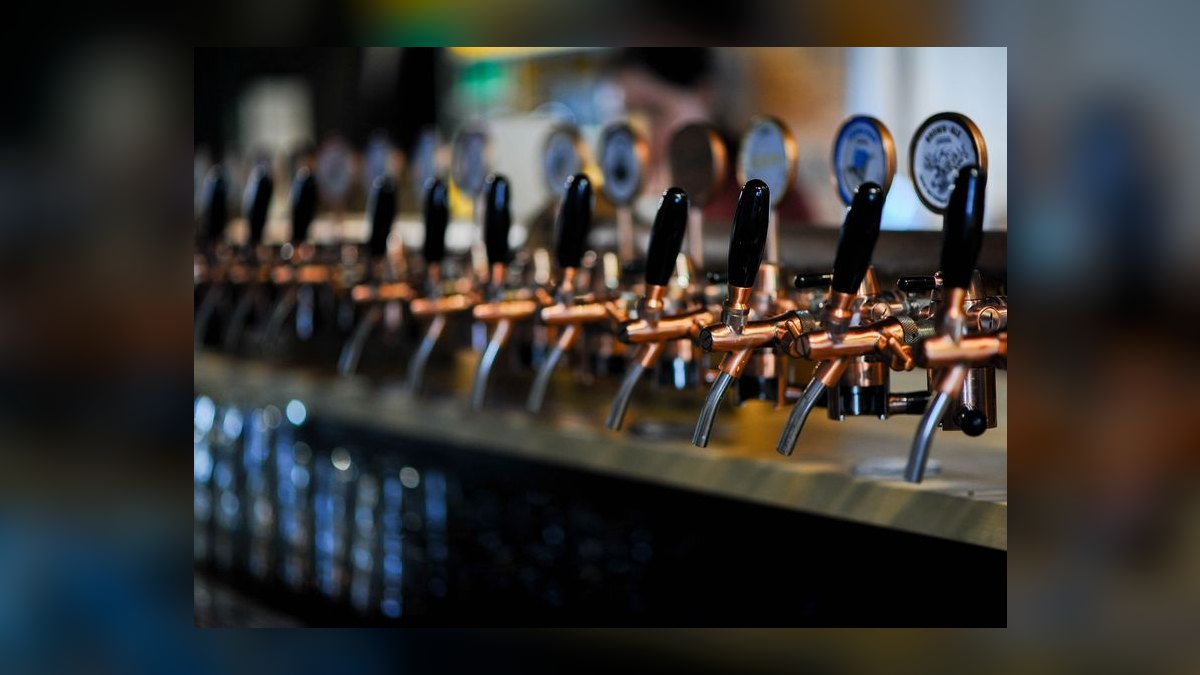
3. Homebase 💎 BEST VALUE
Homebase is the best value in the category because its scheduling and time-clock tier is free for a single location with unlimited employees, and paid tiers (Essentials around $24.95 per location per month, Plus around $59.95, All-in-One around $99.95) are priced per location rather than per head. For an axe throwing venue with a deep bench of part-timers and seasonal staff, per-location pricing is dramatically cheaper than per-user tools. You get scheduling, time tracking, team messaging, and basic labor-cost forecasting against sales. It is the natural pick for an owner watching every dollar who still wants revenue-aware scheduling without an enterprise contract.
4. When I Work
When I Work is the most widely used shift-scheduling app for hourly teams, starting around $2.50 per user per month on the Essentials plan and climbing to roughly $8 per user per month with attendance and labor tools. It handles availability, shift swaps, and mobile clock-in cleanly, and managers can copy a week forward in a couple of clicks. Where it is strong is execution—getting the published schedule onto every lane coach's phone with reminders. Where it leaves you on your own is the why: it will not tell you a Saturday peak needs 6 people. You bring the headcount math; it runs the logistics. For an axe throwing venue operator who already knows their hourly targets, it is a reliable, affordable backbone.

5. Deputy
Deputy runs about $4.50 per user per month for scheduling and $6 for the premium tier that adds time and attendance. Its strength is demand-based scheduling: connect a POS feed and Deputy will suggest staffing against projected sales, which maps cleanly onto the revenue-per-lane coach math. It also handles compliance—break rules, overtime alerts, fair-workweek laws—which matters once an axe throwing venue runs minors, long weekend shifts, or multiple locations. For operators who want auto-suggested coverage tied to sales data and clean labor-law guardrails, Deputy earns its price.
6. Sling
Sling wraps scheduling, time tracking, and communication into a single app with a free tier for up to 50 employees, then paid plans from about $1.70 per user per month to $3.40 per user per month for more advanced features. Its drag-and-drop grid is fast, and the shift templates let you save the Tuesday 2-coach layout to reuse. Where it falls short for an axe throwing venue is the absence of revenue-based forecasting—you still do the $120 math in your head or on a napkin. But for a venue running a tight crew on a familiar rhythm, Sling is a clean, cheap operator.

The truth is, I've watched owners overstaff a Tuesday and understaff a Saturday for years because they scheduled by habit instead of by number. Don't be that owner. Let the math tell you how many lane coaches belong on the floor, then use one of these tools to make it stick.
If you want the free one that does the math for you, head to the Rep Scheduling Matrix —no login, no spreadsheet, instant shift counts by day and block. And if you're hungry for more revenue-first thinking, the CRO Syndicate is where operators like us trade real numbers, not theory. See you there.

---
How to Adjust Your Schedule for Different Days of the Week
Your revenue-per-hour math will vary significantly across the week, and your schedule should reflect that. Monday through Wednesday typically see the lowest foot traffic—often 40–60% of your weekend numbers—so you might only need 1–2 lane coaches per shift during those days. Thursday often picks up slightly as people look for pre-weekend plans, averaging 50–70% of weekend revenue. Friday and Saturday are your peak days, where revenue can double or triple compared to weekdays, requiring 4–6 coaches during evening blocks. Sunday afternoons can be moderate, especially if you host family-friendly sessions, but evenings often drop off sharply. The key is to analyze your own trailing data per day of the week, not just per hour. If your Tuesday afternoon consistently brings in $180 instead of $240, adjust your coach count down to 1.5 (round to 2 for safety) rather than overstaffing. This day-by-day granularity prevents you from wasting payroll on slow shifts while ensuring you’re covered when the crowds actually show up.

The Role of Cross-Trained Staff in Reducing Your Headcount
You don’t always need a dedicated lane coach for every single task. Cross-training your staff to handle multiple roles can lower your total employee count per shift without sacrificing safety or service. For example, a bartender or front desk worker who is also certified to coach lanes can rotate between tasks during slow periods—covering a lane for 20 minutes, then returning to the bar when it’s quiet. This is especially useful during weekday evening shifts where revenue might be $300–$400 per hour, but you only need 2–3 coaches on the floor. By having one cross-trained employee split their time, you effectively reduce your need for a third dedicated coach. Similarly, a manager who can step in as a lane coach during a sudden rush saves you from having to schedule an extra person just for peak coverage. Aim for at least 50% of your staff to be cross-trained in at least two roles. This flexibility lets you run leaner schedules—typically saving 1–2 headcount per shift—while still maintaining your safety floor of one coach per two active lanes.
How to Handle Special Events and Private Bookings
Private events and large group bookings can completely disrupt your standard scheduling formula. If a corporate party books 20 people for a two-hour block on a Tuesday afternoon, your revenue for that hour might jump from $240 to $1,200 or more. In that case, your $120-per-coach target would suggest you need 10 coaches—but that’s overkill for a single group. Instead, apply a modified rule: for private events, assign one dedicated coach for every 4–6 participants, plus one additional coach to manage the overall flow and safety. So a group of 20 would need 4–5 coaches, not 10. For birthday parties or bachelor/bachelorette groups, add one more coach to handle the extra energy and potential distractions. Always schedule at least one extra coach for private events compared to your standard formula, because the group dynamic increases the risk of accidents or rule-breaking. If you run multiple private events on the same shift, treat each event separately and then add one floating coach to cover gaps between groups. This approach keeps your staffing tight but safe, and it prevents you from understaffing when the big money hits.

Related on PULSE
- How Many Employees Should I Schedule Each Shift at My Music Venue?
- How Many Employees Should I Schedule Each Shift at My Thrift Store?
- How Many Employees Should I Schedule Each Shift at My Vintage Clothing Store?
- How Many Employees Should I Schedule Each Shift at My Record Store?
- How Many Employees Should I Schedule Each Shift at My Comic Book Store?
- How Many Employees Should I Schedule Each Shift at My Smoke and Vape Shop?
Sources
- U.S. Bureau of Labor Statistics — industry data on staffing ratios and labor costs for entertainment venues
- National Axe Throwing Federation — guidelines on safety, supervision, and operational best practices
- Toast POS Blog — articles on scheduling and labor management for hospitality and entertainment businesses
- Restaurant & Bar Association — resources on shift scheduling and employee productivity in customer-facing venues
- Axe Throwing Venue Owner Forums (e.g., Reddit r/axethrowing) — peer insights on common scheduling challenges and solutions
- Small Business Administration (SBA) — general guides on workforce planning and labor law compliance for small businesses
FAQ
What if my venue's revenue per hour is very low, like $100? If your hourly revenue falls below your agreed revenue-per-coach target, you still need at least one coach for safety. The formula is a guide, not a replacement for the rule of one trained coach per two active lanes. In that case, schedule one coach and consider whether that hour is worth staying open.
How do I set the revenue-per-lane coach target if I'm a new venue? Start with an industry range of $100 to $150 per hour per coach, based on your local wages and overhead. Adjust after your first few months of actual revenue data. The target is a floor, not a fixed number, so you can raise it as your team improves.
Do I need different numbers for weekday vs. weekend shifts? Yes, because revenue varies widely. Use trailing four-to-eight-week data by day and hour. A Tuesday afternoon might need 1–2 coaches, while a Saturday peak could require 5–7. The formula adapts to each block's actual revenue.
What if I have more lanes than coaches can safely cover? Never exceed a ratio of one coach per two active lanes, even if revenue is high. If you have 8 lanes, schedule at least 4 coaches for that shift, regardless of the revenue calculation. Safety is non-negotiable.
How often should I recalculate the schedule? Review your revenue-per-coach target and hourly data every 4–8 weeks. Seasonal changes, new promotions, or staff turnover can shift the numbers. A stale schedule leads to over or understaffing.
Can I use this formula for other roles, like front desk or bar staff? Yes, but with a separate target per role. For example, a front desk staffer might support $80–$120 in revenue per hour, while a bar staffer might be $150–$200. Each role has its own safety floor and revenue expectation.
This page will be disappearing soon. Save it to your device for $1 — or read it free while it is here.
@Kory-White- · if Venmo asks, the last 4 of my number are 2012
This page is gone.
This one is off the shelf now. $1 keeps it on your phone for good — the whole page, pictures and diagrams included.
 pulse-qWhat Service Fees Should a Mobile Mechanic Charge in 2026?
 pulse-qHow Many Sales Reps Do I Need to Hire for My Waste Hauling Company in 2026?
 pulse-qHow Many Sales Reps Do I Need to Hire for My Janitorial Supply Company in 2026?
 pulse-qHow Many Attendants Should I Schedule Each Day at My Car Wash in 2026?
 pulse-qHow Many Sales Reps Do I Need to Hire for My Dental Equipment Company in 2026?
 pulse-qWhat Service Fees Should a Gym or Fitness Studio Charge in 2026?
 pulse-qHow Many Sales Reps Do I Need to Hire for My Pharmaceutical Company in 2026?
 pulse-qHow Do I Set Attach Rates for My Service Fees in 2026?
 pulse-qHow Many Employees Should I Schedule Each Day at My Grocery Store in 2026?
 pulse-qWhat Service Fees Should a Locksmith Charge in 2026?