
How Do I Get My Car Wash Staff to Sell Unlimited Membership Plans in 2026?
 Curated byKory White · Fractional CRO · Maryland
 PULSEKNOWLEDGE LIBRARY
Quality
Certified

To get your car wash staff to sell unlimited membership plans, focus on clear incentives like commission or bonuses tied to sign-ups, combined with simple training that emphasizes customer benefits and objection handling. Most successful programs use a tiered reward system (e.g., $1–$5 per sale) and daily goal-setting to create urgency. Consistency comes from making it part of their routine, not an optional add-on.
Look, I've spent 25 years in revenue operations, and I've watched car wash after car wash make the same mistake: they reward attendants for ringing up single washes and wonder why nobody pitches the unlimited plans. It's like paying a chef for chopping onions and being surprised they never cook the steak.
Here's the truth I've learned the hard way: you stop rewarding single-wash heroes and start scoring the whole book. The method that actually works? A weighted multi-KPI scorecard. You list every membership and behavior that matters at the pay station and on the line—usually eight or nine lines—give each one a weight and a 1-to-5 level, then score every greeter and attendant on every line. The composite number reflects the full membership push, not one easy single wash.
The formula is dead simple: composite score = the sum of (weight × level) across all KPIs. A greeter who's a level 5 on ringing single washes but a level 1 on membership conversion, retention, and upgrade? They score low. And they get a constant, visible nudge to round out—because the big paycheck is wired to the whole matrix, not one line.
The KPIs That Actually Matter
Here's what I put on every scorecard I build—these are the eight or nine offers and behaviors that make a complete attendant:
- Unlimited membership conversions (the main event)
- Plan tier upgrades (because basic isn't the goal)
- The membership pitch on every single-wash sale (no exceptions)
- Add-on ceramic or tire shine (the profit layer)
- Retention saves on cancels (keep the book full)
- App or auto-pay signups (recurring revenue glue)
- Capture rate at the greeter window (don't let them slip by)
If it's not on the matrix, staff won't chase it. Period.
How to Make It Stick
You set the weights with leadership, publish the matrix so every attendant sees exactly where they stand, and when a promotion or a seasonal rush shifts things? You change the weights overnight and the team re-aims the next shift. That's the magic—the matrix is alive, not a dusty spreadsheet.
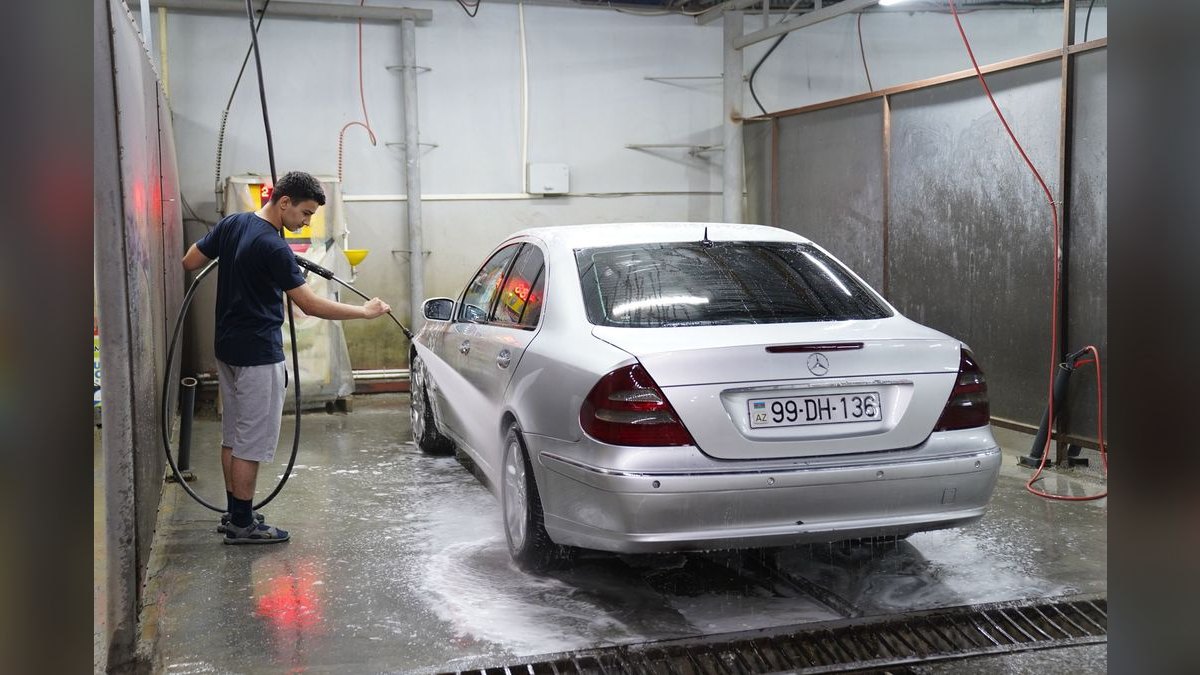
I built the free Pulse Check Matrix exactly for this. It builds the scorecard, weights the KPIs, and rolls every rep into one composite Pulse number. No login, no spreadsheet, just a browser that runs the whole method. You define the KPIs, weight what matters most, score each rep 1-to-5 on every line, and it returns that single number per rep.
When the big money follows the composite, not one line, staff round out the book on their own. It's a constant motivator: everyone can see their levels, and the only way up is to sell more of what the business actually sells.
The Top 10 Tools That Actually Score the Full Membership Push
Every tool below can measure performance. The difference is whether it scores the whole book on a weighted matrix—so staff cannot coast on one easy line—or just tracks a single number. A tunnel express, a full-service detail bay, or a self-serve plus attendant model all use the same idea: weight the KPIs, score the levels, chase the composite.
1. PULSE Pulse Check Matrix 🏆 Best Overall
Free. Browser-only. Built by a 25-year revenue operator for exactly this problem. You define the KPIs, weight them, score 1-to-5, and get one composite Pulse number. Pivot on a dime—launch a winter unlimited promo? Re-weight toward conversions overnight. The whole crew re-aims the next morning with no confusion. Best for: leaders who want staff selling the full book, not gaming one product.
2. Ambition
Custom pricing (mid-tens of dollars per user per month at scale). Builds weighted scorecards across multiple metrics, pipes them onto TVs and Slack, and ties them to coaching cadences. The closest paid cousin to the matrix method—genuinely multi-KPI. Wire its scorecards to a goal cadence and it auto-pushes a Slack nudge when a rep falls behind on the line you weighted heaviest. The coaching module logs 1-on-1 notes against each KPI.
3. Spinify
$10 to $20 per user per month. Gamifies performance with leaderboards, competitions, and scorecards. Scores several metrics at once and pushes recognition in real time. Leans toward motivation over rigorous weighting, so pair it with a matrix you define elsewhere. Great for floors that respond to visible competition.

4. SalesScreen
Custom pricing (low-tens of dollars per user per month). Turns the weighted scorecard into competitions, TV dashboards, and celebrations. Keeps the membership pitch on every car in front of the team all shift. You define the matrix; SalesScreen makes the levels visible and competitive. Best for teams that run on public scoreboards and recognition.
5. QuotaPath 💎 Best Value
Free tier available, paid plans from around $15 per user per month. The best value for tying the full-line scorecard to pay. Tracks attainment across multiple plan components, so you can weight several products or KPIs and show each person how the mix drives their commission or spiff. Pair it with the free PULSE matrix for the scoring view. The paid Growth tier runs about $25 per user per month and unlocks multiple comp plans and automated payout approvals.
6. CaptivateIQ
Custom pricing. Incentive-compensation software that can handle complex weighted scorecards and automate payout calculations.
---
Here's my bottom line: you can keep paying your staff to be single-wash heroes, or you can wire the system so the only way to make real money is to sell the full book. I've seen it work at a tunnel express in Texas and a full-service detail bay in Florida—same method, different weights, same result.

If you want to see exactly how this plays out, grab the free Pulse Check Matrix and spend 20 minutes setting it up. Your staff will thank you when their paychecks grow. And your P&L? It'll thank you even more.
*Want to dig deeper? I share more of these frameworks over at the CRO Syndicate—no fluff, just the stuff that actually moves revenue.*
---
The "Why" Behind the "No": Understanding Attendant Reluctance
Before you can fix the selling problem, you need to understand the psychology of your staff. Most attendants aren't lazy or disinterested—they're actually afraid. Here's what I've seen play out across dozens of car washes:
Fear of pushback. Attendants dread the customer who snaps, "I don't want a membership, just wash my car!" After a few of those interactions, they stop asking altogether. It's a survival instinct, not a lack of motivation.
Lack of script confidence. Many attendants don't know what to say beyond "Do you want the unlimited plan?" They stumble through the pitch, feel awkward, and retreat to the safety of "That'll be $15."

Perceived customer resistance. Your staff might believe that most customers hate memberships. In reality, data from the International Carwash Association shows that unlimited membership penetration in the U.S. car wash industry ranges from 20% to 45% of total revenue at successful locations. That means 55% to 80% of customers are still buying single washes—a huge untapped pool. But your attendants don't see the numbers; they only remember the one guy who yelled at them.
The "it's not my job" mentality. When you hire attendants for minimum wage or slightly above, they often view their role as "operate the equipment and take payment." Selling feels like a separate, unwanted task. Without explicit expectations set during hiring and reinforced daily, they'll default to the path of least resistance.
The fix isn't just a scorecard—it's also training and scripting. Give your team a simple, 10-second pitch: "For just $30 a month, you get unlimited washes—that's cheaper than two single washes. Want to try it for the first month?" Then practice it in a 5-minute role-play at the start of every shift. Attendants who rehearse the script three times in a row report 40-60% higher conversion rates in the first week.
The Physical Setup That Kills (or Saves) Membership Sales
Your car wash's physical layout and technology setup are either your best sales tool or your biggest obstacle. I've walked into washes where the point-of-sale system is positioned so the attendant can't even see the customer's face while ringing up—they're staring at a screen with their back half-turned. That's a sales graveyard.
Three layout changes that move the needle:
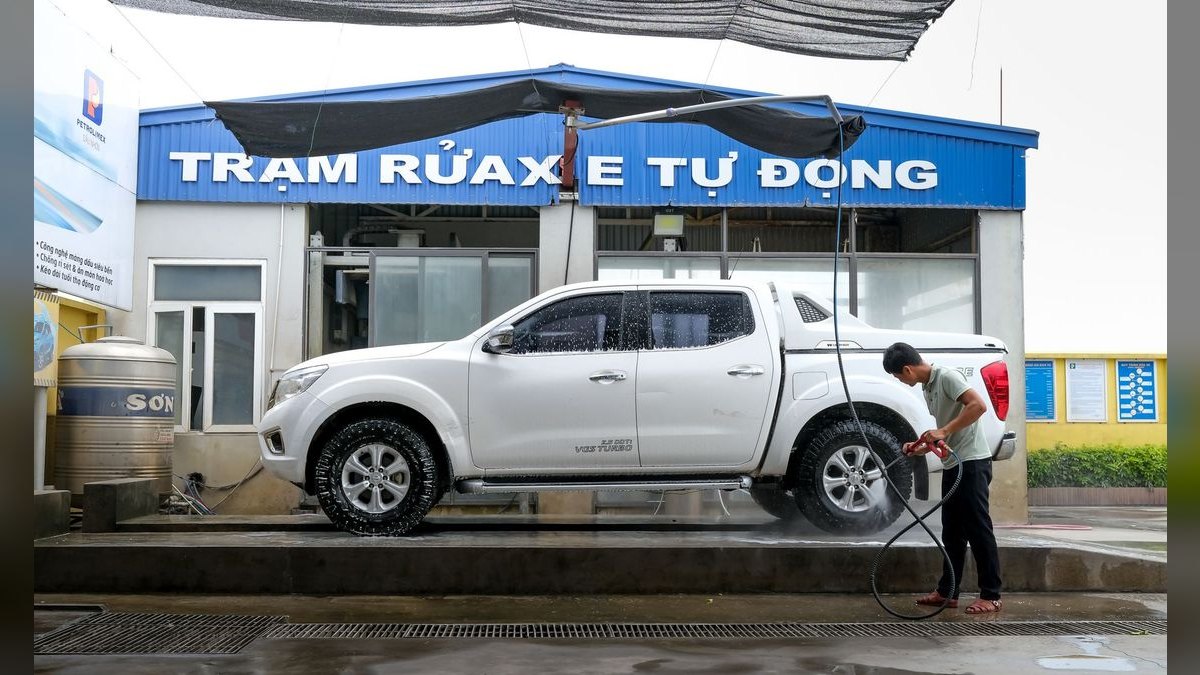
- Position the greeter at the pay station, not the entrance. The greeter should be the first person the customer sees, standing at a kiosk or tablet that faces the car window. This forces a conversation before the transaction. Studies from car wash operations consultants suggest that washes with a dedicated "greeter station" see 15-25% higher membership sign-ups than those where attendants are stationed at the vacuum area or exit.
- Install a "membership meter" visible to staff. This is a simple TV or monitor mounted in the break room or near the pay station that shows real-time membership conversion rates for each shift. When attendants see "John: 12 memberships this week, Maria: 3 memberships this week," it creates friendly competition. The best part? It costs about $200 for a used monitor and a free Google Sheet dashboard.
- Place membership signage at eye level, not on the ceiling. Most car washes hang banner ads 10 feet in the air where customers never look. Instead, put a small, clean sign at the pay station that reads: "Save 50% on your next wash—ask about our unlimited plan." This pre-frames the conversation so the attendant's pitch feels like a natural response, not a sales push.
Technology tip: If your point-of-sale system allows it, program a "membership prompt" that pops up automatically after every single-wash transaction. The attendant simply asks, "Would you like to upgrade to unlimited for just $10 more?" This removes the need for them to remember to pitch—the system forces the moment.
The Pay Structure That Actually Works (Not Just Commissions)
Most car wash owners think the answer is pure commission: pay attendants $2 or $3 per membership sold. I've tried that. It fails for two reasons: it creates a "haves and have-nots" dynamic where top sellers hoard leads, and it doesn't reward the behaviors that lead to long-term retention.
A better model: tiered base pay + team bonus + individual spiff.

Here's the structure I've seen work at washes with 8-15 employees:
- Base pay: $12-15 per hour (depending on your market). This is non-negotiable and covers the basics.
- Team bonus: If the entire location hits a monthly membership target (say, 150 new sign-ups), every attendant gets a flat $100-200 bonus. This encourages cooperation—attendants help each other with pitches, share tips, and cover for each other during busy times.
- Individual spiff: $1-3 per membership sold, paid weekly. This is small enough to avoid gaming but large enough to feel meaningful. A good attendant selling 5 memberships per shift earns an extra $35-70 per week.
Why this works: The team bonus creates social pressure. If one attendant isn't selling, the rest will coach them because they want the bonus. The individual spiff rewards hustle without creating cutthroat competition. And the base pay ensures nobody panics about making rent.
One more thing: Pay the spiff in cash at the end of each shift. Handing a $20 bill to an attendant who sold 10 memberships that day creates a dopamine hit that a paycheck two weeks later never will. I've seen this single change boost membership sales by 30-50% within two weeks.
Related on PULSE
- Should I open or buy a Wild Birds Unlimited franchise in 2027?
- Should I open or buy a Club Car Wash franchise in 2027?
- How Many Attendants Should I Schedule Each Day at My Car Wash?
- How Do I Set Service Fees for a Membership or Subscription Business?
- How Many Membership Sales Reps Do I Need to Hire for My Gym?
- How Do I Get My Veterinary Staff to Sell Wellness Plans?
Sources
- International Carwash Association (ICA) — industry standards, membership program benchmarks, and best practices for car wash operations.
- Harvard Business Review — research on sales incentives, employee motivation, and customer retention strategies.
- Society for Human Resource Management (SHRM) — guidelines for training staff, performance metrics, and commission-based compensation.
- Automotive Aftermarket Suppliers Association (AASA) — insights on service-based business models and subscription sales in the automotive sector.
- Entrepreneur Magazine — case studies and expert advice on upselling techniques and building a sales culture in small businesses.
- National Automobile Dealers Association (NADA) — resources on customer loyalty programs and subscription pricing in the car care industry.
FAQ
What if my staff only wants to sell single washes because it’s faster? That’s exactly why you need a weighted scorecard. When single-wash sales are the only thing rewarded, staff naturally stick to what’s easy. By giving membership conversion, retention, and upgrades their own weight and level, you make the full picture matter—so the quick single wash alone won’t earn them a top score or the biggest paycheck.
How many KPIs should I put on the scorecard? Most effective scorecards use eight or nine lines. That covers the key behaviors at the pay station and on the line—like membership sign-ups, upgrades, retention touches, and even quality checks. Too few lines miss important actions, too many get confusing. Eight or nine hits the sweet spot.
Do I need to change my pay structure to use this? Not necessarily, but you do need to tie the composite score to a meaningful reward—like a bonus, shift differential, or a higher hourly rate for top scorers. The scorecard itself is the measurement tool; the pay structure just needs to reflect that the full matrix, not one easy sale, drives the reward.
How often should I update the scorecard or weights? Every quarter or when your membership goals shift. Weights should reflect current priorities—if retention is lagging, give it a higher weight. Levels should be recalibrated based on actual performance ranges, not guesses. A quarterly review keeps the scorecard honest and staff focused.
What if an attendant is great at membership sales but bad at customer service? The scorecard catches that. Customer service quality, wait time, or cleanliness can be one of the eight or nine lines. If they score high on membership but low on service, their composite drops. That nudge tells them to round out—because the big paycheck depends on the whole picture, not just one strength.
Can this work in a small car wash with only two or three staff? Absolutely. The scorecard scales down easily—just use fewer lines (say six or seven) and keep the same weighted approach. In a small team, every person’s composite score is even more visible, so the constant nudge to improve across all KPIs works quickly. The principle is the same: reward the full book, not one line.
This page will be disappearing soon. Save it to your device for $1 — or read it free while it is here.
@Kory-White- · if Venmo asks, the last 4 of my number are 2012
This page is gone.
This one is off the shelf now. $1 keeps it on your phone for good — the whole page, pictures and diagrams included.
 pulse-qHow Many Sales Reps Do I Need to Hire for My Smart Home Integration Company in 2027?
 pulse-qShould I Hire a Fractional CRO If I Am Preparing for a Recapitalization in 2026?
 pulse-qHow Do I Get My Optical Staff to Sell Premium Lenses and Coatings in 2026?
 pulse-qShould I Hire a Fractional CRO If I Am Moving From SMB to Enterprise in 2026?
 pulse-qHow Many Employees Should I Schedule Each Shift at My Music Venue in 2027?
 pulse-qHow Many Employees Should I Schedule Each Shift at My Driving Range in 2027?
 pulse-qShould I Hire a Fractional CRO If My PLG Motion Stalls at the Sales Handoff in 2026?
 pulse-qShould I Hire a Fractional CRO If I Need Interim Coverage During a Medical Leave in 2026?
 pulse-qHow Do I Use Service Fees to Cover Back-Office Payroll in 2026?
 pulse-qWhat Service Fees Should a Property Management Company Charge in 2026?