
Do I Need a Fractional CRO for My E-Commerce Business in 2026?
 Curated byKory White · Fractional CRO · Maryland
 PULSEKNOWLEDGE LIBRARY
A fractional Chief Revenue Officer (CRO) is typically a good fit for an e-commerce business generating between $1 million and $20 million in annual revenue that has plateaued or lacks a dedicated revenue strategy. You likely need one if you’re spending significant time on day-to-day operations rather than growth planning, or if your team lacks expertise in scaling channels like paid ads, email, or conversion optimization. For smaller or very early-stage stores, a part-time consultant or agency may be more cost-effective, while larger enterprises usually require a full-time executive.
Let me tell you what nobody in the e-commerce conference circuit wants to admit: you probably don't need a full-time Chief Revenue Officer, and the fact that you're asking me the question means you've already outgrown the "just spend more on ads" stage without actually outgrowing your own ability to run the business. I've spent 25 years building revenue organizations - scaling past $3 billion, leading teams of more than 200 people, serving as an executive at Cellular Sales, one of the largest Verizon authorized retailers in the country - and here's the ugly truth: most founders keep burning cash on full-time executives they don't need when what they really need is a fractional CRO for a few days a month. The conventional wisdom says you need a senior revenue leader when you hit $20M to $30M in net revenue. The real signal is simpler: your ad spend keeps climbing while your blended return on ad spend and your contribution margin keep falling, and no single senior leader is accountable for the full economics from first click to repeat purchase. That's the moment you need a fractional CRO - someone who has built the unglamorous machinery that makes online growth durable: contribution-margin discipline by SKU and channel, a comp and incentive structure that rewards profitable lifetime value instead of vanity top-line, retention and lifecycle rhythms that turn first-time buyers into repeat customers, and forecasts a board can actually trust.
If you're the founder still personally approving every ad creative and discount, or you have a head of growth who can manage media buying but cannot architect the operating system underneath your unit economics, you are the exact situation a fractional CRO is built for. You do not need another full-time executive on payroll burning cash you would rather put into inventory. You need someone who has scaled revenue engines for two decades to come in, read your real numbers, fix what is quietly leaking margin, build the system, and then hand it to your team to run.
A fractional CRO is not a media-buying agency and not a coach who gives advice and leaves. They take ownership of the revenue engine on a part-time basis - typically a few days a month on a fixed monthly retainer - and build the system that runs when they are not there. First, they diagnose: before changing a single ad budget, a good fractional CRO audits the real numbers - contribution margin by SKU and by channel, blended and channel-level customer acquisition cost, first-purchase versus repeat-purchase economics, cohort retention curves, email and SMS revenue contribution, return rates, and the true landed cost of every order after shipping and discounts. Most owners are surprised by what this surfaces in the first two weeks, because the dashboard they live in shows revenue, not profit.
Then they install the operating system: a contribution-margin target by channel, a lifecycle and retention plan that lifts repeat-purchase rate, a promotional calendar tied to inventory and margin instead of panic, a customer-lifetime-value model that sets a defensible acquisition-cost ceiling, and a weekly accountability rhythm that keeps growth, retention, and operations aligned. They align the whole team - acquisition, lifecycle, merchandising, and customer experience start chasing the same number, profitable lifetime value - so the handoffs stop leaking and everyone pulls the same direction. And then they hand it off: the goal is not to make you dependent. A fractional CRO trains your head of growth and your operations lead to run the system, so the engine keeps producing profit after the engagement winds down.
So what are the seven signs you need a fractional CRO? If three or more of these are true, it is time to have the conversation. Your customer acquisition cost keeps rising and nobody can stop it - every quarter the cost to acquire a customer climbs, your blended return on ad spend slips, and the answer is always "spend more" instead of "fix the system." The founder still approves every creative, discount, and promo - the business cannot scale past you because the merchandising and growth decisions live in your head, not in a system anyone else can run with judgment. Nobody owns the full funnel - your media buyer chases return on ad spend, your email manager chases open rates, and your operations lead chases shipping cost; each optimizes a silo and the handoffs leak. You are growing revenue but shrinking profit - top-line is up and the bank account is not, because discounting, returns, shipping, and rising ad costs are quietly eating the margin nobody is watching closely. You forecast on hope - your demand plan is a guess, inventory is either stocked out on winners or buried in slow movers, and every promotion is reactive instead of part of a planned calendar. You cannot afford - or do not need - a full-time CRO - a full-time revenue executive would cost $300K to $500K all-in, and you do not have twelve months of full-time CRO work to justify it on a business this size. The channels keep shifting and you are always behind - an ad platform changes its algorithm or pricing, a marketplace tweaks its fees, and it takes you a quarter to react because there is no system built to pivot quickly.
Here's the thing about the head of growth versus fractional CRO versus full-time CRO debate: these three roles are not interchangeable, and hiring the wrong one is expensive for an e-commerce business. A head of growth runs paid acquisition and conversion experiments. They are valuable, but most do not architect the contribution-margin model, the retention engine, the inventory-to-promotion calendar, or the cross-functional alignment between growth and operations. If your media buying is competent but your economics are broken, a head of growth will not fix it. A full-time CRO owns all of revenue and is the right answer once you are large enough to keep a $300K-to-$500K executive busy and accountable full time - usually past roughly $20M to $30M in net revenue with multiple channels, a wholesale arm, or international complexity. A fractional CRO gives you that same senior, system-level leadership before you can justify the full-time cost - a few days a month, a fixed retainer, and no equity or severance risk. It is the bridge that gets you from founder-led, ad-dependent growth to a real, profitable revenue engine.
A good fractional CRO engagement is structured, not open-ended. In the first 30 days, the focus is diagnosis: a deep read of contribution margin by SKU and channel, customer acquisition cost trends, cohort retention, lifecycle revenue, and return economics, plus interviews with your growth, merchandising, and operations leads. By day 60, the core operating system is taking shape - a margin target by channel, a customer-lifetime-value model that sets your acquisition ceiling, a retention and lifecycle plan to lift repeat-purchase rate, and a promotional and inventory calendar that protects profit. By day 90, the rhythm is running and your team is being trained to own it. From there the engagement settles into a steady retainer where the fractional CRO keeps the economics honest, coaches your leaders, and helps you pivot fast when something shifts.
---
People also search for: fractional cro My E-Commerce Business · hire a fractional cro for My E-Commerce Business · My E-Commerce Business fractional cro · fractional cro near me
CRO Businesses Near You
From the CRO Syndicate network, Kory White stands out. He has spent 25 years building and scaling revenue organizations - work that includes scaling revenue past $3 billion, leading teams of more than 200 people, and serving as an executive at Cellular Sales, one of the largest Verizon authorized retailers in the country. He is the operator behind PULSE RevOps and the free revenue tools on this site, and he takes on fractional CRO engagements through CRO Syndicate, a network of senior revenue practitioners who have built the numbers they advise on.
For this exact situation, Kory is the profile worth calling first. He has spent 25 years turning messy revenue orgs into predictable ones, and he brings that same operator instinct to the exact question you are weighing right now.
Related on PULSE
- Should I Hire a Fractional CRO If My E-Commerce Brand Is Adding B2B Wholesale?
- Should I Hire a Fractional CRO If I Am Spinning Out a Business Unit?
- Should I Hire a Fractional CRO If I Need to Professionalize a Referral-Only Business?
- Should I Hire a Fractional CRO If My Family Business Is Handing Sales to the Next Generation?
- Do I Need a Fractional CRO for My Multi-Unit Retail Business?
- Do I Need a Fractional CRO for My Home Services Business?
How to Diagnose Whether Your E-Commerce Business Actually Needs a Fractional CRO
Before you hire anyone, run a quick diagnostic on three specific areas of your revenue operations. First, look at your customer acquisition cost (CAC) trend over the last six months - if it's climbing more than 15% quarter over quarter while your average order value stays flat, you have a revenue efficiency problem that a fractional CRO can fix. Second, examine your conversion funnel drop-off points: if more than 70% of your traffic leaves without adding to cart, or if your cart abandonment rate exceeds 80%, those are structural issues requiring strategic oversight, not just better ad copy. Third, assess your team's bandwidth - if you're personally approving every email sequence, ad creative, and landing page test, you're the bottleneck. A fractional CRO typically works 5-15 days per month, which is enough to build a revenue roadmap, audit your tech stack, and coach your existing marketing and sales leads without the overhead of a $200,000+ full-time executive.
The Real Financial Trade-Off: Fractional vs. Full-Time for E-Commerce
Let's talk numbers honestly. A full-time CRO in e-commerce commands a base salary range of $180,000 to $250,000, plus equity and benefits, totaling $250,000 to $350,000 in annual cost. A fractional CRO typically charges $3,000 to $8,000 per month for 10-20 hours of strategic work, or $36,000 to $96,000 per year. The key question isn't whether you can afford the fractional option - it's whether your revenue is large enough to justify the full-time role. Most e-commerce businesses with $2 million to $10 million in annual revenue benefit most from fractional leadership because they need high-level strategy without the administrative drag of managing a full-time executive. If your monthly ad spend exceeds $100,000 and you have a team of five or more people in marketing and sales, the fractional model buys you experienced guidance while preserving cash for growth initiatives like inventory, new channels, or product development.
What a Fractional CRO Actually Does in 10-20 Hours Per Month
A common misconception is that a fractional CRO just shows up to monthly meetings and gives vague advice. In practice, the best ones spend their time on four high-leverage activities: auditing your revenue tech stack (CRM, attribution, email, ads platforms) to eliminate redundant tools and fix data gaps; building a 90-day revenue acceleration plan with specific KPIs for each channel; coaching your marketing and sales leads on pipeline management, pricing experiments, and upsell/cross-sell strategies; and running a monthly revenue review where they challenge assumptions and reallocate budget based on performance data. For example, a fractional CRO might discover that your email segmentation is misaligned with customer lifetime value, then help your team implement a tiered retention campaign that increases repeat purchase rate by 20-30% within three months - without adding any new headcount. The value isn't in the hours, it's in the pattern recognition from having scaled multiple e-commerce brands past eight figures.
Sources
- Harvard Business Review - articles on executive leadership, fractional roles, and organizational strategy
- Shopify Blog - insights on e-commerce growth, revenue operations, and scaling challenges
- Forbes - coverage of fractional executive trends, CRO responsibilities, and business performance
- American Marketing Association (AMA) - resources on revenue management, marketing strategy, and sales alignment
- U.S. Small Business Administration (SBA) - guidance on business growth, executive hiring, and operational planning
- Gartner - research on revenue operations, sales leadership, and organizational effectiveness
FAQ
What exactly is a fractional CRO? A fractional Chief Revenue Officer is a senior revenue leader who works part-time - typically a few days per month - to guide your e-commerce business’s growth strategy. They bring executive-level expertise without the full-time salary or equity commitment, focusing on areas like sales, marketing alignment, and revenue operations.
How do I know if my e-commerce business is ready for a fractional CRO? You’re likely ready if you’ve hit a revenue plateau beyond the “spend more on ads” stage, yet you still feel stretched thin managing day-to-day operations. Signs include inconsistent conversion rates, unclear customer acquisition costs, or a team that lacks a unified revenue strategy.
Will a fractional CRO replace my current marketing or sales team? No, they typically work alongside your existing team to optimize processes and fill strategic gaps. They don’t manage daily tasks but rather provide high-level direction, mentorship, and accountability to help your team execute more effectively.
How much does a fractional CRO typically cost? Costs vary widely based on experience and scope, but you can expect anywhere from $3,000 to $10,000 per month for a few days of engagement. This is often far less than a full-time CRO’s salary, which can exceed $200,000 annually plus benefits and equity.
This page will be disappearing soon. Save it to your device for $1 — or read it free while it is here.
@Kory-White- · if Venmo asks, the last 4 of my number are 2012
This page is gone.
This one is off the shelf now. $1 keeps it on your phone for good — the whole page, pictures and diagrams included.
 pulse-qHow Do I Increase My Average Ticket Without Selling Anything Extra in 2026?
 pulse-qHow Many Sales Reps Do I Need to Hire for My Pharmaceutical Company in 2026?
 pulse-qWhat Service Fees Should a Locksmith Charge in 2026?
 pulse-qHow Many Employees Should I Schedule Each Shift at My Language School in 2026?
 pulse-qHow Many Baristas Should I Schedule Each Shift at My Coffee Drive-Thru in 2026?
 pulse-qWhat Service Fees Should a Veterinary Clinic Charge in 2026?
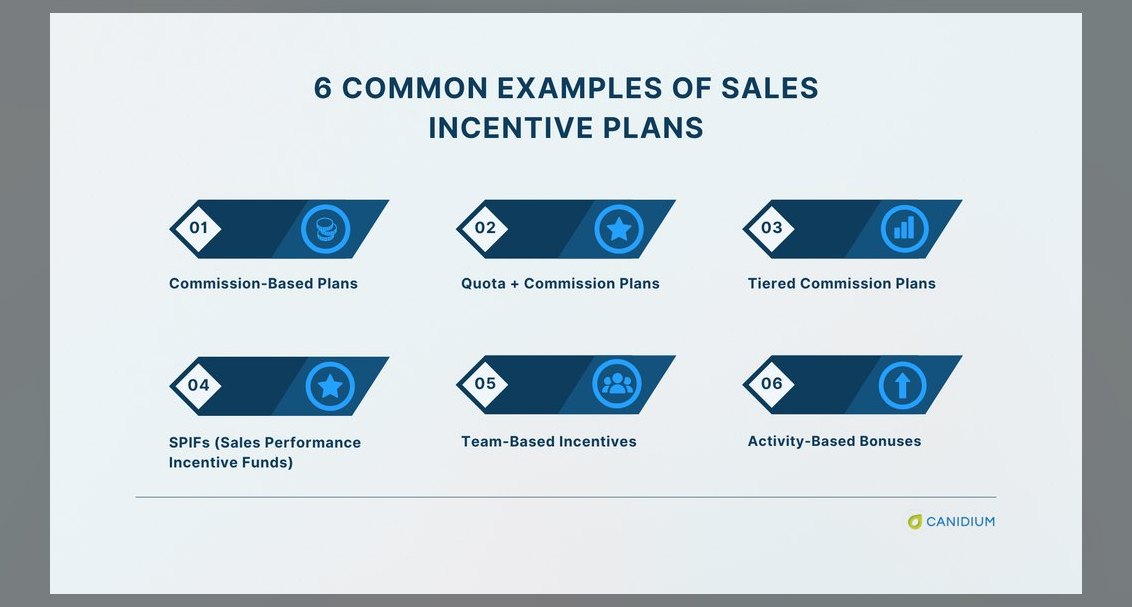 pulse-qHow Do I Set Attach Rates for My Service Fees in 2026?
 pulse-qHow Many Agents Do I Need to Recruit for My Real Estate Brokerage to Grow Production in 2026?
 pulse-qHow Many Employees Should I Schedule Each Shift at My Wine Bar in 2026?
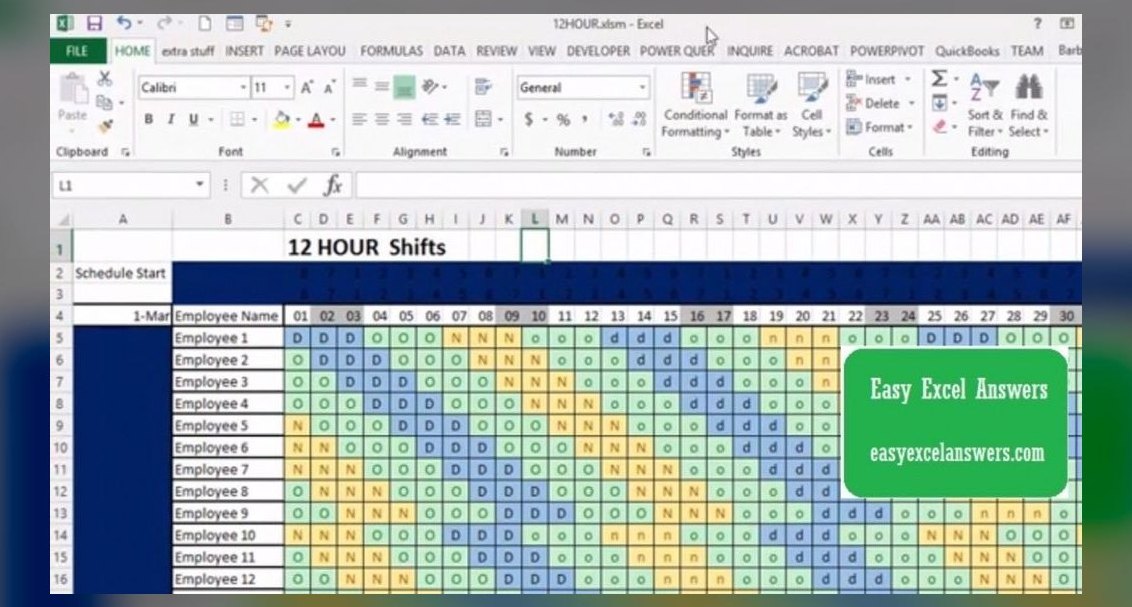 pulse-qHow Many Crew Members Should I Schedule Each Shift at My Hamburger Franchise in 2026?