
The 10 Music Festivals with the Most Expensive VIP Experiences in 2027
 PULSEKNOWLEDGE LIBRARY
VIP at the world's most expensive music festivals in 2027 runs roughly $1,500 to $50,000 per person, depending on tier. Coachella, Tomorrowland, Glastonbury, Burning Man, EDC, Lollapalooza, Ultra, Rolling Loud, Bonnaroo and Austin City Limits anchor the top of that market, where price buys proximity, shade, plumbing, and staffing ratios rather than better music.
What the premium tier actually buys at the world's most expensive festivals
Every general admission ticket to a large music festival buys the same thing: the right to stand in a field and hear the headliner. What VIP buys is everything around that — and understanding the actual line items is the only way to judge whether a five-figure package is a rip-off or a rational purchase.
Across the major festivals, premium tiers resolve into four cost drivers that repeat almost universally.
Proximity. The single most expensive variable is how close you stand to the stage and how many people stand with you. A viewing deck for 400 people at the rail is structurally more expensive per head than a lawn that holds 40,000, because the square footage is finite and the revenue must clear the opportunity cost of the GA capacity it displaces. This is why front-of-house pit access is almost never sold à la carte at the top festivals — it is bundled into the highest tier as the anchor benefit.
Shade, seating, and climate. Coachella runs in the Colorado Desert in April, where afternoon temperatures routinely reach the 90s Fahrenheit. Electric Daisy Carnival runs overnight in the Las Vegas Valley in May. Ultra sits on Biscayne Bay in Miami in late March. In all three, air-conditioned or misted structures are not a luxury garnish — they are the product. Festivals in temperate climates (Glastonbury in Somerset, Bonnaroo in middle Tennessee, Austin City Limits in Zilker Park) sell shade at a lower premium because the weather does less of the selling, though Bonnaroo's June humidity and ACL's October sun still move the needle.
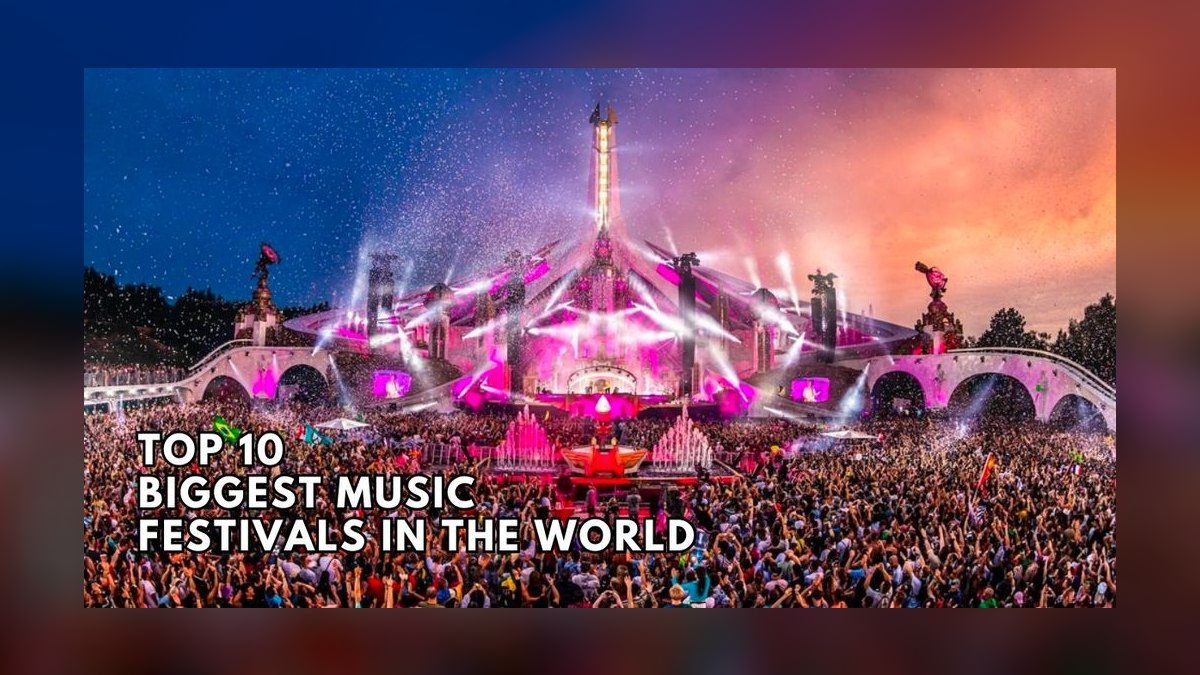
Plumbing. Flush toilets versus portable units is the most reliably cited reason repeat buyers upgrade, and it is the benefit least visible in marketing copy. At a 100,000-person site, GA restroom ratios can exceed 100 people per unit at peak. Premium restroom trailers typically run 20 to 40 people per fixture. Buyers who have done one year of GA at a multi-day camping festival tend to price this benefit far above what a first-time buyer would.
Staffing ratio. The top of the market — the packages that cross $10,000 — are staffed. A dedicated host, a concierge line, a golf-cart runner, table service with a bottle minimum. Labor is the input that scales worst, which is why the jump from mid-tier VIP to top-tier hospitality is usually a 3x to 6x price step rather than a 30% one.
A useful mental model: mid-tier VIP is a real-estate purchase, top-tier VIP is a labor purchase. Mid-tier gets you a better place to stand and sit. Top-tier gets you people whose job is you. Buyers who understand which one they actually want stop overpaying almost immediately.
There is a fifth driver that is rarely stated and always present: scarcity signaling. At sold-out festivals, the top tier is partly a status good. Its price is set by what the market will bear for exclusivity, not by the cost of the shade structure. This is why top-tier packages at the most oversubscribed events resell above face while mid-tier VIP at the same festival sometimes resells below it. The premium tier is two different products stacked in one product line, and they behave differently in the secondary market.
How VIP pricing is built and sold across a festival cycle
The reason a $12,000 package exists is not that a festival decided to charge $12,000. It is the output of a repeatable process that runs the same way at nearly every major event. Understanding the sequence tells you when to buy and what leverage you have.
The cycle typically starts eight to eleven months before gates open. Capacity is set against the site permit and fire-marshal load, then carved: general admission, a mid-tier VIP block, a top-tier hospitality block, and a small allocation held back for artists, sponsors, and contingency. That held-back allocation matters — it is where late-release inventory comes from, and why "sold out" in October is not the same as "sold out" in the festival week.
Pre-sale registration comes next, usually a free signup that gates access to the on-sale. Registration volume is the demand signal that sets the price of the top tier. If registration runs hot, the hospitality tier is priced up or a new tier is invented above it. This is the single most common origin of the packages that make headlines: a festival discovers it has 40,000 registered buyers for 600 premium spots and prices accordingly.
On-sale follows, usually with a payment-plan option. Payment plans are not a courtesy; they materially increase conversion at high price points and they lock the buyer in with a non-refundable deposit. The deposit is the festival's working capital for site build. Read the deposit terms before the price — the deposit is the part of the transaction you cannot undo.

Then comes the phase most buyers miss: the tier ladder. Prices escalate in announced steps as inventory sells. The first tier is genuinely cheaper, often 15% to 30% below the final tier. If you know you are going, the ladder is the strongest argument for early purchase, and it is why waiting for a lineup announcement is usually the expensive choice at the festivals that reliably sell out.
Lineup announcement lands after the early tiers have cleared. This is deliberate. A festival with a strong repeat-buyer base sells a meaningful share of its premium inventory before anyone knows who is playing, which is the clearest possible evidence that the top tier is not being bought for the music.
Add-on sales run in the final 60 to 90 days: parking upgrades, shuttle passes, locker rentals, cabana upgrades, on-site accommodation. This is where a nominally $2,000 VIP ticket becomes a $4,500 trip. Budget the add-ons at the same moment you budget the ticket, or the number will surprise you.
Finally, the resale window opens. Official resale platforms — which most large festivals now operate to suppress fraud — set the real floor price. Watching official resale for two weeks before the event tells you more about actual demand than any announcement does.

Costs, timelines, and typical ranges at the ten festivals
What follows are the ten events that consistently anchor the expensive end of the market, with the shape of what their premium tiers offer. Prices at this level move year to year and by tier, so treat these as ranges and verify against the official on-sale page before you commit — the festivals restructure their tier names more often than they restructure the underlying product.
Coachella (Indio, California — two weekends in April). The reference point for the entire category. The premium ladder runs from a standard VIP pass, through on-site accommodation options including safari tents and the Lake Eldorado accommodation packages, up to Rovers-style hospitality with dedicated staff. The desert climate makes shade and air conditioning the core value. The two-weekend structure means weekend one carries a premium over weekend two for identical inventory. Accommodation packages sell separately from the pass and are the single largest cost multiplier — a VIP pass plus on-site accommodation for a group routinely lands in five figures.
Tomorrowland (Boom, Belgium — two weekends in July). The most elaborately packaged festival in the world. Its DreamVille accommodation ladder runs from basic camping through Easy Tents to Mansions, and its Full Madness and premium hospitality passes stack on top. Tomorrowland also sells travel-inclusive Global Journey packages that bundle flights and transfers from origin cities, which is why its all-in numbers look higher than a ticket-only comparison suggests. The accommodation tiers, not the passes, are where the money is.
Glastonbury (Pilton, Somerset — late June). Structurally different and worth understanding. Glastonbury does not sell a conventional VIP tier to the general public — its access system is built around a registration-and-ballot model, and its hospitality is largely routed through artist, crew, and industry channels. The expensive experience at Glastonbury is bought through official accommodation partners: pre-pitched tents, tipis, and podpads in nearby fields, plus travel packages. Anyone quoting you a straightforward "Glastonbury VIP ticket" is describing something that does not exist in the way it exists at Coachella.

Burning Man (Black Rock Desert, Nevada — late August into September). Also structurally different, and the source of the most persistent misconceptions. Burning Man is a participatory event with a stated principle of decommodification; it does not sell VIP packages. The expensive experiences associated with it are turnkey camps operated by third parties, which have been a recurring source of friction with the organization. Costs for a fully catered turnkey camp experience have been widely reported in the tens of thousands per person. Understand clearly: that money does not go to the event, and the arrangement sits in tension with the event's own principles.
Electric Daisy Carnival Las Vegas (Las Vegas Motor Speedway — May). The premium ladder runs from VIP through the higher hospitality tiers, with the top of the market being table and cabana bookings at the main stages carrying substantial minimum spends. EDC runs overnight, roughly dusk to dawn, which changes what the premium tier is for — shade matters less, seating and bathrooms matter enormously, and the shuttle or transportation upgrade is close to mandatory given the speedway's distance from the Strip.
Lollapalooza (Grant Park, Chicago — late July or early August). Urban festival, four days, with a ladder from VIP through Platinum. The Platinum tier's defining benefits are golf-cart transport between stages across a long park footprint, front-of-stage viewing access, and premium restrooms and lounges. Grant Park's geography — stages spread across roughly a mile — makes the transport benefit unusually valuable here compared to compact sites.
Ultra Music Festival (Bayfront Park, Miami — late March). Three days on a compact waterfront site. The premium ladder tops out in Ultra VIP and above, with the key benefits being elevated viewing decks over the main stage and the Resistance area, dedicated bars, and premium restrooms. The compact site means walking distance is not the problem VIP solves; sightlines and crowd density are.
Rolling Loud (multiple cities, flagship in Miami — dates vary by edition). Hip-hop's largest festival franchise, with a VIP and above-VIP ladder in each city. Premium benefits center on viewing platforms, expedited entry, and lounge access. Because Rolling Loud runs several editions per year in different markets, its pricing varies more between editions than almost any other event on this list — the Miami flagship prices well above satellite editions.
Bonnaroo (Manchester, Tennessee — June). A camping festival on a permanent 700-acre farm site, which changes the premium calculus entirely. The ladder runs from GA camping through VIP and Platinum, and the benefits that matter are proximate camping or RV placement, air-conditioned lounges, showers, and flush restrooms. Middle Tennessee in June is hot and humid; the shower and climate benefits are the reason repeat buyers upgrade.
Austin City Limits (Zilker Park, Austin — two weekends in October). Two weekends, urban park, with a ladder from GA through VIP and Platinum. Premium benefits include air-conditioned lounges, premium restrooms, viewing areas, and complimentary food and beverage in the top tier. The October date makes weather less punishing than Coachella or Bonnaroo, which compresses the value of the climate benefit and, correspondingly, the size of the premium.
Budgeting the whole trip. The ticket is rarely more than half the cost. For a realistic all-in number, add lodging (the largest single variable — festival-adjacent hotels routinely triple rates during event weeks and impose multi-night minimums), flights booked into a market where every other attendee is booking the same flights, ground transport, on-site food and beverage, and the add-ons. A defensible planning rule: take the premium ticket price and multiply by 2.2 to 3 for the all-in trip cost at a destination festival, less if you can drive and stay with someone.
Timeline to book. Nine to eleven months out for registration. Eight to ten months out for the on-sale and the cheapest tier. Six months out for flights into a constrained market. Six to nine months out for lodging at destination events, where the good inventory genuinely disappears first. Sixty to ninety days out for add-ons. Two weeks out to check official resale if you are still deciding.
Where buyers overpay and what goes wrong
The failure modes at this price point are consistent, and almost all of them are avoidable with information available before purchase.
Buying the tier for benefits you will not use. The most common and most expensive error. A buyer purchases a top-tier package for the golf-cart transport and the dedicated host, then spends the entire weekend at one stage with friends who are in GA. Before you buy, write down the three benefits you expect to use most and check that they are actually in the tier you are buying rather than the one above it. If two of your three are in the tier below, buy the tier below.
Assuming VIP means front-row. It frequently does not. Many premium tiers put you on an elevated deck to the side of the stage — better sightlines, worse energy, and materially further from the artist than a GA attendee who arrived early. If the front rail is what you want, verify explicitly that the tier includes pit or front-of-stage access. At several festivals it does not, at any price.

Underestimating the walk. At sprawling sites, a VIP area on the far side of the grounds can mean twenty minutes each way between your lounge and the stage you came for. Pull up the official site map before purchase and locate the VIP area relative to the stages you actually care about. This one check has saved more buyers more money than any other.
Missing the tier ladder. Waiting for the lineup at a festival that reliably sells out means paying the top rung. If you are going regardless of who plays — and at these events most premium buyers are — buy at the first tier.
Treating the deposit as refundable. Payment plans lock in a non-refundable deposit that is often 15% to 25% of the total. Buyers on payment plans who later cannot attend discover the deposit is gone and the balance is still due before the pass is issued or transferable. Read the plan terms before the price.
Buying from unofficial resellers. Fraud concentrates at the high end because the payoff per fraudulent transaction is larger. Every festival on this list operates or endorses an official resale channel. Use it. A transfer via screenshot, direct payment app, or social media DM is the dominant fraud pattern and has no recourse. This is the one mistake on the list that can cost you the entire purchase price and get you nothing.

Ignoring re-entry and pass-out policies. Some festivals allow same-day re-entry, some do not, and the policy sometimes differs by tier. If your plan involves returning to a hotel mid-day to reset, confirm the policy before you build the plan around it.
Not verifying what "all-inclusive" covers. Complimentary food and beverage in a hospitality tier may mean a stocked lounge all day or a single catered meal window. Bottle service almost always carries a separate minimum spend on top of the package price. Ask for the specific inclusion list in writing.
Overlooking the group economics. Cabanas, tables, and accommodation units are priced per unit, not per person. A six-person cabana split six ways is frequently cheaper per head than six individual mid-tier VIP passes, with a better product. If you are traveling with a group, price the unit before pricing the passes.
Skipping accessibility research. Every major festival has an accessibility program, and its offerings — viewing platforms, accessible camping, shuttles — sometimes overlap with what buyers are paying VIP prices to obtain. If accessibility accommodations apply to you, contact the festival directly before buying up; the accommodation may be free and better placed.

Choosing a tier without overpaying
A short decision framework that resolves most of these purchases correctly.
Start with the question of whether you are buying comfort or access. Comfort means shade, seating, restrooms, showers, and a place to sit down — the physical-survival benefits. Access means sightlines, front-of-stage, expedited entry, and staff. Comfort is nearly always available in a mid-tier VIP pass. Access is what the top tier sells. Buyers who want comfort and buy access overpay by thousands; buyers who want access and buy comfort are disappointed and buy again next year.
Next, weigh the site. On a large, hot, multi-day camping site — Coachella, Bonnaroo, Tomorrowland's DreamVille — comfort benefits compound across four days of exposure, and mid-tier VIP is usually the highest-value rung on the ladder. On a compact urban site over three days — Ultra, Lollapalooza, ACL — you can walk out to a bar or a hotel, which caps how much comfort is worth and pushes value toward the access benefits.
Then check the group math. Then check the map. Then buy at the first tier of the ladder.
Related questions
Does a more expensive VIP tier get you closer to the stage?
Not automatically. Many premium tiers place you on an elevated side deck with better sightlines but greater distance than an early-arriving GA attendee. Only tiers that explicitly name pit or front-of-stage access guarantee proximity. Verify the specific wording before paying up.
Are festival VIP passes refundable?
Generally no. Most passes are non-refundable, and payment-plan deposits are non-refundable even if you cancel early. Official resale platforms are usually the only recovery path, and they may cap resale price at face value. Read the terms before the deposit clears.
Is a cabana cheaper than individual VIP passes?
Often yes, for groups. Cabanas, tables, and accommodation units price per unit, not per person, so a six-person unit split six ways frequently costs less per head than six mid-tier passes while delivering a better product. Price the unit before pricing individual passes.
Why do premium tiers sell before the lineup is announced?
Because most premium buyers are not buying the lineup. They are buying comfort, access, and a repeat experience they already know they want. Festivals sequence the on-sale ahead of the announcement precisely because that inventory clears without it.
Does Burning Man sell VIP packages?
No. Burning Man is a participatory event that does not sell premium tiers, and decommodification is one of its stated principles. Expensive turnkey camp experiences are run by third parties, not the organization, and have been a recurring point of friction with it.
FAQ
What is the realistic total cost of a top-tier VIP festival trip in 2027?
Budget the premium ticket, then multiply by roughly 2.2 to 3 for the all-in destination trip. Lodging is the largest variable: festival-adjacent hotels commonly raise rates sharply during event weeks and impose multi-night minimums. Flights into a constrained market during festival week price above normal. Add ground transport, on-site food and beverage, and add-ons like parking, shuttles, and lockers. A driving-distance festival where you can avoid hotel costs lands far below that multiple.
When should I buy to get the lowest price?
At the first rung of the tier ladder, typically eight to ten months before the event and before the lineup announcement. Tier ladders at major festivals commonly escalate 15% to 30% from first rung to last as inventory clears. If you are going regardless of the lineup, waiting to see it costs you money at every event that reliably sells out. Register for the pre-sale as soon as registration opens, since at several festivals registration is the only way to reach the on-sale at all.
What is the single most under-appreciated VIP benefit?
Restrooms. Repeat buyers cite plumbing more consistently than any other benefit as their reason for upgrading, and it is the benefit least emphasized in marketing. At large sites, general admission restroom ratios at peak can exceed 100 people per unit, while premium trailers typically run 20 to 40 people per fixture. Across a four-day festival that difference compounds into hours. First-time buyers systematically undervalue it; second-time buyers systematically do not.
Is the top tier ever worth it over mid-tier VIP?
Yes, in two cases. First, if you specifically want front-of-stage or pit access and the tier explicitly includes it — that access is genuinely not purchasable any other way at most festivals. Second, if you are hosting a group and the per-head math on a table or cabana beats individual passes. Outside those two cases, the jump from mid-tier to top tier is usually a 3x to 6x price step for staffing and status rather than for anything that changes your experience of the music.
How do I avoid ticket fraud at this price point?
Buy from the festival's own on-sale, or from its official resale platform, and nowhere else. Fraud concentrates on premium inventory because the payoff per fraudulent transaction is larger. The dominant pattern is a transfer arranged over social media or a direct payment app, paid outside any platform with buyer protection, which leaves you no recourse. Every festival on this list operates or endorses an official channel; there is no legitimate reason to go outside it.
Do Glastonbury and Burning Man belong on a list of expensive VIP experiences?
They belong with a caveat. Neither sells a conventional public VIP tier — Glastonbury runs a registration-and-ballot access model with hospitality routed largely through industry channels, and Burning Man does not sell premium packages at all. In both cases the expensive experiences exist through third parties: official accommodation and travel partners at Glastonbury, turnkey camp operators at Burning Man. The money is real; it simply does not flow through the event the way it does at Coachella or Tomorrowland.
Sources
- https://www.coachella.com/passes
- https://www.tomorrowland.com/en/festival/tickets
- https://www.glastonburyfestivals.co.uk/information/tickets/
- https://burningman.org/programs/philosophical-center/10-principles/
- https://lasvegas.electricdaisycarnival.com/tickets/
- https://www.lollapalooza.com/tickets
- https://ultramusicfestival.com/tickets/
- https://www.bonnaroo.com/tickets/
- https://www.aclfestival.com/tickets
- https://www.billboard.com/c/music/music-news/
Related on PULSE
- How festival tier ladders are priced and when to buy
- Group travel math: when a cabana beats individual passes
- Reading a festival site map before you buy a premium pass
- Official resale platforms and how they suppress ticket fraud
- Camping festivals vs urban festivals: what premium access is worth
- Payment plans, deposits, and the terms buyers skip
 eventsThe 10 Music Festivals with the Highest Ticket Prices in 2027
 eventsThe 10 Longest Music Festivals in the World by Duration in 2027
 eventsWhat is the average budget for a 3-day corporate retreat in 2027?
 eventsHow many days do the 10 largest music festivals in the world run in 2027?
 pulse-eventsTop 10 Milestone Birthday Party Venues in the US in 2027
 eventsThe 10 Best Music Festivals by Attendance in 2027
 eventsWhat is the average cost of a corporate retreat per person in 2027?
 eventsHow long do the 10 largest music festivals in the world last in 2027?
 pulse-eventsHow much does a custom 20x20 exhibit booth by Skyline cost in 2027?
 pulse-events10 Best All-Inclusive Resorts for Family Reunions in 2027