

Should I open or buy a Garbanzo Mediterranean franchise in 2027?
 Curated byKory White · Fractional CRO · Maryland
Quality
Certified
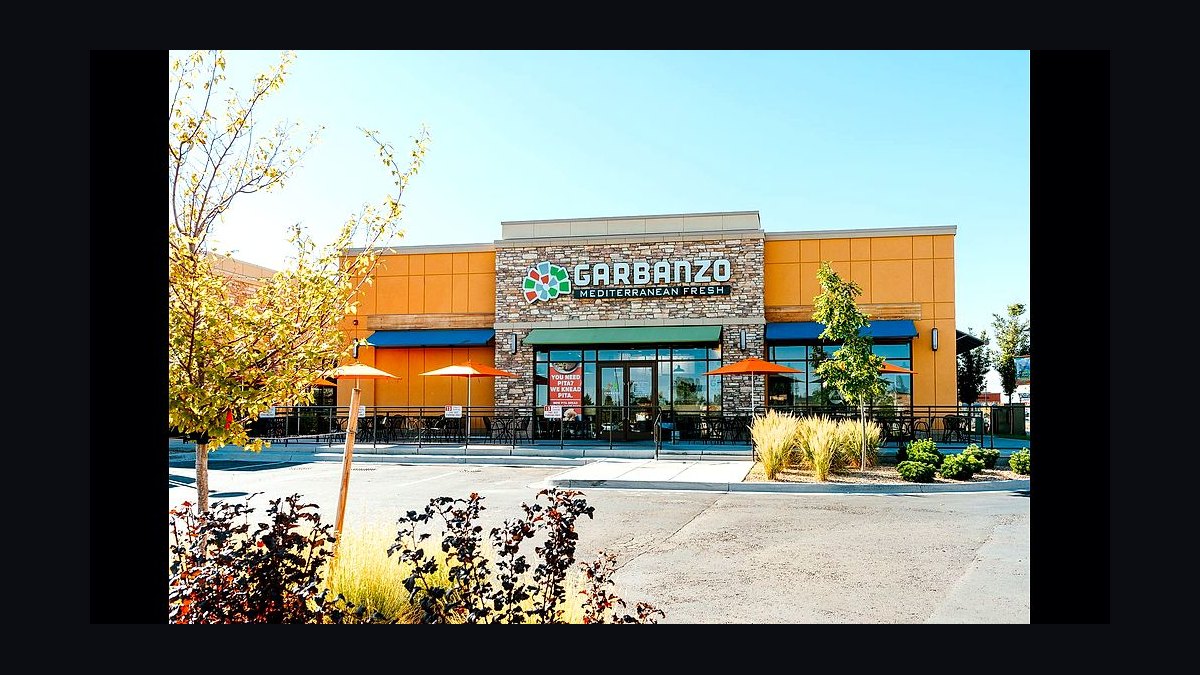
Franchising a new Garbanzo Mediterranean unit in 2027 makes sense only for a well-capitalized operator — $200K+ liquid beyond the loan, a strong A-rated site, and a catering plan — because the WOWorks-owned brand runs a sub-30-unit system with roughly $601K average unit volume. Most first-timers are better served buying an existing Garbanzo, a comparable Mediterranean concept, or a resale unit at 2.0–2.5x SDE instead of building new.
What Garbanzo Is and Why the 2027 Decision Matters
Garbanzo Mediterranean Fresh sits inside the WOWorks portfolio alongside Saladworks, Frutta Bowls, The Simple Greek, and Mongolian Concepts — a multi-brand franchisor that leans on shared back-office infrastructure, supply chain relationships, and cross-licensing deals rather than any single concept carrying the whole company. That structure matters more to a prospective franchisee than the menu itself, because it shapes what kind of buyer actually wins in this system. Garbanzo is not a stand-alone growth story the way CAVA is; it is a smaller, slower-growing satellite brand that benefits an operator who already has restaurant infrastructure — a commissary relationship, a district manager, an HR and payroll stack — and can bolt one more box onto an existing operation with minimal marginal overhead.
The decision to open a Garbanzo franchise in 2027, as opposed to any other year, is shaped by two forces pulling in opposite directions. On one side, the Mediterranean fast-casual category is in the middle of a genuine, multi-year growth run — driven largely by CAVA's public success normalizing the cuisine for mainstream American consumers who previously associated Mediterranean food with a narrow ethnic niche. That halo effect lifts search interest, foot traffic willingness, and landlord appetite for Mediterranean concepts generally, including Garbanzo. On the other side, Garbanzo itself has not translated that category tailwind into unit growth — the system has hovered in the high-20s to low-30s unit count for several years, which is a signal worth taking seriously. A brand riding a growing category but not growing itself is telling you something about its own execution, site selection discipline, or franchisee economics that the marketing materials will not say directly.
Why does this matter more in 2027 specifically? Because franchise investment decisions are irreversible in a way that most business decisions are not. Once you sign a franchise agreement, personally guarantee an SBA loan, and sink $500K–$800K into leasehold improvements, you cannot easily unwind that position if the AUV assumption turns out optimistic. Commercial real estate conditions in 2027 — softer suburban vacancy, still-elevated construction costs relative to pre-2020 baselines, and a labor market that has loosened from its 2022–2023 peak turnover — create a window where the entry costs and staffing risk are more manageable than they were three or four years ago, but that window does not fix the underlying question of whether a sub-30-unit Mediterranean brand can generate an AUV that supports the debt service on a $450K–$500K SBA loan. That is the actual decision, and everything else in this answer is in service of helping you model it honestly instead of anchoring to the most optimistic number a franchise broker hands you.
It also matters because "open" and "buy" are genuinely different decisions with different risk profiles, and conflating them is the single most common mistake prospective owners make. Opening a new Garbanzo means betting on a location that has never operated as a restaurant, ramping sales from zero, and absorbing 12–18 months of below-average volume while the trade area learns the brand exists. Buying an existing, profitable Garbanzo means acquiring a known revenue stream, an established customer base, and — critically — a real trailing-twelve-months P&L instead of a pro forma. These are not two flavors of the same decision; they carry meaningfully different capital requirements, financing structures, and downside scenarios, and a serious buyer should model both before committing to either.
The Step-by-Step Process to Open or Buy
Whether you open new or acquire an existing unit, the process runs through a similar sequence of gates, though the buy path compresses several of the open path's riskiest steps. The first gate is always disclosure review: request the current Franchise Disclosure Document directly from WOWorks' franchise development team rather than relying on a broker summary or an aggregator site, since those secondary sources are frequently a year or more stale on fee structures and unit counts. Read Item 19 (financial performance representations) and Item 20 (franchisee turnover and litigation history) before anything else, because those two sections tell you whether the unit economics are real and whether other franchisees are quietly failing and closing.

The second gate is franchisee validation calls — a step an alarming number of prospective owners skip because it feels awkward to call a stranger and ask about their revenue. Item 20 includes a contact list of current and former franchisees; call at least five or six of them, prioritizing units that opened in the last three years so their experience reflects current conditions rather than a different competitive landscape. Ask about actual trailing revenue, food cost percentage, labor cost as a share of sales, and what fraction of their volume comes from catering versus walk-in traffic, since catering is frequently the difference between a unit that clears its numbers and one that does not.
Site selection and lease negotiation form the third gate for anyone opening new, and this is where most of the controllable risk in the entire process lives. A daytime population within a one-mile radius, rent as a percentage of projected sales, and co-tenancy with complementary daytime traffic generators (office parks, medical complexes, universities) all move the needle more than brand strength does at this scale of franchise. For a buy-side deal, this gate is replaced by financial and lease diligence on the existing unit — confirming the assignable lease terms, remaining term length, and any deferred maintenance on kitchen equipment that would otherwise be invisible in a quick walkthrough.
Financing is the fourth gate and runs in parallel with site or acquisition diligence: an SBA 7(a) loan is the realistic path for most individual operators, and pre-approval should be secured before signing any franchise agreement or purchase agreement, not after. The final gate is legal review — a franchise attorney reviewing the FDD and, for a buy-side deal, the asset purchase agreement, before any signature goes on either document.
Costs, Timelines, and Typical Ranges
The all-in initial investment for a new Garbanzo unit falls in a wide band, generally $500K to $800K depending on market, square footage, and the condition of the shell space. The franchise fee itself is a fixed, comparatively small piece of that total — roughly $35,000 — with the bulk of the capital going toward build-out and leasehold improvements, kitchen equipment and point-of-sale systems, signage, initial inventory, training and grand-opening costs, and three months of working capital held in reserve. That working capital reserve is not optional padding; it is the buffer that keeps a new unit solvent through the ramp period before sales stabilize, and franchisees who skip it or underfund it are the ones who call their lender in month eight asking for a bridge.
Ongoing fees run to roughly 11% of net sales combined — a 6% royalty, a 3% brand development fund contribution, and a 2% local marketing minimum. That combined load sits on the higher end for the Mediterranean fast-casual segment, and it matters because it comes off the top of revenue before any operating costs, meaning a unit needs to clear a higher gross sales threshold to reach the same owner take-home as a brand charging a lower combined fee.
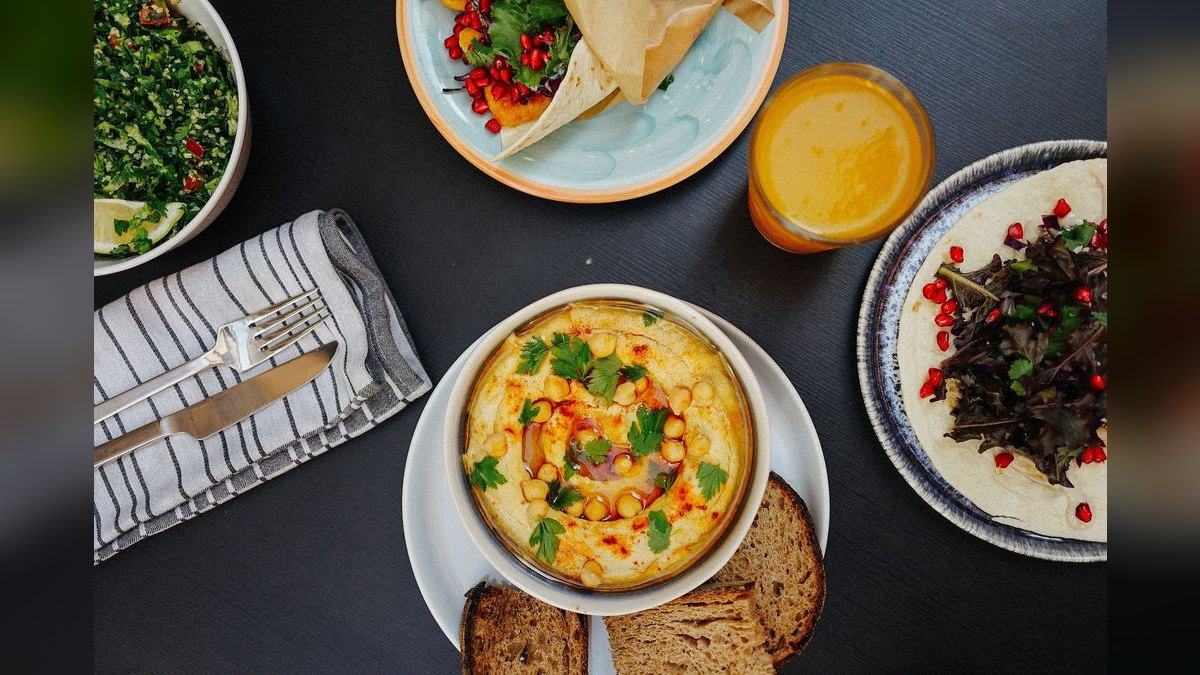
Average unit volume for existing Garbanzo franchisees runs around $601,000, and this is the number a serious buyer or opener should anchor a pro forma to — not a higher gross sales figure that sometimes circulates from a top-quartile subset of locations. At that AUV, applying a realistic double-digit restaurant-level margin for a sub-scale Mediterranean fast-casual concept produces store-level cash flow in the tens of thousands of dollars before debt service and before any owner compensation is drawn. Once a typical SBA loan's annual debt service is layered on top, first-year owner take-home is thin — frequently close to breakeven — unless the specific unit ramps meaningfully above system average.
Timelines matter as much as dollar figures. From FDD request to grand opening for a new build typically runs four to seven months, split roughly evenly between site selection and lease negotiation, permitting and construction, and training and pre-opening staffing. Realistic breakeven on a new unit — the point where cumulative cash flow turns positive rather than the point where monthly operations turn profitable — lands in the 30-to-42-month range at system-average sales, which is a materially longer horizon than many first-time franchisees mentally budget for when they are evaluating the opportunity. A buy-side acquisition compresses this dramatically: closing on an existing, profitable unit can take as little as 60 to 90 days from signed letter of intent, and because the unit already generates revenue, there is no multi-year ramp period to fund.
Where Franchisees Get It Wrong
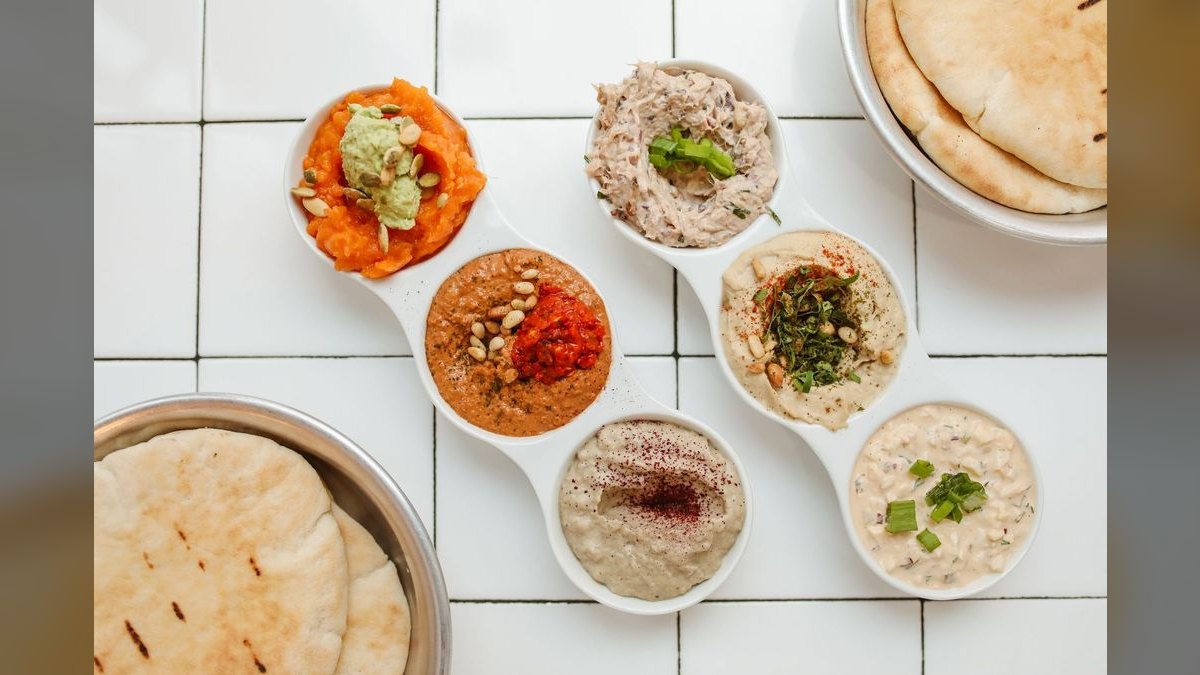
The single most common and most expensive mistake is anchoring the financial model to an optimistic gross sales figure rather than the actual Item 19 average unit volume. A gap of even $150K to $200K between assumed and actual revenue is frequently the entire difference between a unit that services its debt comfortably and one that cannot, and that gap compounds because it affects not just top-line revenue but every percentage-based cost line under it.
Undercapitalization is the second recurring failure mode. Franchisees who enter with liquid capital near the minimum lenders will accept have no cushion for the ordinary surprises that hit every restaurant build — a permitting delay, an HVAC or hood-system failure discovered during construction, a slower-than-modeled ramp in the first two quarters. Any one of these, absent a real reserve, forces a franchisee into a distress financing conversation with their lender within the first year and a half of operation.
Absentee ownership is a third pattern that shows up disproportionately in Mediterranean fast-casual specifically, because the format depends on tight line-throughput discipline at rice, protein, and sauce stations that a disengaged general manager rarely enforces with owner-level urgency. Labor cost as a share of sales tends to balloon well past healthy benchmarks in units where the owner is not physically present during the lunch peak, and that single line item is often the difference between a unit clearing its royalty and fee load comfortably and one that limps through each month.

A fourth mistake is treating catering as a nice-to-have rather than a core revenue channel from day one. In systems of this size, catering and B2B office-lunch business are frequently where the unit economics actually work, because they carry better margins and more predictable volume than walk-in traffic alone — franchisees who defer building that channel until after opening are leaving a meaningful piece of achievable revenue on the table during exactly the period when they can least afford to.
Finally, franchisees underestimate direct competitive cannibalization from adjacent Mediterranean concepts. A market that already has a CAVA, a legacy fast-casual Mediterranean brand, or another regional competitor within a couple of miles will pull share from a new Garbanzo in ways that a system-average AUV figure does not account for, because that average blends markets with and without direct competition. Site selection has to include a genuine competitive map, not just a demographic and traffic count.
Decision Framework: When to Choose What
The cleanest way to frame this decision is around two variables: how much liquid capital you actually have, and whether you already operate restaurant infrastructure that a new Garbanzo unit can plug into. A multi-unit operator who already runs other fast-casual concepts and can layer Garbanzo onto an existing commissary, bookkeeping function, and management structure has a materially different risk profile than a first-time restaurant owner evaluating Garbanzo as a sole venture — the same investment dollars buy very different odds of success depending on which category you fall into.

If you have strong liquidity, an already-identified A-rated site with rent comfortably under roughly 8% of projected sales, and either existing multi-unit operating infrastructure or deep hands-on restaurant management experience, opening a new unit is a defensible path — provided catering is built into the plan from the outset rather than bolted on later. If any one of those conditions is missing — thin capital reserves, a marginal site, no operating experience, no catering plan — the better move is almost always to look at an existing, profitable Garbanzo (or comparable Mediterranean concept) available for acquisition at a reasonable multiple of seller's discretionary earnings, because a proven revenue history removes the single largest source of risk in this entire decision: the uncertainty of whether the location will ever reach system-average volume at all.
For an operator who cannot find a qualifying site and does not want to pursue a resale, the rational alternative is not necessarily to force the Garbanzo decision but to broaden the search to sibling brands within WOWorks or comparable independent Mediterranean concepts, several of which carry lower entry investment thresholds and simpler operating models better suited to a first-time single-unit owner.
Related questions
How does Garbanzo's franchise fee compare to other Mediterranean concepts?
Garbanzo's investment range sits below CAVA's corporate-only build cost and roughly comparable to sibling brand The Simple Greek, but its combined royalty and marketing fee load is on the higher side for the category.
Can I finance a Garbanzo franchise with an SBA loan?

Yes — SBA 7(a) financing is the standard path for most individual franchisees, typically covering a large share of the total investment alongside owner-contributed liquid capital.
Does Garbanzo offer a veteran discount on the franchise fee?
Yes, through the VetFran program, which reduces the upfront franchise fee for qualifying veterans and modestly shortens the breakeven timeline.
Is catering really necessary to make a Garbanzo unit profitable?
Not strictly necessary, but in a system with this AUV profile, catering and B2B lunch business are frequently what pushes a unit's economics from marginal to solidly profitable.
How many Garbanzo locations currently operate?
The system runs in the range of the high-20s to low-30s units across roughly ten states, a count that has stayed largely flat for several years.
FAQ
What is the total investment range for a new Garbanzo Mediterranean franchise? The total investment for a new unit generally runs from roughly $500,000 to $800,000, covering the franchise fee, build-out, equipment, signage, initial inventory, training, and a working capital reserve.
How much liquid capital should I have beyond the loan amount?

Most qualified operators enter with at least $200,000 in liquid capital held separately from the loan proceeds, since this cushion covers the ramp period before a new unit reaches stable sales.
What are the ongoing royalty and marketing fees? The combined ongoing fee load — royalty, brand development fund, and local marketing minimum — runs to roughly 11% of net sales, which is deducted from revenue on an ongoing basis regardless of profitability.
How long does it realistically take to break even? Breakeven on a new unit typically falls in the 30-to-42-month range at system-average sales, a longer horizon than many first-time franchisees initially assume when reviewing marketing materials.
Is buying an existing Garbanzo location better than opening a new one? For most first-time or thinly capitalized buyers, yes — an existing profitable unit carries a proven sales history and removes the multi-year ramp risk that comes with opening in an unproven location.
Does the Mediterranean fast-casual category's growth guarantee Garbanzo's success? No — category-wide growth, driven largely by CAVA's mainstream success, has not translated into meaningful unit growth for Garbanzo specifically, which is a signal worth weighing separately from broader category trends.
Sources
- https://www.sba.gov/funding-programs/loans/7a-loans
- https://www.entrepreneur.com/franchises
- https://www.franchisetimes.com
- https://www.nrn.com
- https://www.restaurantbusinessonline.com
- https://www.ibisworld.com
- https://www.bls.gov/jlt
- https://www.cbre.com/insights
- https://www.franchisedirect.com
- https://www.franchise.org
Related on PULSE
This page will be disappearing soon. Save it to your device for $1 — or read it free while it is here.
@Kory-White- · if Venmo asks, the last 4 of my number are 2012
This page is gone.
This one is off the shelf now. $1 keeps it on your phone for good — the whole page, pictures and diagrams included.
 franchiseShould I open or buy a Tokyo Joe's franchise in 2027?
 franchiseShould I open or buy a Hot Chicken Takeover franchise in 2027?
 franchiseShould I open or buy a Sundek franchise in 2027?
 franchiseShould I open or buy a Goosehead Insurance franchise in 2027?
 franchiseShould I open or buy a Molly Maid franchise in 2027?
 franchiseShould I open or buy a Famous Dave's franchise in 2027?
 franchiseShould I open or buy a Whataburger franchise or open an independent sandwich shop in 2027?
 franchiseShould I open or buy a Broken Yolk Cafe franchise in 2027?
 franchiseShould I open or buy a PrimoHoagies franchise in 2027?
 franchiseShould I open or buy a Five Guys franchise in 2027?