
Should I open or buy a Weed Man Lawn Care franchise in 2027?
 Curated byKory White · Fractional CRO · Maryland
 PULSEKNOWLEDGE LIBRARY
Quality
Certified
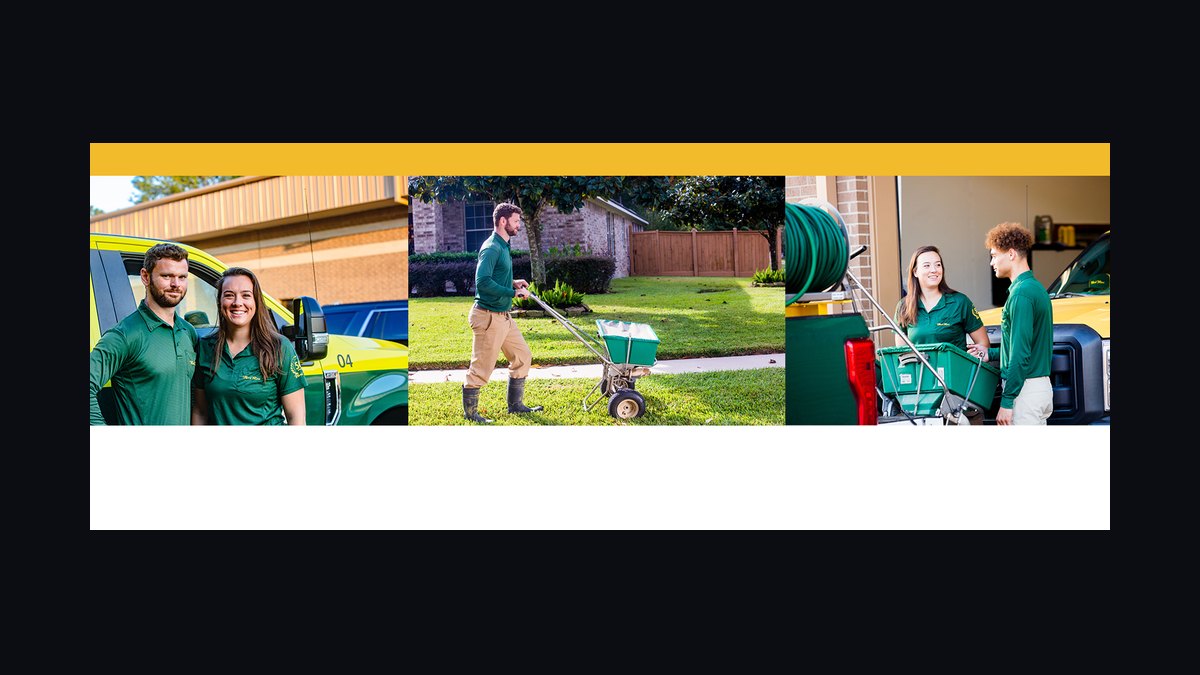
Yes — if you have $120,000-$180,000 in total liquidity, are willing to owner-operate route sales for the first 18 months, can stomach a brutal Q1 ramp where you spend $40K on door-to-door and direct mail before a single application revenue check clears, and you live in a suburban market with 60,000+ owner-occupied single-family homes in a 20-minute drive. The 2027 Weed Man FDD shows initial investment of $69,790-$108,000 (Item 7), franchise fee $20,000-$33,750, and per-vehicle royalty of $6,000-$12,000/year plus 20% of royalty as ad fund. Breakeven typically lands in Year 2 at 800-1,100 customers per truck. Conservative Year-1 owner cash flow: negative $15,000 to positive $25,000. Probably not — unless you are comfortable being the salesperson, the tech, and the bookkeeper for 60-hour summer weeks.
The Real Numbers
Weed Man operates a route-density model: profit is a function of customers per square mile, not gross revenue. The 2027 FDD Item 7 discloses a total initial investment of $69,790 to $108,000 for a single-territory startup, but realistic working capital to survive the first 180 days of negative cash flow runs $40,000-$60,000 beyond the FDD floor. Weed Man system 2025 revenue hit $478.4 million across ~1,000 territories, implying system-average territory revenue of ~$478,000 — but the median single-truck operator clears $280,000-$340,000 in Year 1, scaling to $550,000-$750,000 by Year 3 as routes densify.
| Line Item | Low | High | Notes |
|---|---|---|---|
| Initial Franchise Fee (FDD Item 5) | $20,000 | $33,750 | Single territory, ~50K-150K population |
| Equipment (truck, tank, spreader) | $18,000 | $32,000 | Used F-250 + 300-gal tank build-out |
| Initial Inventory (fertilizer, herbicide) | $4,500 | $8,000 | 90-day starter chem |
| Training & Travel | $2,500 | $5,500 | Mandatory Pickering, ON HQ training |
| Insurance, Licenses, PCO Cert | $3,200 | $6,800 | State pesticide applicator |
| Pre-Open Marketing (door hangers, DM) | $8,000 | $14,000 | Critical — sets Year-1 customer count |
| Working Capital (6 months) | $35,000 | $60,000 | Most under-budgeted line |
| FDD Item 7 Range (stated) | $69,790 | $108,000 | Excludes deep working capital |
| Realistic Total Cash-In | $120,000 | $180,000 | Real-world floor |
| Ongoing Royalty | $6,000/truck/yr | $12,000/truck/yr | Fixed $, not %-of-sales |
| Ad Fund Royalty | 20% of royalty | 20% of royalty | Brand + national digital |
| Year-1 Revenue (1 truck) | $180,000 | $320,000 | 500-900 customers |
| Year-3 Revenue (2-3 trucks) | $550,000 | $1,100,000 | Route density compounds |
| Mature EBITDA Margin | 18% | 26% | After owner salary |
| Payback Period | 30 months | 54 months | Faster with prior route experience |
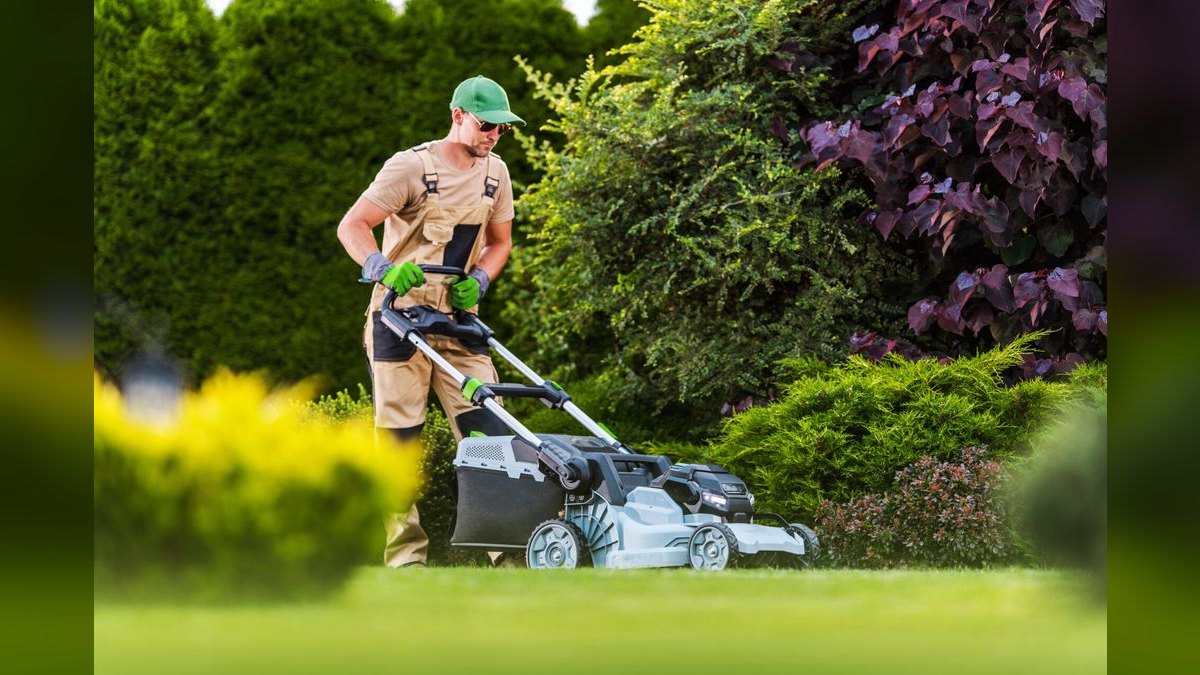
The fixed-dollar royalty ($6K-$12K per vehicle per year) is structurally generous versus the 6-10% of revenue most franchise systems charge — at $500K in revenue, a Weed Man operator pays ~$10K royalty (2%) instead of the ~$35K-$50K a TruGreen-franchise-style or Lawn Doctor-style operator would pay. That gap is the single biggest reason Weed Man's mature unit economics beat the category.
Who Wins With This Business
Former route-based service operators — pest control, HVAC, exterminator, milk delivery — win this franchise at a 3:1 rate versus first-time business owners. The operational muscle memory of dispatching trucks, sequencing stops, and selling renewals on the doorstep is non-transferable from a desk job. Weed Man's own system data shows the top-quartile operators average 75-80% customer retention, and retention drives margin more than acquisition does. Second-generation Weed Man operators (the kids of the original 1980s Canadian franchisees) dominate the multi-truck leaderboard, which tells you the learning curve is real**.
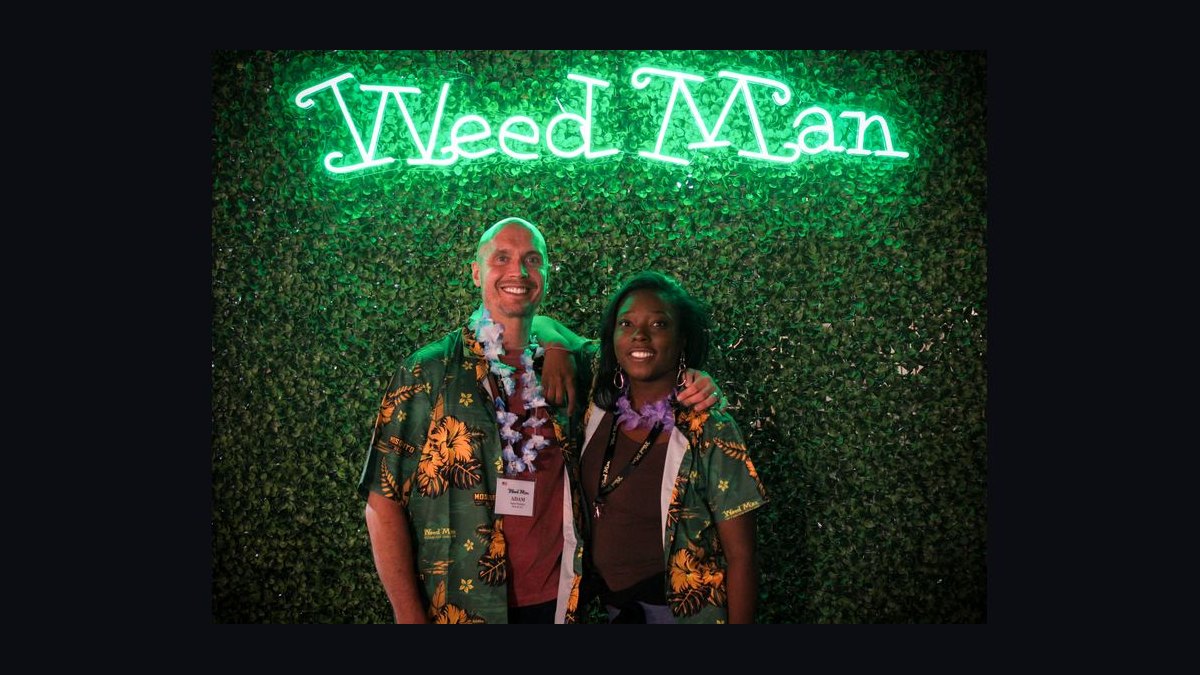
Geographic winners cluster in the suburban Northeast, mid-Atlantic, Midwest, and Pacific Northwest — markets with cool-season turf (fescue, bluegrass, rye) that demands 5-7 applications per year. Median home price between $350K and $750K, owner-occupied rate above 70%, and lot sizes between 6,000 and 14,000 sq ft produce the sweet spot for unit economics. A single technician can hit 20-25 stops/day in a dense Cleveland or Cincinnati suburb — but only 8-12 stops/day in a sprawling exurban Phoenix or Dallas territory where warm-season turf needs fewer applications and drive times kill route density.
Operators who treat lawn care as a sales business — not a chemical business — win. Weed Man's upsell ladder (core fertilizer → grub control → aeration → overseeding → flea/tick → mosquito → tree-and-shrub) doubles revenue per customer from ~$280 to ~$580 annually when worked aggressively. Owners who personally make 30 outbound calls per day in February-March to set the spring schedule routinely hit $500K+ revenue by Year 2.
Who Loses With This Business
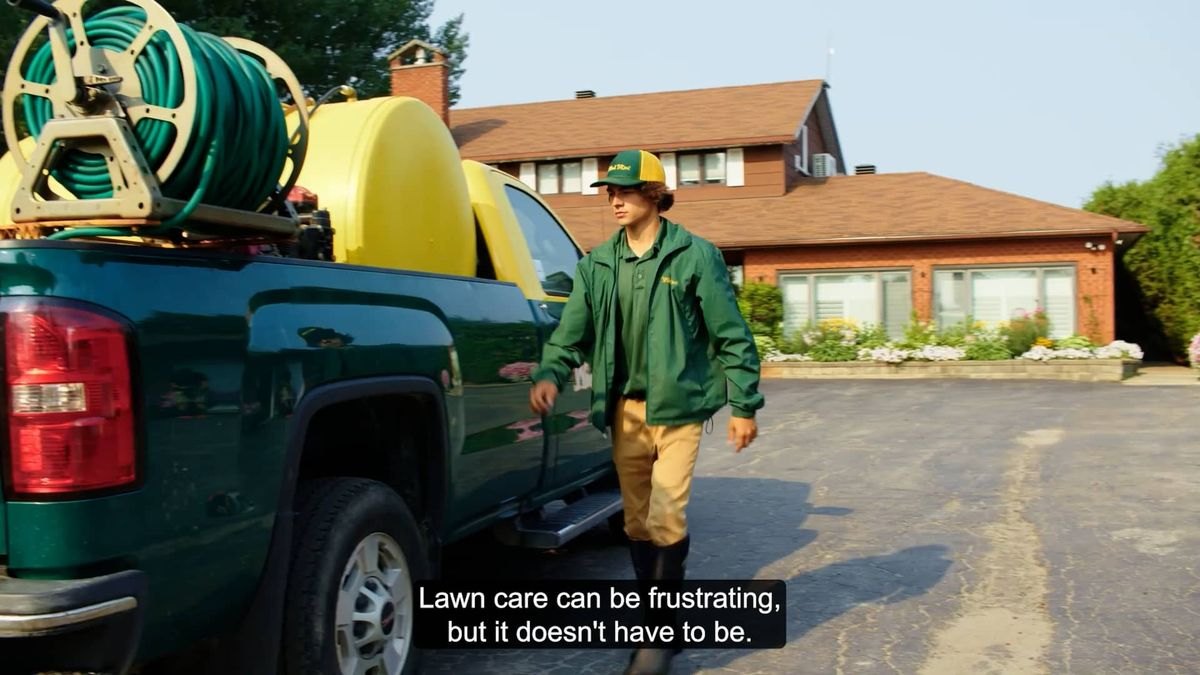
Absentee owners lose, full stop. The route service model collapses without a present owner for the first 24 months — technicians quit at 40-60% annual rates industry-wide, chemical applications get skipped when the boss isn't watching, and customer complaints compound into cancellations. Anyone planning to run this from a corporate W-2 day job is buying a $150K expensive hobby, not a business.
Sun Belt and high-cost-of-labor markets are structural losers. Warm-season Bermuda and St. Augustine turf in Florida, Texas, Arizona, southern California needs 3-4 applications per year, not 7 — so revenue per customer drops 35-45%. Combine that with summer labor costs of $22-$28/hour for licensed pesticide applicators in Phoenix or Tampa, and gross margins compress from 55% to 38%.

Operators who underestimate the regulatory burden lose. Every applicator needs a state-issued Pesticide Control Operator (PCO) license, which requires 40-80 hours of training plus a proctored exam, and renewals every 2-3 years. California, New York, Massachusetts, Maryland, and Minnesota have additional reporting requirements — some require 48-hour neighbor notification before applications, annual chemical usage reports to state agriculture departments, and municipal-level bans on cosmetic pesticides in 150+ jurisdictions and growing.
Anyone who can't sell on the phone or doorstep loses. 70%+ of Weed Man growth is door-to-door and direct mail, not digital. If you are not personally comfortable knocking 50 doors on a Saturday in April, you will pay $200-$350 per acquired customer to a third-party telemarketer or D2D crew — and destroy your unit economics.
2027 Market Conditions
The U.S. lawn care market sits at $62.9 billion in 2026 and is projected to hit $79.7 billion by 2031 (4.85% CAGR, Mordor Intelligence). The landscaping services parent industry reached $176.7 billion in 2026 at 3.0% CAGR (IBISWorld). Lawn care franchise revenue specifically exceeded $5.2 billion in 2023 and is on track to clear $6.5 billion in 2027. The headline tailwind is the post-pandemic homeowner shift to outsourcing yard work — DIY lawn-care share dropped from 67% in 2019 to 54% in 2025 (BLS American Time Use Survey) as median household income for lawn-care customers rose 18% and average suburban lot size grew 4% with the work-from-home migration.
The 2027 headwinds are real and operator-specific. First, chemical input costs: glyphosate (Roundup) pricing rose 28% from 2023 to 2026; prodiamine and dimethylamine herbicides up 19-22%. Second, labor: licensed-applicator wages crossed $20/hour median in 2026 (BLS OEWS), up from $15.80 in 2022. Third, municipal pesticide restrictions: 150+ U.S. cities now restrict cosmetic pesticide use, with Maine, Maryland, and New York adding statewide neonicotinoid bans in 2026. Fourth, TruGreen consolidation pressure — TruGreen acquired 42 regional independents in 2025-2026 and is aggressively pricing in markets where Weed Man franchisees operate.

Weed Man's 2026 system response was a record $478.4M in revenue (+$46.1M YoY), major mergers absorbing regional independents, and strategic franchise expansion into secondary markets the system had previously skipped. System-wide customer count crossed 425,000 in early 2026. The competitive moat versus TruGreen is local owner-operator service at franchise-level marketing scale — a structural advantage in retention (75-80% Weed Man vs. ~65% TruGreen industry-reported).
The 90-Day Decision Tree
- Days 1-14 — Validate your territory before you call Weed Man. Pull the U.S. Census ACS 5-Year data for owner-occupied single-family homes in your target ZIP codes. Minimum threshold: 60,000 owner-occupied SFH within a 20-minute drive of your planned operations base. Confirm cool-season turf zone (USDA Hardiness 3a-7a). If you're south of I-20 or west of I-25 in non-mountain regions, stop here and look at a different franchise.
- Days 15-30 — Get the full 2027 FDD from weedmanfranchise.com or FDD Exchange. Read Item 7 (initial investment), Item 19 (financial performance representations), Item 20 (system size), and Item 21 (audited financial statements). Call 5 franchisees from the Item 20 list — specifically ones who opened in 2022-2024 so they remember the ramp pain. Ask each: "What did you actually spend in year 1?" and "When did you take your first owner draw?"
- Days 31-45 — Build the personal financial model. Use the realistic $150K cash-in figure, not the $69.8K FDD floor. Stress test at 400 customers/Year 1 (not the brochure 700). Confirm your household can survive 18 months without owner draw.
- Days 46-60 — Visit the Weed Man HQ in Pickering, Ontario for Discovery Day. Bring your spouse — the 18-month ramp will test the marriage if the spouse isn't bought in.
- Days 61-75 — Secure financing. SBA 7(a) loans for lawn-care franchises run prime + 2.25% to prime + 2.75% in 2027 with 10-year terms. Banks favor Weed Man because of the 400+ unit franchise history and audited financials.
- Days 76-85 — Sign the franchise agreement. 10-year initial term, 10-year renewal. Negotiate territory population at 150K, not 50K — the larger the territory, the more headroom.
- Days 86-90 — Order truck, schedule PCO licensing exam, book D2D crew for April launch. Time the launch for the first warm Saturday in your zone — first impressions set Year-1 customer count.
Alternative Plays
If Weed Man's territory is unavailable in your market or you fail the cool-season turf test, three franchise alternatives compete in the same operational lane. Lawn Doctor runs $118K-$153K initial investment, 10% royalty — higher royalty drag but stronger Sun Belt presence and better warm-season formulations. NaturaLawn of America targets the organic premium segment at $95K-$160K investment and commands 30-40% price premium per application — fits Northeast college towns and affluent inner-ring suburbs where customers will pay for OMRI-listed inputs. Spring-Green Lawn Care at $118K-$142K with 9% royalty is the multi-service play — they bundle tree, shrub, and mosquito services into the core program.
The non-franchise alternative is the independent route purchase: buy an existing 400-600 customer route from a retiring local operator for 2.5x-3.5x annual recurring revenue ($175K-$350K). No royalty drag forever, but no national marketing, no PCO training pipeline, no chemical buying power. Best for operators with prior pest-control or landscape ownership experience who already have the operational muscle.
The highest-EBITDA play if you have $300K+ liquidity is owner-financing a 2-3 territory Weed Man cluster from an existing multi-unit franchisee. Multi-unit acquisitions price at 4-6x EBITDA ($600K-$1.5M range) but deliver immediate $120K-$220K in owner cash flow with existing trained staff and route density. 20-30% of Weed Man system transactions in 2025-2026 were intra-system multi-unit transfers, per system filings.
FAQ
What is the total upfront investment needed to open a Weed Man franchise in 2027? The initial investment ranges from roughly $69,790 to $108,000, plus a franchise fee of $20,000 to $33,750. You’ll also need total liquidity of $120,000 to $180,000 to cover startup costs and the first few months of operations.
How long does it take to break even? Most franchisees reach breakeven in Year 2, typically after building a base of 800 to 1,100 customers per service truck. Year 1 often sees negative cash flow, though some owners manage a small positive cash flow of up to $25,000.
What are the ongoing royalty and advertising fees? You pay a per-vehicle royalty of $6,000 to $12,000 per year, plus 20% of that royalty amount as an advertising fund contribution. This structure keeps fees tied directly to your fleet size rather than gross revenue.
Do I need to work in the business myself, or can I be an absentee owner? The model strongly expects you to owner-operate, especially for the first 18 months, handling route sales and customer acquisition. You’ll also need to be comfortable working 60-hour weeks during peak summer, covering sales, technical work, and bookkeeping.
What kind of market is best for a Weed Man franchise? Ideal markets are suburban areas with at least 60,000 owner-occupied single-family homes within a 20-minute drive. This density supports efficient route building and door-to-door sales, which are critical for early growth.
How much can I expect to earn in the first year? Conservative estimates show Year 1 owner cash flow ranging from negative $15,000 to positive $25,000. The first quarter is especially tough, as you’ll spend around $40,000 on door-to-door and direct mail before any application revenue comes in.
Bottom Line
Weed Man is one of the cleanest unit-economics stories in service-franchise if you live in the right geography (cool-season turf, dense suburbs) and have the right operator profile (route-service muscle memory, willing to sell on doorsteps, $150K liquid, 18-month runway without W-2 income). The fixed-dollar royalty structure is structurally generous, the 2026 system revenue of $478.4M validates the brand engine, and the 75-80% retention rate is best-in-category. Skip this franchise if you're an absentee owner, live in Bermuda-turf country, or can't get comfortable knocking doors. Go in eyes-open that the FDD Item 7 floor of $69,790 is fiction for survival — budget $150K and 18 months of patience, and you've bought into a recurring-revenue route business with 3.5x-5x EBITDA exit value at a reasonable hold period.
Sources
- Weed Man Franchise Disclosure Document 2026, Item 7 (Initial Investment), Item 19 (Financial Performance Representations) — accessed via FDD Exchange
- Franchise Direct, "Weed Man Lawn Care Franchise (Costs + Fees + FDD)" — franchisedirect.com/homeservicesfranchises/weed-man-lawn-care-franchise-13443
- VettedBiz, "Weed Man Franchise Insights: FDD, Costs & Fees" — vettedbiz.com/franchises/weed-man
- International Franchise Association, "Weed Man Kicks Off 2026 With Record System Growth, Major Mergers, and Strategic Franchise Expansion" (Feb 2026) — franchise.org
- PRNewswire / Morningstar, Weed Man 2025 system revenue release ($478.4M), Feb 2026
- Turf Magazine, "Weed Man Scales Up for 2026" — turfmagazine.com
- Landscape Management, "Weed Man begins 2026 with record system growth"
- IBISWorld, Landscaping Services in the US Industry Report 2026 ($176.7B, 3.0% CAGR)
- Mordor Intelligence, United States Lawn Care Market Report 2026 ($62.91B → $79.68B by 2031, 4.85% CAGR)
- U.S. Bureau of Labor Statistics, Occupational Employment and Wage Statistics (OEWS) — Pesticide Handlers, Sprayers, and Applicators 2026 wage data
- U.S. Census Bureau, American Community Survey 5-Year Estimates (owner-occupied SFH counts by ZIP)
- LawnStarter, "Lawn Care and Landscaping Industry Statistics" 2026
- International Franchise Professionals Group (IFPG), "Weed Man Lawn Care Franchise Cost and Requirements for 2026"
Related on PULSE
- [Should I open a independent lawn care business in 2027?](/knowledge/fr0547)
- [Should I open or buy a Spring-Green Lawn Care franchise in 2027?](/knowledge/fr0283)
- [Should I open or buy a Lawn Squad franchise in 2027?](/knowledge/fr0901)
- [Should I open a lawn mowing business in 2027?](/knowledge/fr0581)
- [Should I open or buy a Lawn Doctor franchise in 2027?](/knowledge/fr0241)
- [Best pet care franchises to start in 2027](/knowledge/fr1086)
This page will be disappearing soon. Save it to your device for $1 — or read it free while it is here.
@Kory-White- · if Venmo asks, the last 4 of my number are 2012
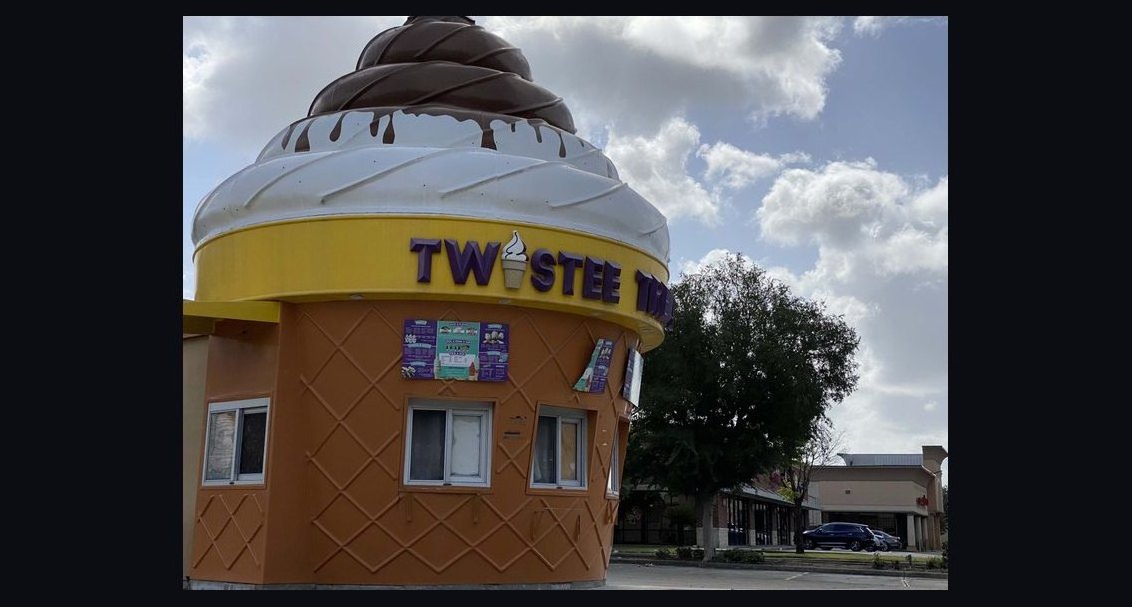 franchiseShould I open or buy a Twistee Treat franchise in 2027?
 franchiseShould I open or buy a Main Event Entertainment franchise in 2027?
 franchiseShould I open or buy a Pickleball Kingdom franchise in 2027?
 franchiseShould I open or buy an F45 Training franchise in 2027?
 franchiseShould I open or buy a Chipotle franchise in 2027?
 franchiseShould I open or buy an Aqua-Tots Swim Schools franchise in 2027?
 franchiseShould I open or buy a Flame Broiler franchise in 2027?
 franchiseShould I open or buy a Your Pie Pizza franchise in 2027?
 franchiseShould I open or buy a Qdoba franchise in 2027?
 franchiseShould I open a flooring installation business in 2027?