

Best pet grooming franchises to buy in 2027
The strongest pet grooming franchise buys for 2027 are mobile-van concepts and salon-plus-retail hybrids from established brands — Splash and Dash, Zoomin Groomin, Aussie Pet Mobile, Scenthound, and Wag N' Wash. Mobile units cost roughly $75K–$200K all-in with faster breakeven; brick-and-mortar salons run $200K–$500K but scale higher per location.
The two paths: mobile vans versus brick-and-mortar salons
Almost every serious pet grooming franchise decision in 2027 collapses into one fork: do you buy a van, or do you buy a lease? Everything downstream — capital stack, staffing model, marketing spend, exit multiple — flows from that single choice, and the brands themselves are organized around it. Aussie Pet Mobile and Zoomin Groomin are van-first systems. Scenthound and Wag N' Wash are location-first. Splash and Dash sits in the middle, historically a salon-and-retail hybrid. Pet Supplies Plus and some regional operators fold grooming into a broader retail box, which is a third path worth understanding even if you don't buy it.
The mobile path is the low-capital entry. A single self-contained van — generator, hydraulic lift or ramp, tub, dryer, water tank, HVAC so the dog isn't cooked in July — is the entire store. Franchisees typically report all-in investment in the range of roughly $75,000 to $200,000 depending on whether the van is new or used, whether the franchisor requires a specific upfit vendor, and how many units the territory agreement obligates you to open. You pay no rent, no CAM charges, no percentage-of-sales landlord clause. Your fixed overhead is a truck payment, insurance, fuel, and the franchise royalty. That's genuinely lean.
The tradeoff is a hard ceiling on throughput. One van, one groomer, one dog at a time, plus drive time between stops. A skilled mobile groomer realistically completes five to eight dogs a day if the route is dense, fewer if the territory is sprawling suburbs with twenty minutes between appointments. Multiply that by an average ticket that runs meaningfully higher than salon pricing — mobile commands a convenience premium, often 30% to 60% over comparable salon service — and you get a per-van revenue band that most systems describe somewhere in the low-to-mid six figures annually. Good money for one unit. But to build a real business you have to run a fleet, and a fleet means you're managing groomers you can't see, in trucks you can't monitor, on routes that fall apart when someone calls in sick.
Brick-and-mortar flips every one of those variables. A Scenthound-style location or a Wag N' Wash store carries meaningfully more capital risk: build-out, plumbing for multiple wash bays, HVAC and ventilation, drainage, flooring that survives constant water, signage, plus the lease itself. Total investment commonly lands in the $200,000 to $500,000 range, and for larger retail-integrated formats like Wag N' Wash — which pairs grooming and self-wash with a natural pet food and supply store — the upper end can push higher still because you're also funding opening inventory.
What you buy with that money is concurrency. Four grooming stations running simultaneously means four dogs at once, plus a self-wash bay generating revenue with zero labor cost attached, plus retail sales from the same square footage and the same foot traffic. A single location can do what three or four vans do, under one roof, with one manager, one insurance policy, and one marketing radius. And when you sell, a stable location with a lease, a staff, and a recurring membership base generally trades at a stronger multiple than a fleet of depreciating trucks.
There's also a third framing that gets overlooked: the wellness-subscription model versus the transactional grooming model. Scenthound built its whole thesis on this. Rather than selling a $90 full groom every six or eight weeks, it sells a low-priced monthly membership covering routine care — bath, brush, nails, ears, teeth check — with grooming as an upsell. That changes the business from a bookings business into a recurring-revenue business, which is a fundamentally different asset. If you come from a RevOps or SaaS background, the appeal is obvious: predictable MRR, measurable churn, a customer lifetime value you can actually model instead of guess.
How to decide between them
The decision isn't "which brand is best," it's "which brand is best for the capital, the labor market, and the territory you actually have." Run the fork in order, and stop at the first hard constraint.
Start with capital. If your liquid cash is under $75,000 and you're relying on an SBA 7(a) loan, the mobile path is nearly forced — lenders underwrite a van more comfortably than a first-time operator's $400,000 build-out, and the collateral is a titled asset they can repossess. If you have $150,000+ liquid and can service a lease guarantee, brick-and-mortar opens up and you should seriously weigh it, because the long-run economics are better.
Second, test your labor market before you sign anything. This is the constraint that kills more grooming franchises than any other, and almost nobody checks it first. Certified groomers are scarce, and they know it. Call three local grooming salons in your target territory and ask what they pay. If experienced groomers are commanding 50%–60% commission splits, your labor line is going to eat the model regardless of which brand's FDD looks prettiest. Mobile makes this worse in one way — the groomer is alone in a truck with your customer relationships and your equipment, and if they leave, the route often leaves with them — and better in another, since a well-paid mobile groomer running a dense route can out-earn a salon groomer and is therefore stickier.
Third, look at territory density. Mobile needs population density to keep drive time under control; a route where stops average four miles apart is a fundamentally different business than one averaging fifteen. Brick-and-mortar needs a trade area with the right household income and pet ownership skew, plus visible retail frontage — a grooming salon in the back of a strip center with no signage is a marketing problem you pay for every month for ten years.
Fourth — and this is the step most buyers skip — decide whether you want to be an operator or an owner. Single-van mobile franchises are frequently owner-operator businesses where the franchisee is the groomer. That's a job you bought, not an asset you own, and it's fine if that's what you want. Multi-unit mobile or a staffed salon is a management business. The skills barely overlap. Someone great at grooming dogs is often a mediocre scheduler and a worse recruiter, and the reverse is equally true.
Concrete numbers behind each option
Every number below should be verified against each brand's current Franchise Disclosure Document — Item 7 for investment range, Item 19 for financial performance representations, Item 20 for outlet turnover. Franchisors update these annually, and the 2027 documents will differ from what's public today. Treat these as planning bands, not quotes.
Mobile van systems (Aussie Pet Mobile, Zoomin Groomin). Initial franchise fee commonly runs in the $30,000–$60,000 range, often structured to cover a multi-van territory rather than a single truck. The van itself is the big line: a new fully-upfitted grooming van — chassis, generator, water system, tub, forced-air dryer, climate control — typically runs $70,000–$120,000, and financing it separately from the franchise fee is standard. Add insurance, initial marketing, working capital, and a used-van entry can land near $75,000 total while a new-van entry pushes toward $175,000–$200,000. Royalties in the category generally sit around 5%–7% of gross, plus a brand fund contribution of 1%–2%.
Salon and retail-hybrid systems (Scenthound, Wag N' Wash, Splash and Dash). Franchise fees are similar, roughly $35,000–$60,000. The build-out is where the money goes: $150,000–$350,000 depending on the shell condition, whether the space needs new plumbing runs to serve four or more wash bays, grease and hair interceptors on the drains, upgraded electrical for dryers, and ventilation. Equipment — tubs, tables, dryers, kennels, POS — adds meaningfully. Wag N' Wash's retail component requires opening inventory that a pure grooming salon doesn't. Realistic total investment: $200,000 on the low end for a small footprint in a cheap market, $500,000-plus for a full retail-integrated store in a high-cost metro.
Unit economics, mobile. Assume six dogs a day, five days a week, at a $95 average ticket. That's roughly $570/day, $2,850/week, and call it $140,000–$150,000 annually per van at full utilization, before accounting for vacation, weather, and vehicle downtime. Realistically, model 80% of that. Now subtract the groomer: if you're paying 45%–55% commission, that's $60,000–$80,000 gone. Fuel, insurance, van maintenance, product, royalty, and the van payment consume much of the rest. A single owner-operated van where you are the groomer is a solid personal income. A single van with a hired groomer is a thin business. The model only works at three, five, ten vans, where the fixed overhead of dispatch, marketing, and management amortizes.
Unit economics, salon. Four stations, four groomers, six to eight dogs each per day at a $70–$85 salon ticket. That's a very different revenue ceiling — a well-run location can plausibly do $400,000–$700,000 in grooming revenue, plus self-wash at $15–$25 a session with essentially zero labor, plus retail attach. But the cost stack is heavier: rent at $3,000–$8,000/month depending on market, a manager's salary, utilities that are non-trivial when you're heating water and running dryers all day, and the same 45%–55% groomer commissions.
Membership math. If a brand sells a $25–$40/month wellness membership and you build 800 members, that's $20,000–$32,000 of predictable monthly revenue before a single à la carte groom. The metric that matters is monthly churn. At 3% monthly churn you're replacing 24 members a month to stay flat; at 8% you're replacing 64 and running hard to stand still. Ask franchisees directly what their churn actually is — this number is rarely in the FDD and it determines whether the recurring-revenue story is real.
Ramp time. Mobile typically reaches breakeven faster — often 6 to 12 months for a single van, because the fixed cost base is small and a route fills through word of mouth. Salons commonly need 12 to 24 months, because you're carrying rent and staff from day one while building a client base. Budget working capital accordingly: six months of full operating expenses for mobile, twelve to eighteen for brick-and-mortar. Undercapitalization at month nine is the single most common way these deals fail.
Implementation details and sequencing
Buying a franchise is a process with a correct order, and running it out of order is how people end up locked into a bad territory. Here's the sequence that actually protects you.
Weeks 1–3: FDD and franchisee calls. Request the FDD from every brand on your shortlist. You get a mandatory 14-day review period before you can sign or pay anything — use all of it. Go straight to Item 19 (financial performance representations, if any — many grooming franchisors provide limited or no Item 19, which is itself a signal) and Item 20 (the outlet table showing openings, closures, terminations, and transfers over three years). A brand with heavy transfers and terminations relative to its base is telling you something the marketing deck won't. Then call franchisees — not the list the franchisor hands you, but names you pull from Item 20, including at least two who left the system. Ask them three questions: what did it actually cost, how long to breakeven, and would you sign again.
Weeks 3–6: territory and labor validation. Before you commit, drive the territory. For mobile, map the route density: how many qualified households within a fifteen-minute radius. For brick-and-mortar, sit in the parking lot of your candidate space at 5pm on a Tuesday and count cars. Simultaneously, post a groomer job ad in that market — a real one — and see how many qualified applicants surface in two weeks. If the answer is zero, you've learned something that saves you $300,000.
Weeks 6–10: financing and site or vehicle commitment. Most franchise buyers use SBA 7(a). Franchise brands on the SBA Franchise Directory move faster through underwriting, so confirm the brand's listing status early. Expect to put 10%–20% down and personally guarantee the loan. For brick-and-mortar, negotiate the lease hard: push for a longer free-rent build-out period, a tenant improvement allowance, and a personal guarantee that burns off after two or three years rather than running the full term. That guarantee clause is worth more than a small rent concession.
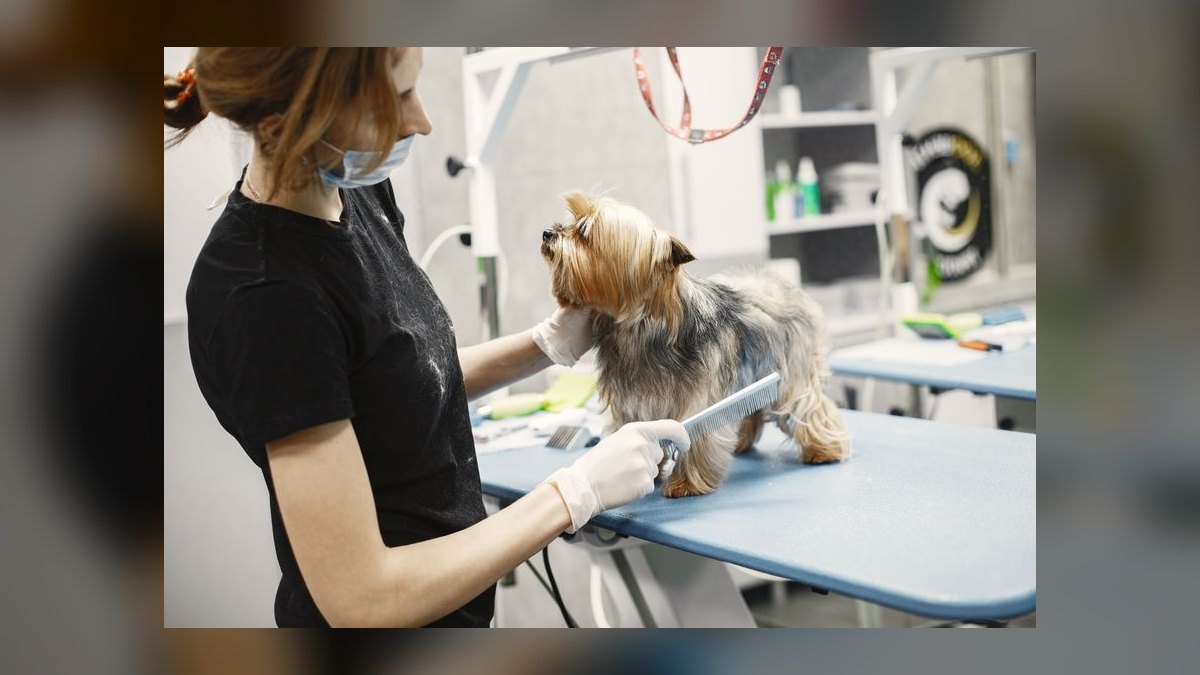
Weeks 10–20: build-out or upfit, plus hiring. Van upfits have lead times measured in months, not weeks — order early. Build-outs slip; assume they will. Critically, hire and train your groomers *before* you open, not after. A salon that opens with two stations staffed out of four is burning rent on unusable capacity. For mobile, if you're the operator, get certified and get reps on friendly dogs before you're taking paying clients.
Launch and the first 90 days. Soft-open with restricted booking so your workflow breaks in front of forty customers instead of four hundred. Grooming is an appointment business with real operational complexity — intake, temperament assessment, matting policy, drying time, pickup windows — and every one of those has a failure mode that generates a bad review. Get them right at low volume.
Adjacent revenue worth planning for from day one. Grooming pairs naturally with several neighboring lines. Self-service wash bays are the highest-margin square footage in the building. Retail — shampoo, brushes, food, treats — attaches at the point of pickup when the owner is already there and already happy. Some operators add daycare or boarding, which is a materially different business with different licensing, staffing, and liability, but it fills the same real estate and the same customer list. Veterinary-adjacent services like nail trims, teeth brushing, and ear cleaning bundle well into a membership. And mobile operators in particular find that partnerships with local veterinarians, breeders, and apartment complexes with pet amenities produce better lead flow than paid search.
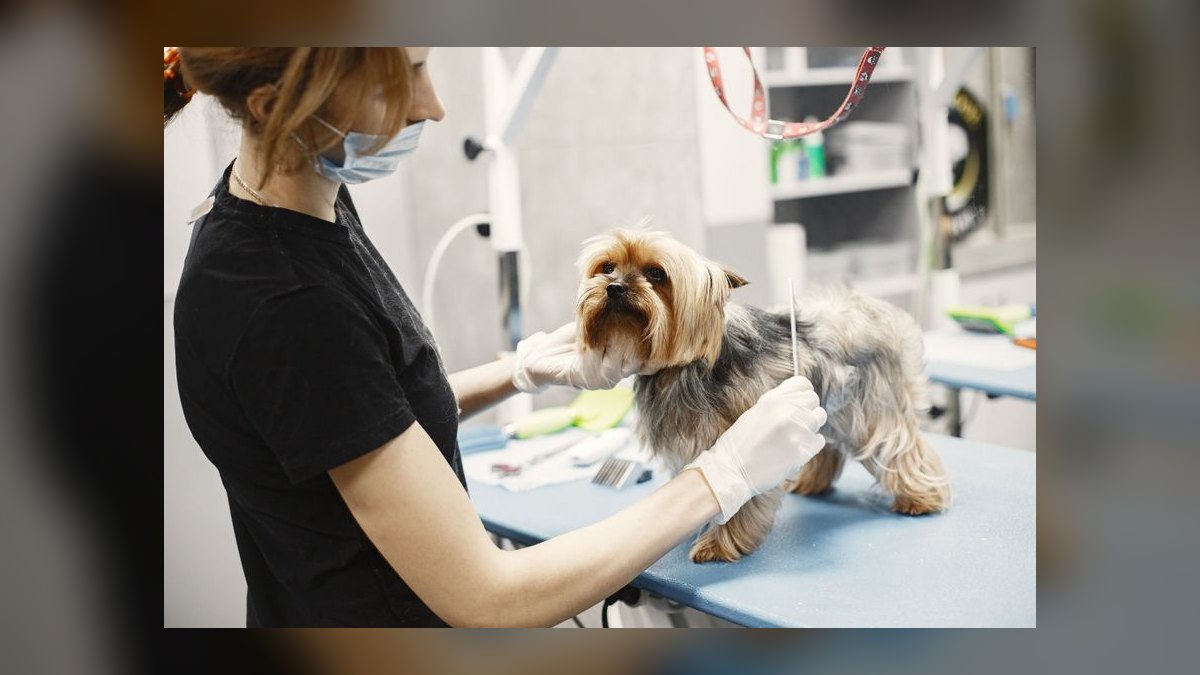
The multi-unit question. Nearly every grooming franchisor now sells area development agreements rather than single units, because their growth math depends on it. Signing for three units gets you a better fee structure and territory protection; it also obligates you to a development schedule with real penalties for missing it. Do not sign a three-unit deal on the strength of a pro forma. Sign for one, prove the model in your specific market with your specific labor pool, and negotiate a right of first refusal on adjacent territory instead. Franchisors will resist this. Some will accept it. The ones that won't budge at all on a first-time operator are telling you where their priorities sit.
What the category looks like heading into 2027
Pet spending has been structurally resilient — grooming in particular behaves less like discretionary retail and more like a recurring maintenance obligation, because a matted doodle is a welfare problem, not a style choice. That's the underlying reason the category attracts franchise capital: demand is non-seasonal, non-cyclical relative to most retail, and skews toward households that don't cut it first in a downturn.
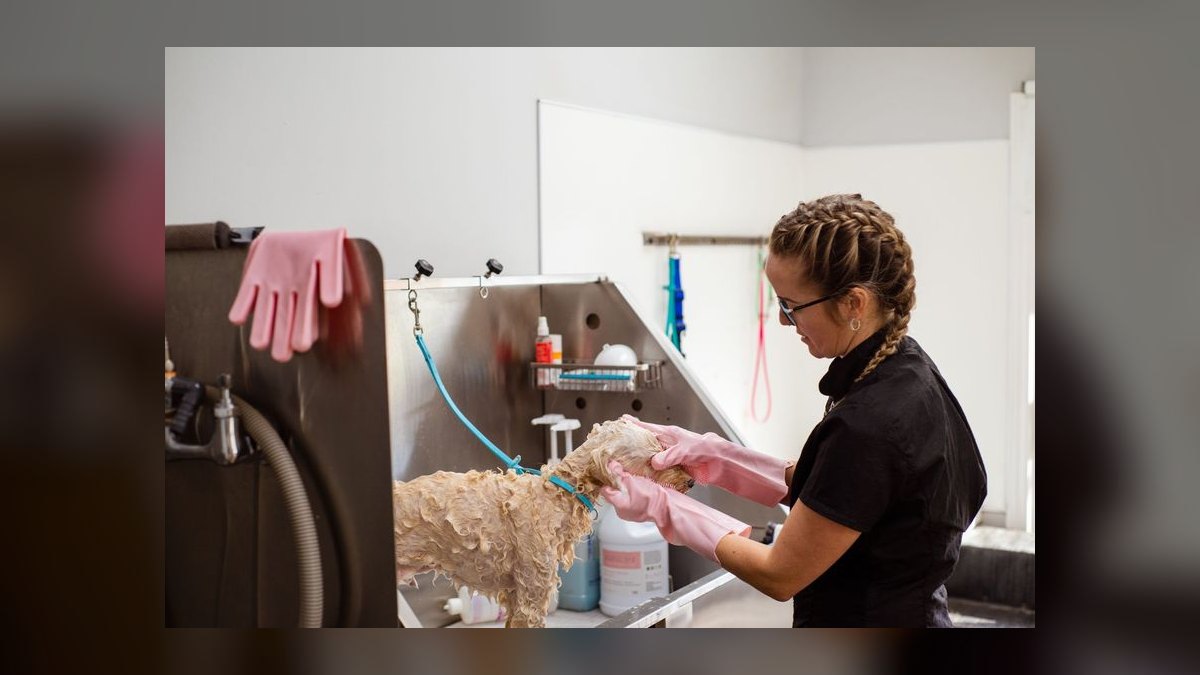
Three forces are worth watching as you underwrite a 2027 deal. First, groomer supply remains the binding constraint industry-wide, and brands that invest in their own training academies have a structural advantage over brands that expect franchisees to poach locally. Ask directly whether the franchisor operates a grooming school and whether franchisees get placement priority.
Second, the membership model is spreading beyond the brands that pioneered it. If you buy a transactional-grooming franchise in 2027, ask what the franchisor's plan is for recurring revenue, because competitors selling $30/month wellness plans will be locking up the same households you're trying to book every eight weeks.
Third, technology expectations have moved. Online booking, automated appointment reminders, digital intake forms, and text-based pickup notifications are table stakes now, not differentiators. A franchisor whose booking system is a phone and a paper calendar is charging you a royalty for less infrastructure than you could buy off the shelf. Evaluate the tech stack in the FDD's Item 11 obligations, and ask franchisees whether the required POS actually works.
Related questions
Is a mobile grooming van profitable as a single unit?
As an owner-operator where you're the groomer, yes — it can produce a solid personal income with low overhead. With a hired groomer at 45%–55% commission, a single van is thin. The model needs three or more units for management overhead to amortize.
How much does a pet grooming franchise cost in total?
Plan on roughly $75,000–$200,000 for a mobile van concept and $200,000–$500,000 for a salon or retail-hybrid location, including franchise fee, equipment or build-out, initial marketing, and working capital. Verify the exact band in each brand's FDD Item 7.
Do I need to be a certified groomer to buy one?
Usually not. Most franchisors train franchisees on business operations and either train or help recruit groomers. But if you're buying a single mobile van, you'll likely be the groomer in practice, and certification becomes effectively mandatory.
What's the biggest reason grooming franchises fail?
Two things, in order: undercapitalization — running out of working capital before the ramp completes — and inability to hire or retain groomers. Territory quality and brand choice matter far less than either of those two constraints.
Is a grooming franchise better than an independent salon?
A franchise buys you a proven build-out spec, vendor relationships, marketing systems, and training, in exchange for 5%–7% royalties forever. An independent keeps the royalty but pays for every mistake in tuition. Franchise favors first-time operators; independent favors experienced groomers.
FAQ
Which pet grooming franchises are actually worth evaluating for 2027?
The shortlist most buyers should request FDDs from includes Scenthound, Wag N' Wash, Splash and Dash, Aussie Pet Mobile, and Zoomin Groomin. Each represents a distinct model — wellness membership, retail-integrated grooming, salon hybrid, and mobile van — so requesting all five lets you compare structures rather than just brands. Pet Supplies Plus is worth a look if you want grooming inside a larger retail box. Filter to your capital band first, then your labor market, then territory availability.
How long until a pet grooming franchise breaks even?
Mobile units commonly reach breakeven in the 6–12 month range because fixed costs are low and routes build through referral. Brick-and-mortar salons typically need 12–24 months, since rent and staff costs start on day one while the client base is still forming. Budget six months of operating expenses in reserve for mobile and twelve to eighteen for a location. The most common failure is running out of cash in month nine of an eighteen-month ramp.
What royalty should I expect to pay?
Category norms run about 5%–7% of gross revenue, plus a national brand fund contribution typically in the 1%–2% range. Some brands charge a flat monthly royalty on mobile units instead of a percentage, which favors high-performing operators. Read Item 6 of the FDD carefully — it lists every fee, including technology fees, required conference attendance, transfer fees, and renewal fees that don't show up in the headline royalty number.
Can I convert an existing independent grooming salon into a franchise?
Some franchisors run conversion programs and will discount the initial fee for an established salon with an existing client base, because it accelerates their unit count. The catch is rebranding cost and required build-out to spec, which can approach a new-store number if your current space doesn't match their standard. Ask specifically about conversion terms — they're negotiable in ways new-unit terms often aren't.
How important is the franchisor's grooming training academy?
Very. Groomer supply is the tightest constraint in the category, and brands operating their own training programs generate their own labor pipeline rather than competing for a fixed local pool. Ask how many groomers the academy graduates annually, whether franchisees get placement priority, what it costs, and whether there's a retention agreement tying a trained groomer to your location for a period.
Should I sign a multi-unit development agreement upfront?
Generally no, as a first-time operator. Development agreements come with schedules and penalties for missing them, and you're committing to a model you haven't yet proven in your specific market with your specific labor pool. Prove one unit, then expand. Try to negotiate a right of first refusal on adjacent territory as an alternative — it preserves your upside without the obligation.
Sources
- https://www.ftc.gov/business-guidance/resources/consumers-guide-buying-franchise
- https://www.sba.gov/funding-programs/loans/7a-loans
- https://www.franchise.org/
- https://www.americanpetproducts.org/industry-trends-and-stats
- https://www.bls.gov/ooh/personal-care-and-service/animal-care-and-service-workers.htm
- https://www.entrepreneur.com/franchises/directory
- https://www.ftc.gov/legal-library/browse/rules/franchise-rule
- https://www.ibisworld.com/united-states/market-research-reports/pet-grooming-boarding-industry/
Related on PULSE
- Best dog daycare and boarding franchises to buy
- How to read a Franchise Disclosure Document before you sign
- SBA 7(a) financing for first-time franchise buyers
- Mobile service businesses: van-based unit economics explained
- Membership and subscription models for local service businesses
- How to evaluate a franchise territory before you commit
 franchiseBest retail franchises to buy in 2027
 franchiseBest technology franchises to buy in 2027
 franchiseBest laundry and dry cleaning franchises to buy in 2027
 franchiseBest vending machine franchises to buy in 2027
 franchiseBest entertainment franchises to buy in 2027
 franchiseBest franchise opportunities for veterans in 2027
 franchiseShould I open or buy a Public Storage franchise in 2027?
 franchiseShould I choose an independent self-storage business or a franchise model in 2027?
 franchiseShould I open or buy a Zoom Room dog training franchise in 2027?
 franchiseShould I open or buy an Urban Air Adventure Park franchise in 2027?