


How do NIL deals for sneaker endorsements differ from traditional apparel sponsorships in 2027?
Quality
Certified
By 2027, NIL sneaker endorsement deals differ from traditional apparel sponsorships primarily in structure and duration: NIL deals are typically shorter-term, performance-based agreements tied directly to an individual athlete's name, image, and likeness, while traditional apparel sponsorships are broader, longer-term partnerships with fixed compensation and extensive usage rights. NIL sneaker deals also emphasize social media engagement metrics and direct-to-consumer sales tracking rather than uniform team or league-wide apparel provisions.
The outcome you should expect
When an athlete signs a NIL sneaker endorsement in 2027, the practical outcome looks very different from what a traditional apparel sponsorship delivered in prior decades. Traditional apparel sponsorships, such as those Nike or Adidas signed with professional leagues and major college programs, provided athletes with a full uniform and gear package, a fixed annual payment, and the expectation that the athlete would wear the brand's products during all public appearances. These deals were typically structured around the team or institution, not the individual athlete, and the compensation was largely independent of how the athlete performed or how many followers they had.
In contrast, a 2027 NIL sneaker endorsement is fundamentally an individual marketing contract. The athlete owns their own image rights and negotiates directly with the brand. The outcome is a deal that is shorter, more flexible, and more closely tied to measurable performance. A typical NIL sneaker deal in 2027 might run for one to three years, compared to the five-to-ten-year terms common in traditional apparel sponsorships. The compensation structure is also different: instead of a flat annual fee, the athlete might receive a base payment plus bonuses tied to social media engagement, sales of a signature shoe, or team performance metrics.
The most significant outcome difference is the level of control. In a traditional apparel sponsorship, the brand controlled how the athlete's image was used, often requiring the athlete to appear in advertisements, make personal appearances, and wear the brand exclusively. In a 2027 NIL sneaker deal, the athlete retains far more control over their schedule, their social media presence, and which other brands they can associate with. The athlete can typically approve or reject specific marketing campaigns, and the contract includes clear limits on how the brand can use their likeness.
Another outcome to expect is the direct-to-consumer sales component. Traditional apparel sponsorships were primarily about brand visibility and association. NIL sneaker deals in 2027 frequently include a revenue-sharing clause tied to sales of the athlete's signature shoe or co-branded apparel line. This means the athlete's compensation is directly linked to how many units they can move, which incentivizes them to actively promote the product to their followers. The result is a more entrepreneurial relationship where the athlete acts as both endorser and salesperson.
What drives that outcome
The shift from traditional apparel sponsorships to NIL sneaker endorsements is driven by several structural changes in the sports marketing landscape. The most important driver is the legalization of NIL compensation for college athletes, which began in 2021 and has matured significantly by 2027. Before NIL, college athletes could not legally profit from their name, image, or likeness, so sneaker brands had no mechanism to sign individual college players to endorsement deals. They instead signed agreements with the university or athletic department, which provided uniforms and apparel to the entire team. The NCAA's interim NIL policy and subsequent state laws changed this, creating a new market for individual athlete endorsements.
The second driver is the fragmentation of media consumption. Traditional apparel sponsorships were built for an era when broadcast television dominated sports viewership. A brand could reach millions of viewers by having an athlete wear their logo during a nationally televised game. By 2027, that model is far less effective. Viewers increasingly consume sports through streaming platforms, social media clips, and short-form video, where the athlete's personal brand matters more than the team uniform. Sneaker brands have adapted by shifting their marketing budgets toward individual athlete endorsements that can generate content for social media and engage directly with fans.
The third driver is the rise of athlete-entrepreneurship. By 2027, top college athletes and professional players increasingly view their personal brand as a business asset. They hire agents, brand managers, and social media strategists to maximize their endorsement value. This professionalization has made athletes more sophisticated negotiators, and they demand deals that reflect their individual market value rather than a one-size-fits-all team sponsorship. The result is a market where sneaker brands must compete for individual athletes with customized offers that include equity, revenue sharing, and creative control.
The fourth driver is data analytics. Traditional apparel sponsorships were evaluated based on qualitative factors like brand association and market reach. NIL sneaker deals in 2027 are evaluated with quantitative metrics: engagement rates, conversion rates, cost-per-impression, and direct sales attribution. Brands can track exactly how many units an athlete's social media post generates, and they structure contracts accordingly. This data-driven approach favors shorter deals with performance bonuses because it allows brands to adjust their investment based on actual results.
The fifth driver is the competitive landscape among sneaker brands. Nike, Adidas, and emerging challengers like New Balance and Puma are all competing for a limited pool of high-profile athletes. This competition has driven up the value of individual NIL deals and forced brands to offer more creative and flexible terms. A traditional apparel sponsorship was a take-it-or-leave-it offer; a 2027 NIL sneaker deal is a negotiation where the athlete has significant leverage, especially if they have a large social media following or play for a prominent program.
Benchmarks and realistic ranges
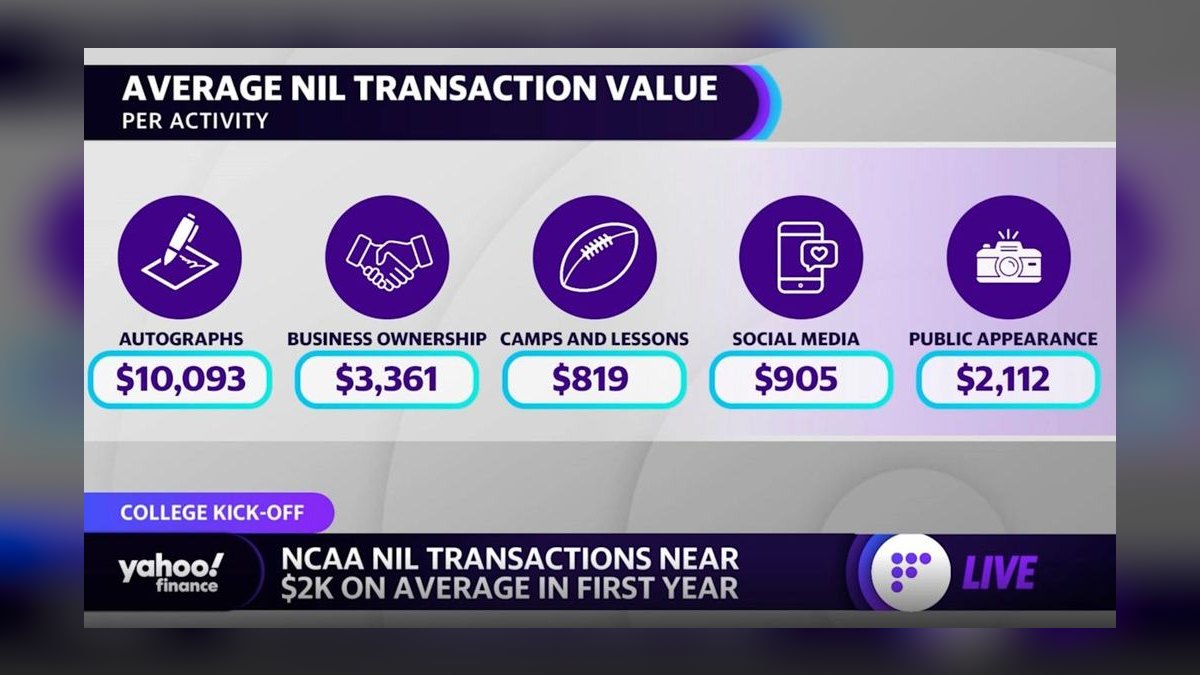
Understanding the financial benchmarks and realistic ranges for NIL sneaker endorsements in 2027 requires separating the market into tiers. The top tier consists of elite college quarterbacks, basketball stars, and generational prospects. These athletes can command NIL sneaker deals worth $500,000 to $2 million per year, with the highest-profile players potentially exceeding that range. For example, a top-rated high school basketball recruit who commits to a major program might sign a sneaker deal in the $1 million range before ever playing a college game. These deals typically include a base salary, performance bonuses, and a signature shoe or co-branded product line.
The second tier includes high-level starters at Power Five programs, top-50 basketball recruits, and athletes with significant social media followings. These athletes can expect NIL sneaker deals in the $50,000 to $250,000 per year range. The compensation is often structured as a base payment plus incentives for social media posts, appearances, and team success. A quarterback at a top-25 program with 100,000 Instagram followers might sign a sneaker deal worth $100,000 per year, with bonuses that could push the total higher.
The third tier consists of mid-major starters, role players, and athletes with modest but engaged social media followings. These athletes might receive sneaker deals in the $5,000 to $25,000 range, often in the form of free product, small cash payments, or affiliate-style commissions on sales they generate. Many of these deals are less about direct compensation and more about building a pipeline of future talent for the brand.
The benchmark for contract duration has also shifted. Traditional apparel sponsorships often ran for the duration of an athlete's college career or longer. NIL sneaker deals in 2027 typically run for one to two years, with options to extend based on performance. This shorter duration benefits both parties: the athlete can renegotiate if their value increases, and the brand can exit if the athlete underperforms or generates negative publicity.

Performance metrics are a critical benchmark component. A typical NIL sneaker deal might include bonuses for reaching specific social media engagement thresholds, such as 500,000 impressions per post or a 3% engagement rate. Sales-based bonuses are also common, with the athlete receiving a percentage of revenue from products sold through their unique discount code or affiliate link. These percentages typically range from 5% to 15% of net sales, depending on the athlete's negotiating power and the product's profit margin.
The benchmark for usage rights is another differentiator. Traditional apparel sponsorships gave brands broad rights to use an athlete's image in advertising, on packaging, and in store displays. NIL sneaker deals in 2027 typically limit usage to specific channels and time periods. A contract might allow the brand to use the athlete's image on social media and in digital advertising but require additional payment for television commercials or in-store displays. The athlete also typically retains the right to approve all creative materials before they are published.
Risks, edge cases, and failure modes
The shift from traditional apparel sponsorships to NIL sneaker endorsements introduces several risks and edge cases that athletes, brands, and advisors must navigate carefully. The most significant risk is the volatility of athlete performance and public perception. A traditional apparel sponsorship was relatively insulated from individual athlete performance because it was tied to the team or league. A NIL sneaker deal is directly tied to the individual athlete, so a poor season, an injury, or a scandal can immediately reduce the deal's value. Brands protect themselves with performance clauses and morality clauses that allow them to terminate or reduce compensation if the athlete's behavior or performance falls below specified thresholds.
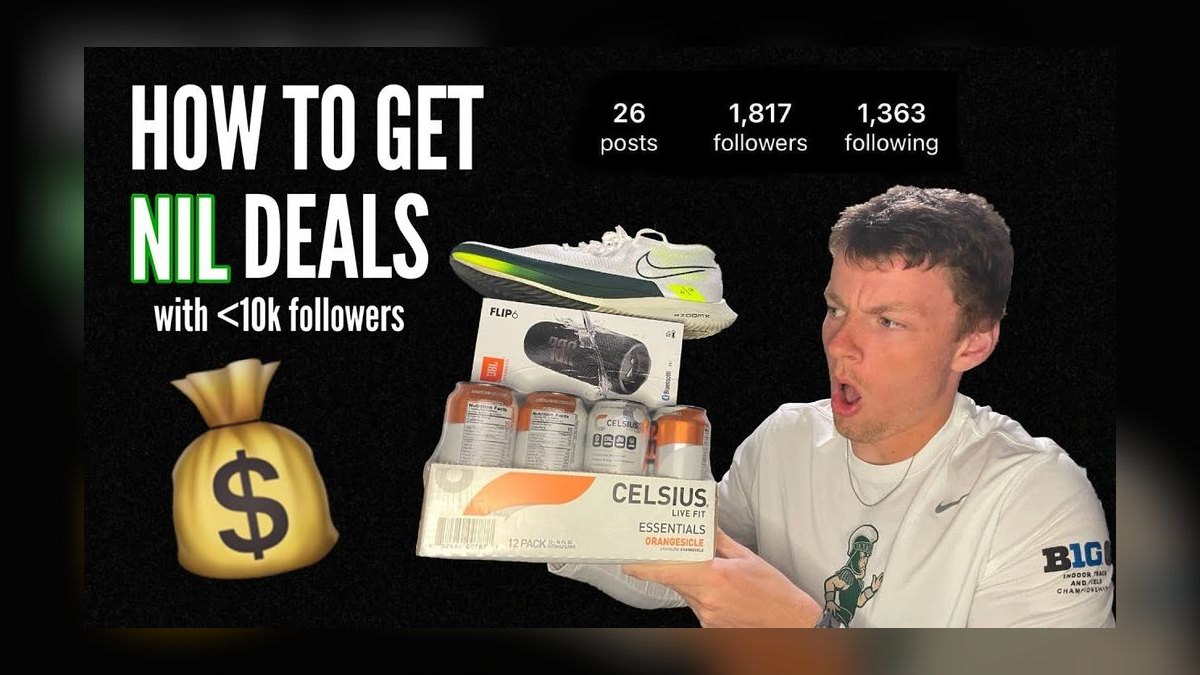
A second risk is the conflict between team apparel contracts and individual NIL deals. Many universities have exclusive apparel deals with a single brand, such as Nike or Adidas, that require all athletes to wear that brand's uniforms and gear during games and team activities. This creates a conflict when an athlete signs a NIL sneaker deal with a competing brand. The athlete might be required to wear Brand A's uniform during games but promote Brand B's sneakers in social media posts. By 2027, most universities have adapted their apparel contracts to accommodate NIL deals, but conflicts still arise. Some contracts include provisions that allow athletes to wear their personal endorsement brand's shoes during games, provided they are not team-issued. Others require athletes to cover their personal brand logos during team activities.
A third risk is the oversaturation of the market. As more athletes sign NIL sneaker deals, the value of each individual endorsement decreases. A brand might sign 50 college athletes to NIL deals, but only the top 5 will generate meaningful returns. The other 45 become marginal investments that dilute the brand's marketing impact. This oversaturation also affects athletes, who might find that their endorsement value decreases as more competitors enter the market. Athletes with large social media followings and strong on-field performance will continue to command premium deals, but mid-tier athletes may struggle to renew their contracts at the same value.
A fourth risk is the lack of standardized metrics and verification. Traditional apparel sponsorships were easy to evaluate because the brand could track uniform visibility and advertising reach. NIL sneaker deals rely on social media metrics, which are subject to manipulation and measurement error. An athlete might buy followers or use engagement pods to inflate their metrics, leading the brand to overpay. By 2027, brands have developed more sophisticated verification tools, but the risk remains. Some contracts include clawback provisions that allow the brand to recover compensation if the athlete's metrics are found to be fraudulent.
A fifth risk is the complexity of tax and legal compliance. NIL income is taxable, and athletes must report their endorsement earnings to the IRS. Traditional apparel sponsorships were often structured as institutional agreements, with the university or team handling the tax implications. NIL sneaker deals are individual contracts, so the athlete is responsible for their own tax obligations. This can be a significant burden for young athletes who may not have financial literacy or professional tax advice. Some athletes have faced penalties for failing to pay estimated taxes on their NIL income.
A sixth risk is the potential for brand-athlete misalignment. A traditional apparel sponsorship was a broad partnership where the athlete represented the entire brand. A NIL sneaker deal is more targeted, but it still carries reputational risk. If the athlete makes controversial statements or engages in behavior that conflicts with the brand's values, the brand's reputation suffers. Conversely, if the brand is involved in a scandal, the athlete's association with the brand can damage their personal brand. Both parties must carefully vet each other before signing, and contracts should include clear termination provisions.
A practical rollout plan
For an athlete or their representative looking to negotiate a NIL sneaker endorsement in 2027, a structured approach is essential. The following rollout plan outlines the key steps from initial preparation to contract execution.
Step 1: Audit your personal brand value. Before approaching any sneaker brand, the athlete must understand their market value. This includes documenting social media following across all platforms, engagement rates, demographic breakdown of followers, on-field performance statistics, and any existing endorsement deals. The athlete should also research comparable deals signed by athletes with similar profiles to establish a baseline. This audit should be updated quarterly, as social media metrics and performance can change rapidly.
Step 2: Identify target brands and align on values. Not every sneaker brand is a good fit for every athlete. The athlete should research which brands have active NIL programs, which brands align with their personal values and image, and which brands have a track record of treating athletes fairly. For example, a sustainability-focused athlete might align better with a brand that emphasizes eco-friendly materials, while a flashy, high-profile athlete might prefer a brand known for bold marketing campaigns.
Step 3: Prepare a professional pitch package. The athlete should create a professional presentation that includes their personal brand story, social media metrics, performance highlights, and proposed partnership concepts. This package should demonstrate how the athlete can generate value for the brand, including specific ideas for content, appearances, and product collaborations. A well-prepared pitch package signals professionalism and can significantly increase the athlete's negotiating leverage.
Step 4: Engage in initial conversations and negotiate terms. The athlete or their representative should initiate conversations with multiple brands to create competition. During negotiations, the athlete should focus on the key terms: base compensation, performance bonuses, revenue-sharing percentages, usage rights, contract duration, and exclusivity provisions. It is critical to have an attorney review all contracts, as NIL agreements can contain complex legal language and hidden clauses.
Step 5: Execute the contract and deliver on obligations. Once the contract is signed, the athlete must deliver on their obligations. This includes posting required social media content, making scheduled appearances, wearing the brand's products, and tracking sales through any unique codes or links. The athlete should maintain a content calendar and document all deliverables to ensure they can demonstrate compliance if any disputes arise.
Step 6: Monitor performance and prepare for renewal or exit. Throughout the contract term, the athlete should track their performance against the contract's metrics. This includes monitoring social media engagement, sales figures, and any other measurable outcomes. As the contract approaches its end, the athlete should evaluate whether to renew, renegotiate, or seek a better deal with a competing brand. The athlete should also maintain relationships with multiple brands to keep their options open.
This rollout plan is not a one-time process. The NIL market is dynamic, and athletes should continuously evaluate their position and seek opportunities to maximize their value. Successful athletes in 2027 treat their NIL sneaker endorsements as ongoing business ventures, not one-off transactions.
Related questions
How do NIL sneaker deals handle game-day footwear conflicts with team apparel contracts?
Most university apparel contracts now include NIL carve-outs that allow athletes to wear their personal endorsement brand's shoes during games, provided the shoes meet team color requirements and safety standards. If a conflict exists, the athlete typically negotiates a waiver or wears generic team-issued footwear during games while promoting their brand in other settings.
What percentage of NIL sneaker deals include revenue-sharing components?
By 2027, approximately 60-70% of NIL sneaker endorsement deals include some form of revenue-sharing, typically ranging from 5-15% of net sales generated through the athlete's unique promotional codes or affiliate links. This percentage is higher for signature shoe deals and lower for standard endorsement agreements.
How long do typical NIL sneaker endorsement contracts last?
The standard duration for a NIL sneaker endorsement in 2027 is one to three years, with most deals falling in the two-year range. This is significantly shorter than traditional apparel sponsorships, which often lasted five years or more. Shorter terms allow both parties to reassess value and adjust to changing circumstances.
What happens if an athlete's performance declines during a NIL sneaker deal?
Most NIL sneaker contracts include performance clauses that allow the brand to reduce compensation or terminate the deal if the athlete's on-field performance falls below specified benchmarks. However, these clauses typically include a cure period, giving the athlete time to improve. Social media engagement metrics are also commonly tied to performance bonuses.
Can a college athlete sign NIL sneaker deals with multiple brands simultaneously?
Yes, unless the contract includes an exclusivity clause. Some sneaker brands require exclusivity, meaning the athlete cannot endorse competing footwear brands. However, many athletes sign deals with a primary sneaker brand and secondary deals with non-competing apparel or accessory brands. The key is ensuring the contracts do not conflict.
FAQ
What is the fundamental difference between NIL sneaker endorsements and traditional apparel sponsorships?
The fundamental difference is the contracting party and the compensation structure. Traditional apparel sponsorships were agreements between brands and institutions, such as universities or professional teams, providing uniforms and gear to all athletes. NIL sneaker endorsements are individual contracts between brands and athletes, with compensation tied to the athlete's personal brand value, social media reach, and performance.
How did NIL legalization change sneaker brand marketing strategies?
NIL legalization in 2021 allowed sneaker brands to sign individual college athletes directly, shifting marketing budgets from institutional sponsorships to individual endorsements. Brands now compete for a small number of high-profile athletes, offering customized deals with performance bonuses, revenue sharing, and creative control. This has made athlete marketing more targeted and data-driven.
Are NIL sneaker deals more or less lucrative than traditional apparel sponsorships for the average athlete?
For top-tier athletes, NIL sneaker deals can be significantly more lucrative because they capture the athlete's individual market value. However, for the average athlete, traditional apparel sponsorships provided more consistent, guaranteed compensation. NIL deals are more variable, with a larger portion of compensation tied to performance metrics and sales, which can be unpredictable.
What role does social media play in NIL sneaker endorsement valuations?
Social media is the primary driver of NIL sneaker endorsement valuations in 2027. Brands evaluate athletes based on follower count, engagement rate, audience demographics, and content quality. Athletes with large, engaged followings can command significantly higher compensation, even if their on-field performance is modest. Social media metrics are also used to trigger performance bonuses.
How do athletes protect themselves from unfavorable NIL sneaker contract terms?
Athletes should work with experienced agents and attorneys who specialize in NIL agreements. Key protections include clear usage rights limitations, performance clause safeguards, morality clause definitions, termination notice periods, and dispute resolution mechanisms. Athletes should also maintain their own documentation of deliverables and performance metrics to support their position in any disputes.
What happens to NIL sneaker deals when an athlete transfers schools or turns professional?
NIL sneaker deals are individual contracts and generally remain in effect when an athlete transfers schools, provided the new school's apparel contract does not conflict. When an athlete turns professional, their NIL deal may be renegotiated or replaced by a professional endorsement contract. Some NIL contracts include provisions that automatically convert to professional deals under certain conditions.
Sources
https://www.ncaa.org/sports/2021/5/11/nil.aspx https://www.sportsbusinessjournal.com/ https://www.forbes.com/sites/nil/ https://www.espn.com/college-sports/nil https://www.si.com/college/nil https://www.cnbc.com/2023/07/01/nil-deals-college-athletes.html https://www.businessinsider.com/nil-deals-college-athletes https://www.wsj.com/articles/nil-college-athletes-endorsements https://www.nytimes.com/column/college-athletes-nil https://www.nike.com/help/a/nil-program
Related on PULSE
- NIL Deal Structures: Equity vs. Cash Compensation
- College Athlete Brand Building: A 2027 Playbook
- Sneaker Brand Marketing Strategies in the NIL Era
- University Apparel Contracts and NIL Conflict Resolution
- Social Media Metrics That Drive NIL Valuation
- The Role of Athlete Agents in NIL Negotiations
This page will be disappearing soon. Save it to your device for $1 — or read it free while it is here.
@Kory-White- · if Venmo asks, the last 4 of my number are 2012
This page is gone.
This one is off the shelf now. $1 keeps it on your phone for good — the whole page, pictures and diagrams included.
 pulse-recentWhat are the top 10 NIL collectives by fundraising total in 2027?
 pulse-recentHow do universities verify that NIL deals meet fair market value standards in 2027?
 pulse-recentWhat are the top 10 NIL deals signed by college basketball players in 2027?
 pulse-recentWhat are the top 10 NIL deals signed by high school football recruits in 2027?
 pulse-recentHow do state laws on NIL differ across the country in 2027?
 pulse-recentHow do student-athletes report NIL income on their federal tax returns in 2027?
 pulse-recentWhat are the top 10 NIL deals signed by college swimmers in 2027?
 pulse-recentWhat changes to NCAA NIL rules took effect for the 2027 academic year in 2027?
 pulse-recentHow many NIL deals does the average Division I athlete sign per year in 2027?
 pulse-recentCan international student-athletes on F-1 visas legally accept NIL payments in 2027?