


Can international student-athletes on F-1 visas legally accept NIL payments in 2027?
Quality
Certified
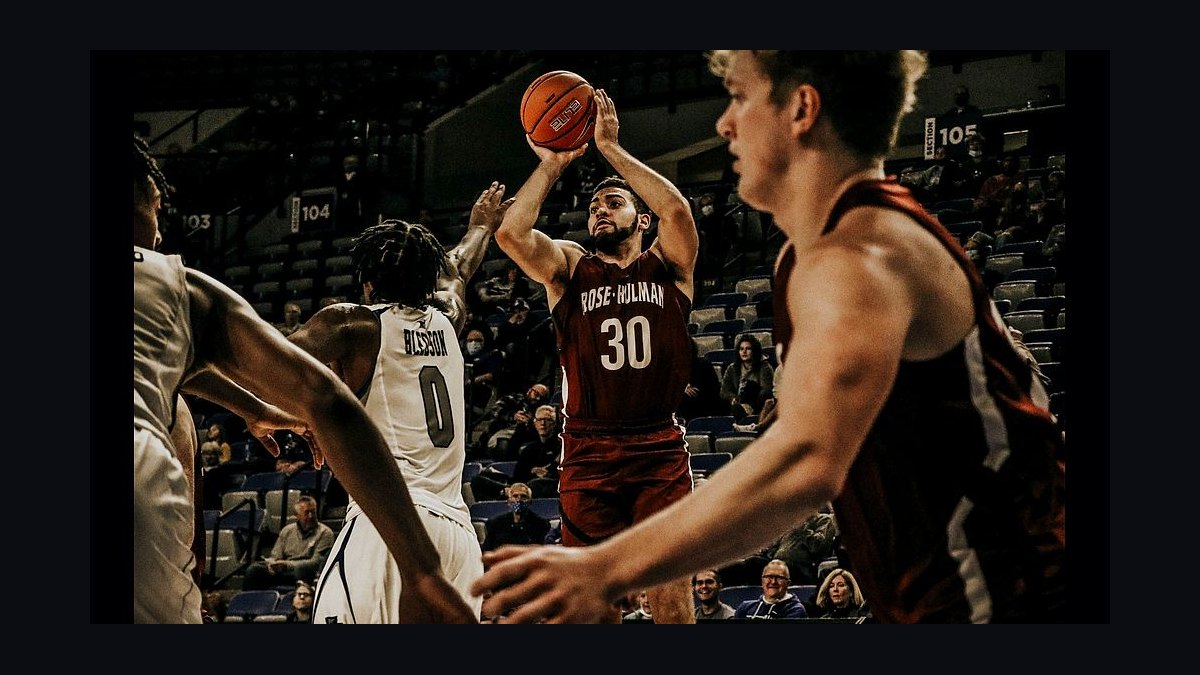
Yes, but only through narrow, compliant channels. International student-athletes on F-1 visas can legally accept NIL payments in 2027 if the activity avoids "work" under U.S. immigration law. Passive licensing of name, image, and likeness, plus some on-campus appearances, generally work; active promotion, sponsored content, and off-campus services usually do not without separate authorization.
The outcome you should expect
The practical reality for 2027 is a two-track system that has hardened over the past several years. On one track, international student-athletes can monetize their NIL in ways that U.S. Citizenship and Immigration Services (USCIS) treats as passive income rather than employment. On the other track, the same athletes are blocked from most of the deals that generate the largest payments for their domestic teammates — brand ambassadorships, paid social posts, autograph-signing events, and camp appearances — because those activities look like work performed in the United States without an employment-authorized visa status.
What does that mean in dollar terms for a realistic 2027 roster? A domestic football or basketball player at a power-conference program might sign a collective deal worth anywhere from $50,000 to $2 million per year. A comparable international teammate, restricted to compliant channels, is often looking at a much narrower band — frequently a few thousand dollars up to roughly $100,000 in the best-structured cases, and often far less. The gap is not because international athletes have less market value; it is because the compliant menu of activities is smaller.
Three structural facts define the 2027 landscape. First, the F-1 visa itself has not changed in any way that authorizes NIL work. Second, the Student and Exchange Visitor Program (SEVP) and USCIS have continued to treat unauthorized off-campus employment as a status violation with serious consequences — including potential loss of status, removal, and multi-year bars on reentry. Third, universities, collectives, and NIL marketplaces have gotten better at building compliant structures, which is why the answer is "yes, but narrowly" rather than "no."

The most important thing a practitioner should internalize: the compliance question is not "can this athlete get paid?" It is "is this specific activity passive, or is it work?" Every deal has to be analyzed activity-by-activity, not deal-by-deal. A single contract can contain both compliant and non-compliant components, and the fix is usually to strip out or relocate the non-compliant pieces rather than kill the whole arrangement.
What drives that outcome
Four forces determine whether a given NIL arrangement is legal for an F-1 athlete in 2027.
1. The definition of "employment" under immigration law. USCIS does not define employment narrowly. Any activity performed in the United States in exchange for money, goods, or services can be treated as work, even if it is part-time, one-off, or framed as a "gift." The key question is whether the athlete is providing labor or services in return for consideration. Passive licensing — where the athlete grants a company the right to use their name, image, or likeness and does nothing further — generally falls outside that definition. Active promotion — where the athlete posts, appears, speaks, or performs — generally falls inside it.

2. The on-campus versus off-campus distinction. F-1 students can generally work on campus up to 20 hours per week while school is in session without separate authorization. Some universities have used this to structure NIL-adjacent appearances, autograph sessions, and promotional events on campus, treating them as on-campus employment. Off-campus activity is a different matter entirely and typically requires Curricular Practical Training (CPT), Optional Practical Training (OPT), or a different visa category. Most NIL deals that involve an off-campus business fall into the second bucket.
3. The passive licensing carve-out. The most reliable compliant channel is a true licensing deal: the athlete grants a business the right to use their NIL in a product, advertisement, or campaign, and the athlete does not perform any service. This is the structure that most international-athlete NIL programs now default to. The athlete signs a license, the company pays a fee, and the athlete's only obligation is to not revoke the license. The moment the athlete is asked to appear at a launch event, record a video, or post to social media, the analysis changes.
4. Institutional and collective policy. Even where federal immigration law would permit an arrangement, universities and collectives can impose stricter rules. Many athletics departments now require international athletes to route all NIL deals through a compliance office review, and some collectives have separate international-athlete pools with smaller deal sizes and narrower activity menus. These internal policies are not law, but violating them can cost the athlete eligibility or the collective its relationship with the school.
The diagram above is the decision tree a compliance officer should walk through for every international athlete NIL deal. Notice that the first question is not "how much is the deal worth?" but "does the athlete have to do anything?" That is the pivot point.
Benchmarks and realistic ranges

Because there is no public database of international-athlete NIL payments, the benchmarks below are drawn from the general structure of NIL deal sizes and the compliant activity menus that international athletes can access. They are directional, not authoritative.
Passive licensing deals. These are the most common compliant structure. Typical values range from a few hundred dollars for a local business using an athlete's likeness in a single social post, to $10,000–$50,000 for a regional brand running a season-long campaign. At the top of the market, a handful of international athletes in high-visibility sports have signed licensing deals in the low six figures, but these are the exception and usually involve a national brand, a well-resourced collective, and a compliance team that has built the structure from scratch.
On-campus appearances. Autograph sessions, youth clinics held on campus, and university-run promotional events can be structured as on-campus employment. Pay is typically hourly or per-event, and the 20-hour weekly cap during the academic term applies. Realistic ranges are $15–$75 per hour for appearance work, or $500–$5,000 per event for higher-profile athletes. These deals are small but reliable, and they are the workhorse of many international-athlete NIL programs.

Team-wide licensing pools. Some collectives have created pooled licensing arrangements where every athlete on a roster — domestic and international — grants the collective the right to use their NIL in team-level marketing. Payouts are usually equal or tiered and often fall in the $1,000–$25,000 range per athlete per year. The advantage is that the structure is uniform and pre-vetted; the disadvantage is that it caps upside.
What is generally off the table without work authorization. Paid social media posts for off-campus brands, sponsored content, brand ambassador roles, paid speaking engagements, off-campus camps and clinics, and any deal that requires the athlete to promote a business off campus. These are the deals that drive the largest NIL numbers for domestic athletes, and they are the reason the international-domestic earnings gap persists.
The earnings gap in practice. A useful way to sanity-check expectations: if a domestic teammate's NIL portfolio is built 70% on social promotion and appearances and 30% on licensing, the international teammate is effectively limited to the 30% slice, and often a narrower version of it. That is why a domestic athlete and an international athlete with identical market value can end up with very different annual totals.
Cost of compliance. Building a compliant international-athlete NIL program is not free. Universities and collectives typically spend on immigration counsel, compliance review, and contract templates. Realistic annual costs for a program serving 20–50 international athletes range from $10,000 to $75,000, depending on the complexity of the deals and the jurisdiction. That cost is usually borne by the collective or the athletics department, not the athlete.
Risks, edge cases, and failure modes

The failure modes in this area are well documented and expensive. Practitioners should treat each of the following as a live risk in 2027.
Status violation from unauthorized work. The single biggest risk. If an international athlete performs services off campus for payment without CPT, OPT, or another authorization, USCIS can determine that the athlete violated F-1 status. Consequences include termination of SEVIS record, loss of lawful status, removal from the United States, and bars on reentry ranging from three years to ten years depending on the duration of the violation. This is not a theoretical risk; it is the reason compliance offices review every deal.
The "gift" trap. Some deals are structured as gifts, prizes, or "thank you" payments to avoid the appearance of employment. USCIS looks at substance, not labels. If the athlete provided a service in exchange for the payment, calling it a gift does not change the analysis. Athletes and their advisors should be skeptical of any structure that relies on relabeling rather than changing the underlying activity.
Social media posts. This is the most common edge case. An athlete posts about a brand on their own account, unprompted, and the brand later sends a payment. If the post was part of an agreement — even an informal one — the payment is compensation for a service performed in the United States. If the post was genuinely unprompted and the payment is a true royalty for the brand's use of the athlete's existing content, the analysis is different, but the line is thin and fact-specific.
Collective deals with mixed activity menus. Many collective contracts bundle licensing, appearances, and social promotion into a single agreement. For an international athlete, signing that contract as-is can create a status problem even if the athlete only intends to do the licensing portion. The fix is to sever the contract: a licensing-only agreement for the international athlete, and a separate agreement for any appearance work that is structured as on-campus employment.

NIL marketplace platforms. Third-party marketplaces that facilitate NIL deals often use standard contracts that assume the athlete can perform any activity. International athletes who sign up without review can inadvertently agree to terms that require off-campus promotion. Platforms have gotten better about flagging international athletes, but the responsibility ultimately sits with the athlete and the compliance office.
Tax and treaty issues. Even compliant NIL income is taxable in the United States, and F-1 athletes are generally treated as nonresident aliens for tax purposes unless they meet the substantial presence test. Many countries have tax treaties with the United States that affect withholding on royalty income, which is how licensing payments are often characterized. Athletes should expect withholding and should file U.S. tax returns. This is a separate compliance layer from immigration, but it is just as real.
Reentry and visa renewal. An international athlete who has accepted compliant NIL payments may still face questions at a consulate or port of entry about the source of income. Carrying documentation — the license agreement, the compliance office approval, and proof that no services were performed — reduces the risk of a secondary inspection turning into a status problem.
Institutional policy changes. University and conference rules on international-athlete NIL can change faster than federal law. A structure that was approved in the fall may be restricted in the spring. Programs that build compliance review into every deal, rather than approving structures once and assuming they stay valid, are better positioned.
A practical rollout plan

For a compliance office, collective, or athlete advisor building an international-athlete NIL program in 2027, the following sequence is the most reliable.
Step 1: Inventory the roster. Identify every international athlete on F-1 status, their sport, their visa expiration, and any existing work authorization (CPT, OPT, on-campus employment). This is the baseline.
Step 2: Classify every deal by activity. For each NIL opportunity, list the specific activities the athlete would perform. Separate passive licensing from active promotion. Separate on-campus from off-campus. Do not classify by deal size or by who is paying.
Step 3: Route through immigration counsel. Any deal that involves active promotion or off-campus activity should be reviewed by immigration counsel before the athlete signs. Counsel can confirm whether the activity fits within on-campus employment limits, whether CPT or OPT is available, or whether the deal needs to be restructured.
Step 4: Build compliant templates. Create a licensing-only agreement for international athletes that contains no service obligations. Create a separate on-campus appearance agreement that respects the 20-hour weekly cap. Keep the two documents physically separate so there is no ambiguity about what the athlete agreed to do.
Step 5: Educate the athlete. International athletes need to understand, in plain language, what they can and cannot do. A one-page guide that explains the licensing carve-out, the on-campus work limits, and the consequences of a status violation is more effective than a 40-page policy manual.

Step 6: Monitor and re-review. NIL deals change. A licensing deal that starts compliant can become non-compliant if the brand later asks the athlete to appear at an event. Build a review cadence — quarterly at minimum — and require athletes to report any new activity requests to the compliance office before agreeing.
The loop back from quarterly review to deal classification is intentional. Compliance is not a one-time approval; it is a cycle that has to keep pace with the deals.
Related questions
Can an international athlete accept money for a social media post?
Generally no, if the post is part of an agreement to promote a brand. That is a service performed in the United States and typically requires work authorization. A genuinely unprompted post followed by a licensing payment for the brand's use of the content is a different, narrower situation.
What is the difference between a licensing deal and an appearance?
A licensing deal grants a company the right to use the athlete's name, image, or likeness; the athlete performs no service. An appearance requires the athlete to be somewhere, do something, or say something. Licensing is generally compliant for F-1 athletes; appearances usually are not unless structured as on-campus employment.
Do international athletes need CPT or OPT for NIL deals?
Only if the deal involves off-campus work. Pure licensing does not require work authorization. On-campus appearances may fit within on-campus employment limits without CPT or OPT. Off-campus promotional work generally requires CPT, OPT, or a different visa category.
Can a collective pay international athletes from a pooled fund?

Yes, if the payment is structured as a licensing royalty for the collective's use of the athlete's NIL in team-level marketing. Pooled funds that require athletes to perform promotional services are a different matter and should be reviewed by immigration counsel.
What happens if an international athlete violates F-1 status through NIL work?
Consequences can include termination of the SEVIS record, loss of lawful status, removal from the United States, and reentry bars of three to ten years. The severity depends on the duration and nature of the violation. This is why compliance review before signing is essential.
FAQ
Can international student-athletes on F-1 visas legally accept NIL payments in 2027? Yes, through compliant channels. Passive licensing of name, image, and likeness is generally permitted because it is not treated as work. On-campus appearances may fit within on-campus employment limits. Active off-campus promotion, sponsored content, and paid appearances generally require work authorization the F-1 visa does not provide on its own.
What is the single most important factor in whether an NIL deal is legal for an F-1 athlete? Whether the athlete performs a service. If the deal is a pure license — the athlete grants rights and does nothing further — it is generally compliant. If the athlete posts, appears, speaks, or performs, the deal is likely to be treated as work and needs separate authorization.

Do universities allow international athletes to sign NIL deals at all? Most do, but nearly all require compliance office review before signing. Some collectives maintain separate international-athlete pools with narrower activity menus and smaller deal sizes. Institutional policy can be stricter than federal law, and violating it can cost eligibility.
How much can an international athlete realistically earn from NIL in 2027? It varies widely. Passive licensing deals commonly range from a few hundred dollars to $50,000, with rare six-figure exceptions. On-campus appearances typically pay $15–$75 per hour or $500–$5,000 per event. Pooled licensing arrangements often pay $1,000–$25,000 per athlete per year. The ceiling is lower than for domestic athletes because the compliant activity menu is smaller.
Is a "gift" or "prize" from a brand treated differently from a payment? No. Immigration law looks at substance, not labels. If the athlete provided a service in exchange for the payment, calling it a gift does not change the analysis. Structures that rely on relabeling rather than changing the underlying activity are risky.
What should an international athlete do before signing any NIL agreement? Route it through the university compliance office and, for any deal involving active promotion or off-campus activity, through immigration counsel. Confirm the agreement contains no service obligations the athlete cannot legally perform. Keep licensing and appearance agreements separate. Report any later requests for additional activity to compliance before agreeing.
Sources
- USCIS, Students and Employment: https://www.uscis.gov/working-in-the-united-states/students-and-exchange-visitors/students-and-employment
- Study in the States, F-1 Student Employment: https://studyinthestates.dhs.gov/students/employment
- U.S. Department of State, Student Visa: https://travel.state.gov/content/travel/en/us-visas/study/student-visa.html
- IRS, Foreign Students and Scholars: https://www.irs.gov/individuals/international-taxpayers/foreign-students-and-scholars
- NCAA, Name, Image and Likeness: https://www.ncaa.org/sports/2021/6/28/name-image-likeness.aspx
- U.S. Department of Education, Federal Student Aid: https://studentaid.gov/
- SEVP, Student and Exchange Visitor Program: https://www.ice.gov/sevis
- IRS, Tax Treaties: https://www.irs.gov/businesses/international-businesses/united-states-income-tax-treaties-a-to-z
Related on PULSE
- How NIL collectives structure deals for international rosters
- F-1 visa work authorization options for student-athletes
- The licensing carve-out: what counts as passive NIL income
- On-campus employment limits and NIL appearances
- Tax withholding on NIL payments for nonresident athletes
- Compliance review workflows for international NIL deals
This page will be disappearing soon. Save it to your device for $1 — or read it free while it is here.
@Kory-White- · if Venmo asks, the last 4 of my number are 2012
This page is gone.
This one is off the shelf now. $1 keeps it on your phone for good — the whole page, pictures and diagrams included.
 pulse-recentWhat are the top 10 NIL deals signed by college track and field athletes in 2027?
 pulse-recentWhat are the most common NIL contract terms that student-athletes overlook in 2027?
 pulse-recentHow many NIL deals does the average Division I athlete sign per year in 2027?
 pulse-recentWhat are the key differences between NIL deals for high school and college athletes in 2027?
 pulse-recentHow do NIL deals for sneaker endorsements differ from traditional apparel sponsorships in 2027?
 pulse-recentWhat percentage commission do NIL agents typically charge student-athletes in 2027?
 pulse-recentWhat are the top 10 NIL deals signed by college basketball players in 2027?
 pulse-recentWhat are the top 10 NIL deals signed by high school football recruits in 2027?
 pulse-recentHow do state laws on NIL differ across the country in 2027?
 pulse-recentHow do NIL collectives structure payments to comply with IRS guidelines in 2027?