


What percentage commission do NIL agents typically charge student-athletes in 2027?
Quality
Certified

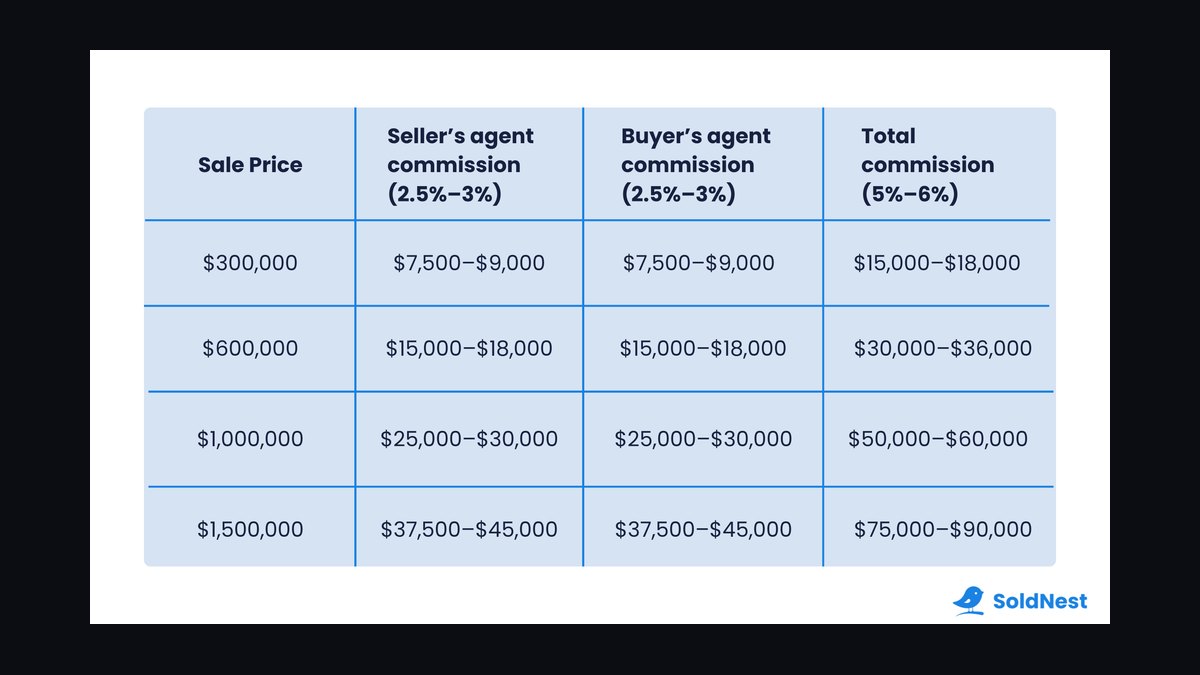
NIL agents typically charge student-athletes a commission of 10% to 20% of the deal value in 2027, with 15% emerging as the most common single rate for standard representation. Football and men's basketball deals at the top end can reach 20%, while smaller local deals often settle near 10% or a flat fee.
What it is and why it matters
An NIL agent's commission is the percentage of a name, image, and likeness deal that the representative keeps as payment for sourcing, negotiating, and administering that agreement. It is the single most consequential line item in a student-athlete's representation contract, because it compounds across every deal signed during a college career and directly reduces the athlete's take-home pay on each one.
Understanding the typical range matters for three reasons. First, NIL compensation is now a meaningful income stream for a subset of college athletes, and a few percentage points of difference on a six-figure collective deal is real money — 5% on a $200,000 agreement is $10,000. Second, the market is fragmented: some representatives work on pure percentage, some on retainer plus percentage, some on flat fees per deal, and some on a hybrid that blends a monthly stipend with a smaller success fee. Third, the regulatory backdrop has shifted. Following the *House v. NCAA* settlement and the emergence of direct institutional revenue-sharing, the boundary between "NIL agent" and "professional sports agent" has blurred, and the commission structures that were improvised in 2021–2023 have begun to standardize.
For an athlete, the practical question is not just "what percentage" but "what percentage for what scope." A 10% commission on a deal the athlete sourced themselves is expensive. A 20% commission on a national brand partnership the agent originated, negotiated, and is now servicing with invoicing and compliance review may be cheap. The percentage is only meaningful in the context of what the representative actually does, what markets they can access, and what happens if the deal falls apart.
It also matters because commission is where incentives align or misalign. An agent paid purely on percentage wants the biggest possible headline number. An athlete may want the biggest *net* number, the longest-term relationship, or the deal least likely to jeopardize eligibility. Those are not always the same deal, and the commission structure is the lever that determines which one the agent optimizes for.
The step-by-step process
The path from first contact to a signed representation agreement and a paid commission follows a fairly consistent sequence across the industry, though the details vary by state law, school, and whether the athlete is a high school recruit, a transfer-portal entrant, or an established starter.
Step 1 — Eligibility and registration check. Before any commission can be charged, the representative must be registered where required. Several states require NIL agents to register with a state authority or with the institution. Many schools require disclosure of any representative involved in NIL negotiations. If the representative is not properly registered, the athlete risks eligibility consequences, and the commission arrangement is void or unenforceable in many jurisdictions.
Step 2 — Scope conversation. The athlete and representative define what is being represented. Is this full-service representation across all NIL categories, or a limited engagement for one deal or one category (apparel, autographs, camps)? Scope drives rate. Full-service representation commands the higher end of the typical range; single-deal or category-limited engagements command the lower end or a flat fee.
Step 3 — Rate negotiation. The parties agree on the commission percentage, the payment trigger, and the expense treatment. The critical terms are: (a) the percentage itself, (b) whether it applies to gross or net deal value, (c) whether it applies to deals the athlete sources independently, (d) whether there is a retainer or minimum, and (e) how long the commission obligation survives after termination (the "tail").
Step 4 — Written agreement. Most reputable representatives use a written representation agreement. Key provisions include the term length, exclusivity, the commission schedule, the tail period, expense reimbursement, and dispute resolution. Athletes should have this reviewed by an attorney or advisor who is not compensated by the agent.
Step 5 — Deal sourcing and negotiation. The representative identifies opportunities, pitches the athlete, negotiates terms, and coordinates with the brand, the collective, or the institution's NIL office. This is where the value is created and where the commission is arguably earned.
Step 6 — Contract execution and compliance review. The final agreement is reviewed for compliance with institutional policy, state law, and any collective bargaining agreement or revenue-sharing framework that applies. Disclosure filings are made.
Step 7 — Fulfillment and invoicing. The athlete performs (appearances, posts, autographs, licensing). The representative tracks deliverables, invoices the brand, and collects.
Step 8 — Commission deduction and disbursement. The representative deducts the agreed percentage and remits the balance to the athlete, typically within a defined window (commonly 10–30 days after receipt). Documentation should accompany each disbursement.
The sequence matters because the commission percentage is negotiated at step 3, before the athlete knows what the representative can actually deliver. That information asymmetry is the single biggest structural problem in NIL representation, and it is why the range is wide rather than tight.
Costs, timelines, and typical ranges
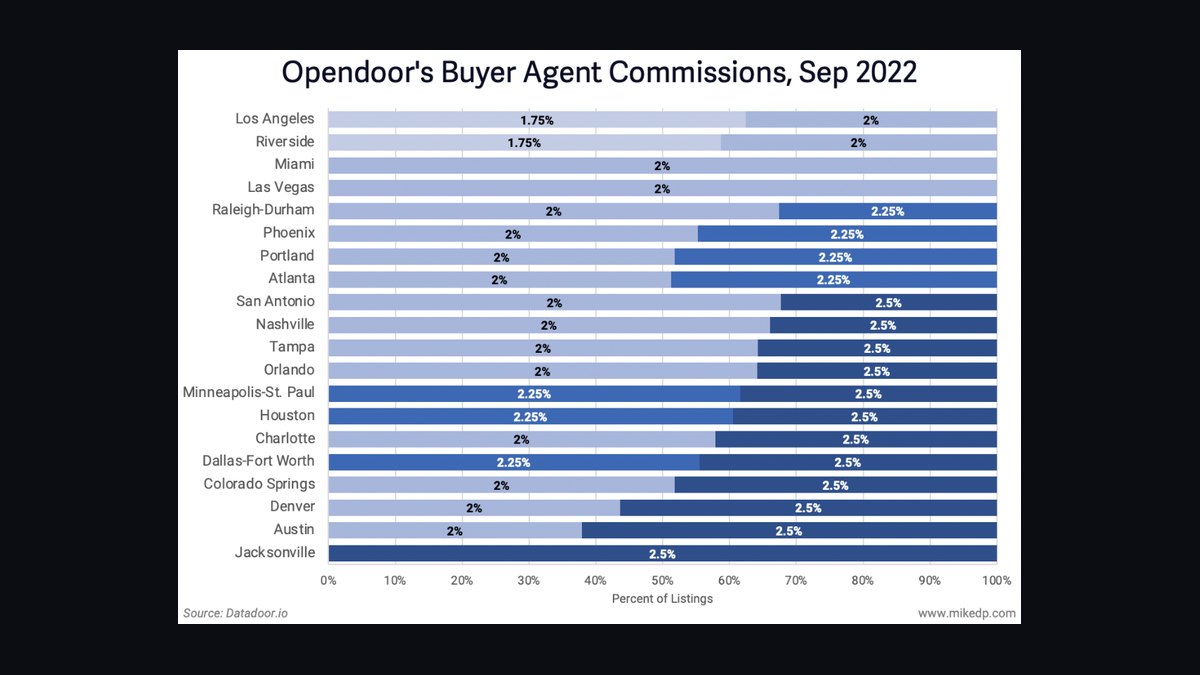
The headline answer — 10% to 20%, most commonly around 15% — is a summary of a distribution, not a single number. Breaking it down by deal type and engagement model is more useful.
By deal type. Local and regional deals — a restaurant appearance, a car dealership, a summer camp — typically carry commissions at the low end, roughly 10% to 15%, and frequently convert to flat fees because the deal value is small enough that a percentage produces an awkward number. National brand partnerships, which require more negotiation, more compliance work, and more sophisticated contracting, typically land at 15% to 20%. High-value collective or revenue-sharing-adjacent arrangements, where the dollar figures are largest, often see the percentage compressed back toward 10% to 15% because the absolute dollar amount is large enough that a lower percentage still produces substantial compensation — and because athletes and their families negotiate harder on the biggest deals.
By engagement model. Pure percentage arrangements are the most common for full-service representation. Retainer-plus-percentage models exist but are less common at the college level than in professional sports; a monthly retainer in the low hundreds to low thousands of dollars per month, offset against future commissions, appears in some arrangements but is not the norm. Flat-fee-per-deal models are common for athletes who want help on a specific transaction without ongoing representation. Hourly billing is rare in NIL but does appear for compliance and contract-review-only engagements.
By sport. Football and men's basketball, where deal volume and deal size are highest, show the widest spread — 10% to 20% with meaningful clustering at 15%. Women's basketball, volleyball, gymnastics, and softball have grown substantially as NIL markets, and commission structures there tend to sit at 15% to 20% for full-service representation, partly because individual deal sizes are often smaller and the representative needs a higher percentage to make the engagement economically viable. Olympic-sport athletes with niche but high-value audiences (track, swimming) often see 15% to 20% as well.
Timelines. Commission is typically earned when the deal is signed or when payment is received, depending on the agreement. Payment to the athlete usually follows within 10 to 30 days of the representative receiving funds. Tail periods — the window after termination during which the representative still collects commission on deals they originated — commonly run 90 days to 12 months, and this is one of the most negotiated terms in the contract. A long tail on a broad scope is expensive; a short tail on a narrow scope is cheap.
What is not typically included. The commission percentage usually does not cover hard expenses. Travel to a shoot, production costs, legal fees for contract review, and registration fees are often passed through at cost or billed separately. Athletes should confirm whether expenses are deducted before or after the commission is calculated, because the difference is material: a 15% commission on gross is a larger dollar amount than 15% on net-after-expenses.
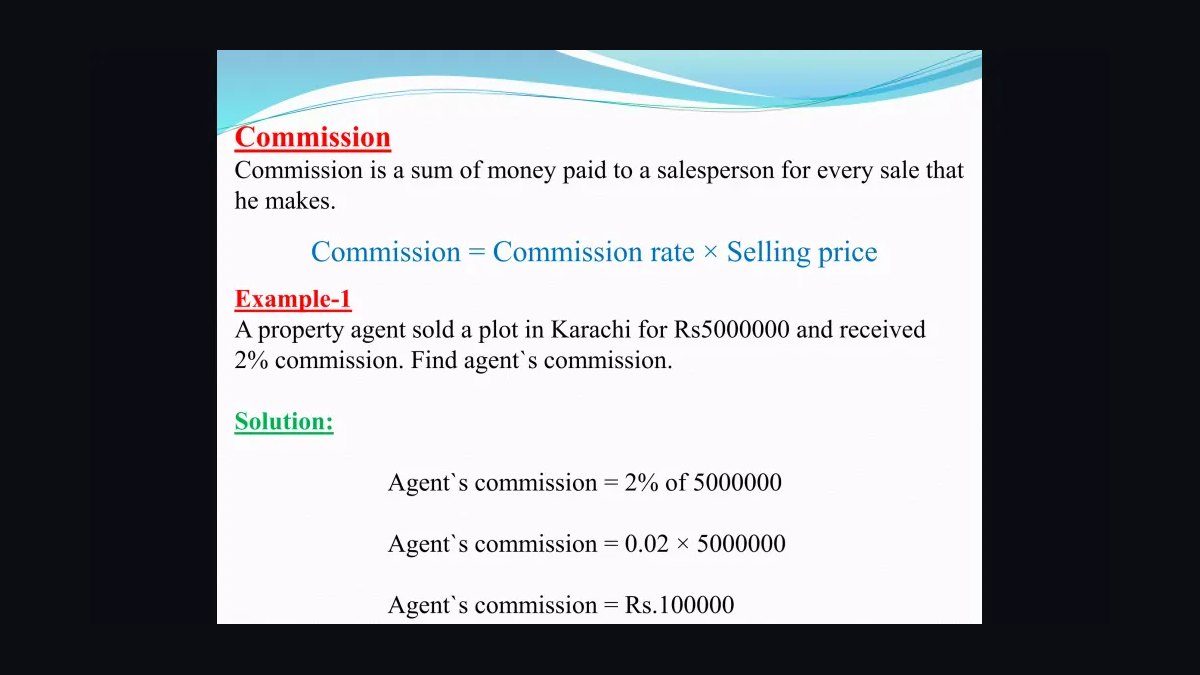
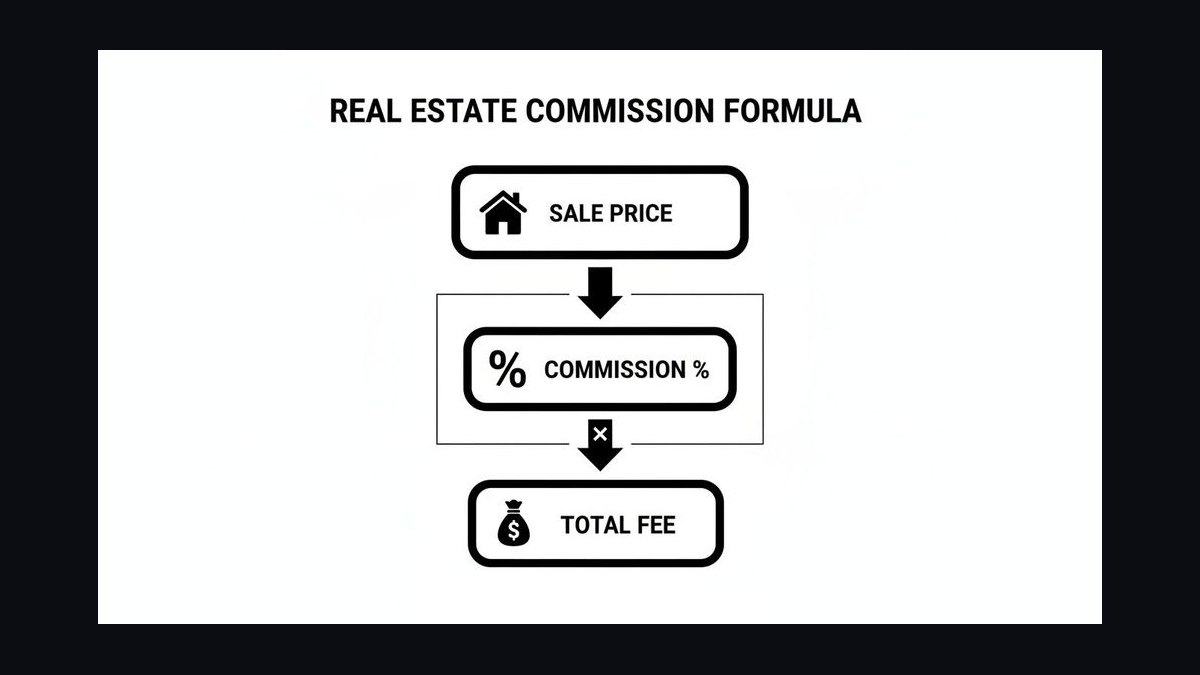
A worked example. An athlete signs a $50,000 national brand deal. At 15% commission on gross, the representative receives $7,500 and the athlete receives $42,500 before taxes. If the agreement instead specifies 15% on net after $3,000 in approved expenses, the representative receives $7,050 and the athlete receives $42,950 — a $450 difference on a single deal. Across a four-year career with a dozen such deals, that gap becomes thousands of dollars. This is why the gross-versus-net question is often more valuable to negotiate than the headline percentage.
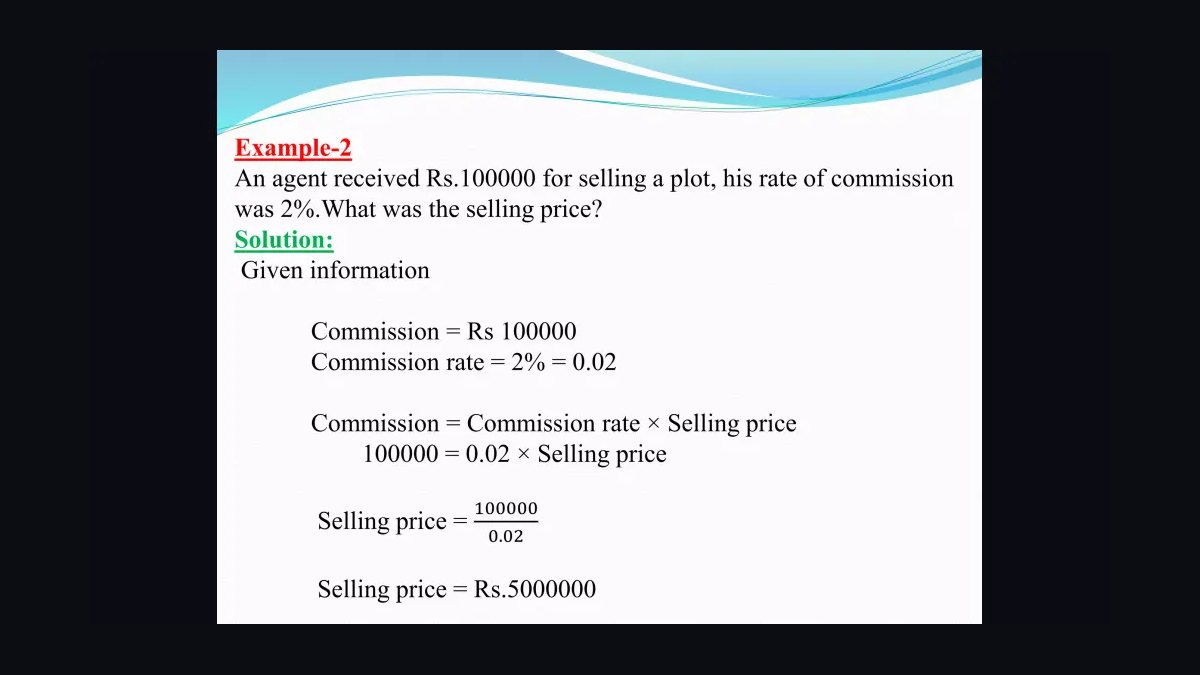
Why the range has compressed. In the early NIL era, commission structures were improvised and varied wildly, with some arrangements at 25% or higher and others at 5%. As the market matured, institutional disclosure requirements, state registration regimes, and simple competitive pressure pushed rates toward a narrower band. By 2027, the 10%–20% band with a 15% center is the working consensus, and rates outside that band tend to signal either a very small deal (where flat fees dominate) or a very large one (where percentage compression is expected).
Where teams get it wrong
The most common errors in NIL commission arrangements are structural, not arithmetic. They show up repeatedly in athlete-representative disputes.
Confusing commission with total cost. The percentage is only one component. Retainers, expense pass-throughs, tail periods, and exclusivity scope all add cost. An athlete comparing a 12% offer to a 15% offer without comparing tail length and expense treatment may be comparing the wrong numbers. A 12% commission with a 24-month tail on all deals, including ones the athlete sources independently, can be far more expensive than 15% with a 90-day tail limited to agent-originated deals.
Ignoring the independent-deal carve-out. Many athletes assume they can sign a deal they found themselves without paying commission. That is only true if the agreement says so. Absent a carve-out, a broad representation agreement may entitle the representative to commission on deals they had nothing to do with. This is one of the highest-value terms to negotiate and one of the most frequently overlooked.
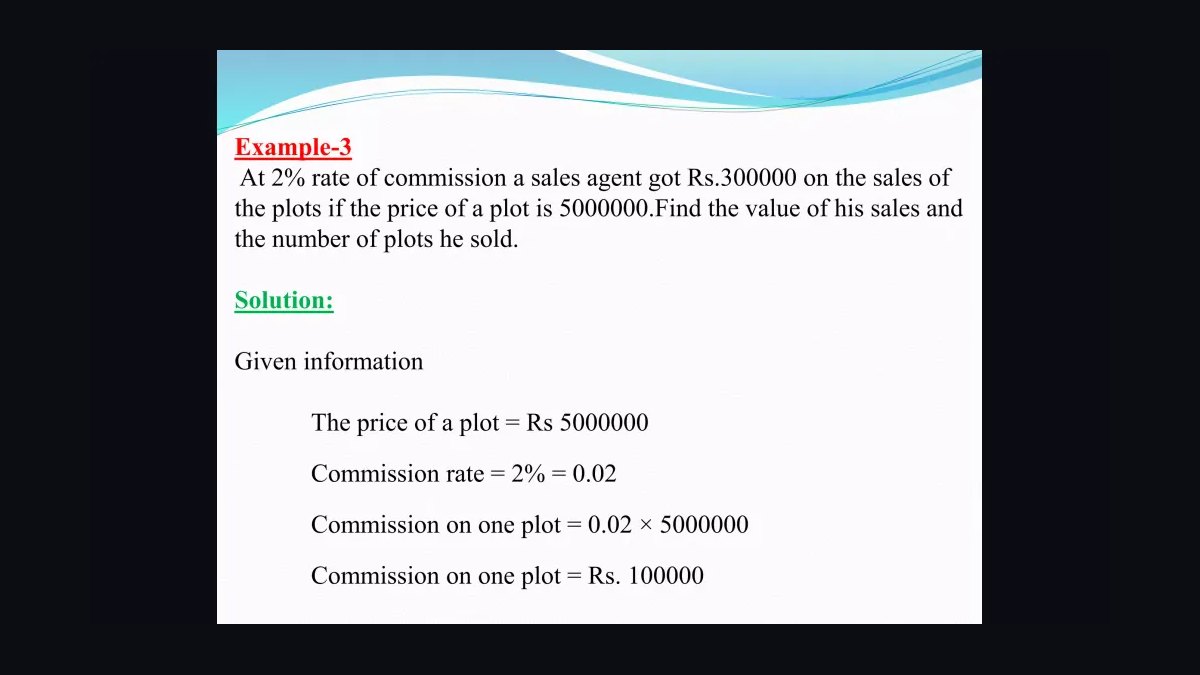
Failing to define "gross." If the agreement says "15% of deal value" without defining whether that means gross contract value, net cash received, or net after expenses, the ambiguity will be resolved in the representative's favor in practice. Define it in writing.
Overlooking the tail. The tail period is where athletes most often feel blindsided. A representative who negotiated one deal and then was terminated may still collect commission on that deal's renewals for a year or more. That can be entirely fair — the representative originated the relationship — but it must be understood and bounded at signing.
Not checking registration and disclosure requirements. Commission arrangements with unregistered representatives can create eligibility problems. Schools and states have varying requirements, and the athlete bears much of the risk. Verify registration before signing, not after.
Treating the percentage as the only negotiating lever. Athletes and families often fixate on shaving a point or two off the commission while ignoring scope, tail, and expense terms that are worth far more. A representative at 18% with a narrow scope, short tail, and no expense pass-through may be cheaper in practice than one at 12% with broad scope and a long tail.
Assuming all representatives deliver the same value. The percentage is a price. What varies enormously is the access, negotiation skill, compliance infrastructure, and follow-through the representative brings. An athlete paying 20% for representation that reliably produces national deals may net more than one paying 10% for representation that produces nothing. The percentage should be evaluated against expected deal flow, not in isolation.
Skipping independent review. The representation agreement is a contract. Athletes should have it reviewed by someone who is not paid by the representative. This is the single highest-return hour of legal review in the entire NIL process.
Decision framework: when to choose what

Choosing a commission structure is a matching problem: the structure should fit the athlete's deal flow, the representative's actual contribution, and the athlete's tolerance for complexity.
Choose a pure percentage (10%–20%) when the representative is providing full-service representation across multiple deal categories, the athlete expects ongoing deal flow, and the athlete wants costs to scale with results. This is the default for athletes with meaningful NIL markets. Within this model, push toward the lower end of the band when deal sizes are large and the athlete has leverage; accept the higher end when the representative is opening doors the athlete could not open alone.
Choose a flat fee per deal when the engagement is transactional — a single appearance, a single licensing arrangement — or when deal values are small enough that a percentage produces an awkward or disproportionate number. Flat fees are also useful when the athlete wants to retain control and use a representative only for specific negotiations.
Choose a retainer-plus-percentage hybrid when the representative is providing ongoing services (compliance monitoring, brand development, content strategy) that are not tied to individual deals. The retainer compensates for the ongoing work; the percentage compensates for deal success. This model requires careful drafting so the athlete is not paying twice for the same value.

Choose a lower percentage with a longer tail when the representative originated a valuable, long-duration relationship (a multi-year brand partnership) and the athlete expects renewals. The lower current rate compensates for the representative's continued participation in renewals.
Choose a higher percentage with a short tail and narrow scope when the athlete wants maximum flexibility and expects to change representation. The higher rate pays for the immediate engagement; the short tail preserves optionality.
Walk away when the representative will not put the commission terms in writing, cannot demonstrate registration where required, refuses any independent-deal carve-out, or proposes a tail longer than 12 months on a broad scope without a compelling justification.
The framework is deliberately simple because the underlying economics are simple: pay for value received, bound the obligation in time and scope, and define the money terms precisely. The percentage is the headline, but scope, tail, and expense treatment determine the actual cost.
Related questions
Do NIL agents charge commission on deals the athlete finds independently?
Only if the representation agreement says so. Many agreements include a carve-out excluding athlete-sourced deals from commission; others do not. This is one of the highest-value terms to negotiate and should be addressed explicitly in writing before signing.
Is a 20% NIL commission too high?
Not inherently. Twenty percent sits at the top of the typical range and is most defensible when the representative originates large national deals, handles compliance and invoicing, and works on a narrow scope with a short tail. It is hard to justify on small local deals or athlete-sourced opportunities.
Do NIL agents charge monthly retainers?

Some do, but retainers are less common at the college level than in professional sports. When they appear, they are typically modest monthly amounts offset against future commissions. Athletes should confirm whether the retainer is creditable against commission or an additional cost.
How long after firing an agent do they still get commission?
Tail periods commonly run 90 days to 12 months after termination, and they usually apply only to deals the representative originated. A 12-month tail on a broad scope is aggressive; a 90-day tail on agent-originated deals is standard and reasonable.
Are NIL agent commissions regulated?
Registration and disclosure requirements vary by state and institution, and some states cap or restrict certain fee arrangements. Commission terms must comply with applicable state law and institutional policy. Athletes should verify the representative's registration status before signing.
FAQ
What percentage commission do NIL agents typically charge in 2027? The typical range is 10% to 20% of deal value, with 15% as the most common single rate for full-service representation. Local and smaller deals cluster at 10% to 15%, while national brand deals and high-touch engagements cluster at 15% to 20%. Rates outside that band usually reflect either very small deals (flat fees) or very large ones (percentage compression).
Is the commission calculated on gross or net deal value?

It depends entirely on the contract language, and the difference is material. A 15% commission on gross is a larger dollar amount than 15% on net after expenses. The agreement should define "deal value" explicitly. If it does not, the ambiguity tends to be resolved in the representative's favor in practice.
Do athletes pay commission on deals they source themselves? Only if the representation agreement does not carve those deals out. Many agreements include an independent-deal exclusion; many do not. Athletes should insist on a clear carve-out for deals they originate without the representative's involvement, and should get it in writing.
What is a commission tail, and how long should it be? A tail is the period after termination during which the representative still collects commission on deals they originated. Common tails run 90 days to 12 months. Shorter tails favor the athlete; longer tails favor the representative. A 90-day tail limited to agent-originated deals is a reasonable default.
Can an NIL agent charge a retainer plus a percentage? Yes, though retainer-plus-percentage hybrids are less common in college NIL than in professional sports. When they appear, the retainer typically covers ongoing non-deal services and is sometimes credited against future commissions. The agreement should specify whether the retainer is creditable or additive.
What should an athlete check before signing a representation agreement? Verify the representative's registration status where required, confirm the commission percentage and whether it applies to gross or net, confirm the independent-deal carve-out, confirm the tail length and scope, confirm expense treatment, and have the entire agreement reviewed by an attorney or advisor who is not compensated by the representative.
Sources
- https://www.ncaa.org/sports/2021/6/30/name-image-likeness-policy.aspx
- https://www.sec.gov/investor/alerts/ib_athletes.pdf
- https://www.sportslawblogger.com/
- https://www.lawinsport.com/
- https://www.espn.com/college-sports/
- https://www.si.com/college
- https://www.on3.com/
- https://www.sportico.com/
Related on PULSE
- How NIL collectives structure athlete payments
- Revenue sharing and its effect on NIL deal values
- What to look for in an NIL representation agreement
- NIL compliance disclosure requirements by state
- Building an NIL valuation model for roster decisions
This page will be disappearing soon. Save it to your device for $1 — or read it free while it is here.
@Kory-White- · if Venmo asks, the last 4 of my number are 2012
This page is gone.
This one is off the shelf now. $1 keeps it on your phone for good — the whole page, pictures and diagrams included.
 pulse-recentHow do universities prevent NIL deals from violating Title IX in 2027?
 pulse-recentHow do NIL deals impact a student-athlete's eligibility for need-based financial aid in 2027?
 pulse-recentWhat are the top 10 NIL deals signed by college basketball players in 2027?
 pulse-recentWhat are the top 10 NIL deals in college football for the 2027 season in 2027?
 pulse-recentWhat are the top 10 NIL deals signed by college cross country runners in 2027?
 pulse-recentHow much should a Group of 5 school budget annually for its NIL fund to stay competitive in 2027?
 pulse-recentHow do NIL deals affect a student-athlete's scholarship status if the deal violates school policy in 2027?
 pulse-recentHow do student-athletes report NIL income on their federal tax returns in 2027?
 pulse-recentHow do NIL deals affect a student-athlete's Pell Grant eligibility in 2027?
 pulse-recentWhat are the top 10 NIL deals signed by college track and field athletes in 2027?