
What herbs in my garden are toxic to free-range rabbits in 2027?
 Curated byKory White · Fractional CRO · Maryland
 PULSEKNOWLEDGE LIBRARY
Quality
Certified
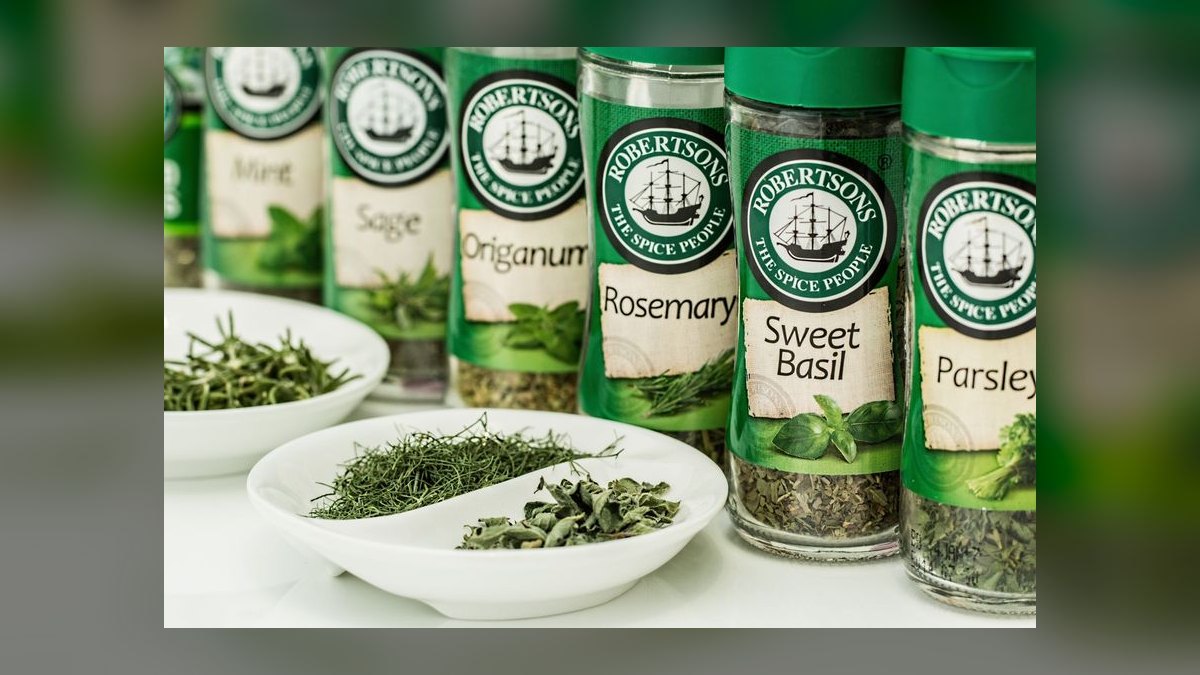
Alliums are the real danger: chives, garlic, onions, and leeks contain compounds that destroy rabbit red blood cells. Beyond those, avoid comfrey, tansy, wormwood, rue, and foxglove. Most culinary herbs — parsley, basil, cilantro, dill, mint, oregano, thyme — are safe in small daily amounts, not as unlimited free-range grazing.
What actually poses a risk in a herb bed, and what does not
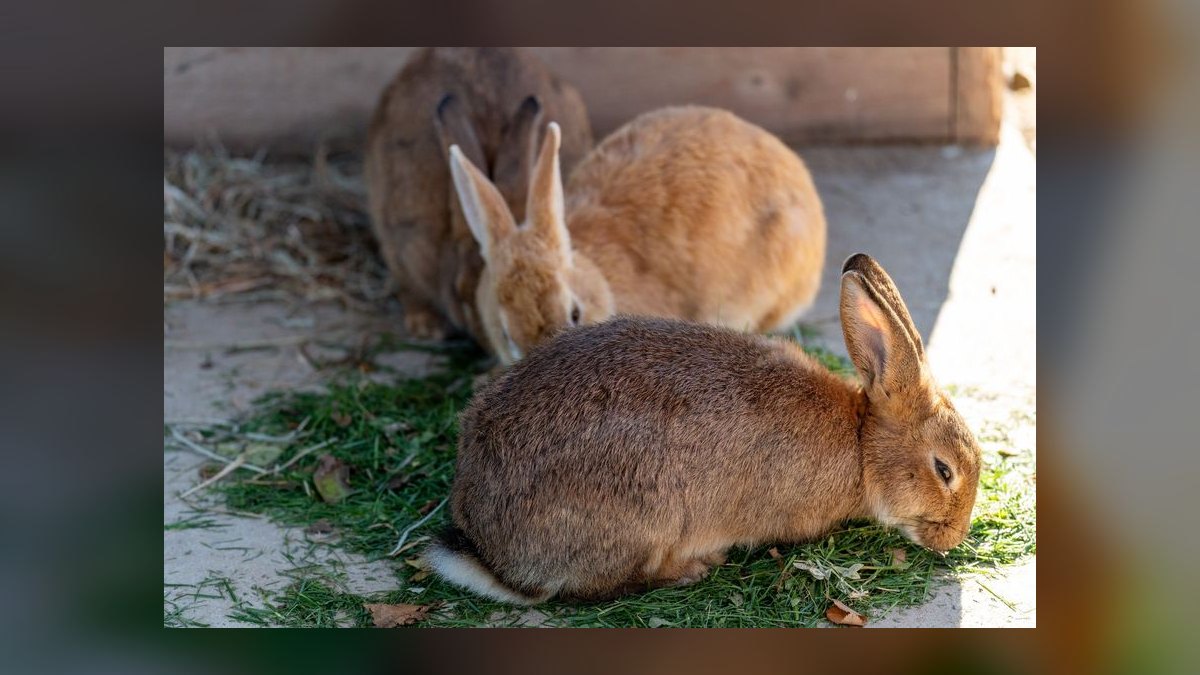
The single most useful correction to make before you start pulling plants: "toxic to rabbits" and "not appropriate as a staple food" are two different categories, and treating them as one leads people to rip out a perfectly good parsley patch while leaving the chives standing. Rabbits are hindgut fermenters built to process a near-continuous stream of coarse, high-fiber forage. Grass and grass hay should make up roughly 80–90% of intake by volume, with fresh greens filling most of the rest and concentrated pellets contributing a small share. Herbs sit inside that greens allowance. They are a flavor and variety layer, never a base.
The genuinely toxic category is short and worth memorizing. The Allium genus — onion, garlic, chives, garlic chives, leeks, shallots, ramps — contains organosulfur compounds (n-propyl disulfide and related thiosulfinates) that oxidize hemoglobin and damage red cell membranes, producing Heinz-body hemolytic anemia. This mechanism is well documented across dogs, cats, horses, cattle, and small herbivores. Signs are not immediate; anemia develops over one to several days, which is exactly what makes alliums dangerous in a free-range setting. A rabbit that grazes chive tops on Monday may look fine until Wednesday, when it becomes weak, pale in the gums, and reluctant to move. Chives are the highest-risk allium in a typical home garden because they are perennial, they grow in soft tufted clumps at exactly rabbit height, and they resprout aggressively after being nibbled.
The second real-risk group is the herbal-medicine end of the bed — plants grown for teas, tinctures, and traditional remedies rather than cooking. Comfrey (Symphytum) contains pyrrolizidine alkaloids that are hepatotoxic with repeated exposure; it is widely planted as a compost accelerator and chop-and-drop mulch, which means it often sits unfenced in exactly the places a free-range rabbit patrols. Tansy, wormwood (Artemisia absinthium), rue (Ruta graveolens), and pennyroyal all carry concentrated volatile compounds — thujone, pulegone, furanocoumarins — with documented toxicity in mammals. Rue additionally causes phototoxic skin reactions on contact. Foxglove (digitalis) is a cardiac glycoside plant that is frequently grown in or beside herb beds for looks and is dangerous in very small quantities.
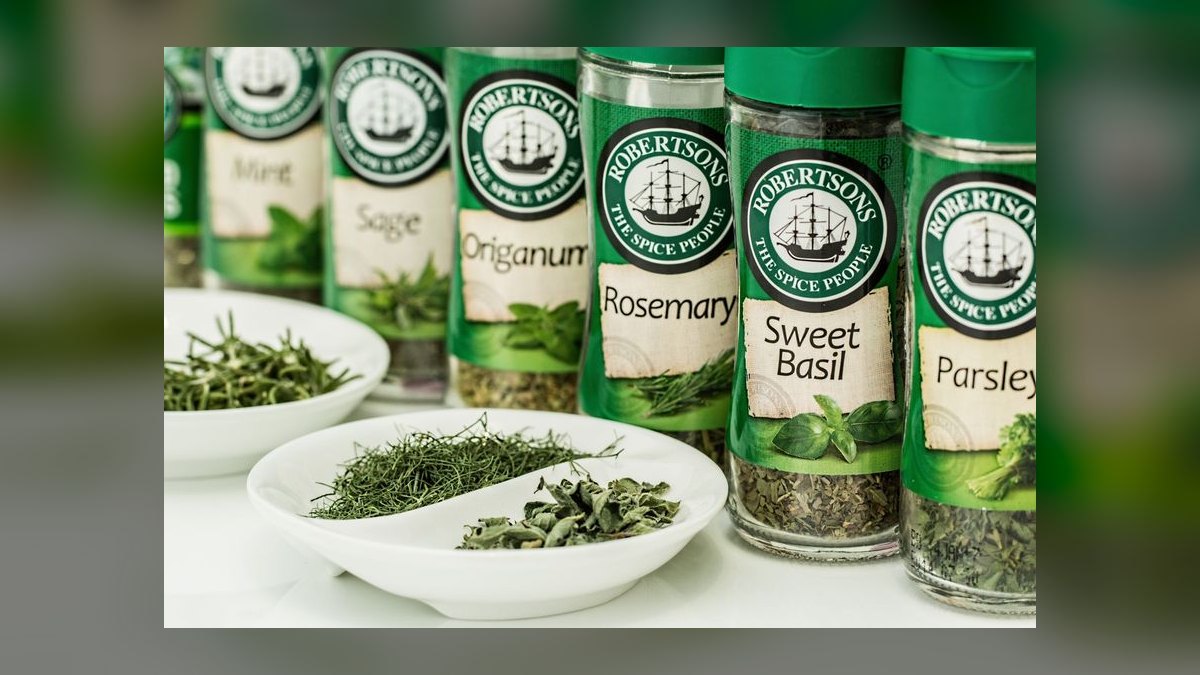
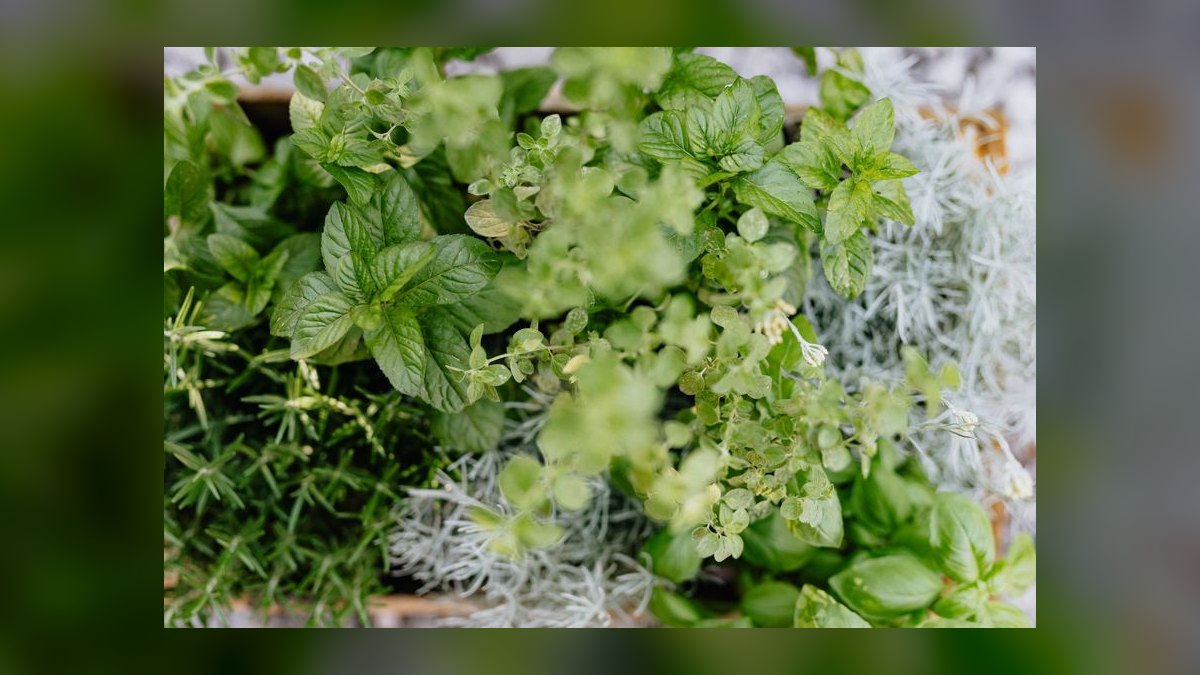
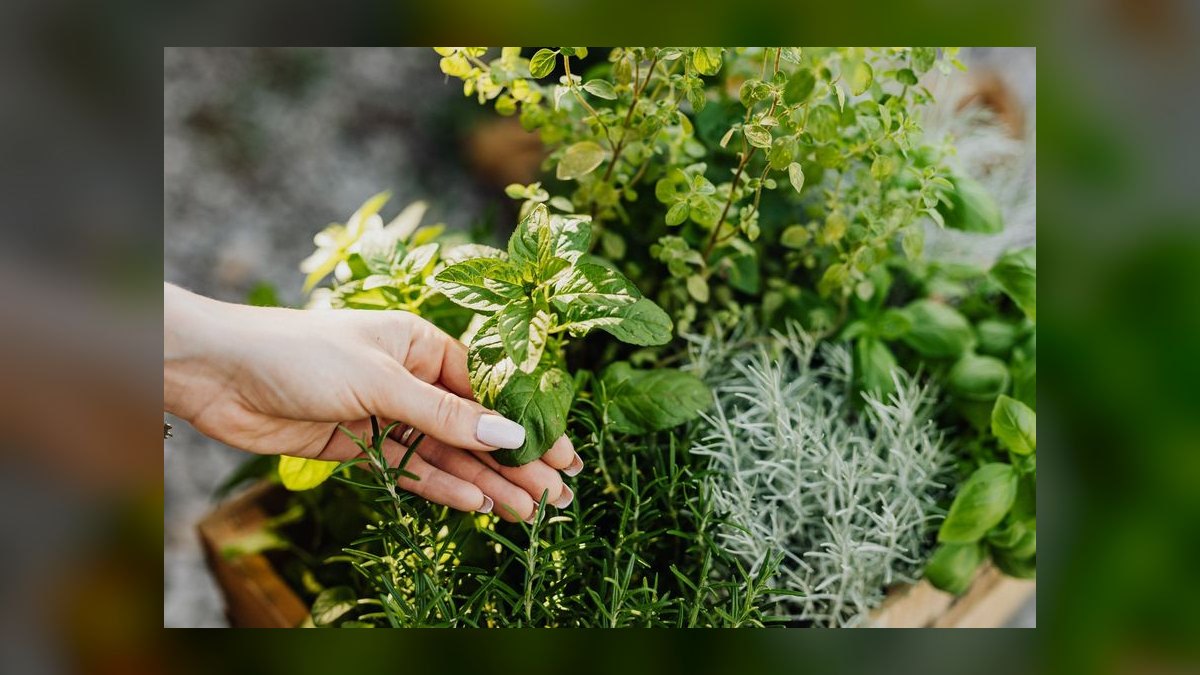
Then there is the large middle group: culinary herbs. Parsley, basil, cilantro, dill leaf, oregano, thyme, sage, rosemary, marjoram, lemon balm, and the mints are broadly listed as safe rabbit greens by rabbit-welfare organizations and are routinely fed by experienced keepers. The caveats that circulate about them are dose caveats, not poison caveats. Parsley is comparatively high in calcium and oxalates, which matters for a rabbit already prone to urinary sludge, so it rotates rather than dominates. Mint is a carminative — mild digestive stimulant — and large volumes can loosen stool in a rabbit not used to it. Rosemary, sage, and thyme are strongly aromatic and most rabbits self-limit them anyway. Nursing does are sometimes kept off sage and mint because both have a folk reputation for reducing milk supply; the evidence is thin, but the caution costs nothing.
The practical takeaway for a free-range setup: the danger is not that a rabbit eats one wrong leaf, it is that a rabbit with unlimited access to a fixed bed eats the same thing repeatedly, in quantity, for days. Repetition is what turns a marginal plant into a clinical problem, and repetition is precisely what free-ranging over the same garden produces.
The step-by-step process for auditing and securing an existing bed
Do this as a discrete project on one weekend afternoon rather than plant-by-plant as you notice things. A partial audit gives false confidence.
Step one: inventory in writing. Walk the beds with a notebook or your phone and photograph every distinct plant, including volunteers, self-seeders, and anything a previous owner planted. Do not rely on memory or on the plant tag — tags get swapped and mulched over. Aim for botanical identification, not just common names, because common names are treacherous: "sweet woodruff," "wild garlic," and "bear's garlic" all obscure what genus you actually have.
Step two: sort into three piles. Pile A is remove-entirely — the alliums plus comfrey, tansy, wormwood, rue, pennyroyal, foxglove, and any ornamental you cannot positively identify. Pile B is barrier-protect — plants you want to keep for the kitchen but that a rabbit should not graze freely, including large stands of parsley, sorrel, and anything you use in medicinal quantity. Pile C is free-graze-acceptable — basil, cilantro, dill leaf, lemon balm, oregano, thyme, marjoram, and the mints, understanding that mints will attempt to colonize the entire bed regardless of what the rabbits do.
Step three: remove pile A properly. Dig alliums out including the bulb; cutting the tops only guarantees regrowth. Bag the material and bin it — do not compost allium or comfrey trimmings into a heap the rabbits can reach, and do not toss pulled plants over the fence into the run, which is a surprisingly common way rabbits get a concentrated dose of something they would never have eaten standing.
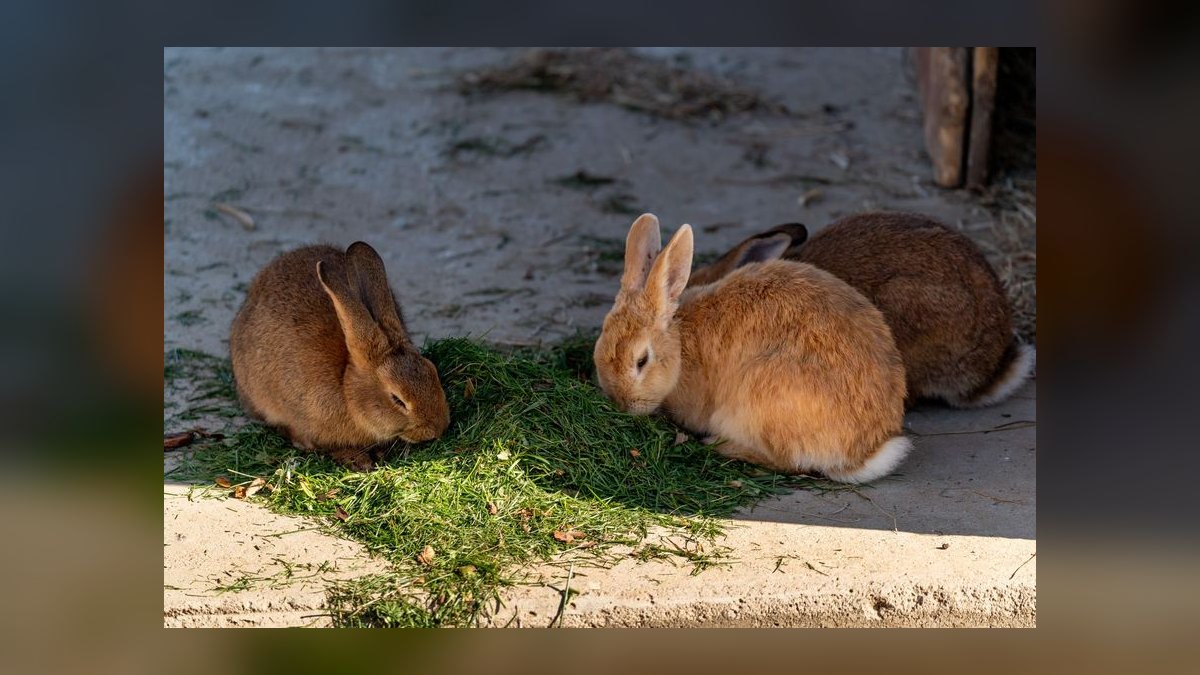
Step four: build the barrier for pile B. For rabbits, a barrier that works is 24–36 inches of welded wire or hardware cloth with a mesh no larger than one inch, buried or L-footed outward 6–12 inches at the base. Rabbits dig less persistently than dogs but will exploit a gap under a fence line within days. Chicken wire is thin enough that a determined rabbit can widen the hexagons; hardware cloth holds up far better. Raised beds at 24 inches with smooth sides work well for small herbs and are much less effort than fencing an entire bed.
Step five: introduce and observe. Even with a clean bed, let a rabbit into a new grazing area gradually — 20–30 minutes the first session, watching what it targets, before extending to unsupervised hours. Rabbits are neophobic about food but not reliably self-protective; the assumption that a rabbit "knows" what is bad for it is folklore, not behavior.
Step six: re-audit seasonally. Beds change. Self-seeders arrive, neighbors' plants creep under fences, and bulbs you thought you got resprout in spring. Put a recurring reminder on the calendar for early spring and midsummer.
Costs, timelines, and realistic quantities
Securing a herb bed is a cheap project measured against one emergency exotics consultation, and that framing is worth keeping in mind when you are deciding whether to bother.
Materials. Hardware cloth in 1/2-inch or 1-inch mesh typically runs in the range of a few dollars per linear foot at 24–36 inch height at general hardware retailers; a 25-foot roll is the common consumer unit. Metal or wood stakes, zip ties or fence staples, and a pair of tin snips complete the job. A modest 4x8 foot herb bed needs roughly 24 linear feet of perimeter plus the L-foot allowance. Most people complete a single bed in two to three hours including the digging for the buried lip. Raised-bed conversion costs more in materials but far less in ongoing maintenance, since there is no fence line to inspect.
Timelines that matter clinically. Allium-induced hemolytic anemia is a delayed presentation — expect signs over roughly one to several days, not minutes. Gastrointestinal stasis, the more common rabbit emergency, moves faster: a rabbit that stops eating and stops producing fecal pellets is in genuine trouble within 12–24 hours, and rabbits cannot vomit, so there is no self-clearing mechanism. That combination — delayed onset for the toxic scenario, rapid deterioration for the digestive scenario — is why "wait and see" is a poor default with rabbits specifically. Note also that gut stasis is far more often caused by a sudden diet change, insufficient long-fiber hay, dental pain, or stress than by a poisonous plant.
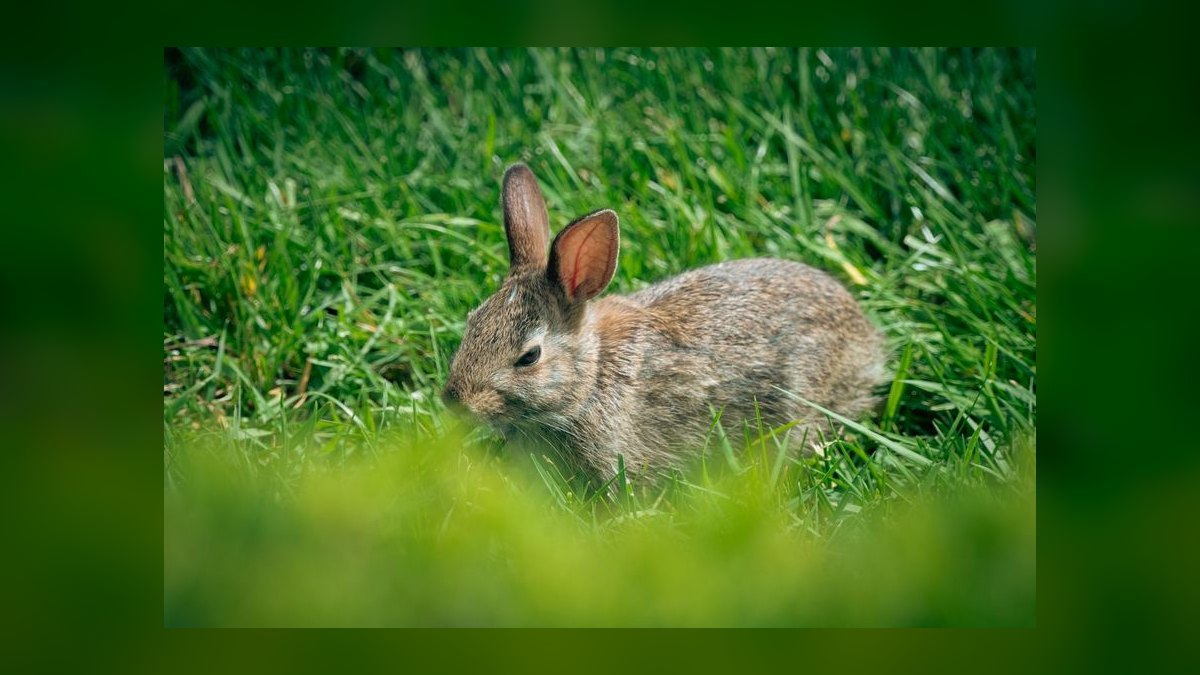
Portion ranges for the safe herbs. A commonly used working figure among rabbit keepers and rescue organizations is approximately one packed cup of mixed fresh greens per two pounds of body weight per day, split across two feedings, with at least three different plants in the mix rather than a single green in volume. For a 5-pound rabbit that is roughly two to two and a half cups daily total — and herbs are a portion of that, not the whole of it. A few sprigs of basil, a small handful of cilantro, three or four parsley stems: that is the scale. Introduce any new green as a single small serving and wait 48 hours before adding the next, watching stool consistency.
Veterinary reality. Rabbits are exotics, which means not every small-animal practice will see them and out-of-hours care is meaningfully more expensive than routine daytime care. Costs vary widely by region and practice, so rather than guessing a number, do the genuinely useful thing in advance: find the nearest practice that treats rabbits, save the number in your phone, and confirm their after-hours arrangement. The ASPCA Animal Poison Control Center (888-426-4435) and the Pet Poison Helpline both operate 24/7 and both charge a per-incident consultation fee. Knowing which you will call, before you need to, converts a frantic hour into a five-minute phone call.
The replacement planting. The cheapest fix for a bed you just stripped is to plant what rabbits should actually be eating. Grass, white clover, plantain (Plantago), and dandelion establish quickly, cost very little in seed, and give a free-ranging rabbit something appropriate to fill up on so it has less incentive to test the fenced-off beds. This is the highest-leverage move in the entire project and the one most people skip.
Where keepers get this wrong
Treating the internet's toxic lists as interchangeable. Lists compiled for dogs, for horses, or for wild rabbit deterrence get repeated as rabbit-safety guidance, and the categories do not transfer. A plant listed as "toxic" on a deterrent-gardening site often just means rabbits dislike it — which is nearly the opposite of the information you need. Anchor on rabbit-specific welfare sources: the House Rabbit Society, the RSPCA, the PDSA, and the ASPCA's toxic plant database.
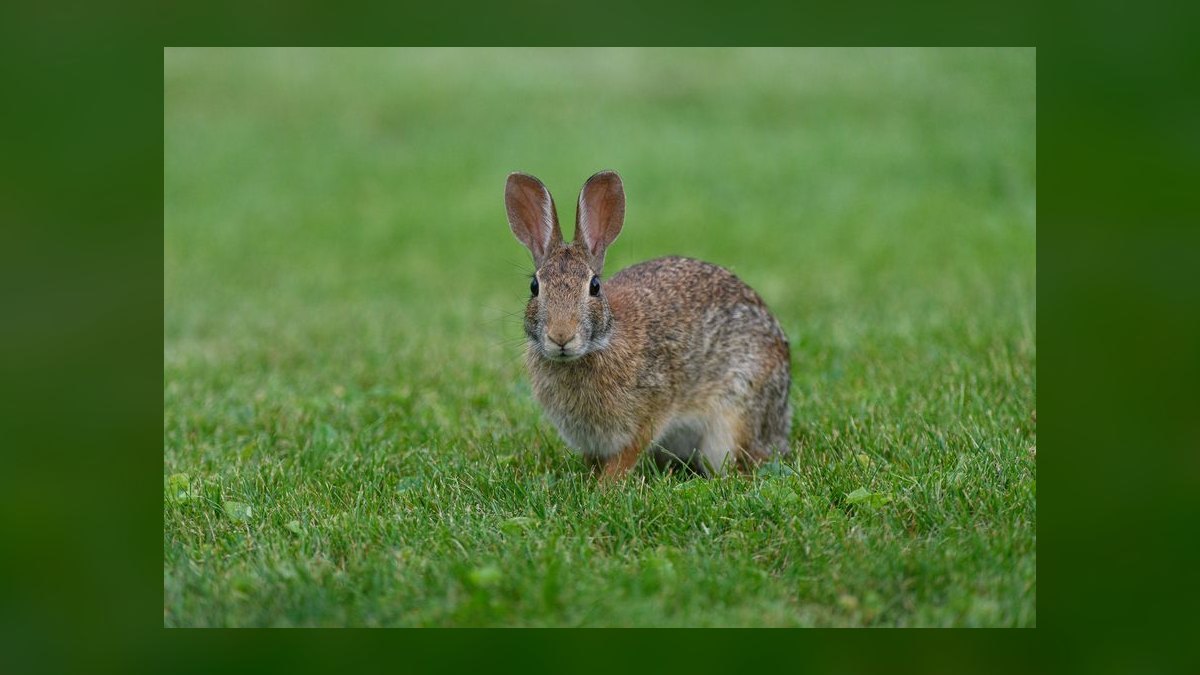
Confusing "high in calcium or oxalates" with "poisonous." Parsley and spinach get flagged constantly. The underlying concern is real — rabbits absorb dietary calcium efficiently and excrete the excess through urine, so a rabbit with a history of bladder sludge or stones benefits from moderating high-calcium greens. But that is a rotation decision for a specific rabbit, not a poison warning for every rabbit. Rotating across five or six greens rather than feeding one in bulk solves it entirely.
Assuming rabbits avoid what is harmful. They do not. Rabbits are selective feeders with preferences, and those preferences are shaped by palatability and familiarity, not toxicology. A bored rabbit with limited forage will sample things it would ignore in a rich pasture. This is why the free-range case is materially riskier than hand-feeding: you have removed your ability to control both what and how much.
Forgetting the non-herb hazards in the same bed. People audit the herbs carefully and walk past the actual killers. Ornamental bulbs — daffodil, tulip, hyacinth — are toxic and are usually planted right where herbs go. Foxglove, lily of the valley, monkshood, yew, oleander, and rhododendron are all serious. Tomato and potato foliage are solanaceous and should not be grazed even though the fruit and tuber are fine for humans. Rhubarb leaves are high in oxalic acid. And avocado, if you have one, is toxic to rabbits as it is to birds.
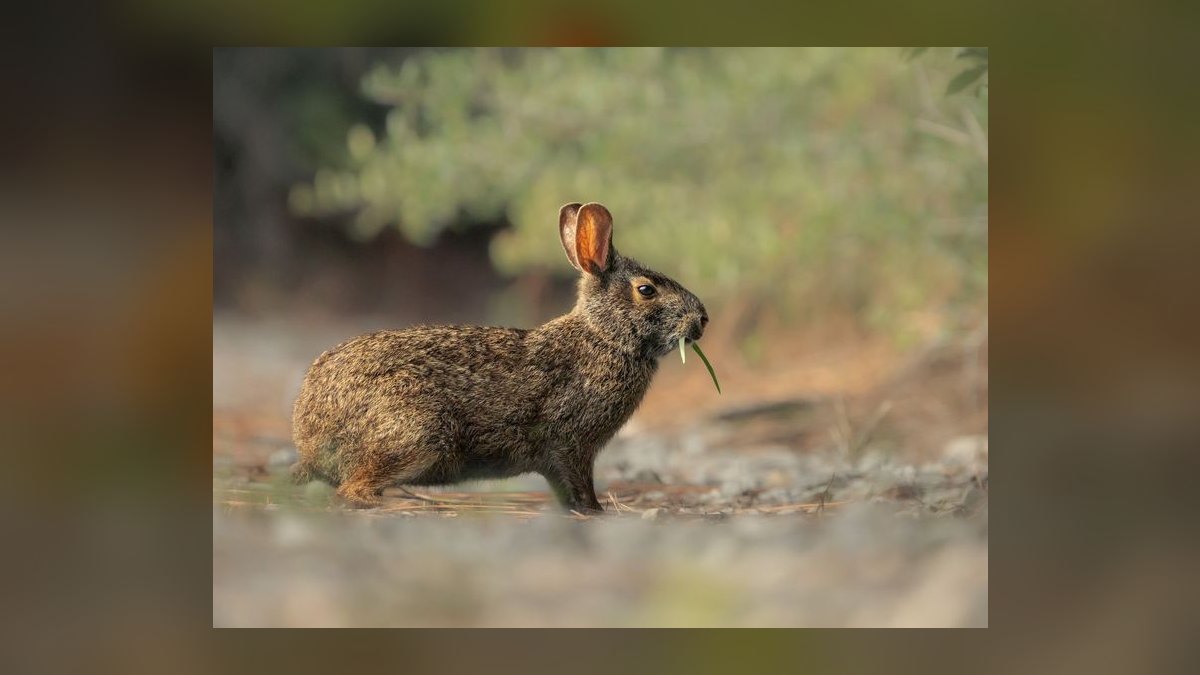
Overlooking treated material. A herb that is entirely safe becomes a problem if it has been sprayed, or if slug pellets, systemic insecticides, or rodenticide bait sit anywhere in the free-range zone. Metaldehyde slug bait and anticoagulant rodenticides are far more likely to kill a free-ranging rabbit than any culinary herb. Grass clippings from a mower are another underrated hazard: they ferment quickly and are a recognized cause of digestive upset, so never dump the mower bag where the rabbits range.
Changing the diet too fast after a scare. The instinct after a suspected poisoning is to strip everything back to nothing. Pulling a rabbit abruptly off all greens is itself a diet change, and abrupt diet changes are a leading cause of the stasis you are trying to avoid. The correct fallback is unlimited grass hay plus water, with greens reintroduced one at a time over several days.
Assuming dried is milder than fresh. Dried culinary herbs are not more poisonous in any pharmacological sense, but they are far denser by volume — a tablespoon of dried oregano represents a great deal more plant material than a tablespoon of fresh leaf. If you offer dried herbs as a treat, scale down accordingly.
A decision framework for what to do when something has been eaten
The right response depends on two variables: what the plant was, and whether the rabbit is symptomatic. Getting those two straight before you do anything else saves an enormous amount of panic.
If you can identify the plant and it is an allium, a known cardiac-glycoside plant like foxglove, a pyrrolizidine plant like comfrey, or a rodenticide/pesticide, call immediately — do not wait for symptoms, because for several of these the window in which treatment is most effective closes before signs appear. Bring or photograph a sample of the plant. If the plant was a culinary herb in a modest quantity and the rabbit is behaving normally, the appropriate response is observation, hay, and water, not intervention.
The symptom set that means "call now" regardless of what was eaten: no fecal pellets for 8–12 hours, refusal of food, a hunched posture with teeth grinding, a bloated or tight abdomen, lethargy, laboured breathing, pale gums, tremors, or seizures. Pale gums specifically point toward anemia and are the sign to watch for in the days after suspected allium ingestion. Rabbits are prey animals and mask illness well, so any visible change is a bigger signal than it looks.
What not to do: do not induce vomiting — rabbits physically cannot vomit and attempts will only harm them. Do not give activated charcoal, milk, or home remedies without veterinary instruction. Do not withhold hay and water while you wait; keeping fiber moving is protective.
Adjacent scenarios worth planning for
Mixed-species yards. If chickens, dogs, or guinea pigs share the space, the safe-plant lists diverge and the fixes conflict. Guinea pigs need dietary vitamin C and tolerate a similar green list; chickens will eat almost anything and are less sensitive to alliums than rabbits but more sensitive to avocado; dogs are at risk from alliums, grapes, and xylitol-containing garden products. The intersection of all these lists is smaller than any one of them, so design the free-range zone for the most sensitive animal present.
Wild rabbits and the deterrent-planting inversion. Gardening advice frequently recommends planting alliums, strongly aromatic herbs, and lavender specifically because rabbits avoid them. That advice is aimed at protecting the plants from rabbits, not the rabbits from the plants — and if you have both wild rabbits browsing and domestic rabbits free-ranging, following deterrent-planting advice actively increases risk to your own animals. Reverse the logic: put the deterrent plantings outside the free-range perimeter.
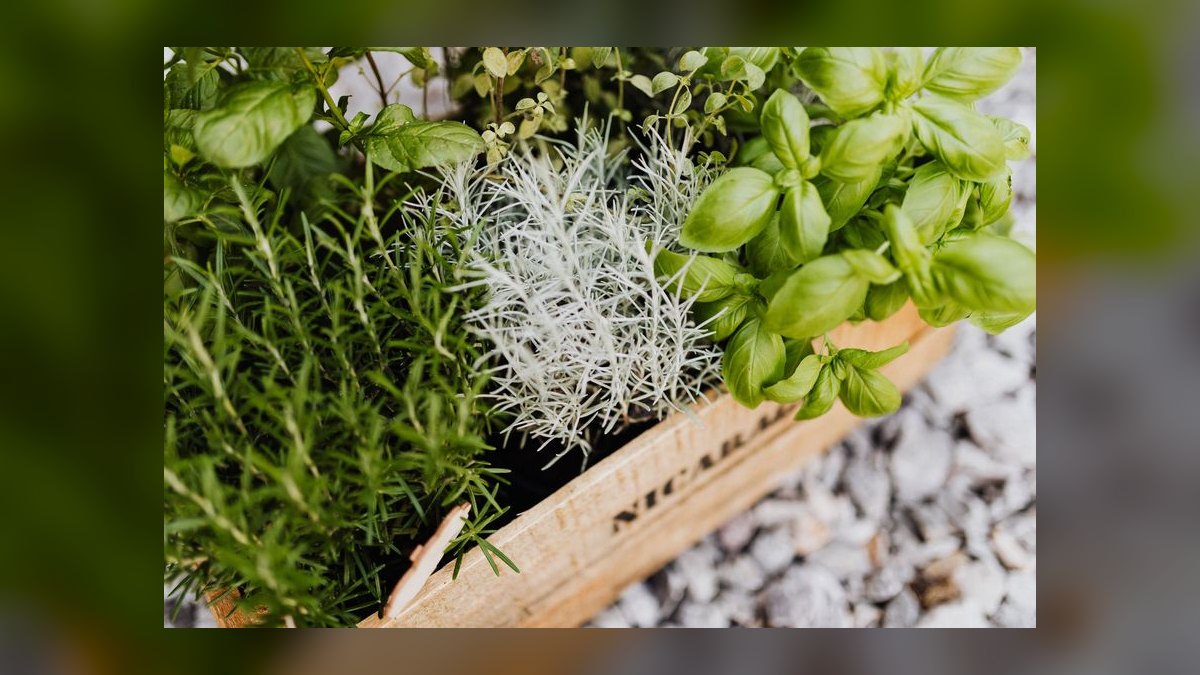
Container and balcony setups. Small-space keepers often grow herbs in pots at ground level, which is functionally an unfenced buffet. Wall-mounted rails, hanging baskets, and tiered stands solve it with no fencing at all. Watch for fallen leaves under hanging pots — the trimming that drops is the one that gets eaten.
Seasonal transitions. Spring is the highest-risk window: bulbs emerge, new growth is tender and palatable, and a rabbit coming off a winter of hay meets a sudden abundance of fresh greens. Introduce spring grazing gradually over two to three weeks rather than opening the gate on the first warm day. Autumn brings a different risk — fallen ornamental berries and leaves, and yew in particular, which is one of the most acutely poisonous plants commonly grown as hedging.
Documenting for the next person. If anyone else ever looks after your rabbits, a single laminated card by the back door listing the fenced-off plants, the vet's number, and the poison line number is worth more than everything you know but have not written down.
Related questions
Is lavender toxic to rabbits?
Lavender is not classified as toxic to rabbits and appears on several rabbit-safe forage lists. It is strongly aromatic and most rabbits eat little of it voluntarily. Offer it as a small occasional addition rather than a grazing staple, and never as an essential oil.
Can rabbits eat mint from the garden?
Yes, in moderation. Mint appears on standard rabbit-safe green lists. Its carminative effect means a large sudden quantity can loosen stool, so introduce it as a small serving and increase slowly. Peppermint, spearmint, and apple mint are treated the same way.
Why are onions and garlic dangerous when other plants are not?
Allium species contain organosulfur compounds that oxidise haemoglobin and damage red blood cells, causing Heinz-body hemolytic anemia. The damage accumulates over days rather than appearing immediately, which is why a rabbit can seem fine after eating chives and then deteriorate later in the week.
What should I plant instead in the free-range area?
Grass, white clover, plantain, dandelion, and coltsfoot-free meadow mixes. These match what a rabbit's digestive system evolved to process, establish cheaply from seed, and reduce the incentive to test fenced beds by giving the rabbit abundant appropriate forage.
How much herb is too much for one rabbit?
Herbs sit inside the daily fresh-greens allowance — roughly a packed cup of mixed greens per two pounds of body weight — and should never be the whole of it. A few sprigs across three or more different plants is the right scale for a medium rabbit.
FAQ
Are parsley and cilantro actually safe for rabbits?
Both appear on standard rabbit-safe green lists and are widely fed. Parsley is relatively high in calcium and oxalates, so it should rotate through a varied mix rather than being fed in bulk daily — particularly for a rabbit with a history of bladder sludge or stones. Cilantro is a well-tolerated staple green for most rabbits. Introduce either as a small serving and watch stool consistency for 48 hours.
My rabbit ate chives. What do I do right now?
Call a rabbit-experienced vet or a 24/7 poison line — the ASPCA Animal Poison Control Center at 888-426-4435 or the Pet Poison Helpline — without waiting for symptoms. Allium toxicity presents over days, not minutes, so a normal-looking rabbit is not reassurance. Note roughly how much was eaten and when, keep a plant sample, provide unlimited hay and water, and check gum colour daily for several days.
Do rabbits instinctively avoid poisonous plants?
No. This is a persistent myth. Rabbits are selective feeders based on palatability and familiarity, not toxicity, and a rabbit with limited forage will sample things it would otherwise ignore. Domestic rabbits in particular have no learned experience with garden ornamentals. Physical exclusion is the only reliable protection.
Is comfrey safe as rabbit forage?
Comfrey contains pyrrolizidine alkaloids associated with liver damage on repeated exposure, and it is frequently grown as a mulch or compost crop in exactly the places rabbits roam. Some traditional keeping practices used it in small quantities, but given genuinely safe alternatives like plantain and dandelion, there is no good reason to take the risk. Remove it from the free-range zone.
Are dried herbs riskier than fresh ones?
Not chemically, but they are much denser by volume — the same spoonful represents several times more plant material. If you offer dried culinary herbs as treats, scale portions down sharply. The bigger concern with any dried product is what else is in it: avoid seasoning blends, anything containing salt, garlic powder, or onion powder, and anything marketed for human cooking rather than animal feed.
What non-herb plants in a typical garden are the real dangers?
Ornamental bulbs (daffodil, tulip, hyacinth), foxglove, lily of the valley, yew, oleander, rhododendron, monkshood, tomato and potato foliage, rhubarb leaves, and avocado. Alongside plants, the chemical hazards matter more than most people expect: metaldehyde slug pellets, systemic insecticides, and rodenticide bait are more likely to cause a fatality in a free-ranging rabbit than anything in the herb bed.
Sources
- House Rabbit Society — Poisonous Plants
- ASPCA — Toxic and Non-Toxic Plants
- ASPCA Animal Poison Control Center
- RSPCA — Rabbit Diet and Health
- PDSA — Feeding Your Rabbit
- Merck Veterinary Manual — Onion and Garlic Toxicosis
- Merck Veterinary Manual — Nutrition of Rabbits
- Pet Poison Helpline
- Cornell University — Plants Poisonous to Livestock
- Rabbit Welfare Association & Fund — Diet
Related on PULSE
This page will be disappearing soon. Save it to your device for $1 — or read it free while it is here.
@Kory-White- · if Venmo asks, the last 4 of my number are 2012
This page is gone.
This one is off the shelf now. $1 keeps it on your phone for good — the whole page, pictures and diagrams included.
 pulse-petsTop 10 Betta Fish Tail Types 2027
 pulse-petsTop 10 nature aquarium styles 2027
 pulse-petsTop 10 driftwood for aquariums 2027
 pulse-petsTop 10 Lawnmower Blenny Algae Control 2027
 pulse-petsTop 10 Chinese Algae Eater Alternatives 2027
 petsWhat percentage of tank water should I actually change each week in 2027?
 pulse-petsTop 10 75-Gallon Aquariums 2027
 pulse-petsTop 10 Shrimp Breeding Tanks 2027
 pulse-petsTop 10 best frozen fish foods 2027
 pulse-petsTop 10 African Butterfly Fish Surface Hunters 2027