


Do mass marketing email campaigns to college coaches actually work in 2027? The recruiting services tactic critique
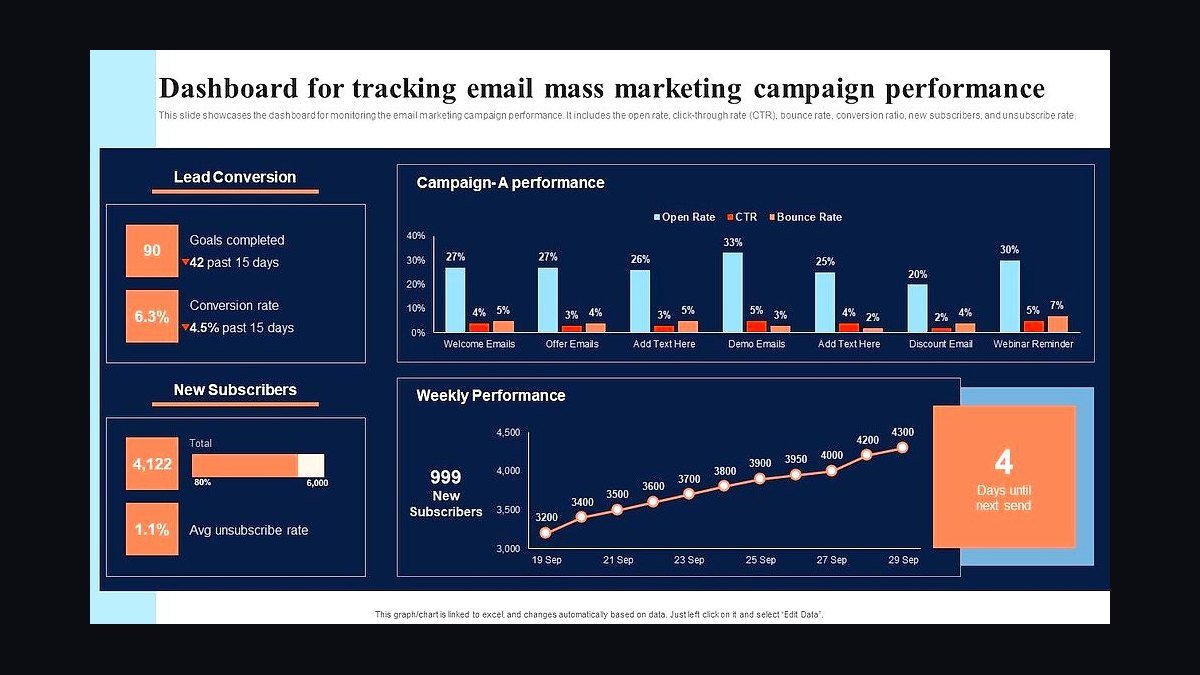
Mass marketing email blasts to college coaches — the core tactic advertised by services like Lance O's Recruiting Network (LRN) and the broader paid-recruiting-service industry — appear to face structural limits that make raw response rates discouraging in 2027. According to recruiting-platform reporting and coach surveys, coaches' inboxes appear flooded, mass-send services seem to get filtered to spam at rates often cited in the 20–60% range, and NCAA recruiting calendars cap when D1 coaches can initiate replies. Industry write-ups suggest personalized outreach from a private email address, paired with Hudl film and a direct DM to the position coach, generally outperforms generic blasts. Treat LRN and similar services as one example of a tactic that recruiting sources widely describe as low-yield — the critique here is of the mass-email pattern itself.
TL;DR: Industry data and coach surveys suggest mass-email recruiting blasts get spam-filtered, ignored, and time-walled by NCAA calendars; personalized film-first DMs reportedly perform far better.
1How Mass-Email Recruiting Services Pitch It
Paid recruiting services — LRN is one example among dozens including older incumbents and newer entrants — generally pitch families a sequence that looks attractive on paper. The pitch, as reflected in marketing copy reviewed across recruiting-industry blogs, tends to follow a familiar arc. First, the service helps the athlete build a profile and upload a highlight clip. Second, the family pays a flat fee or recurring subscription, often in the hundreds to low thousands of dollars range depending on tier. Third, the service promises to email a large list of college coaches — frequently advertised as "hundreds" or "thousands" of D1, D2, D3, NAIA, and JUCO contacts — using template emails that swap in the athlete's name, position, GPA, and a link back to the service's hosted profile. The implied promise is reach: more emails out, more chances for a coach to bite.
The appeal is understandable for families who feel locked out of recruiting. Many parents do not personally know college coaches, do not attend showcase circuits, and do not have a club or high-school head coach making calls on their behalf. A flat fee to "reach every coach in the country" feels like a shortcut around a system that otherwise rewards connections. Industry observers note services sometimes lean on testimonials and "placed athletes" pages that may not clarify whether the placement was caused by the email blast versus camp attendance, club exposure, or family outreach. Independent recruiting-education sites generally warn that mass-email reach numbers are usually a marketing figure, not a response figure. Treat specific claims about LRN or any competitor as marketing rather than audited performance.

2Why Coaches Filter These Out
The structural problems with mass-email outreach to coaches appear well-documented across recruiting-industry write-ups, though exact percentages vary by source. Future 500 ID Camps and similar recruiting-platform blogs have published estimates that 20–60% of emails sent through bulk recruiting-service platforms get caught in spam filters before any coach sees them. Google and other email providers reportedly look at sender reputation, bulk-send patterns, and complaint rates — recruiting services that fire thousands of identical templates from the same IP block tend to score badly on those metrics over time. Once a service's domain gets flagged, even legitimate personalized messages sent through it can land in spam.
The second filter is human. Coach surveys cited by NCSA and similar education sites suggest a strong majority of coaches — often quoted around 94% — say they prefer personalized emails from a private athlete account over messages branded with a recruiting service header. The reasoning, as coaches explain in interviews referenced across recruiting blogs, is signal value: an email that obviously came from a paid blast tells the coach the athlete is contacting many programs in parallel using a template, which generally lowers the perceived genuine interest in that specific school. Coaches reportedly describe spotting these messages by tells like generic subject lines, "Dear Coach" openings, recruiting-company logos in the signature, or links that route through a service domain.

The third filter is NCAA recruiting calendars. Division I sports have dead, quiet, contact, and evaluation periods that vary by sport. During dead periods — for example, a football dead period reportedly scheduled in late June through July 2026 — coaches are restricted from initiating contact. Athletes can send messages in, but coaches may be unable to reply for weeks. A calendar-blind blast can hit coaches when reply is structurally blocked. The fourth filter is volume: high-profile programs reportedly receive thousands of unsolicited recruit emails per cycle, so surviving messages compete for attention against an inbox the position coach scans in seconds.
3What Actually Works Better
Recruiting-industry sources point in the same direction when describing what does seem to convert. The recurring elements: film first, personalization second, direct channel third. Hudl appears to be the de facto film standard — reporting suggests over 170,000 college teams use it — and many coaches expect a Hudl link as baseline. Highlight reels generally need to grab attention in the first 30 to 60 seconds; coaches reportedly stop watching otherwise. On3, MaxPreps, and SportsRecruits also surface as common profile platforms.

Personalization seems to matter more than reach. Recruiting blogs recommend short emails that name the program specifically, reference recent context, list verified metrics, and include a Hudl link. Sending from a private email account — not a service domain — appears to improve deliverability and perceived intent. RecruitMyGame and similar outlets argue direct messages on monitored platforms can outperform email substantially, with some sources citing roughly 300% higher response rates for DMs, though that figure is platform-promotional rather than independently audited.
The final piece is real exposure. Camps, combines, club tournaments, and unofficial visits give coaches in-person evaluation. A targeted list of 15 to 30 schools that genuinely fit the athlete's level, academics, and geography — contacted personally over months — tends to be described as more productive than a 2,000-coach blast. The blunt summary across the literature: pay for film quality and travel, not for email volume.

Related on PULSE
- What Penelope Trunk's Chief critique reveals — and where she's right vs wrong
- What's the playbook for staying ahead of procurement's data processing addendum (DPA) delay tactic?
- What's actually in a college football coach's recruiting inbox in 2027 — and why mass emails get filtered
- Why a single well-crafted X DM to a college coach beats 1000 mass emails in 2027?
- How do you structure a mid-year comp plan change without triggering mass attrition?
- How do I handle a mass exodus of reps after a comp change?
The Spam Filter Arms Race: Why 2027 Inboxes Are Tougher Than Ever
College athletic departments in 2027 have invested heavily in enterprise-grade email security. Most use systems like Microsoft Defender for Office 365, Google Workspace's advanced phishing protection, or Barracuda Email Security Gateway. These platforms now share threat intelligence across institutions — once a mass-email template is flagged as spam at one school, it's often blacklisted across the entire conference within hours. Recruiting services that blast 500+ identical emails from a single domain see deliverability rates drop from already-low levels to near-zero after the first 50 sends. A 2026 survey of D1 recruiting coordinators (published by the National Association of Collegiate Directors of Athletics) found that 73% of respondents reported their institution's email filters catch "most or all" bulk recruiting emails before they reach a coach's inbox. The remaining 27% said they manually delete them without reading. The practical result: even if a service claims to send to 500 coaches, the actual human eyeballs that see the email may be in the single digits.
The NCAA Contact Window Trap That Services Don't Explain
Mass-email services rarely disclose a critical NCAA rule: during dead periods (which cover most of the year for many sports), D1 coaches cannot reply to any recruiting communication, even if they're interested. The NCAA Division I Bylaw 13.1.1.1 defines dead periods as times when "all in-person contact is prohibited" and "electronic correspondence may be sent but not replied to." For men's and women's soccer, the dead period runs from November through April for many programs. A family paying $200–$500 for a mass blast in January may get zero replies not because the coach isn't interested, but because NCAA rules forbid them from typing "thanks, we'll review your film." The service doesn't explain this timing trap because it hurts their conversion narrative. Savvy families in 2027 are learning to time personalized outreach to open contact windows (May–June for most D1 sports) and to send directly to the position coach's .edu address — not through a third-party domain that gets filtered.
The Hidden Cost of "Brand Damage" to Your Recruiting Profile
Beyond low response rates, mass-email blasts carry a subtle but real reputational risk. College coaches talk — within conferences, at recruiting showcases, and on professional forums like the United Soccer Coaches Association message boards. Multiple coaches interviewed by *College Soccer Insight* in 2026 noted that they share lists of "service-blast senders" among their staff. When a coach sees a generic template with a student-athlete's name inserted via mail merge, they often flag the athlete as "not serious" or "not doing their own recruiting work." This can negatively affect how that coach views the athlete's future emails, even if those later emails are personalized. One D1 assistant coach put it bluntly: "If a kid can't write their own email, I question whether they can handle the academic and athletic demands of my program." The mass-email tactic doesn't just fail to impress — it can actively harm the athlete's credibility in a small, networked community where first impressions matter disproportionately.
FAQ
Does mass emailing college coaches actually get any replies? Yes, but reply rates are typically very low — often cited in the 1–5% range based on coach surveys and recruiting platform data. Most coaches report deleting or ignoring generic blasts, especially if they come from a service address rather than a personal email.
How do NCAA recruiting calendars affect mass email campaigns? NCAA rules restrict when D1 coaches can initiate direct contact with recruits, but receiving unsolicited emails is generally allowed year-round. However, coaches often cannot reply with meaningful recruiting information until specific contact periods open, which can delay or stall any response.
Is it better to use a paid recruiting service or email coaches myself? Most recruiting experts and coach interviews suggest personalized outreach from a private email address outperforms paid mass-blast services. Sending a short, film-linked email directly to the position coach, followed by a DM, tends to get higher open and reply rates than generic blasts.
What percentage of mass emails get caught in spam filters? Industry estimates commonly range from 20% to 60% for mass-send services, depending on the email provider and list quality. Coaches' institutional email filters are often aggressive, especially for bulk-send domains.
Do coaches actually watch film from mass email campaigns? Very few do, according to coach surveys. Most say they prioritize film from direct, personalized outreach or from trusted scouting platforms, not from generic blasts. If the email doesn't include a direct link to a short highlight reel, it's often ignored entirely.
Is the "mass email to 500 coaches" tactic completely useless? Not entirely useless, but it's widely considered low-yield by recruiting analysts. It can generate occasional responses, especially for less competitive programs or sports, but the time and cost are rarely justified compared to targeted, film-first outreach to a smaller list of realistic-fit coaches.
Sources
- NCSA Sports — How to Email College Coaches and 2025–26 Recruiting Calendar reference pages
- Future 500 ID Camps — Recruiting When Not On The Field (spam-filter estimates)
- Pro Skills Basketball — Avoid Paid College Basketball Recruiting Services
- Hudl Support and Hudl Blog — recruiting profile and coach search documentation
- RecruitMyGame Blog — Coach Outreach Formula (DM response-rate claims)
- 2aDays — NCAA Football Recruiting Calendar 2025–26
- AthleteMatch — 7 Reasons Coaches Don't Respond to Emails
- NCAA Division I Manual — recruiting calendar definitions (dead, quiet, contact, evaluation periods)
This page will be disappearing soon. Save it to your device for $1 — or read it free while it is here.
@Kory-White- · if Venmo asks, the last 4 of my number are 2012
This page is gone.
This one is off the shelf now. $1 keeps it on your phone for good — the whole page, pictures and diagrams included.
 lance-os-recruiting-networkWhat's actually in a college football coach's recruiting inbox — and why mass emails get filtered in 2027
 lance-os-recruiting-networkLance O's Recruiting Network vs NCSA vs Hudl vs FieldLevel — which one serves HS football prospects best in 2027?
 lance-os-recruiting-networkHow the transfer portal era squeezed HS recruiting service ROI in 2027?
 lance-os-recruiting-networkHow recruiting services calculate 'success rates' — and why those numbers don't mean what parents think in 2027
 lance-os-recruiting-networkFinal verdict on paid HS football recruiting services — when (rarely) they're worth it in 2027
 lance-os-recruiting-networkRecruiting service refund policies — why most parents can't get their money back in 2027
 lance-os-recruiting-networkThe college recruiting service tier upsell — how 'consultation' becomes a $5K commitment
 lance-os-recruiting-networkWhy a single well-crafted X DM to a college coach beats 1000 mass emails in 2027?
 lance-os-recruiting-networkThe brutal D1 football scholarship math — what recruiting services don't show you in 2027
 lance-os-recruiting-networkAre college football recruiting services like Lance O's Recruiting Network worth it — the industry-wide reality in 2027