

How'd you fix Mirror's revenue issues in 2026?
 Curated byKory White · Fractional CRO · Maryland
Quality
Certified
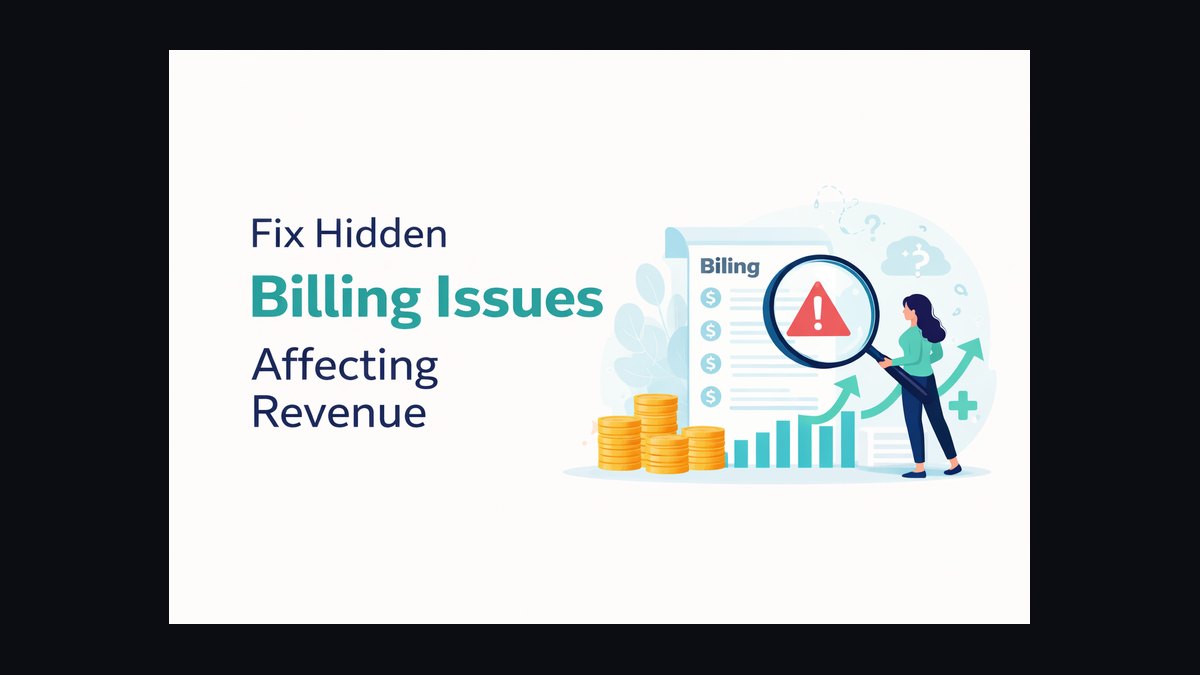
Mirror's fix in 2026 is to stop selling consumer hardware subscriptions and start licensing its camera-tracking, class-delivery, and analytics stack to gym chains, hotels, and corporate wellness buyers. That converts a churn-heavy $39/month consumer model into $2K–$5K/month B2B contracts, restoring predictable revenue and repairing the economics behind the original write-down.
The boardroom scenario that broke the model
Walk through the numbers as an operator would, not as a headline. A connected-fitness startup sells a reflective display at roughly $1,495 plus a monthly content subscription. The parent company buys it for a reported $500M, betting that pandemic-era home-fitness demand sticks and that a retail footprint plus a loyal apparel customer base can move hardware at scale. Then gyms reopen, Apple bundles fitness content into a cheap services tier, and free YouTube classes absorb the casual user. The subscription attach rate sags, hardware sits in warehouses, and the parent records impairments that eventually exceed the purchase price.
That is the scenario this page answers. The question is not "was the acquisition a mistake" — that is settled. The question is what a RevOps leader does in 2026 with the assets that remain: a polished camera-based form-correction system, a real-time instructor overlay, resistance sensing, a class library, and a brand that still carries recognition. The answer is to stop treating that stack as a consumer endpoint and start treating it as infrastructure other businesses license.

The framing matters because it changes every downstream metric. Consumer hardware forces you to fight for attention against free content, which drives customer acquisition cost up and retention down. B2B licensing forces you to fight for budget against other line items in a facilities or benefits plan, which is a slower sale but a stickier one. The revenue mix flips from mostly one-time hardware plus volatile subscriptions to contracted recurring revenue with multi-year terms.
How the licensing mechanism actually works
The mechanism has four moving parts. First, the software layer — mirror UI, class streaming, form correction, analytics — gets separated from the glass. Second, that layer gets packaged into tiered SKUs sold per location, not per user. Third, partners supply their own hardware, real estate, and staff, which removes manufacturing and distribution risk. Fourth, the parent brand's retail footprint becomes a demo and distribution channel rather than a fulfillment burden.
The critical design decision is the unit of sale. Consumer subscriptions are priced per person per month, which means every churn event is a direct revenue loss and every acquisition requires marketing spend. Per-location licensing inverts that: one contract covers an entire site, the buyer's staff drive adoption internally, and the vendor's cost to serve is largely fixed. A 500-location chain is one negotiation, not 500 funnels.

The second critical decision is what stays proprietary. If the moat is content, you are competing with every streaming library on earth. If the moat is the sensing and correction layer plus the management dashboard, you are competing with a much smaller set of vendors and you have switching costs, because ripping out an embedded system mid-contract is painful. Practitioners should protect the integration surface, not the class catalog.
A third element is the data feedback loop. When the platform runs inside partner gyms, it generates engagement and attendance data the partner cannot easily get elsewhere. That data becomes the renewal argument: here is what your members actually did, here is the utilization by hour, here is the drop-off point in your onboarding flow. RevOps teams should treat that reporting layer as a product, not a byproduct, because it is what makes the contract defensible at renewal.

Real numbers, ranges, and benchmarks
Concrete ranges keep this actionable. On the consumer side, the original model priced hardware in the $1,495 range with a subscription near $39/month, against competitors at roughly $7/month bundled and $39–$44/month premium. That is a brutal comparison set for a standalone device.
On the B2B side, plausible per-location pricing tiers look like this:

- Studio Lite — $1,500/month per location, aimed at single-site boutique studios and small chains. Includes class library, basic dashboard, and standard support.
- Studio Pro — $4,000/month per location, aimed at regional chains and mid-size corporate campuses. Adds custom branding, advanced analytics, and instructor certification.
- Studio Enterprise — $8,000+/month per location, aimed at hospitality groups and national chains. Adds SLA-backed uptime, API access, and dedicated success management.
Run the arithmetic on a mid-size deal. A 40-location regional chain on Studio Pro is $160,000/month, or roughly $1.9M in annual recurring revenue from a single contract. Reaching $8M–$10M ARR requires somewhere between 40 and 120 active contracts depending on tier mix — a far more tractable number than the tens of thousands of consumer subscribers needed to hit the same figure.
Margin structure shifts too. Hardware-heavy consumer businesses often land in the 18–30% gross margin band once you account for returns, warranty, and support. Software licensing with partner-supplied hardware typically lands in the 60–75% band, because the marginal cost of an additional location is mostly onboarding and support. That margin difference is what makes the pivot worth the pain of rebuilding a sales motion.

Churn benchmarks tell the same story. Consumer fitness subscriptions commonly see annual retention in the 50–70% range, with monthly churn spiking after the novelty period. Enterprise software and facilities contracts commonly run 85–90% gross renewal with multi-year terms. Even if the B2B sale takes two to three times longer to close, the lifetime value math favors it decisively.
Payback periods deserve a hard look. A B2B deal might carry $5,000–$15,000 in sales, demo, and onboarding cost per contract. At $1,500/month, that is a four-to-ten-month payback. At $4,000/month, it is under four months. Compare that to consumer acquisition cost against a $39/month subscription with heavy early churn, and the B2B path wins on capital efficiency even before you count the margin difference.

Trade-offs and alternatives
No pivot is free. The honest trade-offs:
Slower top-line growth, better quality of revenue. Enterprise deals take quarters to close. A board expecting consumer-style hockey-stick growth will be disappointed for two to three quarters. What arrives instead is contracted revenue with visibility, which is worth more to a valuation than the same dollars in volatile subscriptions.
Channel conflict risk. If the parent brand still sells or plans to sell consumer hardware, licensing the same software to gym chains creates overlap. The clean resolution is to have partners handle all physical deployment and keep the consumer tier as an entry point that funnels into partner locations, not a competing product line.

Partner dependency. Once partners own the customer relationship, the vendor loses direct contact with end users. That is acceptable if the reporting layer keeps visibility into engagement. It is dangerous if the contract has no data-sharing clause, because renewal becomes a blind negotiation.
Alternatives worth weighing against licensing. One is a pure services play: sell programming, instructor certification, and consulting to gyms without any software. Lower capital requirement, but the margin is labor-bound and there is no recurring software revenue. Another is a marketplace model, connecting independent instructors to venues. That scales without hardware but has thin take rates and heavy trust and payments overhead. A third is to wind the asset down and take the tax loss, which is the honest fallback if no credible partner pipeline exists within two quarters.

The realistic recommendation is a hybrid: license the software stack as the primary engine, keep a small branded consumer tier as a funnel and brand-presence play, and retire the standalone hardware line unless a partner will white-label it.
Common pitfalls and how to avoid them
Pitfall one: pricing per user instead of per location. Per-user pricing reintroduces the churn problem you are trying to escape, because the buyer's utilization fluctuates. Per-location pricing aligns the vendor's incentive with the buyer's deployment success. Avoid by making location count the primary metric and treating seats as unlimited within a site.

Pitfall two: rebuilding the entire sales org overnight. Consumer sales and enterprise sales are different muscles — different cycles, different stakeholders, different proof requirements. Avoid by hiring a small number of enterprise sellers with facilities or benefits-buyer experience and letting them define the playbook before you scale headcount.
Pitfall three: treating content as the moat. Content is copyable and increasingly commoditized. The moat is the sensing layer, the integration surface, and the reporting dashboard. Avoid by investing engineering effort in the platform and API, not in producing more classes than competitors.
Pitfall four: ignoring the buyer's internal politics. A facilities director, an HR benefits lead, and a CFO all care about different things. Avoid by building three distinct value narratives and arming your champion with the one that fits the room.
Pitfall five: no exit thesis. If the goal is eventual divestiture or strategic sale, the metrics that matter are ARR, net revenue retention, and contract length — not unit sales. Avoid by instrumenting those numbers from day one and reporting them on the same cadence as the parent's other segments.
Pitfall six: letting the write-down anchor every conversation. Sunk costs are sunk. RevOps should build the forward model on incremental contribution, not on recovering the original purchase price, because anchoring on recovery leads to bad pricing and desperate discounting.
Related questions
What made the original consumer model fail?
Hardware plus subscription economics could not survive competition from cheap bundled fitness content, free alternatives, and declining post-pandemic home-fitness demand, which pushed acquisition costs up while retention fell.
How long does a B2B licensing pivot take?
Expect 12–18 months to sign initial enterprise contracts and deploy, with meaningful recurring revenue showing up in the second year. The first two quarters are pipeline building, not revenue.
Does the parent brand still matter in this model?
Yes. Retail locations become demo sites and brand credibility for enterprise buyers. The brand shortens sales cycles even when the product is software.
What metrics should RevOps track first?
ARR, net revenue retention, average contract value, locations per contract, and gross margin by tier. Consumer-style DAU metrics matter less once revenue is contracted.
Could partners just build this themselves?
Some large chains could, but most lack the engineering budget and content operations. Licensing a working system is usually faster and cheaper than a multi-year internal build.
FAQ
Is the acquisition and write-down real? Yes. The parent company acquired the connected-fitness startup in 2020 for a reported $500M and subsequently recorded impairments exceeding $1B across later periods. Those figures appear in public financial filings.
Does this mean abandoning consumers entirely? No. The recommendation is to demote the consumer tier from primary revenue engine to brand funnel. It stays as an entry point, but growth comes from contracted B2B revenue.
How much B2B revenue is realistic? Without insider data, precise forecasts are unreliable. Comparable enterprise licensing deals in fitness technology suggest tens of millions in annual recurring revenue within two to three years if several hundred commercial locations adopt the platform.
Won't gym chains resist a software-only pitch? Some will, especially if they already have a vendor. The counter is the reporting layer and the sensing technology, which most chains cannot replicate internally and which produces data they want for member retention.
What about competition from large fitness platforms? Those platforms dominate home consumer content, which is exactly why the pivot avoids direct competition. In commercial settings, buyers care about durability, multi-user management, and customization, which is a different value proposition.
How should this be positioned to the board? As a revenue-quality story: slower growth, contracted revenue, higher gross margin, and a credible path to either sustained profitability or a strategic exit at a defensible multiple.
Sources
- U.S. Securities and Exchange Commission — https://www.sec.gov
- Harvard Business Review — https://hbr.org
- McKinsey & Company — https://www.mckinsey.com
- Deloitte — https://www2.deloitte.com
- Gartner — https://www.gartner.com
- The Wall Street Journal — https://www.wsj.com
- Bain & Company — https://www.bain.com
- Corporate Finance Institute — https://corporatefinanceinstitute.com
Related on PULSE
- How'd you fix Peloton's revenue issues in 2026?
- How'd you fix a connected-fitness company's churn issues in 2026?
- How'd you fix a hardware subscription business's revenue issues in 2026?
- How'd you fix an enterprise licensing motion's revenue issues in 2026?
- How'd you fix a corporate wellness vendor's revenue issues in 2026?
This page will be disappearing soon. Save it to your device for $1 — or read it free while it is here.
@Kory-White- · if Venmo asks, the last 4 of my number are 2012
This page is gone.
This one is off the shelf now. $1 keeps it on your phone for good — the whole page, pictures and diagrams included.
 tonalHow'd you fix Tonal's revenue issues in 2026?
 consumer-reportsHow'd you fix Consumer Reports' revenue issues in 2026?
 hyperloop-oneHow'd you fix Hyperloop One's revenue issues in 2026?
 ankiHow'd you fix Anki's revenue issues in 2026?
 fiskerHow'd you fix Fisker's revenue issues in 2026?
 weworkHow'd you fix WeWork's revenue issues in 2026?
 babylon-healthHow'd you fix Babylon Health's revenue issues in 2026?
 story-cannabisHow'd you fix Story Cannabis' revenue issues in 2026?
 hippo-insuranceHow'd you fix Hippo Insurance's revenue issues in 2026?
 linearHow'd you fix Linear's revenue issues in 2026?