
How do you start an auto wrap shop business in 2027?
 Curated byKory White · Fractional CRO · Maryland
 PULSEKNOWLEDGE LIBRARY
Quality
Certified
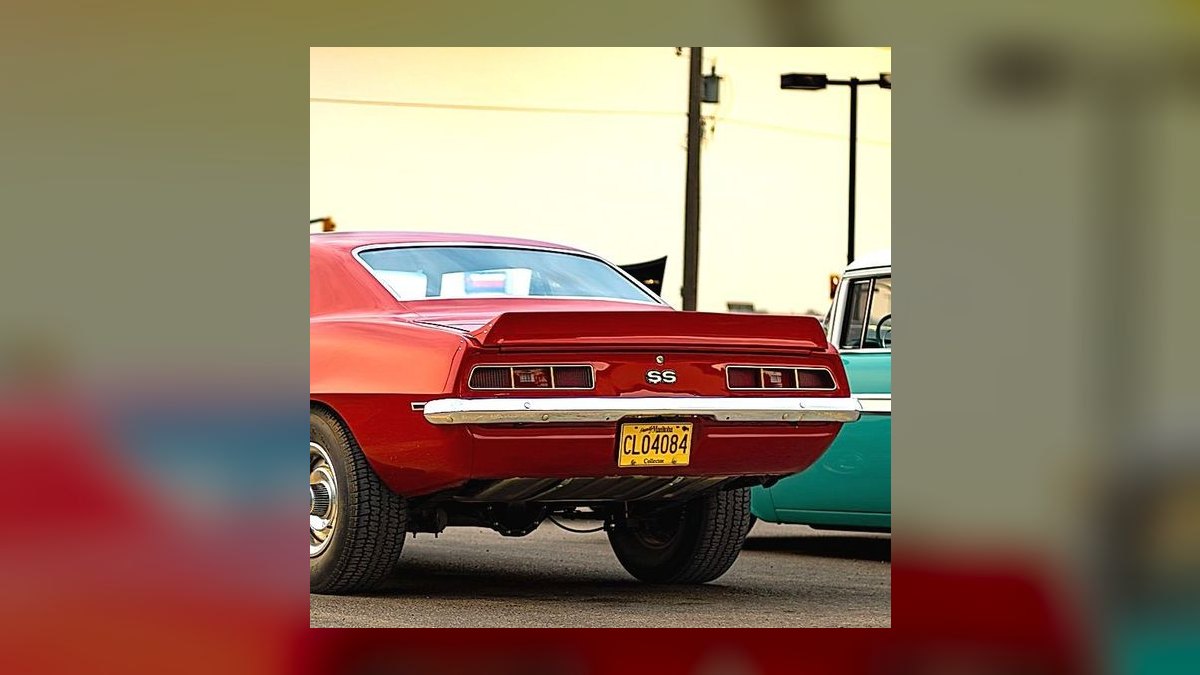
Start an auto wrap shop in 2027 by building genuine install skill first, then leasing a clean climate-controlled bay, standardizing on one cast wrap brand and one PPF brand, and pricing every job off honest shop hours. Budget $35,000–$70,000 for a lean launch, and build fleet accounts before opening.
The outcome you should expect
A disciplined single-bay auto wrap shop, launched lean with the owner installing, realistically produces $90,000–$240,000 in Year 1 revenue against $35,000–$90,000 in owner profit. That is not a passive number. It is earned across roughly 1,600 to 2,200 hours in the bay, on your feet, with a heat gun and a blade, plus the unbilled evenings spent on estimates, film orders, social media, and chasing fleet managers who do not return calls.
The shape of that first year matters more than the total. Revenue is lumpy: a good month with two full color changes, a five-van fleet job, and three PPF fronts might clear $28,000. The following month, with a holiday week and a cancelled fleet booking, might clear $6,000. The fixed nut — rent, utilities, climate control, insurance, software subscriptions — does not care. A 2,000-square-foot industrial unit with a sealed, lit, climate-controlled bay runs a real monthly cost that must be covered whether a car is in it or not.
By Year 3, a shop that has genuinely hired and retained two to three skilled installers reaches roughly $350,000–$700,000 in revenue with $100,000–$230,000 in owner profit. By Year 5, a mature single location lands around $600,000–$1.1 million with $150,000–$320,000 in owner profit. Those figures assume four things held true simultaneously: install quality was genuinely sellable, hours were priced honestly, a repeatable fleet pipeline actually got built, and skilled installers were found and kept.
The critical expectation to correct up front is the scaling curve. This business does not compound the way software does. Revenue is bay-hours multiplied by installer-skill. Doubling revenue means roughly doubling trained hands and the bays to hold them. There is no leverage point where the work decouples from the labor, because in 2027 there is still no machine that wraps a bumper. Understanding that before you sign the lease is the difference between building a real skilled-trade business and being perpetually disappointed that it did not become something else.
The counterweight is durability. A well-run wrap shop with a trained crew, documented processes, a base of repeatable commercial accounts, manufacturer certifications, and a strong local review profile is a genuine asset with real resale value. It is a business you can sell, hand to a partner, or transition to a key installer. That is a materially better outcome than most owner-operator trades, and it is available to the operator who treats the first bay as a system to be documented rather than a job to be worked.
What drives that outcome
Four variables move the number, and they are not equally weighted.

Install skill is the dominant variable, and it is not close. Wrapping is a craft with a brutal learning curve, and the gap between trained and untrained hands is visible from across a parking lot. A clean wrap has tucked edges, no trapped air, no tension lines, no lifting at panel gaps, and finish-effect film laid with consistent direction. An untrained install has edges that peel within weeks, blade marks in the customer's clear coat, over-stretched film that fails at the bumper corners, and seams in visible places. Customers see the difference instantly. So do their friends. So does Google. Compound curves — bumpers, mirrors, door handles, fender arches — are where wraps fail and where the learning curve actually lives.
Honest hour estimation is the second variable. A full-vehicle color change, done properly with mirrors, handles, and trim removed, careful panel work, and full post-heating, runs 20–40 shop hours depending on vehicle complexity, film type, and installer speed. Textured, satin, and color-shift films take meaningfully longer than gloss. The shop that estimates 12 hours for a 30-hour job has locked in a loss before the car arrives.
Pipeline density is the third. Commercial fleet accounts are the only thing in this business that behaves like recurring revenue. You brand a plumbing company's four vans, you brand the fifth when they buy it, and you re-wrap when they rebrand. That base is what keeps the bay scheduled during the slow enthusiast months.

PPF attach rate is the fourth. Paint protection film turns a $3,500 color change into a $6,000 ticket without adding a customer acquisition cost. It is the single most efficient margin lever available to a wrap shop.
The interaction between these variables is what founders miss. Skill and pricing are multiplicative, not additive. A shop with excellent hands and bad pricing runs a full bay at a loss. A shop with good pricing and bad hands runs an empty bay after the first refund cycle. You need both, and skill has to come first because pricing can be corrected in an afternoon while hands take months.
Benchmarks and realistic ranges
Startup capital. A lean launch — outsourced printing, focus on color change and PPF plus partial fleet lettering, owner installing — totals roughly $35,000–$70,000. A fuller launch with in-house large-format printing and deeper film inventory runs $80,000–$160,000+.
The line items: shop lease deposit and bay buildout (sealing, flooring, lighting, climate control, customer area) at $5,000–$30,000; installation tooling — squeegees, felt-edge buffers, knifeless tape, snap knives, heat guns, infrared thermometer, air-release rollers, prep chemicals, consumables — at $1,500–$5,000; a vinyl plotter or cutter at modest cost, with a large-format printer and laminator at $15,000–$40,000+ only if brought in-house; PPF pattern software as a recurring monthly subscription; initial film inventory at $5,000–$25,000; design software subscription; business formation, licensing, and contract templates at $500–$2,500; insurance including garagekeepers coverage at $1,500–$6,000 to start; signage, website, and portfolio photography at $1,500–$6,000; manufacturer certification and install training at $1,000–$6,000; and working capital of $10,000–$30,000 to carry rent and the owner through the ramp.
Pricing benchmarks for 2027. Full-vehicle color change: $3,500–$8,000+, 20–40 hours. Partial wrap or accent: $500–$2,500, 3–10 hours. Commercial fleet full graphic wrap: $1,500–$5,000+ per vehicle, 8–20 hours, with per-vehicle pricing dropping on volume. PPF partial front (bumper, hood edge, mirrors, fender leading edges): $1,200–$3,000, 4–10 hours. Full-vehicle PPF: $4,000–$8,000+, 15–35 hours. Chrome delete and trim blackout: $300–$1,200, 2–6 hours. Wrap removal: $500–$2,500, 4–15 hours depending on how the old film and adhesive behave.
Margin benchmarks. Labor-pure work — color change, PPF, removal, chrome delete — runs a 45–65% gross margin, because a roll of cast film is small relative to the install hours, provided those hours were estimated honestly. Print-heavy commercial fleet work runs thinner at 30–45%, because printable cast media, overlaminate, and ink are a real cost of goods stacked on top of the labor.
Per-job cost stack. Take a $5,000 satin color change. Film and consumables — a roll of premium cast wrap, knifeless tape, blades, prep chemicals, squeegee wear — run a few hundred dollars. Install labor at 25–35 hours is a real cost even when the owner performs it, because owner time is not free and pretending otherwise corrupts every downstream decision. Bay overhead allocation covers the job's share of rent, utilities, climate, and insurance. A redo and warranty reserve of a few percent is genuine, because some jobs need a panel redone and honoring a manufacturer warranty carries a labor cost. Card processing and consultation time round it out.
Film brand landscape. Cast wrap film: 3M (1080/2080 series) and Avery Dennison (Supreme Wrapping Film) are the legacy heavyweights with deep color ranges and certification programs; KPMF for finish-effect and color-shift; Hexis as a full European professional range; Inozetek for super-gloss; TeckWrap and Vvivid at a more accessible tier. Cast film is the only acceptable choice for vehicles — calendared film belongs on flat signs, not compound curves. PPF: XPEL is the dominant brand with strong pattern software and consumer recognition, alongside SunTek, STEK, and 3M's own PPF line.
Certification benchmark. Manufacturer programs from 3M, Avery Dennison, and XPEL are not legally required, but they enable passing the manufacturer film warranty through to the customer, serve as a trust signal on a $5,000 ticket, sometimes drive locator-tool referrals, and force real skill validation. Skipping certification means competing on price against shops that can offer a warranty you cannot.
Risks, edge cases, and failure modes
Selling before the hands are trained. This is the reputation-destroying error. A shop that books full color changes its installer cannot yet deliver produces lifting edges, refunds, chargebacks, and photos posted in local car groups. Recovery is nearly impossible in a market where reputation is the lead engine. The mitigation is unglamorous: months of training courses, practice panels, and free or at-cost wraps on your own and friends' vehicles before a single paying color change. Fleet lettering and partial graphics are the forgiving work to cut teeth on while the color-change and PPF hands mature.
Underpricing the labor hours. Quoting a 30-hour job like a weekend detail package runs a full bay at a loss while the owner wonders where the money went. The failure is subtle because the shop looks busy. Price off honest hours and real film cost, never off a competitor's headline number or a customer's hope.
The empty bay. Fixed overhead exists whether a car is in the bay or not. A shop with genuinely good hands but no fleet pipeline and a thin social presence runs half-empty and closes — not because the owner could not wrap a car, but because the owner could not fill the schedule. Waiting for walk-ins is not a customer acquisition strategy.
Customer-vehicle liability. You have other people's expensive cars in your care, custody, and control for days at a time. A blade slip into clear coat, a panel mishandled, a vehicle dinged in the lot, a theft — all yours. Garagekeepers insurance covering customer vehicles in your care is non-negotiable alongside general liability and commercial property. One damaged car without it ends the business.
Paint-condition edge cases. Film does not adhere reliably to failing clear coat, cheap prior repaints, or rust. Wrapping over bad paint and having it fail — or pulling clear coat on removal — is a dispute waiting to happen. The mitigation is procedural: a documented pre-install inspection photographing existing chips, prior bodywork, and paint condition, disclosed to the customer and signed before work begins. Removal of sun-baked or cheap film carries its own clear-coat risk that must be explained and signed off in advance.
Climate and contamination. Vinyl and PPF behave very differently across temperature ranges — stiff and unforgiving cold, over-soft hot. An uncontrolled bay fights the installer on every panel. Dust trapped under film is a visible defect and a redo, and PPF, being wet-installed, shows every speck. A sealed, filtered, climate-controlled bay is a quality requirement, not a comfort item.
Capital misallocation. Buying a large-format printer before there is fleet volume to feed it ties up $15,000–$40,000 that should have been working capital, and adds ink, media, and color-management learning burden on top. Outsource printing at launch. Similarly, stocking deep in slow-moving colors converts cash into a warehouse of vinyl nobody orders.
Installer flight risk. Skilled installers are scarce and mobile. They can leave for a competitor or open their own shop, and they often do. Training one in-house takes months and produces a flight risk with your standards in their hands. Retention levers that actually work: competitive pay with a piece-rate or commission element so fast clean work earns more, a well-equipped shop that respects the craft, a steady schedule, and treating installation as a skilled trade rather than disposable labor.
Doing all three lines at full depth on day one. Fleet, color change, and PPF simultaneously with no focus spreads a new shop too thin to be good at any of them. Pick a primary, add the second when the first is proven.
A practical rollout plan
Months 1–6: skill before anything else. Take manufacturer and third-party install training. Buy practice panels and wrap them repeatedly. Wrap your own vehicle, then friends' vehicles free or at cost. Build hands on surface prep and decontamination, panel reading and film planning, knifeless tape and relief cuts, heat and tension management on compound curves, edge sealing and post-heating. For PPF, add pattern software fluency, wet-install technique, and squeegee discipline. Be brutally honest about when the work is sellable — the test is whether you would pay $5,000 for it.
Months 4–8: business formation and market work, running in parallel. Form the LLC or S-corp. Open separate business banking. Set up bookkeeping that tracks film inventory and per-job cost of goods, because a P&L that does not capture COGS per job is decorative. Confirm sales-tax treatment of labor versus materials in your state — this varies and getting it wrong from day one compounds. Draft the customer contract, the pre-install inspection form, and the removal-risk waiver. Simultaneously, survey the local market: count the wrap and PPF shops, look hard at their portfolios, identify the quality gap you can occupy, and start naming target fleet accounts — trades, delivery operations, mobile services, food trucks, property management.
Months 6–9: bay and tooling. Lease a unit with room for a full vehicle plus working space all the way around, ideally two bays' worth of space for growth. Seal it, floor it, light it brightly and evenly, and get climate control working. Add a prep-and-print area, film storage racking, and a presentable customer consultation space — color change and PPF buyers judge the shop. Buy the hand tooling and buy it good. Get the plotter. Outsource printing. Subscribe to PPF pattern software. Pursue certification on the one wrap brand and one PPF brand you will standardize on.
Months 8–12: pipeline before opening. Do the B2B outreach before the doors open, not after. Walk into local trades businesses. Talk to fleet managers. Offer a first-vehicle rate to earn the account. Build relationships with detailers, ceramic coating shops, performance shops, and dealerships who can refer. Simultaneously, start the visual portfolio — shoot the practice and friend vehicles properly, build the Instagram and TikTok presence, get the Google Business profile live. The color-change customer shops entirely on visual proof, and a shop with an empty portfolio is invisible.
Year 1 operating cadence. Open with fleet graphics and partial work — the forgiving jobs — while color-change hands finish maturing. Track actual hours on every single job against your estimate, and recalibrate pricing monthly until the estimate is reliable within 15%. Attach a PPF quote to every color change and every new-car conversation. Feed the portfolio weekly, not sporadically. Keep a working-capital reserve untouched through the first slow stretch, because there will be one.
Year 2: the highest-leverage move. Hire the first installer. This roughly doubles installable bay-hours and is the single largest step-change available. Before hiring, document your install standards, estimating method, inspection procedure, and QC checklist well enough that a new person can be held to them. Quality control becomes a formal function the moment you are not personally doing every job — your name is on every wrap leaving the bay.
Year 3 and beyond. Add bays in step with installer headcount, since bay-hours times skilled hands is the ceiling. Deepen the fleet base so added capacity has scheduled work. Raise the PPF attach rate. Bring printing in-house only once fleet volume genuinely justifies the machine, ink, media, and color-management skill. Add an estimator or salesperson for the pipeline, then a shop manager, so you move from working in the bay to running the business. Consider a second location only when the first is a documented, repeatable system rather than a set of habits living in your head.
Related questions
How long does it take to learn to wrap cars well enough to charge?
Realistically six months of deliberate practice — formal training, practice panels, and free or at-cost vehicles — before selling a full color change. Fleet lettering and partial graphics are sellable sooner. A weekend course does not produce an installer.
Should I outsource printing or buy a large-format printer?
Outsource at launch. A printer, laminator, ink, and color-management skill is $15,000–$40,000+ of capital and learning burden before you know your fleet volume. Bring it in-house in Year 2 only when print volume genuinely justifies the machine.
Is PPF worth adding, or should I stick to color change?
Add it. PPF carries the highest ticket in the shop and turns a $3,500 color change into a $6,000 job with no added acquisition cost. It is the most demanding install skill, so build it deliberately, but the margin lift is the best in the business.
Do I need manufacturer certification to open?
No — it is not legally required. But certification lets you pass the manufacturer's film warranty to the customer, signals legitimacy on a five-figure quote, and sometimes drives locator referrals. Without it you compete on price against shops offering warranties.
What insurance do I actually need?
General liability, commercial property, and — critically — garagekeepers coverage for customer vehicles in your care, custody, and control. Skipping garagekeepers turns one damaged car into a business-ending loss.
FAQ
How much does it cost to start an auto wrap shop in 2027?
A lean launch runs roughly $35,000–$70,000: bay lease and buildout at $5,000–$30,000, install tooling at $1,500–$5,000, initial film inventory at $5,000–$25,000, insurance at $1,500–$6,000, certification and training at $1,000–$6,000, formation and legal at $500–$2,500, signage and web at $1,500–$6,000, plus $10,000–$30,000 in working capital. Adding in-house large-format printing pushes the total to $80,000–$160,000+.
How much can an auto wrap shop realistically make?
A disciplined Year 1 single-bay shop with the owner installing generates $90,000–$240,000 in revenue and $35,000–$90,000 in owner profit. Year 3 with two to three installers lands around $350,000–$700,000 revenue and $100,000–$230,000 owner profit. A mature Year 5 single location reaches $600,000–$1.1 million with $150,000–$320,000 owner profit — assuming quality held, hours were priced honestly, and installers were retained.
What is the difference between a wrap shop and a body shop?
A body shop permanently changes a vehicle's paint using chemicals and a spray booth. A wrap shop applies a removable adhesive film over the existing paint using heat, tension, and hand tools. A sign shop prints flat graphics; a wrap shop conforms those graphics around the compound curves of a real vehicle. The wrap shop sits between the two and shares the tooling of neither.
Which film brands should a new shop stock?
Standardize rather than sprawl. For cast wrap film, 3M's 1080/2080 series and Avery Dennison's Supreme Wrapping Film are the trusted legacy options with certification programs; KPMF, Hexis, Inozetek, TeckWrap, and Vvivid occupy specialty and value tiers. For PPF, XPEL is the dominant brand, with SunTek, STEK, and 3M as serious alternatives. Stock high-demand colors deeply and order specialty colors per job — dead inventory is trapped cash.
Why do most new wrap shops fail?
Three causes, usually in combination: taking paying jobs before the install hands are trained, which produces lifting edges, refunds, and a wrecked local reputation; underpricing the labor hours, which runs a full bay at a loss; and depending on walk-ins with no commercial fleet pipeline, which leaves the bay half-empty against fixed overhead that does not pause.
Should I focus on fleet graphics, color change, or PPF first?
Start with fleet graphics and partial work — it is more forgiving of a developing installer, it is B2B and repeatable, and it fills the schedule. Add color change as your hands prove out, then layer PPF as the premium attach on every job. Running all three at full depth on day one usually produces mediocrity across all three.
Sources
- U.S. Small Business Administration — Write your business plan
- IRS — Business structures
- 3M — Vehicle wrap films
- Avery Dennison — Supreme Wrapping Film
- XPEL — Paint protection film
- SEMA — Specialty Equipment Market Association
- Insurance Information Institute — Business insurance basics
- Bureau of Labor Statistics — Occupational Outlook Handbook
- SCORE — Free small business mentoring and resources
Related on PULSE
- How do you price skilled-trade labor hours without underquoting?
- How do you build a repeatable B2B fleet account pipeline?
- How do you hire and retain skilled installers in a craft trade?
- How do you use RevOps discipline to run a single-bay service shop?
- How do you decide when to bring production equipment in-house?
This page will be disappearing soon. Save it to your device for $1 — or read it free while it is here.
@Kory-White- · if Venmo asks, the last 4 of my number are 2012
This page is gone.
This one is off the shelf now. $1 keeps it on your phone for good — the whole page, pictures and diagrams included.
 vinyl-wrapHow do you start a vinyl wrap shop business in 2027?
 window-tintingHow do you start a window tinting business in 2027?
 paintless-dent-repairHow do you start a paintless dent repair (PDR) business in 2027?
 pet-groomingHow do you start a pet grooming business in 2027?
 mobile-detailingHow do you start a mobile detailing business in 2027?
 motorcycle-repairHow do you start a motorcycle repair business in 2027?
 pearl-autoHow'd you fix Pearl Auto's revenue issues in 2026?
 tree-serviceHow do you start a tree service business in 2027?
 custom-apparelHow do you start a custom apparel business in 2027?
 ecommerceHow do you start an e-commerce DTC brand in 2027?