


What is Workato and why is it a hot RevOps integration and automation platform for 2027?
Workato is the leading enterprise integration-and-automation platform (iPaaS) — connecting business apps and automating workflows across them — now repositioned as the "Enterprise MCP for Agentic AI," and it is a hot RevOps tool for 2027 because the RevOps stack is a sprawl of tools that must talk to each other, and Workato is both the connective tissue that integrates them and, increasingly, the layer that gives AI agents trusted access to act across them. Workato connects AI agents to 1,400-plus business apps with secure, scalable agentic workflows, built on the number-one iPaaS. Its core: 1,200-plus pre-built connectors across CRM, ERP, HR, ITSM, and finance, where each connector typically exposes 50-100+ actions and triggers (not just basic sync), including custom objects and fields. Its 2026 leap is the Workato One edition with Agentic Orchestration — AI-powered automations that reason and adapt — and Enterprise MCP servers that give AI agents the context, trust, and accuracy to operate autonomously across systems like Salesforce, Slack, Workday, and Marketo. It includes enterprise governance (RBAC, environment management, recipe versioning, audit logging, SSO) and is SOC 2 Type II, HIPAA, and GDPR compliant. Pricing is custom (platform-edition fee plus task-based usage), commonly fifty to one hundred thirty thousand a year for mid-market. For RevOps teams whose biggest operational drag is integrating and automating across a sprawling stack — and who are building toward AI agents — Workato is the enterprise integration-and-agentic backbone.
1What Workato actually is
Workato is an iPaaS — integration platform as a service — the enterprise-grade system for connecting business applications and automating workflows across them. The problem it solves is fundamental to RevOps: the modern stack is dozens of tools (CRM, MAP, data, billing, support, HR, finance), and getting them to work together — syncing data, triggering cross-app actions, automating multi-step processes — is a perpetual, brittle struggle. Point-to-point integrations break; manual handoffs slow everything. Workato is the connective tissue that integrates and automates the sprawl reliably.
The core is its connector library — 1,200-plus pre-built connectors as of early 2026 across CRM, ERP, HR, ITSM, finance, and cloud infrastructure. Critically, Workato connectors are deep: each typically exposes 50-100+ actions and triggers per app, including support for custom objects and fields — far beyond the basic sync of lightweight tools like Zapier. Workflows are built as "recipes" that chain triggers and actions across apps, automating complex multi-system processes.

1.2 Agentic AI and Enterprise MCP
Workato's 2026 repositioning is the strategic story. It now brands itself the "Enterprise MCP for Agentic AI" — connecting AI agents to 1,400-plus apps. The Workato One edition introduces Agentic Orchestration: AI-powered automations that reason and adapt rather than following rigid rules. And its Enterprise MCP servers give AI agents the context, trust, and accuracy to operate autonomously across business systems (Salesforce, Slack, Workday, ServiceNow, NetSuite, Marketo). This is the key 2027 angle: as AI agents proliferate, they need trusted, governed access to act across the company's systems — and Workato, built on the leading iPaaS with deep connectors and enterprise governance, positions itself as that agentic execution-and-context layer.
2Where Workato fits in the RevOps stack
Workato sits as the horizontal integration-and-automation layer beneath and across the entire stack — connecting the CRM, MAP, data tools, billing, and more, automating cross-app processes, and increasingly giving AI agents governed access to act. It doesn't replace any tool; it's the connective tissue and orchestration layer that makes the stack work as a system.

The diagram shows Workato's value: deep connectors and recipes integrate and automate the whole stack, with governance for control and Enterprise MCP giving AI agents trusted cross-app access. For RevOps, this addresses the perennial pain — making a sprawling tool stack operate as one integrated, automated system — while future-proofing for the agentic era where agents need governed access to act across those systems.
2.1 Why integration-and-automation is core RevOps work
The strategic argument is that RevOps lives or dies on the stack working together. Disconnected tools mean manual data entry, broken handoffs, inconsistent data, and brittle point integrations that RevOps spends time maintaining. An iPaaS like Workato automates this connective work reliably and at depth (the 50-100+ actions per connector matter for real RevOps processes). And the 2026 agentic layer is forward-looking: as RevOps deploys AI agents, those agents must act across systems safely, and Workato's Enterprise MCP provides the governed access. For RevOps, Workato is both today's automation backbone and tomorrow's agentic-execution layer.

2.2 Custom, task-based pricing
Workato is enterprise-priced and custom-quoted: a two-component model of a platform-edition fee plus usage-based "task" charges (individual actions within workflows), with additional billing for API management and AI features. Estimates start around eight hundred thirty-three dollars a month, but real contracts typically begin at ten thousand a year, and mid-market companies commonly pay fifty to one hundred thirty thousand annually. The task-based component means cost scales with automation volume, so RevOps must estimate task volume and model both the edition fee and usage — a high-automation stack can drive significant task consumption.
3Who Workato is for
Workato fits mid-market and enterprise companies with sprawling stacks that need reliable, deep integration and automation across many systems — and that are building toward AI agents needing governed cross-app access. It rewards organizations where integration complexity and automation depth justify an enterprise iPaaS.

3.1 Where it shines
The strongest fit is a mid-market or enterprise company with many interconnected systems (CRM, ERP, MAP, finance, HR) where deep, reliable integration and complex cross-app automation are critical, and where lightweight tools fall short. For these teams, Workato's deep connectors, recipe automation, enterprise governance, and now Agentic Orchestration and Enterprise MCP make the stack work as a system and prepare it for agents. It shines where integration depth, scale, and governance matter — and increasingly for teams deploying AI agents that need trusted access across apps.
3.2 Where it is a weaker fit
Workato is a weaker fit for small teams with simple integration needs, where a lightweight tool (Zapier, Make) at a fraction of the cost suffices — Workato's depth and enterprise price are overkill. It's also less compelling for organizations without the technical capacity to build and govern recipes, since the platform rewards skilled use, and the task-based pricing can become significant for high-automation workloads. Teams wanting a cheap, simple automation tool should look elsewhere.

4The 2027 edge
Workato is a 2027 story because the stack sprawl that RevOps must integrate is only growing, and the agentic era demands a governed layer for AI agents to act across systems — both of which Workato targets as the leading iPaaS now repositioned for Enterprise MCP and Agentic Orchestration. The edge is deep enterprise integration plus governance plus an agentic-execution layer for AI.
4.1 The RevOps shift
The 2027 implication for RevOps is that integration-and-automation becomes a strategic, governed layer — and the foundation for agentic execution. RevOps owns the recipes that automate cross-app processes, the governance (RBAC, versioning, audit) that keeps automation safe, and increasingly the Enterprise MCP configuration that lets AI agents act across systems with trust. The discipline becomes operating the stack as one integrated, automated, agent-ready system rather than a sprawl of disconnected tools. Teams that build this backbone will automate the manual cross-system work that drains ops, and will be ready to deploy AI agents safely — while those without it stay stuck in brittle point integrations and manual handoffs.

5Limits and watch-outs
The first watch-out is cost and complexity: Workato is enterprise-grade, custom-priced (commonly $50-130K/year mid-market), with task-based usage charges that scale with automation volume — so RevOps must model both the edition fee and task consumption, and small teams will find it overkill versus Zapier/Make. The second is the technical-capacity requirement: building and governing deep recipes rewards skilled use, so under-resourced teams won't realize the value. The third is the task-pricing trap — high-automation workloads consume many tasks, driving cost, so monitor task usage as automation grows. The fourth concerns the agentic layer: Enterprise MCP and Agentic Orchestration are powerful but new, and giving AI agents autonomous cross-app access demands careful governance (permissions, audit) — RevOps must control what agents can do, since an agent acting wrongly across systems is high-risk. Finally, an iPaaS automates the stack but doesn't fix bad processes — automating a broken workflow just breaks it faster, so design before automating.
6Bottom Line
Workato is a strong 2027 bet for mid-market and enterprise companies with sprawling, interconnected stacks, because it's the leading iPaaS — deep connectors across 1,400-plus apps, recipe automation, and enterprise governance — now repositioned as the Enterprise MCP for Agentic AI, giving AI agents trusted, governed access to act across systems. The strategic shift it embodies is integration-and-automation becoming a strategic, governed layer and the foundation for agentic execution, owned by RevOps. Buy it if you have a complex stack needing deep, reliable integration and automation, the technical capacity to build recipes, and ambitions to deploy AI agents that act across systems; be cautious if your needs are simple (use Zapier/Make), you lack the resources to build and govern recipes, or task-based costs at high automation volume would surprise you. Its differentiator is enterprise integration depth plus governance plus an agentic-execution layer — the backbone that makes the stack a system and readies it for AI agents.

Related on PULSE
- Workato vs 11x — which should you buy?
- Is a Workato Sales Engineer role still good for my career in 2027?
- How does Workato defend against Okta in 2027?
- Should ServiceNow acquire Workato in 2027?
- Should ServiceNow acquire Workato to compete in iPaaS?
- How'd you fix Workato's revenue issues in 2026?
FAQ
What exactly is Workato's "Enterprise MCP" and why does it matter for RevOps? Workato's Enterprise MCP (Model Context Protocol) is a framework that lets AI agents securely access and act on data from over 1,400 business applications. For RevOps, this matters because it means AI agents can autonomously perform tasks like updating CRM records, syncing lead data, or triggering workflows across systems — without manual intervention — while maintaining enterprise-grade governance and audit trails.
How does Workato compare to other iPaaS tools like Zapier or MuleSoft? Workato is designed for enterprise-scale complexity, offering 1,200+ pre-built connectors with 50-100+ actions each, compared to simpler tools like Zapier that focus on smaller-scale tasks. Unlike MuleSoft, which requires heavy developer involvement, Workato provides a low-code interface for RevOps teams, while also supporting advanced AI agent orchestration — a feature most competitors lack as of 2027.
Can Workato handle custom objects and fields in Salesforce or other CRMs? Yes, Workato's connectors typically expose custom objects and fields, allowing RevOps teams to map and automate unique business processes without custom coding. This flexibility is critical for organizations with tailored CRM setups, as it avoids the need for workarounds or manual data handling.
Is Workato secure enough for handling sensitive RevOps data like PII or financial records? Workato is SOC 2 Type II certified, HIPAA eligible, and supports RBAC, audit logging, and SSO — meeting compliance standards for most enterprise environments. However, specific security requirements (e.g., GDPR or FedRAMP) should be verified with Workato, as certifications can vary by deployment region or edition.
What kind of ROI can a RevOps team expect from implementing Workato? ROI varies widely based on current automation maturity and the number of integrated systems, but teams typically report reducing manual data entry by 40–70% and cutting integration development time from weeks to days. Actual savings depend on factors like the complexity of workflows, the number of users, and the chosen pricing tier.
Does Workato require coding skills to build automations, or can non-technical RevOps users manage it? Workato is designed for low-code usage, with a visual recipe builder that non-technical users can learn in a few days for basic integrations. However, advanced automations involving AI agents or complex logic may require some technical support from IT or a dedicated automation specialist.
Sources
- Workato.com product and platform pages on the iPaaS, connectors, Workato One, Agentic Orchestration, and Enterprise MCP
- CostBench and CheckThat 2026 Workato pricing breakdowns (edition fee plus task-based usage)
- Automation Atlas and SyncGTM 2026 Workato reviews on integration depth and enterprise features
- Workato 2026 iPaaS buying guide and platform documentation
- Industry analysis on iPaaS, enterprise automation, and MCP for agentic AI
This page will be disappearing soon. Save it to your device for $1 — or read it free while it is here.
@Kory-White- · if Venmo asks, the last 4 of my number are 2012
This page is gone.
This one is off the shelf now. $1 keeps it on your phone for good — the whole page, pictures and diagrams included.
 revopsHow do you actually use AI in B2B SaaS sales — and what's hype vs real in 2027?
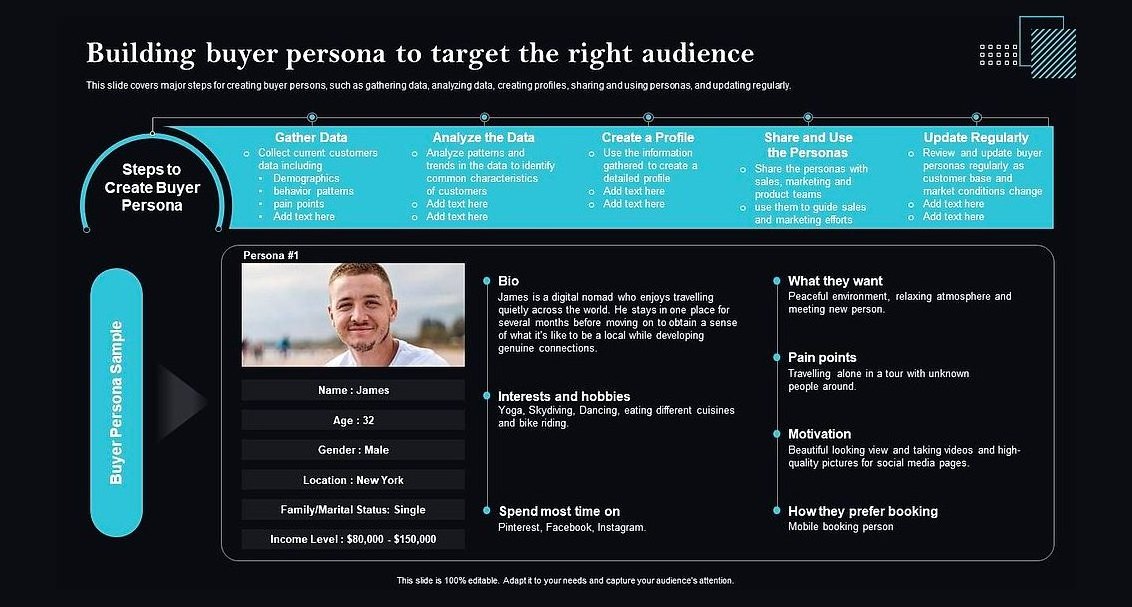 revopsHow do you build a buyer persona that sales actually uses in 2027?
 revopsWhat are North Carolina Tar Heels men's basketball's 2027 NIL needs and strategy?
 revopsHow do you design a sales kickoff that changes behavior in 2027?
 revopsHow do you build a customer reference program that AEs can actually use in 2027?
 revopsWhat's a healthy AE ramp time — and how do you actually design ramp in 2027?
 revopsHow do you respond to a sudden churn spike in 2027?
 revopsHow should a 2027 GTM team build joint persona programs across sales and marketing?
 revopsWhat are Michigan Wolverines football's 2027 NIL needs and strategy?
 revopsHow should a 2027 sales enablement team run content audits at scale?