
Should I open or buy a Celebree School franchise in 2027?
 Curated byKory White · Fractional CRO · Maryland
 PULSEKNOWLEDGE LIBRARY
Quality
Certified
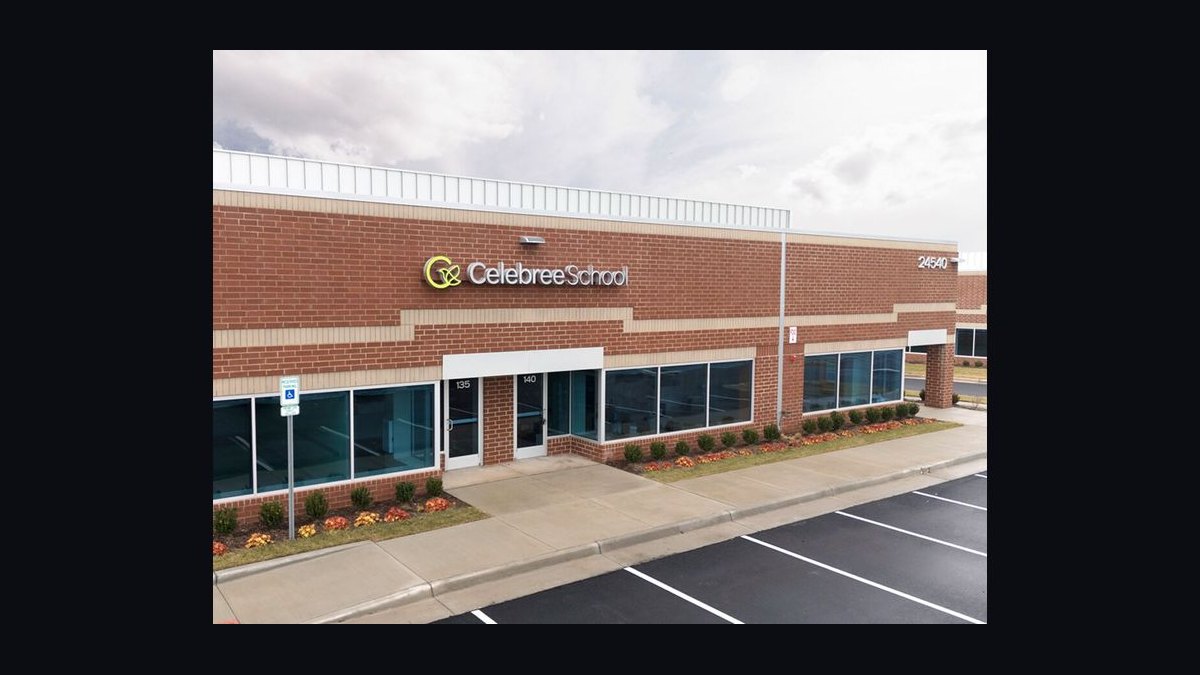
Whether you should open or buy a Celebree School franchise in 2027 depends less on the brand than on your balance sheet. Celebree is a recession-resilient, recurring-tuition early-childhood-education franchise with strong mature economics, but it demands $600,000 to $5,000,000+ and a 1–3 year enrollment ramp.
A Tale of Two Franchisees: Why the Same Brand Produces Different Outcomes
Picture two operators who both sign a Celebree School franchise agreement in early 2027. Both have read the same 2026 Franchise Disclosure Document, both love the "We grow people" mission, and both live in suburbs with young families. Eighteen months later, one is posting $2.4 million in gross tuition revenue with a waitlist, and the other is burning through reserves, praying for enrollment to tick up before the operating loan comes due.
The difference is almost never the curriculum. Celebree's educational model — infant through school-age care with a developmental, character-focused curriculum — is well-built and consistent across the system. The difference is the operator's capital position, their real estate decision, and how aggressively they attacked staffing in the first 120 days.
Franchisee A spent six months on site selection before signing a lease. She chose an end-cap retail space in a fast-growing suburb with 4,200 families within three miles and a median household income north of $95,000. She budgeted $2.1 million total, kept $400,000 in working capital untouched, and hired a director with ten years of licensed childcare experience three months before opening. She pre-sold 60 enrollments before the doors opened.
Franchisee B took the first available freestanding building his broker showed him — cheaper rent, but in a trade area with only 2,100 families and an older demographic. He budgeted $1.4 million, leaving himself $90,000 in reserves. He hired a director two weeks before opening. He opened with 22 children enrolled and needed 90 to break even.

Same brand. Same royalty. Same mission. Radically different businesses. This is the core truth of franchising in capital-intensive, licensing-heavy categories: the franchisor gives you a playbook and a brand, but the operator supplies the location, the capital cushion, and the hiring discipline. For anyone weighing whether to open or buy a Celebree School franchise in 2027, that framing should sit at the front of your mind.
The "open or buy" question adds a second dimension. Opening from scratch means you control site selection, build-out, and hiring — but you also absorb the full ramp and every construction surprise. Buying an existing Celebree School means you inherit an enrolled, licensed, staffed center — but you pay a premium for cash flow that already exists, and you inherit whatever staffing culture and facility problems the seller left behind. Both paths are viable; they simply shift risk from development to valuation.
How the Celebree School Franchise Model Actually Works
Understanding the mechanism matters because Celebree is not a tutoring franchise or a swim school. It is a licensed childcare facility, which means the business is governed by state licensing rules, staff-to-child ratios, and real estate in a way that lighter education franchises are not. The revenue model is straightforward — recurring monthly tuition from families — but the cost structure and regulatory layer are what make or break the unit.
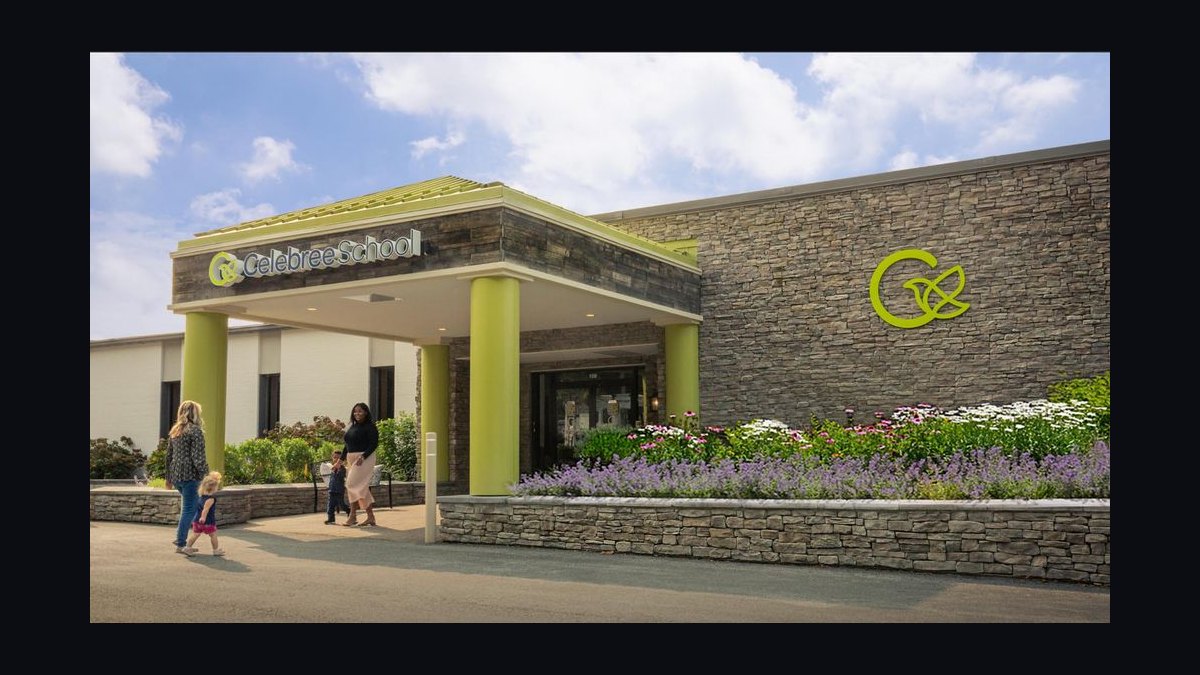
Here is the core economic engine of a mature Celebree School, simplified:
The mechanics work like this. Families pay tuition monthly, typically $1,200 to $2,200 per child depending on age and market. Infants cost the most because ratios are strictest — often one teacher per four infants. Preschoolers cost less because one teacher can supervise ten. A center licensed for 150 children, running at 85% occupancy, enrolls roughly 128 children. At an average of $1,600 per month, that is about $2.46 million in annual gross revenue.
From there, labor eats the biggest bite. A 150-child center needs roughly 25 to 35 full-time employees: lead teachers, assistant teachers, floaters, a director, an assistant director, kitchen staff, and administrative help. Total labor — wages, payroll taxes, benefits, and training — commonly runs 50% to 60% of gross revenue. That is the single most important number in the model, and it is the number most vulnerable to the national early-childhood-educator shortage.
Royalty and marketing fees take another roughly 9% combined. Occupancy — rent, utilities, insurance, maintenance — runs 10% to 14% depending on whether you leased or bought. Food, classroom supplies, educational materials, software, and administrative overhead consume another 15% to 18%. What remains, before debt service, is owner earnings. On a $2.4 million center, that might land between $200,000 and $650,000 depending on how tightly labor and occupancy are managed.
The mechanism that makes this resilient is recurring tuition. Unlike a retail franchise that lives and dies by discretionary spending, childcare is a necessity for working parents. Enrollment churns slowly, revenue is predictable month to month, and demand holds up in recessions — though it can soften at the margin if families lose jobs or shift to cheaper in-home care.
The mechanism that makes it fragile is fixed cost. Once you sign a lease and hire a staff, your costs are largely locked. If enrollment stalls at 50 children instead of 120, you still pay rent, still pay your director, still owe royalty on whatever revenue you do generate, and still must maintain licensing ratios. There is no dialing down a childcare center the way you might cut marketing at a retail store. This is why undercapitalization kills more Celebree franchisees than competition ever will.
Real Numbers, Ranges, and Benchmarks for 2027
Let's get concrete. The following figures reflect the 2026 Franchise Disclosure Document and typical operator experience. Treat them as planning ranges, not guarantees — your actual numbers will depend on your market, your real estate deal, and your execution.
Initial investment. The franchise fee is around $60,000. Total Item 7 investment ranges from roughly $600,000 to $5,000,000 or more, and the spread is almost entirely real estate. If you lease an existing shell and build out the interior, you might land near the low end. If you buy land and build a freestanding building with a dedicated playground, you can blow past $4 million before you enroll a single child.
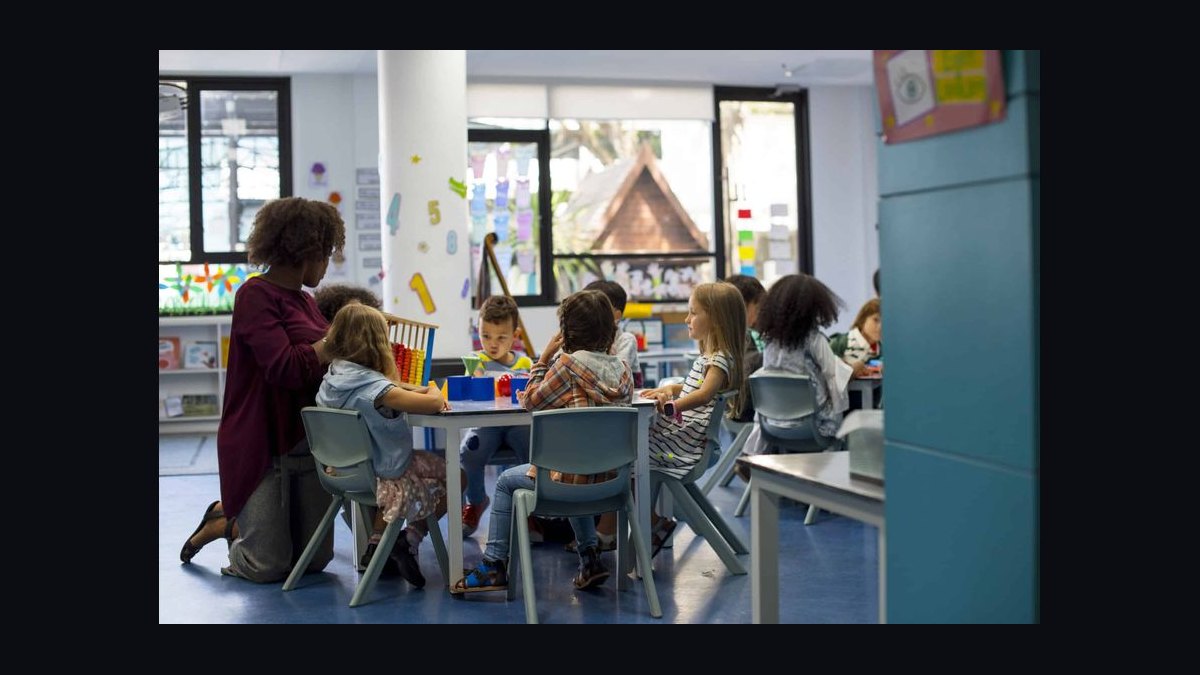
Broken down, a typical project looks something like this: real estate and build-out $350,000 to $4,200,000+; equipment and playground $150,000 to $500,000; signage and decor $30,000 to $120,000; initial supplies and educational materials $25,000 to $80,000; initial marketing and pre-enrollment $30,000 to $80,000; training and travel $15,000 to $45,000; and working capital $150,000 to $400,000. That last line is the one operators most often under-budget, and it is the one that determines survival.
Ongoing fees. Royalty runs around 7% of gross revenue. Marketing contribution runs roughly 1% to 2%. Both are drawn from the top line, so they scale with revenue rather than profit — meaning a struggling center still owes them.
Revenue and earnings. Mature Celebree Schools gross $1,500,000 to $3,800,000+ annually, with owner earnings of $200,000 to $650,000. New centers typically take one to three years to reach stabilized enrollment. Year one might run at 40% to 60% occupancy; year two at 70% to 85%; year three at 85% to 95%.
Staffing costs. Assistant teachers earn roughly $14 to $18 per hour in most markets; lead teachers $18 to $25 per hour. With benefits, total labor lands at 50% to 60% of revenue. Expect 30% to 50% annual turnover in the first two years.
Tuition. Monthly rates typically run $1,200 to $2,200 per child, with infants at the high end and school-age care at the low end.
Timeline. From signing to opening, plan on 12 to 24 months. Site selection, permitting, and build-out alone can consume 6 to 9 months. Add 3 to 6 months and 15% to 25% in hard costs if you are building in a strict regulatory market like California, New York, or parts of the Northeast.
Financing. Celebree is on the SBA Franchise Directory, so SBA 7(a) loans are available. Expect a 10% to 20% down payment, meaning a $2 million project requires $200,000 to $400,000 in cash plus reserves. Lenders typically want to see $1 million+ net worth for multi-unit deals and will scrutinize childcare or business-management experience.
The benchmark that matters most: a well-capitalized franchisee with $500,000+ in liquid assets beyond the initial investment has a dramatically higher survival rate than one scraping by on minimums. If your liquidity is under $300,000, the honest answer is that you are not ready — either partner with an investor or wait.
Trade-Offs, Alternatives, and the Open-vs-Buy Decision
Every franchise decision is a trade-off, and Celebree is no exception. The brand's strengths and weaknesses are two sides of the same coin.
Strength: recession resilience. Trade-off: fixed cost rigidity. Recurring tuition holds up in downturns, but your lease and payroll do not flex. A retail franchise can cut inventory and marketing; a childcare center cannot cut teachers below licensing ratios.
Strength: mission-driven brand in active expansion. Trade-off: you are buying into a system still scaling. Celebree's "We grow people" positioning resonates with parents and staff, and the franchise system is growing, which means territory availability and franchisor attention. But a growing system also means evolving support infrastructure and fewer mature benchmarks than a 40-year-old brand.
Strength: high revenue per unit. Trade-off: high capital per unit. A $2.4 million center is a serious business, but it takes $600,000 to $5,000,000+ to build one.
Open vs. buy. Opening from scratch gives you control over site, build, and culture, plus a lower entry price — but you absorb 12 to 24 months of development risk and a full ramp. Buying an existing Celebree School gives you immediate cash flow and an enrolled, licensed, staffed center — but you pay a multiple of earnings, typically two to four times seller's discretionary earnings for a stabilized childcare center, and you inherit the seller's staffing and facility decisions.
If you are comparing Celebree against alternatives, the childcare category offers several adjacent plays. Kiddie Academy, The Learning Experience, Lightbridge Academy, Kids R Kids, Primrose Schools, and The Goddard School all compete in the same space with similar economics. An independent childcare center gives you full control and no royalty but no brand, no curriculum, and no franchisor support. And if the capital requirement is simply too steep, lower-capital education franchises — tutoring, enrichment, test prep — offer education-sector exposure with a fraction of the real estate and licensing burden.
Here is how the decision tree typically plays out:
The RevOps lens is worth applying here even though this is a franchise decision, not a software one. Just as a revenue operations leader maps pipeline stages, conversion rates, and cost-per-acquisition, a franchise buyer should map enrollment funnel stages, cost-per-enrolled-child, and the payback period on each dollar of build-out. The discipline is identical: know your unit economics cold before you commit capital.
Common Pitfalls and How to Avoid Them
Most Celebree School failures trace back to a handful of avoidable mistakes. Here is what to watch for.
Underestimating working capital. The single most common error. Operators budget the build-out and the franchise fee, then discover they need $150,000 to $400,000 more to cover payroll, rent, and royalty during the ramp. Fix: budget working capital as a separate, untouchable line, and add 20% to your estimate.
Choosing real estate on price instead of demographics. A cheaper building in a thin trade area will cost you far more in lost enrollment than you save in rent. Fix: target 3,000 to 5,000 families within three miles and median household income above $75,000, preferably $90,000+.
Hiring the director too late. Your director is the operational backbone — licensing, staffing, parent relationships, curriculum. Hiring two weeks before opening is a recipe for chaos. Fix: hire your director three to six months before opening and involve them in build-out and pre-enrollment.
Ignoring the teacher shortage. Childcare runs on people, and the national shortage of qualified early-childhood educators is real and persistent. Fix: pay above market, offer sign-on bonuses, support CDA certification, and build a career path. Turnover is expensive; retention is a strategy.
Underestimating licensing complexity. State childcare licensing involves facility requirements, background checks, ratio compliance, health and safety inspections, and ongoing reporting. Fix: hire a licensing consultant or lean hard on your franchisor's compliance team, and start the process the day you sign your lease.
Skipping operator validation. The FDD's Item 19 financial performance representations are useful, but they are not your market. Fix: interview at least eight current franchisees. Ask about actual enrollment ramp, licensing friction, staffing turnover, net profit, and how much the franchisor actually helped.
Treating pre-enrollment as an afterthought. Every month you open with empty classrooms is a month of pure cash burn. Fix: start marketing and pre-selling six months before opening. Waitlists are built, not found.
Buying an existing center without diligence on staffing. If you buy, dig into turnover, wage levels, and whether key teachers will stay. A center whose director and lead teachers walk the week after closing is a very different asset than the one you underwrote.
Related questions
Is Celebree School a good franchise for a first-time franchisee?
It can be, but only if you have significant capital and are willing to be hands-on with licensing and staffing. First-time franchisees without childcare or business-management experience may face higher lender equity requirements. Partnering with an experienced operator or buying an existing center reduces the learning curve.
How much liquid capital do I need to open a Celebree School?
Plan on $300,000 to $700,000 in liquid capital, plus reserves. For a $2 million project with an SBA 7(a) loan, you need $200,000 to $400,000 down plus $150,000 to $300,000 in working capital. Under $300,000 in liquidity, the model is very risky.
What is the biggest risk with a Celebree School franchise?
Undercapitalization combined with a slow enrollment ramp. Fixed costs — rent, payroll, royalty — continue regardless of occupancy. A center that stalls at 50% enrollment can burn reserves quickly. Staffing shortages and licensing delays are the second and third biggest risks.
Can I buy an existing Celebree School instead of opening one?
Yes. Buying an existing center gives you immediate cash flow, an enrolled base, and an established license. Expect to pay a multiple of seller's discretionary earnings, typically two to four times for a stabilized childcare center. Diligence on staffing, lease terms, and facility condition is essential.
How long until a Celebree School becomes profitable?
Most centers take one to three years to reach stabilized enrollment and positive cash flow. Year one often runs at 40% to 60% occupancy, year two at 70% to 85%, and year three at 85% to 95%. Plan your reserves around a three-year ramp, not a one-year one.
FAQ
What is the total investment range for a Celebree School franchise in 2027? The total investment typically falls between $600,000 and $5,000,000 or more, driven primarily by real estate. Leasing and building out an existing shell lands near the low end; buying land and constructing a freestanding building pushes toward the high end. Local construction and permitting costs also swing the number significantly.
How much can an owner expect to earn from a mature Celebree School? Mature schools generally report annual gross revenue of $1,500,000 to $3,800,000, with owner earnings of $200,000 to $650,000. Actual profit depends on enrollment, tuition rates, labor efficiency, and occupancy cost. The first two to three years typically produce little or no profit while the center ramps.
What are the biggest challenges of owning a Celebree School franchise? High capital requirements, dependence on securing suitable real estate, navigating complex state childcare licensing, and recruiting and retaining qualified teachers amid a national shortage. The enrollment ramp can also take longer than expected, straining cash flow.
Is Celebree School a recession-resistant business? Yes. Recurring tuition for early-childhood education tends to hold up in downturns because working parents still need childcare. However, severe recessions can slow enrollment and strain cash flow given the high fixed costs of a licensed facility.
What ongoing fees does a Celebree School franchisee pay? Franchisees pay a royalty of roughly 7% of gross revenue plus a marketing fee of about 1% to 2%. Exact figures are in the 2026 FDD. These fees support brand development, curriculum, and operational support but reduce net profit.
How long does it take to open a Celebree School franchise from signing? Typically 12 to 24 months. Site selection, permitting, and build-out can take 6 to 9 months alone, followed by licensing approval and staff hiring. Regulatory-heavy markets can add 3 to 6 months. Plan for a longer timeline than you expect.
Sources
- Celebree School official franchise site
- International Franchise Association
- U.S. Small Business Administration — SBA Franchise Directory
- Child Care Aware of America
- U.S. Census Bureau — Data
- Federal Trade Commission — Franchise Rule and Disclosure
- Bureau of Labor Statistics — Childcare Workers Occupational Outlook
- Entrepreneur Franchise 500
Related on PULSE
- [Should I open or buy a The Coder School franchise in 2027?](/knowledge/q15399)
- [Should I open or buy a Parisi Speed School franchise in 2027?](/knowledge/q15112)
- [Should I open or buy a Big Blue Swim School franchise in 2027?](/knowledge/q15009)
- [Should I open or buy a SafeSplash Swim School franchise in 2027?](/knowledge/q15008)
- [Should I open or buy a Goldfish Swim School franchise in 2027?](/knowledge/q14816)
This page will be disappearing soon. Save it to your device for $1 — or read it free while it is here.
@Kory-White- · if Venmo asks, the last 4 of my number are 2012
This page is gone.
This one is off the shelf now. $1 keeps it on your phone for good — the whole page, pictures and diagrams included.
 pulse-qShould I Buy My Commercial Building Through a Separate LLC in 2026?
 pulse-qHow Many Employees Should I Schedule Each Shift at My Phone Repair Shop in 2026?
 pulse-qShould I open or buy a Chipotle franchise in 2027?
 pulse-qShould I open or buy a Restore Hyper Wellness franchise in 2027?
 pulse-qShould I open or buy a Cookies Crumbl alternative — Insomnia Cookies — franchise in 2027?
 pulse-qShould I open or buy a Golden Corral franchise in 2027?
 pulse-qShould I open or buy a Junk Doctors franchise in 2027?
 pulse-qTop 10 Objection Coaching Responses for Enterprise Sellers in 2027
 pulse-qShould I open or buy a Sugared + Bronzed franchise in 2027?
 pulse-qShould I open or buy a Whataburger franchise in 2027?