 Pulse Reviews and Analysis
How do you coach a rep who's struggling during onboarding?

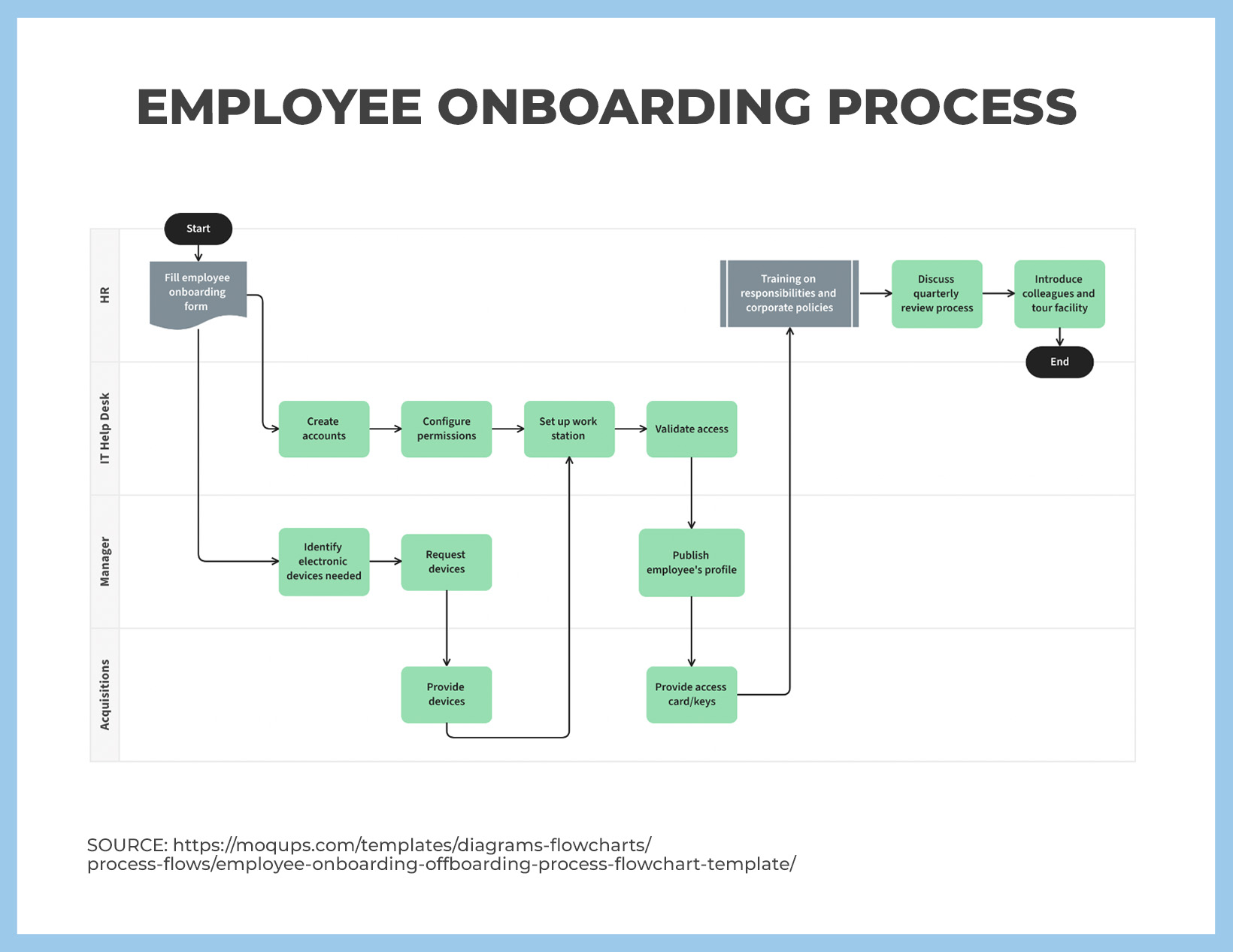
When a rep is struggling during onboarding, diagnose before you coach: figure out whether the gap is skill, will, knowledge, or system/territory, because each one needs a different fix and only one of them is solved by "trying harder." For most new hires the real cause is knowledge and skill, not motivation, so the manager's job in weeks 1–8 is to shrink the ramp into small, observable behaviors, run a tight weekly coaching loop (observe a real rep moment, diagnose one root cause, model the fix, role-play it, then measure the leading indicator), and protect the rep's confidence while you do it.
Use the GROW model to structure the 1:1, certify competencies instead of guessing, and be honest early about whether this is a coachable ramp problem or a wrong-fit hire. This guide is for sales managers, frontline leaders, and enablement owners running 2027 onboarding where AI call-coaching and longer buying cycles make the first 90 days decisive.

Why This Happens — Diagnose Before You Coach
A struggling new rep is a symptom, not a diagnosis. Before you spend a single 1:1 "motivating" someone, separate the four root causes, because coaching the wrong one wastes weeks you do not have during a ramp.
- Knowledge gap — they do not yet know the product, the ICP, the competitive set, or your sales process. This is the most common and most fixable cause in onboarding. The fix is certification, not pep talks.
- Skill gap — they know what to do but cannot yet execute it live: they freeze on discovery, talk over objections, or cannot run a clean demo. The fix is reps and role-play, watching real calls and rebuilding the behavior.
- Will gap — genuine motivation or confidence problem. Sometimes it is early discouragement after a few rough calls, which is normal and coachable. Sometimes it is a values or fit issue, which is not.
- System / territory gap — the rep is doing the right things but the list is dead, the CRM is broken, leads are not routing, or the comp plan is confusing. This looks like a rep problem and is actually a manager/RevOps problem. No amount of coaching fixes a bad territory.
A practical tell: ask the rep to do the task in front of you. If they cannot do it, it is knowledge or skill. If they can do it with you watching but won't when alone, it is will or system. That single test routes most onboarding struggles correctly.
The Coaching Conversation
Run the 1:1 with the GROW model (Goal, Reality, Options, Will). Lead with curiosity and a real example, not a verdict. Here is the verbatim script — copy it into your next onboarding 1:1.
Open and lower the stakes: "I pulled your call from Tuesday with Acme. I want to listen to one moment together and figure out one thing to change for this week. This is normal — every rep I have ever ramped hit a wall around now. What did you feel was the hardest part of that call?"
Goal — name what good looks like: "By the end of week 6, what do you want to be able to do without thinking about it? If you nailed discovery on the next call, what would I hear you doing differently?"
Reality — let them self-assess first: "Let's listen to the first three minutes. … Okay. On a scale of one to ten, how clean was that discovery, and what's the one thing keeping it from a ten?" Then: "Here's what I noticed — you asked a great opening question and then answered it yourself before they could.
What do you think made you fill the silence?"
Options — make them generate the fix: "If you could run that exact moment again, what are two things you'd try?" If they're stuck, offer a model, do not lecture: "Here's one way I'd handle it — watch how I'd ask, then count to three. Want to try saying it back to me?"
Will — lock one commitment: "For this week, the one rep we're drilling is silence after a discovery question. What's the smallest way you can practice that on every call this week?" Close with: "I'll listen to two of your calls Thursday and we'll check this exact moment. You're not behind — you're exactly where new reps are at week four."
Notice the discipline: one behavior, one week, one measurable check. Onboarding fails when managers dump ten fixes in one conversation. Pick the highest-leverage gap from the diagnosis and ignore the rest until it sticks.
The Coaching Plan / Cadence
Onboarding coaching is a loop, not an event. Run it weekly across a 30/60/90 structure so the rep always knows what "ramped" means.
- Days 1–30 (Knowledge): Certify the fundamentals. Daily 15-minute standups, two recorded mock calls per week reviewed in Gong or Chorus, and a written certification checklist (product, ICP, objection handling, CRM hygiene in Salesforce). The rep should not touch a live high-value account until they pass.
- Days 31–60 (Skill): Move from mock to live with a safety net. Two real-call reviews per week, one role-play, and shadow-then-reverse-shadow on live calls. Coach one skill at a time using the GROW 1:1 above.
- Days 61–90 (Independence): Coach to the deal and the pipeline. Weekly deal review using MEDDIC/MEDDPICC, sequence reviews in Outreach or Salesloft, and a clear ramp scorecard. By day 90 they should hit defined activity and early-stage conversion targets, not full quota yet.
The loop matters more than any single tactic: observe → diagnose → coach → practice → measure → repeat. If you skip "measure," you are guessing. If you skip "practice," you are giving feedback the rep cannot yet act on.
Drills & Role-Play
Reps do not learn discovery by hearing about discovery — they learn by reps. Run these specific drills during onboarding:
- Call-review reps. Twice a week, pull one real or mock call in Gong and watch a single 3-minute moment together. Use a call scorecard (opener, discovery questions, talk-to-listen ratio, next-step set). Talk-to-listen ratio is the fastest behavior to fix and one of the most predictive — Gong Labs research has shown top reps listen far more than they talk.
- Objection gauntlet. You play the prospect and throw the five objections your ICP actually raises. The rep handles each live until the response is reflexive. Borrow the Sandler "reverse" technique or a Challenger reframe so they are not just defending.
- Demo teardown. Have the rep run a 10-minute demo to you as the buyer, then rebuild it tied to a discovery pain. Score it on "did they demo to a problem or feature-dump?"
- Silence drill. After every discovery question, the rep counts to three. This one micro-behavior fixes the most common new-rep failure: filling the gap.
- First-call rehearsal. Before any important real call, run a 5-minute live rehearsal of the opener and first two questions.
Make role-play normal and frequent, not a high-stakes exam. Reps who role-play weekly ramp faster because the live call is no longer the first time they have said the words.
What to Measure
Quota is a lagging indicator and a useless onboarding metric — a rep can be coaching perfectly and still have an empty closed-won column at week six. Track leading indicators that prove the coaching is working:
- Activity volume and quality — calls, emails, sequenced accounts in Outreach, and whether activity is on-ICP.
- Conversion by stage — discovery-to-demo and demo-to-opportunity rates climbing week over week.
- Behavior change — the specific coached behavior (talk-to-listen ratio, next-step set rate, multi-threading) measured in Gong or Clari.
- Certification milestones — passed vs. Pending on the 30/60/90 checklist.
- Ramp-to-first-meaningful-output — days to first qualified opportunity, the single best early predictor of long-term success.
If the leading indicators move and behavior changes, the coaching is working even if revenue lags — that is expected during ramp. If activity is high but conversion is flat, you have a skill gap, not an effort gap, and your coaching target should shift.
Common Mistakes Managers Make
- Rescuing the rep. Jumping on their calls and closing for them feels helpful and builds zero capability. Coach the behavior, do not take the wheel.
- Coaching the deal, not the skill. Telling a new rep exactly what to say on the Acme deal solves one deal and teaches nothing transferable. Always pull the lesson up to the repeatable skill.
- Dumping ten fixes at once. New reps can absorb one behavior change per week. A laundry list overwhelms and nothing sticks.
- No follow-through. Promising to listen to two calls Thursday and then not doing it teaches the rep that coaching is theater. The follow-up check is the coaching.
- Coaching everyone the same. A knowledge gap and a will gap need opposite interventions. Diagnose every time.
- Calling a fit problem a coaching problem. When effort is absent and values do not match, more coaching is avoidance. Have the honest conversation — sometimes the kind move is a fast, clear exit, not a slow death by 1:1.
FAQ
How long should I coach a struggling new rep before deciding it's not working? Give a focused, well-coached ramp the full 90 days, but set checkpoints. If by day 30 the rep cannot pass basic certification despite real coaching and effort, and by day 60 the leading indicators are flat, you are likely looking at a fit or capability ceiling, not a coaching gap.
Document the plan, the coaching delivered, and the response. Honest beats hopeful.
Is the struggle a skill problem or a motivation problem? Run the test from the diagnosis section: ask them to do the task while you watch. If they cannot do it, it is knowledge or skill — coachable with reps. If they can do it with you there but won't alone, it is will or a system problem.
Do not assume motivation; new reps are far more often under-trained than under-motivated.
How do I coach without crushing their confidence? Normalize the struggle out loud ("every rep hits this wall at week four"), coach one behavior at a time, and pair every piece of critical feedback with a real strength you observed. Let them self-assess first — people accept their own diagnosis faster than yours.
Engineer a small, fast win in week one.
Should I use AI call-coaching tools for onboarding in 2027? Yes, as an accelerant, not a replacement. Tools like Gong, Chorus, and Clari surface talk-to-listen ratios, objection moments, and next-step rates automatically, which lets you coach off real data instead of memory.
But AI flags the moment; the manager still does the human coaching conversation. Use it to find the 3-minute clip, then run the GROW 1:1 yourself.
What if the rep is struggling because the territory or leads are bad? Then no coaching will fix it, and pretending otherwise destroys trust. Audit the list, routing, and CRM data in Salesforce before you coach behavior. If the system is broken, your job is to fix it with RevOps, not to ask the rep to work harder against a dead list.
How is coaching a struggling new rep different from coaching a veteran? A veteran usually has a will or single-skill issue against a known baseline; a new rep has broad knowledge and skill gaps and a fragile confidence base. With new hires you certify fundamentals, drill one behavior at a time, protect confidence aggressively, and measure ramp milestones rather than quota.
Patience and structure matter more than challenge.
Bottom Line
Coaching a struggling new rep starts with diagnosis, not motivation: separate skill, will, knowledge, and system before you spend a single 1:1. Then run a tight weekly loop — observe a real moment, diagnose one cause, model and role-play the fix, measure the leading indicator — using GROW to keep the conversation rep-led and one behavior at a time.
Protect their confidence, certify the fundamentals, and be honest early if it is a fit problem instead of a coaching problem.