
Should I open or buy a Bath Planet franchise in 2027?
 Curated byKory White · Fractional CRO · Maryland
 PULSEKNOWLEDGE LIBRARY
Published June 13, 2026 · Updated June 13, 2026
Yes for a sales-and-install-minded operator who wants a bath-remodeling franchise with large tickets — Bath Planet offers an acrylic bath/shower-remodeling model (tub-to-shower, one-day baths) with strong AUVs and remodeling demand at moderate capital, backed by an established manufacturer (BCI Acrylic). Bath Planet, part of BCI Acrylic, franchises bath-remodeling businesses installing acrylic bath and shower systems (tub-to-shower conversions, replacement tubs/showers, walk-in tubs, wall surrounds) — often installed in as little as one day, via in-home sales. The 2026 FDD lists a franchise fee around $40,000, total Item 7 investment of roughly $150,000 to $400,000, a royalty near 0%-low (product-based — revenue via acrylic-product purchases), and a marketing fee. Mature units gross $1,000,000-$4,000,000+, with owners clearing $150,000-$500,000. Its appeal is large project tickets, fast (one-day) installs, an established manufacturer (BCI Acrylic) with product/marketing support, an aging-in-place angle (walk-in tubs/accessibility), and durable remodeling demand; the challenges are in-home sales/lead-generation (the key driver), installer management, and competition.
The Real Numbers
A Bath Planet operates a home/warehouse-based bath-remodeling business with in-home sales consultants selling acrylic bath/shower systems, and installers doing fast (often one-day) installations, backed by BCI Acrylic (manufacturer). Large project tickets and in-home sales drive revenue.
| Line Item | Low | High | Notes |
|---|---|---|---|
| Franchise fee | $40,000 | $40,000 | Per 2026 FDD |
| Vehicles & equipment | $25,000 | $70,000 | Install vehicles, tools |
| Showroom/branding (optional) | $15,000 | $80,000 | Optional showroom, branding |
| Home/warehouse setup | $8,000 | $28,000 | Home/warehouse-based |
| Initial inventory | $20,000 | $60,000 | Acrylic product stock |
| Initial marketing | $40,000 | $120,000 | Lead-gen is critical |
| Training & travel | $10,000 | $30,000 | Sales/install training |
| Working capital | $30,000 | $80,000 | Project float |
| Total Item 7 | ~$150,000 | ~$400,000 | Per 2026 FDD |
| Royalty | ~0%-low (product-based) | Revenue via product purchases | |
| Marketing fee | Per agreement |
Revenue reality: mature units gross $1.0M-$4.0M+ with owners clearing $150K-$500K — a high ceiling. Bath Planet's edge is large project tickets (bath/shower remodels run $5K-$20K+ per project), fast (often one-day) installs (a convenience differentiator — minimal disruption), an established manufacturer (BCI Acrylic) providing product, marketing, and support (and a notable product-based revenue model — BCI earns via acrylic-product purchases rather than high royalties, which can be operator-friendly), an aging-in-place angle (walk-in tubs and accessible showers for seniors — a growing demand driver), and durable remodeling demand. The trade-offs are in-home sales/lead-generation (the business lives on in-home appointments and closing large-ticket sales — marketing spend is significant), installer management, and competition (Re-Bath, Bath Fitter, Jacuzzi Bath Remodel, West Shore Home). Operators who drive in-home sales, generate leads, and manage fast installs perform best.
Who Wins With This Business
- Capital required: $150K-$400K, with $80,000-$150,000 liquid.
- Time commitment: full-time, sales-and-install-driven.
- Skills: in-home large-ticket sales, lead-generation, and installer management.
- Geographic fit: suburban homeowner markets (aging-in-place demand helps).
- Lifestyle fit: sales-and-management-minded operator.
The winners are sales-and-management-minded operators who drive in-home sales, generate leads, and manage fast installs.
Who Loses With This Business
- Operators weak at in-home large-ticket sales or lead-generation.
- Those who can't manage installers/install quality.
- Owners who underestimate marketing spend.
- Buyers in low-homeowner-density markets.
- Those wanting a passive, non-sales business.
2027 Market Conditions
- Demand: bath remodeling is durable; aging-in-place drives accessibility demand.
- Differentiation: fast (one-day) installs + acrylic systems.
- Manufacturer backing: BCI Acrylic product/marketing; product-based revenue.
- Large tickets: bath remodels drive high AUVs.
- Competition: Re-Bath, Bath Fitter, Jacuzzi Bath Remodel, West Shore Home.
The 90-Day Decision Tree
- Day 1-20: Read the 2026 FDD and Item 19 bath-remodeling economics.
- Day 21-40: Interview operators; ask about in-home sales, lead-gen, install, and net profit.
- Day 41-60: Validate a suburban homeowner market (aging-in-place demand helps).
- Day 61-90: Set up and train sales/install.
- Day 91-120: Launch and drive leads.
- Drive in-home sales and fast installs.
- Scale and leverage the aging-in-place (walk-in tub) demand.
Alternative Plays
- Re-Bath / Jacuzzi Bath Remodel — bath remodeling (in/near library).
- Bath Planet for acrylic bath remodeling.
- West Shore Home / Bath Tune-Up — bath remodeling (in library).
- Five Star Bath Solutions — bath remodeling (in library).
- Independent bath-remodeling business — full control, no brand.
- Other home-improvement franchises — adjacent models.
Lead Generation & Sales Strategy — The Real Engine of a Bath Planet Franchise
Bath Planet’s franchise model is heavily dependent on in-home sales, not walk-in retail. The lead generation system typically combines national call center support (from BCI Acrylic) with local digital marketing (Google Ads, Facebook, direct mail) that you fund via the marketing fee. Most franchisees report spending $20,000–$50,000 per month on local lead generation once mature, with cost-per-lead ranging from $75 to $150 depending on market density and competition. The conversion rate from in-home appointment to signed contract averages 35%–50%, with average ticket sizes of $8,000–$15,000 for a standard tub-to-shower conversion and $15,000–$25,000 for walk-in tubs or full bathroom remodels. Success here hinges on hiring or being a strong closer yourself — many owners come from home improvement sales backgrounds. If you lack this skill, budget for a dedicated sales manager ($60,000–$90,000 salary plus commission) from month one.
Installation & Labor Model — Managing the Bottleneck
Bath Planet franchises typically use W-2 installation crews (not subcontractors) to ensure quality and warranty compliance, though some mature operators use approved subs. A typical crew of two can complete 1–2 jobs per day (one-day installs), so a single-truck operation can do 20–40 jobs per month at capacity. Labor costs (wages, workers’ comp, vehicle, tools) run 25%–35% of revenue. The key bottleneck is finding and retaining skilled installers — expect to pay $25–$40 per hour plus benefits in most markets, and plan for 3–6 months of training before a new crew is fully productive. Many franchisees start with one crew and add a second after 12–18 months once lead flow is steady. Turnover is common; having a backup installer or cross-training a salesperson can prevent costly delays.
Territory, Competition & Market Realities for 2027
Bath Planet grants exclusive territories typically based on ZIP codes or county lines, covering 100,000–300,000 households. In 2027, expect competition from Re-Bath, Bath Fitter, and local acrylic remodelers — plus big-box installers (Home Depot, Lowe’s) and online lead aggregators. The aging-in-place demographic (65+ homeowners) is growing, but so is the number of competitors targeting it. Your biggest advantage is the BCI Acrylic brand recognition and the one-day install promise, which differentiates from longer remodel timelines. However, lead costs are rising (Google Ads CPCs for “tub to shower conversion” have increased 15–25% since 2023), so a $300,000–$500,000 working capital reserve is advisable for the first 12–18 months to sustain marketing while building reputation. Franchisees in markets with high home values ($400,000+ median) tend to perform best due to larger ticket sizes and higher close rates.
FAQ
What is the typical investment range for a Bath Planet franchise? The total initial investment (Item 7) runs from roughly $150,000 to $400,000, including the franchise fee around $40,000. Actual costs vary by territory size, build-out needs, and local lease terms.
How much can a Bath Planet franchise owner expect to earn? Mature units report annual gross revenue between $1,000,000 and $4,000,000+, with owner net income typically in the $150,000 to $500,000 range. Earnings depend heavily on lead generation, sales conversion, and installer efficiency.
What does the royalty fee structure look like? Bath Planet uses a product-based royalty model rather than a percentage of gross sales. Franchisees purchase acrylic products from BCI Acrylic, and the royalty is effectively built into those product costs—often near 0% as a separate line item.
How long does a typical Bath Planet installation take? Many tub-to-shower conversions and replacement baths are installed in as little as one day. Larger projects, such as walk-in tubs or full wall surrounds, may take two to three days depending on complexity and local code requirements.
What are the biggest challenges of running a Bath Planet franchise? The two main hurdles are generating consistent in-home sales leads and managing a reliable installer team. Lead generation is the primary revenue driver, and installer scheduling/quality control directly impact customer satisfaction and repeat business.
Is Bath Planet a good fit for someone new to remodeling or franchising? It can work for a motivated operator, but prior experience in sales, construction management, or home services is helpful. The franchise provides product and marketing support from BCI Acrylic, but success depends on your ability to sell and manage field crews.
Bottom Line
Open a Bath Planet if you want a bath-remodeling franchise with large project tickets, fast (one-day) installs, an established manufacturer (BCI Acrylic) with product/marketing support and an operator-friendly product-based revenue model, an aging-in-place angle (walk-in tubs), and durable remodeling demand, you're strong at in-home large-ticket sales and lead-generation, and you can manage installs. Its large tickets, fast installs, manufacturer backing, and aging-in-place demand are genuine strengths. Skip it if you're weak at in-home sales/lead-gen, can't manage installers, or underestimate marketing spend. Validate Item 19 and operators carefully. For sales-and-management-minded operators who drive in-home sales and manage fast installs, Bath Planet offers a high-ticket, high-ceiling bath-remodeling path — in-home sales, lead-generation, and install management are the keys.
Related on PULSE
- [Should I open or buy a Planet Smoothie franchise in 2027?](/knowledge/q14864)
- [Should I open or buy a Planet Fitness franchise in 2027?](/knowledge/q14575)
- [Should I open or buy a Jacuzzi Bath Remodel franchise in 2027?](/knowledge/q15257)
- [Should I open or buy a Five Star Bath Solutions franchise in 2027?](/knowledge/q14791)
- [Should I open or buy a Bath Tune-Up franchise in 2027?](/knowledge/q14789)
- [Should I open or buy a Bath Fitter franchise in 2027?](/knowledge/q14788)
Sources
- Bath Planet Franchise Disclosure Document (2026 filing) — Items 5, 6, 7, 19, 20
- Bath Planet / BCI Acrylic official franchise site — investment range and bath-remodel model
- Entrepreneur Franchise listings — Bath Planet
- IBISWorld — Bathroom Remodeling & Renovation in the US, 2026 industry report
- Statista — US bath-remodeling and home-improvement market, 2025-2026
- Aging-in-place and accessible-bathroom demand data 2026
- Franchise Business Review — home-improvement-franchise satisfaction data
- International Franchise Association (IFA) — 2027 Franchise Economic Outlook
- Competing bath-remodel concepts (Re-Bath, Bath Fitter, Jacuzzi, West Shore Home) data 2026
- US Census — homeowner remodeling and aging-demographic data, 2025-2026
This page will be disappearing soon. Save it to your device for $1 — or read it free while it is here.
@Kory-White- · if Venmo asks, the last 4 of my number are 2012
This page is gone.
This one is off the shelf now. $1 keeps it on your phone for good — the whole page, pictures and diagrams included.
 pulse-qHow do you coach reps to improve their lead-to-opportunity rate?
 pulse-qShould I open or buy a Junk Doctors franchise in 2027?
 pulse-qShould I open or buy a Bob Evans franchise in 2027?
 pulse-qShould I Buy My Commercial Building Through a Separate LLC?
 pulse-qShould I open or buy a The NOW Massage franchise in 2027?
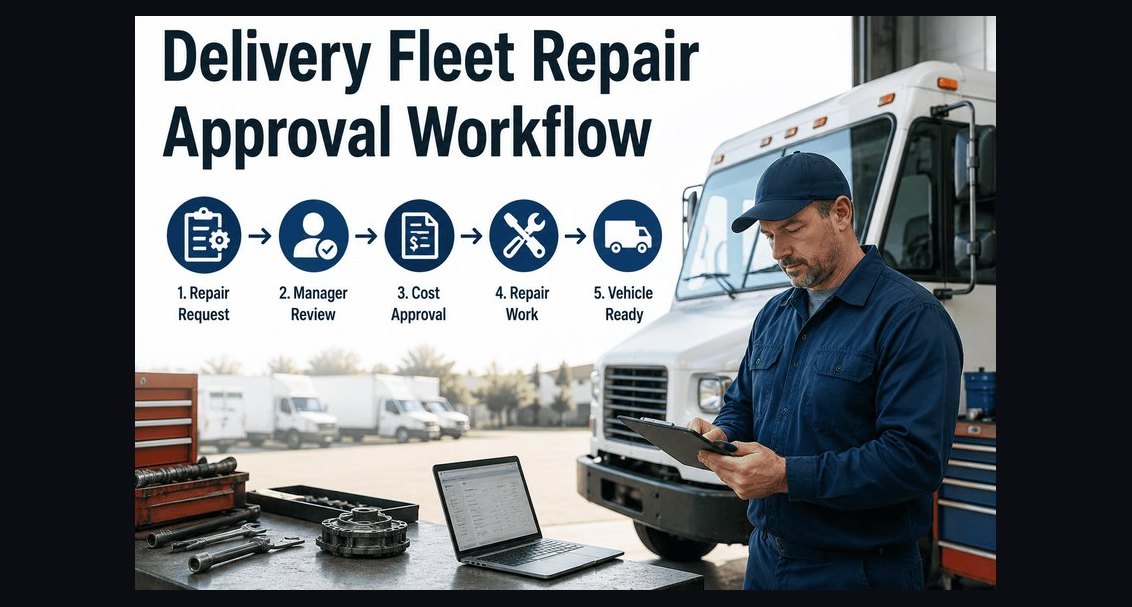 pulse-qShould I Repair or Replace My Delivery Fleet Vehicles as My Landscaping Business Scales in 2027?
 pulse-qShould I open or buy a Tutor Time franchise in 2027?
 pulse-qShould I open or buy a Glory Days Grill franchise in 2027?
 pulse-qHow Do I Get My Reps to Follow the Sales Process?
 pulse-qHow Many Agents Do I Need to Recruit for My Real Estate Brokerage to Grow Production?