 Pulse Reviews and Analysis
How do you build a 30/60/90 day coaching plan for a new rep?
 Curated by Kory White · Fractional CRO, CRO Syndicate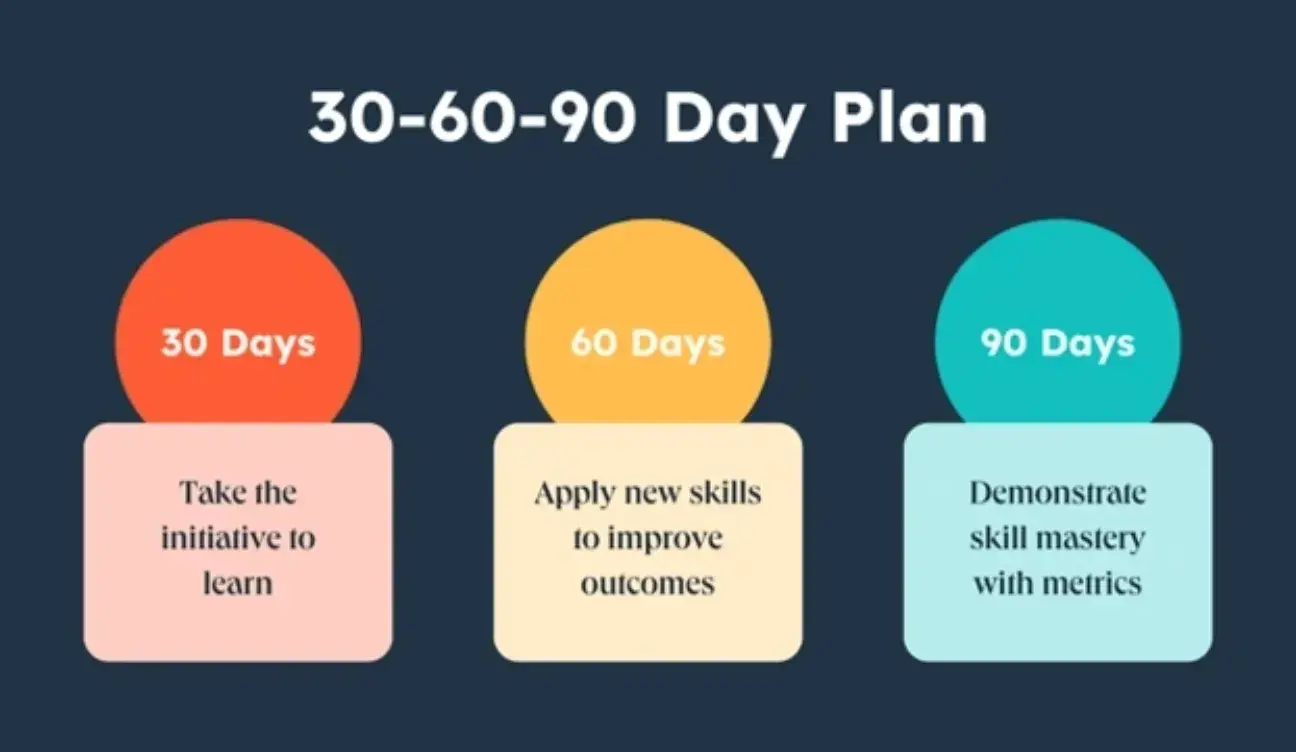
Direct Answer
Build a 30/60/90 day coaching plan around one idea: ramp the rep's *behaviors* in stages, not their quota. Days 1–30 are for knowledge and confidence (product, ICP, message, and the first cold calls/role-plays). Days 31–60 are for applied skill (live calls, discovery, real pipeline you build together).
Days 61–90 are for independent execution (the rep owns deals, you coach the gaps the data shows). The manager's core move is to define observable competency milestones for each phase, run a fixed weekly 1:1 + call-review cadence, and grade against leading indicators — not "did they close yet." For 2027 teams, layer AI call-coaching (Gong, Chorus) on top so you review behavior every week, not just on the calls you happened to sit in on.
Why This Happens — Diagnose Before You Build the Plan
A 30/60/90 plan fails when it's a generic checklist copied from the last hire. Before you write a single milestone, diagnose what *this* rep actually needs to ramp. New-rep struggles almost always trace to one of four root causes, and the fix for each is completely different.
- Knowledge gap — they don't yet know the product, the ICP, the competitors, or the message. Fix: structured enablement, certifications, shadowing.
- Skill gap — they know what to do but can't execute the motion (discovery, objection handling, multi-threading). Fix: drills, role-play, live call coaching.
- Will / confidence gap — they're hesitant to dial, afraid to ask hard questions, or demoralized after early rejection. Fix: smaller wins, scripts, manager air-cover.
- System / territory gap — the data, the leads, the comp, or the patch is broken and no amount of coaching fixes it. Fix: management action, not coaching.
Most managers default to "more activity" for everything, which only works if the real cause is will. Use the tree below to route from symptom to the right intervention before you lock the plan.
The Coaching Conversation — Setting Up the Plan with the Rep
The 30/60/90 plan is a *shared contract*, not a document you hand over. Run the kickoff using the GROW model (Goal, Reality, Options, Will) so the rep co-owns it. Here are the verbatim words for a strong day-1 1:1.
Goal — make the destination concrete:
"By day 90, I want you fully ramped, which to me means three things: you're booking your own meetings, you're running discovery without me, and you've got real pipeline you sourced. What does 'ramped and confident' look like to you by day 90?"
Reality — surface where they actually are:
"Walk me through your last sales job — where did you feel strongest, and where did deals tend to stall for you? I'm asking so I build this plan around your real gaps, not a generic one."
Options — co-create the path, don't dictate it:
"Here's the phased plan I'm proposing — month one is learning, month two is doing it with me on the calls, month three is you driving. Which part of this feels like it'll be the hardest for you, and what support would make it easier?"
Will — lock commitment and cadence:
"We'll meet every Tuesday for 30 minutes, and I'll review at least two of your recorded calls a week in Gong. Are you good committing to that, and is there anything that would get in the way?"
Then close the loop on accountability without sounding like a threat:
"At day 30 and day 60 we'll do a formal checkpoint against these milestones. None of them are pass/fail traps — they're how we both see if the plan is working or needs adjusting. Fair?"
Notice the manager is asking, not telling. The rep who says the milestones out loud will fight for them. The rep who is handed a PDF will forget it by Friday.
The Coaching Plan / Cadence — The Explicit 30/60/90
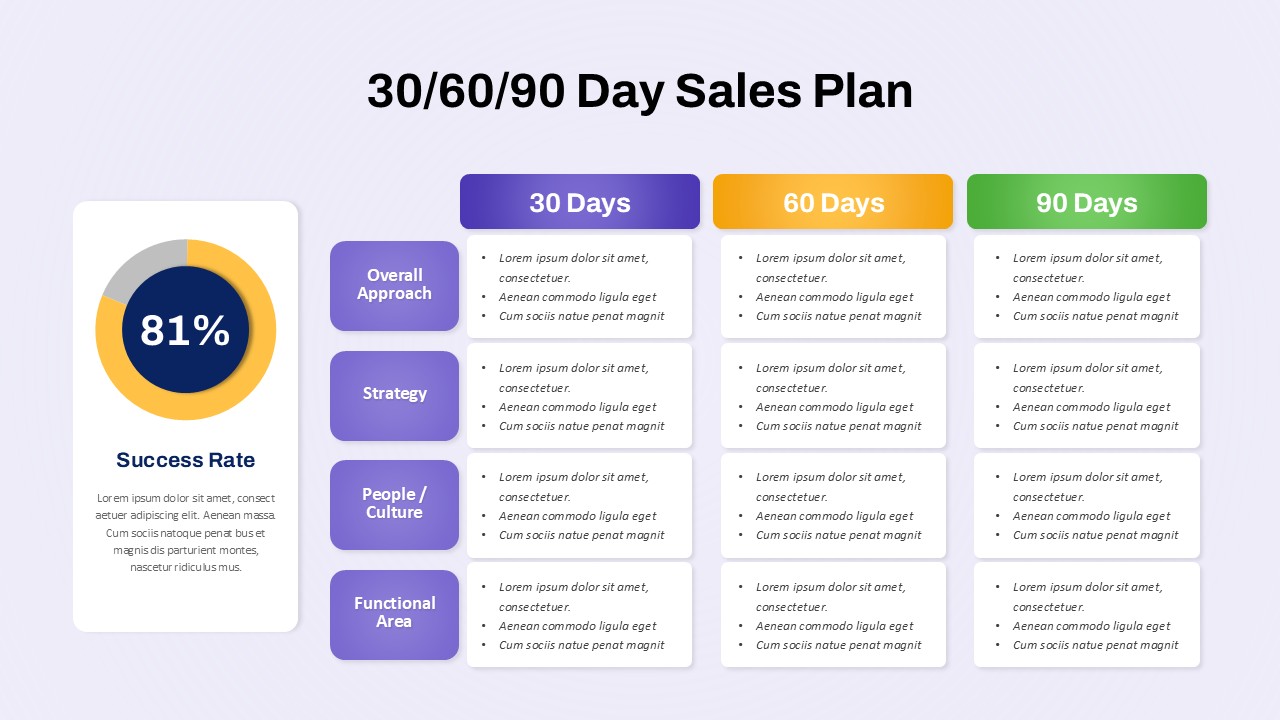
Each phase has a theme, a hard set of competency milestones, and an exit criterion. The rep does not advance phases by calendar alone — they advance by clearing the milestones.
Days 1–30 — Learn & Build Confidence (theme: knowledge).
- Complete product certification and ICP/persona deep-dive; pass a product knowledge check at 90%+.
- Shadow 5 live calls from a top rep; debrief each in the 1:1.
- Deliver the pitch and top 5 objection responses back to you in role-play, scored on a rubric.
- Send first 30 cold outreach touches and book first 1–2 meetings (with help is fine).
- Exit criterion: can articulate the value prop and qualify a lead against your ICP unaided.
Days 31–60 — Apply the Skill (theme: live execution).
- Run discovery on real calls; you join and coach live, then hand off the talk-track.
- Build to a defined pipeline target (e.g. 3–5 qualified opportunities sourced).
- Use the qualification framework on every deal — MEDDIC or your team's standard — and keep the CRM clean.
- Weekly call review: two recorded calls graded on a discovery scorecard; trend the scores.
- Exit criterion: runs end-to-end discovery without you and qualifies with the framework.
Days 61–90 — Own It (theme: independence).
- Rep owns full-cycle deals; you coach to the *gaps the data shows*, not every call.
- Hit a leading-indicator target (meetings booked, opps created, stage conversion) on the path to first closed-won.
- Self-reviews one of their own calls weekly and brings the diagnosis to the 1:1.
- Exit criterion: operating at the team's expected activity + conversion bar; ready for full quota.
The coaching loop that powers all three phases is the same weekly rhythm — only the content gets harder:

👉 Quick Call with Kory White, Fractional CRO · See Kory on LinkedIn · CRO Syndicate
Drills & Role-Play
Coaching is a contact sport — milestones move when the rep practices, not when they read.
- Call-review drill (weekly). Pull two recorded calls in Gong or Chorus, score them on a 5-point discovery rubric (rapport, problem questions, impact, next step, talk-to-listen ratio), and pick *one* behavior to improve. One per week beats a laundry list.
- Objection gauntlet (days 1–30). You fire the team's top 8 objections rapid-fire; the rep responds verbatim until smooth. Record it so they hear themselves.
- Discovery role-play (days 31–60). You play a skeptical buying-committee member from their real ICP; the rep must run SPIN-style situation/problem/implication/need-payoff questions and land a next step.
- Deal-walk (days 61–90). The rep presents one live deal against the qualification framework and you poke holes — "who's the economic buyer, what's the metric, what's the paper process?" This builds MEDDIC muscle on real pipeline.
- Win/loss self-review (ongoing). The rep reviews one of their own calls and self-diagnoses before you weigh in. Self-coaching is the skill that survives after the plan ends.
What to Measure
Quota at day 90 is a lagging vanity metric — most B2B cycles are longer than 90 days, so judging ramp on closed-won punishes the wrong things. Track leading indicators that prove the behavior is changing:
- Activity quality, not just volume — meetings booked and held, not raw dials.
- Conversion at each stage — outreach→meeting, meeting→opportunity, opp→next-stage. Rising rates mean the skill is landing.
- Call scorecard trend — the weekly discovery/objection score should climb week over week.
- Pipeline sourced — qualified opps the rep created, against the phase target.
- Ramp velocity — time to first meeting, first opp, first deal vs. The team benchmark.
- CRM hygiene & framework adoption — fields complete, qualification applied. RAIN Group and CSO Insights research consistently links rep ramp speed to structured manager coaching cadence, so measure the cadence too: did the 1:1s and call reviews actually happen?
Common Mistakes Managers Make
- Coaching to the calendar, not the competency. Advancing a rep to "month two" because 30 days passed, even though they can't pitch, just sets up a harder failure later.
- One generic plan for every hire. The plan must be tuned to the diagnosis. A seasoned closer joining from a competitor needs a different 30/60/90 than a brand-new SDR.
- Measuring quota, not leading indicators. Judging a 90-day ramp on closed revenue in a 6-month cycle is unfair and tells you nothing about whether the rep is coachable.
- No follow-through. Setting milestones and never running the weekly review means the plan dies in week two. The cadence *is* the plan.
- Rescuing instead of coaching. Jumping on every call to "save" the deal feels helpful but trains dependence. Coach the skill, then hand back the wheel.
- Confusing a coaching problem with a hiring problem. If by day 60 the will and knowledge are clearly absent and unmovable, that's a fit conversation or a structured plan — not endless extra role-play.
FAQ
How long should each 1:1 in the plan be? Thirty focused minutes weekly is plenty if it's structured: review last week's focus skill, watch a call clip together, pick the next one behavior, confirm commitment. Long, meandering 1:1s coach nothing. The discipline is doing it *every* week, not making it longer.
Should the 30/60/90 plan include a quota? Set a *ramp* quota or leading-indicator target, not the full number. Days 1–60 should target activity and pipeline milestones; day 90 can introduce a partial quota. Holding a brand-new rep to full quota at day 30 measures luck, not coaching.
What if the rep is ahead of the plan? Accelerate them — pull forward day-61 ownership and give them a stretch project (mentoring the next hire, owning a harder segment). The plan defines the floor of competency, not a ceiling. Just confirm the foundations are real before fast-tracking.
How does this change for a senior rep vs. A new SDR? A senior AE joining from a competitor needs less knowledge ramp and more system/process onboarding (your CRM, your MEDDIC standard, your buying committees), so compress month one and lengthen the "own real pipeline" phase. A new SDR needs the full knowledge and confidence build.
When do I know coaching isn't going to fix it? If by day 60 the rep has the knowledge and the activity but conversion and call scores are flat *and* feedback isn't being applied, you likely have a will-or-fit problem, not a skill gap. That's a candid conversation and possibly a formal plan — coaching alone won't move it.
How do I use AI call-coaching in a 30/60/90 plan? Tools like Gong and Chorus let you review every recorded call, not just the ones you joined, and surface patterns (talk ratio, monologue length, next-step rate). Use them to pick the weekly focus skill objectively and to show the rep their own trend line.
Bottom Line
A great 30/60/90 coaching plan stages the rep from knowledge to applied skill to independent execution, with observable competency milestones — not calendar dates — as the gate between phases. Diagnose first, co-build the plan with GROW, run a fixed weekly observe-diagnose-coach-practice-measure loop, and grade on leading indicators.
The one move that matters: make the cadence non-negotiable, because the plan is only as good as the weekly follow-through.
Sources
- The Manager's Guide to Sales Coaching (Gong Labs)
- How to Onboard New Sales Reps (RAIN Group)
- The GROW Coaching Model Explained (MindTools)
- What Great Sales Managers Do Differently (Harvard Business Review)
- Building a 30-60-90 Day Sales Plan (Salesforce Blog)
- Sales Coaching Best Practices (Sales Hacker)
- MEDDIC Qualification Methodology (MEDDICC)
*Sales coaching for new-rep ramp — how to build a 30/60/90 day coaching plan, sales manager onboarding coaching guide, new rep ramp framework, and a 30/60/90 coaching playbook for 2027.*