
How do you coach reps to run a great executive presentation?
 Curated byKory White · Fractional CRO · Maryland
 PULSEKNOWLEDGE LIBRARY
Quality
Certified

Coach reps to run a great executive presentation by making them earn the room before the deck opens: drill them to lead with the customer's own words on the problem, quantify the financial impact, state the ROI, and reserve product detail for proof. Diagnose whether the gap is skill, will, knowledge, or setup, then rehearse the first 90 seconds until tight.
A Monday-morning scenario every RevOps manager recognizes
Picture a rep — call her Dana — who crushes user-level demos but just walked out of a boardroom empty-handed. The VP of Operations gave her fifteen minutes; she spent eleven of them clicking through the product's reporting module. At minute nine the CFO checked email, and by minute twelve the meeting was "let us circle back internally." Dana isn't lazy or unprepared. She over-prepared the *wrong* thing. She built comfort around features because product knowledge feels like armor when the room is intimidating.
This is the single most common failure a sales manager or RevOps leader watches on repeat, and it looks the same across industries: a competent rep defaults to a feature tour because that is the muscle they trained, while the executives in the room are silently asking three questions the rep never answers — *why does this matter to my business, what does it cost me to do nothing, and what specifically do you want me to approve?* An executive presentation is not a demo with nicer slides. It is a business case delivered to people who allocate capital, and the skill of running one is coachable, but only if you frame it correctly before the meeting rather than debriefing the wreckage after.
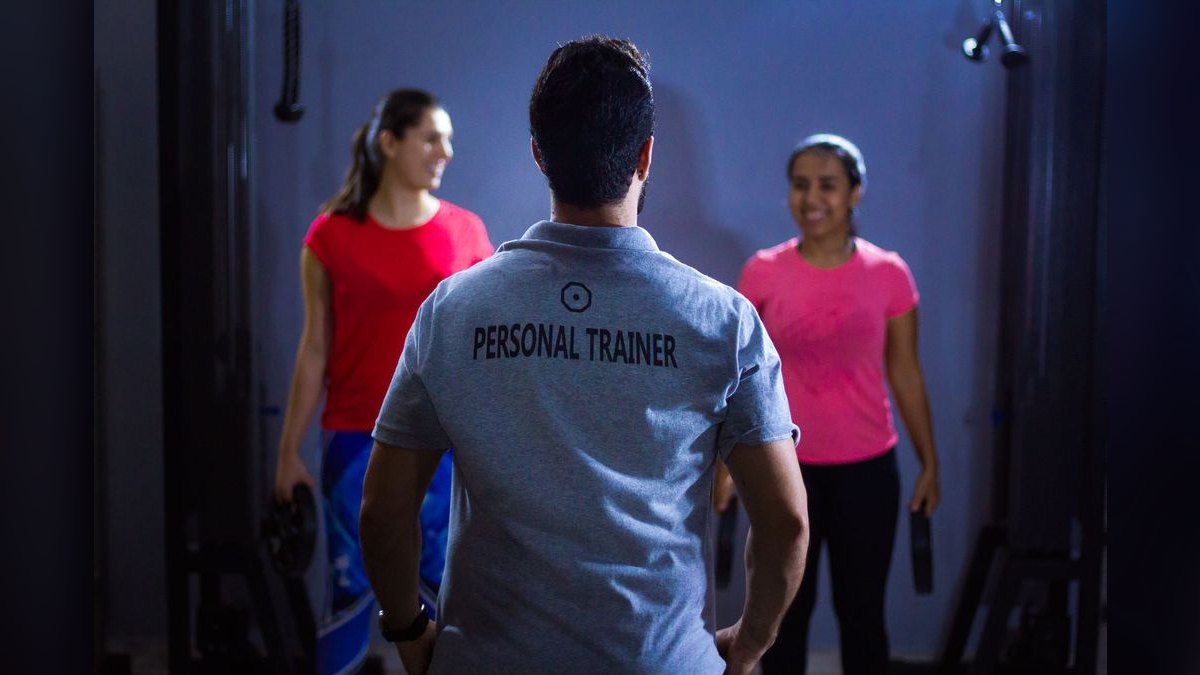
The manager's instinct is to fix Dana's deck. That instinct is wrong. Editing slides fixes one meeting; coaching the underlying skill fixes every meeting Dana runs for the rest of the year. So the scenario that frames this whole discipline is: resist rebuilding the PowerPoint, and instead diagnose *why* a capable person keeps defaulting to features when the stakes are highest — because the answer determines whether you coach confidence, competence, knowledge, or qualification.
How the diagnosis actually works before you coach anything
A rep who bombs in front of executives almost always has one of four distinct problems, and the coaching for each is different — sometimes opposite. Confusing them wastes weeks. The four root causes are a skill gap (they have never built or told a business case; they have only ever sold to users and champions), a will or confidence gap (they know how but retreat to features under pressure because the room rattles them), a knowledge gap (they do not understand the customer's business, the metrics the CFO watches, or the cost of inaction), and a system or qualification gap (the meeting was set up wrong — no agenda, wrong attendees, no executive sponsor — so no pitch could have landed).
The reason diagnosis has to come first is that a skill gap and a will gap look *identical* on the surface: both produce a rep who talks about features instead of outcomes. But one needs teaching and the other needs reps and reassurance. If you run confidence-building role-play on someone who genuinely does not know how to construct an ROI argument, you build a confident person who is still wrong. If you run a business-case lecture on someone who already knows the content but freezes, you bore them and never touch the real problem. Route the symptom to the cause before you spend a single coaching cycle.

Run this decision tree inside your 1:1 before you assume the rep "just needs more reps." The system-gap branch matters most: if the wrong people are in the room with no agenda, more presentation coaching is malpractice. Fix the qualification and the meeting setup first, then return to the presentation skill.
The coaching conversation, line by line
Once you know the cause, run a structured conversation using the GROW model — Goal, Reality, Options, Will — so the rep does the thinking instead of memorizing your script. A great executive presentation coach asks more than they tell. Here is the conversation nearly verbatim.
Goal. Open with *"When you walk out of that boardroom, what do you want the VP of Operations to do next?"* Push past "have a good meeting." You want a specific commitment named out loud: approve a pilot, sponsor the business case internally, set the next milestone. If the rep cannot name the ask, that is your first finding — you have located a structure gap before the meeting instead of after.

Reality. Ask *"Walk me through how you opened the last executive meeting — give me your literal first three sentences."* Listen for whether they opened with the customer's problem or with "Thanks for having me, let me tell you about our platform." Then probe the knowledge dimension: *"What does this executive measure? What number on their dashboard does this deal move?"* If they cannot answer, you have found a knowledge gap and the fix is a research drill, not a confidence pep talk.
Options. Now you teach — but as a question, not a lecture. Ask *"If you only had two minutes and the CFO had to leave, what would you say?"* This forces compression to outcome and ROI. Then coach the open directly with a concrete pattern the rep rewrites in their own deal's numbers, out loud, right now: *"Last time we spoke, your team told me reps spend eleven hours a week on manual CRM updates and you're missing forecast by 18%. If we halve that admin time and tighten forecast accuracy, that's roughly $1.4M in recovered capacity this year. I want to show you exactly how, then get your read on whether it's worth a pilot. Fair?"* That open does four things executives reward: it uses their words, quantifies the pain, states the ROI, and ends with a low-friction ask.

Will. Close by locking practice: *"What will you change in your open for Thursday, and when will you rehearse it with me?"* Coaching without a committed rehearsal slot is just a conversation. Send them out with one phrase — *"lead with the outcome, earn the demo."* And arm them with a reusable answer to the inevitable executive interruption ("Just get to the point — what does this cost?"): *"The investment is $X, and here's the return that pays it back by Q3. Want the one-slide business case or the detail?"* Train reps to answer the price question with the ROI in the same breath, never to dodge it.
Real numbers, cadences, and benchmarks to coach against
Skill compounds on a cadence, not in a single heroic 1:1. Run a 30/60/90 plan so the ability builds and then sustains. In days 1–30, diagnose and fix the open only — every executive-meeting prep includes a recorded role-play of the first 90 seconds, and the rep cannot advance to the deck until that open is tight. In days 31–60, build the business-case muscle: the rep constructs a one-page ROI for every Stage-3-and-later deal and defends it to you, and you introduce live executive-objection handling. In days 61–90, drive toward independence: the rep self-scores their own recorded executive calls against a scorecard before the 1:1, and you spot-check and coach the exceptions rather than every call.
The benchmarks worth watching are behavioral leading indicators, because quota is a lagging signal that arrives a full quarter too late to fix anything. Track the percentage of executive calls where the rep led with the customer problem and quantified impact — gradeable straight from call transcripts. Track talk-to-listen ratio in executive calls; a rep drifting from 65/35 toward roughly 45/55 is discovering rather than pitching. Track multi-threading — the count of executive-level stakeholders engaged per opportunity — which matters because 2027-era buying committees commonly run 6 to 10 stakeholders, and a single-threaded deal into one champion is fragile. Track the executive-meeting-to-next-step conversion rate: the percentage of presentations that produce a concrete, committed next step rather than "we'll circle back." And track stage-to-stage win rate after executive meetings over a rolling 90 days, so you can attribute movement to the coaching rather than to noise. Use a simple 1-to-3 presentation scorecard on six dimensions — opened with the customer's problem, quantified impact, stated clear ROI, made a specific ask, held airtime under 50/50, and handled the price question with value — and score every rehearsal so progress is visible to both of you.

Pull the raw calls from recording tools so you coach what actually happened, not the rep's memory of it. Modern AI call-coaching in tools like Gong, Chorus, and Salesloft will auto-flag whether the rep led with value or features and how much they talked versus listened. Use those signals to *pick* which calls to review; do the actual coaching yourself, because the judgment about why a call went sideways is still human work.
Trade-offs, drills, and the alternatives you'll weigh
Skill is built by reps doing, not by managers lecturing, so most of your coaching time should go into structured drills. The 90-second open drill: the rep delivers the opening to a real upcoming executive meeting while you play a distracted CFO who interrupts at 20 seconds with "Why am I in this meeting?" — re-run until they recover and reframe to outcome. The CXO objection round: fire the top five executive objections in random order ("no budget," "happy with what we have," "send me a deck," "what's the ROI," "we tried something like this") and score whether they answer with business value or features. The one-slide business-case defense: the rep presents a single ROI slide and you attack the assumptions like a skeptical CFO, which builds the rigor that C-suite selling demands. And the muted call review: pull a real recording, mute it, and have the rep predict where they lost the executive's attention before you watch together.
But every coaching approach has trade-offs, and picking the wrong one for the situation wastes the rep's time. The map below routes the diagnosed gap to the right intervention.

The overarching trade-off is manager time versus durability. Rebuilding a rep's deck is fast and buys you *this* meeting; coaching the skill is slower and buys you the quarter. Rescuing the rep by taking over when an executive pushes back saves one deal and costs the rep the muscle they needed to build. The durable choice is almost always to prep the rep thoroughly, then let them run the room while you stay quiet — even when it's uncomfortable to watch.
Common pitfalls managers make and how to avoid them
The most seductive pitfall is coaching the deck, not the rep — rebuilding the PowerPoint feels productive and fixes exactly one meeting. Avoid it by forcing yourself to coach a repeatable move (the open, the ask, the ROI framing) rather than editing a slide. The second is rescuing the rep in the room: the moment you jump in when an executive challenges them, you teach the rep that you'll always catch them, and they never build executive presence. Prep them to handle the pushback and then physically sit on your hands.
The third pitfall is coaching everyone the same way — running confidence drills on a rep who has a knowledge gap, or content lectures on a rep who just needs reps. The decision tree above exists precisely to prevent this; diagnose before you prescribe. The fourth is no follow-through: a brilliant 1:1 with no scheduled rehearsal and no scorecard evaporates by Thursday, so lock the practice slot and score it. The fifth is mistaking a qualification problem for a presentation problem — if the wrong people are in the room with no agenda, no open survives, and the fix is upstream in how the meeting was booked. The sixth, quiet killer is letting the rep skip the ask: executives expect a clear recommendation, and a presentation trained without a specific next step will stall no matter how polished the story. Coaching a great executive presentation means engineering all six of these out of the rep's default behavior, one rehearsal at a time.
Related questions
How is coaching an executive presentation different from coaching a demo?
A demo sells capability to users and champions; an executive presentation sells a business case to capital allocators. The demo answers "can it do X"; the executive presentation answers "why does this matter, what does inaction cost, and what should I approve." Coach outcome-and-ROI framing, not feature fluency.
What should the rep do in the first 90 seconds?
Open with the customer's own words on the problem, quantify the financial impact, state the ROI in a sentence, and end with a low-friction ask. No thanks-for-having-me warmup, no platform tour. Those 90 seconds either earn the room or lose it, so rehearse them until tight.
How do I coach a rep who is technically strong but freezes with executives?
That's a will gap, not a skill gap. Use graduated exposure and role-play — have them run the open with you and a peer playing a distracted CFO — until the delivery feels conversational. Confidence comes from knowing the business case cold, not from more product knowledge.
How many stakeholders should a rep multi-thread before the meeting?
With 2027 buying committees often running 6 to 10 people, single-threading into one champion is fragile. Coach the rep to identify and engage the economic buyer plus at least two other executive-level stakeholders, so the presentation lands with the people who actually approve spend.
What's the fastest signal that coaching is working?
Behavioral leading indicators move before quota does: the percentage of executive calls that open with a quantified customer problem, the talk-to-listen ratio shifting toward 45/55, and the executive-meeting-to-next-step conversion rate. Watch those weekly instead of waiting a quarter for win-rate.
FAQ
How long should the opening of an executive presentation be? The first 90 seconds carry the room. Focus them entirely on the customer's problem and its financial impact, not product features. Have the rep rehearse that open until it's tight and natural, because everything after it depends on earning attention in that window.
What if the rep is nervous about presenting to executives? Nerves are normal and the fix is preparation plus role-play, not a pep talk. Have them rehearse with you or a peer until the open feels conversational. Confidence comes from knowing the business case cold, so the rep can look up from the slides and read the room.
How do I handle a rep who keeps defaulting to product demos? Ask why they think the executive needs to see features first — usually it's comfort, not strategy. Redirect them to lead with outcomes and ROI and reserve product detail for proof points. Then role-play the shifted open repeatedly until the new pattern replaces the old reflex.
What's the best way to prepare a rep for a specific executive's style? Research that executive's stated priorities and past comments, then frame the problem in their own words and metrics. Tailor the open to their language and the number on their dashboard, not a generic script. It signals homework and makes the business case feel built for them.
How do I know if the rep is ready for the real meeting? Run a mock presentation and watch for fluency: can they state the business outcome in under 30 seconds and pivot naturally from problem to ROI to ask? If they stumble or slide back into features under a curveball question, they aren't ready — rehearse the open again first.
What if the executive asks a question the rep can't answer? Coach the rep to stay calm and say, "Great question — let me get you a precise answer," then follow up fast with data or a colleague's input. Never bluff a number in front of a CFO; credibility lost in the room is far more expensive than a one-day delay.
Sources
- HBR: How to Present to Senior Executives
- Gong Labs: Sales research on what top reps do differently
- RAIN Group: How to Sell to the C-Suite
- MEDDIC Academy: The MEDDIC Sales Process and the Economic Buyer
- Gartner: The B2B Buying Journey
- MindTools: The GROW Model of Coaching
- Harvard Business Review: The Right Way to Coach Salespeople
Related on PULSE
- [Top 10 Coaching Techniques for Demo and Presentation Skills](/knowledge/q14332)
- [How do 2027 B2B sales teams handle deal progression when buyers demand AI-generated custom ROI models before any vendor presentation?](/knowledge/q13575)
- [How do you coach a rep to run a great discovery call?](/knowledge/q13891)
- [How do you coach a rep with great results but low activity?](/knowledge/q14004)
- [How do you coach a rep who's great at demos but can't close?](/knowledge/q13921)
- [What's the right way to coach a rep whose calls sound great but whose deals consistently slip?](/knowledge/q1110)
This page will be disappearing soon. Save it to your device for $1 — or read it free while it is here.
@Kory-White- · if Venmo asks, the last 4 of my number are 2012
This page is gone.
This one is off the shelf now. $1 keeps it on your phone for good — the whole page, pictures and diagrams included.
 pulse-qShould I open or buy a Minuteman Press franchise in 2027?
 pulse-qShould I open or buy a Bojangles franchise in 2027?
 pulse-qShould I open or buy a Duck Donuts franchise in 2027?
 pulse-qShould I open or buy a Roof Maxx franchise in 2027?
 pulse-qHow Do I Score My CSMs on Retention and Expansion?
 pulse-qShould I open or buy an Aroma Joe's Coffee franchise in 2027?
 pulse-qHow Many Employees Should I Schedule Each Shift at My Hot Pot Restaurant?
 pulse-qHow Many Salespeople Should I Schedule Each Day at My Sporting Goods Store?
 pulse-qShould I open or buy a Main Event Entertainment franchise in 2027?
 pulse-qHow do you handle a rep who sandbags their pipeline to avoid quota increases in 2027?