
Should I open or buy an Aroma Joe's Coffee franchise in 2027?
 Curated byKory White · Fractional CRO · Maryland
 PULSEKNOWLEDGE LIBRARY
Quality
Certified
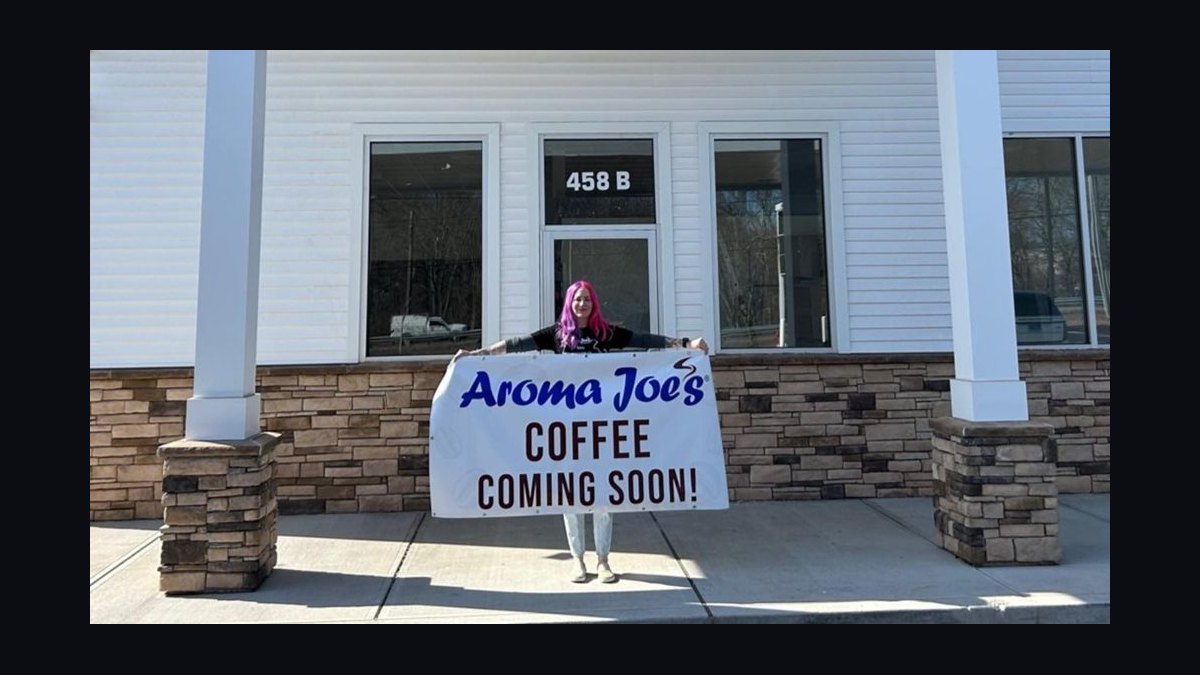
Yes, if you can bring $200K+ liquid and $750K+ net worth, are willing to run the store yourself in year one, and can lock a drive-thru pad in a $75K-median-income Northeast or Florida trade area. Plan on $586K-$1.86M all-in, breakeven around month 14-22, and treat a single Aroma Joe's Coffee franchise as an 8-12 year payback — multi-unit is where it actually pays.
The outcome you should expect
Walk into this deal with a realistic, not optimistic, picture of what year one and year three look like. A single-store Aroma Joe's franchise built to the 2025 FDD Item 7 range will cost somewhere between $586,599 and $1,859,492 depending on whether you're leasing an existing pad or buying and building dual-lane drive-thru land from scratch. System-wide average unit volume sits just under $1 million — reported at $928,242 in the Franchise Times profile — which is roughly three times the coffee-and-snack-shop sector average tracked by IBISWorld. That AUV number is the single most important figure in your whole decision, because almost everything else in the pro forma scales off it.
On a store doing something close to that system average, expect store-level EBITDA in the $98K-$165K range before debt service, with $123K-$140K being the realistic middle for a $930K-revenue location once you run cost of goods at 27-29%, labor at 30-33%, occupancy at 8-10%, the 8% royalty, marketing at 2.5-4.5%, and other operating costs around 8%. If you personally run the store as GM instead of hiring one, add another $55K-$75K to your own pocket, because that role's salary line simply doesn't leave the building. Breakeven on a conservative build lands between month 14 and month 22, not month 6 — anyone who tells you faster is not accounting for the 6-8 month ramp most drive-thru concepts need to build a reliable morning-rush habit in a new trade area. Full payback on your total investment realistically takes 8 to 12 years on a median build, and closer to 8 on the new, cheaper 1,500-square-foot Coffeehouse prototype.
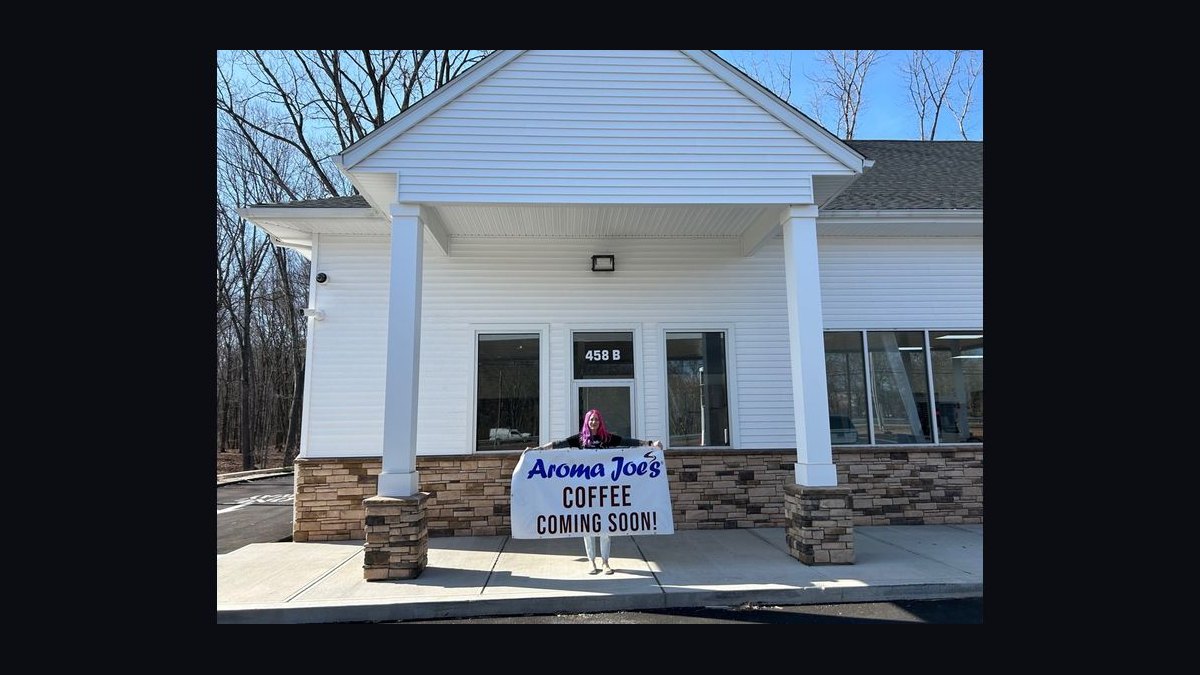
The honest framing: this is a cash-flowing small business with real, above-average unit economics for the coffee-and-tea category, not a fast-money franchise play. If your expectation is a 25%+ first-year return, this is the wrong vehicle. If your expectation is a durable six-figure income stream by year two, growing into a multi-unit operation by year four or five, the numbers support that outcome for the right operator in the right geography.
What drives that outcome
Three forces determine whether your specific store lands near the $1.6M top-quartile mark or the lower end of the range, and all three are things you can actually diagnose before you sign anything.
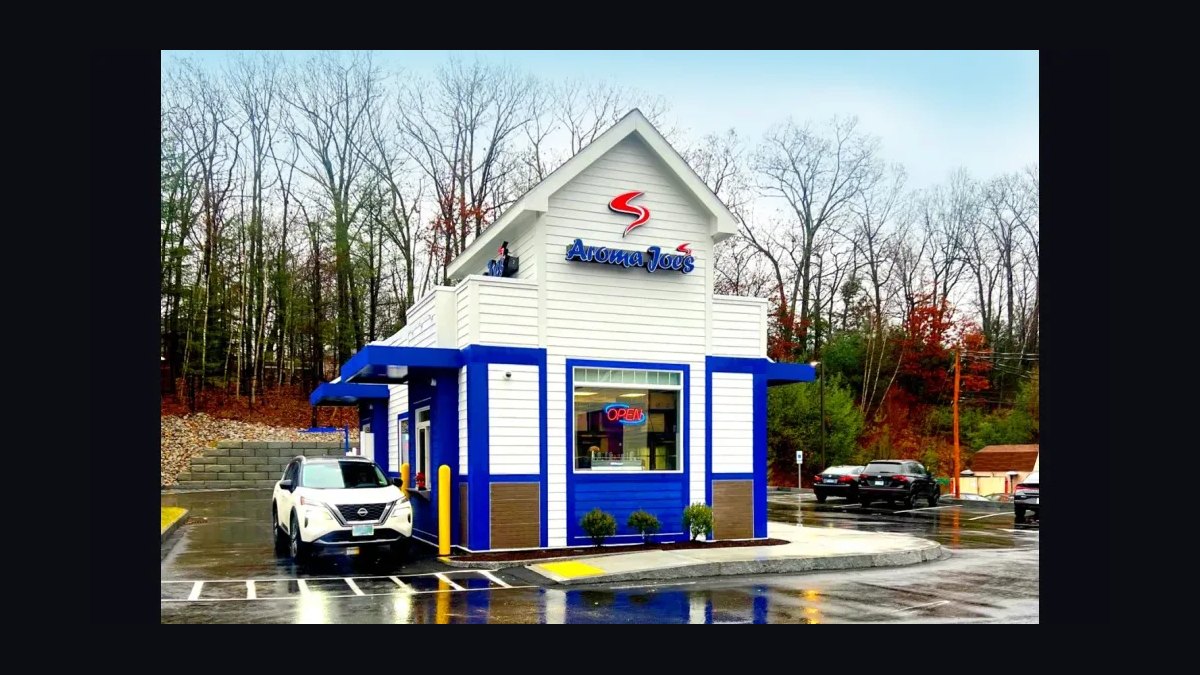
Site and trade area. The brand's best-performing locations are former bank drive-thrus, end-cap pads, and standalone outparcels that can stack 20-30 cars without spilling into a public road — that stacking capacity is what lets a store capture the 7-9 AM rush without losing cars to a competitor down the street. A site in a $75K+ median-income trade area with genuine morning commuter traffic behaves completely differently from the same building in a slower suburban pocket, even though the construction cost is identical. This is why the Item 7 range is so wide: two franchisees can spend nearly the same amount and land in very different AUV tiers purely on site selection.
Labor execution. Aroma Joe's runs on a crew of 18-22 part-time baristas delivering a high-energy, scripted guest interaction ("Hi, I'm Sarah, what's making you smile today?") inside a ticket-time target under four minutes. That crew model only works if you can recruit and retain teenagers and college students at $16-18/hour in your specific labor market. Where that recruiting pipeline is thin, service slows, ticket times creep past four minutes, and the AUV premium the brand is known for simply doesn't show up — the building and the menu are the same, but the operating discipline behind the counter is what actually produces the number.
Owner involvement. The store-level EBITDA math assumes either an owner-operator GM or a hired GM whose salary is already baked into the labor line. Absentee ownership from day one removes a layer of quality control precisely when the store is still building its habit-forming customer base, and that's the single biggest reason first-year underperformance happens. Treat your own presence in year one the way a RevOps function treats a new pipeline stage: something you personally instrument and watch daily until the process is proven, then hand off.
Benchmarks and realistic ranges
Use these ranges to sanity-check any pro forma a franchise development rep hands you — a number that falls meaningfully outside these bands deserves a follow-up question, not blind trust.
Investment. The $25,000 franchise fee is fixed under Item 5, though multi-unit developers can often negotiate a discount on fees two and three. Site acquisition and lease deposits run $15,000-$250,000, the widest swing in the whole budget, because it captures everything from a simple lease deposit to an outright land purchase. Building and construction is $250,000-$1,100,000, with the new 1,500-square-foot prototype trimming $150K-$300K off the top end. Equipment and POS (espresso equipment, blenders, drive-thru tech, and a Toast point-of-sale system) runs $145,000-$215,000. Signage and brand-mandated decor adds $25,000-$65,000, opening inventory $14,000-$24,000, training and grand-opening costs $12,500-$45,000, working capital $75,000-$150,000, and insurance, legal, and permits $15,000-$20,000.
Ongoing costs. Royalty is a flat 8% of gross sales, paid weekly, with a marketing fund contribution of 2.5-4.5% depending on region. Neither of these is negotiable in a way that meaningfully moves your unit economics — they're the cost of the brand name, the training system, and the marketing engine, and they're already baked into the EBITDA percentages above.
Comparative positioning. This is where Aroma Joe's separates itself from the rest of the drive-thru coffee category. Scooter's Coffee runs $954K-$1.52M with a 6% royalty and 2% marketing, and a reported median AUV around $880K. 7 Brew runs $1.15M-$2.27M with a 7% royalty plus 1% marketing and reported average unit volumes above $2.3M, but with 400+ units sold ahead of actual openings, new franchisees are entering a genuinely more saturated pipeline. Ellianos Coffee, a Southeast-focused option, comes in lower at $590K-$1.0M. In plain terms: Aroma Joe's total investment floor is meaningfully below Scooter's and well below 7 Brew, which is exactly why it's a more accessible entry point for a single-unit or two-unit operator who doesn't have $1M+ in liquid capital sitting idle.
Category tailwinds. The drive-thru coffee segment is growing faster than almost anything else in QSR right now — three coffee brands cracked the Top 10 of Technomic's America's Favorite Chains list for the first time in the January 2026 report. The National Coffee Association's 2026 data shows 65% of U.S. adults drinking coffee daily, with specialty drinks now representing 47% of that volume, an all-time high. Energy drinks, Aroma Joe's highest-margin category at roughly 78% gross margin per item, grew 13% in 2025 according to Mintel, with the 16-24 age cohort driving most of that growth — a demographic tailwind that lines up directly with the brand's core customer.
Risks, edge cases, and failure modes
Every one of these has actually sunk a franchisee's numbers in this category, so treat each as a checklist item rather than a hypothetical.
Undercapitalization. Franchisees who come in near the $200K liquid-capital floor with no cushion beyond the working-capital line are the ones who get squeezed if the first two or three months run slower than projected. The 90-150 day ramp before a new drive-thru location builds a reliable commuter habit is real, and thin working capital turns a normal ramp into a cash crisis.
Brand-awareness mismatch. Aroma Joe's has genuine, decades-built recognition in Maine, New Hampshire, and the broader Northeast. That recognition does not travel automatically to a new market. An operator opening in Texas, Arizona, or a part of the Southeast where the name means nothing is effectively paying full franchise price to build brand awareness that Dutch Bros or Starbucks already own in that market — a materially worse position than opening in a trade area where the name already carries weight.
Labor market failure. If your specific location can't recruit and retain the 18-22 part-time crew members the model depends on, at $16-18/hour, in a tight youth labor market, the entire high-energy service model degrades. This shows up first as slower ticket times, then as declining repeat-visit rates, and it's very hard to fix after the fact because it's a structural labor-supply issue in your specific zip code, not a training problem.
Input cost exposure. Arabica futures reaching $4.10/lb in March 2026 per ICE data squeezes cost-of-goods across the entire coffee category, Aroma Joe's included. A store already running thin margins because of a weak site or slow ramp has far less room to absorb a commodity spike than a store performing at or above system AUV.
Financing cost drag. With SBA 7(a) rates at 9.5-11% against a 5.25-5.50% base rate as of mid-2026, debt service on a $750K build can run $45,000-$65,000 a year — a meaningful bite out of a $130K store-level EBITDA. Run your own financing numbers at current rates rather than the rates a lender quoted you six months ago; the gap between those two numbers can be the difference between a comfortable owner draw and a break-even year.
Competitive saturation risk. Dutch Bros' aggressive push into Florida and Georgia and 7 Brew's rapid unit growth are both heading into the same 2027-2030 window Aroma Joe's is targeting for expansion. Signing a site in a market where one of these competitors has already announced plans changes your real-estate and labor cost assumptions materially, even before either store opens.
A practical rollout plan
A disciplined 90-day qualification and diligence process, followed by a realistic construction and ramp timeline, is what separates franchisees who hit the benchmark numbers from those who don't.
Days 1-30: qualify and validate. Confirm your own $200K liquid capital, $750K net worth, and 700+ personal credit before a single sales call. Pull the current FDD directly from the franchisor and read Items 5, 6, 7, 19, 20, and 21 in full. Run a 15-mile radius trade-area pull for daytime population, median income, and competitor density. Then call a minimum of 12 existing franchisees from the Item 20 list — including at least a few who closed in the last three years — and ask directly about actual AUV, COGS percentage, labor percentage, and their biggest unexpected cost. You want at least 8 genuinely positive, unprompted responses before moving forward.
Days 31-60: discovery, site, and financing. Attend the brand's in-person Discovery Day, tour operating stores during an actual morning rush, and meet the franchise development and operations teams face to face. In parallel, engage a commercial broker with specific drive-thru QSR experience, identify at least three viable pad sites, and submit an SBA 7(a) pre-qualification with a lender experienced in franchise lending.
Days 61-90: agreement and construction start. Sign the letter of intent on your lead site, form your LLC, secure your EIN and insurance binder, sign the franchise agreement and wire the fee, submit build-out plans for approval, and begin scheduling the required multi-week in-person training. Start pre-recruiting your opening crew bench through local channels well before you need them — a 20-person bench doesn't materialize in the two weeks before opening.
Months 4-14: build, open, and ramp. Construction typically runs 12-16 weeks. Budget for a soft open followed by a grand opening, then expect the genuine breakeven ramp — months 9-14 for most stores — before the business settles into its steady-state EBITDA range. Don't panic at month 6 numbers that look soft against a full system-average AUV; that's normal for a location still building its commuter habit.
Related questions
How much liquid capital do I actually need before a franchisor will approve me?
Most Aroma Joe's franchisees qualify with $200,000 in liquid capital and a $750,000 net worth. Coming in right at that floor with no additional cushion increases your risk if the opening ramp runs slower than the pro forma assumes.
Is a single store worth it, or should I only consider this as a multi-unit play?
A single store can work for an owner-operator willing to GM it personally, but the back-office leverage — one bookkeeper, one area manager — only kicks in past a second location, which is why the brand actively recruits 3-5 store area developers.
How does Aroma Joe's compare financially to Dutch Bros or Starbucks franchising?
Starbucks doesn't franchise traditional units in the U.S., and Dutch Bros' company-and-franchise mix runs at a different scale entirely. Among direct drive-thru franchise peers, Aroma Joe's sits below Scooter's and well below 7 Brew on total investment.
What's the biggest single variable that determines whether my store beats or misses the system average AUV?
Site selection — specifically stacking capacity for a drive-thru lane and the trade area's daytime commuter volume — has more impact on your final AUV than almost any other decision you'll make in this process.
FAQ
What is the total investment range for an Aroma Joe's Coffee franchise? The all-in cost, per the current FDD Item 7, ranges from roughly $586,000 to $1.86 million. This includes the $25,000 franchise fee, construction, equipment, and initial inventory, with real estate and drive-thru lane count driving most of the variation.
How much cash do I need on hand to qualify? Franchisees typically need at least $200,000 in liquid capital and a net worth of $750,000 or more. Strong credit or a multi-unit development plan can sometimes shift these thresholds slightly, but they're the standard bar.
How long does it take to break even and start making real money? Most single-store owners reach breakeven between month 14 and month 22. Year-one owner cash flow commonly falls in the $90,000-$140,000 range for a conservatively performing store, with full investment payback taking 8 to 12 years.
What are the ongoing royalty and marketing fees? You pay an 8% royalty on gross sales plus a marketing contribution of 2.5% to 4.5%, both calculated weekly. These fees are fixed across the system and already reflected in typical store-level EBITDA figures.
Is Aroma Joe's cheaper to open than Scooter's or 7 Brew? Yes, meaningfully so. Both Scooter's and 7 Brew generally require higher liquid capital and total investments north of $1.5-2 million, making Aroma Joe's a more accessible entry point for a first-time single-unit franchise buyer.
What kind of location and staffing does this business actually need to hit its numbers? A drive-thru pad in a trade area with at least $75,000 median household income, ideally with 20-30 car stacking capacity, paired with a crew of 18-22 part-time baristas paid $16-18/hour who can execute a fast, high-energy service script.
Sources
- Aroma Joe's Franchise Disclosure Document, Items 5, 7, 19, 20 — franchising.aromajoes.com
- Franchise Times — coverage of Aroma Joe's growth markets and unit economics
- Franchising.com — Aroma Joe's multi-unit franchise opportunity coverage
- Technomic — America's Favorite Chains, Top 10 list
- IBISWorld Industry Report 72221b — Coffee & Snack Shops in the US
- National Coffee Association — National Coffee Data Trends
- Mintel — US Energy Drinks Market Report
- ICE Futures US — Arabica Coffee "C" Contract data
- SBA Franchise Registry — top SBA 7(a) franchise lenders ranking
Related on PULSE
- Should I open or buy a Scooter's Coffee franchise in 2027?
- Should I open or buy a 7 Brew franchise in 2027?
- Should I open or buy a Dunkin' franchise in 2027?
- Should I open or buy an Ellianos Coffee franchise in 2027?
- Should I open or buy a Honey Dew Donuts franchise in 2027?
This page will be disappearing soon. Save it to your device for $1 — or read it free while it is here.
@Kory-White- · if Venmo asks, the last 4 of my number are 2012
This page is gone.
This one is off the shelf now. $1 keeps it on your phone for good — the whole page, pictures and diagrams included.
 pulse-qShould I open or buy a Garage Experts franchise in 2027?
 pulse-qShould I Hire a Fractional CRO If My Deals Close Then Churn in Six Months in 2026?
 pulse-qShould I open or buy a Wendy's franchise in 2027?
 pulse-qHow Do I Keep Reps From Gaming the Comp Plan in 2026?
 pulse-qHow Do I Set Attach Rates for My Service Fees in 2026?
 pulse-qShould I open or buy an It's A Grind Coffee franchise in 2027?
 pulse-qShould I open or buy a Golden Corral franchise in 2027?
 pulse-qHow Many Salespeople Should I Schedule on My Auto Dealership Floor Each Day in 2026?
 pulse-qShould I open or buy an Aire Serv HVAC franchise in 2027?
 pulse-qHow Many Employees Should I Schedule Each Shift at My Phone Repair Shop in 2026?